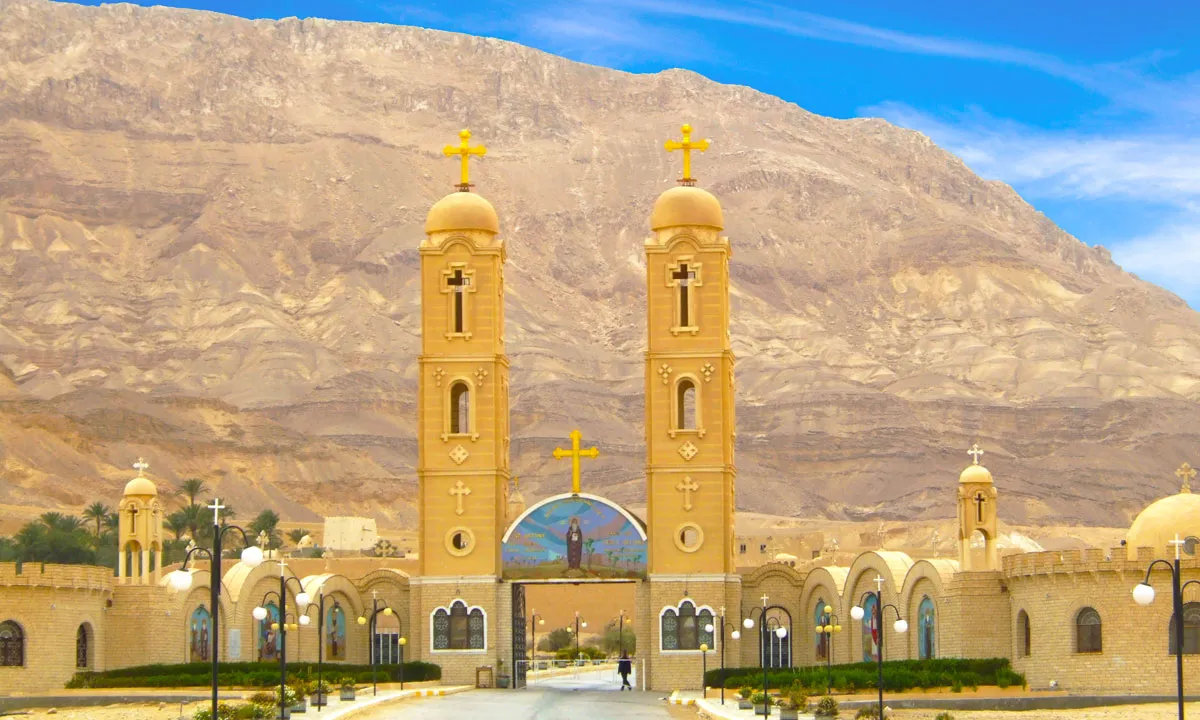
Egypt is one of the oldest civilizations in the world. The country is famous for pyramids, temples, the Nile River, and ancient kings. However, Egypt is also home to some of the oldest Christian monasteries in the world. These monasteries tell the story of faith, prayer, and simple desert life. Many Christian monks moved into Egypt’s deserts during the third and fourth centuries to live peaceful spiritual lives away from crowded cities. Over time, these small desert shelters became large monasteries filled with churches, libraries, towers, gardens, and ancient artwork. Today, these monasteries remain important religious and historical landmarks that attract visitors from many countries. You can explore egypt famous places here.
The Christian monasteries in Egypt are closely connected with the Coptic Orthodox Church. These monasteries protected Christian teachings during difficult times and helped spread monastic traditions around the world. Many famous saints and monks lived in these holy places. Travelers who visit the monasteries can explore beautiful churches, old manuscripts, paintings, and peaceful desert surroundings. Some monasteries are hidden deep in the mountains, while others stand near ancient cities. Every monastery has its own history and special beauty. Visiting these sacred places gives travelers a chance to learn about Egypt’s Christian heritage and enjoy quiet spiritual experiences.
10 Amazing Christian Monasteries in Egypt
Egypt has many famous monasteries that show the beauty of Christian history and architecture. These monasteries are important for religion, tourism, and culture. Some were built more than 1,500 years ago and still remain active today. The monks living there continue old traditions of prayer, fasting, and community life. Travelers visit these monasteries not only for religious reasons but also to enjoy history, desert landscapes, and ancient architecture.
These monasteries preserve some of the oldest Christian manuscripts, icons, and artwork in the world. Visitors can see beautiful wall paintings, stone churches, wooden doors, and peaceful courtyards. Many monasteries are connected with important saints and biblical stories. Exploring these sites helps people understand how Christianity grew in Egypt and how monks shaped religious life for centuries. From Sinai to Wadi Natrun, every monastery offers a unique journey into Egypt’s spiritual past.
| Monastery | Location | Founded |
|---|---|---|
| St. Catherine’s Monastery | Sinai | 548–565 AD |
| Monastery of St. Anthony | Eastern Desert | 298–300 AD |
| Monastery of St. Paul | Eastern Desert | 5th Century |
| White Monastery | Sohag | Around 400 AD |
| Red Monastery | Sohag | 4th Century |
| Monastery of St. Macarius | Wadi Natrun | 360 AD |
| Monastery of St. Simon | Cairo | Modern expansion |
| Monastery of St. Mina | Alexandria | 4th Century roots |
| Monastery of St. Samuel | Western Desert | 4th Century |
| Monastery of the Syrians | Wadi Natrun | 4th Century |
1. St. Catherine’s Monastery

Saint Catherine’s Monastery is one of the oldest working monasteries in the world. It was built between 548 and 565 AD by order of Justinian I. The monastery stands at the foot of Mount Sinai, where many believe Prophet Moses received the Ten Commandments. Because of this important biblical connection, the monastery became a holy place for Christians, Muslims, and Jews. Over centuries, pilgrims traveled across deserts and mountains to pray at this sacred site. The monastery survived invasions, wars, and harsh weather because of its strong walls and respected religious status.
The monastery contains beautiful churches, chapels, libraries, and courtyards. One of its most famous treasures is the Burning Bush Chapel. Visitors also come to see the large collection of ancient manuscripts written in Greek, Arabic, Syriac, and other languages. Some manuscripts date back to the fourth century. The monastery’s architecture combines Byzantine, Islamic, and Egyptian styles. Massive sandstone walls protect the complex, while peaceful mountain surroundings create a spiritual atmosphere that attracts travelers from around the world.
St. Catherine’s Monastery Highlights
The monastery’s library is one of the oldest libraries in the world. It contains more than 3,000 ancient manuscripts and religious texts. Historians and researchers study these documents to learn about early Christianity and ancient cultures. Visitors can also admire famous icons such as the sixth-century Christ Pantocrator icon, considered one of the oldest Christian icons in existence.
Another highlight is the beautiful location near Mount Sinai. Many travelers climb the mountain early in the morning to watch the sunrise before visiting the monastery. The peaceful desert environment and rich history make St. Catherine’s Monastery one of Egypt’s most unforgettable religious sites.
2. Monastery of St. Anthony

Monastery of St. Anthony is one of the oldest Christian monasteries in history. It was founded around 298–300 AD after the death of Saint Anthony the Great, known as the father of Christian monasticism. Saint Anthony left his rich life behind and moved into the desert to dedicate himself to prayer and simple living. His followers later built the monastery near the cave where he lived. This monastery became an example for Christian monks around the world.
The monastery is surrounded by high sandstone walls and looks like a small desert village. Inside are churches, monk cells, gardens, bakeries, and storage rooms. Beautiful paintings decorate many church walls, showing saints and stories from Christian history. The peaceful desert setting makes the monastery feel calm and spiritual. Many pilgrims visit every year to honor Saint Anthony and learn about the beginning of Christian monastic life.
Monastery of St. Anthony Architecture
The architecture reflects both Byzantine and Coptic styles. Thick walls protected monks from desert attacks and extreme weather. Narrow pathways connect churches and living spaces. Some buildings are many centuries old and still used today. Towers inside the monastery once served as protection during dangerous times.
A famous part of the visit is climbing the mountain to reach the cave of Saint Anthony. The cave is located high above the monastery and offers beautiful desert views. Travelers often describe this journey as peaceful and inspiring because it connects them with the simple life of the saint.
3. Monastery of St. Paul

Monastery of St. Paul was founded during the fifth century in honor of Saint Paul of Thebes. Saint Paul escaped Roman persecution and spent more than 90 years living alone in a desert cave. He survived by drinking water from a spring and eating dates from a palm tree. His simple and spiritual lifestyle inspired many Christians to become monks.
The monastery stands in a quiet desert valley surrounded by mountains. Strong defensive walls protect the complex. Inside are churches, towers, monk cells, and storage areas. The peaceful desert atmosphere makes the monastery a perfect place for prayer and reflection. Travelers visiting Egypt’s Eastern Desert often explore both the Monastery of St. Paul and the Monastery of St. Anthony because of their close historical connection.
Monastery of St. Paul Highlights
The Cave Church is the monastery’s most important attraction. It was built around the cave where Saint Paul lived and prayed. The church contains beautiful paintings, candles, and religious symbols connected with resurrection and eternal life. Ancient murals show saints and scenes from Christian history.
The monastery also contains ancient manuscripts and historical artifacts that tell the story of early monastic life in Egypt. Visitors enjoy exploring the old dining halls, stone staircases, and quiet courtyards while learning about the traditions of desert monks.
4. White Monastery

White Monastery was founded around 400 AD by Saint Shenouda. It became one of Egypt’s largest Christian monasteries with thousands of monks and nuns living there. The monastery was an important center for religion, learning, and writing during early Christian history.
The monastery gets its name from the white limestone used in its construction. Its design resembles ancient Egyptian temples with massive walls and large entrances. Inside the church are stone columns, decorative carvings, and remains of old paintings. The monastery once contained one of Egypt’s largest collections of manuscripts and religious books.
White Monastery Highlights
The church follows a basilica style with wide halls and strong architecture. Decorative arches and carved stone details show the beauty of early Christian design in Egypt. Although some parts were damaged over time, restoration work continues to preserve the monastery’s historical importance.
Travelers visiting Sohag often explore the White Monastery along with the nearby Red Monastery. Together, they provide a deep understanding of Christian art, architecture, and religious life in Upper Egypt.
5. Red Monastery

Red Monastery is famous for its red granite construction and beautiful frescoes. It was founded during the fourth century and became an important spiritual center for Coptic Christians. The monastery survived fires and invasions over many centuries, but much of its beauty remains visible today.
The church combines Roman, Byzantine, and Egyptian artistic styles. Inside are colorful frescoes showing saints, angels, and biblical scenes. Many paintings date back to the sixth and seventh centuries. Restoration projects helped uncover the original colors hidden beneath smoke and dust for centuries.
Red Monastery Highlights
The monastery’s church has a basilica layout with several halls connected together. The attached Church of the Virgin Mary adds to the spiritual importance of the site. Visitors admire the impressive wall paintings and ancient architecture that make the monastery one of Egypt’s artistic treasures.
Conservation projects supported by international researchers continue to preserve the monastery’s artwork and buildings. Today, the Red Monastery attracts pilgrims, historians, photographers, and tourists interested in Egypt’s Christian heritage.
6. Monastery of St. Macarius

Monastery of St. Macarius was founded in 360 AD by Saint Macarius the Egyptian. Located in the desert area of Wadi Natrun, the monastery became one of the most important Christian monastic centers in Egypt. Monks from different countries traveled there to live spiritual lives dedicated to prayer and learning.
The monastery contains churches, towers, and monk cells protected by strong walls. Religious paintings and Coptic artwork decorate many of the buildings. Archaeologists discovered relics believed to belong to Saint John the Baptist and the Prophet Elisha during restoration work at the monastery.
Monastery of St. Macarius Highlights
The monastery’s library contains valuable manuscripts that help historians understand early Christianity and monastic traditions. These handwritten texts preserve important religious teachings and historical records.
Visitors also enjoy the peaceful desert landscape surrounding the monastery. Palm trees, stone walls, and quiet courtyards create a calm atmosphere perfect for spiritual reflection and historical exploration.
7. Monastery of St. Simon

Monastery of St. Simon is also called the Cave Church because it is carved directly into Mokattam Mountain near Cairo. The monastery became famous for its huge size and unique rock architecture. It is connected with the Zabbaleen community, known for recycling work in Cairo.
The Cave Church can hold around 20,000 people, making it one of the largest churches in the Middle East. Stone seating areas rise around the altar like a giant theater. The mountain rock forms the walls and ceiling, creating a dramatic and beautiful atmosphere. You can explore egypt holiday calendar.
Monastery of St. Simon Highlights
The monastery contains several churches decorated with carvings and religious images. Pilgrims visit the site during Christian festivals and celebrations. The large cave structure and peaceful atmosphere make it one of Cairo’s most unusual religious attractions.
Travelers visiting Cairo often include the Cave Church in their tours because it combines spirituality, community history, and impressive architecture. The monastery also offers beautiful views over the city from the mountain area.
8. Monastery of St. Mina

Monastery of St. Mina is one of Egypt’s most important pilgrimage destinations. Saint Mina lived between 285 and 309 AD and became famous for his faith and martyrdom during Roman persecution. After his death, Christians built a shrine at his burial place.
The modern monastery was expanded by Pope Cyril VI during the twentieth century. Today, thousands of pilgrims visit the monastery each year seeking blessings and spiritual comfort. The peaceful environment and religious importance make it a special destination for Christian travelers.
Monastery of St. Mina Highlights
The monastery contains several churches with beautiful altars and religious decorations. Ancient basilica remains show the long history of Christian worship at the site. Stories of miracles connected with Saint Mina continue to attract pilgrims from many countries.
Visitors enjoy walking through the monastery gardens and peaceful prayer areas. The site offers a strong sense of spirituality and connection with Egypt’s Christian traditions.
9. Monastery of St. Samuel

Monastery of St. Samuel dates back to the fourth century. Saint Samuel restored the monastery during the fifth century after earlier destruction. The monastery became an important spiritual center in the Western Desert where monks lived simple lives of prayer and farming.
Strong walls and towers protected the monastery from raids during difficult historical periods. The complex includes gardens, churches, chapels, and monk living areas. Renovations during later centuries helped preserve the monastery’s architecture and historical importance.
Monastery of St. Samuel Highlights
The monastery remains active today with many monks continuing ancient traditions. Visitors can explore churches dedicated to Saint Samuel and the Virgin Mary while enjoying the peaceful desert atmosphere.
Travelers interested in spiritual retreats and desert history often visit this monastery because of its quiet surroundings and strong connection with early Christian monastic life.
10. Monastery of the Syrians

Monastery of the Syrians is one of Egypt’s most historically important monasteries. Founded during the fourth century, it later became home to Syrian monks around 984 AD. The monastery survived destruction and rebuilding across many centuries while remaining an active religious center.
The monastery contains churches, towers, monk cells, and strong walls. The Church of the Virgin Mary is especially famous for its ancient frescoes and engravings discovered during restoration work in the 1990s.
Monastery of the Syrians Highlights
The monastery is famous for its Syriac manuscripts. These ancient texts included works connected with philosophers such as Aristotle and Hippocrates. Many manuscripts are now preserved in major libraries around the world.
Visitors admire the peaceful environment, ancient paintings, and historical architecture. The monastery remains a valuable symbol of Egypt’s Christian and cultural heritage.
Best Time to Visit Christian Monasteries in Egypt
| Season | Weather | Travel Experience |
|---|---|---|
| October to March | Cool and pleasant | Best for sightseeing |
| April to May | Warm | Good for desert travel |
| June to August | Very hot | Difficult during daytime |
| September | Warm and dry | Less crowded |
The best time to visit Egypt’s monasteries is from October to March because the weather is cooler and more comfortable for travel.
Travel Tips for Visiting Egyptian Monasteries
| Tip | Details |
|---|---|
| Dress modestly | Respect religious traditions |
| Carry water | Desert areas are hot |
| Visit early morning | Better weather and fewer crowds |
| Respect silence | Many monasteries are active religious places |
| Hire a guide | Learn more about history and culture |
Travelers should remember that these monasteries are sacred places where monks still live and pray. Respectful behavior helps preserve the peaceful atmosphere.
Conclusion
The 10 amazing Christian monasteries in Egypt are among the most important religious and historical sites in the world. These monasteries preserve centuries of Christian history, architecture, and spiritual traditions. From the mountains of Sinai to the deserts of Wadi Natrun, every monastery tells a story of faith, survival, and devotion.
Travelers who visit these holy places can explore ancient churches, beautiful artwork, peaceful deserts, and valuable manuscripts. Whether you are interested in history, architecture, religion, or culture, these monasteries offer unforgettable experiences and a deeper understanding of Egypt’s rich Christian heritage.
FAQs
1. What percentage of Egyptians are Christians?
Around 5% to 15% of Egypt’s population practices Christianity, mainly through the Coptic Orthodox Church.
2. What are Egyptian Christians called?
Egyptian Christians are commonly called Copts or Coptic Christians.
3. Which is the oldest monastery in Egypt?
The Monastery of St. Anthony and St. Catherine’s Monastery are among the oldest Christian monasteries in the world.
4. How many monasteries are there in Egypt?
Egypt has around 33 monasteries and several convents spread across the country.
5. Can tourists visit Christian monasteries in Egypt?
Yes, many monasteries welcome tourists and pilgrims throughout the year.