Cairo rewards a clear plan. The city is huge, traffic is slow, and its best sights fall into distinct districts: Giza, Downtown, Islamic Cairo, Coptic Cairo and Zamalek. This guide picks the ten experiences that give a first-time visitor the full story — pharaonic, Islamic, Coptic and modern Cairo — and groups them so you are not crossing the city back and forth for one stop.
Allow three days if you can. Two days cover the headline sights, but three days let you add Saqqara or a slower museum visit without rushing. Start early, especially at Giza, and check the official site before visiting for current ticket types and hours, because entry rules and museum displays change.
At a Glance
| Detail | What to know |
|---|---|
| Best base districts | Downtown, Zamalek or Giza, depending on whether you prefer museums, walks or pyramid views |
| Ideal time | 3 days; 2 days for highlights only |
| Best season | November to February for cooler sightseeing weather |
| Getting around | Cluster by district; use a licensed guide or ride-hailing for Giza and cross-city trips |
| Tickets | Pyramid interiors and special museum halls are often separate tickets — check the official site before visiting |
History in One View
Cairo is not one city from one era. Giza belongs to the Old Kingdom, with pyramids built in the Fourth Dynasty, roughly 2600–2500 BC. Islamic Cairo grew around medieval mosques, madrasas and markets, while Coptic Cairo preserves churches inside the old Roman fortress of Babylon. Modern Downtown, with Tahrir Square and its historic museum, adds a 19th- and 20th-century layer. Seeing the districts in order makes that timeline easy to follow.
1. Pyramids of Giza and the Great Sphinx

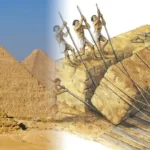
Give Giza a full morning. The plateau holds the pyramids of Khufu, Khafre and Menkaure, plus the Great Sphinx, and it is much larger than it looks in photographs. Walk to the panorama viewpoint for the classic three-pyramid view, then visit the Sphinx and Valley Temple area. Entry inside a pyramid is a separate ticket and involves a narrow, steep passage, so it suits visitors comfortable in enclosed spaces.
2. Grand Egyptian Museum
Pair the Grand Egyptian Museum with Giza, since it stands nearby. It is built for Egypt’s major ancient collections, including the Tutankhamun material, and its grand staircase and atrium are attractions in themselves. Allow three to four hours if you want the main galleries without rushing. Before you go, confirm which collection is on display on your dates, because objects move between the Grand Egyptian Museum, the Egyptian Museum in Tahrir and the National Museum of Egyptian Civilization.
3. Egyptian Museum, Tahrir Square
The historic museum on Tahrir Square is older in style — dense displays, crowded cases and a strong sense of an old archaeological collection. That is part of its charm. It works well with a Downtown walk and is a good choice if you want breadth across Egyptian history rather than one themed exhibition.
4. Citadel of Saladin and Mosque of Muhammad Ali
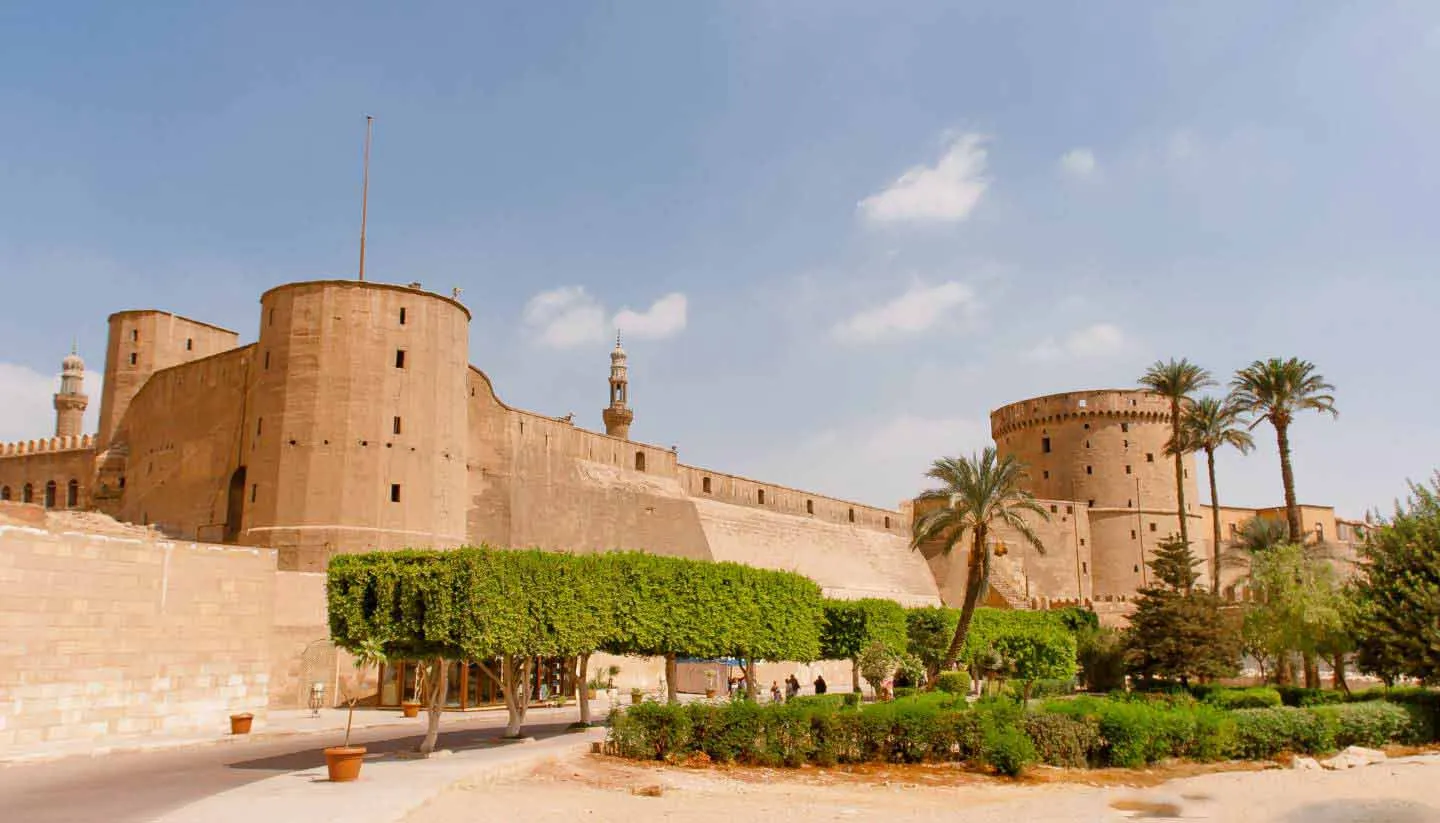
The Citadel, built under Saladin in the 12th century, sits above the city and was Egypt’s seat of government for centuries. Inside, the domed Mosque of Muhammad Ali, with its alabaster interior, is the main sight, and the terraces give wide views over Cairo. On a clear day you can spot the pyramids in the distance. Allow two to three hours.
5. Khan el-Khalili and Al-Muizz Street
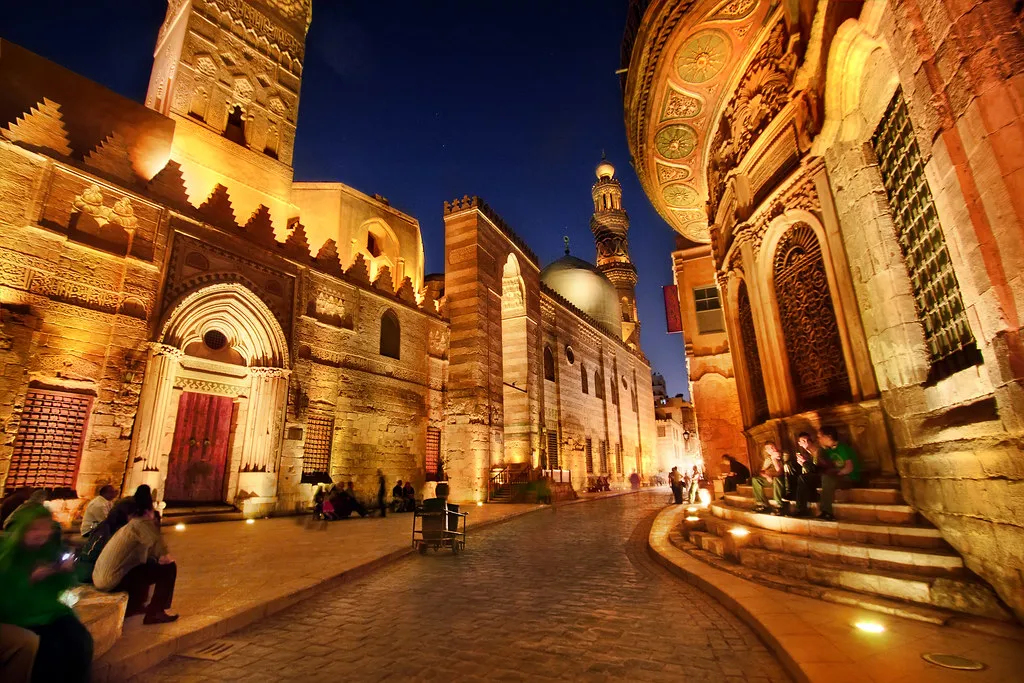
Khan el-Khalili is Cairo’s best-known bazaar: lanes of lamps, spices, textiles, silver and souvenirs, plus old coffee houses for mint tea and people-watching. Expect to bargain, and keep small bills in Egyptian pounds for tipping. From there, walk Al-Muizz Street, a partly pedestrian route lined with medieval mosques, madrasas and merchant houses. Evenings are pleasant, when facades are lit.
6. Coptic Cairo: The Hanging Church and Coptic Museum
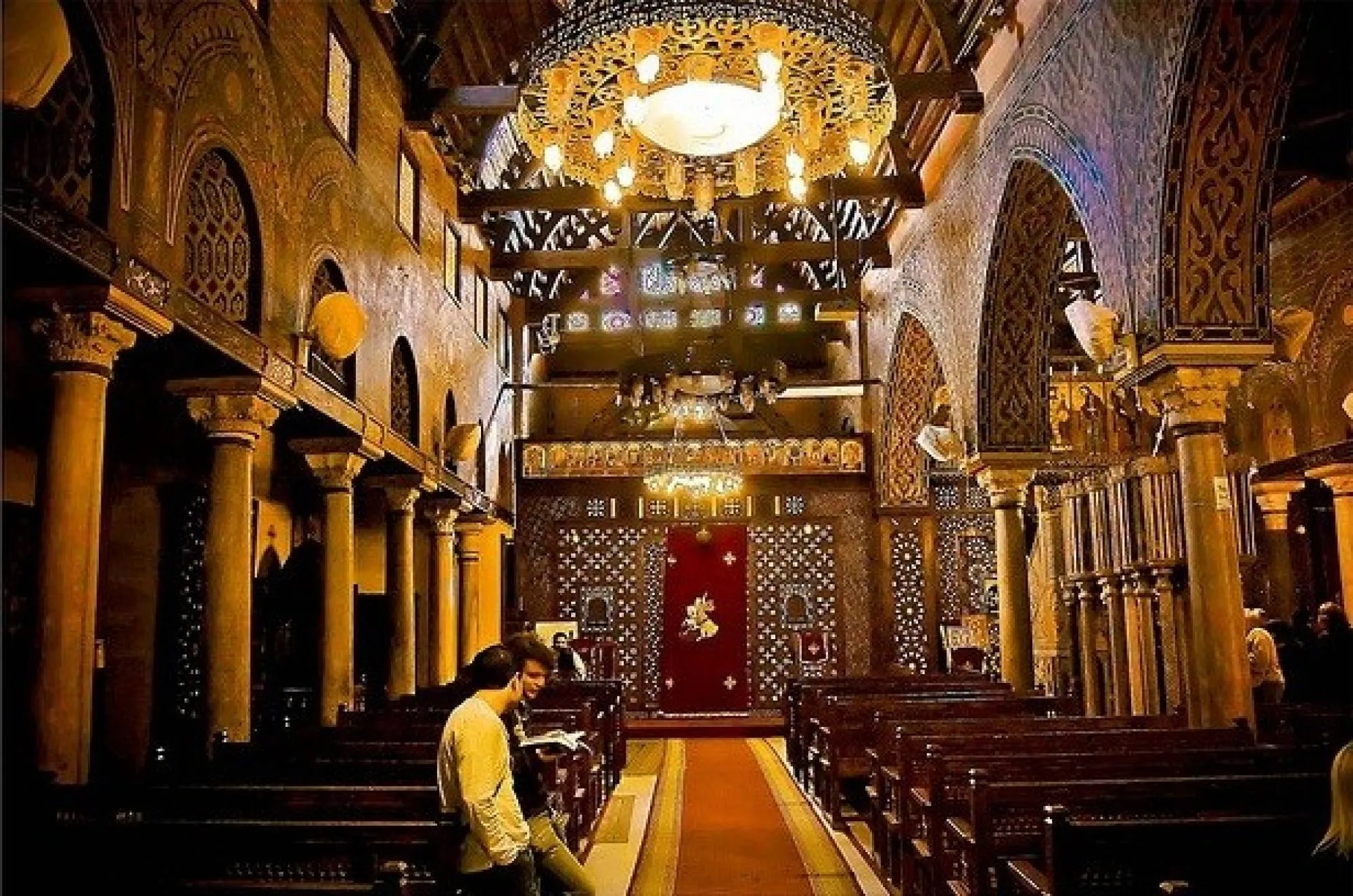
Coptic Cairo, also called Old Cairo, is quieter than Islamic Cairo and centres on the Roman fortress area. The Hanging Church, built above the fortress gates, is famous for its wooden ceiling and icons. Nearby, the Coptic Museum explains Egypt’s Christian history, and the Ben Ezra Synagogue adds another layer to this small, walkable district.
7. Al-Azhar Park and Islamic Cairo Views
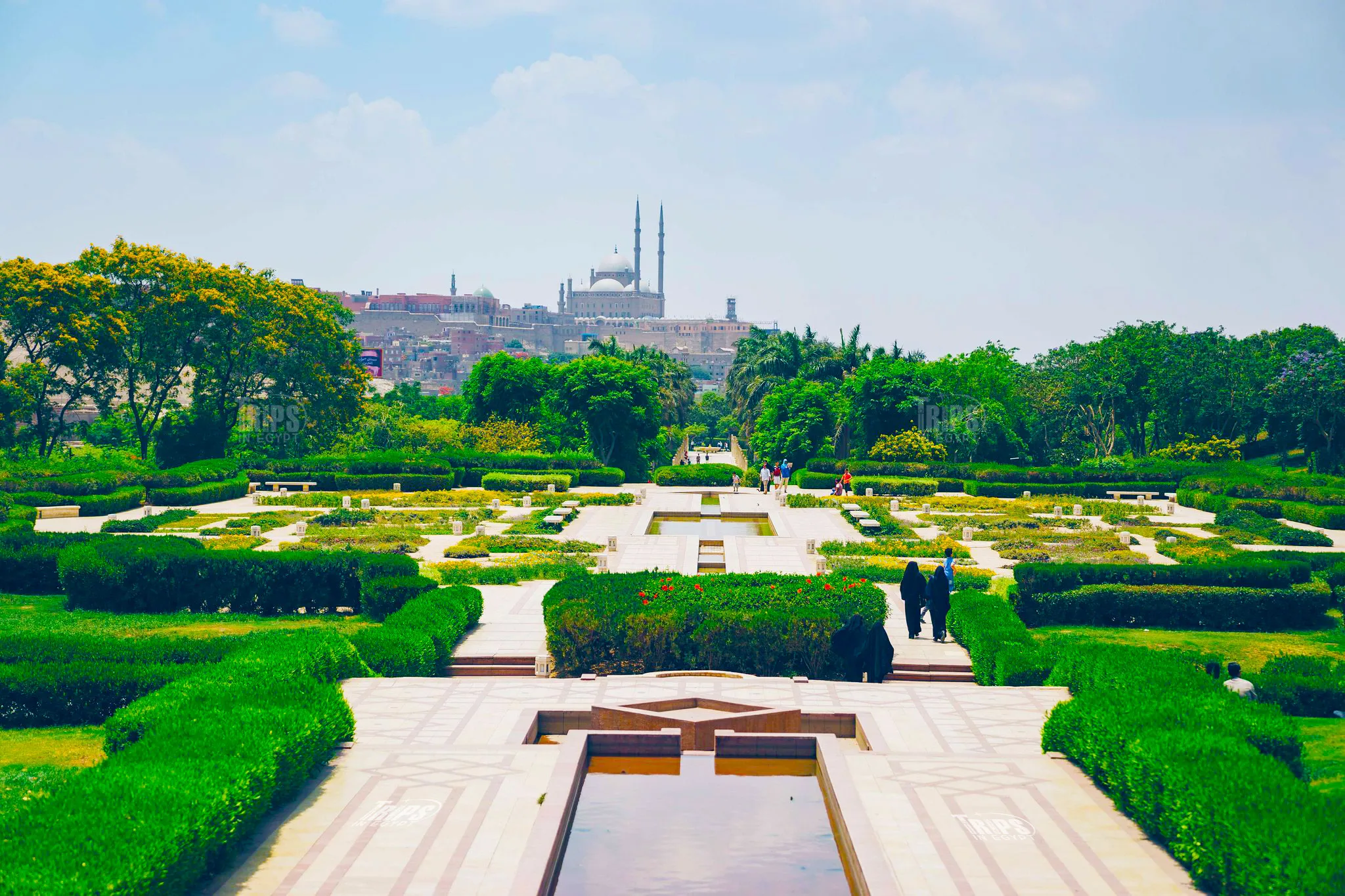
Al-Azhar Park is Cairo’s green break from the old city’s lanes. It offers lawns, paths, restaurants and views back over Islamic Cairo’s minarets. It is a good late-afternoon stop after the Citadel or Khan el-Khalili, especially for families who want space to sit down.
8. Nile Felucca Ride
A felucca, a traditional wooden sailboat, is the calmest way to see the Nile. A short sunset ride from a central pier avoids the formality of a dinner cruise and gives you the river, the bridges and the city skyline in one hour. Agree the duration and price before boarding, and check the official site or your hotel for current pier advice.
9. Zamalek: Galleries, Cafes and Cairo Tower Views
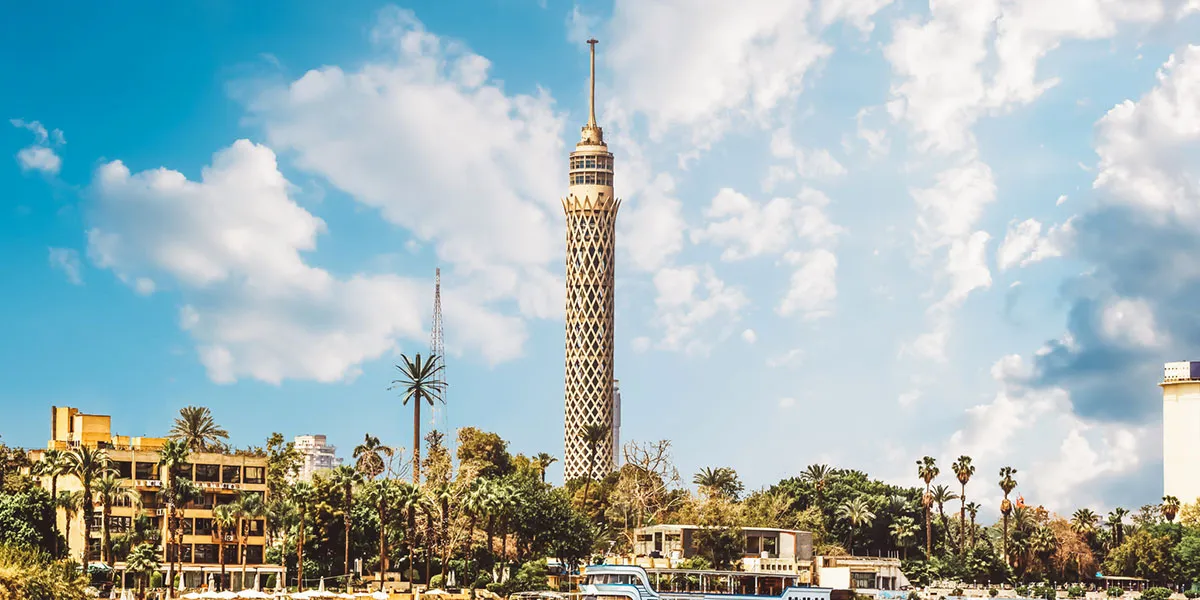
Zamalek, on Gezira Island, is leafy, walkable and full of galleries, bookshops and cafes. Cairo Tower, built in the 1960s with a lotus-inspired design, gives a 360-degree view from Gezira Island. Visit near sunset if you want golden light over the Nile and the city sprawl.
10. Saqqara and Memphis Day Trip
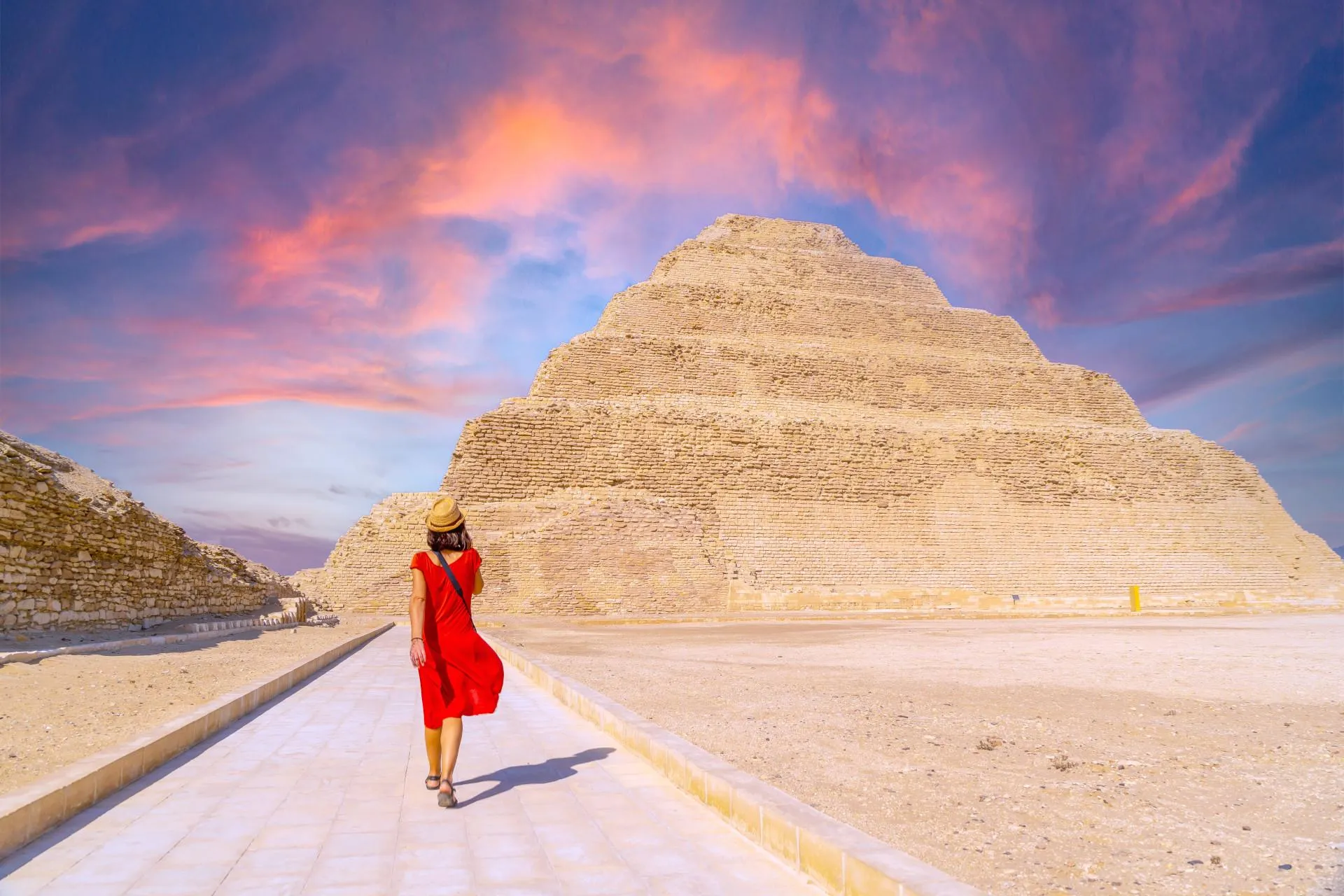
If you have a third day, add Saqqara, south of Cairo. Its Step Pyramid of Djoser, from around 2670 BC, is the oldest stone pyramid in Egypt and shows how pyramid building began, long before Giza’s smooth-sided pyramids. Memphis, the ancient capital nearby, completes the story of Egypt’s earliest royal centre.
Practical Plan: 3 Days in Cairo
| Day | Plan |
|---|---|
| Day 1 | Giza Plateau in the morning, Grand Egyptian Museum in the afternoon |
| Day 2 | Citadel in the morning, Al-Muizz Street and Khan el-Khalili in the late afternoon and evening |
| Day 3 | Coptic Cairo and Egyptian Museum, then a Nile felucca at sunset; or Saqqara and Memphis instead of one museum |
Practical notes: mosques restrict visits around Friday midday prayers; Khan el-Khalili comes alive after dark; tipping, known as baksheesh, is normal for guides, drivers and attendants, so carry small notes.
Conclusion
Cairo works best when you stop trying to see everything in one day. Giza for ancient Egypt, the Citadel and Khan el-Khalili for medieval Cairo, Coptic Cairo for its churches, and the Nile for a pause between them — that combination gives a first trip its shape. With three days, a district-by-district plan and an early start at Giza, Cairo feels manageable rather than overwhelming.
FAQs
How many days are enough for Cairo?
Three days cover Giza, the main museums, Islamic Cairo and Coptic Cairo comfortably. Two days cover the highlights if you skip Saqqara.
Is the Grand Egyptian Museum the same as the Egyptian Museum?
No. The Grand Egyptian Museum is near Giza, while the historic Egyptian Museum is on Tahrir Square in Downtown. Check which collection is where on your travel dates before buying tickets.
Can you go inside a pyramid at Giza?
Yes, with a separate ticket, but the passage is narrow and steep. It is not suitable for everyone, so check access details before visiting.
What should I wear at mosques in Cairo?
Cover shoulders and knees, and women should add a headscarf for mosque visits. Modest dress also helps in busy markets and religious districts.
Is Khan el-Khalili worth visiting at night?
Yes. The bazaar and Al-Muizz Street are livelier and better lit in the evening, and old coffee houses are ideal for tea after sightseeing.
Do I need a guide in Cairo?
Not strictly, but a licensed Egyptologist guide helps at Giza and in Islamic Cairo, where history, tickets and navigation are easier with local knowledge.
Related guides: Best Places in Cairo, Best Cities to Visit in Egypt, Fascinating Egyptian Pyramids, Oldest Temples in Egypt. Further reading: Top 10 Things to Do in Cairo, Cairo travel guide.