Type the question is egypt safe for tourists into a search box and you get two countries for the price of one. In the first, pyramids rise over a police checkpoint, headlines gather Sinai and the Libyan border into one red map, and a family in Ohio quietly deletes Egypt from the list. In the second, a million British travellers a year – the UK Foreign Office’s own figure – walk through Karnak’s columns, sail feluccas at Aswan and argue about camel prices at Giza, and almost all of them, in the same document’s words, have visits that are trouble-free. Both countries are the same place. The honest answer lives in the distance between the headline and the map.
That distance is what this guide measures. Its spine is the two official pages a traveller should actually read – the UK Foreign, Commonwealth & Development Office (FCDO) travel advice for Egypt and the US Department of State’s Egypt travel advisory – both fetched and read in full on 31 October 2026, summarised here in our own words with their update dates attached, and linked so you can re-check them the week you travel. Neither government advises against visiting the Egypt that tourists actually go to. Both draw hard lines around parts of Egypt tourists almost never go to. And both spend most of their words not on terrorism but on the unglamorous material of real trips – roads, boats, heat, hassle and paperwork.
Around that spine, this guide sets the things official pages compress: what each named warning area means on a real itinerary, why Sinai has two halves with opposite advice, which assurances the FCDO writes into its own warning list as exceptions, and where the everyday risks genuinely sit for Cairo, the Nile Valley, the Red Sea resorts, women travelling, solo travellers and drivers. Advice this changeable should never be taken from an article alone, including this one – treat what follows as the map, and the two official pages as the weather report you check before setting out.
Is Egypt Safe for Tourists – The Short Answer
The short answer to is egypt safe for tourists, as of 31 October 2026, is that the Egypt of the standard itinerary – Cairo and Giza, Luxor and Aswan, the Nile between them, Abu Simbel and the Red Sea resorts – is open, busy and outside every area either government warns against, while the warnings themselves are real, specific and aimed at border and desert geography that most visitors will never see. The US State Department’s advisory stands at Level 2 – exercise increased caution – citing terrorism, crime and health, a level it lowered from Level 3 in July 2025 and has kept since, with the highest warnings reserved for the Northern and Middle Sinai Peninsula and remote parts of the Western Desert. The UK’s FCDO, updated on 27 October 2026, advises against all travel to North Sinai and to within 20km of the Libyan border, and against all but essential travel to a short list of other areas set out in the map section below.
Those two positions, read together, are the story: the danger the governments are pricing sits in named places at the country’s edges, not in a breakdown of safety along the tourist corridor. On the ground, the corridor runs as it has for decades – the FCDO notes a significant security presence across the country with extra measures at tourist sites, the State Department says Egyptian authorities generally offer effective security protection, and the visitors who do come to harm are overwhelmingly harmed by mundane things: a road journey taken at night, summer heat handled carelessly, a dive boat chosen on price, a fare agreed too late.
So the working answer is a conditional yes, with the conditions doing real work: stay inside the geography both governments leave open, build the trip around reputable operators and booked transport, carry insurance that matches the official wording, and re-read the two advice pages in the week you travel. The rest of this article gives you the detail to apply those conditions properly. Our Egypt travel guide covers the full route this safety picture applies to.
What the Official Advice Actually Says
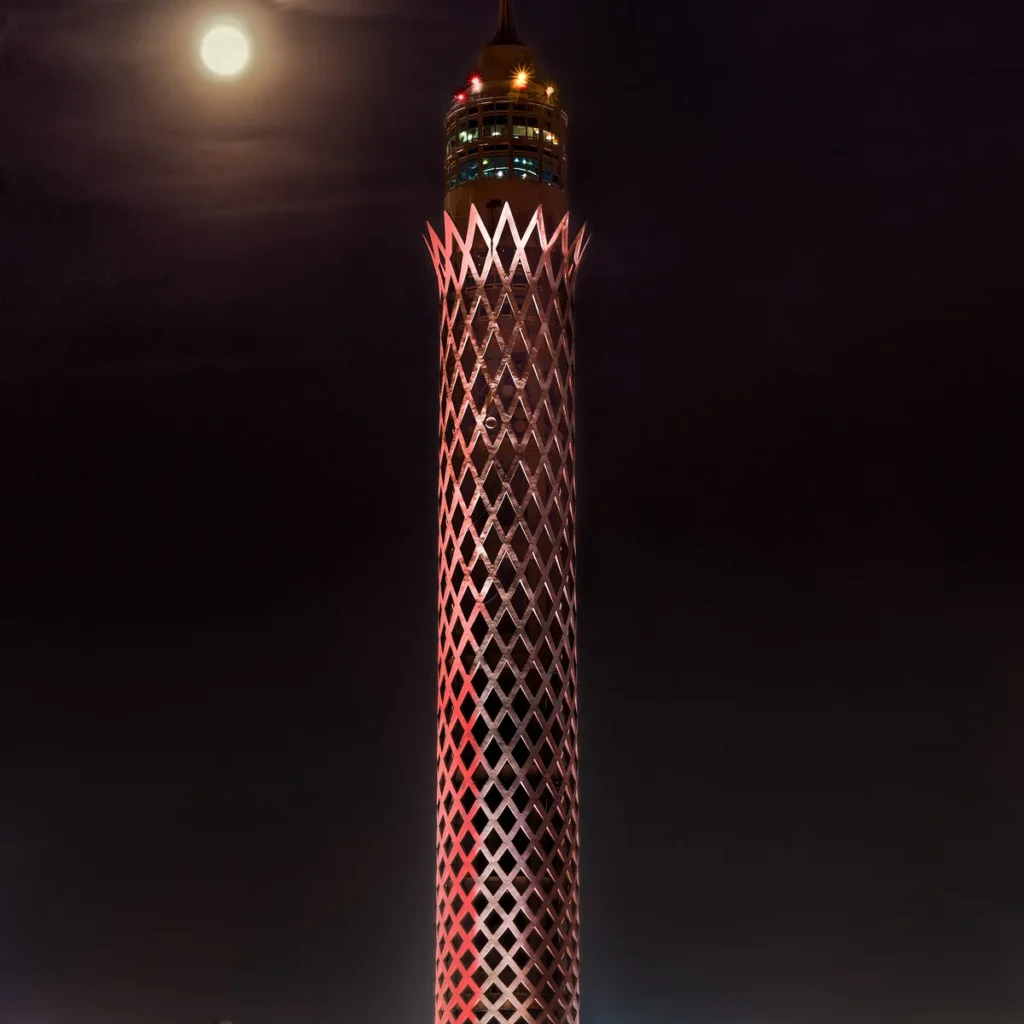
Start with the two documents themselves, because every is egypt safe for tourists answer published this year is, underneath, a summary of these two pages, and summaries flatten things that matter – dates, named places, and the difference between a warning about a country and a warning about a strip of it.
The first is the UK FCDO’s Egypt travel advice, last updated on 27 October 2026 and read in full for this guide – main page, safety and security, and health – on 31 October 2026. The FCDO does not grade Egypt with a single number. It names areas. Against all travel: the North Sinai Governorate, and the band within 20km of the Egypt-Libya border (with the town of El Salloum in the softer category below). Against all but essential travel: the northern part of South Sinai beyond the St Catherine-Nuweibaa road, apart from the peninsula’s coastal strips; the Ismailiyah Governorate east of the Suez Canal; the Western Desert west of the Nile Valley and Delta, with a long exception list examined in the next section; and the Hala’ib Triangle and Bir Tawil Trapezoid in the far south-east. For everywhere else – explicitly including Cairo, Giza, Luxor, Aswan, Abu Simbel and the Red Sea coast – the FCDO does not advise against travel. It opens its safety page with the proportion-setter quoted above: around a million British travellers a year, most visits trouble-free. It also carries the warning that matters most to a British traveller’s wallet: travel against FCDO advice can invalidate your travel insurance – which, given where the FCDO’s lines are drawn, is a warning about named strips of border and desert, not about Egypt as a whole.
The second document is the US State Department’s Egypt travel advisory, read in full on the same day. Its headline is a level rather than a list: Level 2 – exercise increased caution in Egypt due to terrorism, crime and health, with some areas carrying increased risk. Under that headline it directs Americans not to travel to the Northern and Middle Sinai Peninsula and to remote Western Desert areas near the Libyan border, and it adds two Egypt-specific notes no traveller should skip: the embassy’s ability to help dual US-Egyptian citizens who are arrested or detained is limited, because Egyptian law treats dual citizens as solely Egyptian; and emergency and intensive care facilities are limited and may be unavailable in remote areas. The level itself has a history worth knowing for calibration: Egypt sat at Level 3 – reconsider travel – until July 2025, when the State Department lowered it to Level 2, and the US Embassy in Cairo has since confirmed publicly, most recently in spring 2026, that the advisory remains unchanged even as levels for other countries in the region rose. A traveller reading a rival guide that still quotes “Level 3” is reading last year’s weather.
Read side by side, the two systems agree on the map and differ mainly in format. The British page is a surveyor’s document – boundaries, roads, exceptions. The American page is a headline with sub-zones. Neither is the other’s contradiction; they are the same geography described for different legal and insurance cultures. The next section walks that geography area by area, because is egypt safe for tourists is, in the end, a question with a map for an answer.
The Map Behind the Warnings
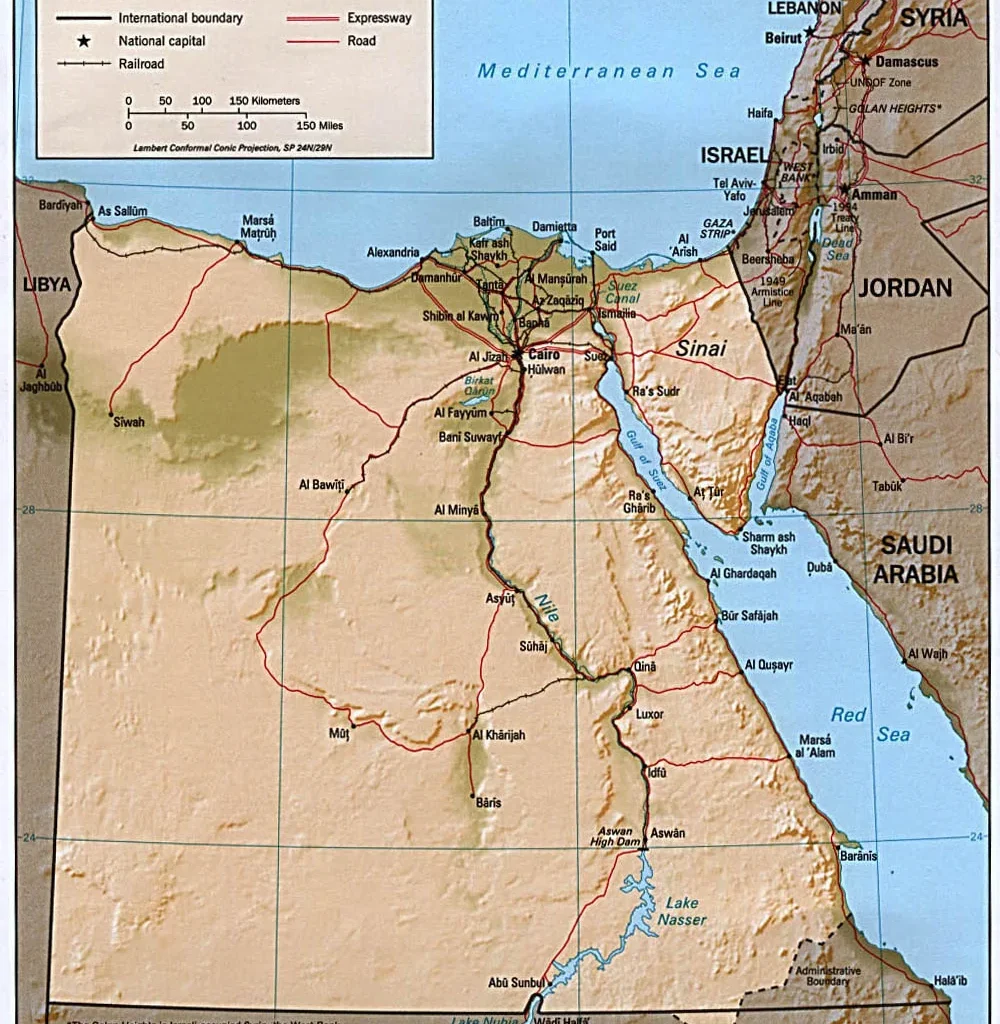
Official warnings make sense once Egypt’s shape is in front of you. Almost everything a tourist does happens along one green line – the Nile from Abu Simbel to the Delta – and two coastlines, the Mediterranean and the Red Sea. Almost everything the advisories name lies in the country’s four corners, in desert and border zones that the standard route never enters. Work around the map as the FCDO lists it.
North Sinai is the hardest line: against all travel from both governments, and the US adds the Middle Sinai to its no-go wording. This is the governorate running from the Suez Canal’s east bank to the Gaza and Israel borders, a militarised zone with no tourist sites and no reason for a visitor to be there; the Taba border crossing at its southern end can close at short notice, and the Rafah crossing into Gaza is currently closed. Sinai’s southern tip, where Sharm El Sheikh sits, is a different governorate in every practical sense – the distinction the Red Sea section below unpacks. The northern part of South Sinai – the peninsula’s mountainous interior beyond the St Catherine-Nuweibaa road – carries the softer against-all-but-essential wording, with the coastal areas along both sides of the peninsula explicitly excepted; travellers crossing the interior on the standard routes to St Catherine or the coast should simply know which side of that line their road runs.
In the west, the Libyan border band – 20km, all travel advised against, El Salloum at all-but-essential – is remote desert frontier. Behind it, the Western Desert warning covers the vast area west of the Nile Valley and Delta, but the FCDO’s own exception list is what turns this from a blanket into a map: Luxor, Qina, Aswan, Abu Simbel and the Valley of the Kings; the Faiyum; the coast between the Delta and Marsa Matruh; the Marsa Matruh-Siwa road and Siwa itself; the White and Black Deserts; the oasis towns of Bahariya, Farafra, Dakhla and Kharga; and a set of named desert roads with a margin either side – all sit outside the warning. Only the road between Bahariya and Siwa carries the all-but-essential wording among those routes. The remaining named areas are quick to clear off an itinerary: Ismailiyah Governorate east of the Suez Canal (the canal’s west-bank city is not the warning; the desert east of it is), and the Hala’ib Triangle and Bir Tawil Trapezoid on the Sudanese border in the far south-east, which no standard trip approaches.
Lay a normal itinerary over that map – Cairo, Giza, a flight or train south, Luxor, a cruise to Aswan, Abu Simbel, home via a Red Sea resort – and it crosses none of the named ground. That, in one paragraph, is why the answer to is egypt safe for tourists depends so heavily on which Egypt you mean.
Cairo and Giza – Safety in the Capital
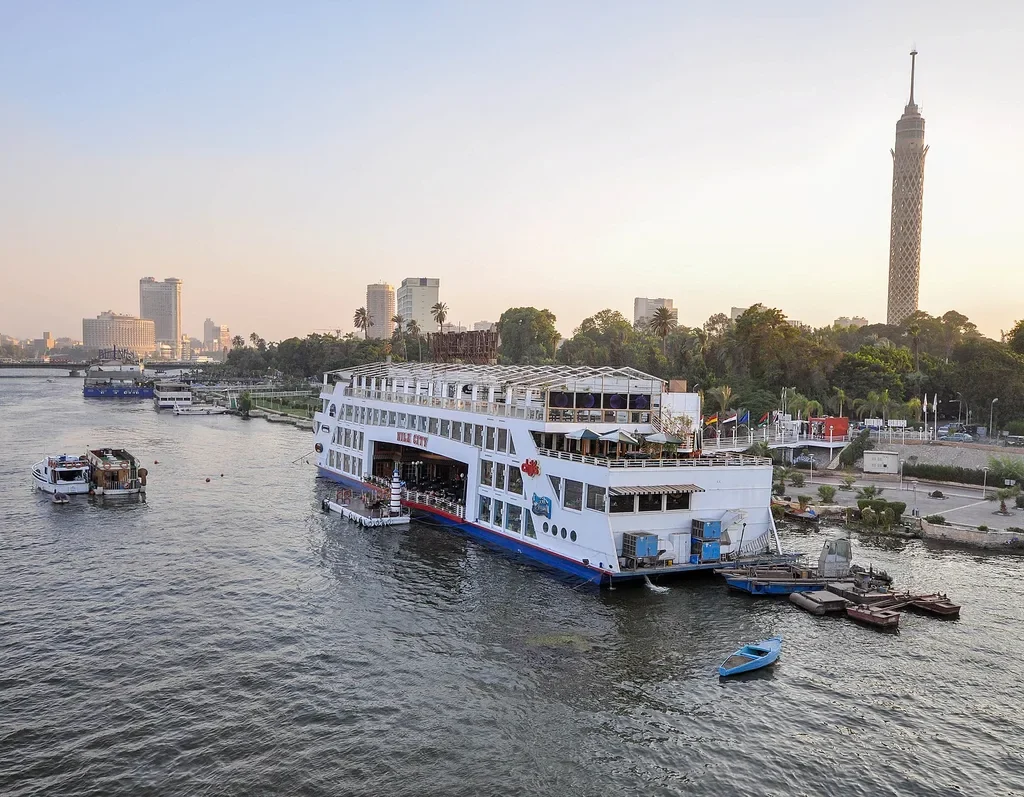
Neither government advises against travel to Cairo or Giza, and the capital is where the is egypt safe for tourists question is usually first tested – at the airport kerb, in the first taxi negotiation, on the first walk out of the hotel. The FCDO’s framing is measured: a significant security presence across the country, extra measures at tourist sites, and a crime rate that is generally low with pickpocketing described as rare. The State Department is blunter about the texture – most crime against foreigners is crime of opportunity, purse-snatching and pickpocketing – and it lists urban areas in Cairo among the places where an attack could theoretically be attempted, which is a reason for ordinary awareness in crowds and at major gatherings rather than for avoiding the city.
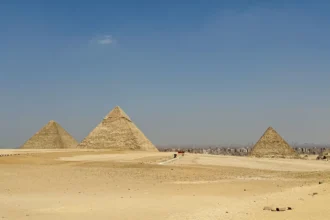
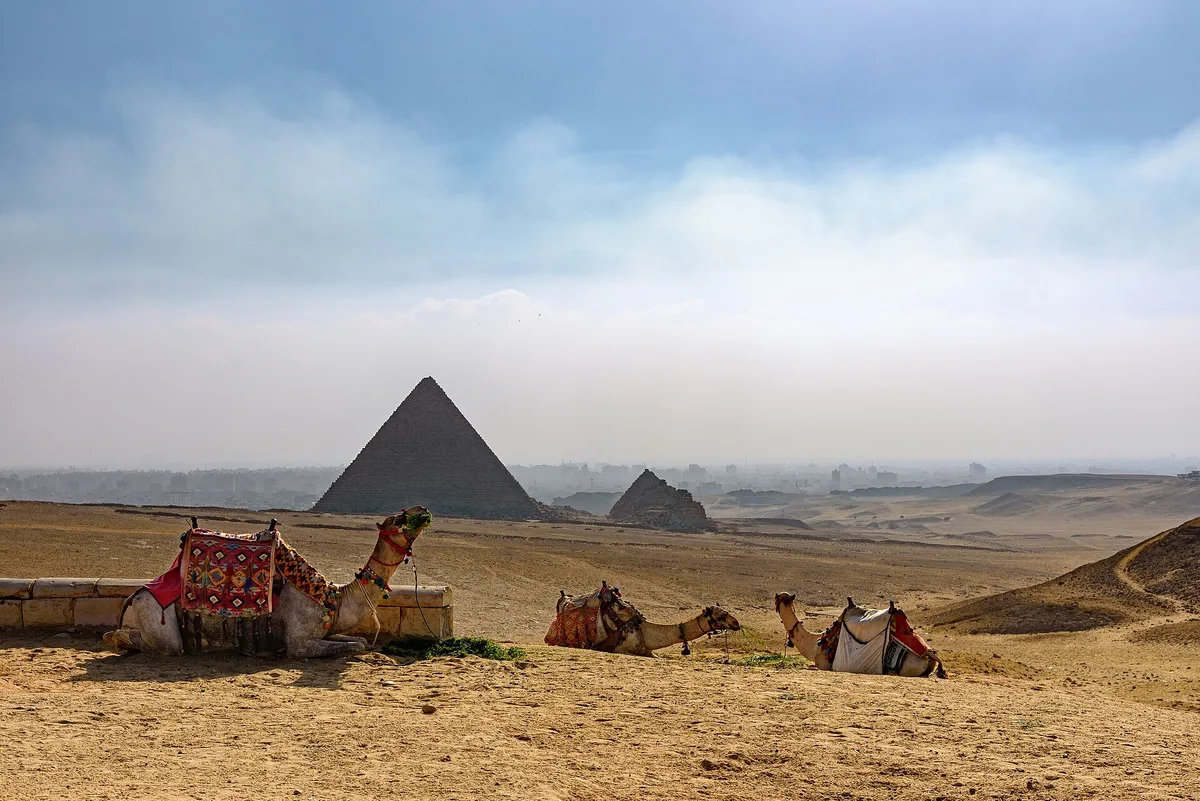
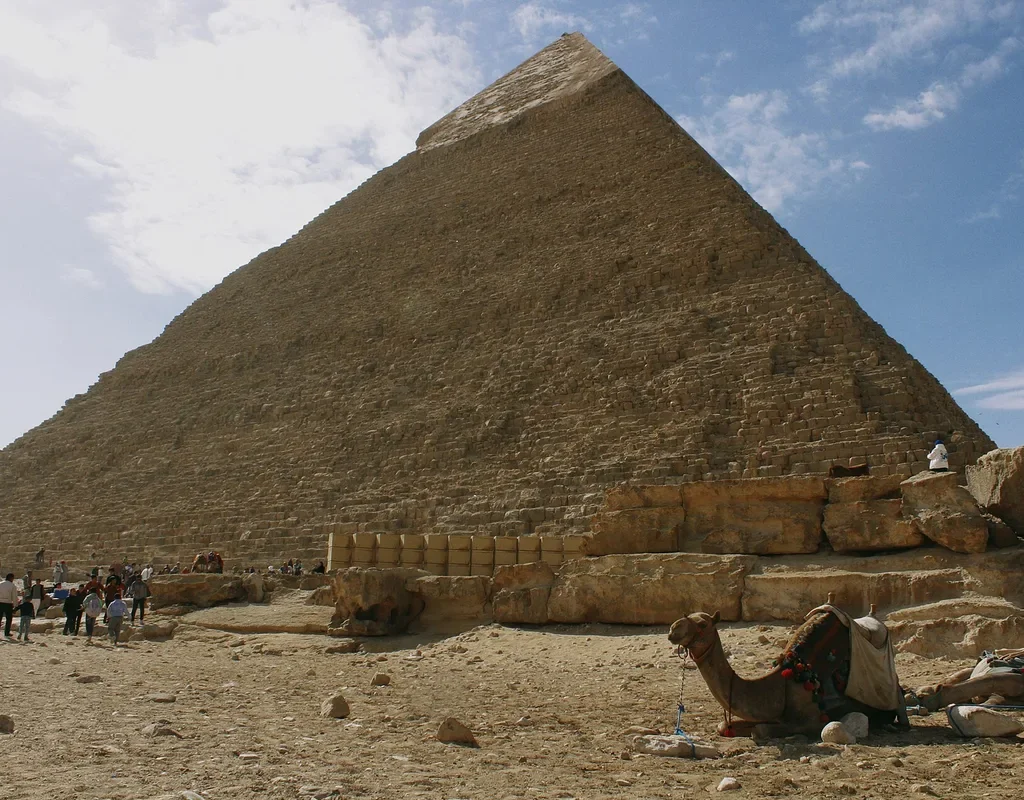
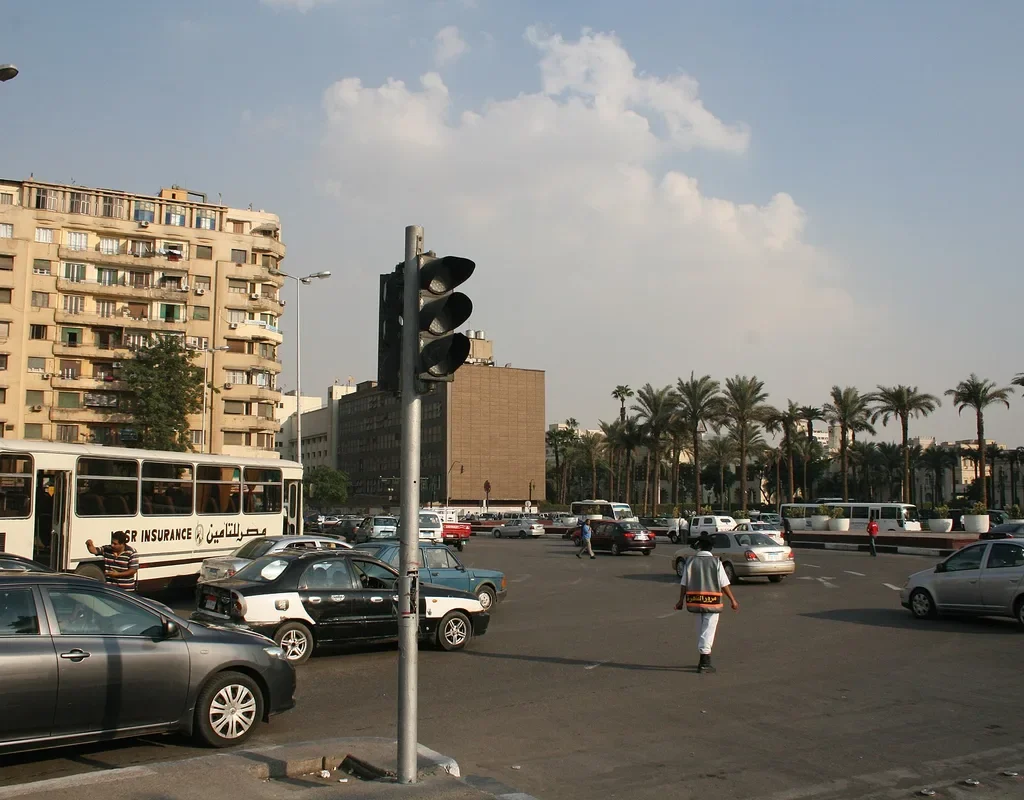
The plateau at Giza runs on visible, layered security – screening at entrances, tourist police on site – and the ordinary visitor’s real negotiations there are commercial, not criminal: the camel and carriage economy examined in the scams section below. Our Pyramids of Giza guide walks the plateau itself, and the new Grand Egyptian Museum beside it has shifted much of the Giza visit indoors. Practical habits carry the rest of the capital: use ride-hailing apps or hotel-booked cars rather than negotiating at the kerb; carry your passport or a copy, because police ID checks are routine and the FCDO notes you may be detained if you cannot show ID and visa; dress modestly in mosques, souqs and rural districts; and treat the traffic, not the people, as the capital’s main hazard – the roads section below is the one to read twice.
One more Cairo-specific note belongs to the political section but starts here: the FCDO describes Egypt’s political environment as restrictive and warns that foreign nationals involved in political activity – including critical social-media posts – risk detention. Cairo is a city to enjoy as a guest and observe as a visitor, not to commentate on. Kept in that lane, the capital is for most travellers the easiest part of the whole is egypt safe for tourists question: big, loud, exhaustingly friendly, and policed like a place that knows exactly what tourism is worth to it.
The Nile Valley – Luxor, Aswan and the Cruise Corridor
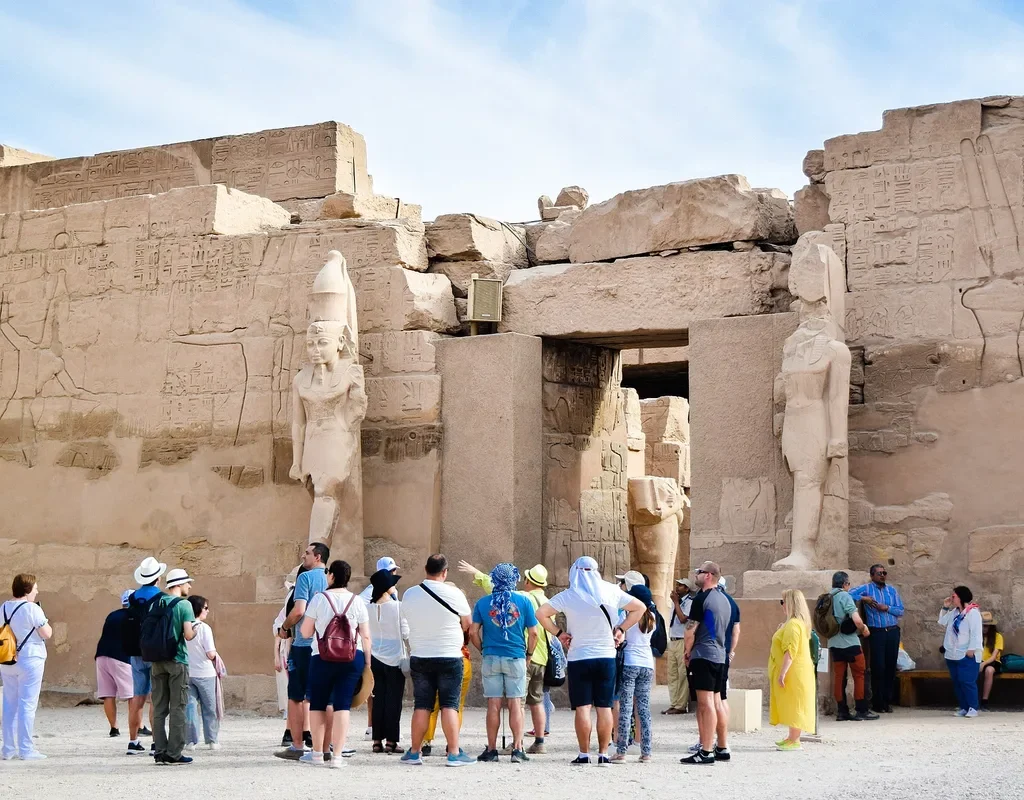
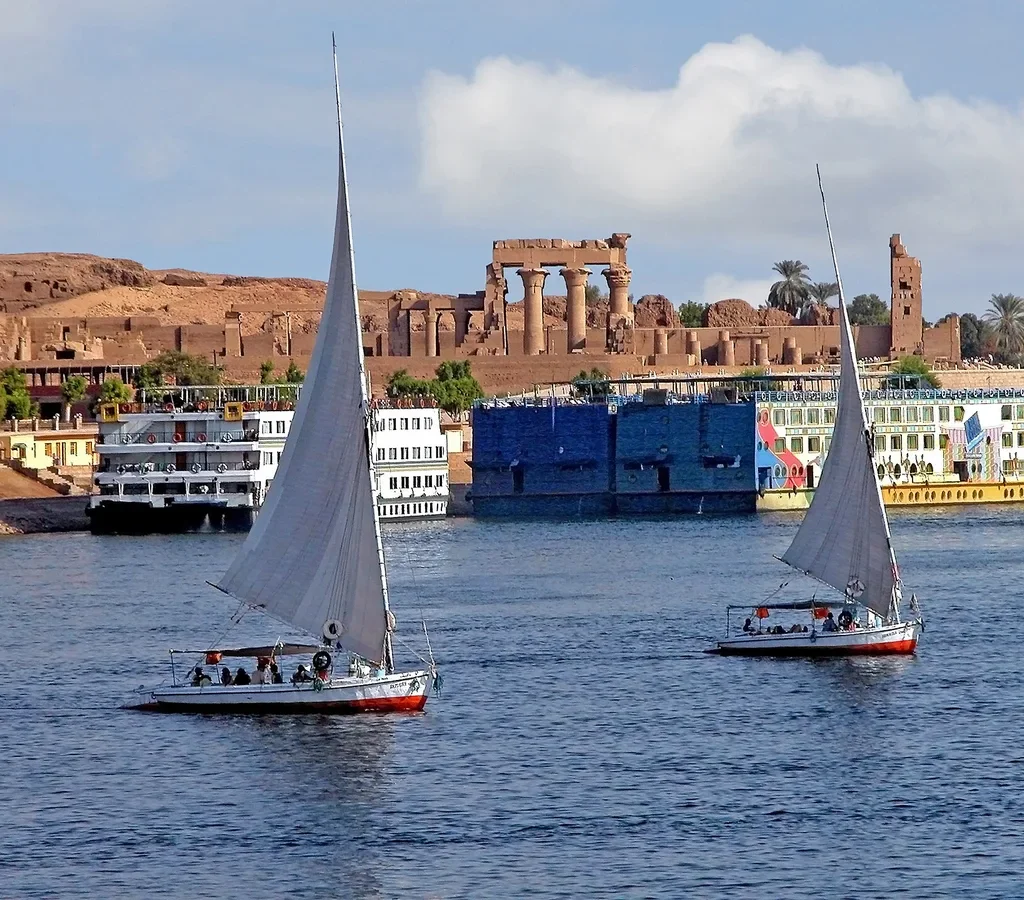
Upper Egypt is where the FCDO’s exception list does its most reassuring work: Luxor, Qina, Aswan, Abu Simbel and the Valley of the Kings are named in the Western Desert passage precisely to say that the warning does not cover them. No government advises against the Nile corridor, and the is egypt safe for tourists answer here is the calmest in the country – this is Egypt’s most practised tourism landscape, where sites, boats, hotels and the tourist police have run the same choreography for generations.
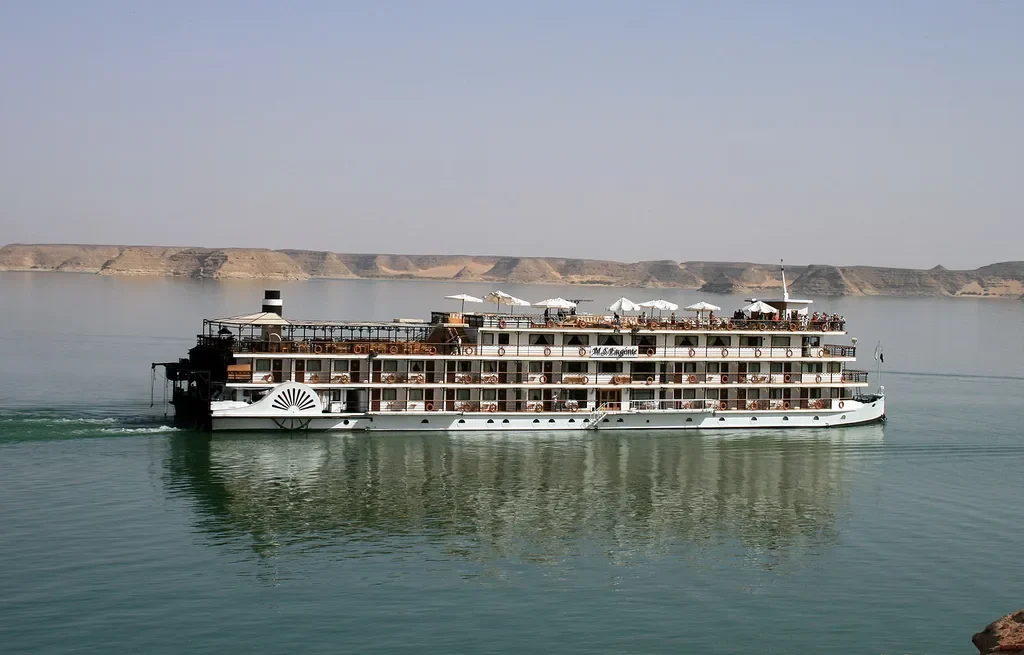
The corridor’s hazards are specific and manageable. The FCDO’s transport notes record that overcrowding and poor safety standards have caused accidents on Nile cruises, which is a booking decision rather than a reason to stay away: choose a reputable operator, take the safety briefing seriously, and know where the life jackets and exits are on the first evening rather than the last. The same logic covers the Luxor hot-air-balloon flights the FCDO discusses – it advises speaking to your tour company before booking and notes that some UK operators have stopped selling balloon flights because they could not verify safety standards, so the question to ask any seller is a direct one about certification and insurance. On land, the Valley of the Kings and the temple circuit run in heat that punishes poor planning more reliably than any other risk in this article; the health section below carries the detail.
Movement along the corridor deserves one safety habit: prefer the booked, boring options. Flights between Cairo and the south, reputable cruise boats, hotel-arranged cars and drivers for the Abu Simbel run, and daylight for any long road leg – the FCDO advises against driving outside main cities and resorts at night anywhere in Egypt, and the desert roads of the south are exactly where that advice bites. The full sweep of what the corridor holds is in our guide to the places to visit in Egypt; the safety summary is that the Nile Valley asks for sun discipline and sensible bookings, and very little else.
The Red Sea Resorts – Hurghada, Sharm El Sheikh and the Two Halves of Sinai
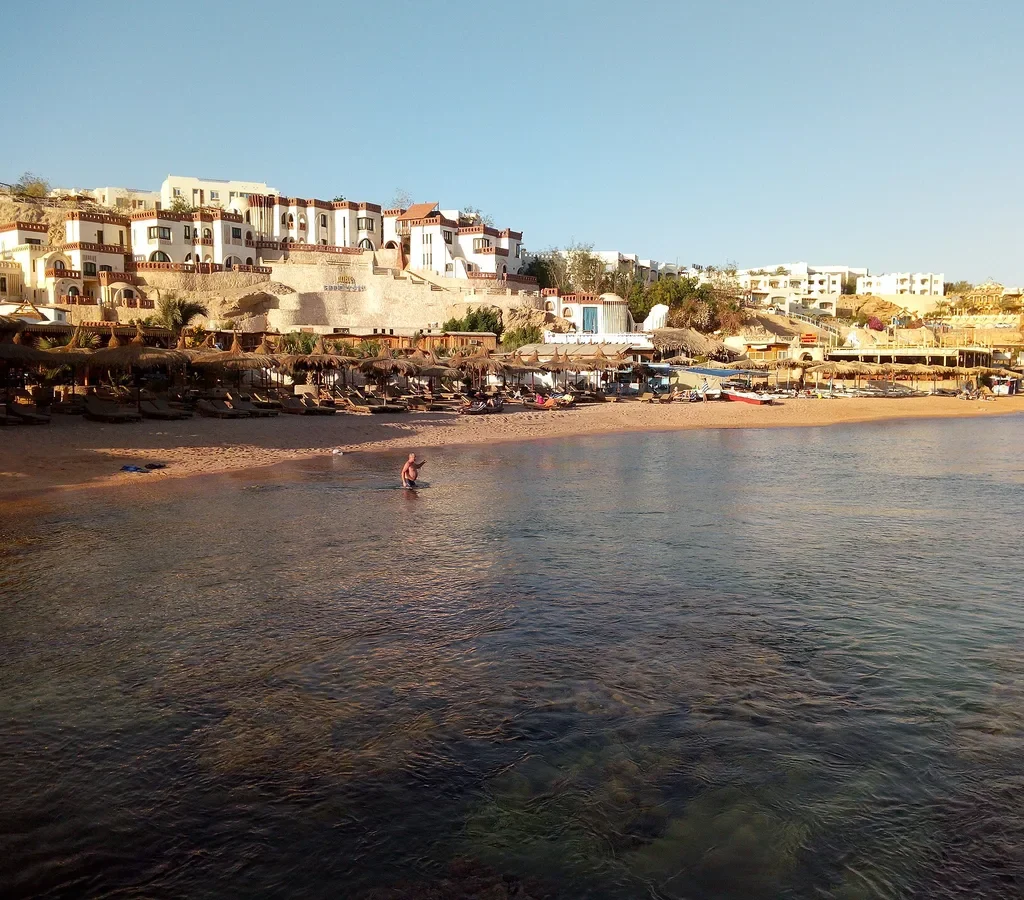
The Red Sea is where travellers most often misread the map, because one word – Sinai – covers two opposite pieces of advice. Sharm El Sheikh sits at the southern tip of the South Sinai Governorate, on a coastal strip the FCDO explicitly excepts from its all-but-essential warning for the peninsula’s northern interior; Hurghada is not in Sinai at all but on the mainland Red Sea coast, in a governorate no advisory names. Neither resort is advised against by the UK or the US. What the warnings cover is the interior mountains beyond the St Catherine-Nuweibaa road and, far to the north, the whole of North Sinai – geography a fly-and-flop holiday never touches, and geography a traveller heading inland to the monastery or across the peninsula should understand before routing a road trip through it. Get that one distinction right, and the Red Sea half of the is egypt safe for tourists question largely answers itself.
Inside the resorts, the official concern shifts from security to standards. The FCDO’s watersports passage is the most consequential in its whole Egypt file: there have been recent incidents involving British nationals on Red Sea diving boats and tours, some including fatalities; safety standards among diving operators and boats vary considerably; and the UK’s Marine Accident Investigation Branch published guidance in February 2025 recommending that liveaboard dive holidays be booked only through reputable vendors who can give assurance about the boat’s safety standards, with a thorough crew safety briefing requested on boarding. Add three practical rules from the same page – book excursions at the resort or through approved agents, observe safety standards on board, and never dive below your insurance policy’s depth limit, which invalidates cover – and add its quad-bike warning: several serious accidents involving British nationals in resort areas, standards vary, always wear a crash helmet. Shark attacks, the fear that sells the headlines, the FCDO describes as rare.
The resorts also carry the FCDO’s most uncomfortable paragraph, which belongs in any honest answer to is egypt safe for tourists: in its sexual assault section it reports that the majority of cases reported to the British Embassy took place in Red Sea tourist resorts, often committed by someone the victim had already met, including hotel workers and excursion staff, and that hotel staff have in some cases discouraged reporting to police. The women travellers section below gives that passage the space and the practical response it deserves. None of it cancels the resorts’ basic picture – fenced, security-screened, medically served holiday enclaves – but it does mean the Red Sea’s real risks are the ones inside the fence: boats, bikes, sun, and boundaries that staff should never be allowed to blur.
Terrorism and Regional Tensions – The Risk in Proportion
This is the section the headlines are written from, so it deserves the plainest handling in the article. The FCDO states that terrorists are likely to try to carry out attacks in Egypt, that attacks could be indiscriminate and could include places visited by foreign nationals, and that targets might include Egyptian security forces, religious sites, large public gatherings and places visited by foreigners. The State Department says extremists continue to express interest in planning and carrying out attacks, lists a similar target set – religious sites, tourist sites, transport centres, malls, resorts, roadside checkpoints, urban areas in Cairo – and notes in the same breath that Egyptian authorities generally offer effective security protection and that security is generally present at potential targets. The FCDO’s own examples of recent attacks reach for Alexandria in 2024 and 2023 and an Ismailiya checkpoint in 2022 – real, and also a list that underlines how much of the current threat picture is aimed at security forces and specific communities rather than at the tourist circuit, and how thin the recent file is for a country of Egypt’s size.
Layered over the domestic picture is the regional one, and in 2026 it is the layer moving fastest. The FCDO warns that the Middle East context remains deeply unpredictable with a high risk of sudden escalation, that Iran has stated an intention to target locations associated with the US and Israel, and that strikes and retaliatory attacks have occurred across the region – language written about airspace, missiles and disrupted flights more than about Egyptian streets. Its practical consequences for a tourist are about movement, not sightseeing: borders can close at short notice, including the Taba crossing; flights can be disrupted by regional airspace closures even when Egypt itself is calm; and an itinerary with flexibility in it is worth more than one built to the hour.
Proportion, then, from the sources themselves rather than from either camp of the internet: the same FCDO that writes “terrorists are likely to try to carry out attacks” also writes that around a million British travellers go every year and most visits are trouble-free, and the same State Department that lists Cairo among theoretical target areas lowered Egypt’s level in 2025 and has held it while raising others. The traveller’s share of this risk is behavioural and small: stay aware in crowds and large gatherings, follow local authorities and local media during any incident, keep away from security and military facilities, and hold bookings flexible enough to absorb a regional bad week. Terrorism is the risk that decides whether people book Egypt; it is not, on the official evidence, the risk most likely to touch a trip. The next sections cover the ones that are.
Crime, Scams and Hassle – The Friction You Will Actually Meet
Ask returning travellers what went wrong in Egypt and almost none of them describe crime; they describe friction. The official texts support the distinction. The FCDO puts Egypt’s crime rate as generally low, says pickpocketing is rare, and then turns to the real subject in a heading of its own – scammers and touts at tourist sites, who sometimes target foreign nationals. The State Department matches it: most crimes against foreigners are crimes of opportunity like purse-snatching and pickpocketing, and tourists should beware of overcharging and scams in tourist areas. Violent crime against visitors barely features in either document. What features, in every traveller’s account, is the sales pressure of the antiquities economy – and meeting it well is a skill this section exists to teach.
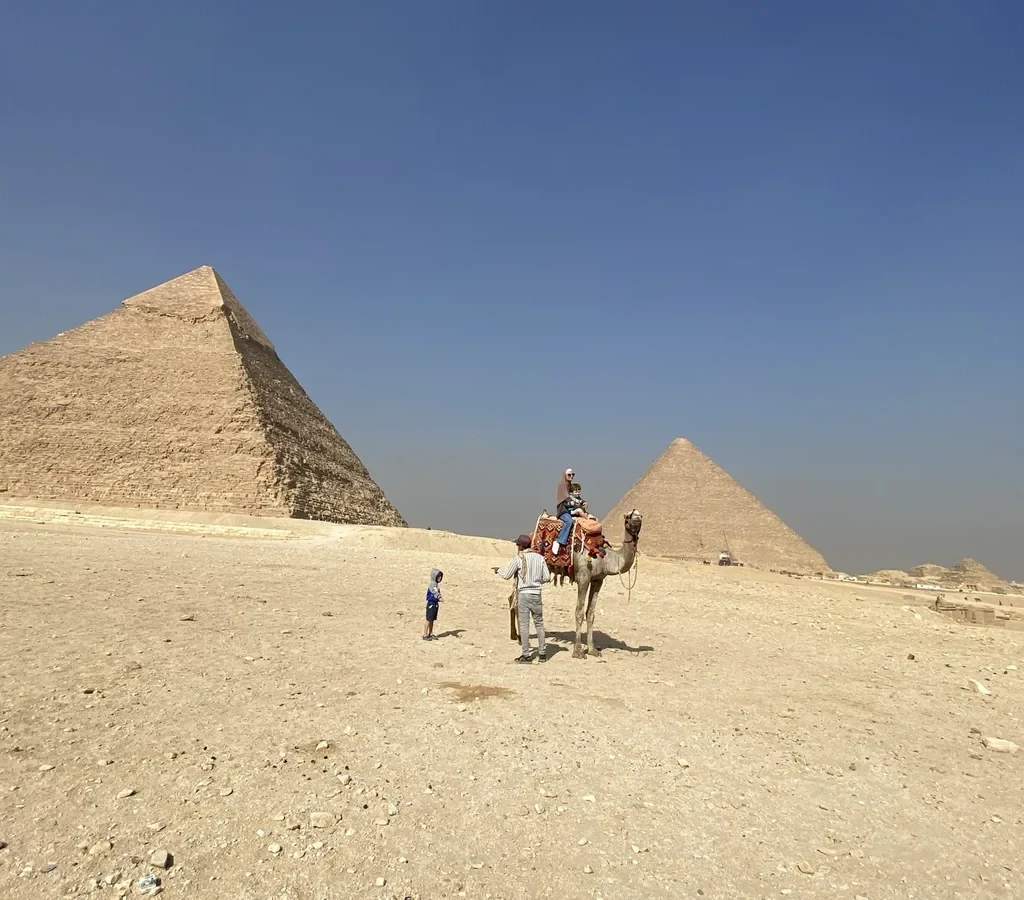
The repertoire is stable enough to learn in advance. At Giza and the temple gates, self-appointed guides attach themselves and present the eventual request for payment as a debt; camels, horses and carriages are offered at one price and repriced at the end, sometimes mid-route; a photograph taken of you, or with your own phone handed over helpfully, becomes a chargeable service; shops materialise inside “tours” you did not know you were on; and a site, entrance or road is confidently declared closed by someone whose brother, conveniently, runs the alternative. None of it is dangerous, and almost all of it collapses under three habits: agree the full price, in words, before any ride, photograph or service begins; treat the word “free” as the start of a negotiation, not a gift; and decline with the unhurried, smiling finality locals themselves use – a flat “la, shukran” (no, thank you), repeated without anger and without stopping, ends most encounters in seconds.
Two official safety nets sit under the hassle economy and are worth knowing before you need them. Egypt has a dedicated tourist police, and the FCDO gives their number – 126 – as the line to phone to report a crime, adding that a crime not reported before you leave Egypt will be difficult to prosecute later; scams that cross from hard sell into theft or threats belong on that line, and hotels know it. The second net is quieter: the FCDO warns that some hotel doctors have overcharged for treatment and medicines, and that pharmacies outside hotels will often supply medication at lower prices – a reminder that overcharging in Egypt is a spectrum that runs from a camel ride to a clinic bill, and that asking the price first is the national sport visitors are allowed to join. Judged against the whole is egypt safe for tourists question, hassle is best filed where the locals file it: not as danger, but as weather – constant, predictable, and no reason to stay home.
Is Egypt Safe to Drive – Roads, Buses and Trains
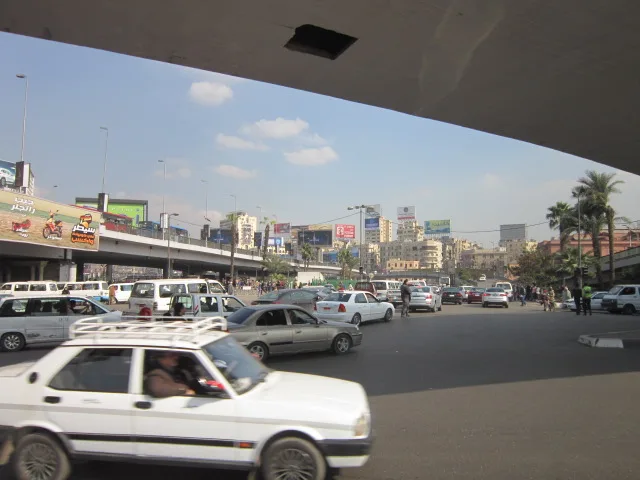
If this article could keep only one warning, it would be this one. Both governments treat Egypt’s roads the way they treat no beach and no temple. The FCDO states plainly that accidents are common because of variable road conditions, dangerous driving and poor traffic law enforcement; it instructs travellers not to drive outside main cities and resorts at night; and it records that serious bus crashes in recent years have caused many deaths, including tourists, and that there have been fatal train collisions and derailments. No statistics are needed and none are invented here – the official verdict is qualitative and unusually blunt, and every experienced Egypt traveller recognises it: the drive is the dangerous part, and the risk scales with speed, darkness and distance.
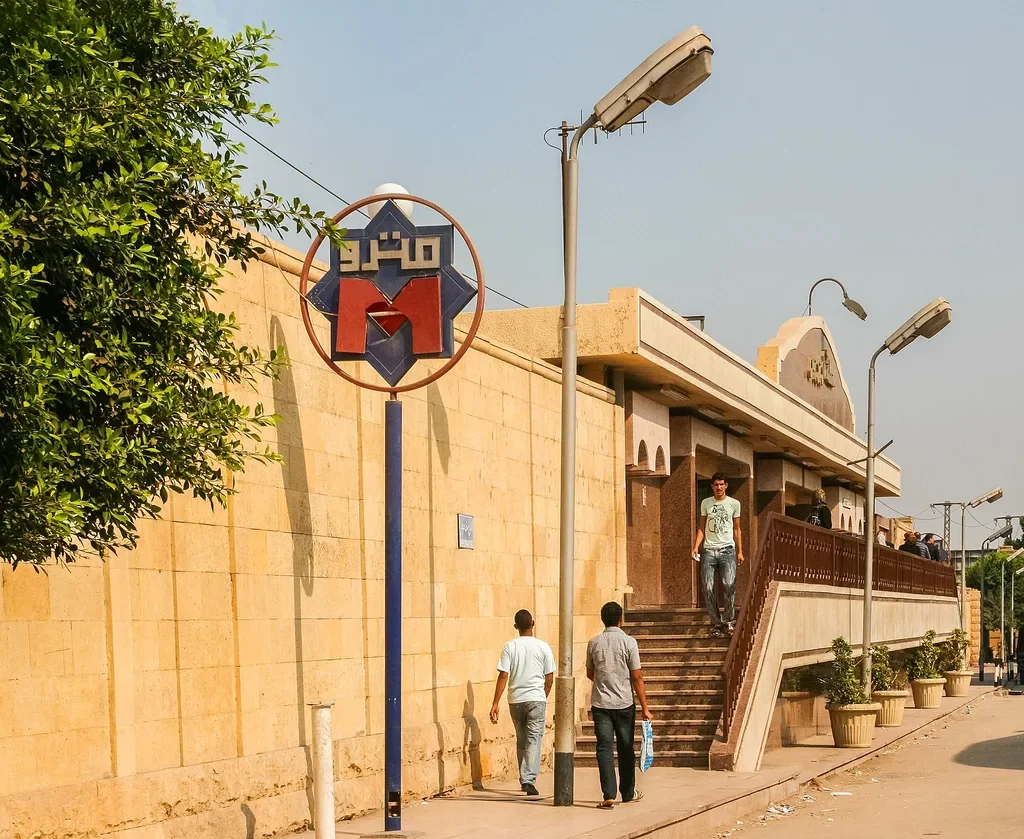
The practical translation is a hierarchy of transport choices. Within Cairo, ride-hailing apps and booked cars beat street negotiation and remove the visitor from the traffic rather than putting them in charge of it; the Metro beats both for crossing the city at rush hour. Between cities, flying the long legs – Cairo to Luxor, Aswan or the Red Sea – trades Egypt’s riskiest environment for its most regulated one, and the sleeper and daytime trains on the Nile corridor are the standard, well-used alternative travellers have relied on for generations, taken with the FCDO’s collision history in mind and luggage kept close. Long-distance buses sit at the bottom of the hierarchy on the official evidence; where one is unavoidable, a reputable company, a daylight departure and a seatbelt are the minimum terms. Self-driving is the choice both governments implicitly argue against for a first trip: the FCDO’s paperwork alone – a 1949-version international driving permit alongside your home licence, valid for up to six months – is the easy part, beside lane discipline that is negotiated rather than marked, unlit rural hazards, and checkpoints where your documents will be examined.
Two road habits cost nothing and cover most of the risk. The first is never to be on an intercity road after dark if the day offered any alternative – plan the Abu Simbel run, the desert crossings and the airport transfers for daylight, and treat a schedule that requires a night highway as a schedule to change. The second is to insist, without embarrassment, on the boring basics in any car you hire: working seatbelts (front-seat belt use is the law the FCDO prints), a driver who is rested rather than doubled-up from another job, and a pace you are allowed to comment on. Visitors answering is egypt safe for tourists rarely think of seatbelts; the official pages suggest they should think of little else on the road.
Is Egypt Safe for Women Travellers
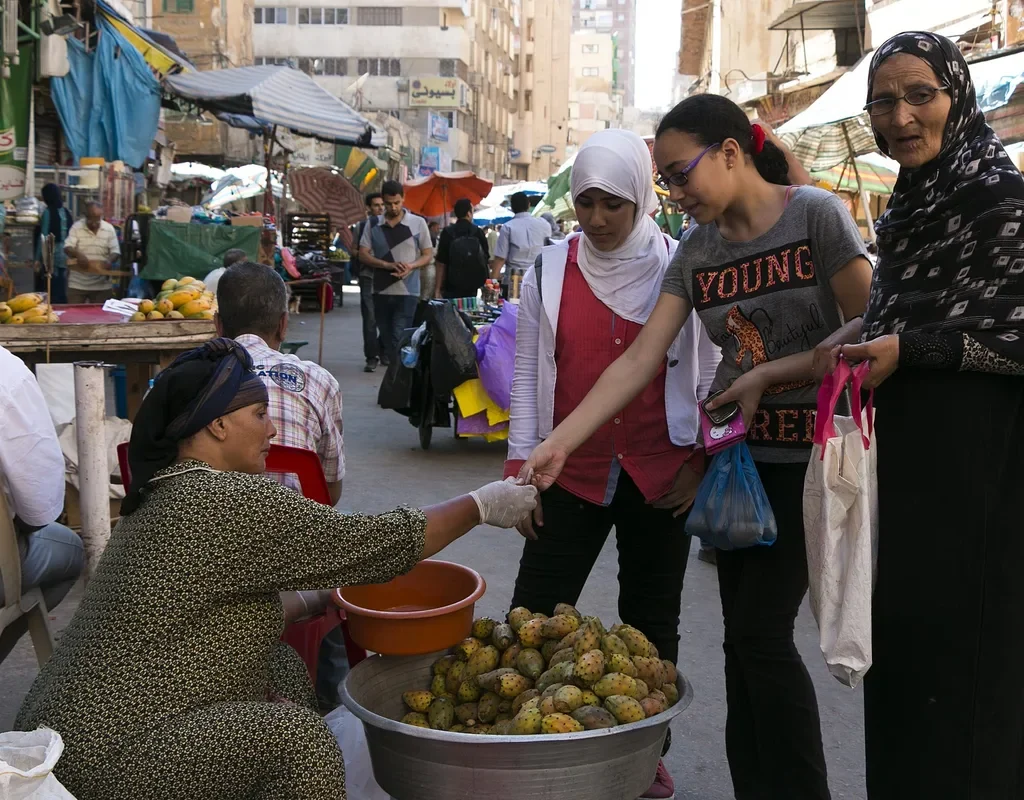
This section follows the official sources closely, because on this subject they are unusually specific and unusually candid, and because careful framing matters more than reassurance. The State Department states directly that harassment of women, including foreigners, is a problem in Egypt, and defines it: vulgar comments, gestures, indecent exposure and unwanted physical contact. Women travellers should expect the lower end of that spectrum – comments, staring, persistent attention in crowded streets and markets – as a realistic possibility rather than a remote one, and should know that many women nonetheless travel Egypt solo every year and manage it with preparation rather than luck.
The FCDO’s contribution is graver and deserves exact handling. It reports that a number of sexual assaults have been reported to the British Embassy, including cases involving minors; that the majority of reported cases took place in tourist resorts in the Red Sea region; that they were often committed by someone the victim had already met, including hotel workers and excursion staff; and that hotel staff have in some cases discouraged victims from reporting incidents to the police. Its precautions follow from that pattern, and this guide repeats them because they are the operative safety advice for women in Egypt: do not leave children unaccompanied; do not allow hotel staff to enter your room when you are alone – have a friend or relative present; exercise caution travelling alone, particularly at night, in taxis, and if a taxi is unavoidable, share the driver, trip and live-location details with a friend; use reputable providers for services and excursions and research them beforehand; and avoid sharing personal contact or social-media details with people met on the trip.
Around those specifics sit the ordinary instruments of control. Dress modestly, as the FCDO advises for Egypt generally and doubly for rural areas, mosques and souqs – resort swimwear belongs to resort space, and the distinction is one Egyptian women themselves observe between beach enclaves and public streets. Prefer app-booked cars, where the driver, route and fare are recorded, over hailed taxis; sit in the back; keep the hotel’s card and the tourist police number – 126 – in the phone. Egypt also maintains a National Council for Women line, 15115, which the State Department publishes for exactly the situations this section describes. The balanced answer to is egypt safe for tourists when the tourist is a woman is therefore neither of the internet’s two slogans: not “completely safe, ignore the warnings”, and not “do not go”. It is that Egypt asks women for more management than most destinations – of dress, transport, boundaries and paperwork – and that the management works best when it starts from the official pattern of where incidents actually happen: not strangers in alleys, but familiarity inside the resort fence, which is precisely where boundaries are yours to set early and enforce without apology.
Solo Travellers – A Country That Suits Going Alone, With Systems
Egypt rewards solo travel better than its reputation suggests, for a structural reason: the tourist economy is built around accompanied movement. Licensed guides, hotel drivers, cruise crews and site staff mean the independent traveller assembles company by the day rather than travelling in a sealed group, and the country’s deep hospitality culture treats the unaccompanied guest as a reason for more welcome, not less. The solo traveller’s risks are the article’s risks in concentrated form – hassle without a second pair of ears to share the negotiation, road journeys arranged alone, and no companion to notice a boundary being tested – and each has a system rather than a worry attached.
The systems are mostly paperwork and habit. Both governments converge on documents: Egyptian police check ID regularly, the FCDO warns that you may be detained if you cannot show your passport and visa (or a digital or paper copy), and the State Department advises carrying copies of passport and visa plus a phone with service in Egypt – so the original stays in the hotel safe, the copies and photos of them travel with you, and checkpoints become a formality instead of a problem. Register for your own government’s alert system before departure (the State Department’s STEP enrolment; the FCDO’s email updates), save the tourist police and your insurer’s assistance number in the phone, and leave the itinerary – hotels, boats, internal flights – with someone at home who would notice silence.
On the ground, solo works best with bought structure at the pressure points: a licensed guide for Giza and the big temple days, where a professional presence quietly retires most of the hassle economy; reputable operators for diving, desert and balloon excursions, where the FCDO’s standards warnings apply to everyone and the lone traveller has no group to average the risk with; and app-based transport in the cities, where the recorded trip substitutes for a companion. Travellers who run those systems generally report what the structure predicts – that the is egypt safe for tourists question, asked alone, has the same answer as asked in company, with the administration done by one pair of hands instead of two.
Health – Water, Sun, Stomach and Medical Care
Egypt’s health risks are the unglamorous trio of sun, water and stomach, handled by prudence rather than medicine, plus a medical system whose limits both governments state plainly enough to plan around. The State Department warns that emergency and intensive care facilities are limited in Egypt and may be unavailable in remote areas, and that ambulances are rare and unreliable in most areas without advanced equipment; the FCDO gives the ambulance number – call 123 – and adds two practical notes travellers rarely hear elsewhere: some hotel doctors have overcharged for treatment and medicines, and pharmacies outside hotels will often supply medication at lower prices, with an official list of medical providers available for the bigger cities. The planning conclusion is not anxiety but geography: serious care concentrates in Cairo and the larger cities, desert and deep-south excursions deserve operators with real evacuation arrangements, and insurance with medical evacuation is not an upgrade in Egypt – it is the policy.
Water discipline is the daily habit everything else hangs on. The standard, widely followed practice among residents and visitors alike is bottled or properly filtered water for drinking and tooth-brushing, care with ice outside better hotels, and cooked-over-raw choices in the first days while a stomach calibrates – framed here as prudence, not as a verdict on any particular kitchen, in a country whose food culture is one of the trip’s pleasures. The sun needs no exaggeration either: temple sites are shadeless stone in a desert climate, summer in Upper Egypt is fierce, and the working rules are a hat, water carried rather than planned, salt and food kept up, and the big sites walked early. The FCDO’s health page lists dengue and tick-borne diseases among Egypt’s risks and points travellers to current vaccine recommendations well before departure; the State Department adds that travellers should be up to date on polio vaccination. Neither amounts to a reason for alarm; both amount to a pre-trip appointment with a travel clinic rather than a search engine.
One Egypt-specific health item is legal as much as medical, and it catches travellers every year: some prescribed and over-the-counter medicines are controlled substances in Egypt. The FCDO advises that you may need permission from Egypt’s Ministry of Health before arrival, that medication without prior permission or documentation may not be allowed in and may lead to prosecution, and that prescription medication should travel with a doctor’s letter stating the condition, the amount carried and that it is for personal use. Check your own medication against that rule before packing, not at the arrivals hall. None of this changes the overall health answer to is egypt safe for tourists – it is a country of manageable, mostly self-inflicted health risks, where the travellers who suffer are usually the ones who drank carelessly, walked Karnak at noon in August, or arrived with the wrong paperwork in the medicine bag.
Demonstrations, Politics and Photography – The Rules That Carry Prison Sentences
Two subjects turn ordinary tourists into defendants in Egypt more reliably than any other, and both are governed by rules the official pages spell out in unusual detail: gatherings and cameras. On the first, the FCDO describes the political environment as restrictive, instructs travellers to avoid large gatherings, demonstrations and protests because the situation can change quickly and security forces have responded forcefully, and warns that foreign nationals involved in any political activity, or activities critical of the government, may be at risk of detention – explicitly including posting negative comments on social media. The State Department sharpens the point: individuals have been arrested simply for being in the vicinity of protests, even when not actively participating, US citizens have been arrested for participating, and protesting without a permit is prohibited by local law. The rule for visitors is therefore not “do not protest” but something simpler and stricter: do not be near one, do not film one, and do not publish commentary about Egyptian politics from inside Egypt. Curiosity is not a defence the system recognises.
Photography has its own statute-book flavour, and parts of it surprise people. The FCDO states that it is illegal to take or share photographs that could be considered damaging to the country’s image; illegal to photograph military property, explicitly including the Suez Canal; and a permit matter to bring in professional equipment – a category that includes photography umbrellas, artificial outdoor lighting and anything that blocks a public road. It then adds the rule travellers breach most innocently: under Egypt’s Ministry of Tourism regulations, you must have an Egyptian citizen’s written permission before taking their photograph, photographing children is prohibited, and officials must not be photographed without consent – with added sensitivities around embassies, government buildings, infrastructure and religious buildings. The State Department’s version is shorter and blunter: it is illegal to photograph police stations, military barracks and certain other sensitive public buildings.
Drones end the subject. The FCDO states that drones must not be imported, used or produced in Egypt without prior permission from the Egyptian Ministry of Defence, and prints penalties of up to seven years in prison or a fine in the thousands of Egyptian pounds for doing so without it – so the drone stays home, full stop. Inside archaeological sites, photography rules are commercial rather than criminal and change by site and ticket; the governing habit everywhere in Egypt is the one the FCDO closes with: if in doubt, get permission before taking the photo. The travellers who answer is egypt safe for tourists with a detention story almost always tell it about a camera or a crowd, which is why this section, and not the terrorism one, may be the most useful in the article.
Insurance, Emergency Numbers and Paperwork
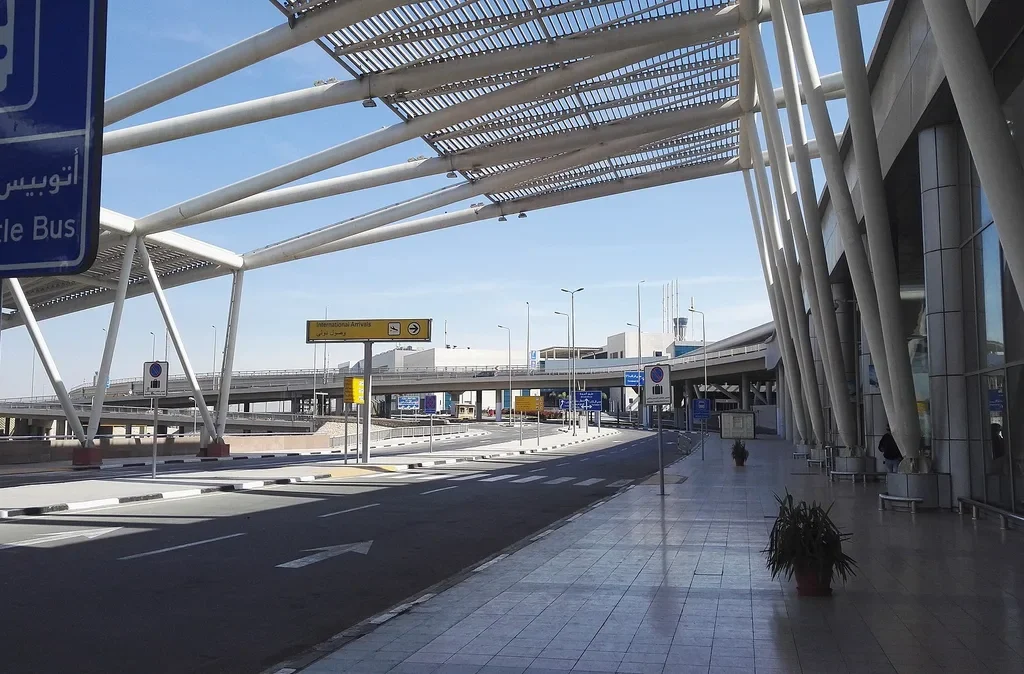
Insurance in Egypt is not a formality appended to the trip; read against the official pages, it is the trip’s load-bearing document. The FCDO’s warning is absolute: your travel insurance could be invalidated if you travel against FCDO advice – which is why the map section matters in pounds and dollars, because a traveller whose Siwa road or desert detour strays into an advised-against area may be uninsured precisely where help is most expensive. It advises insurance that covers your itinerary, planned activities and expenses in an emergency. The State Department’s list of what to check with your provider is the practical version: evacuation assistance, medical insurance and trip-cancellation coverage. Two Egypt-specific tests belong on every policy before purchase. First, activity limits – the FCDO warns against diving below your policy’s depth limit because doing so invalidates cover, and balloon, quad and desert excursions each deserve the same check. Second, rescue economics: the FCDO states that air or sea rescue can cost more than 4,000 US dollars per hour and that the Egyptian authorities will only start rescue operations when payment is guaranteed – which means the insurer’s 24-hour assistance line, not your credit card, is the document that moves helicopters.
Save the numbers before you need them, from the pages that publish them. The FCDO’s safety page gives the tourist police on 126 – the number for reporting crime, including the scams that cross into theft. Its health page gives the ambulance number: call 123. The State Department’s page publishes the same 123 for medical emergencies, adds 122 to report crimes to the local police, repeats 126 for the tourist police complaints line, and lists 15115 for Egypt’s National Council for Women. Keep those four, plus your insurer’s assistance number and your embassy’s number, in the phone’s favourites rather than in a screenshot at the bottom of a camera roll.
Paperwork closes the loop. Carry your passport or a copy at all times against the routine ID checks described earlier; keep the entry paperwork straight with our Egypt visa guide for tourists, because a visa problem discovered at a checkpoint is a safety problem wearing a bureaucratic hat; and if you hold Egyptian nationality alongside another, register the State Department’s warning in particular – Egyptian law treats dual citizens as solely Egyptian, and its own embassy’s ability to help a detained dual national is limited. None of this is the Egypt of the brochures, but all of it is the Egypt of the official record – the unglamorous end of the is egypt safe for tourists question, and the layer that decides how a bad hour ends.
Frequently Asked Questions
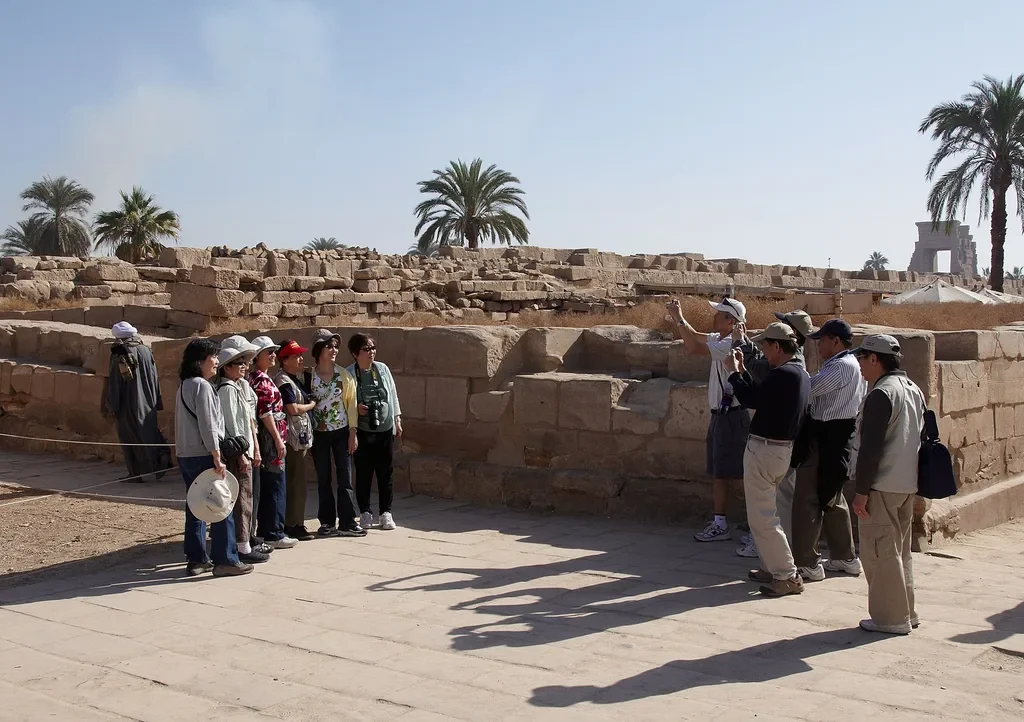
Is Egypt safe for tourists right now? On the official advice as it stood on 31 October 2026, yes for the standard itinerary, with conditions. The US rates Egypt Level 2 – exercise increased caution – and the UK advises against travel only to named areas: North Sinai, the Libyan border band, parts of the Western Desert and inland South Sinai, and Ismailiyah east of the Suez Canal. Cairo, Giza, Luxor, Aswan, Abu Simbel and the Red Sea resorts sit outside every one of those warnings. Check both pages again in the week you travel, because in a fast-moving region the date on the advice matters as much as its content.
Is Cairo safe for tourists? Neither government advises against visiting the capital. Crime levels are described by the FCDO as generally low and pickpocketing as rare; the State Department frames most crime against foreigners as crimes of opportunity. The capital’s genuine hazards are its traffic, crowd awareness at large gatherings, routine ID checks – carry your passport or a copy – and the political rules covered above: no demonstrations, no political commentary, and care with photographs near anything official.
Is it safe to visit the pyramids at Giza? The Giza plateau is outside every warned area and runs with a visible security presence and extra measures at tourist sites, as the FCDO describes for Egypt generally. The realistic frictions are commercial – camel, carriage and photograph pricing – handled by agreeing every price in full before the ride or picture starts, and reporting anything that crosses into theft or threats to the tourist police on 126.
Is Egypt safe for women travelling alone? Many women do travel Egypt alone, and the official sources are candid about what it asks: the State Department calls harassment of women, including foreigners, a problem; the FCDO reports assault cases concentrated in Red Sea resorts, often involving someone already met such as hotel or excursion staff. Its precautions – no hotel staff alone in your room, care in taxis with trip details shared, reputable excursion providers, no personal contact details shared – plus modest dress outside resort space, are the working answer, set out in full in the section above.
Which parts of Egypt should tourists avoid entirely? North Sinai, from both governments; the band within 20km of the Libyan border; and, at the softer all-but-essential level, the northern interior of South Sinai beyond the St Catherine-Nuweibaa road (the coastal strips are excepted), Ismailiyah Governorate east of the Suez Canal, the Western Desert outside its long exception list, and the Hala’ib Triangle and Bir Tawil in the far south-east. None of these is on a standard itinerary, and entering an advised-against area can invalidate travel insurance.
What are the emergency numbers in Egypt? Ambulance 123 (given by both the FCDO’s health page and the State Department), tourist police 126 (given by both), local police 122 and the National Council for Women 15115 (both published on the State Department’s Egypt page). Save them, with your insurer’s assistance number, before you land.
Should I cancel my Egypt trip because of the regional situation? That decision belongs to your government’s current page, your insurance and your bookings’ flexibility – in that order. The advisories as they stood on 31 October 2026 do not advise against the tourist corridor, and the US level has been held at Level 2 while other countries’ rose; but the FCDO warns the regional picture can change fast, with possible flight and border disruption. If your policy covers you on the current wording and your bookings can bend, the facts support going. If either test fails, Egypt’s monuments have waited five thousand years and will wait out a postponement.
The Short Version
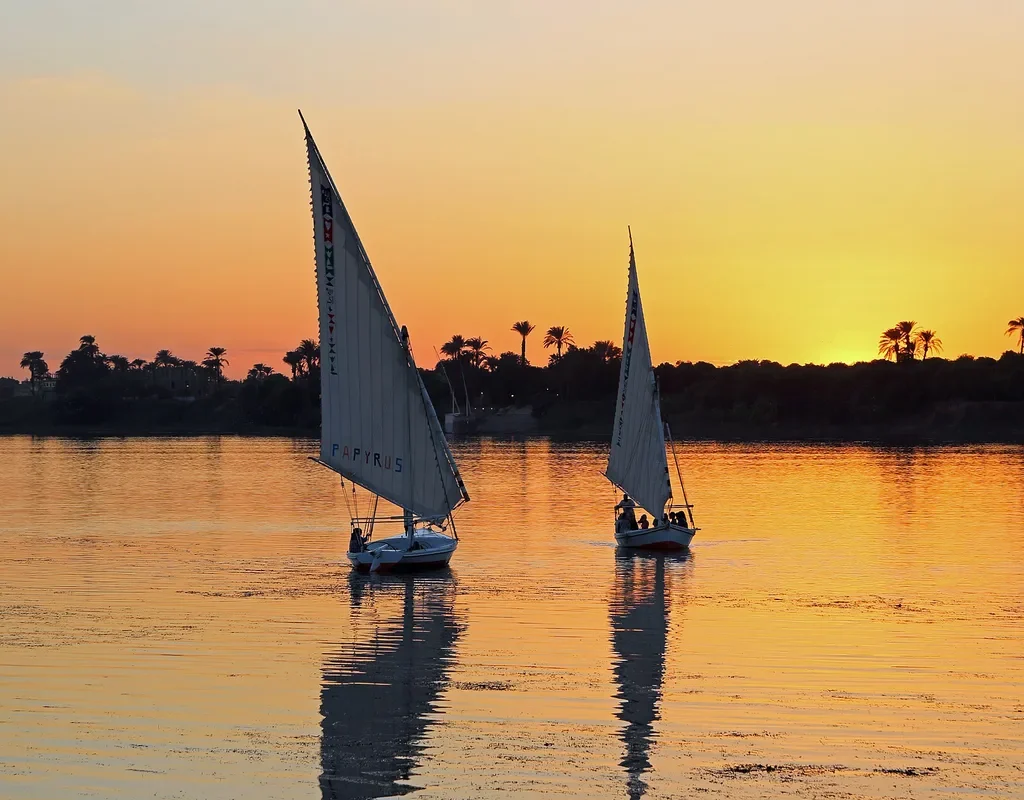
Egypt in late 2026 is neither the red map of the headlines nor the carefree certainty of the brochures. It is a heavily policed, deeply practised tourist country whose governments-issued warnings are aimed with unusual precision: America’s Level 2 asks for increased caution and names the Northern and Middle Sinai and the remote Western Desert as no-go; Britain’s FCDO draws lines around North Sinai, the Libyan border band, inland South Sinai, Ismailiyah east of the canal and the Western Desert – then writes Luxor, Aswan, Abu Simbel, the oases and the Valley of the Kings back out of its own warning as exceptions. The itinerary almost everyone actually takes – the Egypt travel guide route through Cairo, the places to visit in Egypt and a Red Sea resort – crosses none of that ground.
The risks that will actually compete for your attention are the prosaic champions of Egyptian travel: a highway at night, a dive boat chosen on price, a stomach in its first forty-eight hours, a camera pointed at the wrong building, and a camel fare agreed at the end of the ride instead of the start. Add two habits that cost nothing – the emergency numbers saved in the phone before landing, and bookings flexible enough to absorb a disrupted week – and the preparation is essentially complete. So the is egypt safe for tourists verdict is a conditional go, with the conditions doing real work – read your own government’s page rather than anyone’s summary of it, insure yourself against its exact wording, keep the bookings flexible, save the four emergency numbers, and run the decision again in the week you travel rather than the month you dreamed it.
Go informed rather than either frightened or breezy; in Egypt’s case, informed is the difference between a risk and a scare story.