
Ask ten websites what a trip to Egypt costs and you will get ten different answers, some of them three times the size of others, all of them printed with total confidence. The reason is not that anyone is lying. It is that egypt travel costs are two different kinds of number wearing one label: a small part of the bill is set by the state, published on an official price list and knowable to the pound, while the larger part — your bed, your meals, your driver, your boat — is negotiated, seasonal and quoted in a currency whose value has moved sharply in the last few years. A single daily total blends those two kinds of number together and pretends the blend is a fact. This guide refuses to do that. It prices the part that can be priced, from the Egyptian Ministry of Tourism and Antiquities’ own published list, checked on 31 October 2026. It explains the mechanisms that drive everything else, so you can see exactly which choices move your total and which barely touch it. And it finishes with a method for building your own daily budget out of real quotes instead of borrowed ones.
The order of this page is the order of the money. Currency first, because every figure you meet in Egypt is filtered through the pound, the card machine and the small-note problem. Then the sights, because entry tickets are the one fixed cost and because they concentrate into a few heavy days rather than spreading evenly across a trip. Then sleep, food and transport, the three negotiated blocks. Then the two judgement calls that reshape a budget from the inside — the Nile cruise decision and the business of paying people properly in a tipping economy. Nothing here is presented as a guaranteed total, because no honest page can offer one. What can be offered is the full official entry bill for the classic route, added up in public, and a clear map of where the rest of your money actually goes.
One promise before the numbers. Every price printed in this article comes from the responsible authority’s own published source, fetched and read during the writing of this page, and is dated where it appears. Where official sources disagree with each other — and in one famous case, below, they currently do — the disagreement is shown rather than smoothed over. Where a price cannot be verified on an official source, this guide describes the mechanism and tells you how that cost is charged, and leaves the figure out. Egypt travel costs reward exactly that kind of reading, because the country is far better value than its confusing budgets suggest — provided you know which numbers are stone and which are sand.
Egypt Travel Costs at a Glance
The whole subject fits into six lines, and the honest version of each line is about what decides the price rather than what the price is. Entry tickets are fixed by the Ministry’s list and are worked out in full in the tickets section below: the complete classic-route stack of twelve headline sights comes to EGP 6,990 for a foreign adult at the October 2026 list, and exactly half that, EGP 3,495, for a foreign student. Sleep is the largest variable and the one your style decides — the gap between the cheapest and dearest bed in the same city is wider than the gap between cities. Food is the kindest line in the budget, because the local canon is both genuinely good and priced for local wages. Transport splits into a cheap fixed-fare layer inside cities and a priced-per-leg layer between them. The Nile cruise, if you take one, is not a seventh category but a bundle that swallows sleep, food, transport and guiding for its days — which is why it must be compared against the bundle it replaces, never against a single hotel night. And running through all of it is the small-change economy of baksheesh, which no budget survives ignoring and no budget needs to fear.
| Category | What decides the price | How it is charged |
|---|---|---|
| Entry tickets | The Ministry’s published list, foreign vs Egyptian rates, student status, paid extras | Per site, in pounds, by card at major sites or via the official booking portal |
| Sleep | City, season, Nile view, room standard, booking channel | Per room per night, quoted in pounds or dollars depending on the property |
| Food | Where locals eat vs where visitors are seated | Per dish; local canon priced for local wages, hotel dining priced internationally |
| City transport | Metro and fixed fares vs negotiated taxis and ride-hailing | Fixed fare, meter, app quote, or a price agreed before you move |
| Intercity transport | Fly vs sleeper vs day train vs driver, and foreigner fare rules | Per leg; rail and sleeper products for foreigners have historically been sold in dollars |
| Guides and baksheesh | Day rates by negotiation, small tips by custom | Agreed in advance for guiding; small notes, constantly, for everything else |
Read the table as a warning about averages. A trip is not seven identical days. It is two or three monument days carrying almost the entire entry bill, travelling days carrying the intercity fares, and ordinary days that cost little beyond a bed and three good meals. Any daily average smears the monument days across the ordinary ones and ends up describing a day that never actually happens on your trip. The sections below therefore take the categories one at a time, and the worked method near the end puts them back together in the shape a real trip takes — heavy days priced as heavy days, light days left light. That, more than any single figure, is what makes a budget for Egypt believable.
Why Every Egypt Budget Online Disagrees With the Others
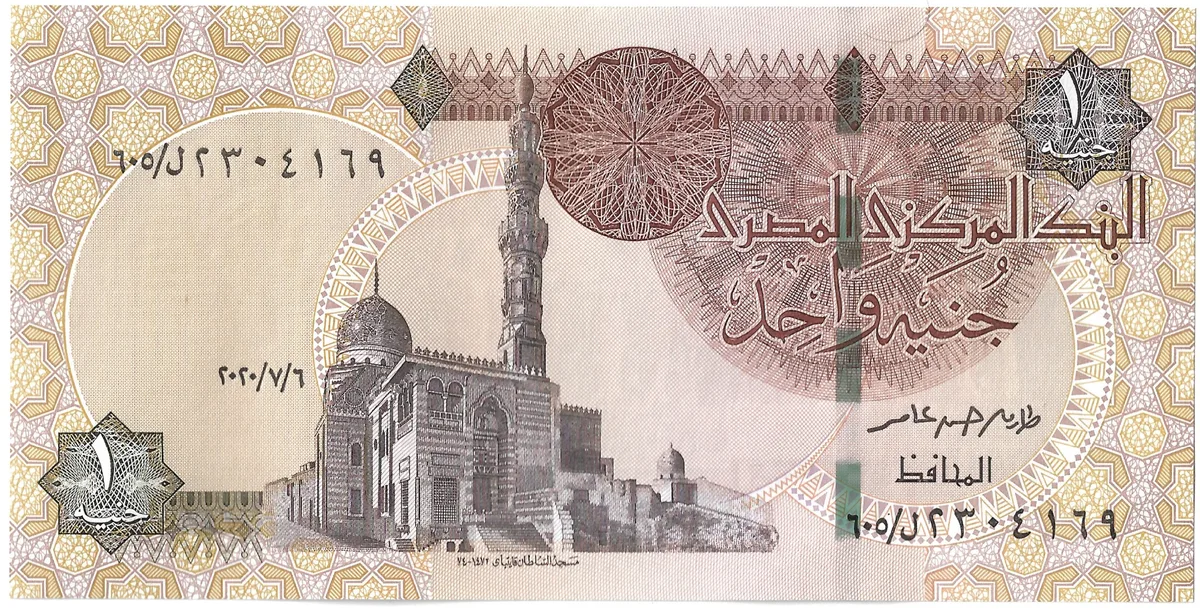
The first cause is the currency itself. In March 2024 the Egyptian pound was floated and fell sharply against the dollar and the euro, and the years since have seen the authorities revise the pound prices of foreign-visitor tickets upward more than once to keep pace. A budget written before the float, or converted at a pre-float rate, is not slightly out of date — it describes a different economy. Pages still ranking today carry daily totals assembled in that older economy, and newer pages copy them, which is how a figure can be repeated by a dozen sites and still be wrong in the same way on all of them. The defence is simple and this whole article is built on it: work in pounds, from current official sources, and convert into your home currency once, at the end, at the day’s rate.
The second cause is quieter. Rival budgets rarely state what their totals include. One page’s daily figure counts entry tickets; another’s silently excludes them. One assumes a dorm bed shared with five strangers; another assumes a private room and calls it budget. Cruise pages bundle four days of full board into a per-day number and compare it against hotel-based trips that pay for every meal separately. None of these pages is necessarily dishonest — but because the ingredients differ, the totals cannot be compared, and the reader who averages them is averaging recipes, not prices. When a daily number is not accompanied by its ingredient list, the number is decoration.
The third cause is that Egypt genuinely contains multitudes, more than most destinations. The same traveller can eat the country’s most famous dish for the price of a bus ticket in one street and pay international prices for a hotel breakfast in the next. Entry to a world wonder costs less than a modest lunch at home, while a single premium tomb in the Valley of the Kings costs more than three ordinary temples combined — both of those are official prices, printed in the tickets section below. A country whose real prices span that kind of range will defeat any single total. What it cannot defeat is a reader who knows the shape of the bill: which parts are fixed, which are negotiable, and which are decided entirely by taste. That shape is the rest of this page, and it is also why egypt travel costs, handled properly, usually end up lower than the frightened first estimate and higher than the backpacker legend — the truth sits between the two loudest numbers, as it usually does.
The Currency – Pounds, Cards and the Two-Price Reality
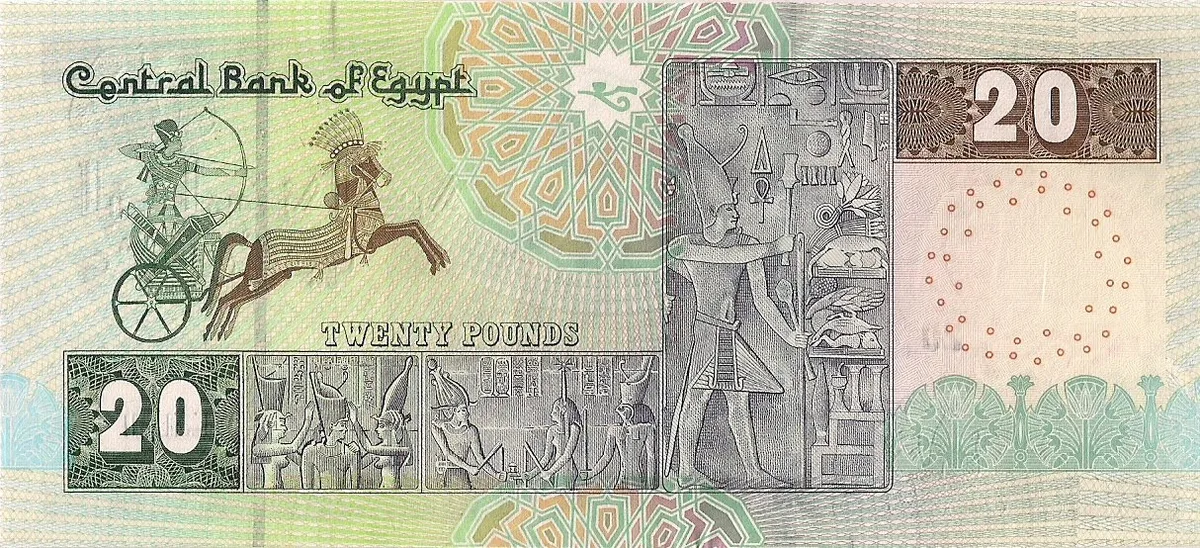
Egypt runs on the Egyptian pound, abbreviated EGP, and the first practical fact is that it runs on two versions of it at once. Cash — real, folding, increasingly grubby cash — is the medium of the street: taxis, tea, tips, market stalls, small restaurants, boatmen, guardians, the entire small-change economy through which a visitor moves all day. Cards are the medium of the formal economy: hotels, the big sites’ ticket systems, larger restaurants, the official booking portal. A workable Egypt budget carries both, deliberately. Travellers who arrive card-only discover that half the country’s small transactions have no card reader attached. Travellers who arrive cash-only discover that the formal end of the trip expects plastic, including, increasingly, the ticket offices of the major monuments, where payment has been moving steadily toward card.
The second practical fact is the small-note problem, and it deserves its reputation as the single most useful thing a budget guide can tell you. Egypt’s small denominations do heavy work: they are the unit of baksheesh, of taxi change, of tea, of the guardian who opens a tomb door. They are also chronically scarce in the hands of visitors, because ATMs dispense large notes and hotels break them reluctantly. The traveller with a pocket of small notes moves through the country smoothly and tips fairly at trivial cost. The traveller without them overpays a dozen times a day in rounded-up fares and un-returned change — a slow leak that no spreadsheet captures and every visitor remembers. Build the habit early: break big notes at supermarkets, bakeries and metro kiosks whenever the chance appears, and treat a healthy stock of small bills as part of the trip’s equipment.
The third fact confuses newcomers, and it sits at the centre of egypt travel costs, so it is worth stating plainly – the two prices you will see for the same ticket are official, not a scam aimed at you. The Ministry’s list publishes an Egyptian column and a foreign column for every site, and the foreign column is the one that applies to you — at Giza it is EGP 700 against an Egyptian price a small fraction of that. The same dual structure runs through rail fares and other state-priced services. Accepting it as the design of the system, rather than an insult to be argued with at the gate, saves time and temper. Around that official skeleton sits the negotiated economy, where prices genuinely are personal — the same caleche ride, felucca hour or bazaar scarf will be quoted at different levels to different faces, and there the honest tools are patience, a smile, a comparison across two or three sellers, and the willingness to walk away. Finally, exchange: change money at banks, official bureaux and ATMs at the bank rate, be suspicious of any rate dramatically better than the bank’s, and when a card machine offers to charge you in your home currency, decline and choose pounds — the conversion offered at the terminal is rarely the kind one.
What the Sights Charge – Tickets, Extras and the Official List
Here is the part of egypt travel costs that can be settled exactly, because the state publishes it. Egypt’s archaeological sites and museums are ticketed individually by the Ministry of Tourism and Antiquities, which maintains a single official price list with four columns — Egyptian adult and student, foreign adult and student. Tickets for the major sites are sold through the official booking portal at egymonuments.com and at site ticket offices, and the system has been moving toward card payment at the large sites, so carry a working card as well as cash. Three structural facts matter more than any individual price. First, foreign students with valid student identification pay half the foreign adult price at almost every line of the list — the single largest legitimate discount in Egyptian travel, and one many eligible visitors never claim. Second, the headline ticket is rarely the whole ticket: interiors, special tombs and combined passes sit on top of it as paid extras, and the extras stack is where a sightseeing day quietly doubles. Third, prices are revised — the list below is the list as published when checked on 31 October 2026, and the portal, not this page, is the final authority on the day you book.
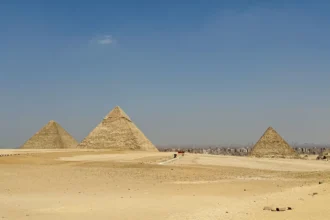
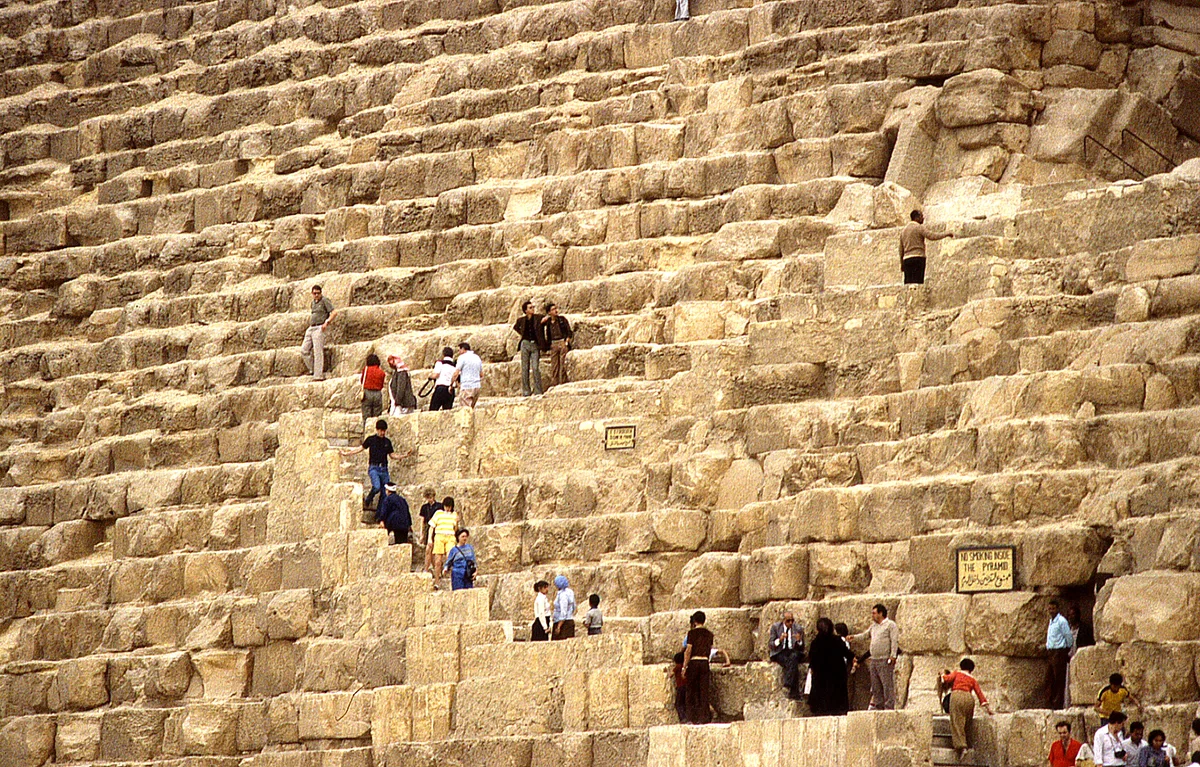
The prices themselves, foreign adult with foreign student in brackets, all in Egyptian pounds from the Ministry’s published list. At Giza, the plateau — the Pyramids of Giza with the Sphinx and valley temples — is EGP 700 (350). Going inside the Great Pyramid is a separate ticket, and here the official channels currently disagree with each other: the Ministry’s published price list gives EGP 1,000 (500), while the official booking portal has listed EGP 1,500. Budget for the higher figure and take the portal’s price at booking as the truth; Khafre’s pyramid interior, when open, is EGP 280 (140) on the list. Saqqara’s area ticket is EGP 600 (300), with an all-tombs combined ticket at EGP 1,400 (700) for those who want everything. In Cairo, the Egyptian Museum in Tahrir is EGP 550 (275), the Citadel of Salah al-Din is EGP 550 (275), and the Grand Egyptian Museum beside the plateau sells timed tickets through its own official booking — the museum revised its prices from 1 November 2026, so take its figure from the official booking page at the time you reserve rather than from any guide, this one included. The Giza plateau and its necropolis form the core of the UNESCO-listed Memphis and its Necropolis World Heritage property, which is one way of saying the state knows exactly what it is charging for.
Luxor holds the densest stack. Karnak is EGP 600 (300), Luxor Temple EGP 500 (250), the Temple of Hatshepsut EGP 440 (220), and the Valley of the Kings general ticket EGP 750 (375) — a ticket whose mechanism matters: it admits you to a selection of the currently open tombs, while the famous names sit above it as extras. Tutankhamun’s tomb is an extra EGP 700 (350), the tomb of Ramesses V and VI an extra EGP 220 (110), and the tomb of Sety I — the valley’s masterpiece — stands at EGP 2,000, the most expensive standard ticket in the country. South of Luxor the river temples follow: Edfu EGP 550 (275), Kom Ombo EGP 450 (225), Philae EGP 550 (275), and Abu Simbel EGP 750 (375), rising to EGP 1,200 on the two annual sun-alignment festival days, when the crowd and the price peak together. Add the twelve headline entries of the classic route together — Giza, the Egyptian Museum, the Citadel, Saqqara, Karnak, Luxor Temple, the Valley, Hatshepsut, Edfu, Kom Ombo, Philae and Abu Simbel — and the full official entry bill is EGP 6,990 per foreign adult, EGP 3,495 per foreign student, before a single extra. That sum, not a daily average, is the fixed skeleton of egypt travel costs, and every itinerary in our Egypt travel guide is built on top of it.
Where You Sleep – the Lever That Moves the Whole Budget
No other line has the range of this one. In a single Egyptian city on a single night, the cheapest dorm bed and the grandest Nile-view suite can differ by a factor of fifty, and both are real prices paid by real visitors. That is why sleep, not sightseeing, is where travel styles truly separate: the entry bill in the previous section is identical for the backpacker and the honeymooner standing in the same ticket queue, while their beds may as well be in different economies. Understanding egypt travel costs means understanding that your accommodation choice does not merely add a line to the budget — it selects which budget you are on.
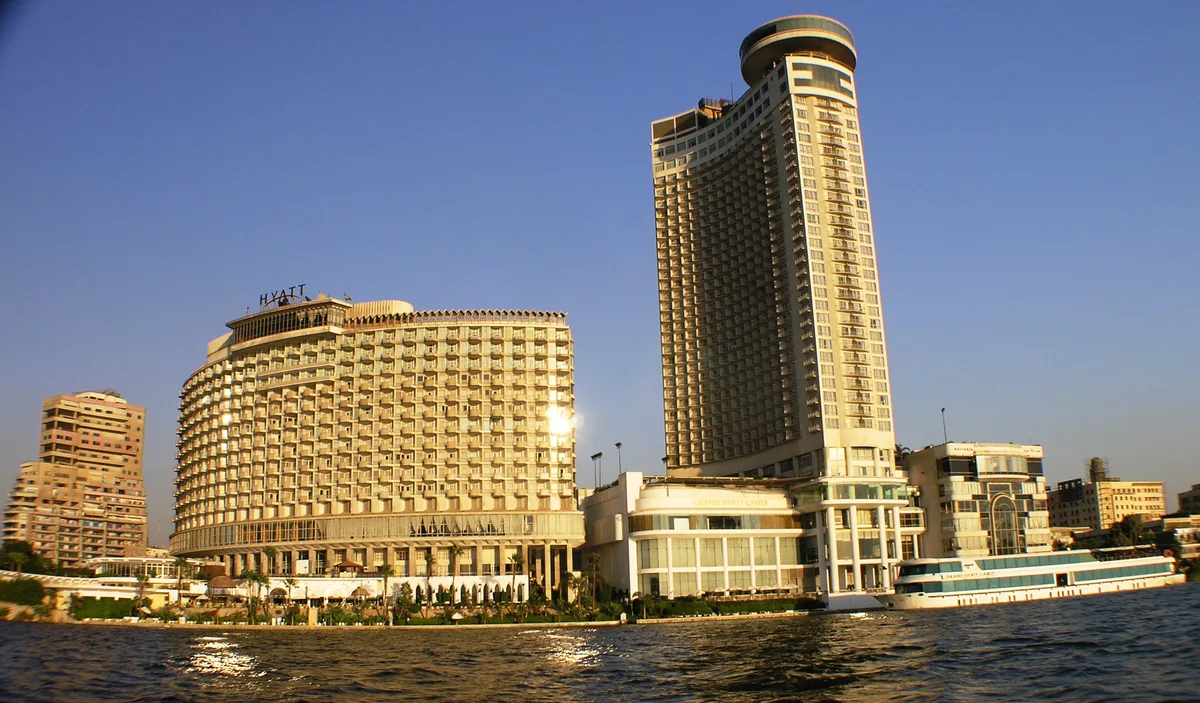
The market sorts itself into recognisable layers. At the base are hostels and simple family hotels, concentrated in downtown Cairo and the traveller quarters of Luxor and Aswan, selling clean beds, shared or simple private bathrooms and breakfasts of bread, eggs and cheese at prices set by local competition. Above them sit the mid-range hotels — international-standard rooms without the grand lobbies — and the better guesthouses, including Aswan’s Nubian-style houses across the river, where character is part of the price. Above those stand the famous names: Nile-side towers in Cairo’s Garden City, Luxor’s grand corniche hotels, Aswan’s island and cataract landmarks, properties whose rates are set internationally and move with global demand rather than local wages. And off to one side sits the Red Sea, where the resort strip sells a different product altogether — the all-inclusive week, priced per person per night with food, drink and beach bundled, which is why Red Sea nights cannot be compared line-for-line with Nile valley nights at all.
Four drivers move a quoted price within those layers. The Nile view is a priced feature, charged openly and often worth it exactly once per trip. Season moves everything, as the season section below explains — the same room in August and in Christmas week is two products. The booking channel matters more than visitors expect: walk-in rates, direct rates and platform rates for the same room routinely differ, and in the smaller properties a polite negotiation for a multi-night stay is a normal commercial conversation, not an insult. And breakfast is a small line with an outsized effect, because a rate that includes it removes the first negotiation of every day. The honest method for this category is the method used throughout this guide: pick the layer that matches how you actually travel, take three live quotes for your dates, and budget the middle one. The bed is the biggest lever in egypt travel costs, and it is pulled at booking time, not at the destination.
Eating and Drinking – the Kindest Line in the Budget

If sleep is where Egypt can be expensive, food is where Egypt is famously, almost defiantly, cheap — at the level where Egyptians themselves eat. The local canon was built over generations to be filling, fast and priced for local wages: koshari, the layered bowl of rice, pasta, lentils and chickpeas under tomato sauce and fried onions that holds a fair claim to being the national dish; ful medames, slow-cooked fava beans eaten at breakfast with bread, oil and lemon; taameya, the broad-bean falafel, green with herbs; grilled meats and rotisserie chicken; salads, pickles and breads that arrive in quantity. A visitor who eats where the queues of office workers and students eat will find the food bill so modest that it stops being a planning problem. This is not a hardship tier. Much of it is the best food in the country, cooked in volume, turned over fast, and seasoned by a clientele that would notice any decline by tomorrow.
The tiers above it are equally real, and the jumps between them are the story. The sit-down local restaurant — table service, a menu, juices pressed to order — costs a multiple of the street counter while serving much the same canon more comfortably. The tourist-facing restaurant near a monument or on a corniche adds view, multilingual menus and margin. Hotel dining sits at the top, priced internationally, and is where a single breakfast can cost what a day of street eating costs — a fact worth knowing before booking the room-only rate and drifting downstairs each morning out of habit. Cafés deserve their own line: the traditional ahwa, with its tea, coffee and shisha, is one of the cheapest seats in Egyptian social life, while the modern espresso bar prices itself against the world.
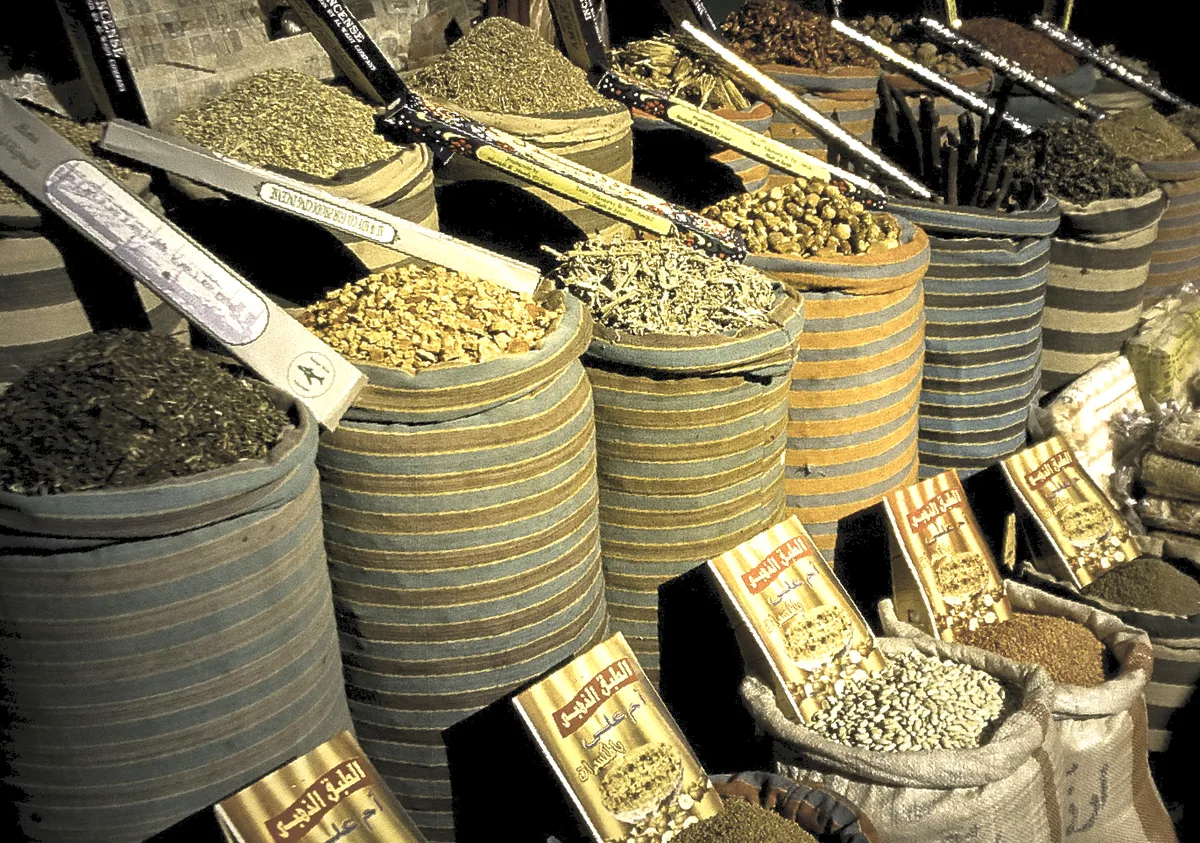
Two practical notes complete the picture. Water is bought bottled by everyone, visitor and local alike, and belongs in the daily budget as a small constant rather than an afterthought — in summer, in the south, it is a constant with volume. Alcohol is the exception to Egypt’s cheap-drinking story: it is served in hotels, some restaurants and licensed venues, priced as the controlled import it largely is, and travellers who drink daily will find it a real line in the budget rather than a footnote. For everyone else, the food section of egypt travel costs can be summarised in one line — eat the canon, eat where the city eats, and let this be the category where the trip comes in under estimate, because it will fund the categories that do not.
Getting Around Inside the Cities

City movement in Egypt comes in layers, and the traveller’s skill is knowing which layer a journey belongs to. At the base sits Cairo’s Metro — three lines under and across the capital, moving enormous numbers of people at a small fixed fare charged by journey. It is not a tourist attraction and does not pretend to be one, which is exactly its virtue: the price is printed, the same for everyone, and immune to negotiation, traffic theatre and the exchange rate. For crossing the capital it should be the default whenever a line serves the journey, with the usual big-city courtesies observed and an eye kept on the crush at peak hours. Above it, the microbus networks that serve every Egyptian city carry locals for small fixed sums along set routes — a genuine layer of the system, if one that asks more of a newcomer’s Arabic and confidence than most visitors choose to spend.
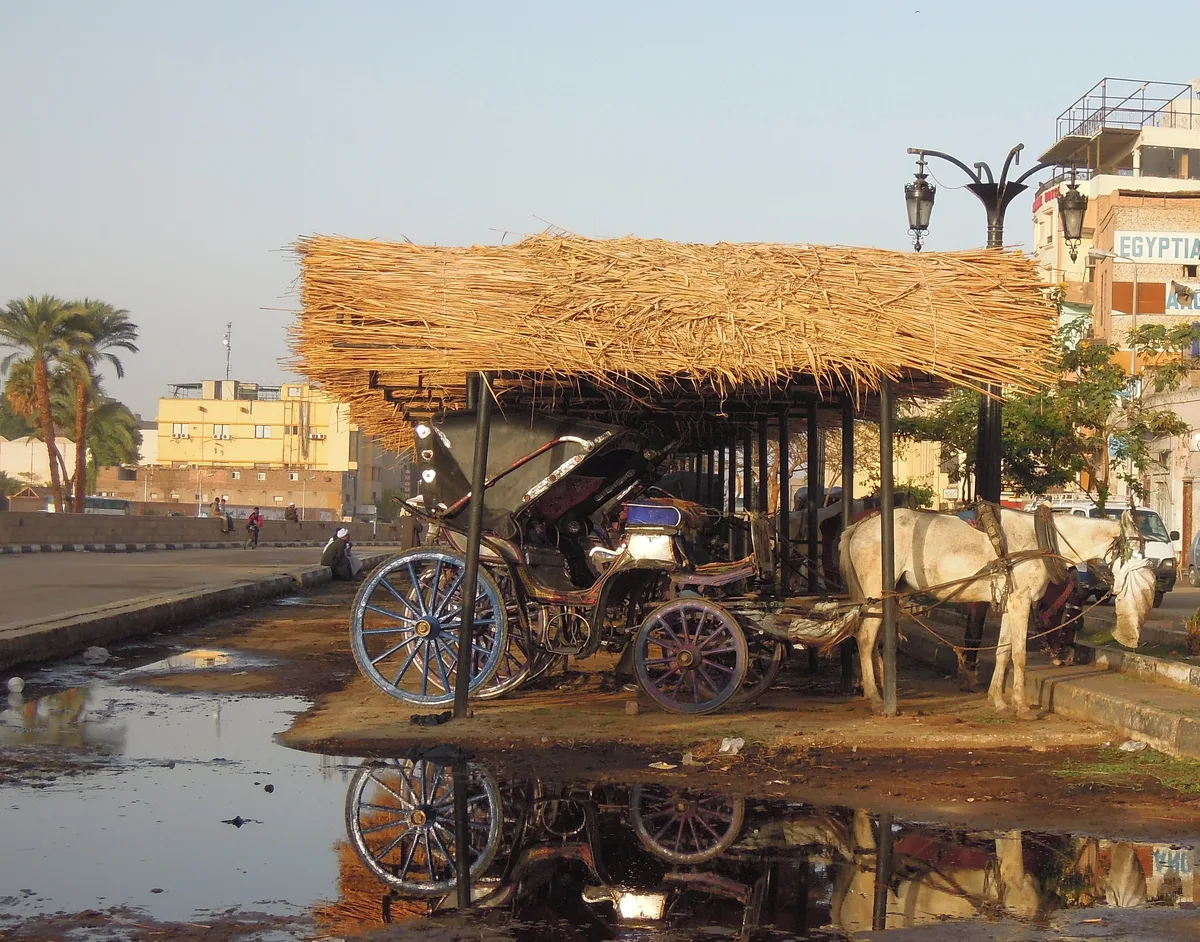
The negotiated layer is where visitors actually live. Cairo’s taxis are plentiful and inexpensive by home standards, and they run on two systems at once: a meter that exists and a negotiation that often replaces it. The honest practice is boring and effective — agree the fare before the car moves, or insist on the meter, and keep small notes for the difference between the two. Ride-hailing apps have changed this layer more than any other part of the transport economy, because the app performs the negotiation in advance: the price is quoted, printed and charged by card, which removes the single most common money friction of the Egyptian street. In Luxor the equivalent institution is the caleche, the horse-drawn carriage, priced per journey or per hour and negotiated at the kerb; in Aswan it is the felucca, hired by the hour with the price settled before boarding, the wind being the only timetable involved.
The costs in this category are individually small, which is precisely the danger: city transport is death by a thousand cuts for the unplanned budget. Ten unnegotiated rides, each rounded up, each tipped blind, each taken because the alternative was not considered, will quietly outspend a temple ticket. The countermeasures are equally small. Use the fixed-fare layer for the long crossings. Use the app layer when you want a printed price. Save the negotiated layer for the journeys it genuinely suits — the evening caleche, the sunset felucca, the taxi when you are tired and laden — and negotiate those few with good humour and small notes ready. Handled that way, moving around Egyptian cities stays what it should be: the cheapest interesting thing you do all day, and a part of egypt travel costs that behaves itself.
Getting Between Cities – Flights, the Sleeper and the Long Road
Egypt’s classic route is a line, and moving along it is, after the cruise decision, the largest transport question inside egypt travel costs. Four mechanisms cover the long legs, and they trade money against time in cleanly different ways. Domestic flights — Cairo to Luxor, Luxor or Cairo to Aswan, Aswan back to Cairo — buy back whole days at airline prices: roughly an hour in the air for a leg the ground covers in the better part of a day. On a short trip, that purchase is often the best money in the budget, because days, not pounds, are the scarce resource. On a long trip the same fare buys less, since time is cheaper. The fares themselves behave like airline fares everywhere — set by date, demand and how early you book — and belong in the budget as live quotes for your dates, not as figures copied from any guide.
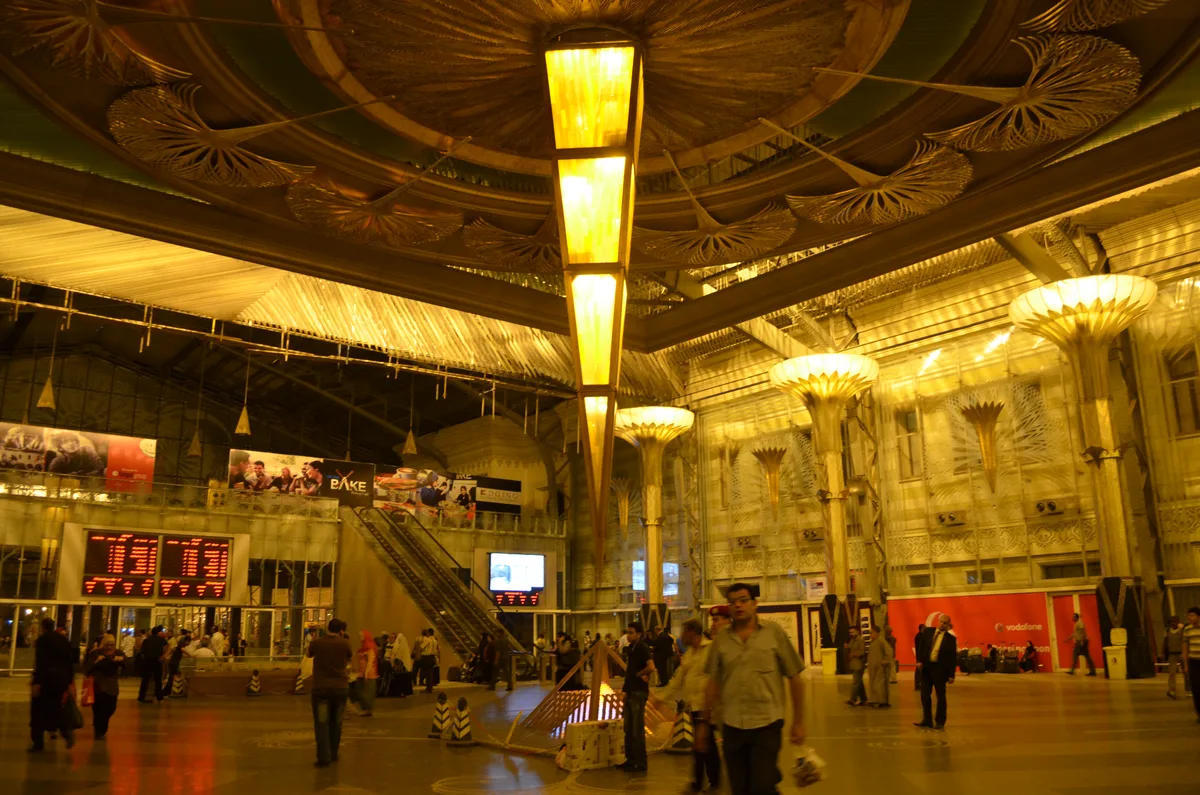
The railway is the romantic mechanism and the complicated one. The overnight sleeper train between Cairo and Luxor and Aswan folds a hotel night and a journey into one product, and it is sold to foreign visitors as a distinct fare class — sleeping-car berths for foreigners have historically been priced and sold in US dollars through the sleeping-car operator’s own channels, rather than at the local fare windows. Day trains run the same valley in daylight at lower cost, and here too foreign visitors have been charged under separate, dollar-denominated fare arrangements introduced in recent years, rather than the local pound fares — a system worth knowing about before you budget a rail leg at the price a local friend quotes you. Coaches run the valley and the Red Sea roads in air-conditioned comfort at the bottom of the intercity price range, and the private car with driver sits at the top: priced per day or per leg by negotiation, unbeatable for the broken journeys — the river road south from Luxor stopping at Edfu and Kom Ombo, the desert run to Abu Simbel — that no timetable serves well.
The budget logic is to price the legs individually, because they are not interchangeable. Fly the leg where a day is worth more than the fare difference. Sleep on the train where the journey replaces a hotel night, and count that saving honestly against the berth price. Drive the legs where the sights are the point of the road. And notice the pattern that this whole article keeps returning to: the state-priced parts of the journey carry one set of rules for Egyptians and another for foreigners, set by policy and published, while the private parts carry whatever the negotiation produces. Both are normal. Both are knowable in advance. A budget that treats intercity Egypt as one vague line called transport will miss by a wide margin; a budget that prices its four or five legs one by one, by mechanism, rarely misses by much at all.
The Nile Decision – Cruise Ship, Dahabiya or Staying on Land
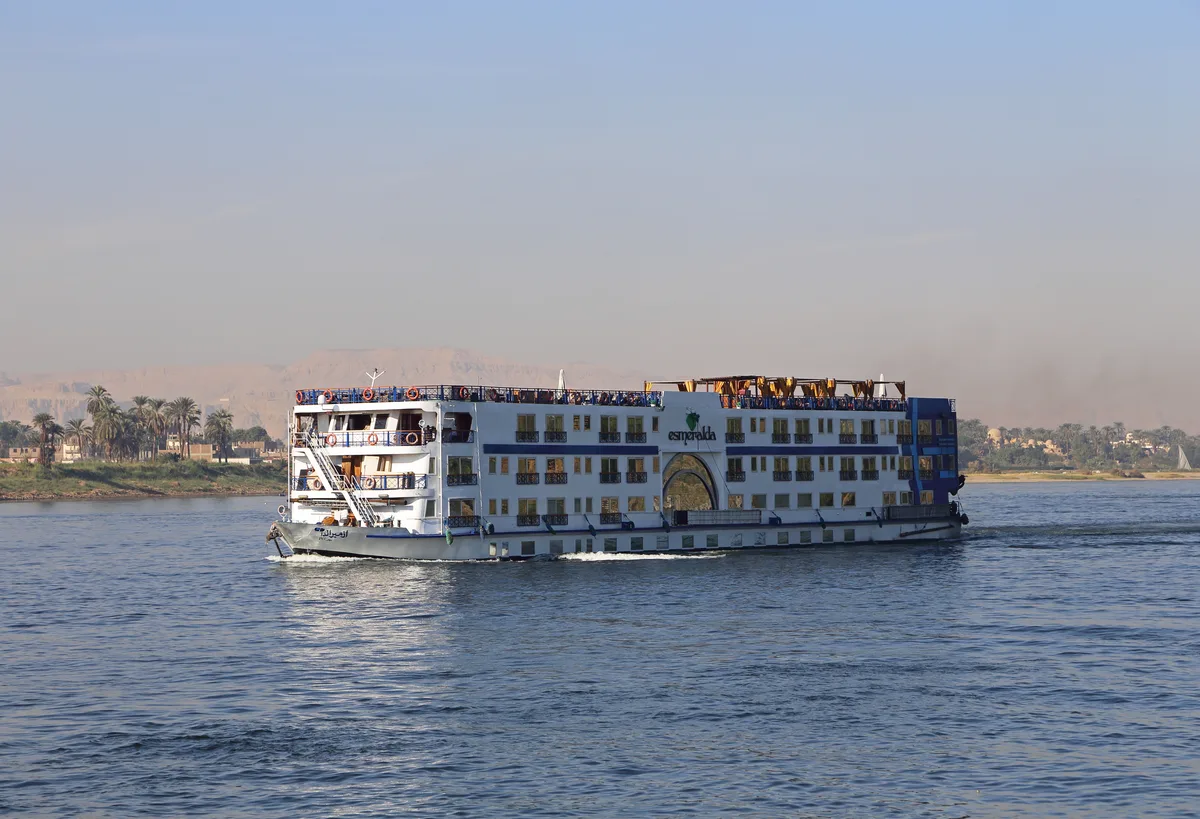
No single choice confuses an Egypt budget like the cruise, because no other line in the spreadsheet is secretly four lines wearing a trench coat. A Nile cruise between Luxor and Aswan — typically three or four nights depending on direction — bundles your bed, your meals, your transport and your guiding into one price, and then, almost always, unbundles some of it again in the small print. The standard pattern across the industry: the cabin and full board are in; drinks are out; the sightseeing excursions may be in, out, or in for the guiding and out for the entry tickets; tips for the crew are out and expected. Two cruises quoted at visibly different prices may therefore be selling different things, and two at the same price may differ by the entire entry bill. The only honest comparison prices the whole week both ways — cruise total plus its exclusions, against the same days built from hotels, transport, meals and the official entry stack from the tickets section.
The ships themselves sort into tiers that mirror the hotel market: large mainstream vessels with pools and buffet lines, quieter premium ships, and at the top the dahabiya — the traditional sailing passenger boat, carrying a handful of cabins, moving at wind speed, mooring at villages and islands the big ships pass. The dahabiya is the most expensive way to travel the river per day and, for many travellers, the best; the mainstream ship is often, per day, surprisingly competitive with the mid-range hotel it replaces, once its bundled meals and transport are honestly counted. What no cruise of any tier includes is the sky above it: the categories outside the bundle — entries where excluded, drinks, crew tips, the days at either end in Cairo — still belong in the budget, and forgetting them is the standard cruise arithmetic error.
The land alternative deserves its honest paragraph too. Sleeping in Luxor and Aswan and travelling the river road between them, stopping at Edfu and Kom Ombo on the way, buys flexibility the ship cannot: dawn at a temple before the cruise excursions arrive, evenings in living towns, the freedom to give a second day to the west bank instead of to a sailing schedule. It costs in transfers, in planning, and in the loss of the river as a continuous experience. There is no universal verdict, and this guide will not fake one. There is only the correct question, which is comparative and numerical: for your dates, your tier and your route, what does each version cost in full — bundle honestly unbundled, land honestly assembled? Egypt travel costs are rarely decided by the sights, which charge everyone alike. They are decided in choices like this one, made with the whole bill visible.
Paying People – Guides, Drivers and the Baksheesh Economy
A significant share of egypt travel costs is spent on people rather than things, and it divides into two economies with different rules. The first is professional and negotiated: the licensed Egyptologist guide who turns a wall of carving into a readable story, the driver who waits through your temple hours and knows which road the coaches avoid, the boatman, the caleche driver. These services are priced by the day or the journey, agreed in advance, and — this is the part visitors consistently underrate — they are among the highest-value purchases in the entire trip. A good guide at Karnak or in the Valley of the Kings does not decorate the entry ticket; they multiply it. The honest budgeting practice is to agree the full price, the hours and what is included before the day begins, to book guides for the dense sites rather than the easy ones, and to treat the fee as professional wages, because that is what it is.
The second economy is baksheesh, and it needs a clear-eyed paragraph because it frightens more visitors than it should. Baksheesh is the small-tip layer that oils Egyptian daily life: the site guardian who unlocks a side chapel, the attendant in the spotless restroom, the man who minds your shoes, the porter, the extra hand with a bag. The sums involved are individually tiny — this is the small-note economy of the currency section — but they are constant, expected, and bound up with wages that assume them. The traveller’s task is not to defeat this system but to run it gracefully: carry the small notes, give without theatre, budget the layer as a daily constant rather than a series of ambushes, and distinguish it cleanly from the negotiated economy, where prices are agreed first. What baksheesh is not is a scam with a tip jar; it is how a low-wage service economy distributes its income, and visitors who treat it as a conspiracy tend to spend their trip angry at the price of a cup of tea.
Two failure modes sit at either side of the path. Underpaying and under-tipping in the negotiated economy produces the predictable result — sullen service, shortened journeys, the mysterious unavailability of the thing you wanted — and it is a false economy on sums that are small in your currency and large in theirs. Overpaying blindly, the other failure, usually comes from the missing small notes: the big bill offered because nothing smaller exists, the fare doubled because change is impossible. Both failures are really the same failure of preparation. Agree prices in advance where prices are agreed, tip in small notes where tips are given, and keep a running sense — helped by the worked method below — of what a day of being looked after in Egypt actually costs. It is less than the guided-tour brochures suggest and more than the baksheesh-is-a-scam stories claim, and knowing it in advance is the difference between paying people and being processed by them.
Three Ways to Travel Egypt – and What Each One Actually Buys

Every rival budget page sorts Egypt into three styles and pins a daily total to each. This guide will describe the same three styles — they are real, and recognising yourself in one of them is genuinely useful — but it will not pin totals to them, for the reason this article has given from its first paragraph: the styles differ mainly in the negotiated categories, whose prices depend on dates, cities and choices no stranger can fix for you. What can be fixed is what each style buys and where each one spends. Read the three sketches as three different trips that happen to share a map, and notice that the entry stack from the tickets section — the same EGP 6,990 for the classic route — stands unchanged at the centre of all three.
The shoestring trip sleeps in dorms and simple family hotels, eats the local canon almost exclusively and happily, rides the Metro, the day trains and the coaches, and walks into sites with a guidebook rather than a guide. Its money concentrates in exactly two places: the entry stack, which it cannot dodge without dodging Egypt itself, and the intercity legs. Its secret weapon is time — the shoestring traveller with six weeks spends less per day than the one with six days, because slow travel is cheap travel everywhere on earth. Its honest cost, which the legend omits, is friction: more negotiation, more waiting, more days bent around timetables, and the premium tombs and pyramid interiors treated as rare decisions rather than defaults.
The mid-range trip — the one most independent visitors actually take — sleeps in comfortable small hotels and good guesthouses, mixes street food with sit-down restaurants, flies one leg and sleeps on the train for another, hires a guide for the dense days at Karnak and the Valley, and takes a mainstream cruise or assembles its land equivalent. Its money spreads evenly, which is why its budgets are the hardest to guess and the easiest to build by the method below. The comfort trip sleeps in the famous hotels, travels by private driver, eats where it likes, books the dahabiya or the premium ship, and finds the entry stack — the whole official bill for the wonders of the world — reduced to a minor line in its accounts. That last fact is the most clarifying in this entire article: at the top of the market, egypt travel costs are set by taste in beds and boats; at every level, the wonders themselves charge everyone the same. Choose your style by where you want the money to sit, and the daily total will follow from your quotes — not the other way round.
Season and Timing – When the Same Trip Costs More
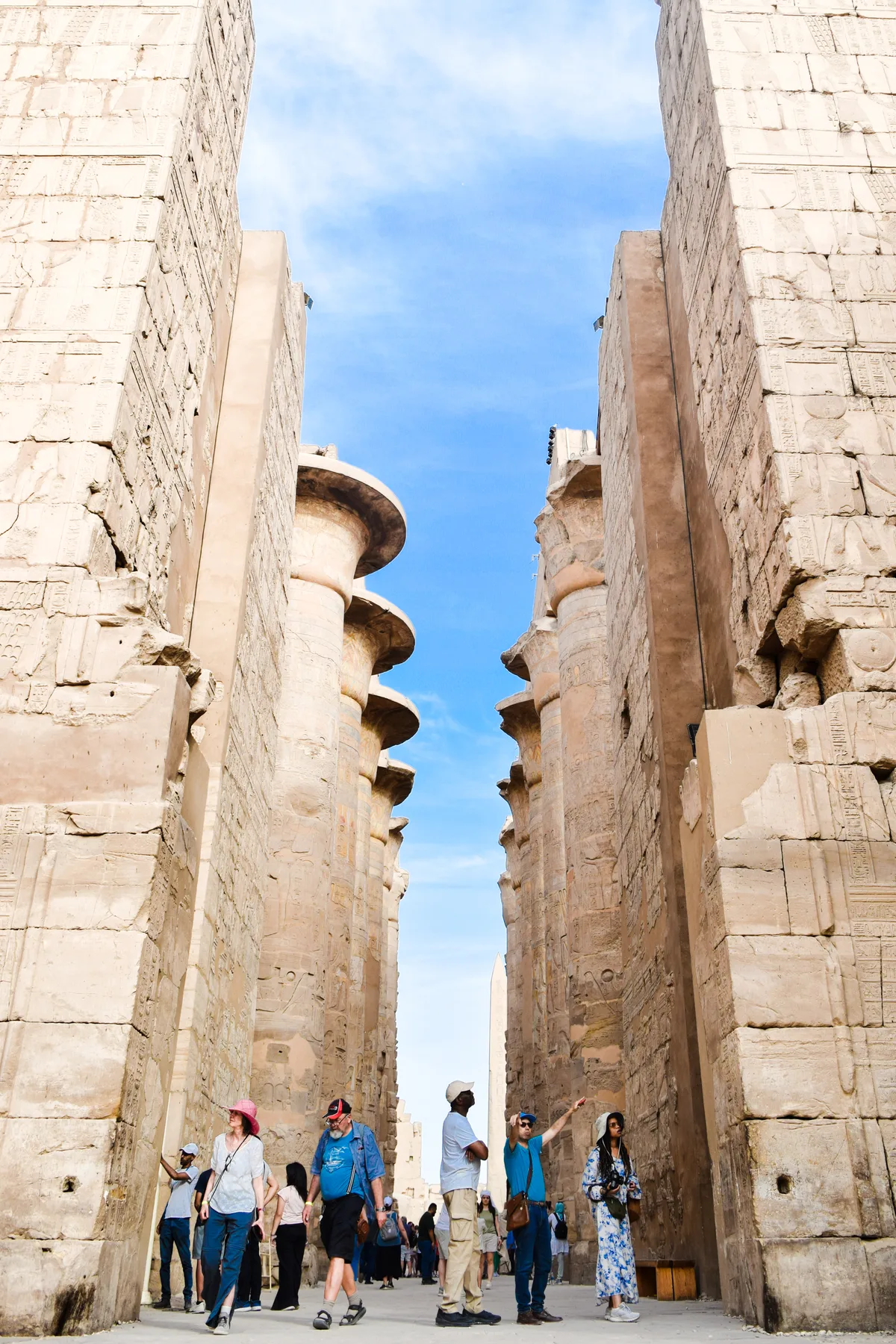
The itinerary does not change with the calendar, but its price does, because almost every negotiated category in this article breathes with the season. Egypt’s high season is the mild winter, roughly October to February, when the sightseeing weather is at its best, the cruise ships sail full, the good hotels price at their peak and the Christmas and New Year weeks sit at the very top of the year. The same trip in the heat of June, July or August — when the south passes forty degrees and sightseeing becomes a dawn activity — is cheaper across sleep, cruises and drivers, sometimes dramatically, bought with weather that rewrites the daily schedule around the shade. The shoulder months between, spring and early autumn, split the difference in both directions, and are where the value quietly lives for travellers whose dates are flexible.
Three timing effects are specific enough to plan around. Ramadan changes the rhythm rather than simply the price: days slow, evenings come alive, some services run reduced hours, and the weeks around the Eid holidays that follow it behave like a domestic high season, with Egyptians travelling their own country in numbers. The Abu Simbel sun festival, twice a year, concentrates demand into single mornings — the Ministry’s own list prices festival-day entry at EGP 1,200 against the usual EGP 750, the one place in this article where seasonality is printed on an official ticket — and transport and beds in Aswan tighten around those dates accordingly. And booking lead time acts like a small season of its own: sleeper berths, cruise cabins on the better ships and rooms in the famous hotels are finite things sold to an international market, and the traveller who commits early buys from a fuller shelf at keener prices than the one who arrives hopeful in a peak week.
The budget consequence is that timing is a lever of the same size as the accommodation choice, and it is pulled once, at the start. A traveller who cannot move their dates should know which season they are buying and price their quotes in that season, rather than anchoring on figures gathered from someone else’s August. A traveller who can move should price the same trip in two seasons before deciding — the difference, on the negotiated categories alone, can fund the premium tomb, the dahabiya upgrade or an extra day in Aswan. Season is also why this guide prints no daily totals: a number that is true in February is false in July, and a guide that knows that and prints February’s number anyway has told you something worse than nothing. Egypt travel costs are seasonal facts. Date your budget, or it will date itself against you.
Building Your Own Daily Budget – the Worked Method

Here, assembled, is the method this article has been arguing for — seven steps, in order, using official figures where official figures exist and live quotes where they do not. It produces a daily budget that is yours: built from your dates, your style and your route, and honest about which of its lines are certain and which are estimates. It takes under an hour, and it will be closer to your real spending than any published total, including any this page could have invented for you.
Step one: fix the route and count your days by type, not in total — monument days, travelling days and free days, because the three types cost differently and a daily average is only safe once it is built from them. Step two: price the entries exactly. List the sights you will actually enter, take each price from the Ministry’s published list as set out in the tickets section, and add your chosen extras. For the classic route the worked sum is already done: twelve headline sights come to EGP 6,990 per foreign adult, EGP 3,495 per student, and adding Tutankhamun’s tomb and Khafre’s interior, at the list’s figures, brings a typical full stack to the region of EGP 7,970 — divide the entry total by your monument days, not by all your days, to feel its true daily weight. Step three: take three live quotes for your bed, in your layer, for your dates, and enter the middle one per night. Step four: set your food tier honestly — street canon, mixed, or hotel-led — and price a day of it by the menus of the tier above your habits, not below them. Step five: price the intercity legs one by one, by the mechanism you will actually use, at foreigner fares where the state sets them. Step six: add the human layer — guide days where the sites are dense, driver days where the road is the day, and a daily baksheesh constant in small notes. Step seven: hold a contingency line of your own choosing — a tenth is a common discipline — and convert the whole budget into your home currency last, at the day’s bank rate, knowing the conversion will drift and the pounds will not.
Run on the classic ten-day shape — four monument-heavy days, two travelling days, the rest mixed — the method yields the insight that surprises every first-time visitor: the fixed, knowable part of the trip, the entire official entry bill for the greatest hits of three thousand years, is one of the smallest lines in it. Sleep and the Nile decision dominate. Food trails behind. And the daily figure that emerges, whatever it is, has the one virtue no rival total can claim — when the trip is over, it will have been roughly right, because it was built from the same prices the trip itself was built from. That is the entire promise of this page on egypt travel costs: not a smaller number, but a true one.
Money Mistakes That Quietly Double a Trip
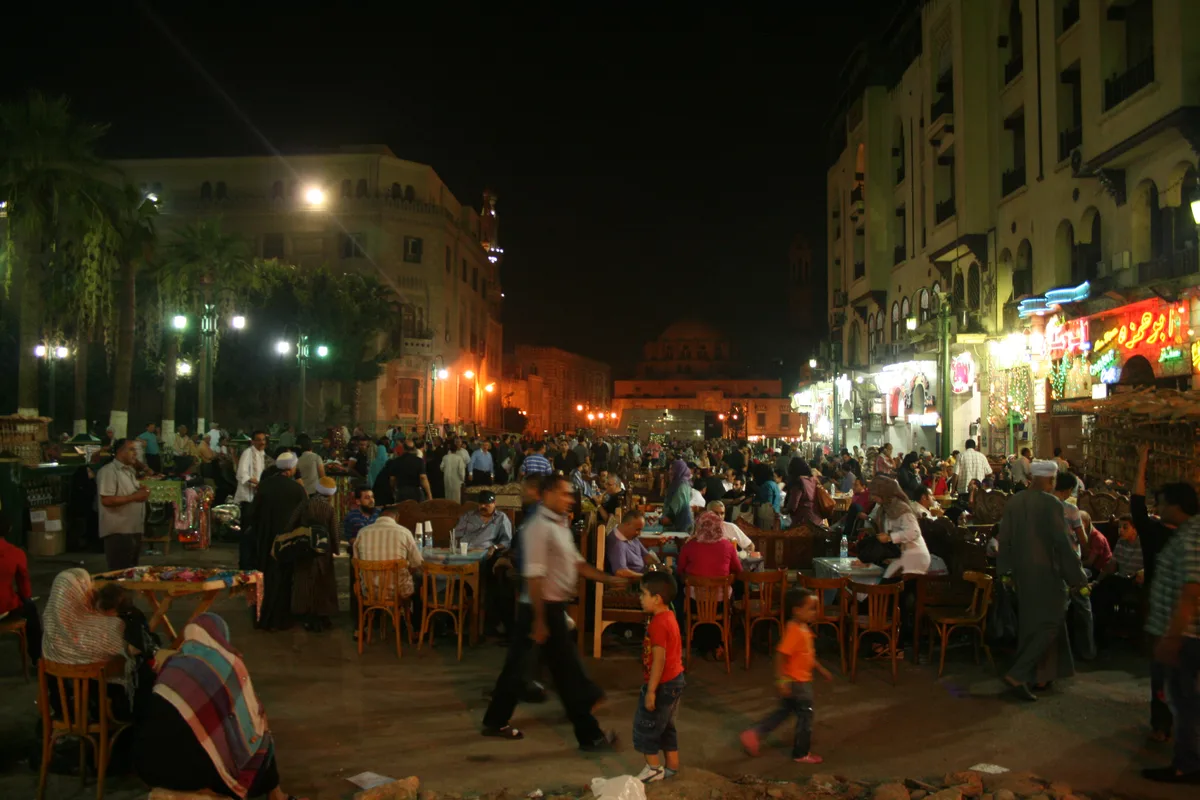
Most egypt travel costs are not blown by one grand extravagance. They leak, through a dozen small unforced errors that this closing tour can name. Paying for things in dollars or euros in the street, at rates invented on the spot, when the pound price was knowable. Boarding the caleche, the felucca or the taxi without agreeing the price first, and negotiating afterwards from the weakest position a traveller can occupy — already arrived. Letting the card terminal convert your bill into your home currency at its own rate, when choosing pounds costs nothing. Drawing all your cash from the airport machine at the start and none later, instead of letting the bank rate follow you down the valley. And carrying only large notes into a small-note economy, then rounding every transaction up to the size of the smallest bill you hold.
A second family of mistakes lives in the planning rather than the street. Buying the full extras stack at every site — every interior, every premium tomb — without noticing that the extras, not the entries, are where the sightseeing bill doubles; the Sety I ticket alone costs more than Giza, Karnak and Luxor Temple combined, which is an argument for choosing it deliberately, not for skipping it unknowing. Assuming the cruise price is the cruise cost, and meeting the exclusions at the gangway. Booking the cheapest room rate in the famous hotel and eating every meal in its restaurant. Forgetting the student discount for which someone in the party actually qualifies, at half the entire entry stack. And anchoring the whole budget on a rival page’s daily total, in a currency conversion from a kinder year, for a season you are not travelling in.
Against every one of these stands the same small kit of habits, all of them already described in this guide: agree prices before movement, carry small notes always, choose pounds on the terminal, price entries from the official list, unbundle the cruise before comparing it, and build the budget by the worked method with your own dated quotes. None of these habits requires hardness or suspicion, and several of them — the guide hired properly, the boatman paid fairly, the guardian tipped in the right denomination — make the trip warmer as well as cheaper. The expensive Egypt is not the one with the high prices. It is the one where the prices are discovered afterwards. Everything in this article exists to put the discovery first, while it is still free.
Frequently Asked Questions

Is Egypt an expensive country to visit?
By the standards of the wonders it contains, no — and the official list is the proof. The entire entry stack for the classic route, twelve headline sights including the pyramids, Karnak and Abu Simbel, comes to EGP 6,990 for a foreign adult at the October 2026 Ministry list. What makes one trip cost three times another is almost never the sights; it is the bed, the boat and the season, which is why this guide prices the fixed part of egypt travel costs exactly and teaches the method for the rest.
Should I budget in pounds or in dollars?
In pounds, converting once at the end. Egypt’s prices — official and negotiated alike — live in pounds, and the exchange rate moves. Budgets built in dollars inherit the rate of the day they were written and quietly rot; budgets built in pounds stay true and are converted at the bank rate of the week you travel. The exceptions are the state products historically sold to foreigners in dollars, such as sleeper berths, which the worked method prices as the exceptions they are.
Do the sites and museums take cards?
Increasingly, yes — the official booking portal at egymonuments.com sells the major tickets by card in advance, and payment at the large sites has been moving steadily toward card. Carry a working card for the formal economy and cash in small denominations for everything else, because the street economy of taxis, tea and tips still runs on notes.
How much cash should I carry each day?
Enough for the day’s negotiated layer — taxis or a caleche, food at the local tier, water, and a healthy stock of small notes for baksheesh — rather than the whole trip’s money. The fixed layer, entries and hotels, increasingly runs on card. The discipline that matters is denominations, not totals: a day that starts with small notes costs less than the same day started with large ones.
What does the visa cost, and where do I pay it?
The visa is an official charge set in US dollars and paid through official channels — the e-Visa portal before travel or on arrival for eligible nationalities — and because the fee arrangements are exactly the kind of official figure that gets revised, this guide points you to the current position rather than printing a number that may age: our Egypt visa for tourists guide tracks the system, the eligibility and the fee as published on the official portal.
Is the Luxor hot air balloon worth budgeting for?
It is the country’s signature paid extra — a dawn flight over the west bank, priced commercially by the operating companies rather than on any official list, so no figure is printed here. Travellers who take it consistently rank it among the trip’s great mornings; the budgeting advice is to price it as a deliberate extra from live operator quotes, like the Sety I tomb, and to book it for early in a Luxor stay so weather delays can roll to a later morning.
Are prices in Egypt negotiable?
In the negotiated economy, yes — bazaars, caleches, feluccas, private drivers and multi-night stays in smaller hotels all expect the conversation, conducted with good humour and agreed before the service begins. In the official economy, no — the Ministry’s ticket list, the Metro fare and the museum booking portal charge what they charge. Knowing which economy you are standing in is most of what there is to know.
Why did prices change between my research and my trip?
Because Egypt reprices. The pound’s float in March 2024 set off a rolling revision of official prices, and the authorities adjust the foreign-visitor list as the currency moves — the Grand Egyptian Museum revised its prices from 1 November 2026, within days of this guide being written. The defence is the method itself: figures from official lists, dated when you take them, refreshed at booking; quotes for your season; conversion at the end. For the wider planning picture — routes, seasons and where everything is — our guide to places to visit in Egypt is the companion to this one.
The Bottom Line on Egypt Travel Costs
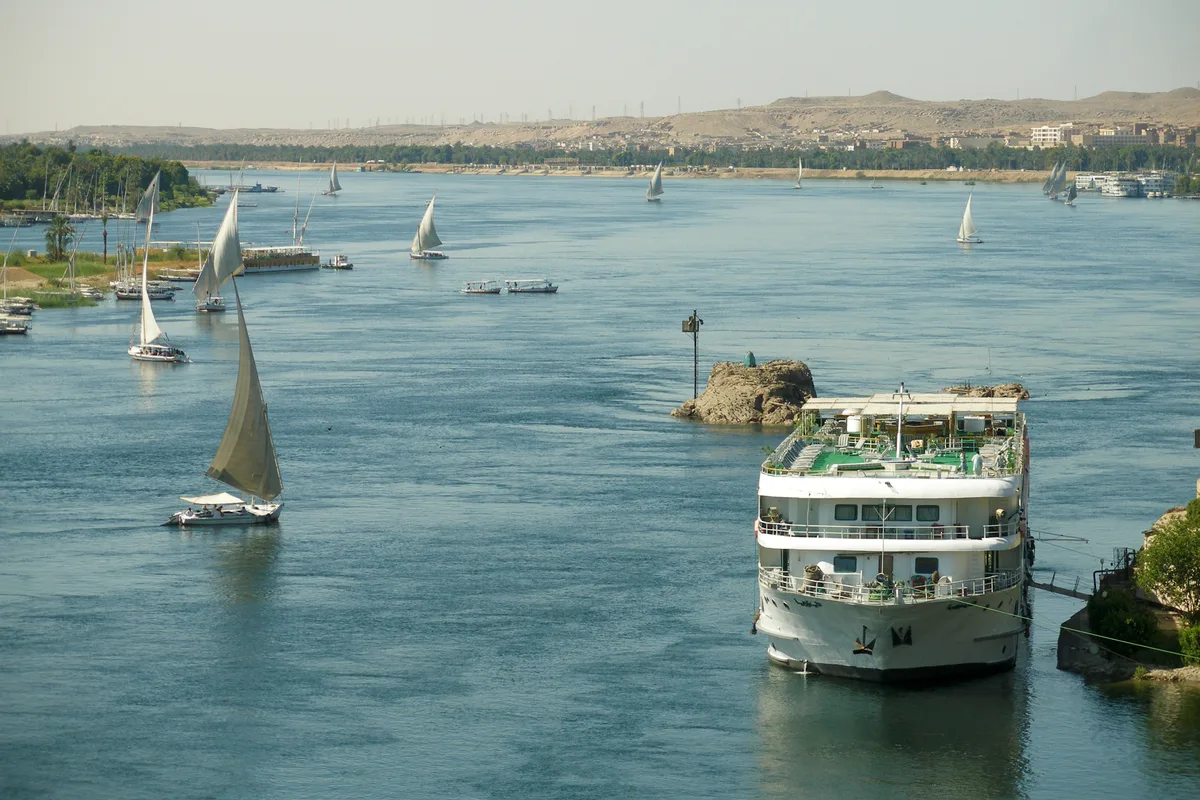
Egypt is not a cheap trick or a luxury trap. It is a country whose wonders are priced by a published list — modestly, equally for everyone, and knowable to the pound before you leave home — wrapped in a living economy where beds, boats, meals and kindnesses are priced by season, negotiation and taste. Every bad budget for this country comes from confusing those two layers: treating the negotiated layer as fixed and borrowing someone else’s total for it, or treating the fixed layer as mysterious and fearing it. The traveller who separates them — who adds up the official stack, EGP 6,990 for the full classic route at the October 2026 list, and then builds the rest from live quotes by the worked method — will know what their trip costs more accurately than any website can tell them, because they will know it in the only form in which it is true: theirs.
So the last word is the method, compressed. Budget in pounds. Price the entries from the official list and the extras by choice. Quote the bed in your layer, for your dates, in your season. Unbundle the cruise before you compare it. Agree every negotiated price before the journey it pays for, carry the small notes that make tipping effortless, and convert the total into your own currency once, at the end, at the rate of the day. Do those things and egypt travel costs stop being a rumour you plan around and become what they should have been all along — a set of decisions you made, in the open, before the felucca sail went up.