First-time Egypt trips usually fail in the same way: too much Cairo, too little Luxor, and a Nile cruise booked for the wrong reason. The fix is a decision, not a longer list. Egypt’s headline monuments run in a line down the Nile — Cairo and Giza at the top, Luxor in the middle, Aswan and Abu Simbel at the bottom — with the Red Sea and the desert as optional extensions. This guide builds a workable 7–10 day route around that line, explains the transport choices honestly, and leaves the deep pyramid history to its own article so this one can focus on planning. That line is the whole secret of Egypt travel, because the Nile is not just a river running through the country but the reason the country exists in the form it does: a thin ribbon of green farmland and towns between two deserts, with the great monuments clustered along its banks because that was where people could live, farm, move stone and govern. A trip that follows the river south therefore feels natural in a way that a trip hopping between distant cities by air never does, because each day’s journey is itself part of the sightseeing, whether it is a train rolling past sugar cane fields, a cruise ship sliding past palm groves, or a road running beside the water. The route in this guide respects that logic and builds in the pauses it requires, because Egypt’s monuments were designed to be approached slowly, in the early morning light, after a night’s rest, and not to be ticked off between airport transfers. It also deliberately keeps the place detail brief: for the geographic order of places, see our companion guide to places to visit in Egypt, and for choosing by type of experience, see our guide to tourist attractions in Egypt, so that this master guide can do its own job, which is to tell you how to move, when to go, what to budget for, and what to watch out for.
If you only remember one rule, make it this: spend most of your time in Luxor and Aswan, not only in Cairo. Cairo gives you the pyramids and the museums; Luxor and Aswan give you the temples, tombs and river light that most travellers remember longest. That rule surprises first-timers because Cairo dominates every Egypt image search, with the pyramids and the Sphinx filling the first page of results, while Luxor and Aswan look, on paper, like secondary stops on the way south. On the ground the balance reverses. Cairo is intense, noisy and rewarding, but it is a modern megacity of more than twenty million people wrapped around ancient sites, and two or three days there, well spent, will give you the pyramids, the museums and the old city without exhausting you before the rest of the trip begins. Luxor, by contrast, is a smaller city built directly on top of ancient Thebes, where you can walk from your hotel to Karnak Temple, cross the river to the Valley of the Kings, and watch the sun set over the Nile from the same promenade, day after day, without ever sitting in Cairo traffic. Aswan is smaller still, slower, warmer and greener, with granite islands, felucca sails and Nubian villages that give the trip its breathing space. Travellers who reverse the balance, giving Cairo five days and Luxor one, almost always come home saying they wish they had done the opposite, because the temples and tombs of the south are not just more numerous but more immersive: you walk inside painted tombs, you stand in hypostyle halls the size of cathedrals, and you watch river light change across stone in a way that a single Cairo morning cannot match. For visa rules, entry fees and transport prices, check the official site before visiting — these are the details that change most often, and no guide, including this one, should be trusted for a price quoted months earlier.
At a Glance
| Place | Days | Why go | Arrive by |
|---|---|---|---|
| Cairo & Giza | 2–3 | Pyramids, Sphinx, Grand Egyptian Museum, Islamic and Coptic Cairo | International flight to Cairo |
| Luxor | 2–3 | Karnak, Luxor Temple, Valley of the Kings, Hatshepsut Temple | Flight, overnight train or Nile cruise |
| Aswan | 2 | Philae Temple, Nubian villages, felucca sailing, Abu Simbel day trip | Train, flight or cruise from Luxor |
| Red Sea (optional) | 2–4 | Diving, snorkelling, beaches at Hurghada, Dahab or Marsa Alam | Flight or road from Cairo / Luxor |
Currency is the Egyptian pound (EGP). Cash is still king for small purchases, tips and markets; cards are widely accepted in hotels and larger restaurants. For visa rules, entry fees and transport prices, check the official site before visiting — these are the details that change most often.
Cairo and Giza: Start With the Museums, Not Just the Pyramids
Most itineraries give Cairo one frantic day. Give it two, and split it deliberately. Day one: the Giza plateau at opening, then the Grand Egyptian Museum nearby, which fully opened in November 2025 and now holds the complete Tutankhamun collection. Day two: Islamic Cairo — the Citadel, Al-Azhar Mosque and Khan el-Khalili bazaar — plus Coptic Cairo’s churches, with Saqqara’s Step Pyramid as a third-day extension if you have it. Saqqara, older than Giza and far quieter, is the single best addition for history lovers who have already seen the main pyramids. That split works because it separates two very different kinds of Cairo day: a desert-edge day of open sky, stone and scale, and an old-city day of lanes, mosques, churches and markets, each demanding different energy and different shoes. The Giza morning should start at opening, when the light is golden and the crowds are thinnest, because the plateau offers almost no shade and the midday heat, even in winter, turns a walk between pyramids into an endurance test. The museum afternoon that follows is the ideal pairing, because the Grand Egyptian Museum stands near the plateau and its galleries, including the complete Tutankhamun collection, give you the objects that the plateau’s empty chambers cannot show — the gold, the furniture, the jewellery — and because moving from open desert to air-conditioned galleries is itself a relief after a morning on stone. For the full pyramid walk, see our dedicated guide to the Pyramids of Giza, which covers the three pyramids, the Sphinx and the plateau route in detail, so this article deliberately keeps Giza brief and lets the rest of Egypt get its share of the itinerary.
Cairo is also where transport habits are set, and the habits you form on day one will either save or cost you time for the rest of the trip. Use ride-hailing or a hotel-arranged driver in the city, agree taxi fares before you get in, and keep small bills for tips, because Cairo’s taxi negotiation is a daily ritual and a pre-agreed fare removes the one argument that most often sours a first morning. Traffic is part of the experience, not an exception to it: a journey across the city that looks like twenty minutes on a map can take an hour at rush hour, and an itinerary that stacks four attractions into one afternoon will collapse, not because any single site took too long but because the city between them did. Build buffer time between sites rather than stacking them, and treat a long lunch, a coffee in a Khan el-Khalili cafe, or a slow walk along the Nile Corniche as part of the day, not as wasted time. The second Cairo day rewards that patience, because Islamic Cairo’s Citadel, with its mosques and its commanding view over the city, Al-Azhar Mosque and its surrounding lanes, and the Khan el-Khalili bazaar, with its spice pyramids, lantern makers and brass workshops, are best explored on foot and at a wanderer’s pace, while Coptic Cairo, built within the walls of a Roman fortress, offers the Hanging Church and the Coptic Museum in a quieter, older quarter that feels like a different city altogether. Dress modestly at religious sites, remove shoes where asked, and photograph people only with permission, because Cairo’s old quarters are living neighbourhoods, not open-air museums, and a visitor who respects that is welcomed far beyond the tourist trail.
Luxor: One Day Per Bank of the Nile
Luxor — ancient Thebes — holds the densest concentration of monuments in Egypt, and its geography is the planning key. The East Bank, where the sun rises, was the side of the living: Karnak Temple, Luxor Temple and the modern city. The West Bank, where the sun sets, was the side of the dead: the Valley of the Kings, Hatshepsut’s terraced temple, the Colossi of Memnon and the artisans’ village. Give each bank its own early morning: tombs at opening on one day, Karnak in its first hour on the other, Luxor Temple floodlit in the evening. That division is not a convenience but a reflection of how the ancient city itself was organised, because the Egyptians deliberately placed their temples of the living gods on the east bank, where the sun rises, and their tombs and mortuary temples on the west bank, where the sun sets, and a modern visitor who follows that division will understand Thebes in a way that a visitor who hops between banks at random never does. The East Bank day begins at Karnak, whose Great Hypostyle Hall, a forest of 134 massive columns, is the most overwhelming interior in Egypt, and it is best seen in the first hour, before the tour groups arrive and before the heat builds, when the low light slants between the columns and the scale of the place is felt rather than merely photographed. Luxor Temple, smaller and more elegant, is best saved for the evening, when its stone warms in low light and it is lit against the night sky, and the Avenue of Sphinxes that links the two temples makes the walk between them part of the experience rather than a transfer.
Two full days is the minimum; three is better, because it leaves room for Medinet Habu — the temple visitors most often say they wish they had known about — and for a dawn hot-air balloon over the West Bank, the one splurge that consistently justifies its price for travellers who are comfortable with early starts and heights. The West Bank day, by contrast, is a day of tombs and terraces: the Valley of the Kings, where painted royal tombs are cut deep into desert rock and where the tombs open to visitors rotate for conservation, so check the official site before visiting for which tombs are open on your dates; the terraced Temple of Hatshepsut, rising against limestone cliffs as a monument to Egypt’s most successful female pharaoh; and the Colossi of Memnon, two seated giants that once guarded a temple now vanished, standing alone in the fields as a reminder of how much of Thebes has been lost. Medinet Habu, the mortuary temple of Ramesses III, is the West Bank’s quiet masterpiece, with vividly painted reliefs, well-preserved colours and far fewer visitors than the Valley of the Kings, and it is the site that most rewards a third day, because it can be walked slowly, without crowds, and because its reliefs, showing sea battles and temple life, are among the best preserved in Egypt. The balloon, if you choose it, should be booked through a reputable operator, with safety briefings and weather conditions checked in advance, because balloon flights depend on wind and are cancelled when conditions are unsafe, and a dawn flight over the West Bank, watching the green Nile valley, the desert and the tombs fit together from the air, is the single best way to grasp the geography that the rest of this guide describes. Book balloons and tomb tickets through reputable operators, and confirm what is included before paying.
Aswan and Abu Simbel: Slow Down on the River
Aswan changes the trip’s tempo. After Cairo’s traffic and Luxor’s scale, Aswan is granite islands, felucca sails, Nubian villages on the west bank, and Philae Temple on its island — a place to walk, sail and eat slowly. The essential day trip is Abu Simbel, about 280 km south: the colossal rock temples of Ramesses II, best visited on a very early start so you arrive before the heat and the main convoys. The Abu Simbel Sun Festival, when sunrise lights the inner sanctuary on 22 February and 22 October, is a separate, crowded event worth planning a whole trip around only if you book far ahead. That change of tempo is not an accident of geography but the point of Aswan, because the city sits at the Nile’s first cataract, where granite boulders break the river into channels and islands, and where the landscape itself forces a slower pace: boats rather than buses, walks rather than queues, and evenings on the Corniche rather than evenings in traffic. Philae Temple, reached by a short boat crossing to its island, sets the tone, because the crossing itself, across calm water with granite rocks and palm groves around you, is already an experience, and the temple, dedicated to Isis and rescued from the rising waters of Lake Nasser in the 1960s, is one of the most beautifully sited temples in Egypt. A felucca ride at sunset, in a traditional wooden sailboat with no engine and no timetable beyond the wind, gives you the same river feeling in an afternoon, with time to swim, to watch birds, and to see Elephantine Island and the river from the waterline, and it is the single most relaxing activity in the whole itinerary.
Between Luxor and Aswan, the temples at Edfu and Kom Ombo are the classic cruise stops — and the reason many travellers choose a cruise. If you travel overland instead, you can still visit both by road, at your own pace, without changing hotels nightly. Neither choice is wrong; the mistake is choosing a cruise for “relaxation” and then resenting its fixed timetable, or choosing overland travel and then exhausting yourself with dawn departures. Edfu, dedicated to Horus, is one of the best-preserved temples in Egypt, with a complete pylon, courtyard and sanctuary that show how a Ptolemaic temple worked as a whole, while Kom Ombo, shared between the crocodile god Sobek and the falcon god Horus, is unusual for its double design, with twin entrances, twin sanctuaries and a small museum of mummified crocodiles that children remember long after the temples themselves. A cruise visits both as scheduled stops, usually in the morning, with a guide and a group, while an overland trip visits them by road, at a time you choose, with the freedom to linger, to photograph, or to skip a site that does not interest you, and the trade-off is between convenience and control. Abu Simbel, meanwhile, deserves its own early day, not an add-on to a full Aswan sightseeing day, because the 280 km journey each way, the pre-dawn departure, and the scale of the four seated colossi of Ramesses II, each about twenty metres tall, all demand a day of their own. For planning around festivals and closures in this stretch, see our guide to the Egypt Holiday Calendar, which covers the Sun Festival dates, the Eid periods and the national days that can close offices or fill transport.
Nile Cruise or Overland? How to Choose
| Option | Best if you… | Watch out for |
|---|---|---|
| Nile cruise (Luxor–Aswan, 3–5 days) | Want one hotel that moves, temple stops included, and slow river days | Fixed schedules, group excursions, limited time in Luxor itself |
| Train + hotels (Cairo–Luxor–Aswan) | Want control over timing, cheaper stays, and extra days in one city | Overnight train comfort varies; book sleeper berths early |
| Flights between cities | Are short on time and want maximum site hours | Airport transfers eat into savings on short hops; book in advance |
A cruise suits the traveller who wants the temples of the Luxor to Aswan stretch without the work of booking trains, hotels and guides separately, and who enjoys the social, scheduled life of a ship, with fellow passengers, shared excursions and a fixed daily pattern. The advantages are real and should not be dismissed: the hotel travels with you, so there is no packing and unpacking between cities; the temples of Kom Ombo and Edfu are visited en route, without separate road journeys; and the river itself becomes part of the sightseeing, with mornings beginning at a temple, afternoons passing on deck watching palm groves, villages and water buffalo slide by, and evenings ending with the sun setting over water. That rhythm gives even the busiest itinerary a daily pause, and for travellers who find logistics stressful, or who are travelling with older relatives or children, the cruise removes a whole layer of decision-making. The disadvantages are equally real, and they are the reason many independent travellers regret a cruise: the schedule is fixed, with early temple visits and shared excursions, so a traveller who wants a second morning at Karnak, or a slow afternoon in Aswan, will find the boat has already sailed; time in Luxor itself is limited, because cruise itineraries typically allow only a day or so in the city before departing south; and the social life of a ship, with set meal times and group excursions, suits some travellers and exhausts others. A cruise is therefore best chosen deliberately, as a way of travelling, not as a default, and the traveller who chooses it for its rhythm, rather than because a package included it, will enjoy it most.
Overland travel, by train and hotel, suits the traveller who wants control over timing, cheaper stays, and extra days in one city, and it is the better choice for anyone whose priority is Luxor itself, or Aswan itself, rather than the river journey between them. An overnight sleeper train from Cairo to Luxor saves a hotel night and arrives in the morning, which suits travellers who sleep well on trains, while a flight, at about one to one and a half hours in the air, saves the most site time but loses time to airport transfers on both ends, so the saving on a short hop like Luxor to Aswan is smaller than it looks on a timetable. The practical compromise works well for first-timers: fly or train to Luxor, spend two or three nights there, cruise or train to Aswan, then fly back to Cairo. That keeps the river experience without letting the boat dictate the whole itinerary, because it gives Luxor its full days, Aswan its slow days, and the river journey its own place in the middle, rather than making the boat the trip. Whatever you choose, confirm what is included before booking, since cruise meals, temple entry and guide services vary widely between operators, and check the official site before visiting for cruise, train and sailing conditions, because water levels, schedules and safety rules change with the season. Book sleeper berths, domestic flights and cruise cabins early in peak season, from October to April, because all three sell out, and a traveller who books late often ends up with awkward timings that waste whole days. The choice, in the end, is between two kinds of time — scheduled river time and self-directed city time — and the best trip is usually the one that includes a little of both.
Beyond the Nile: Alexandria, the Red Sea and the Desert
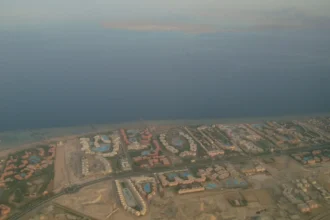
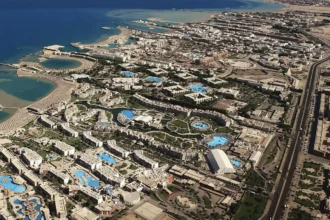
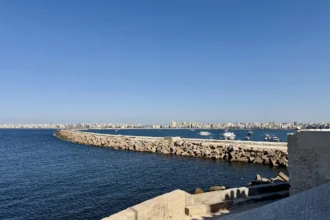
With extra days, three extensions each change the trip in a different direction. Alexandria, an easy trip from Cairo, offers a Mediterranean city, the Bibliotheca Alexandrina, catacombs and a citadel, plus seafood that tastes nothing like Nile-valley cooking. The Red Sea — Hurghada for resorts, Dahab for laid-back diving and shore snorkelling, Marsa Alam for quieter reefs — is the recovery week after temples, and Dahab also gives access to the overnight Mount Sinai sunrise climb. The Western Desert — Siwa Oasis with its salt lakes and mud-brick fortress, and the White Desert’s chalk formations — needs a permit and an official guide for camping, so plan it as a guided extension, not a rental-car improvisation. Alexandria is the easiest extension to add, because it lies about three hours by road or rail north-west of Cairo, on the Mediterranean coast, and it fits naturally at the start of a trip, when you are already in the north, rather than as a backtrack after Luxor or Aswan. Its pleasures are atmospheric rather than monumental: a long corniche where families promenade in the evening, the Citadel of Qaitbay on the harbour, built on the site of the ancient Pharos lighthouse, the modern Bibliotheca Alexandrina, a deliberate revival of the ancient library, and the Roman-era Catacombs of Kom el Shoqafa, together giving a picture of a cosmopolitan port city that has little to do with pharaohs. Trains and buses both serve the route, and a day trip is possible, though an overnight stay lets you enjoy the corniche at sunset without rushing back. One to two days is the right amount, and it is the extension to drop first if time is short, because nothing in Alexandria competes in scale with the pyramids, Karnak or Abu Simbel.
Do not add all three to a first trip. Pick one extension that matches your energy: Alexandria for culture, the Red Sea for rest, the desert for adventure. The Red Sea is the most popular choice after temples, and for good reason, because it belongs at the end of a trip rather than in the middle, when a beach break taken too early interrupts the historical momentum of Cairo and the Nile, while the same break taken at the end lets you rest, swim and process everything you have seen. Hurghada, on the mainland coast, is the simplest add-on after Luxor, with resort facilities and easy reef access, while Dahab, further north in Sinai, has a quieter, backpacker-friendly diving culture, with shore diving, a laid-back town, and the famous Blue Hole, a deep sinkhole that demands respect, experience and a guide. Marsa Alam, further south, offers quieter reefs and fewer crowds, at the cost of a longer journey. The Western Desert is the most demanding extension, and the most rewarding for a second trip, because Siwa Oasis, near the Libyan border, with its salt lakes, olive groves, Temple of the Oracle and mud-brick old town of Shali, and the White Desert, with its wind-carved chalk sculptures glowing at sunset, both require a knowledgeable local driver, a permit for camping, and proper preparation for remoteness, patchy mobile coverage and long distances. A desert night under the stars, far from any town, is unlike anything else in Egypt, but it is not a stop to improvise, and a traveller who plans it as a guided extension will enjoy it, while a traveller who attempts it by rental car may not enjoy it at all.
Practical Itinerary, Transport and Best Time
| Day | Plan |
|---|---|
| 1–2 | Cairo: Giza plateau + Grand Egyptian Museum; Islamic and Coptic Cairo |
| 3 | Travel to Luxor (flight or overnight train); evening Luxor Temple |
| 4 | Luxor West Bank: Valley of the Kings, Hatshepsut Temple, Colossi of Memnon |
| 5 | Luxor East Bank: Karnak Temple, Luxor Museum, balloon option at dawn |
| 6–7 | Aswan: Philae, felucca, Nubian village; Abu Simbel day trip |
| 8–10 (optional) | Red Sea, Alexandria or return to Cairo for Saqqara and departure |
Best time is October to April, when temple walking is comfortable and Nile cruise season peaks. May to September brings extreme heat in Luxor and Aswan — manageable with dawn starts, shade breaks and long midday rests, and cheaper for hotels, but punishing if you plan full outdoor days. Dress modestly at religious sites, drink only bottled water, wear closed shoes on uneven temple floors, and use sunscreen even in winter, when desert UV stays high. On safety, stick to the main tourist circuit, use licensed guides and drivers, keep valuables close, and check current official travel advice before departure rather than relying on older blog posts. That seasonal advice is the single most important practical decision in the whole guide, because it shapes every other choice: in October to April, the weather allows full days outdoors, with cool mornings, warm afternoons and comfortable evenings, and the cruise season is at its peak, which means more boats, more guides and more fellow travellers, but also higher prices and fuller sites. In May to September, hotel prices fall and crowds thin, but Luxor and Aswan become genuinely punishing at midday, with temperatures that make a full outdoor day not just uncomfortable but unsafe, so a summer trip must be built around dawn starts, shade breaks, long midday rests indoors, and a Red Sea or coastal finish, where the heat is offset by swimming and the Red Sea is at its best for diving and snorkelling. Winter, even in the cooler months, still demands sunscreen, because desert UV stays high when the air feels mild, and closed shoes are essential on uneven temple floors, where steps, rubble and polished stone punish sandals.
Money, packing and etiquette follow the same principle of preparation over improvisation, and they are worth stating plainly because they are the details that most often catch first-timers out. Currency is the Egyptian pound, and cash is still king for small purchases, tips and markets, so carry small notes, tip guides, drivers, hotel staff and temple guards in small amounts as a matter of course, and use cards mainly in hotels and larger restaurants, where they are widely accepted. Pack light but completely: sun hat, sunscreen, comfortable closed shoes, modest clothing for religious sites, a scarf or hat for desert wind and sun, and a small bag for pyramid and tomb interiors, where a heavy bag is a burden in narrow, sloping passages. ATMs are common in cities and tourist towns, but carry cash for rural areas and small sites, where card machines may be unavailable. Drink only bottled water, eat at busy places where food turns over quickly, and keep valuables close, especially in markets and on public transport, because pickpocketing, while not violent, is a real risk in crowded places. On safety more broadly, stick to the main tourist circuit, use licensed guides and drivers, stay on well-lit routes at night, and check current official travel advice before departure rather than relying on older blog posts, because advice changes, and because a guide written years ago cannot tell you about this year’s conditions. Keep one buffer day in the plan, because a delayed train, a windy boat day or a closed section can otherwise unravel a tight schedule, and a spare day lets you revisit the place you liked most, which is often the best day of the whole trip.
Further reading on this site: Pyramids of Giza for the full Giza walk, Egypt Holiday Calendar for planning around festivals and closures, Places to Visit in Egypt for the geographic route, Tourist Attractions in Egypt for choosing by experience type, and Seven Wonders of India for a contrasting ancient-site journey. External context: Luxor Travel Guide, Egypt Travel Advice, and Egypt Travel Guide.
Conclusion
Egypt rewards patience more than speed. A route that gives Luxor its two banks, Aswan its river days, and Cairo its museums — instead of racing between postcard sites — is the difference between seeing Egypt and remembering it. Book transport and the balloon early, start early every day, and leave one unplanned afternoon in each city: that is usually when Egypt, unhurried, does its best work. That patience is not a luxury but a practical necessity, because Egypt’s monuments were built for slow approach — a causeway walked at dawn, a hypostyle hall entered in the first hour, a tomb visited when the paint is lit by a single lamp — and a visitor who rushes them will see stone without understanding, while a visitor who gives each its proper morning will understand why these places have drawn travellers for thousands of years. The unplanned afternoon matters for the same reason: a cafe in Khan el-Khalili, a felucca ride at sunset, a conversation with a guide or a shopkeeper, or a second visit to a favourite temple, often becomes the memory that lasts longest, long after the photographs of famous sites have faded. A route that leaves room for those moments, that does not try to fill every hour, and that accepts that one city, one temple or one extension must wait for a second trip, is a route that respects both the country and the traveller. Egypt is too large, too old and too varied to be finished in one visit, and a traveller who saves Luxor’s Medinet Habu, or the desert, or the Red Sea, for a return trip will enjoy both trips more than a traveller who tries to finish the country in one exhausted fortnight.
For a first trip, the simplest shape remains the best: two to three days in Cairo, two to three in Luxor, two in Aswan, and one extension if you have it, in the order the river suggests, from north to south, with the sea or the desert at the end rather than in the middle. Check the official site before visiting for current visa rules, entry fees, transport prices and travel advice, because those details change, and because a single check before departure is worth more than any printed table, including this one. Book the right things early — domestic flights, sleeper berths, cruise cabins and the balloon in peak season — and leave the rest flexible, because a trip planned that way will not only show you Egypt’s greatest places, but will show you why they are great, how they fit together along one river, and what it feels like to stand among them, on a plateau, in a tomb, on a boat, or in a market, with time to look, to listen and to understand. That understanding, more than any photograph, is the souvenir that lasts, and it is available to any traveller who chooses patience over speed, who gives Luxor and Aswan their full share, who starts early, who rests at midday, and who leaves at least one afternoon unplanned for the place, the person or the sunset that was not on any list at all. Start in Cairo, follow the Nile south, finish with the sea or the desert, and you will come home with a journey that makes sense, not just a collection of photographs, and with a reason to return for the stops you deliberately saved.
FAQs
Q: How many days do I need for Egypt?
A: 7–10 days covers Cairo, Luxor and Aswan comfortably. Five days can cover Cairo plus Luxor, but Aswan and Abu Simbel will have to wait for a second trip.
Q: What is the best time to visit Egypt?
A: October to April for cooler temple weather. Summer is cheaper and quieter but requires dawn starts in Luxor and Aswan.
Q: Is a Nile cruise worth it?
A: Yes if you want slow travel with temple stops and one moving hotel. If you prefer your own timetable, travel overland and day-trip to Edfu and Kom Ombo instead.
Q: How do I travel between Cairo and Luxor?
A: By flight (about 1–1.5 hours), overnight sleeper train (about 10–11 hours) or bus (about 10 hours). Flights save the most site time; trains save a hotel night.
Q: Do I need a visa for Egypt?
A: Most nationalities need a visa, often available as an e-Visa before travel or on arrival at major airports. Check the official site before visiting for your nationality’s current rules.
Q: Is Egypt safe for first-time tourists?
A: The main Cairo–Luxor–Aswan circuit is generally considered safe for tourists using licensed guides and drivers. Stay on well-lit routes at night, keep valuables close, and check official travel advice before departure.