Antalya province is not one beach holiday. It is several, strung along a few hundred kilometres of Mediterranean coast between Kaş in the west and Alanya in the east, and the best beaches in antalya refuse to behave like one kind of shore. At one end of the province a beach is a staircase down a cliff to a cove the width of a street. In the middle it is a pebble curve under pine forest with an ancient city in the trees behind it. In the city itself it is a long shingle shore under a promenade, and at the eastern end it is a castle rock with a resort beach wrapped around its foot. A list that calls all of these "perfect for swimming" is not a guide. It is a brochure, and it will send a family with a pushchair down the Kaputaş steps, a sand purist to pebbly Çıralı, and a quiet-seeker to the middle of the Lara resort strip in August.
This guide is the province deep-dive that sits under our country-level list of Turkey’s beaches. It covers eleven shores in geographic order, west to east, from Patara near the Muğla border to Kleopatra Beach under Alanya castle, and it treats each one the same way. What is actually underfoot, sand or shingle or pebble. How the water behaves, gentle shelf or quick drop. Who the beach suits, and just as plainly, who should skip it. Where a beach already has a full treatment in the country guide, this article keeps its entry shorter and points there rather than repeating the same paragraphs in a provincial accent, because the best beaches in antalya deserve sorting, not recycling.
Three practical warnings before the sand. First, this is a big province. Patara and Kleopatra are at opposite ends of it, hours apart by road, and no traveller swims at both on the same day; the entries below say which beaches pair with which base. Second, several of these beaches are reached through or beside archaeological sites and protected areas, and their entry works on a site or protected-area mechanism rather than a turnstile on the sand – the entries say so where it applies, and this guide prints no prices, fees or hours for any of them, because those figures change and a wrong figure helps nobody. Third, the city beaches and the wild beaches are different products. Konyaaltı and Lara come with trams, promenades and beach clubs. Patara and Adrasan come with space and very little else. Choosing among the best beaches in antalya starts with knowing which of those days you actually want. If the province is one stop on a first trip to the country, our Turkey travel guide sets out how a coastal week fits the wider journey.
Best Beaches in Antalya at a Glance – West to East, With the Catches Left In
| Beach | Setting | Go for | The honest catch |
|---|---|---|---|
| Patara | Wild sand and dunes by an ancient city | Space, long walks, sunsets | A long way from any base; almost nothing on the sand |
| Kaputaş | Cliff cove on the coast road | The photograph, clear deep water | Close to two hundred steps down; tiny at midday |
| Adrasan | Village bay under a mountain | Quiet days, boat trips, Lycian Way walkers | Pebble-and-sand mix; evenings end early |
| Çıralı and Olympos | Protected pebble shore, ruins behind | Quiet, turtles, history with a swim | Pebbles underfoot; nightlife is a dark sky |
| Phaselis | Pine-shaded bays inside an ancient city | Ruins and swimming in one ticket | Busy at weekends; the beach is the site’s, not a resort’s |
| Konyaaltı | Antalya city beach, west side | A real city beach with a promenade | Shingle, not sand; water deepens fairly fast |
| Lara Beach | Antalya city beach, east side | Sand, space, the resort strip | Hotel piers divide the shore; a resort, not a town |
| Side and Manavgat | Long sand either side of a historic peninsula | Families, gentle shelving, ruins at the harbour | Resort sprawl behind the best sand |
| İncekum | Fine sand west of Alanya | Shallow water for children | Rock platforms at the edges; full in high season |
| Kleopatra, Alanya | City beach below the castle rock | Sand, town facilities, the castle above | Shelves steeply; the famous name draws the crowds |
One shore is missing from the table on purpose. Kekova, between Kaş and Çıralı, has a section below but no row, because Kekova is not a towel-on-sand beach at all. It is a protected sound of islands, sunken ruins and boat jetties, where the swimming happens off a boat in permitted coves rather than off a beach. Listing it in a beach table would be exactly the kind of brochure thinking this guide exists to avoid, and its section explains what a Kekova day actually involves.
Read the table as a filter, not a ranking. The best beaches in antalya cannot be ranked on one scale, because the best beach for a toddler, a long-distance walker, a snorkeller and a traveller without a car are four different beaches, and each entry below gives its evidence so the choosing section near the end can turn that evidence into decisions. One pattern is worth seeing before the detail. The province’s famous names, Kaputaş and Kleopatra, are its two most conditional beaches, glorious at the right hour and punishing at the wrong one, while its least famous, Adrasan and İncekum, are the two that most reliably deliver the day they promise. Fame and quality are not the same thing on this coast, and the entries that follow keep score honestly for both.
Patara – The Long Sand at the Province’s Western Edge
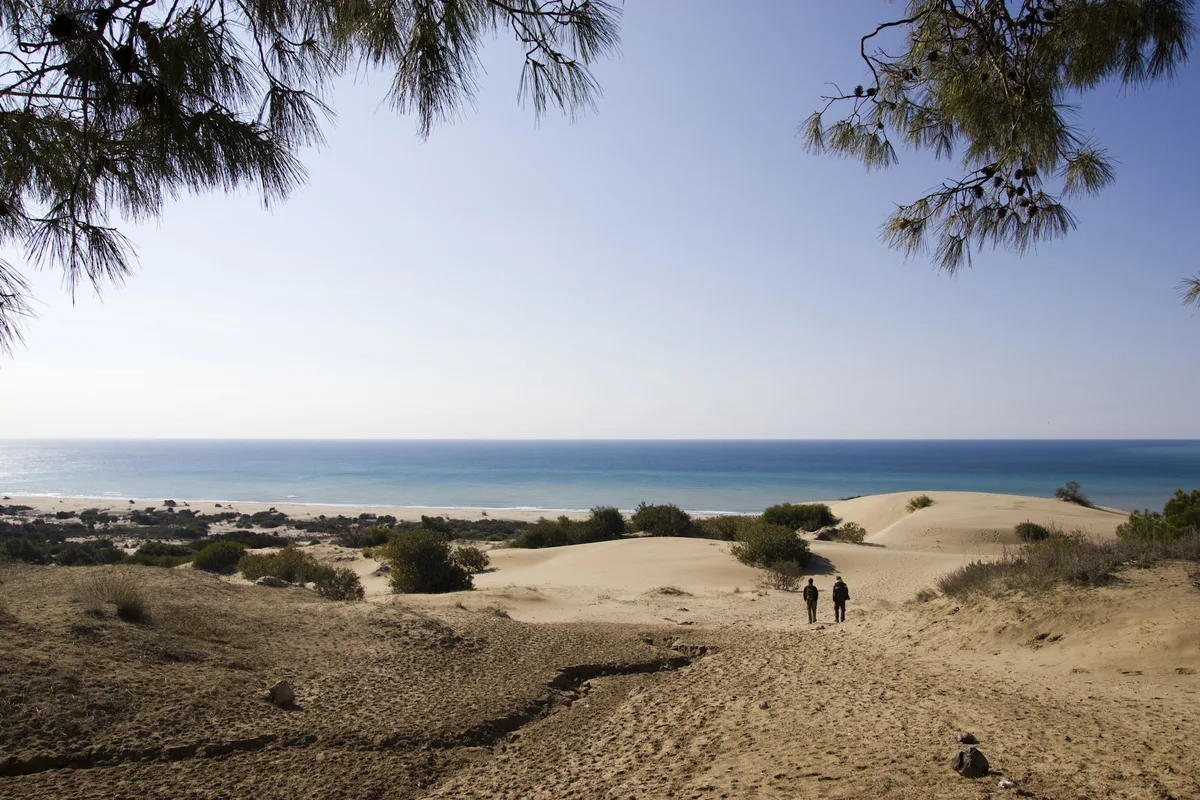
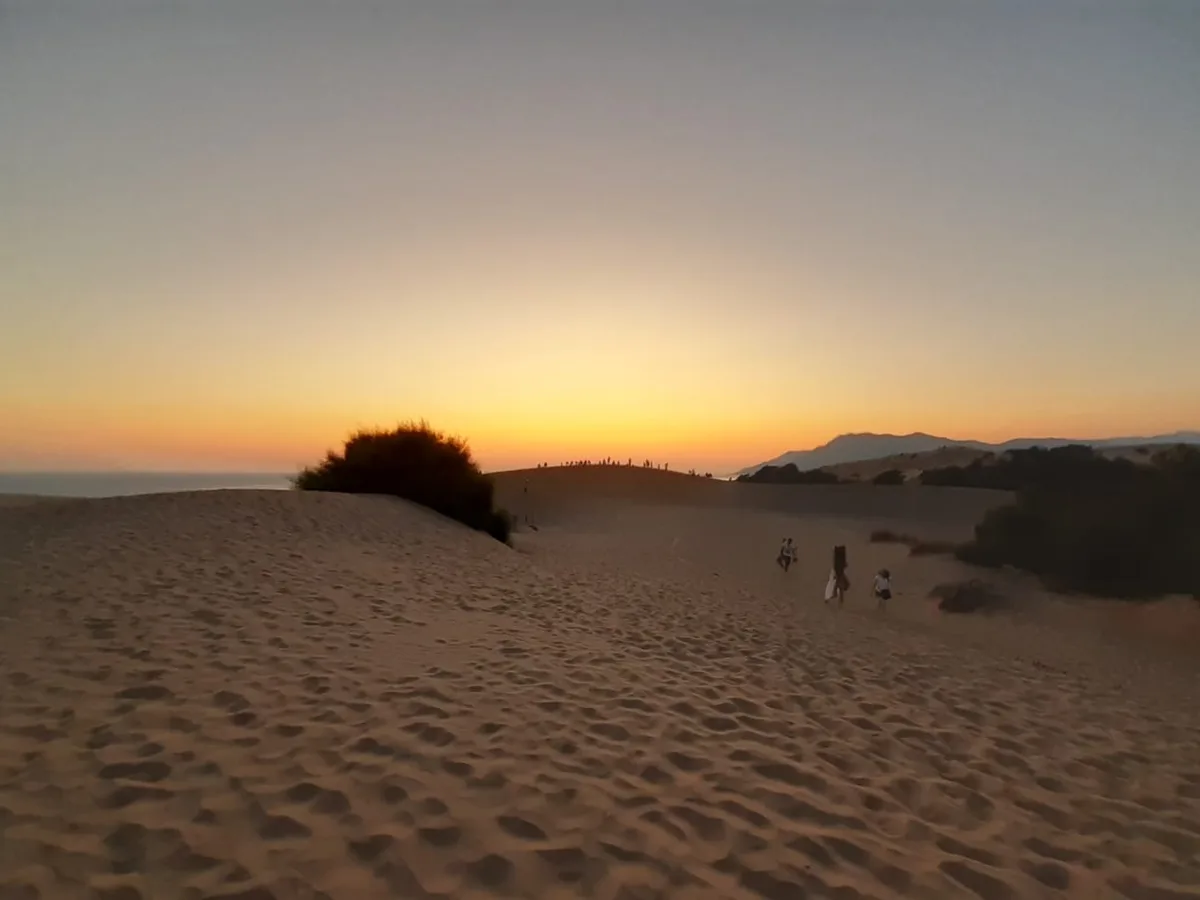
Patara is where this coast starts, in every sense. The beach runs along the Mediterranean near the village of Gelemiş in the Kaş district, at the province’s western edge, and it is one of the longest sandy beaches in Turkey – a great pale sweep backed by dunes and by the ruins of ancient Patara, once a major Lycian port. There are no hotels on the sand and no buildings behind it, and that emptiness is structural rather than accidental. The beach and the ancient city sit inside a protected area, the sand is a loggerhead turtle nesting ground, and in the nesting season the beach closes at night so the turtles get the darkness they need. A Patara day is planned around those facts rather than despite them, and our country guide to the best beaches in Turkey gives Patara its full treatment as the wildest entry on the national list; this provincial entry keeps to what a traveller based in Antalya province needs to know.
What that traveller needs to know first is distance. Patara is a long way west – beyond Kaş, at the far end of the province – and it makes sense as a day out from Kaş or Kalkan, or as a stop on a drive along the coast, not as a day trip from Antalya city or the eastern resorts. The sand itself shelves gently in places and rolls with dunes behind it, the swimming is open-sea swimming with the space to walk away from everyone else, and the ancient city inland from the beach – theatre, assembly building, monumental gate – turns the day into the province’s best pairing of a swim and a ruin walk. The serviced provision is deliberately thin. A small facility near the access point, and then sand. Bring water, bring shade, and treat the walk over the dunes in afternoon heat as part of the outing.
Who should skip Patara? Anyone whose beach day needs infrastructure within reach, because there is almost none. Families with very small children face long distances, scarce shade and a real walk between car and water. And travellers based east of Antalya city should not attempt it as a casual add-on, because the drive eats the day the beach was meant to fill. Patara rewards the traveller who plans for it – a base in Kaş, a morning arrival, an afternoon among the ruins – and it is the first of the best beaches in antalya to prove this guide’s rule that the famous name and the easy day are rarely the same beach.
Kaputaş – The Cove Everyone Has Already Seen
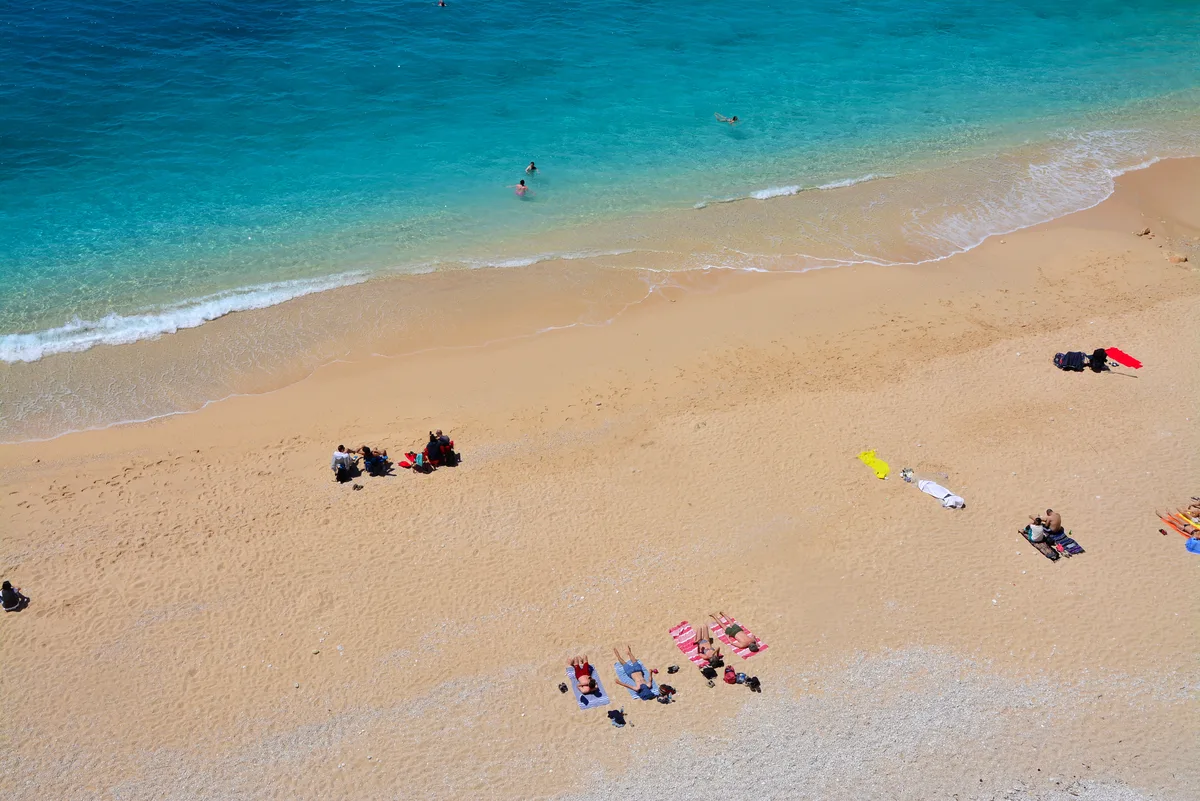
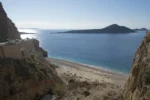
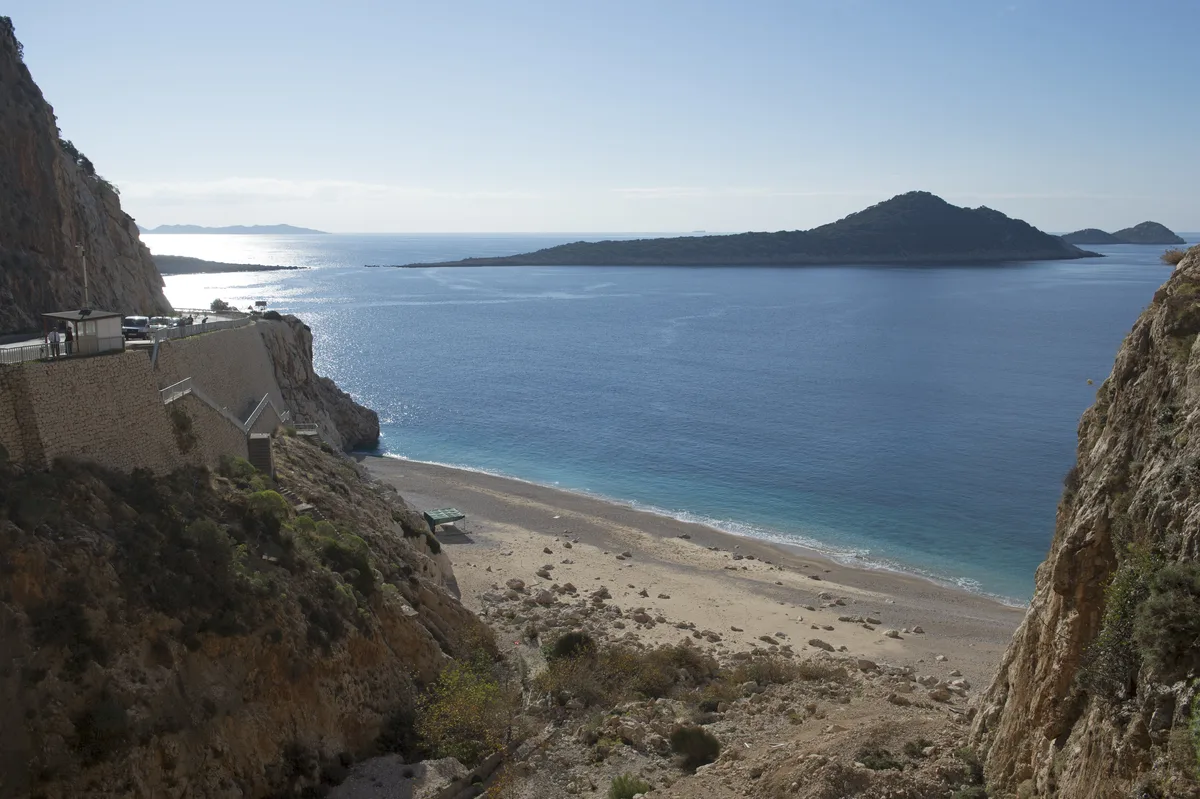
Kaputaş is the most photographed beach in the province, and the photograph is not lying. On the coast road between Kaş and Kalkan, a gap in the cliffs opens onto a narrow strip of pale sand and shingle where the water runs from turquoise at the edge to deep blue within a few strokes, fed cool by springs along this stretch of coast. The cove sits at the mouth of a small canyon, at the bottom of a long staircase from the D400 road above – close to two hundred steps – and everything about a Kaputaş visit follows from those two facts, the beauty and the staircase. Arrive in the morning and the cove is close to the poster. Arrive at midday in August and the same cove is a crowd standing in a photograph, with the steps, the road parking and the narrow sand all full at once.
The swimming is the reason to come anyway. The water is exceptionally clear, the cliffs shelter the cove’s feeling if not always its surface, and the quick deepening that makes Kaputaş wrong for toddlers makes it right for confident swimmers who want a proper swim rather than a paddle. In season a serviced stretch rents beds and sells drinks on the sand, and the mechanism is the standard one for a famous Turkish cove – everything is available and everything is charged – but the cove’s small size means the serviced rows and the free towels compete for the same few metres. Treat Kaputaş as a morning stop on the Kaş to Kalkan road rather than a full-day base, swim while it is quiet, and give the afternoon to a longer beach. The country guide makes the same argument at national level, and at provincial level it is the single most useful piece of timing advice in this article.
Who should skip Kaputaş? Anyone with mobility difficulties, because the staircase is the only way down and there is no way around it. Families with toddlers, for the steps and the fast-deepening water. And travellers who hate crowds more than they love scenery, at least at midday in season, because no cove this small and this famous stays peaceful at lunchtime. None of that cancels the beach. Kaputaş earns its place among the best beaches in antalya on the strength of one clear morning swim, and a traveller who times it gets the cove the rest of the day only photographs.
Kekova – The Shore That Is Not a Beach
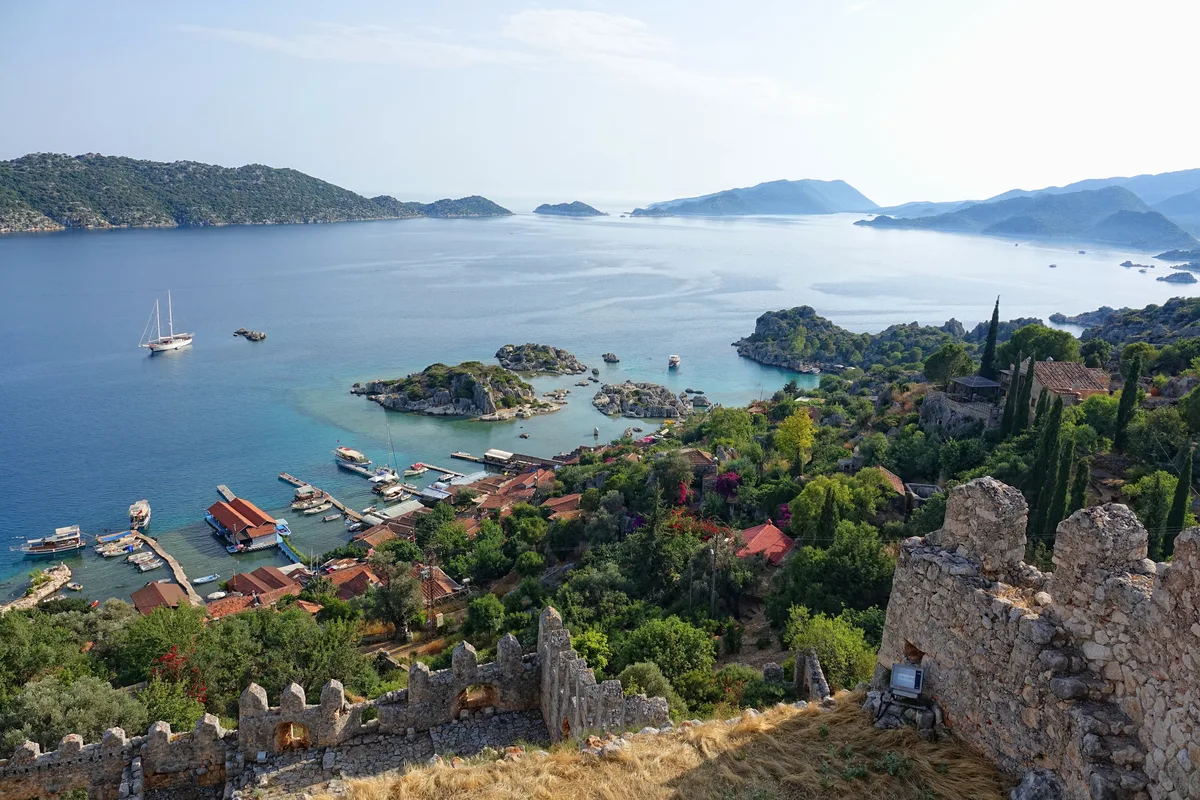
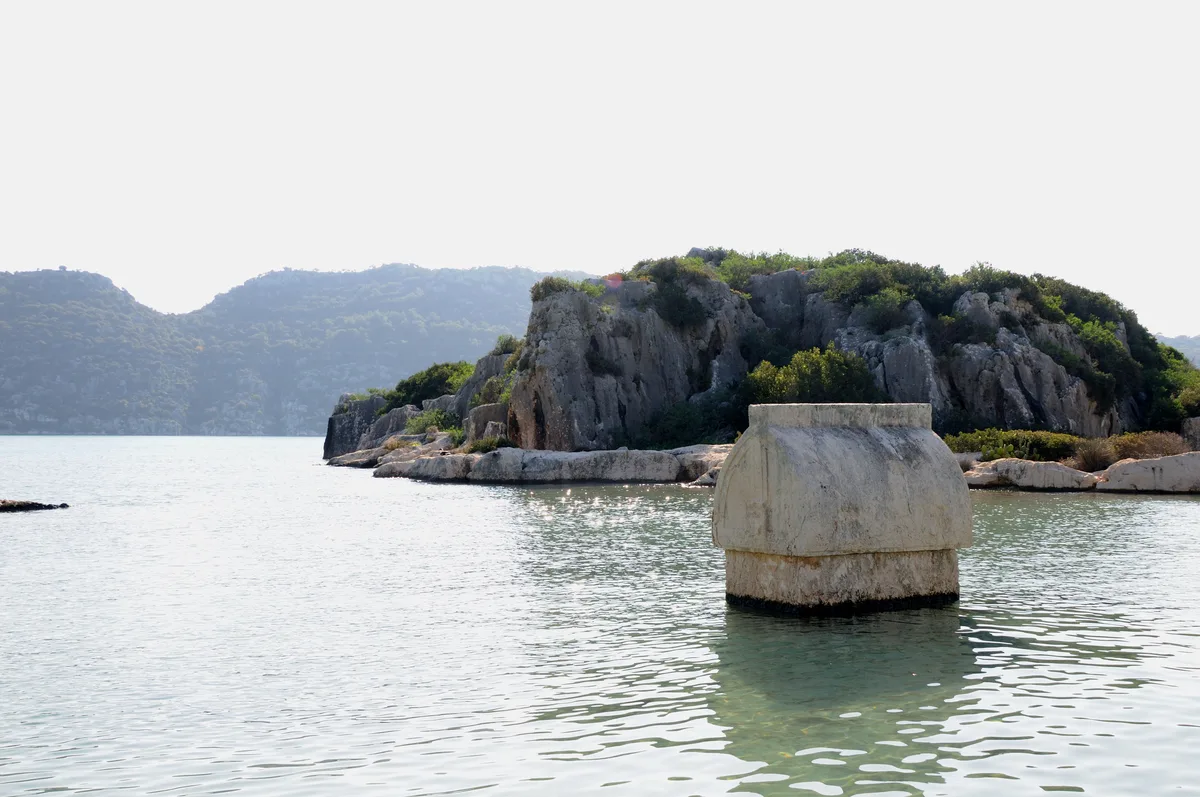
Kekova breaks the pattern of this list, and the break is the point. Between Kaş and the Çıralı coast, the mainland fractures into a sheltered sound of rocky islets, two small villages – Üçağız on the mainland and Kaleköy, ancient Simena, on the shore opposite – and the long island of Kekova itself, along whose northern shore the ruins of a sunken ancient city lie in the shallows. The whole area is specially protected, and there is no real swimming beach at either village. Kaleköy’s waterfront is jetties, restaurants and castle views. Üçağız is a harbour. The swimming at Kekova happens off a boat, in the coves where boats are permitted to stop, and not over the sunken ruins themselves, where protection rules keep swimmers out of the water above the remains. A traveller who arrives at Kekova with a towel and a beach plan has misunderstood the place, and this section exists so that nobody does.
Understood correctly, a Kekova day is one of the finest on this coast. Boats leave Üçağız – and on longer trips, Kaş and Demre – and work slowly along the island shore, past the half-submerged walls and the Lycian sarcophagus standing in the water off Kaleköy, stopping to swim at coves such as Tersane Bay on the island, where a Byzantine church apse stands at the water’s edge. Kaleköy itself, reachable by boat or on foot along the Lycian Way and by no road at all, repays an hour ashore for its castle, its sarcophagi and its ice-cream sellers. The water throughout the sound is the clearest in the province, because the protection that bans swimming over the ruins also keeps the whole shore undeveloped. This is the Mediterranean as the Lycian coast must have looked before the resorts, experienced from a deck rather than a sunbed.
Who should skip Kekova? Beach traditionalists, because there is no beach day here to be had. Travellers prone to seasickness on a full boat day. And anyone on a tight budget counting a boat trip as an extravagance, because the boat is not the optional extra at Kekova – it is the entire product. But for travellers who rank a day by water clarity, ruins and quiet rather than by sand, Kekova belongs on any honest list of the best beaches in antalya precisely by refusing to be one, and it pairs naturally with a Kaş base and a morning at Kaputaş on the same stretch of road.
Adrasan – The Quiet Bay the Lycian Way Walks Through
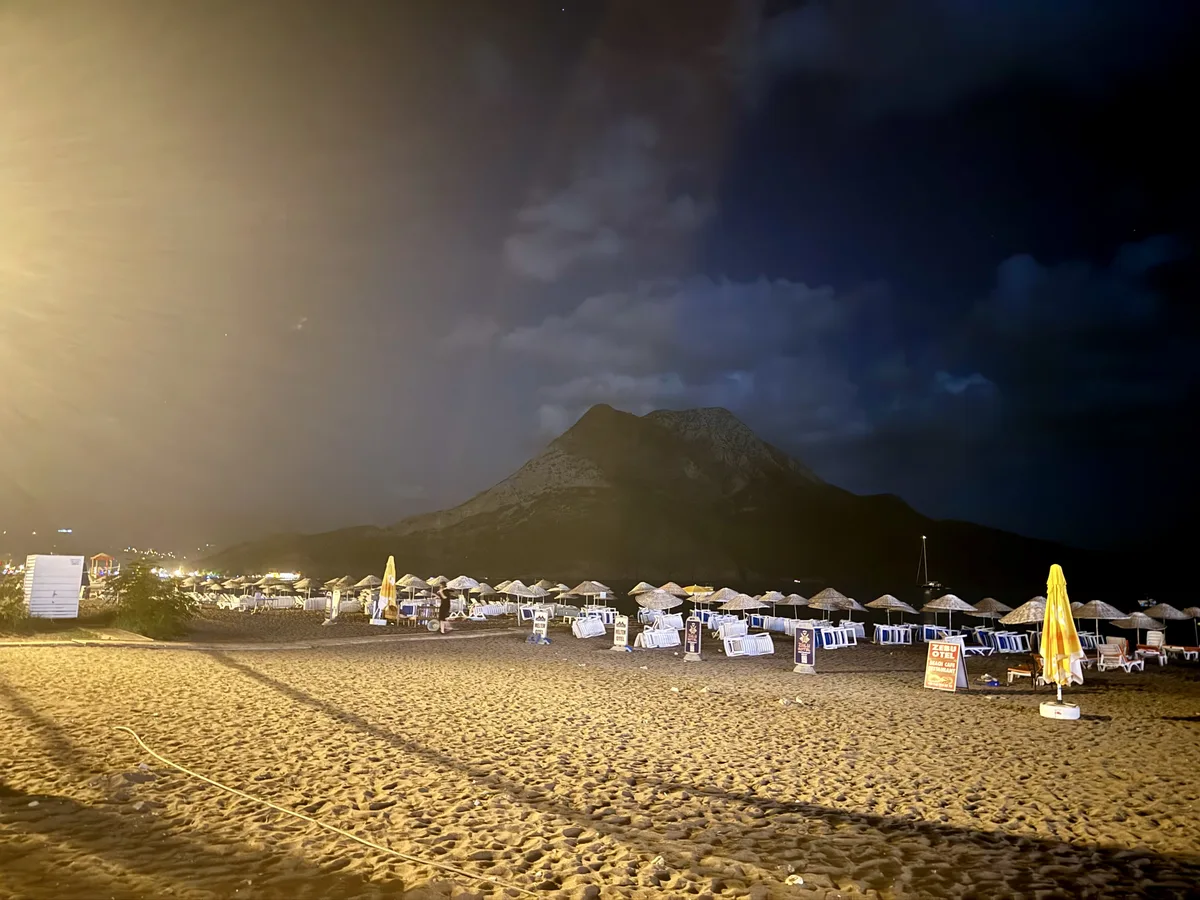
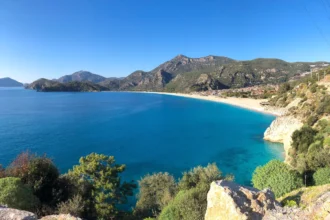
East of Kekova and south of Çıralı, in the Kumluca district, Adrasan is the beach this province keeps for people who find Çıralı almost quiet enough. A broad bay of sand and pebble curves for a couple of kilometres under a steep green mountain, with a small river reaching the sea at one end and a village of small hotels, pensions and campsites spread along the shore road behind it. There is no resort strip, no promenade economy and no nightlife beyond the restaurants on the bay. The Lycian Way passes through, so the beach mixes swimmers with walkers resting between stages, and boats leave the shore for day trips around the coast, most famously to Suluada island offshore. The whole place runs at the pace the photograph above suggests – umbrellas in rows, mountains behind, and the evening arriving without an event attached to it.
The shore itself is a mix, and honesty requires saying so. Adrasan is not a soft-sand beach. Sand and fine pebble alternate along the bay, the water is clear and calm in the mornings and shelves at a moderate pace, and the mountain shade reaches parts of the shore earlier than an open beach would suggest, which in high summer is a gift. Facilities follow the village model – serviced stretches in front of the shore businesses, free stretches between them, everything at village scale. What Adrasan sells is the absence of the things the city beaches sell. No beach clubs competing on volume, no water-sports armada, no crowd that arrives by the coachload. What it cannot sell is convenience. The bay sits down a winding road from the coast highway, and a traveller without a car will find it one of the harder beaches in this guide to reach.
Who should skip Adrasan? Travellers who want an evening scene, because Adrasan’s evening scene is dinner and darkness. Sand purists, because the pebble in the mix is real. And day-trippers on a tight schedule, because the detour down to the bay costs enough time that Adrasan deserves a night, not an hour. For slow travellers, walkers and anyone whose favourite beach sound is the beach, Adrasan is the quietest full beach entry among the best beaches in antalya, and the one least likely to have changed when you come back.
Çıralı and Olympos – One Shore, Two Names, a Ruined City in the Trees
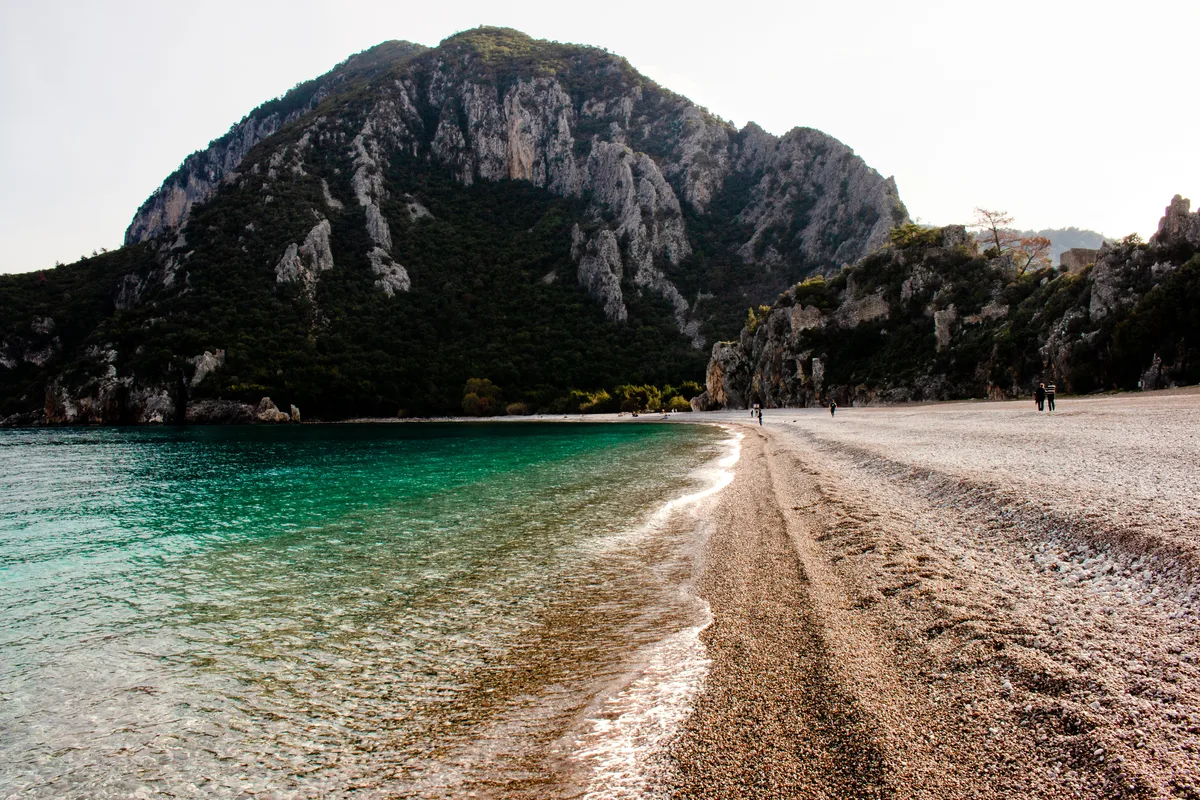
Çıralı and Olympos share a single shore, and the traveller who understands that understands the place. The beach runs as one long curve of coarse sand and pebble, with the village of Çıralı spread behind its northern half – small pensions, campsites and restaurants set among orange groves, held deliberately low by the protected status of the whole bay – and the ruins of ancient Olympos standing in dense trees at the southern end, where a river comes down through the ruined city and out to the sea. The shore sits inside the Beydağları coastal protected area and is a loggerhead turtle nesting beach, so nights are dark and quiet by rule as much as by temperament, and the beach closes to visitors at night in the nesting season. The country guide treats Çıralı at national length; the provincial summary is that this is the beach for travellers who want their swimming with ruins, pines and silence attached, and who are willing to pay for it in pebbles.
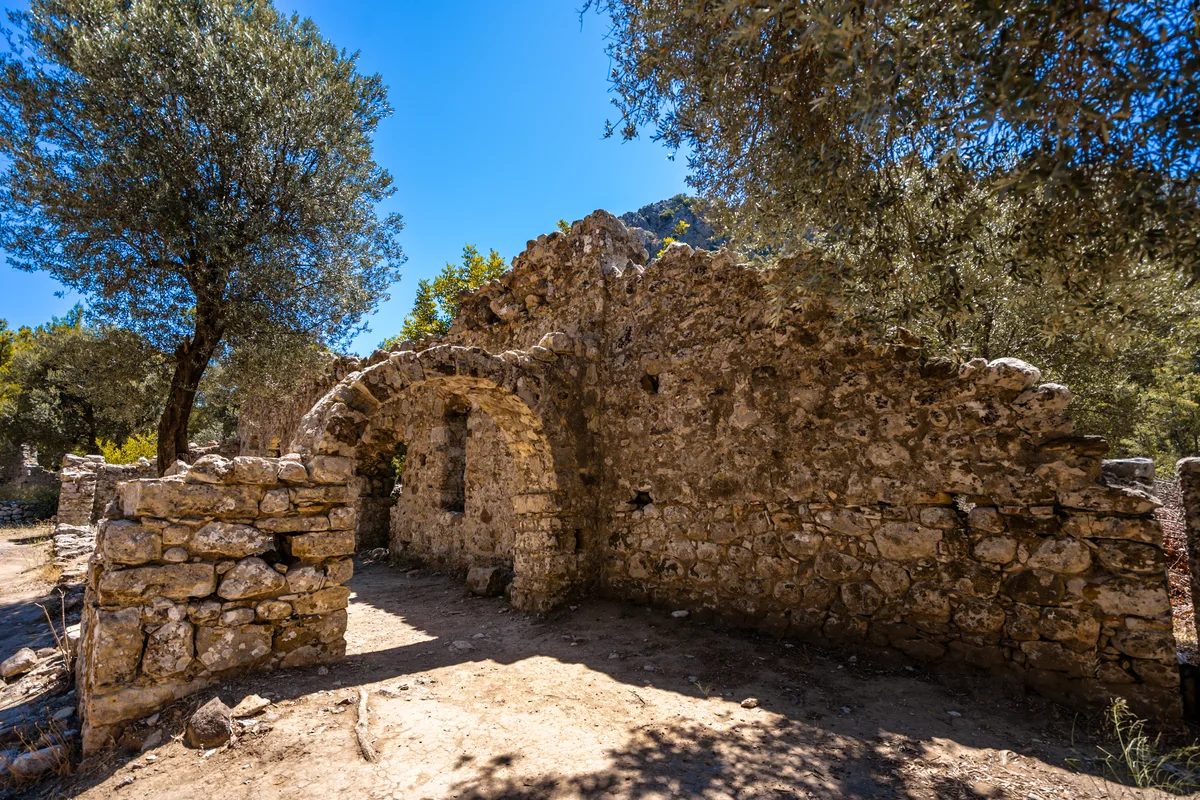
The pebbles are the honest catch and they are not a detail. Underfoot the shore is pebble and coarse sand, beautiful to look at, kind to water clarity – pebble shores stir up nothing – and hard on bare feet, especially on the first steps in and out of the sea. Water shoes transform the beach; without them the entry becomes the story of the day. The Olympos end adds the province’s most atmospheric half-day – a walk from the sand into a wooded valley of sarcophagi, ruined baths and a river running over ancient stone, entered on the archaeological site’s ticket mechanism, with the swim waiting back at the shore. Above the village, the Yanartaş flames burn from the rock on the hillside, an evening walk once the light goes. It is a great deal of holiday in one small bay, and almost none of it involves a sunbed.
Who should skip Çıralı? Sandcastle families, because toddlers and pebbles are a poor match. Travellers who want a lively evening, because Çıralı’s evening is a dark beach and an early dinner. And anyone based far east – Alanya, Side – for whom the drive west eats the day. But for couples, walkers, readers and travellers with older children, Çıralı is the entry on this list of the best beaches in antalya that feels most like a place rather than a facility, and it pairs with Phaselis, next along the coast, as the province’s history-and-swimming heartland.
Phaselis – Swimming in the Harbours of an Ancient City
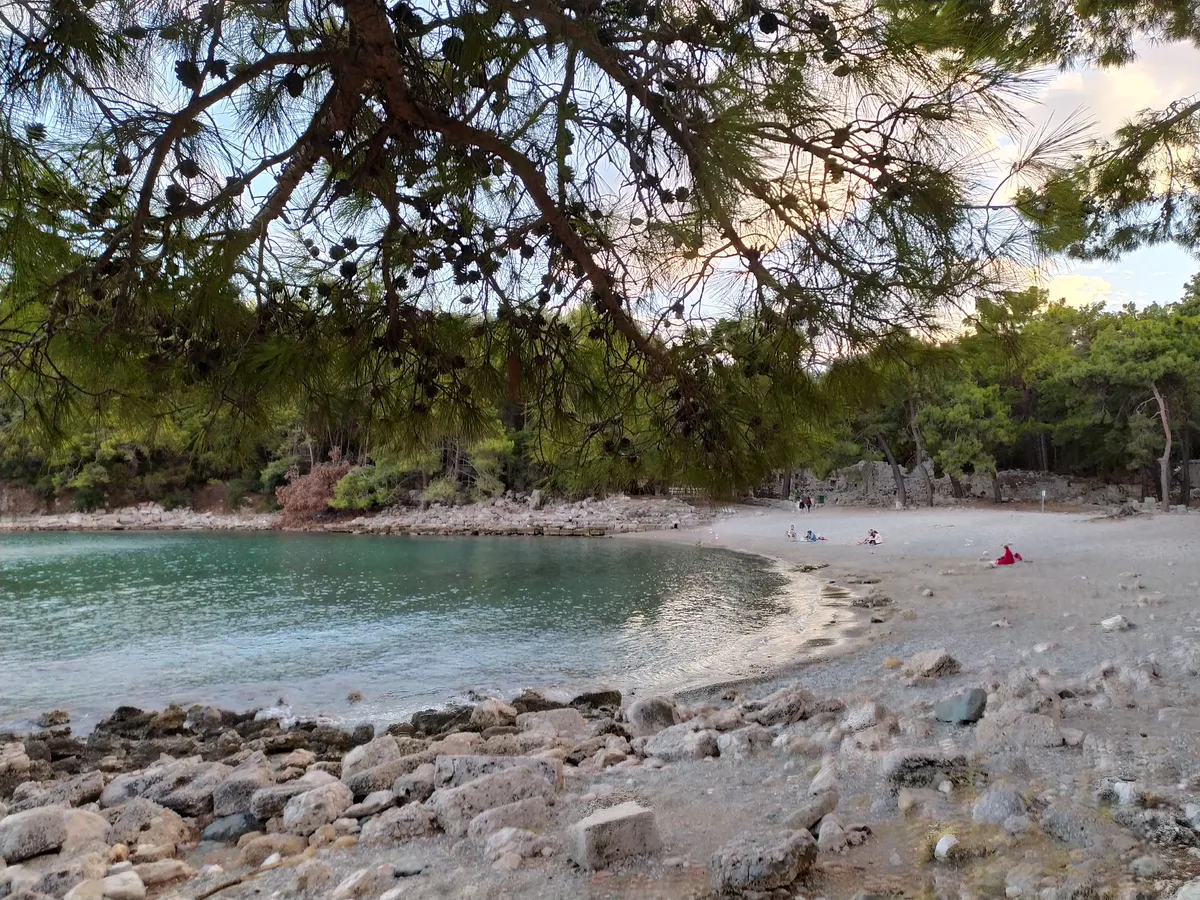
Phaselis, on the coast near Tekirova in the Kemer district, is the beach on this list where the history is not near the swimming but around it. The ancient city – a Lycian and Roman port – stood on a small peninsula with three harbours, and its bays are now the beaches. You enter through the archaeological site, on the site’s ticket mechanism, walk a Roman street past the theatre and the baths under tall pines, and come out at sheltered coves where the water lies over the ancient harbour floors. The central and southern bays give the easiest swimming – shallow, calm, pine-shaded at the edges – and the whole shore has the feel of a picnic ground inside a museum, because that is, structurally, what it is. Families from Kemer and Antalya treat it as their weekend shore, and the combination of shade, ruins and gentle water explains why.
The catches follow from the same facts. Because the beach is a site, it runs on site logic – entry is managed, the day ends when the site day ends, and there is no beach economy of clubs and bars on the sand, just the shore, the trees and whatever you brought. Because it is close to the Kemer resorts and an easy drive from Antalya city, it fills at weekends and on holidays, and boat tours add their swimmers to the southern bay in the middle of the day. The shore is pebble and coarse sand rather than soft sand, and the ancient harbour floors mean swimmers should watch their footing on submerged stone. None of this is hidden. Phaselis announces itself as an ancient city first and a beach second, and the traveller who reads it that way gets the best version of it – ruins in the morning, the shaded bay after, and the drive out before the site closes the day.
Who should skip Phaselis? Travellers who want a serviced resort beach with beds, bars and no archaeology in the way. Sand purists, again. And travellers who have already given a full day to Olympos and want a change of register, because Phaselis offers the same history-with-a-swim formula in a tidier, more visited form. For everyone else – especially families who want shade and calm water, and any traveller based in Kemer or Antalya for whom Çıralı is a stretch – Phaselis is the most efficient entry among the best beaches in antalya, the one that fits a serious ruin and a serious swim into a single unhurried day.
Konyaaltı – Antalya City’s Own Beach, Shingle and All
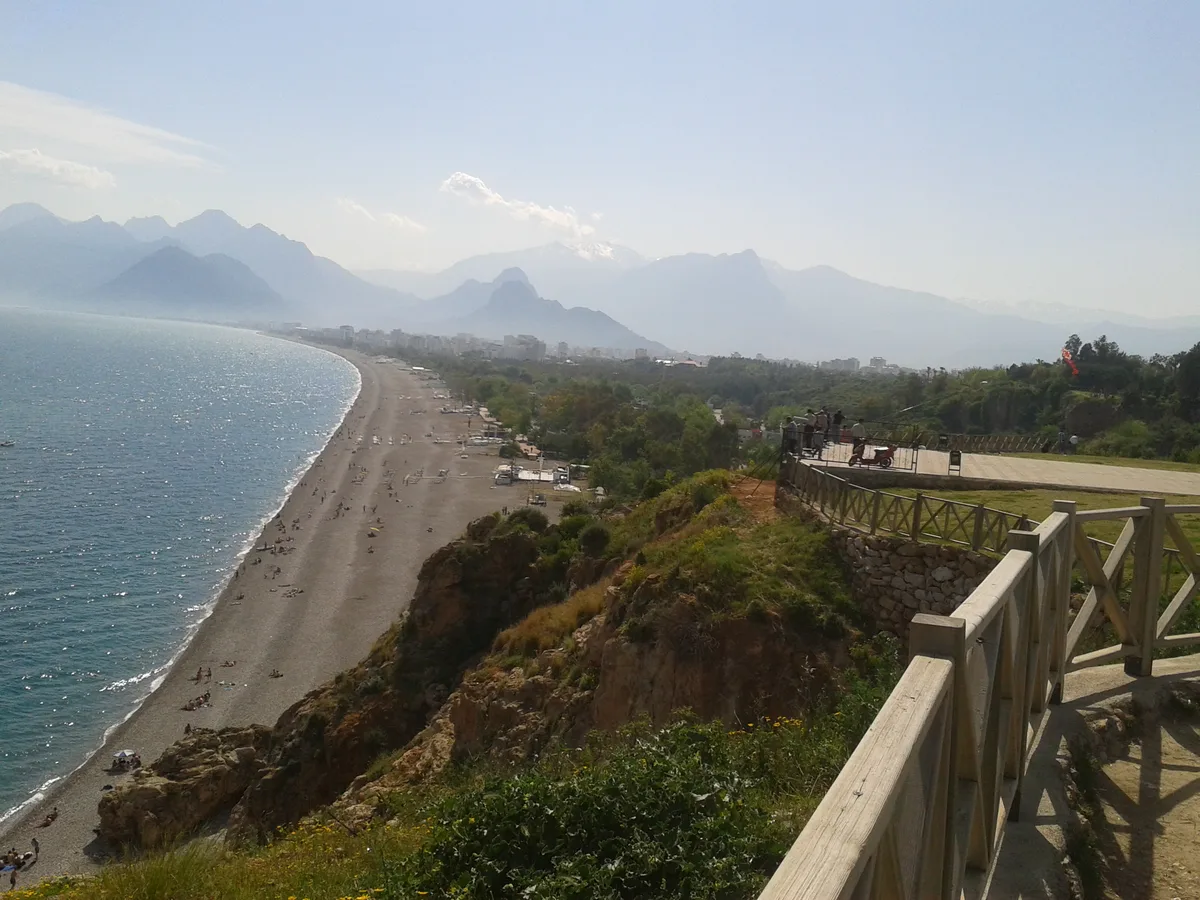
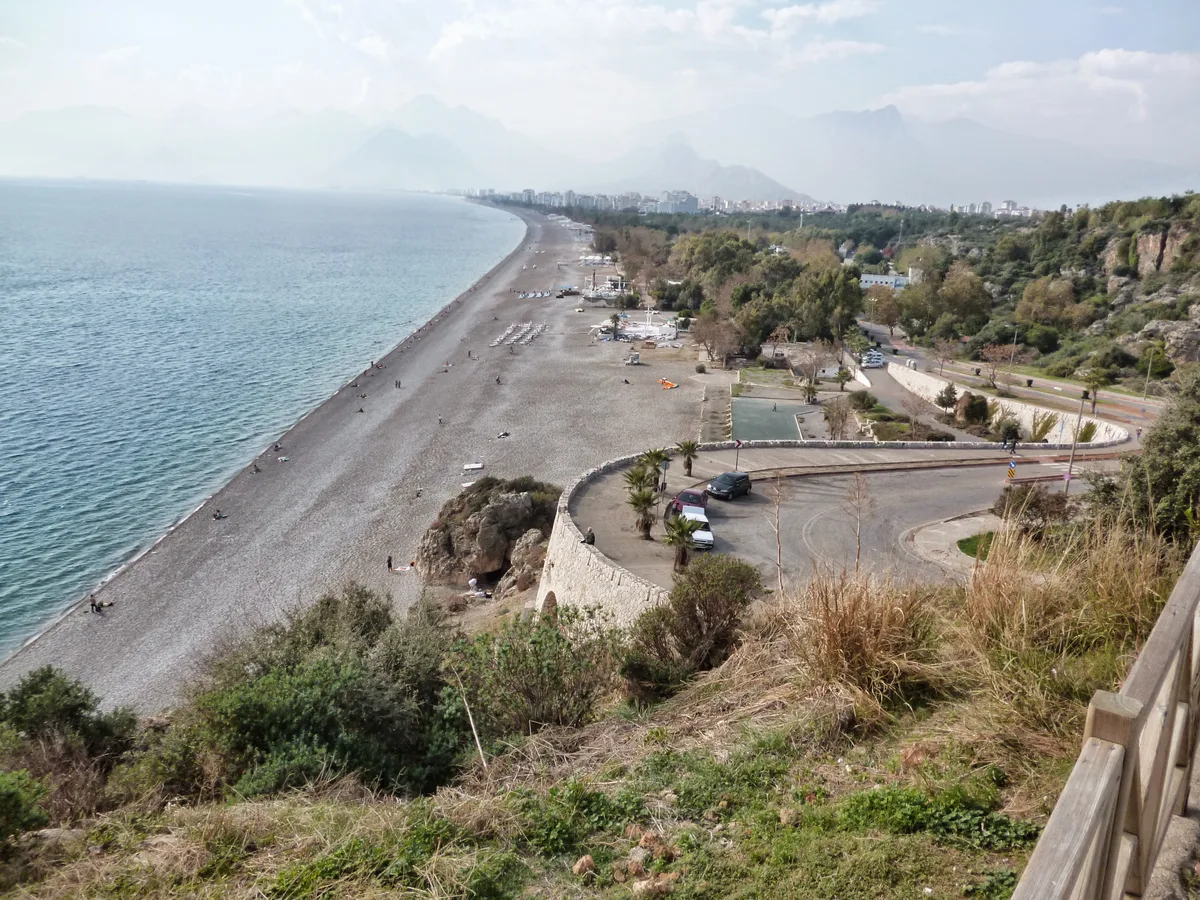
West of Antalya’s old town, under the cliffs and the Beydağları mountains, runs Konyaaltı – the beach the city itself uses. It is a long shore of several kilometres, reached by tram and bus from the centre and backed first by cliff-top parks and then by the modern western districts, with a promenade, a landscaped beach park at its eastern end and a full city economy of cafes, beach clubs and serviced stretches along its length. Our Antalya travel guide covers the beach as part of the city; this entry covers it as a beach, and the first thing to say as a beach is the thing the brochures avoid. Konyaaltı is shingle. The shore is pebble and coarse gravel rather than sand, the water deepens fairly quickly off it, and a Konyaaltı day is built on water shoes, clear deep water and a mountain view rather than on sandcastles.
What the shingle buys is everything else. The water off a pebble shore stays clear, the beach is long enough that even August crowds thin along it, the serviced stretches rent beds and serve food while the free stretches ask nothing, and the day ends with the promenade filling for the sunset walk with the mountains turning colour behind. The setting is genuinely grand – few city beaches in the Mediterranean swim under a wall of mountains like this – and the logistics are the easiest in this guide. No car is needed, no staircase, no site ticket, no boat. A traveller staying in Antalya city can be in the water within the hour of deciding to go, and back in the old town for dinner. That convenience is why Konyaaltı, for all its pebbles, is the beach most visitors to the province actually swim at, and why it anchors the middle of this list.
Who should skip Konyaaltı? Sand purists and families whose children need a gentle sandy entry, because the quick deepening and the shingle work against both. Travellers chasing the wild-coast feeling, because this is a city beach with a city attached. And swimmers who dislike paying the beach-club mechanism for the best serviced stretches, though the free stretches run the same shore. For a city break with swimming built in, though, Konyaaltı is close to unbeatable, and it earns its place among the best beaches in antalya by being the one that requires no plan at all.
Lara Beach – The Sand, the Strip and the Piers
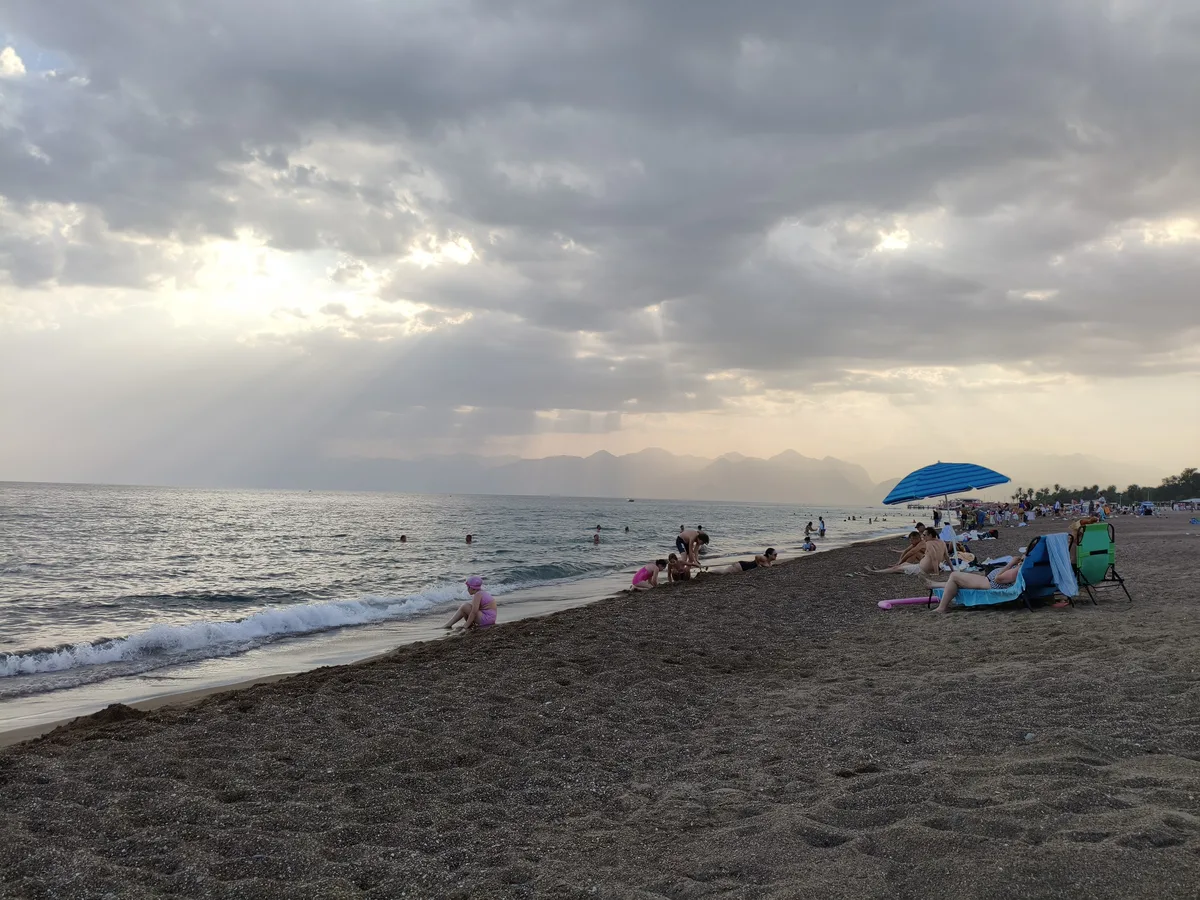
East of the old town, past the cliffs where the Lower Düden waterfall pours into the sea, the coast changes character completely and becomes Lara. Where Konyaaltı is shingle, Lara is sand – a long, broad shore of dark, coarse sand running east from the waterfall toward the resort zone of Kundu, backed not by a city but by one of the densest hotel strips in Turkey. The big all-inclusive resorts stand behind their stretches of beach with their piers reaching into the sea, and between and beyond them run public stretches, including the landscaped beach park area with room to picnic and spread out. GoTürkiye’s own beach writing leads its national list with Lara for exactly the reasons the strip exists – warm water, golden-brown sand, watersports and a beach that runs from the airport side of the city. For a traveller whose holiday is a hotel with a beach attached, Lara is not a compromise. It is the product.
As a beach, Lara does the family basics well. The sand is real sand, the shelving is gentler than Konyaaltı’s, the water is the warm side of the province’s swimming, and the sheer length of the shore means the public stretches give day visitors room even in season. The honest catches are about structure rather than sand. The hotel piers divide the shore visually and the finest serviced stretches belong to the resorts’ mechanism, so the independent traveller’s Lara is the public sections and the beach park, not the postcard rows in front of the big hotels. There is no town at its back – the strip is hotels, not a place to wander – and on breezy days the open shore builds a shore break that paddlers should respect. The sand sculpture festival ground near the strip is a reminder that even Lara’s culture is resort culture, arranged for guests rather than grown by a town.
Who should skip Lara? Independent travellers who want a beach with a real town attached – Kaleiçi and Konyaaltı serve them better. Quiet-seekers in high season, because the strip runs at full volume. And history hunters, because Lara’s past is a waterfall and a falez cliff walk away, not on the sand. But for families in the resorts, for swimmers who want sand underfoot without leaving the city, and for anyone whose flight lands at Antalya and whose first swim cannot wait, Lara holds its place among the best beaches in antalya as the city’s sandy answer to Konyaaltı’s shingle.
Side and Manavgat – Long Sand Around an Ancient Peninsula
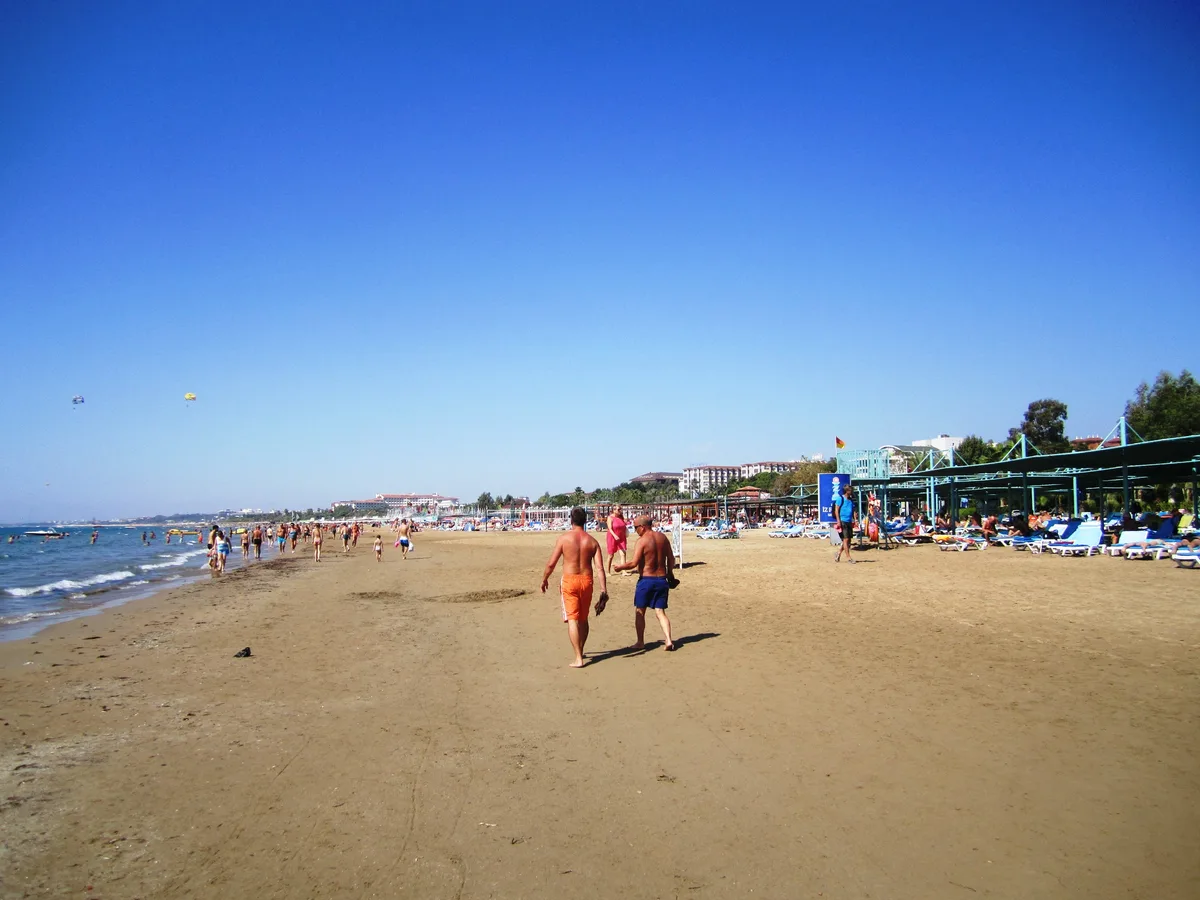
East of Antalya the coast flattens, the cliffs give out, and the province becomes a long sandy shelf running through resort towns toward Alanya. Its historic heart is Side, an ancient port town on a small peninsula – temple columns at the harbour, a Roman theatre in the streets behind – with beaches running away on both sides. West of the peninsula, the shore at Kumköy is one long curve of proper sand, beach bars and hotel stretches, gentle shelving and room to walk. East of it, the sand runs quieter past Sorgun’s pine forest toward the mouth of the Manavgat river, where boat trips up the river pair with the beach day. The Manavgat district’s whole shore shares the same character – wide, sandy, serviced at resort scale in front of the hotels and freer between them – and it is the most conventional family beach territory among the best beaches in antalya.
Conventional is both the praise and the warning. The sand at Side and Manavgat does what family beaches are supposed to do – shelves gradually, warms early, carries serviced stretches with every facility a family day consumes – and the ancient town at the peninsula gives the evenings somewhere better to go than a hotel buffet. But behind the best sand stands the densest resort sprawl on this coast, and a traveller who wants the shore to feel like a place rather than a product will feel the difference from Çıralı within an hour. The town beaches immediately beside the peninsula fill hard in season, the historic centre’s charm is worked hard by its commerce, and the quiet end of this coast is the eastern run toward the river, not the famous end beside the temples. Read the district as a spectrum – Kumköy for the full serviced product, the eastern shore for the same sand with less of the machine around it.
Who should skip Side and Manavgat? Travellers allergic to resort sprawl, because there is no version of this district without it. Wild-coast seekers, for whom Patara and Çıralı exist. And travellers based in Kaş or Kalkan, for whom the drive east across the whole province to reach sand makes no sense. For families in the eastern resorts, for gentle-shelving swimming, and for a beach week that ends its days among Roman columns, Side and Manavgat are the dependable eastern anchor among the best beaches in antalya – rarely the most beautiful entry on the list, and rarely the wrong answer either.
İncekum – The Fine Sand West of Alanya
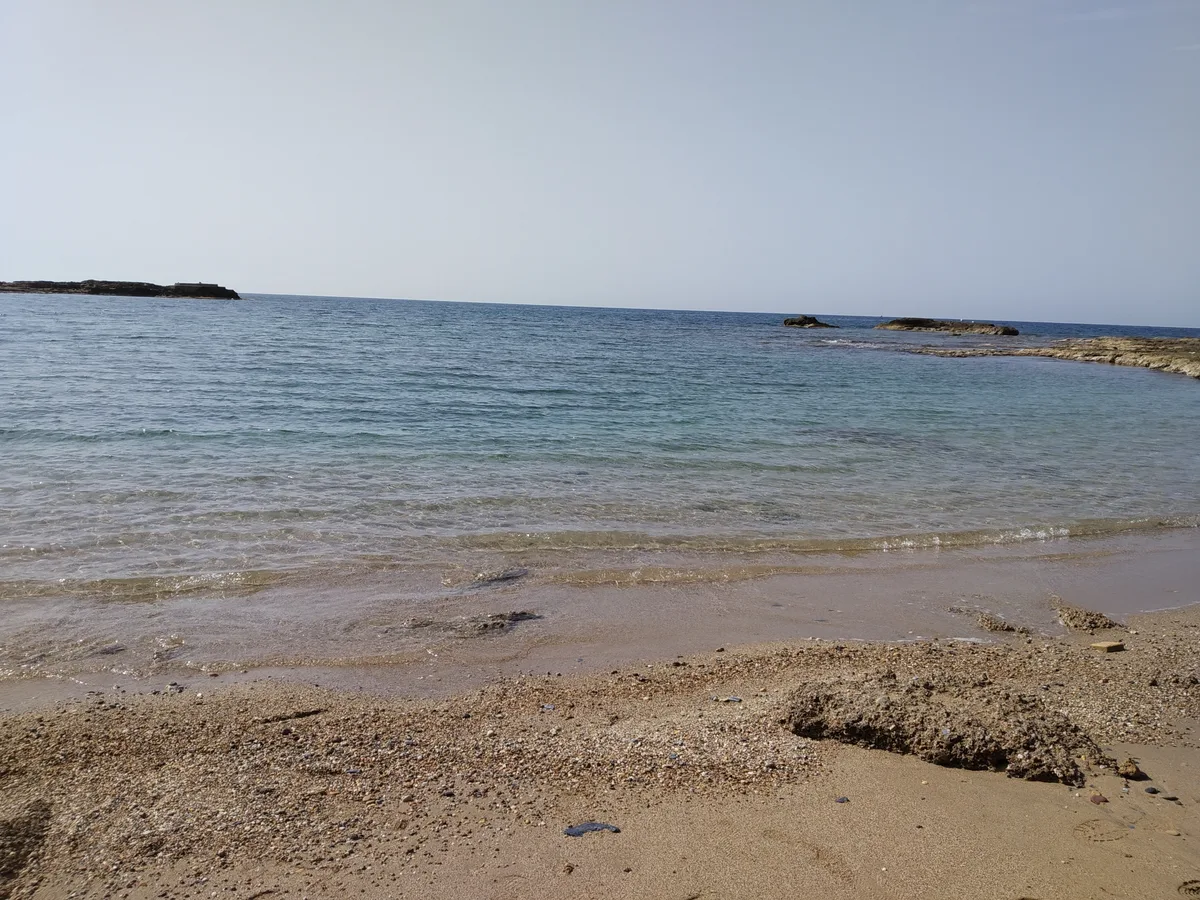
İncekum’s name is its own review – ince kum means fine sand – and on a coast where so many famous shores turn out to be pebble, a beach named for the quality of its sand starts with an honest advantage. It sits west of Alanya near Avsallar, in the last stretch of the province before the Alanya headland, and it is really two shores in one. The main beach is a genuine sandy bay, shallow at the entry and therefore a long-standing favourite of families with small children, with the serviced mechanism of beds and cafes running behind it. At its edges, and in the pine-shaded nature park ground beside it, the sand gives way to the flat rock platforms in the photograph – stone shelves and pools that locals use as their own quieter shore and that give İncekum a second, wilder face for travellers who walk five minutes from the main bay.
The catches are popularity and scale. İncekum is a beloved domestic holiday shore as much as an international one, and in high season the main bay fills in a way its small size cannot absorb the way Kleopatra or Kumköy can. The rock platforms that diversify the place are hard, slippery footing and no place for toddlers, so the family promise belongs to the sandy bay itself and not to the whole shoreline. And like the rest of the Alanya end of the province, İncekum is a long way from the western bases – nobody day-trips here from Kaş. It works as the beach of an Alanya-based or Avsallar-based stay, paired with the castle town for evenings, and within that role it is exactly what its name promises.
Who should skip İncekum? Travellers who need a large beach that absorbs crowds, because the bay is not large. Rock-averse swimmers who will stray onto the platforms in bare feet. And solitude seekers in August. For families with young children based near Alanya, though, İncekum is the gentlest entry among the best beaches in antalya – the shallowest water, the finest sand, and a shaded park shore attached for the hour when the main bay gets too much.
Kleopatra Beach, Alanya – The Castle Rock’s Famous Shore
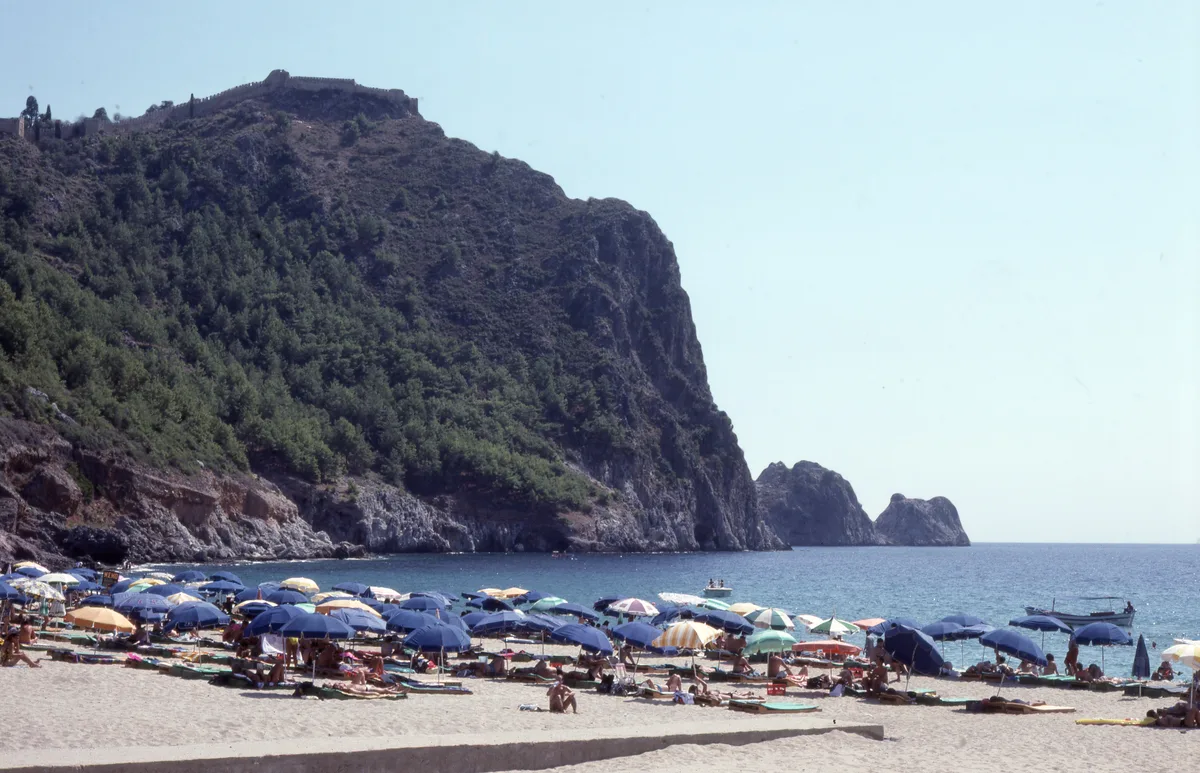
The province ends, as it began, with a famous name. Kleopatra Beach runs along the western foot of Alanya’s great castle rock, a long shore of coarse golden sand with the walled headland above it, the Damlataş cave at its eastern end and the full economy of a resort city at its back. The name comes with a legend – that Cleopatra herself swam here on her Mediterranean voyages – and the legend should be enjoyed exactly as that, a story the town tells about its best asset, repeated by GoTürkiye and by every boat tout on the harbour, and believed by precisely nobody who thinks about it for long. What needs no legend is the beach itself. The sand is real, the water is clear, the castle cable car climbs from near the shore, and the beach works as the front garden of a proper town, with everything a beach day consumes within a short walk. Our country guide gives Kleopatra its national treatment as the city beach that does not apologise; the provincial note is about its water.
The water is the honest catch, and it surprises people. Kleopatra shelves steeply. The shore that looks so gentle from the castle drops away faster than almost any other sandy beach in this guide, which suits confident swimmers and snorkellers along the rock end and works against the paddling families the golden sand seems to promise. Add the fame tax – this is the most visited beach at the province’s eastern end, and its umbrella rows in August are the photograph above rather than the empty curve of the posters – and Kleopatra becomes the eastern mirror of Kaputaş. A genuinely fine beach that rewards timing and confidence and punishes assumptions. Come early, swim at the quieter western end, walk the castle in the evening, and it delivers everything the legend promises except the queen.
Who should skip Kleopatra? Families with weak swimmers, for the steep shelf – İncekum, a short drive west, is their beach. Quiet-seekers in high season. And travellers who have come east specifically for wild coast, because Alanya is a city and its beach behaves like one. For a town-based holiday with real sand, a castle above and a harbour’s worth of evenings below it, Kleopatra still closes this list of the best beaches in antalya exactly where the province closes – at its most urban, most famous and most conditional shore.
Choosing by Trip Type – Families, Quiet and History With a Swim
If the eleven entries above are the evidence, this section is the verdict, organised by the traveller rather than the map. Families divide by the age of the children, and the province serves the two halves differently. For toddlers and young children, the shortlist is İncekum for its shallow fine sand, Side and Kumköy for their gentle shelving and facilities, and Lara for sand without leaving the city. For older children who swim confidently, the list widens to Kleopatra’s castle shore, Konyaaltı’s deep clear water with water shoes on, and Phaselis, where the ruin walk breaks the beach day into pieces a restless ten-year-old actually enjoys. What families should avoid in both halves is consistent – Kaputaş’s staircase and fast drop, Çıralı’s pebbles for the very young, and Kekova, where there is no beach for a child to be on at all.
Quiet-seekers should read the province from its edges inward. Adrasan is the quietest full beach on the list, a village bay where the evening ends after dinner. Çıralı runs it close, with protected darkness and space along the shore. Patara offers not village quiet but scale quiet, the silence of a very long beach. Kekova offers the quietest water of all, from a boat. The pattern is that quiet in this province is bought with distance or with pebbles, and usually both, and the traveller who wants quiet and soft sand and a short drive is asking for a beach that does not exist here. History-with-a-swim travellers have the richest choice of all – Phaselis and Olympos, where the ruins stand in the trees behind the shore; Side, where the temples stand at the harbour; Patara, where the city waits behind the dunes; and Kekova, where the ruins stand in the water itself. No other Turkish province stacks this many ancient cities onto swimmable shores, and it is the strongest single argument for choosing the best beaches in antalya over a prettier but emptier coastline elsewhere.
One last choosing rule, because it decides more trips than any ranking. Choose the base before the beach. A Kaş base serves Patara, Kaputaş and Kekova. An Antalya city base serves Konyaaltı, Lara and Phaselis, with Çıralı and Adrasan as a long day or an overnight. A Side or Alanya base serves the eastern sand. The traveller who chooses a base in one third of the province and a favourite beach in another will spend the holiday on the D400 admiring the coast through a windscreen, and the coast deserves better than that from both of you.
When to Go – A Long Season With a Sharp Peak
Antalya’s beach season is the longest in Turkey, and its shape matters more than its length. The core swimming season runs from May into October, with the sea warming through late spring and holding its warmth deep into the autumn, so the province is still swimming in weeks when the Aegean has given up. July and August are the peak inside the season – the warmest water, the fiercest heat on the sand, the fullest beaches and the highest demand on every serviced stretch in this guide. Travellers fixed to those months should run the tactics this article has repeated at beach after beach – swim early, take Kaputaş and Kleopatra at the start of the day, use Adrasan, Çıralı and the eastern Side shore as pressure valves, and let the middle of the day go to shade, lunch and ruins. In the peak months the tactics matter more than the ranking of the best beaches in antalya, because the ranking does not change – only the hour does.
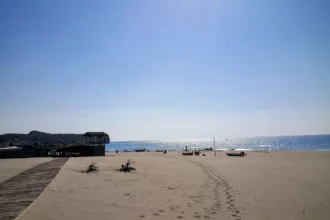
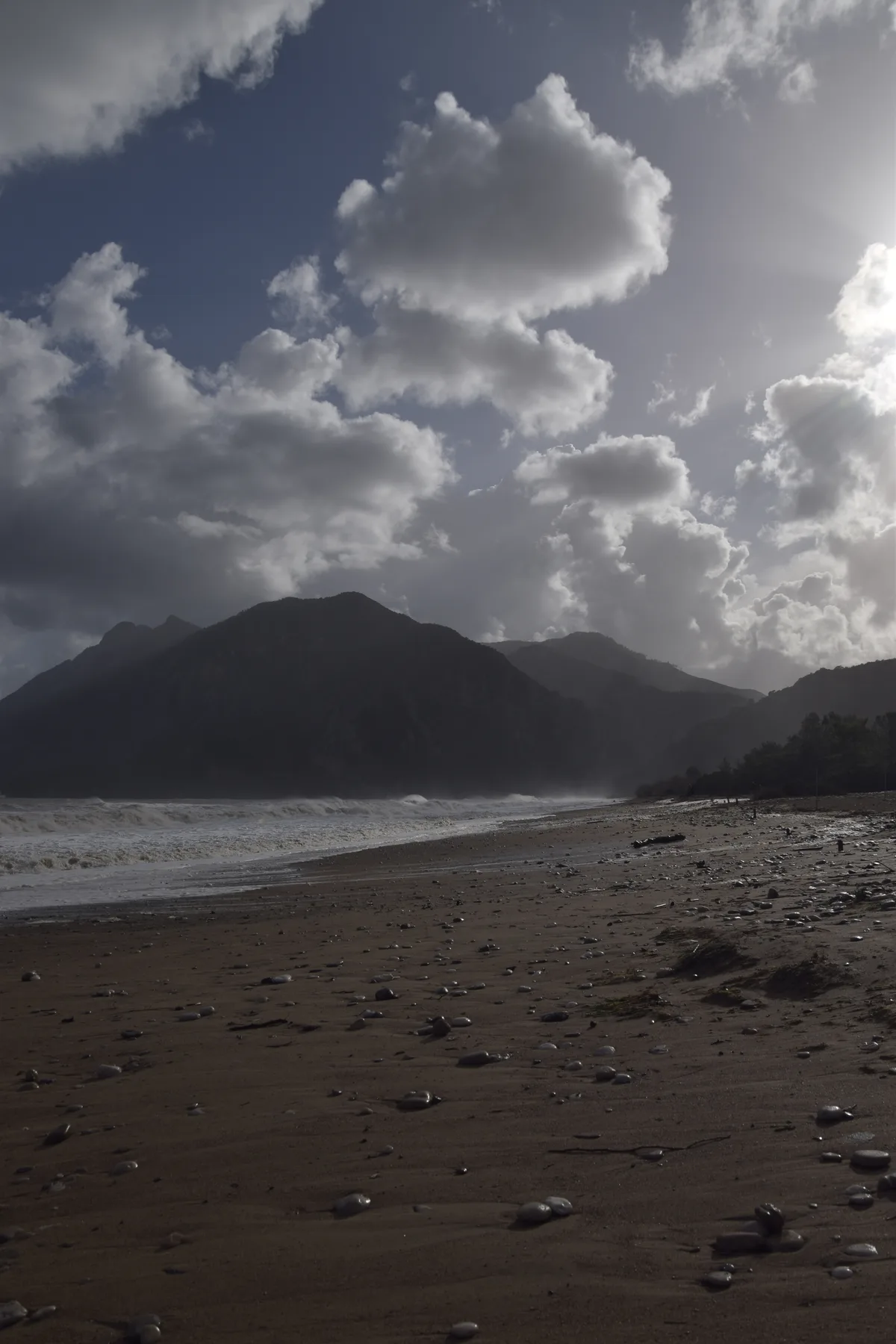
The connoisseur’s months are the shoulders. June brings long days, a fully awake coast and crowds that have not yet peaked. September and October are the province at its best – the sea at its warmest after the summer’s heating, the light going golden, the famous coves emptying week by week and the walking, on the Lycian Way above these beaches, coming back into its own as the heat breaks. Winter is the honest footnote, and the photograph above is its evidence. From November to April the resorts largely close, storms roll in off the Mediterranean, and shores like Çıralı turn dark and dramatic – walking country, not swimming country, whatever a cheap flight tempts you to hope. Match the month to the mission, and the best beaches in antalya will meet you at the version of themselves you actually came for.
Who Should Skip the Famous Ones – The Honest Catches in One Place
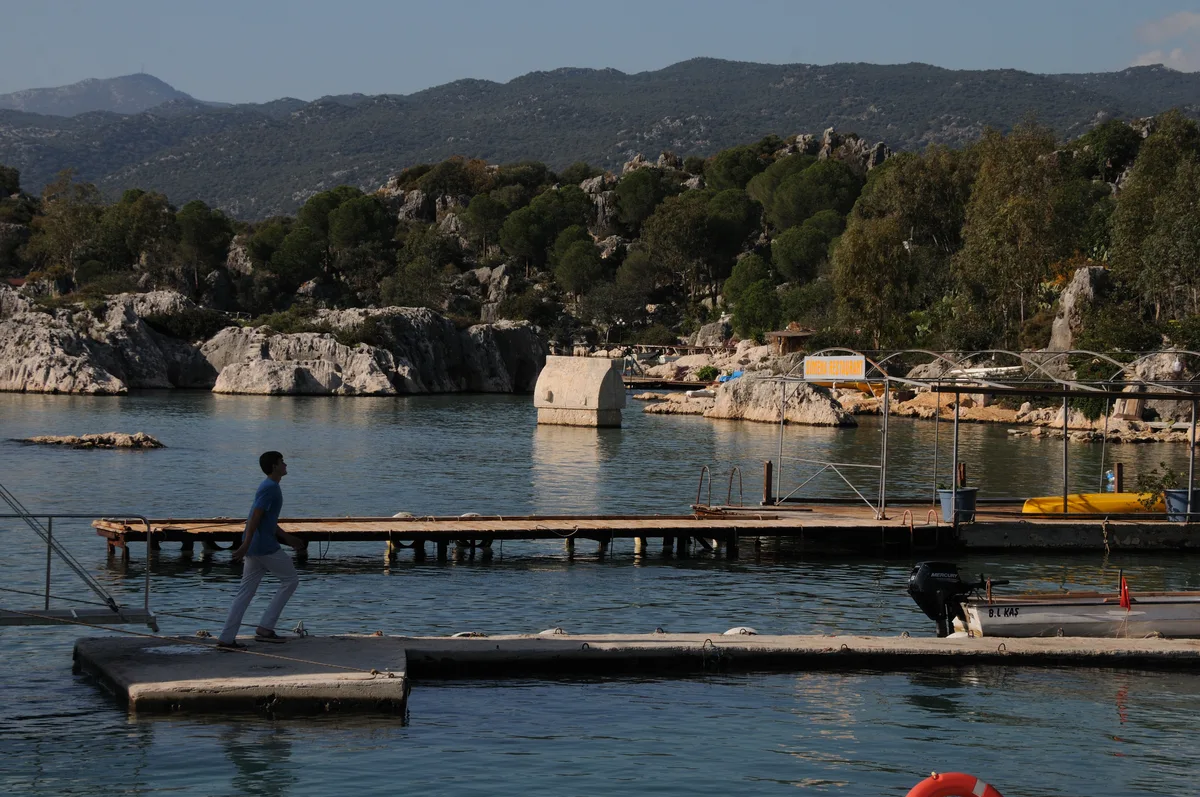
Every beach in this guide has had its warning stated at its own section, but the warnings deserve one gathering, because the pattern across them is the most useful thing in the article. Skip Kaputaş if steps, crowds or toddlers are in your party. Skip Patara if your beach day needs infrastructure, shade on demand or a short drive. Skip Konyaaltı if sand is non-negotiable, and skip Lara if a real town is. Skip Çıralı and Adrasan if your evenings need a scene, skip Phaselis if your swimming needs to be separate from your sightseeing, and skip Kekova – the jetties above are the whole argument – if what you want is a beach at all. Skip Kleopatra with weak swimmers, skip İncekum in August if you hate a full bay, and skip the Side and Manavgat strip if resort sprawl is the thing you travelled to escape.
None of these skips is a verdict against the beach. Each is a verdict against the mismatch, and mismatches are what actually ruin beach days – not bad beaches, of which this province has remarkably few, but good beaches visited by the wrong traveller at the wrong hour in the wrong month. The famous names concentrate the risk because fame imports other people’s reasons for going. The traveller who reads the catches first and the names second will find that the best beaches in antalya are not hiding. They are simply distributed unevenly between the photographed coves, the city shores and the quiet bays, and choosing well is a matter of honesty about the day you want rather than research about the beach’s reputation.
Best Beaches in Antalya – Questions Travellers Actually Ask
Which Antalya beach is best for families with small children? İncekum is the specialist answer – fine sand, a shallow entry and a small bay near Alanya – with Side and Kumköy close behind for their gentle shelving and full facilities, and Lara as the in-city option. The beaches to avoid with toddlers are Kaputaş, for its staircase and fast-deepening water, and Çıralı, for its pebbles. Family choice is the decision this guide’s choosing section spends the most words on, because among the best beaches in antalya the family answer changes completely with the age of the child.
Which of these beaches are sand and which are pebble? Sand at Patara, Lara, Side and Manavgat, İncekum and Kleopatra, with Kaputaş a sand-and-shingle mix. Pebble or pebble-heavy at Çıralı and Olympos, Phaselis and Adrasan, and shingle at Konyaaltı, the city beach. The split surprises first-time visitors more than anything else in this guide, because the province’s marketing photographs show its sandy minority. If you are spending a day on a pebble shore, pack footwear you can wade in – it is the difference between a good pebble day and a miserable one.
Do I need a car for Antalya’s beaches? For the full list, effectively yes. Patara, Kaputaş, Kekova’s boat harbour at Üçağız, Adrasan and Çıralı are all far easier with a car, and several are impractical without one. The city beaches are the exception – Konyaaltı is reached by tram and bus, Lara by bus and taxi, and Kleopatra sits inside Alanya’s town transport. A traveller without a car should base in Antalya city or Alanya, swim the urban beaches well, and take organised boat days to Kekova rather than fighting the coast road’s timetable.
Can I swim at Kekova? Yes, but from a boat, not from a beach, because there is no real beach at Kekova. Boats from Üçağız, Kaş and Demre stop for swimming in permitted coves along the sound, such as Tersane Bay on Kekova island. What you cannot do is swim over the sunken city along the island’s northern shore, where protection rules keep swimmers out of the water above the ruins, or treat the village waterfronts at Kaleköy and Üçağız as bathing beaches. Kekova is in this guide as the exception that proves the rule – the finest swimming water among the best beaches in antalya, attached to no beach at all.
Are Patara and Çıralı really closed at night? In the loggerhead nesting season, yes. Both are protected nesting beaches, and during the season the sand closes between evening and morning so turtles can come ashore undisturbed – no night swimming, no lights on the beach, no exceptions for a quiet visitor with good intentions. Plan the day around it, swim by daylight and take the evening in the village, and the closure stops being a restriction and becomes part of the arrangement that keeps both beaches wild.
When is the best month for Antalya’s beaches? September, on this guide’s evidence, with June close behind. September pairs the warmest sea of the year with crowds draining away and light that flatters every cove in this article, while June offers long days and a coast fully awake but not yet at peak pressure. July and August give the full machine at full volume. October remains genuinely swimmable in this province, later than anywhere else in Turkey, but with a growing chance of the year’s first storms mixed into the good weeks.
Which beach is closest to Antalya city and the airport? Lara is the airport-side beach, the sandy strip east of the old town beginning beyond the Lower Düden waterfall, and it is the first swim for most arriving visitors. Konyaaltı is the same distance in the other direction, west of the centre and reached by tram – shingle rather than sand, but the city’s own beach in every other sense. Between the two of them, a traveller based anywhere in Antalya has a beach within easy reach, which is more than most Mediterranean cities can offer and a large part of why the best beaches in antalya start, for most visitors, at home.
The Short Version of This Antalya Beach Guide
Antalya province holds eleven shores worth planning around, and they sort by traveller rather than by beauty. For wild space, Patara’s dunes. For the famous cove, Kaputaş, early in the day. For protected quiet, Çıralı’s pebbles and Adrasan’s village bay. For history with a swim, Phaselis, Olympos and the temples above Side’s sand. For a city beach with no planning at all, Konyaaltı’s shingle and mountains; for city sand, Lara. For small children, İncekum’s fine shallow shore and the gentle shelf at Side. For the finest water of all, a boat in the Kekova sound, swimming where the rules allow and looking down at a drowned city where they do not. That is the whole argument of this guide to the best beaches in antalya in one paragraph, and every section above it exists to give the evidence for one of its sentences.
Do that sorting before you book the base, and the province will do the rest. Stay west for the coves and the wild sand, stay in the city for the promenades and the site beaches, stay east for the long family sand under the castle rock at Alanya. Come in June or September if the calendar is yours to choose. Pack water shoes next to the sandals, because half this coast is pebble and proud of it. And when a beach disappoints you here, ask the question this guide has asked at every shore – whether the beach failed, or whether the match did. On this coast, with this much choice, it is almost always the match, and the match is the one thing entirely in your hands.