Turkey does not have a beach problem. It has a beach sorting problem. The country is wrapped in sea on three sides, and the best beaches in turkey refuse to behave like one kind of place. One shore is a long, empty stretch of sand where turtles nest and the beach closes at night. Another is a cove the width of a street, reached down a staircase, where the water turns deep within a few strokes. A third is a city beach with a castle on the hill behind it and a promenade full of evening walkers. A list that calls all three “perfect” is not a guide. It is a brochure, and it will send a family with small children to a surf cove, a swimmer to a pebble beach with no shade, and a walker to a resort strip they will hate by lunchtime. That sorting is what separates a useful list of the best beaches in turkey from a brochure.
This guide sorts the coast before it recommends anything. The eight main entries below are organised by region, moving roughly from the Mediterranean’s long sands in the south-west toward the Aegean’s windier, cooler shores in the west, with a final honest section on the Black Sea in the north. Every main beach gets the same treatment. What the sand or pebble is actually like underfoot. Whether the water shelves gently or drops away. What kind of traveller it suits best, and just as importantly, who should skip it. The best beaches in turkey are not the same beach for a toddler, a windsurfer, a snorkeller and a person who wants to read a book in silence, and this guide says so at each beach rather than burying the warning in a footnote at the end.
Two deliberate omissions need explaining before the sand begins. First, this list leans away from beaches that already have, or are about to get, their own full guide on this site. Ölüdeniz, the Antalya city beaches and the Bodrum peninsula bays are covered in their own guides, and repeating them here as thin paragraphs would help nobody. Ölüdeniz in particular gets its own dedicated guide on this site, so it is deliberately not repeated here. Second, the list is short on purpose. Turkey’s coast is long enough to fill a book, and a list that padded itself with every pleasant bay would stop being a guide and start being a gazetteer. The eight beaches here are the ones a traveller should actually plan a day around, plus the near misses and the warnings that keep the main list honest.
A note on the practical information, or rather its absence, runs through everything that follows. There are no prices in this article, no water temperatures in degrees, and no claims about how busy a beach is in numbers. Parasol charges change by the month, a temperature figure copied from a weather site tells you less than the truth that the Aegean stays cooler than the Mediterranean all season, and a crowd figure would be out of date before this guide is published. Costs are described as mechanisms instead. What you will end up paying for, and when. If a beach is one stop on a bigger first trip, many visitors arrive through Istanbul, and the city guide on this site covers how a few days there fit against a coastal week.
Best Beaches in Turkey at a Glance – Sand, Pebble and the Honest Catches
| Beach | Coast | Go for | The honest catch |
|---|---|---|---|
| Patara | Mediterranean | Space, long walks, wild sand | No resort comforts on the sand itself; a long way from anywhere |
| Kaputaş | Mediterranean | The classic cove photograph, clear water | Small, steep entry, crowded by midday |
| İztuzu | Mediterranean | Turtles, a lagoon, a protected shore | Night closures in nesting season; reached by boat or a long road |
| Cleopatra Beach, Alanya | Mediterranean | City beach, long sand, castle views | A resort town beach – busy, built up, no wilderness |
| Çıralı and Olympos | Mediterranean | Pebbles, pines, ruins, quiet nights | Pebble underfoot; no loud resort scene for those who want one |
| Ilıca, Çeşme | Aegean | Shallow water, wind sports nearby | The Aegean wind; cooler water than the Mediterranean |
| Palamutbükü, Datça | Aegean | Quiet days at the peninsula’s end | Pebble shore; a long journey for a short beach |
| Amasra | Black Sea | A town beach with a different sea | Cooler, rougher water – a town day, not a swim holiday |
Read the table as a sorting tool rather than a ranking, because the best beaches in turkey refuse to be ranked on a single scale. The best beach in this list for a windsurfer in July, Ilıca, is close to the worst for a traveller who wants warm, still water and no wind at all. The best beach for a long solitary walk, Patara, is a poor choice for someone who wants a sunbed, a waiter and a shower within ten steps. The entries below give each beach its evidence, and the choosing section near the end turns that evidence into decisions by trip type, so a reader who already knows what kind of beach day they want can skip straight to their shortlist.
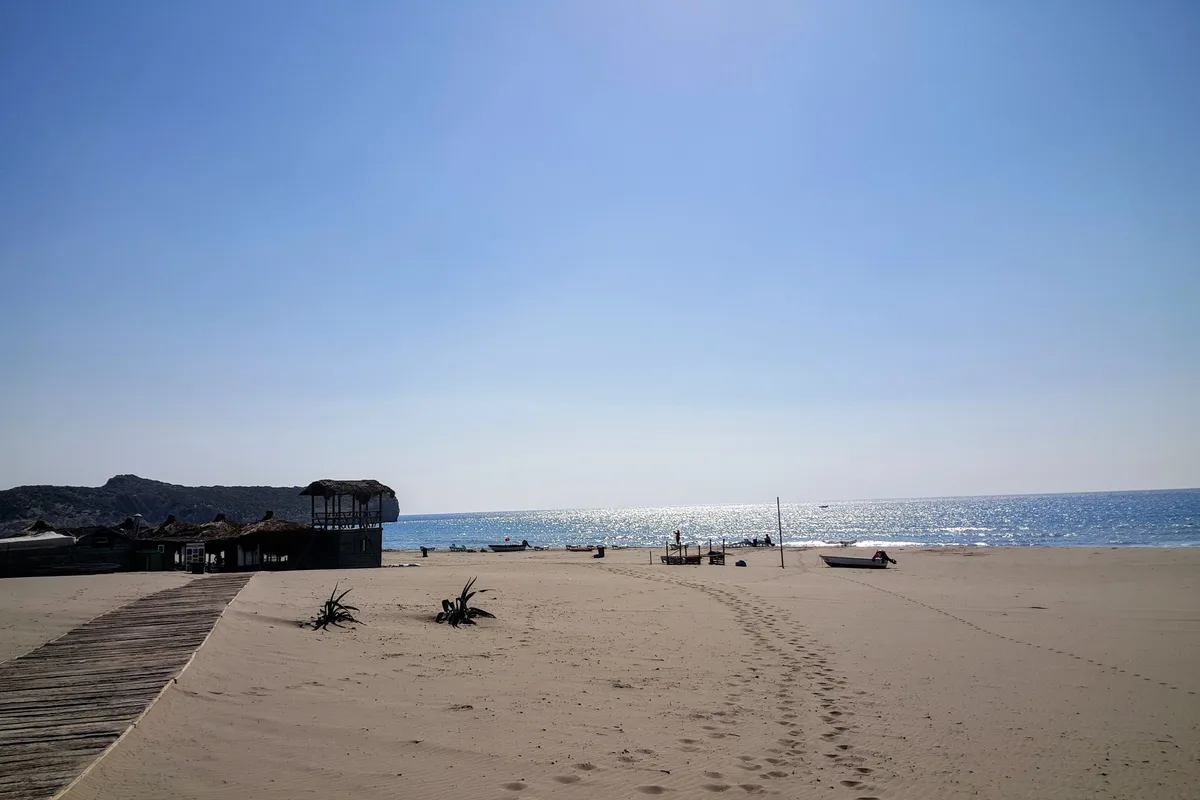
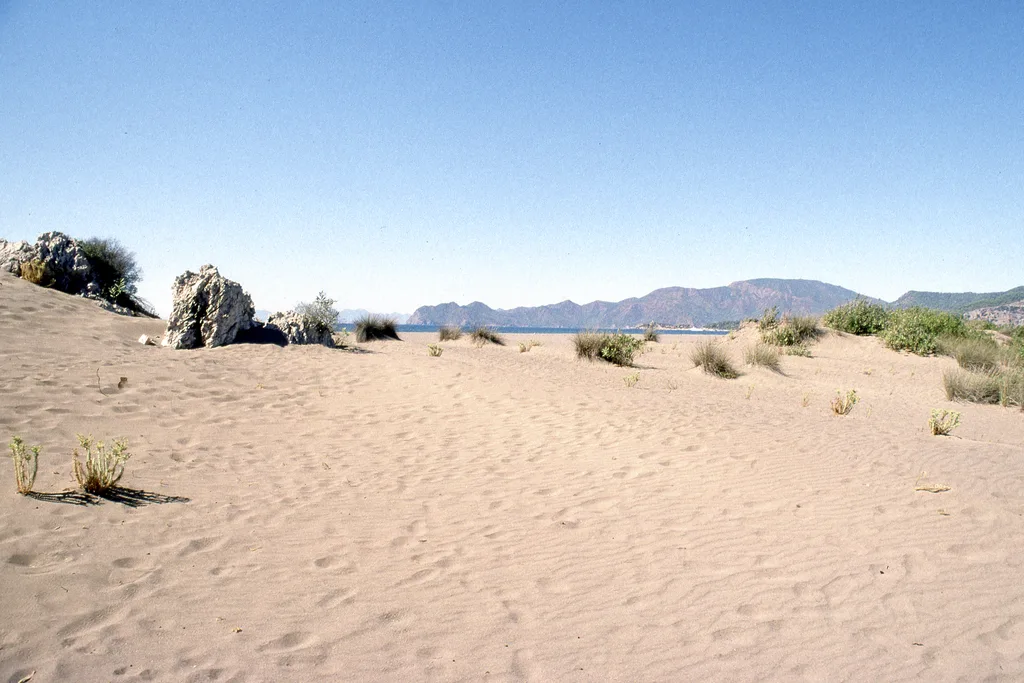
The photograph above sets the tone for the whole list. It is İztuzu, and it is empty. Not empty in the edited sense of a photograph taken at dawn before anyone arrived, but empty in the structural sense. A protected beach with no buildings on it, dunes behind it and a lagoon on one side cannot fill the way a resort beach fills, because there is nowhere for the crowd to come from and nothing for it to buy when it gets there. That emptiness is the point of İztuzu, and it is also the reason it cannot be compared directly with a beach like Cleopatra in Alanya, where the crowd is the point and the town is the facility. Keep the two kinds of beach separate in your head as you read, and the list will make sense. Use the table as the first filter whenever the best beaches in turkey start to blur into one another in photographs and resort copy.
Patara – Room to Breathe on Turkey’s Longest Sand
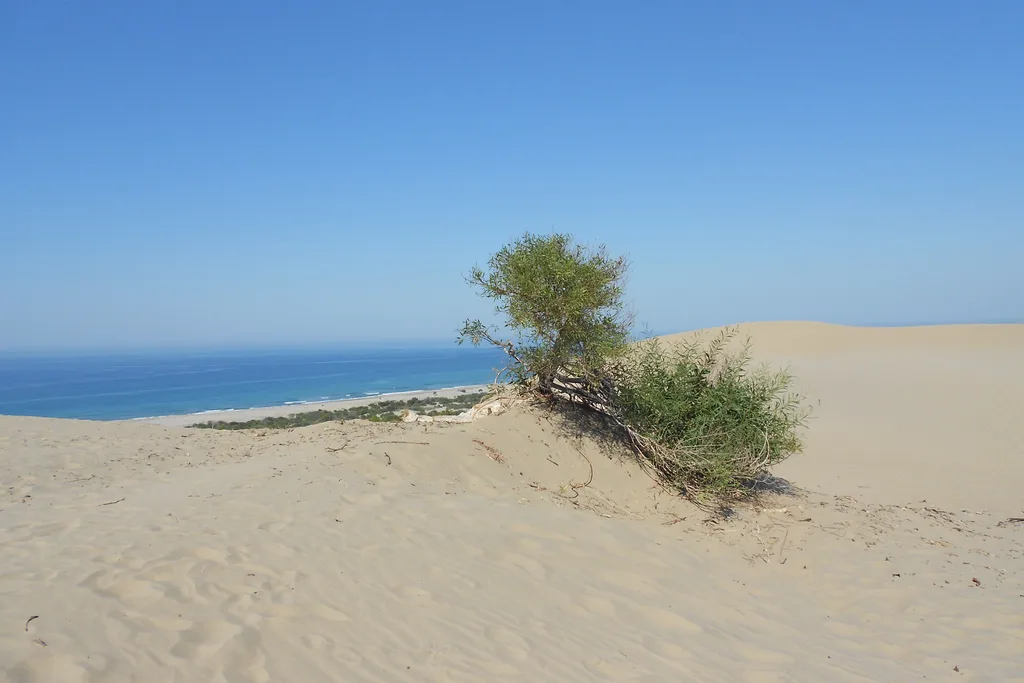
Patara is the beach you go to when the problem with other beaches is other people. It is one of the longest beaches in Turkey, a great sweep of fine sand that runs along the Mediterranean coast near the ancient city of the same name, backed by dunes rather than hotels. There are no buildings on the sand, and that single fact changes everything about a day here. You walk further than you would anywhere else on this list, the horizon stays empty in both directions, and the sound of the trip becomes wind and water rather than music from a beach club. For a traveller who has spent a week in resort towns and wants one day that feels like the coast before the resorts, Patara is that day, and it is the reason this guide puts it first despite it being the hardest of the main beaches to reach.
The sand is the attraction and the warning at the same time. It is soft, pale and deep, which makes for wonderful barefoot walking and terrible walking in shoes, and the beach shelves in a way that rewards confident swimmers more than paddlers. There is little shade on the sand itself, so a Patara day needs planning in a way a resort beach does not. Bring water, bring shade, and treat the walk back across the dunes in the afternoon heat as part of the outing rather than an afterthought. The ancient city nearby gives the day its second half. Patara was a major Lycian port, and its theatre, assembly building and monumental gate stand inland from the beach, so the classic Patara day pairs a morning swim with an afternoon among ruins, and the combination is stronger than either half alone. Few beaches on this list let you swim and then walk into a Roman city without getting in a car.
Who should skip Patara? Anyone whose ideal beach day involves staying put. If you want a sunbed waiting for you, a restaurant at the water’s edge and a shower before the drive home, Patara will feel like a beautiful inconvenience. Families with very small children should also think twice, not because the beach is dangerous in itself but because the distances are long, the shade is scarce and the walk from the car to the water is a real walk rather than a stroll. The same goes for travellers without their own transport, for whom the beach’s remoteness turns a day trip into a logistics exercise. And one seasonal rule matters more here than anywhere else on this list. Patara is a loggerhead turtle nesting beach, and during the nesting season the beach is closed at night. For a list of the best beaches in turkey that values wildness over comfort, Patara is the entry that justifies the whole list. That closure is not a bureaucratic detail. It is the reason the beach still has turtles, and a visitor who respects it is part of the arrangement that keeps Patara empty and wild rather than just empty for now.
Kaputaş – A Small Cove With a Big Reputation
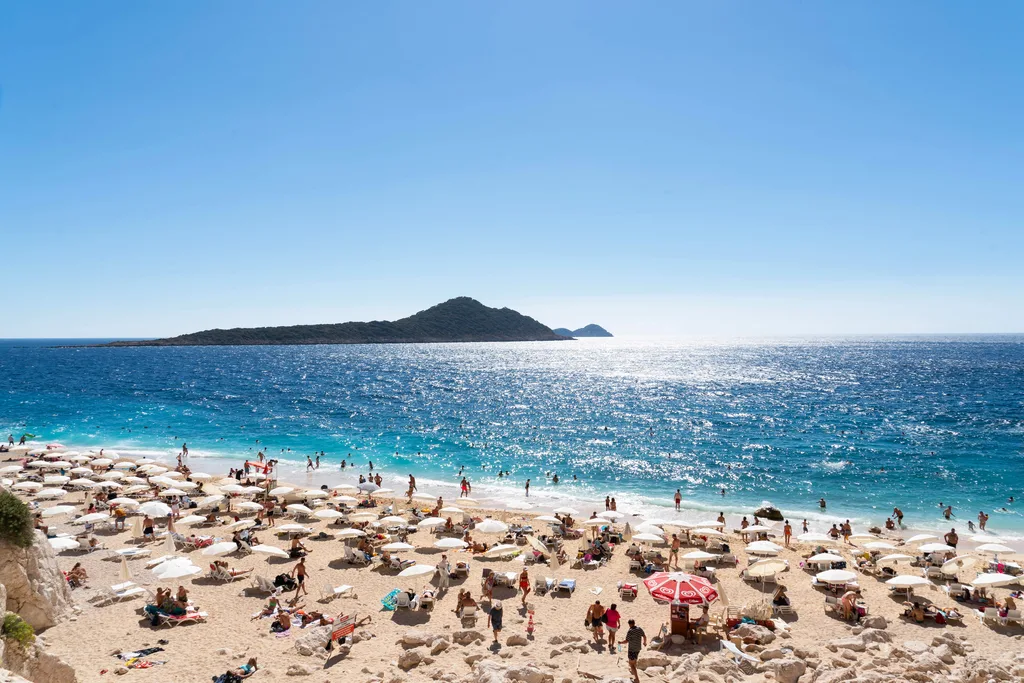
Kaputaş is the beach everyone has already seen, whether they know it or not. The photograph of a narrow strip of pale sand between two steep cliffs, with water shading from turquoise at the edge to deep blue a few strokes out, is Kaputaş, and it appears on so many covers and feeds that arriving there can feel like stepping into a picture you have already studied. The good news is that the picture is honest. The cove, on the coast road between Kaş and Kalkan, really is that colour, really is that narrow, and really does sit at the bottom of a long flight of steps from the road above. No other entry among the best beaches in turkey is so instantly recognisable, and none is so changed by the hour you arrive. The bad news is also honest, and it follows directly from the good news. A beach that small, that photographed and that easy to find from the road fills up, and by the middle of a summer day the photograph’s empty sand is a memory and the cove is a crowd.
The water is the reason to come despite the crowd. It is clear in a way that makes snorkelling worthwhile even without going anywhere special, and the cliffs on both sides give the cove a sheltered feeling that open beaches on this coast do not have. But the entry is steep, and that matters more than the colour. The sand gives way to deeper water quickly, so Kaputaş suits confident swimmers and adults who like a proper swim, and it suits them best in the morning, when the steps are quiet, the light is on the water and the day-trippers have not yet arrived in numbers. Come late, come at midday in high season, and the experience inverts. You queue for a patch of sand, you swim in a crowd, and the cove that looked like a secret feels like a car park with a view.
Who should skip Kaputaş? Families with toddlers, for the steep entry and the steps. Anyone with mobility difficulties, for the same steps, which are the only way down. And anyone whose idea of a beach day is a long, lazy stretch of sand, because Kaputaş is a cove, not a beach in the walking sense, and there is nowhere to walk to. If those warnings do not apply to you, Kaputaş is worth a morning, and the way to enjoy it is to treat it as a stop rather than a destination. Swim, photograph it, climb back up, and spend the afternoon at one of the longer, quieter beaches on this list. The cove rewards a short visit more than a long one, and that is not a criticism. Some beaches are built for a morning, and Kaputaş is the best morning beach in Turkey.
İztuzu – The Spit Between River, Lagoon and Sea
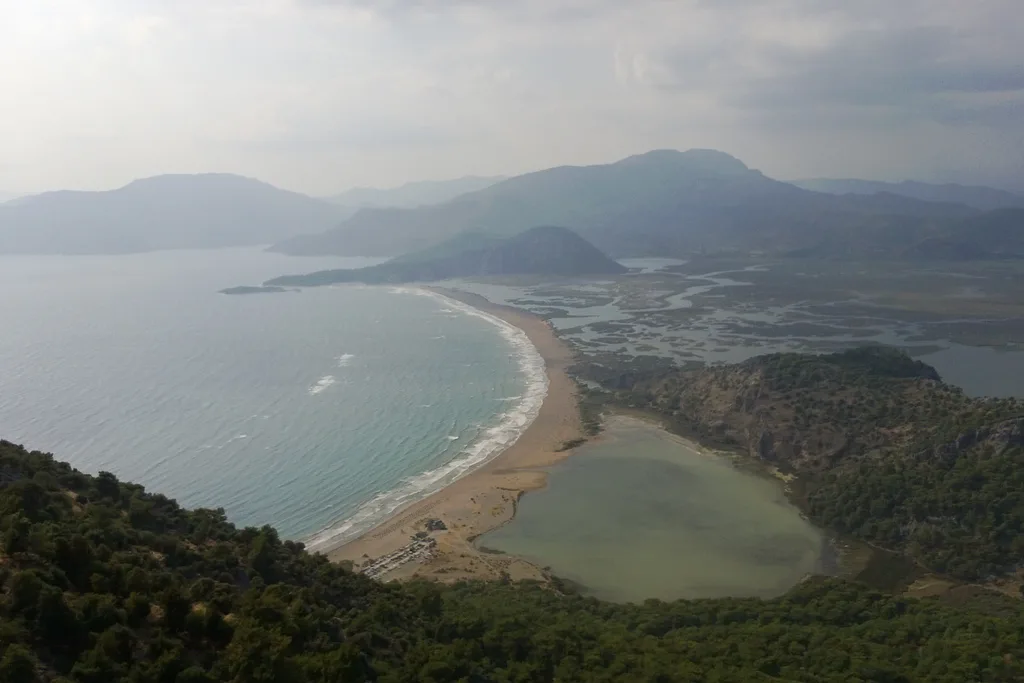
İztuzu is a geography lesson that happens to be a beach. A long spit of sand near Dalyan separates the Mediterranean on one side from a calm lagoon and river delta on the other, so a visitor can stand with open sea on one hand and still, green water on the other, with a line of low hills behind. The beach is reached by boat from Dalyan town or by road to either end of the spit, and the journey is part of the reason it stays calm. You do not pass İztuzu by accident. You decide to go there, you take a boat or a long road, and by the time you arrive you have already slowed down to the pace the place runs at. That self-selection is İztuzu’s quiet protection, and it works alongside the formal one, because İztuzu is one of the most important loggerhead turtle nesting beaches in the country.
The nesting rules shape the whole visit, and they are worth stating plainly because they surprise first-time visitors. GoTürkiye, the country’s official tourism platform, describes İztuzu as one of the beaches loggerheads prefer most, and states that during the nesting season the beach is closed between the evening and the morning. In practice that means no night visits, no lights on the sand after dark, and a beach that empties in the evening by rule rather than by mood. Sunbeds and buildings are kept off the nesting sand, which is why İztuzu photographs look so different from resort beaches. There is very little on the beach itself, and that is deliberate. The facilities sit back from the sand, the turtles get the night, and the daytime visitor gets a beach that has not been rebuilt to serve them. Among the best beaches in turkey, İztuzu is the one where the rules are the attraction, because the rules are what keep it a nesting ground rather than a resort. For a traveller who cares about seeing a protected shore working as a protected shore, rather than reading about one on a sign, İztuzu is the most instructive beach on this list.
Who should skip İztuzu? Anyone who wants a beach with a town attached. Dalyan is a pleasant town, but it is not on the beach, and the beach itself offers no evening scene, no promenade and no resort strip to wander after swimming. Families with older children who like the idea of turtles will love it, and the lagoon side gives less confident swimmers a calmer alternative to the open sea, but families who need shade, showers and food within a few steps of the sand will find İztuzu spartan. The same goes for travellers on a tight schedule. İztuzu eats half a day in travel and waiting, and it repays that time only if the traveller actually wants what it offers, which is space, a lagoon, a river town at the other end of the boat ride, and the knowledge that the sand underfoot is a nesting ground first and a beach second.
Cleopatra Beach in Alanya – The City Beach That Does Not Apologise
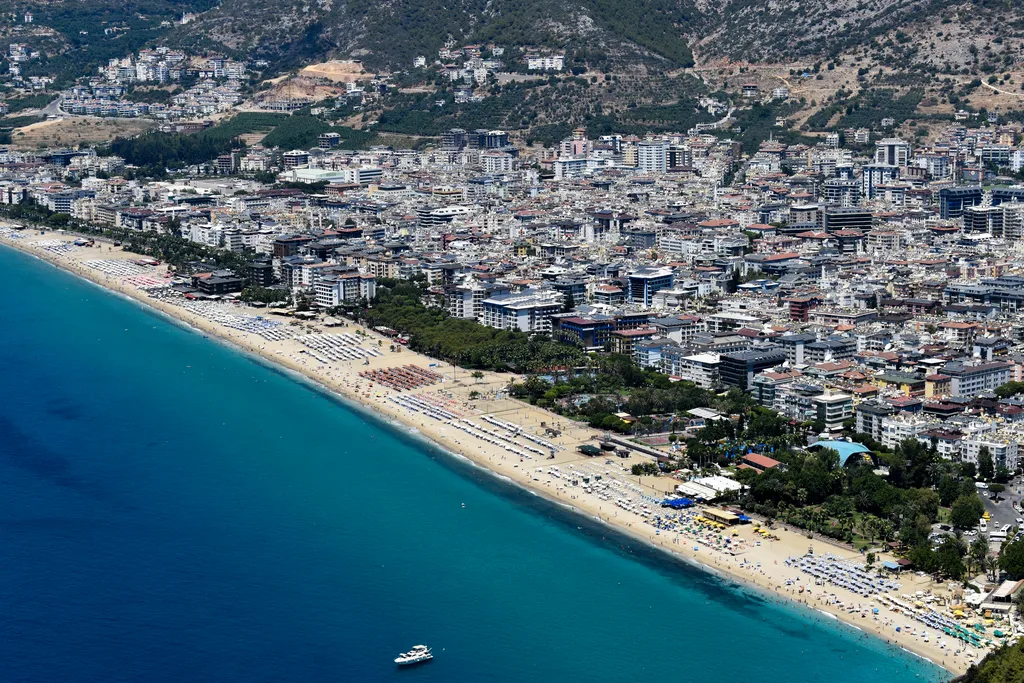
Every list of the best beaches in turkey needs a city beach, and Alanya’s Cleopatra Beach is the one that earns the place without pretending to be something else. It is a long, sandy, public shore on the western side of Alanya, backed by the town itself and overlooked by the castle rock that gives the town its skyline. The sand is fine and golden, the water is clear and generally calm enough for relaxed swimming, and the beach runs for a long way, which means that even on a busy day a walker can find a quieter stretch by simply keeping going. The town is the facility here. Restaurants, shops, showers and transport are all within a short walk of the sand, and the beach works as part of a town day rather than as an expedition. You swim in the morning, you eat in the town, you walk the castle hill in the evening, and the beach never asks you to choose between swimming and civilisation.
The name needs a word of caution, because it is a legend rather than a history lesson. Local storytelling says Cleopatra herself once swam here, and the story is repeated so often that it can harden into fact in a guidebook. Treat it as a story the town tells about itself, which is charming and harmless as long as it stays a story. What is not a story is the beach’s character as a resort-town shore. It is busy in high season, it is built up behind, and it offers no wilderness, no silence and no sense of discovery. A traveller who comes to Cleopatra Beach expecting a hidden cove will be disappointed, but that disappointment would be the traveller’s fault, not the beach’s. Cleopatra Beach does not hide what it is. It is a city beach, and it is a very good one, with the particular virtue that its length absorbs crowds better than a small cove ever could.
Who should skip Cleopatra Beach? Travellers who have come to Turkey specifically to escape resort towns, because Alanya is a resort town and its beach behaves like one. Walkers who want an empty horizon should go to Patara instead. And anyone who dislikes the feeling of a beach with a town at its back, with all the noise and commerce that implies, will not be converted by the quality of the sand. But for a first-time visitor, for a family that wants everything within reach, and for a traveller pairing a beach day with a castle, a harbour and a proper town dinner, Cleopatra Beach is the easiest recommendation on this list, and sometimes the easiest recommendation is the right one.
Çıralı and Olympos – Pebbles, Pines and a Protected Shore
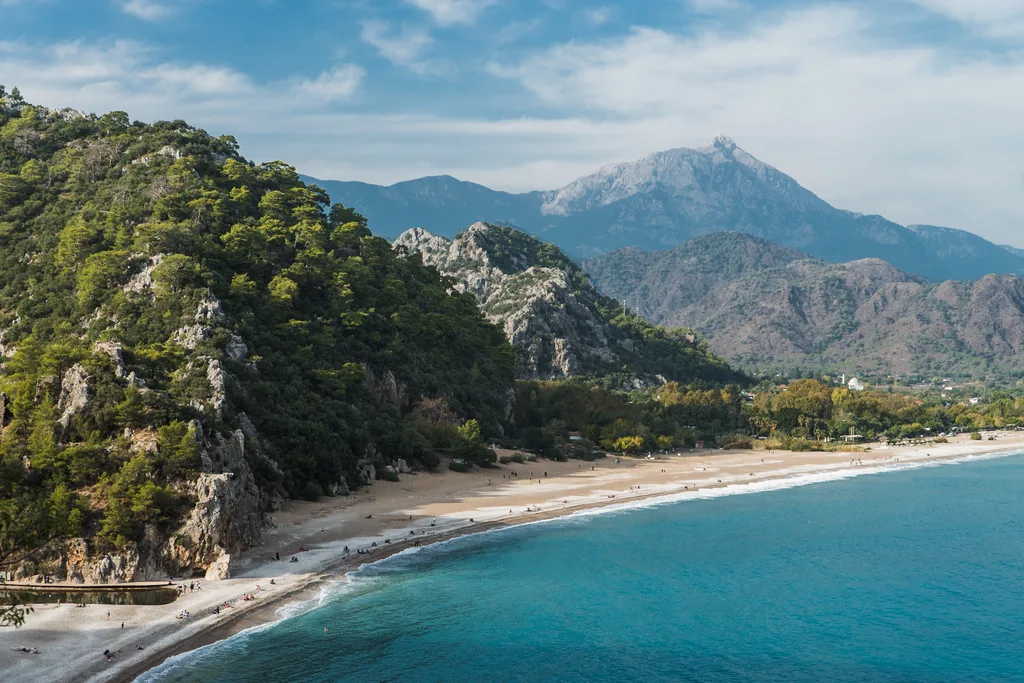
Çıralı is the beach for travellers who like their swimming with ruins and trees attached. The shore, south-west of Antalya, is a long curve of pebble and coarse sand backed by pines and low guesthouses rather than resort towers, and at its southern end it runs into Olympos, where the ruins of an ancient city stand among the trees behind the beach. The water is clear, the mountains rise behind the bay, and the whole place has a deliberately low-key feeling that is protected rather than accidental. Çıralı is a protected shore and a turtle nesting beach, so development has been held back, nights are quiet, and the beach keeps the character that made people come here in the first place. It is the closest thing on this list to a beach that has decided what it does not want to become, and stuck to the decision.
The pebbles are the honest catch, and they need stating before anyone packs for Çıralı. This is not a soft-sand beach. The shore underfoot is pebble, which is beautiful to look at and clear to swim in, because pebble shores stir up less sand, but it is hard on bare feet and it changes the whole feeling of a beach day. Bring water shoes, or at least footwear you can wade in, and the beach transforms. Without them, the first ten steps into the water become the story of the day. The reward for accepting the pebbles is a beach that stays quiet even when the region is busy, a walk to Olympos ruins that can be done in swimwear and sandals, and evenings that are dark and quiet enough for the stars, because the protected status that limits building also limits light. For walkers, readers and travellers who want a beach day that ends with a ruin walk and a quiet dinner rather than a club, Çıralı is the best beach on the Mediterranean side of this list. For travellers ranking the best beaches in turkey by quiet rather than by sand, Çıralı comes first.
Who should skip Çıralı? Anyone whose beach happiness depends on soft sand, because no amount of scenery compensates for sore feet if that is the deal-breaker, and this guide will not pretend otherwise. Families with toddlers who need to build sandcastles will also be happier elsewhere, on a sandy shore like Ilıca or Cleopatra Beach. And travellers who want a lively evening scene should look to a resort town instead, because Çıralı goes quiet early and likes it that way. But for a couple, a solo traveller or a family with older children who can handle pebbles, Çıralı offers something the resort beaches cannot, which is a beach that feels like a place rather than a facility, with an ancient city at one end and a protected shore underfoot.
Ilıca in Çeşme – Shallow Water on the Windy Peninsula
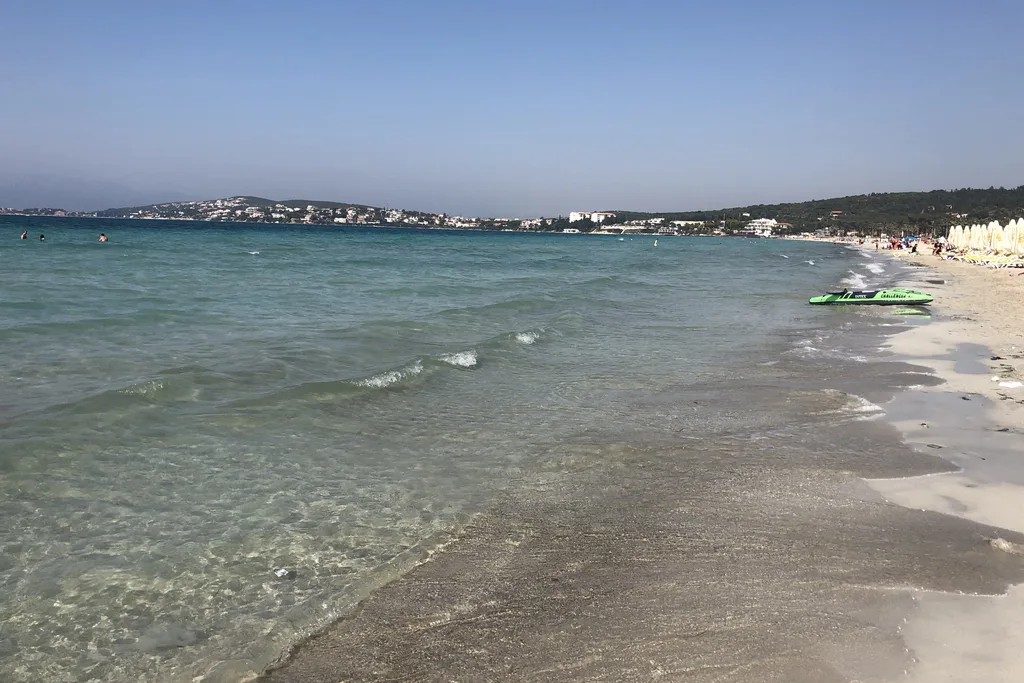
Ilıca, on the Çeşme peninsula west of İzmir, is the Aegean’s answer to the family beach, and it works for a reason that has nothing to do with marketing. The water stays shallow a long way out, over white sand, so children can paddle and weaker swimmers can stand with confidence, and the shore is long and sandy rather than a pocket cove. The peninsula around it is a different world from the Mediterranean resort coast. Çeşme town is a working Aegean town with a castle and a harbour, Alaçatı nearby is a stone-built village famous for its wind, and the whole peninsula has a Greek-island feeling without ever leaving the mainland. Ilıca fits that world. It is a town beach with room, a place where local families and visitors mix, and where a beach day can be combined with a village walk and a harbour dinner without any sense of a resort bubble.
The wind is the catch, and it is also the attraction, depending on who you are. The Çeşme peninsula is windy, and Alaçatı’s wind is famous enough to draw windsurfers from around the world. For a windsurfer or a kitesurfer, that wind is the point, and the shallow water at Ilıca and the nearby bays makes the peninsula one of the great learning grounds for the sport. For a sunbather who wants still air and a parasol that stays put, the same wind is an annoyance, and it can turn a lazy afternoon into a battle with sand. The water, too, is Aegean water, which means cooler than the Mediterranean beaches on this list, especially early in the season. A traveller who swims happily in the Aegean will not notice, but a traveller who expects Mediterranean warmth in June may find Ilıca bracing. Go later in the summer if warmth matters more than quiet, and go with the wind in mind rather than against it.
Who should skip Ilıca? Travellers who want a wild, empty beach, because Ilıca is a popular town beach and it behaves like one in high season. Travellers who want a deep-water swim straight off the sand should also look elsewhere, because the very shallowness that makes Ilıca safe for children makes it dull for a serious swimmer, who will have to walk a long way out before the water reaches swimming depth. But for families, for learner windsurfers, and for anyone who wants a beach day on the Aegean side that does not involve a boat or a long drive, Ilıca is the strongest single recommendation on the western coast, and the peninsula around it gives the beach a context that a standalone resort strip never can. On any honest list of the best beaches in turkey for families, Ilıca belongs near the top.
Palamutbükü in Datça – The Quiet End of a Long Peninsula
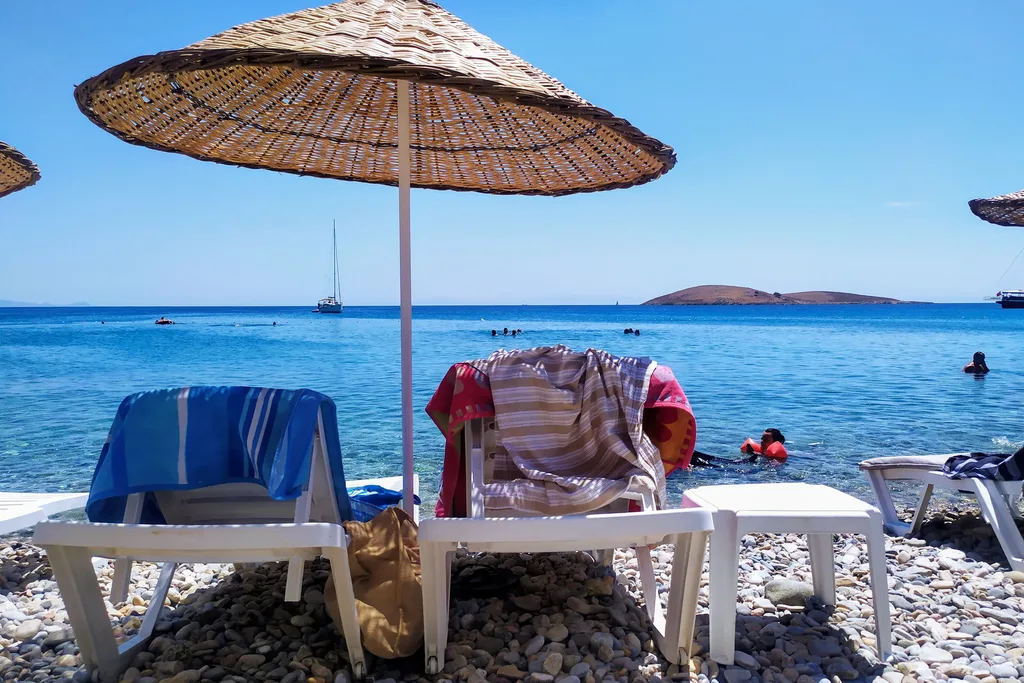
Palamutbükü sits near the far end of the Datça peninsula, where the Aegean meets the Mediterranean and the road has run out of places to go, and that position explains everything about it. The peninsula is long, narrow and dry, lined with olive groves and small bays, and by the time a traveller reaches Palamutbükü they have passed the busier resorts and the day-trippers behind. The beach itself is a curve of pebble and coarse sand with clear, calm water, backed by a handful of small guesthouses and restaurants rather than a town. It is the kind of beach where the day’s biggest decision is which table to take for lunch, and where the water, sheltered and clean, rewards a slow swimmer more than a thrill-seeker. For a traveller who has done the resort coast and wants to know what the Turkish shore feels like when nobody is selling it hard, Palamutbükü is the answer, and it is the quietest main entry on this list.
The journey is the price, and it should not be underestimated. Datça town is itself a long drive from the nearest airport city, and Palamutbükü lies beyond it, so reaching this beach is a commitment rather than a detour. That commitment filters the crowd, which is exactly why the beach stays quiet, but it also means Palamutbükü makes little sense as a single day trip tacked onto a stay elsewhere. It makes sense as the destination of a peninsula trip, with nights in Datça town, slow drives between bays, and Palamutbükü as the beach day at the end of the road. The pebble shore is the second honest catch. Like Çıralı, Palamutbükü is not a soft-sand beach, and bare feet will notice. Water shoes turn it from a trial into a pleasure, and the clarity of the water over pebble is part of what makes swimming here so good, but a traveller who arrives expecting sand will spend the first hour adjusting.
Who should skip Palamutbükü? Anyone on a short trip who cannot spare the peninsula journey, because the beach does not repay a rushed visit. Families who need soft sand and shallow paddling for small children should choose Ilıca instead. And travellers who want nightlife, shopping or a choice of restaurants in the evening will find Palamutbükü too quiet, because the handful of places behind the beach is the whole scene. But for a slow traveller, a couple on a driving trip, or anyone who measures a beach by how little happens on it, Palamutbükü is the best beach on the Aegean side of this list, and the drive that deters everyone else is precisely what keeps it that way. It is the entry on this list of the best beaches in turkey that most rewards slowing down.
Amasra and the Black Sea – Why This Coast Is Not on the Main List
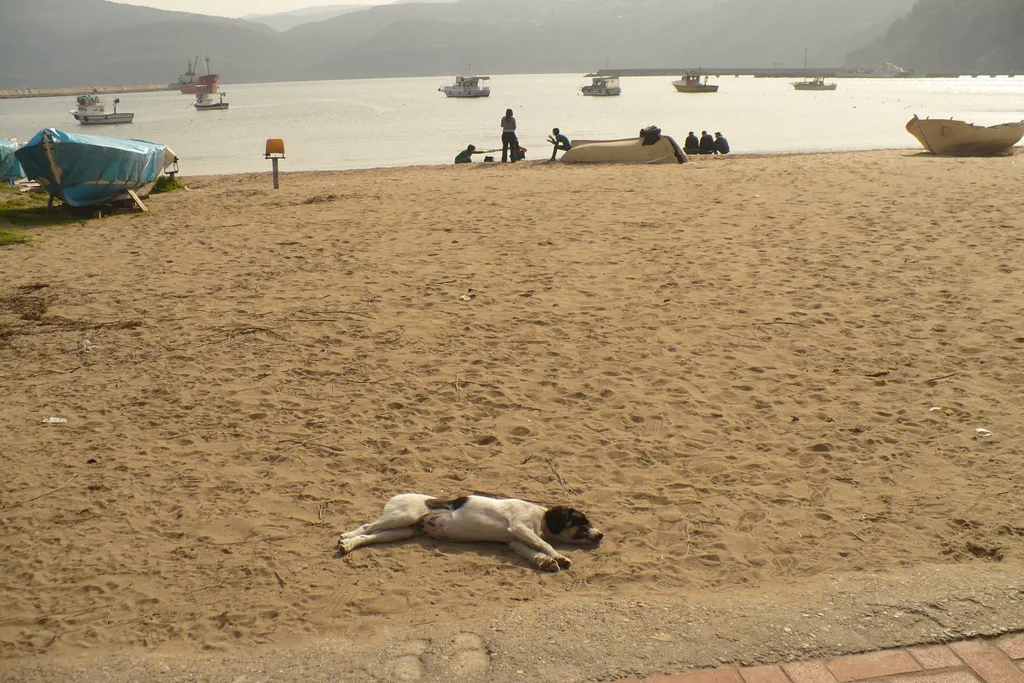
Amasra is included here not as a recommendation to rival Patara, but as the honest answer to a question this guide would otherwise dodge. What about the Black Sea? GoTürkiye’s own beach guide puts it plainly, saying the Black Sea coast is dramatically beautiful but not usually at the top of the list for those only looking for sand and sun, and that sentence is the most useful thing any official source says about the northern coast. Amasra, a small historic town on the Black Sea coast with a harbour, a castle headland and two small bays, is the best place to test that sentence. It has sand, it has a town beach where locals swim, it has fish restaurants and a castle to walk, and it has a sea that behaves differently from every other sea on this list.
The differences are not subtle. Black Sea water is cooler than the Mediterranean and the Aegean, the coast is greener and rainier, the beaches are shorter and more broken by cliffs and harbours, and the sea can turn rough with little warning. Amasra’s town beach works as a town beach. You swim, you walk the headland, you eat fish, and you treat the sea as one part of a town day rather than the reason for the trip. As a swim holiday in the Mediterranean sense, with long days on the sand and warm water guaranteed, Amasra does not compete, and this guide will not pretend it does. That distinction is why a list of the best beaches in turkey should include a Black Sea warning rather than a Black Sea recommendation. The Black Sea also has Blue Flag beaches of its own, in provinces along the northern coast, but a flag certifies water quality, safety and management for a given year, not warmth, not calm and not scenery, and a traveller who reads a flag as a promise of a Mediterranean day will be misled by their own assumption rather than by the flag.
Who should skip the Black Sea as a beach destination? Almost everyone whose trip is built around swimming, and this section exists to say that plainly rather than to fill the list with northern beaches that would disappoint. If the trip is built around the Black Sea itself, around Amasra’s castle and harbour, the green hills behind the coast and the fish restaurants, then the town beach is a bonus and a pleasant one. But a traveller choosing between the Black Sea and the Mediterranean for a beach holiday should choose the Mediterranean, and a traveller choosing between Amasra and Palamutbükü for a swim should choose Palamutbükü. Amasra earns its place in this guide by teaching the reader what the best beaches in turkey are not, which is every shore with sand on it, and by giving the northern coast its honest paragraph instead of silence.
Choosing by Trip Type – Families, Swimmers, Walkers and Wind Chasers
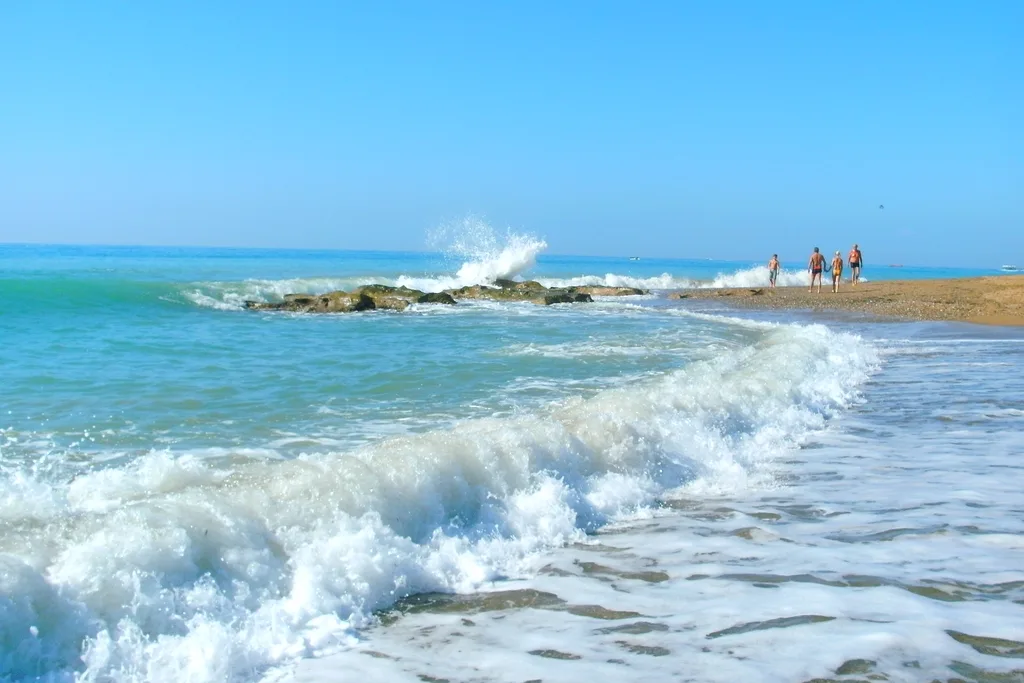
If the beach entries above are the evidence, this section is the verdict, organised by the traveller rather than by the map. Families with small children should start with Ilıca, for its shallow water and town facilities, and with Cleopatra Beach in Alanya, for its long sand and everything within reach. Both beaches forgive the chaos of a family day, because there is room to spread out, food nearby and no long walk back to the car with a tired child. Side’s long sandy shore, shown above at Sorgun just east of the town, belongs in the same family conversation, because it pairs sand with ruins in a way children actually enjoy, and because its length means a family can walk away from the busiest stretch without leaving the beach. What families should avoid is the small-cove end of the list. Kaputaş’s steps and steep entry, Çıralı’s pebbles and Palamutbükü’s long journey all punish the very things a family day needs, which are ease, shade and a short distance between sand and car. That is the practical core of choosing among the best beaches in turkey: match the beach to the children, not the children to the beach.
Swimmers divide into two camps, and the list serves them differently. Confident swimmers who want clear, deep water and a proper swim should look at Kaputaş in the morning, at Palamutbükü’s calm pebble bay, and at the open-sea side of İztuzu, where the water is real sea rather than a lagoon. Less confident swimmers and paddlers should do the opposite, choosing the lagoon side of İztuzu, the shallows of Ilıca and the gentle shelving of Cleopatra Beach, where standing depth lasts long enough to relax in. Walkers have the simplest choice on the whole list, which is Patara, where the beach itself is the walk, followed by the shore between Çıralı and Olympos, where a beach walk becomes a ruin walk without changing footwear. Wind chasers, finally, need only one name, which is the Çeşme peninsula, where Ilıca’s shallows and Alaçatı’s wind make the best learning ground on this list, and where the wind that annoys a sunbather is the whole reason to go.
The choosing section also needs a warning about the beaches that look best in photographs, because the best beaches in turkey are not always the most photographed ones. Kaputaş photographs better than any beach on this list and is the hardest to enjoy at midday. Cleopatra Beach photographs like a resort brochure and is, for a family, the most useful beach on the list. Patara photographs empty because it is empty, and that emptiness is a feature that costs a long journey. The photograph is evidence, not a verdict, and the verdict should always come from the kind of day you actually want. Most roundups of the best beaches in turkey fail exactly here, praising the photograph instead of judging the day. If you want a morning swim and a photograph, choose Kaputaş. If you want a day, choose Patara, Ilıca or Cleopatra Beach. If you want a week of beach days without repeating yourself, base yourself on the coast between Kaş and Alanya, where Patara, Kaputaş, Çıralı and Cleopatra Beach sit within reach of one another, and let the Aegean beaches be a second trip rather than a rushed add-on.
Seasons, Wind and Water Safety – Reading the Sea Before You Swim
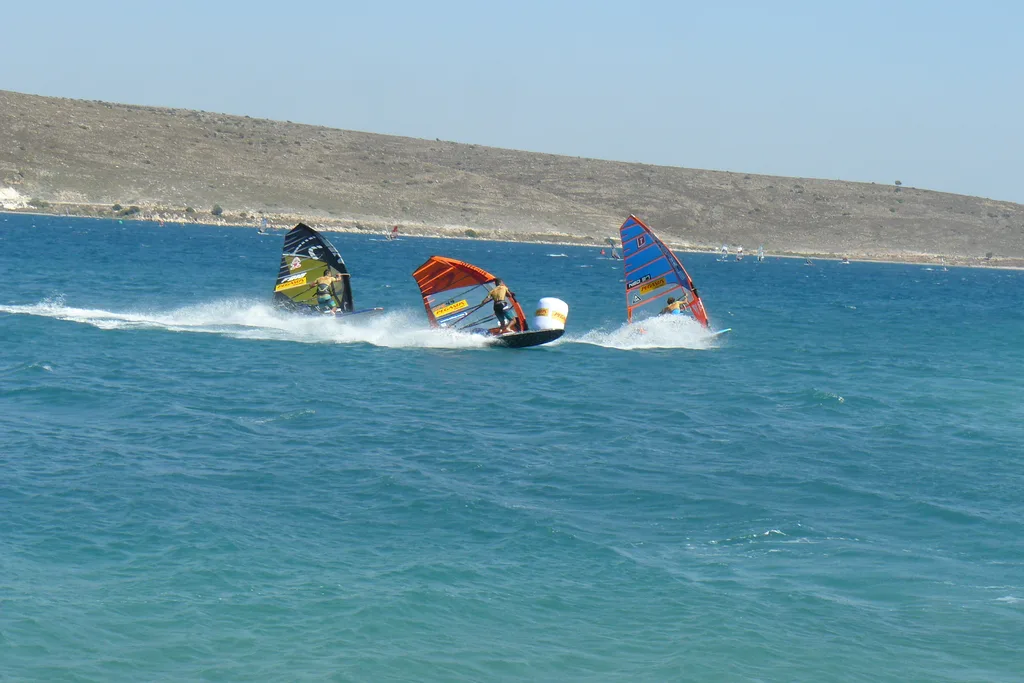
The Turkish beach season is long, but it is not uniform, and the differences between coasts matter more than the differences between months. The Mediterranean beaches on this list stay swimmable latest into the autumn, because the sea there holds its warmth, while the Aegean beaches cool earlier and feel bracing sooner, especially in the wind. Early summer on the Aegean side can be a shock to a traveller who arrives expecting Mediterranean water, and late summer on the Mediterranean side can be a shock of a different kind, because the heat on the sand is at its fiercest and the shade becomes the most valuable thing on the beach. The practical rule is simple. If warmth matters most, choose the Mediterranean and choose later in the season. If quiet matters most, choose the edges of the season on either coast, accept cooler water, and enjoy beaches that are half empty. September, in particular, is the month this guide would choose for a beach trip if only one month were allowed, because the sea is warm, the crowds have thinned and the light has softened, though September is also when the days start to shorten and the evenings cool, which suits walkers more than night swimmers. Anyone comparing the best beaches in turkey across seasons should compare them in September first, when the differences between coasts are at their clearest.
Wind deserves its own paragraph, because it is the single most misunderstood force on Turkish beaches. On the Aegean side, and especially on the Çeşme peninsula, the wind is a daily fact of summer, not an exception. It cools the air, it chops the water, it blows sand across the beach, and it makes windsurfing possible, all at the same time. A traveller who checks only the temperature forecast and ignores the wind forecast will misunderstand an Aegean beach day completely. On the Mediterranean side the wind is less dominant, but afternoon breezes still pick up on open beaches, and a beach like Patara, with no shelter and no buildings, feels the wind more than a town beach tucked below a castle hill. The safety point follows from the same reading. Swim where lifeguards and flags indicate swimming, respect red flags without arguing with them, and treat a beach with no facilities as a beach where you are responsible for your own judgement. A protected beach like İztuzu or Çıralı, with its nesting rules and its quiet nights, also asks for a different kind of responsibility, which is to leave the sand as a nesting ground after dark rather than as a playground.
Blue Flag deserves a careful paragraph, because it is the most misused word in beach writing. The Blue Flag is an international award for beaches that meet standards on water quality, environmental management, safety and education, and in Turkey the programme is coordinated by the Turkish Environmental Education Foundation, known as TÜRÇEV. That is a real and useful certification, but it certifies a beach for a given year, under criteria that say nothing about whether the beach is sandy or pebbly, quiet or crowded, warm or cold. This guide therefore makes no per-beach Blue Flag claim for any beach on this list, because a claim copied from a previous year’s list would be wrong the moment the new list appears, and because the national total itself is reported differently by different sources. GoTürkiye’s own beach page, checked for this guide on 1 November 2026, carries one national total, while announcements of the 2026 awards reported a higher one, and this guide prints neither figure as a settled fact. The honest advice is to check the current year’s TÜRÇEV list for the specific beach you plan to visit, and to treat the flag as one piece of evidence about water and management, not as a ranking of beauty. A flag cannot tell you whether a beach belongs among the best beaches in turkey for your trip, because it says nothing about sand, crowds or warmth. For a fuller official picture of the country’s beach offer, see GoTürkiye’s Beach and Fun guide, which sets out the Aegean, Mediterranean, Marmara and Black Sea coasts in the official tourism platform’s own framing.
Putting the Beaches Into a Route – Kaş, the Datça Peninsula and the Aegean
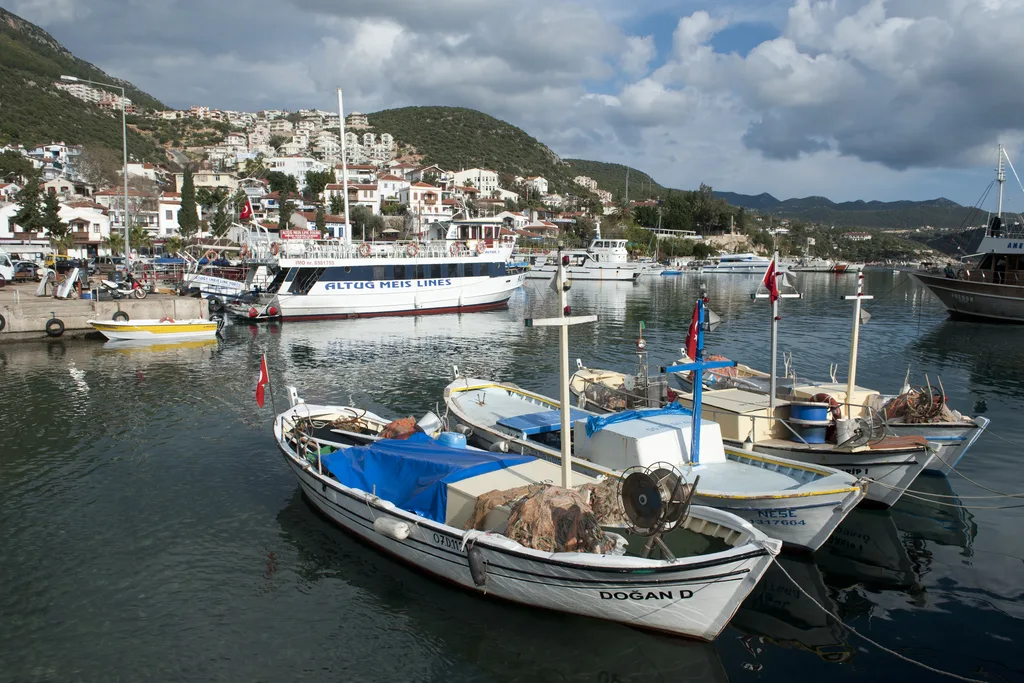
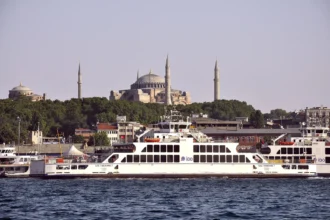
Beaches work better as part of a route than as isolated dots, and the best beaches in turkey reward a traveller who bases themselves well and moves slowly. The strongest single base on this list is Kaş, the small town on the Mediterranean coast that sits within reach of both Patara and Kaputaş. From Kaş, a traveller can spend one day walking Patara’s long sand and visiting its ancient city, another morning at Kaputaş before the crowds arrive, and the evenings in a harbour town that has restaurants, boat trips and a castle hill of its own. The harbour photograph above is Kaş itself, and it shows why the town works as a base. It is a working harbour, not a resort strip, with boats that go out in the morning and come back in the evening, and a town that exists for itself as well as for visitors. A week based in Kaş, with a car, covers the two wildest beaches on this list and leaves room for boat days to coves that no road reaches, which is how the coast between Kaş and Kalkan is best understood, from the water as well as from the sand.
The second route is the Datça peninsula, and it works on a different rhythm. Where Kaş is a base for day trips, Datça is a journey, with the peninsula itself as the attraction and Palamutbükü as the beach at the end of it. A traveller drives the peninsula slowly, stopping at bays, sleeping in Datça town, and reaching Palamutbükü as the destination rather than as a stop. That route pairs badly with rushing and well with a second week, and it is the route this guide would suggest for a traveller who has already done the Mediterranean resort coast and wants to see what the Aegean shore feels like when it is quiet. The third route is the Çeşme peninsula, where Ilıca and Alaçatı sit close together and a beach day can be paired with a village walk, a castle visit in Çeşme town and a harbour dinner, all without long drives. And for a traveller who wants to pair the coast with the interior, the contrast that teaches the most is between a week on these beaches and a few days inland in Cappadocia, where the landscape is rock rather than water and the walking is through valleys rather than along sand. Our Cappadocia travel guide covers that interior in full, and the pairing works because the two landscapes have nothing in common except the country that holds them.
One last routing warning, because it saves more trips than any recommendation. Do not try to cover both the Mediterranean beaches and the Aegean beaches in a single short trip by driving between them every day. The coasts are far apart in travelling time, even when they look close on a map, and a trip that hops from Alanya to Çeşme and back will spend its days on the road rather than on the sand. Choose one coast for a short trip, and let the other coast be the reason to come back. The best beaches in turkey are not going anywhere, and the second trip, taken slowly on the coast you missed, will be better than a first trip that tried to see both and enjoyed neither.
Best Beaches in Turkey – Questions Travellers Actually Ask
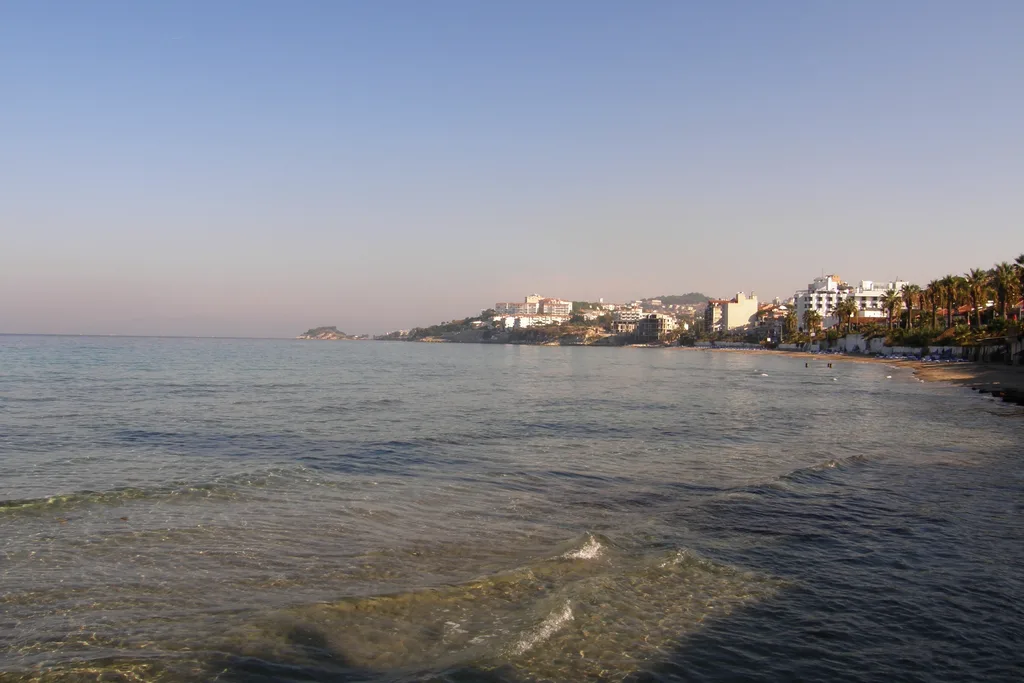
Which beach should I choose if I only have time for one?
For a single beach day that shows what the Turkish coast can be at its best, choose Patara if you have transport and like walking, and Cleopatra Beach in Alanya if you want ease and a town. That question is really asking which of the best beaches in turkey fits a single day, and the answer depends on whether you want wildness or ease. Patara gives the wildest, emptiest day on this list, with an ancient city attached. Cleopatra Beach gives the easiest day, with long sand, a castle view and everything within reach. The choice between them is really a choice about what kind of traveller you are, and this guide has tried to make that choice explicit at every beach rather than leaving it to luck.
Are Turkey’s beaches sand or pebble?
Both, and the split surprises first-time visitors more than anything else on this list. Sand at Patara, Cleopatra Beach in Alanya, Ilıca in Çeşme and the long shore at Side. Pebble at Çıralı and Palamutbükü, and a mix at Kaputaş, where the cove’s sand is narrow and the water deepens fast. If you are staying on a pebble beach, pack footwear you can wade in, because the difference between a good pebble day and a miserable one is almost entirely about what is on your feet. If sand matters above all else, the sandy entries in this guide are the shortlist, and the pebble entries should be skipped without regret.
Can I swim everywhere on this list?
You can swim at every main beach on this list, but swimming does not mean the same thing at each one. At Ilıca and Cleopatra Beach the swimming is gentle and shallow. At Kaputaş and on the open-sea side of İztuzu it is a proper open-water swim. At Çıralı and Palamutbükü it is clear and calm but over pebble, which changes the entry. At Amasra it is a town swim in cooler, rougher water. The honest rule is to match the beach to your swimming, not to assume that a beach with a famous name is a beach for every swimmer, and to respect flags and lifeguard advice wherever they are posted.
When is the best time to go to the beach in Turkey?
Late spring through early autumn is the beach season, with the Mediterranean staying swimmable latest and the Aegean cooling earlier. The best beaches in turkey share a season but not a calendar, and the coast you choose matters as much as the month. September is this guide’s pick for a single month, because the sea is warm, the crowds have thinned and the light is softer, though the days shorten and the evenings cool. High summer brings the warmest water and the biggest crowds together, and a traveller who comes in high summer should plan around the heat, seeking shade at midday and swimming in the morning and late afternoon. Winter beach days exist on the Mediterranean coast, but they are walking days rather than swimming days, and this guide does not pretend otherwise.
Do I need a car for these beaches?
For the full list, yes, in practice. Patara, Palamutbükü and the Datça peninsula need a car or a dedicated trip, and even Kaputaş is far easier with one. Cleopatra Beach in Alanya and Ilıca in Çeşme work without a car, because they are town beaches with transport at hand, and Kaş works as a base with local boats and short drives. A traveller without a car should therefore build the trip around a town beach and a town base, rather than trying to reach the wild beaches by public transport and timetable, which turns a beach day into a test of patience.
Are the turtle beaches really closed at night?
At İztuzu and Patara, yes, and the closures are part of what makes the beaches worth visiting. During the nesting season the beaches close between the evening and the morning, so that loggerhead turtles can come ashore, nest and return to the sea without lights and disturbance. GoTürkiye states the evening-to-morning closure for İztuzu explicitly, and Patara operates under the same protected logic as a nesting beach. A visitor who plans around the closure, swimming by day and leaving the sand to the turtles at night, is not missing anything. They are taking part in the arrangement that keeps these beaches wild, and that is a better souvenir than a night photograph.
A Short List to Carry to the Shore
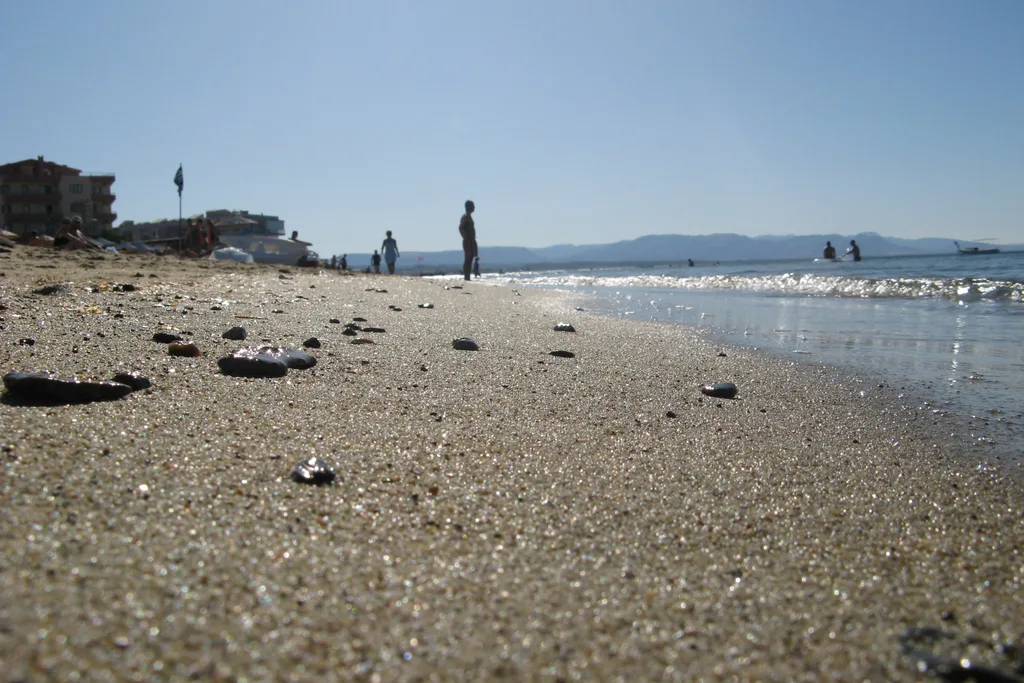
If this guide had to fit on an index card, it would say this. The best beaches in turkey are not one beach but a set of choices, and the choice that matters is the kind of day you want. For space and wild sand, Patara. For a cove photograph and a morning swim, Kaputaş, early. For turtles, a lagoon and a protected shore, İztuzu. For a city beach that works, Cleopatra Beach in Alanya. For pebbles, pines and ruins, Çıralı. For shallow Aegean water and wind, Ilıca in Çeşme. For quiet at the end of a long peninsula, Palamutbükü in Datça. And for the Black Sea, Amasra as a town day, not a swim holiday, because honesty about the north is worth more than a padded list.
Take the choosing section with you, not just the beach names. Families to Ilıca and Cleopatra Beach. Confident swimmers to Kaputaş in the morning and Palamutbükü. Walkers to Patara. Wind chasers to Alaçatı. And everyone, whatever beach they choose, to the habit of reading the sea before swimming in it, respecting the flags, and leaving a nesting beach to its turtles at night.
Keep this guide’s test in mind whenever a new list of the best beaches in turkey tempts you with a photograph. Ask what the sand is like underfoot, how fast the water deepens, who the beach is actually for, and what will annoy you by midday. A beach that passes those four questions will not disappoint you, whatever its ranking elsewhere, because the best beaches in turkey are the ones that fit the day you actually want. Turkey’s coast is long enough to give every kind of traveller their beach, and short enough that choosing badly wastes a day that choosing well would have made memorable. Choose by the day you want, not by the photograph you saw, and the coast will do the rest.