Most travellers meet Shkoder in passing, and that is the first mistake this shkoder travel guide wants to correct. They arrive from Tirana with a ferry ticket or a mountain transfer in their pocket, sleep one night, and leave before the city has had a chance to say anything beyond “gateway”. Shkoder is a gateway, and a good one, but a city that has been standing at the foot of a castle hill since Illyrian times, beside the largest lake in the Balkans, with its own photographic archive, its own carnival, its own cycling habit and its own unhurried way of spending an evening, is not a waiting room. Give it two days and it repays the attention in a way the Alps, for all their grandeur, cannot, because the Alps give you a landscape and Shkoder gives you a place where people live inside that landscape’s doorway.
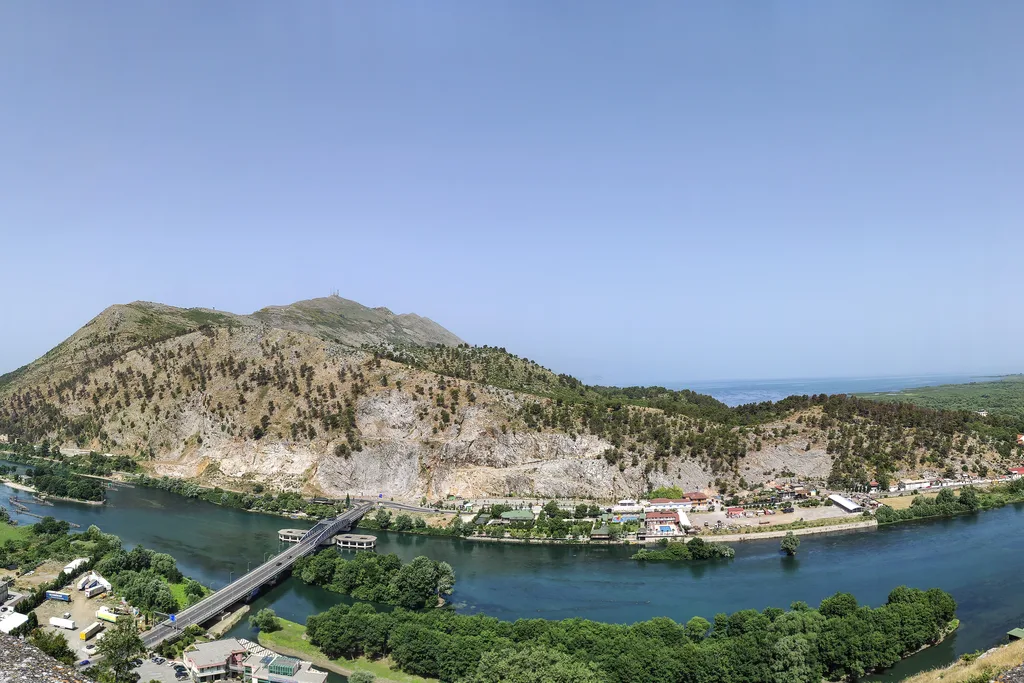
The shape of the city explains itself the moment you climb Rozafa Castle, and everything in this guide follows from that view. To one side lies the lake, broad and shallow at its southern edge, reed-fringed and silver in the morning. Below the hill, rivers braid across a flat green plain: the Buna running out of the lake toward the sea, the Drin and the Kir joining the picture from the mountains. Between them sits a low, spread-out, notably flat city of shuttered townhouses, mosque minarets and church towers, bicycles everywhere, and a pedestrian centre that fills every evening with the slow, sociable walk Albanians call the xhiro. Shkoder is not dramatic in the way Berat or Gjirokaster are dramatic. It does not stack itself up a hillside for the photograph. Its drama is horizontal — water, plain, mountain wall — and it takes a day of walking at ground level before you feel how deliberately the city sits where it sits: guarding the meeting of lake, rivers and mountain roads, which is why every army, trader and traveller in the north has passed through it.
That position is also the practical reason to plan Shkoder properly rather than treat it as an overnight. Nothing in northern Albania happens without passing through this city. The road to Theth leaves from here. The transfers to the Koman ferry leave from here. The lake villages, the Mesi Bridge, the mountain passes and the Montenegrin border all radiate from here. A traveller who sleeps in Shkoder the night before the mountains, and again the night after them, gets two different cities for the price of one: the first night a city of preparation and early starts, the second a city of return, showers, proper food and stories swapped with other walkers. This shkoder travel guide is organised to serve both nights and the days between them. It starts with the castle and the lake, because those are the two sights that explain the city, then walks the centre street by street, then spends real time on the photography museum that is Shkoder’s most distinctive cultural claim, then goes out to the lake villages and the old bridge, and only at the end turns to the mountains — because the mountains deserve a guide that knows what it is sending you from, and what you will be glad to come back to.
Why This Shkoder Travel Guide Starts in the North
Shkoder is routinely described as the cultural capital of the north, and the phrase earns its keep once you spend an evening here rather than merely reading it. Tirana is the country’s engine, loud and vertical and always rebuilding itself. The southern stone towns are museums you can sleep in. Shkoder is something rarer in Albania: a working regional city that also happens to be old, cultured and beautiful without making a performance of any of the three. Its university, its theatres, its carnival tradition and its photography heritage all belong to a city that has been producing culture for its own sake for a very long time, not for the visitor market. That is why the atmosphere here feels different from a resort town. People are not performing northern hospitality for you; they are getting on with their lives, and you are welcome to join the rhythm for a day or two.
The practical case for starting in the north, or at least for giving the north its own chapter, is just as strong. Albania’s classic first trip is a southern loop, and it works beautifully, but it leaves the country’s most dramatic landscape — the Accursed Mountains — as an afterthought bolted onto the end. This shkoder travel guide argues the opposite order for anyone with the days to spare. Begin, or at least pause properly, in Shkoder, and the trip gains a spine. The city teaches you the north’s history in a single castle climb, its geography in a single lake view, and its character in a single evening walk. After that, Theth and Valbona are not abstract mountain names on a transfer voucher; they are the valleys beyond the wall of peaks you have already been looking at from the castle ramparts. Travellers who do the mountains first and the city second often say the same thing on return: they wish they had understood, before they left, what they were leaving from.
There is a third reason, quieter but worth stating. Shkoder is the easiest Albanian city to be in. It is flat, which matters more than guidebooks admit: after days of hill towns, a city you can cross on foot or by bicycle without climbing anything is a physical relief. It is compact, so the castle, the museums, the pedestrian street and the lake road all sit within a short radius of wherever you sleep. And it is inexpensive in the way a regional city is inexpensive, not in the way a tourist town claims to be — the cafes, bakeries and restaurants here serve residents first, which keeps both the prices and the quality honest. None of that makes Shkoder a destination in the trophy sense. It makes it the kind of place good trips are built around: a base that is also a pleasure, a city you return to at the end of the day rather than merely depart from at the start of it. Our Albania travel guide sets Shkoder inside the whole country’s route logic; this page stays with the city itself, and with the mountains only as far as a city guide honestly should go.
Rozafa Castle – the Hill That Explains the City
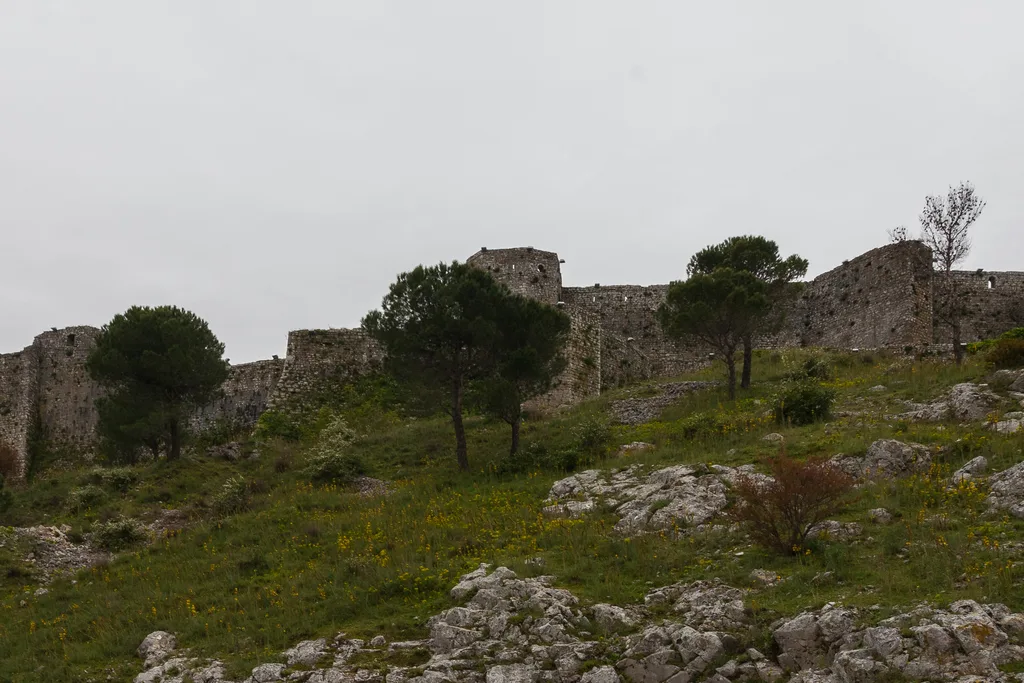
Every shkoder travel guide must start at Rozafa, and not only because it is the city’s famous sight. The castle is the reason the city is where it is, and the climb up its hill is the fastest history lesson in northern Albania. The fortress crowns a rocky height at the meeting of the waters, south-west of the modern centre, and from its walls you read the whole region at a glance: the lake stretching north, the Buna bending away toward the Adriatic, the Drin and Kir braiding the plain, the city spread below, and the grey wall of the Albanian Alps closing the horizon to the north-east. Stand there at the end of your first day and the map you have been carrying in your head rearranges itself. Rivers, lake, plain and mountain road stop being names and become directions you can point to.
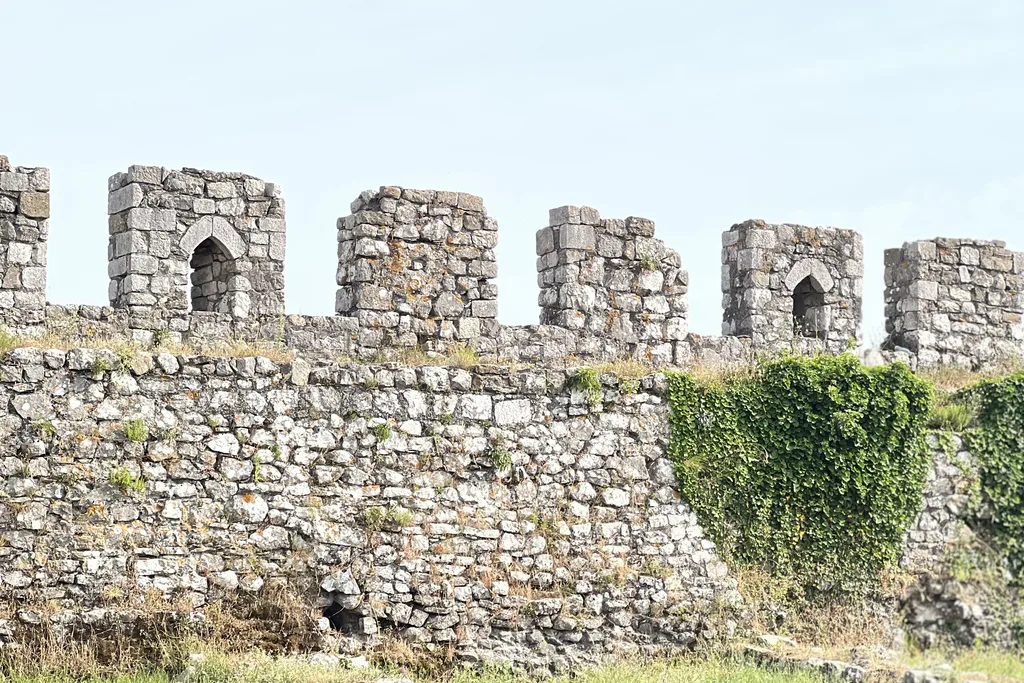
The history under your feet is correspondingly long. This was Scodra, the capital of the last Illyrian kingdom, and the Roman historian Livy already treats it as a fallen capital when he describes King Gentius surrendering here to Rome in 168 BC — the moment Encyclopaedia Britannica’s article on Shkodër picks out as the town’s ancient claim to fame. After Rome came Byzantium, then the medieval centuries in which the fortress changed hands between regional powers, then the long Venetian chapter that gave the castle much of its present defensive character, and then the great siege of 1478 to 1479, when an Ottoman army finally took a fortress the Venetians had held against extraordinary odds. The Ottomans kept it as a garrison for more than four centuries after that. What you walk through today is therefore not one castle but a stack of them: Illyrian wall footings, medieval towers, Venetian gateworks and Ottoman additions, all patched and rebuilt across two thousand years, with grass growing between the stones in the courtyards.
The legend belongs to the castle as much as the masonry does, and no visit is complete without hearing it properly. The story tells that three brothers building the fortress found their work collapsing each night, and were told the walls would only stand if one of their wives was walled into the foundations. The youngest brother’s wife, Rozafa, accepted, asking only that one breast be left free to nurse her infant son and one eye left open to watch him. Whether you hear the tale as folklore, as a story about sacrifice, or as a piece of Balkan mythology shared in several forms across the region, it changes the way you look at the walls. The castle museum, housed in the old Venetian governor’s residence, tells the legend alongside the archaeology, and it is worth going inside before you walk the ramparts, because the objects — pottery, inscriptions, models of the fortress through its phases — give the stones outside a chronology. Afterwards, walk the full circuit of the walls if you can. The views change at every turn, the crowds thin at the far side, and the late light turns the plain gold in a way that explains why every guide, including this one, tells you to come in the afternoon.
A word of practical honesty belongs here too, and it is the kind of note a shkoder travel guide owes its readers. Rozafa is a ruin you walk through, not a furnished castle you tour, and visitors who arrive expecting intact halls and costumed guides will be disappointed by the wrong expectation. What it offers instead is better: open courtyards, a roofless church-mosque whose arches frame the sky, cisterns and wall walks, and views that do the work no interior could. Wear shoes you can climb in, because the approach and the interior paths are steep and uneven in places. Carry water in summer, when the hilltop offers little shade and the stone throws the heat back at you. And do not rush the descent: the Lead Mosque below the hill, with its domed silhouette, and the old town’s lanes reward the walker who comes down slowly, while the light is still good and the city below is beginning its evening shift.
Lake Shkoder – Water, Reeds and the Montenegrin Shore
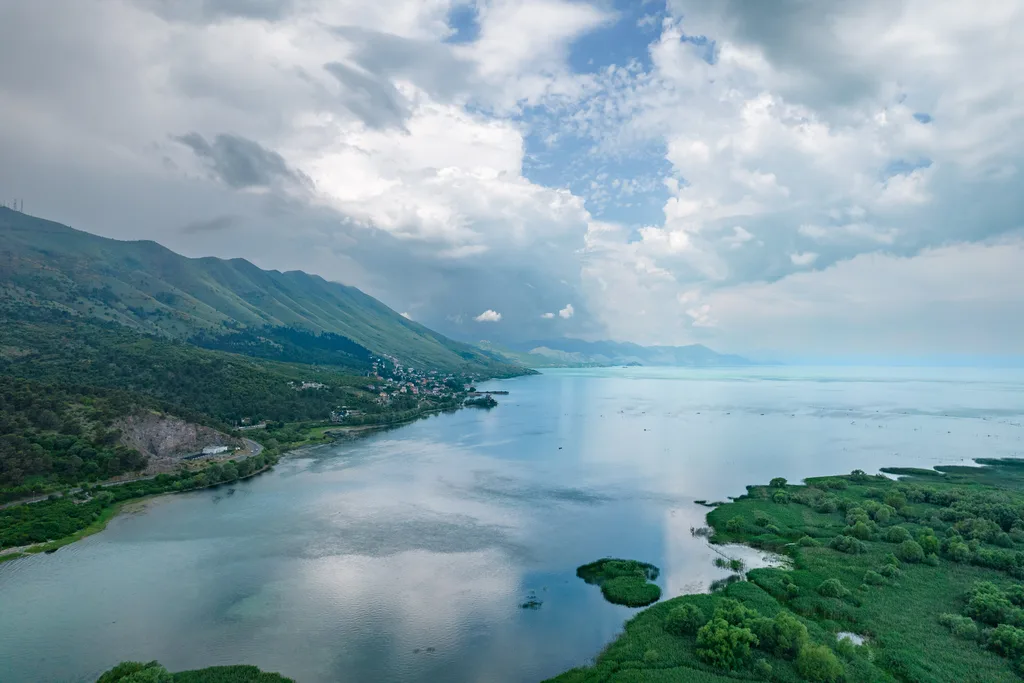
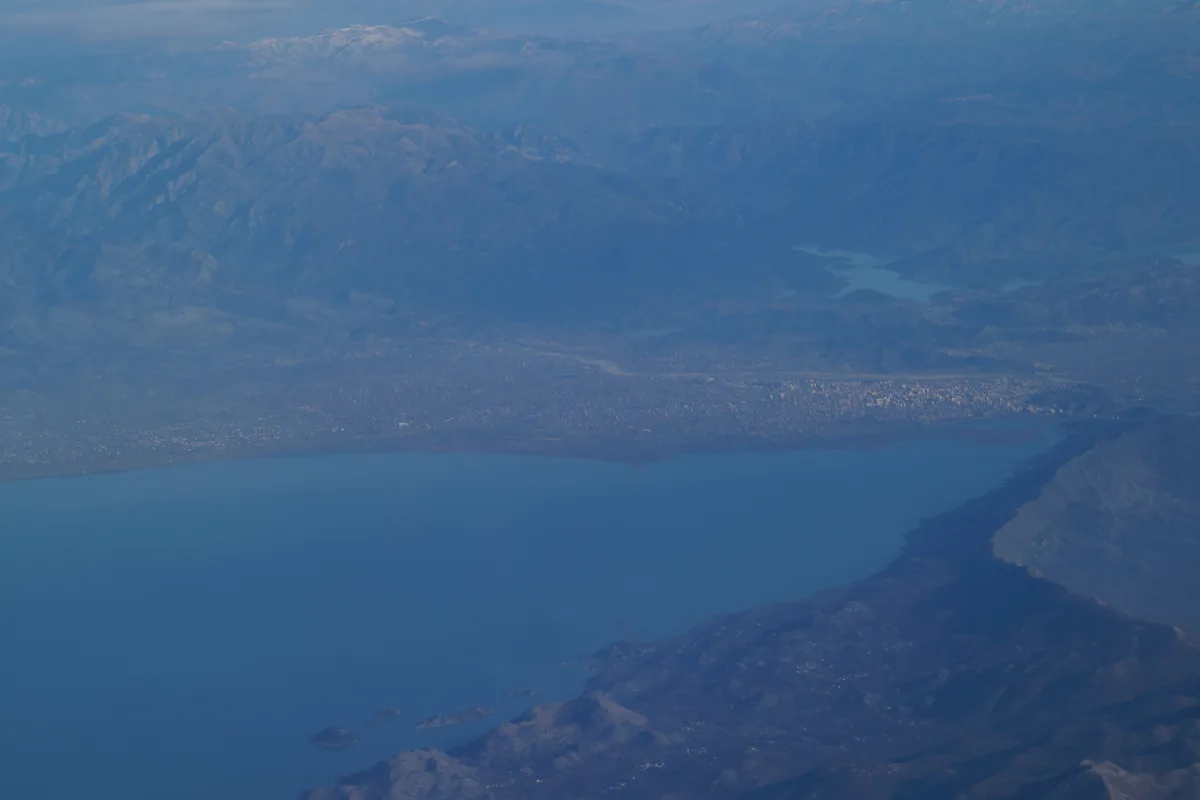
If Rozafa is the city’s history, Lake Shkoder is its weather, its food and its horizon all at once. The lake is the largest in the Balkans, shared between Albania and Montenegro, and its southern shore belongs to Shkoder in the way a front garden belongs to a house: it is where the city goes to breathe. The water here is shallow near the shore, fringed with reeds, busy with herons and cormorants, and dotted with small fishing boats that have worked these waters for generations. In the morning the lake is silver and still; by afternoon a breeze wrinkles it; at sunset the whole western sky drops into it. Travellers who only see the lake from the castle miss its best quality, which is its scale at water level. From the shore road the lake stops being a view and becomes a presence — wide, flat, slightly wild, and very different from the manicured lakes of the south.
The lake rewards slow approaches, and any shkoder travel guide that hurries this section is doing its readers a disservice. The classic outing is the ride or drive out along the shore to Shiroke and Zogaj, the fishing villages at the lake’s south-western edge, where restaurants serve the lake’s fish and the afternoon moves at the pace of the water. But the lake also rewards doing very little: a morning swim in summer from one of the shore spots, a walk among the reeds watching the birdlife, a long sit with coffee while the fishing boats come and go. This is not a lake of marinas and water-sports centres, and visitors looking for that kind of infrastructure will find the shore refreshingly undeveloped — which is also a warning. Facilities are thin outside the villages, shade is scarce on the open shore, and the lake’s level and shoreline shift with the seasons, so a beach that was broad in August can be a different shape in spring. Treat the lake as a natural place rather than a resort, and it behaves generously.
Ecology is part of the story here, and a good shkoder travel guide should say so plainly rather than reducing the lake to a sunset backdrop. The lake and its wetlands form one of the most important bird areas in the region, a stopover and breeding ground on the Adriatic flyway, and the reedbeds, lagoons and flooded meadows around its southern shore are a working landscape as much as a wild one: fishermen, farmers and reed-cutters all make a living from the same water the birds depend on. That shared use is the lake’s character. It is not a wilderness set aside from people, and it is not a tame urban park. It is a big, shallow, living lake at the edge of a city, and the best way to understand it is to spend an unhurried half-day on its shore, watching how many different lives — birds, boats, villages, swimmers — it holds at once. The detailed lake villages, the shore road and the swimming spots get their own treatment in our planned lake guide; here, the point is simpler: do not leave Shkoder without standing at the water’s edge, because the castle tells you where the city sits and the lake tells you why anyone would want to sit there.
The Historic Centre and the Pedestrian Street
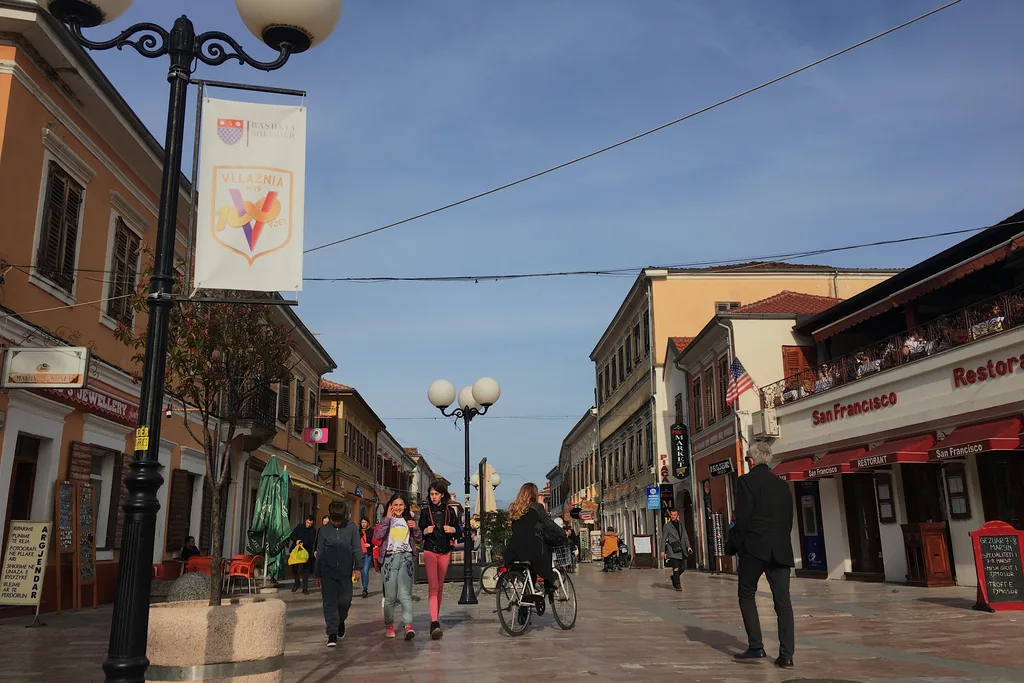
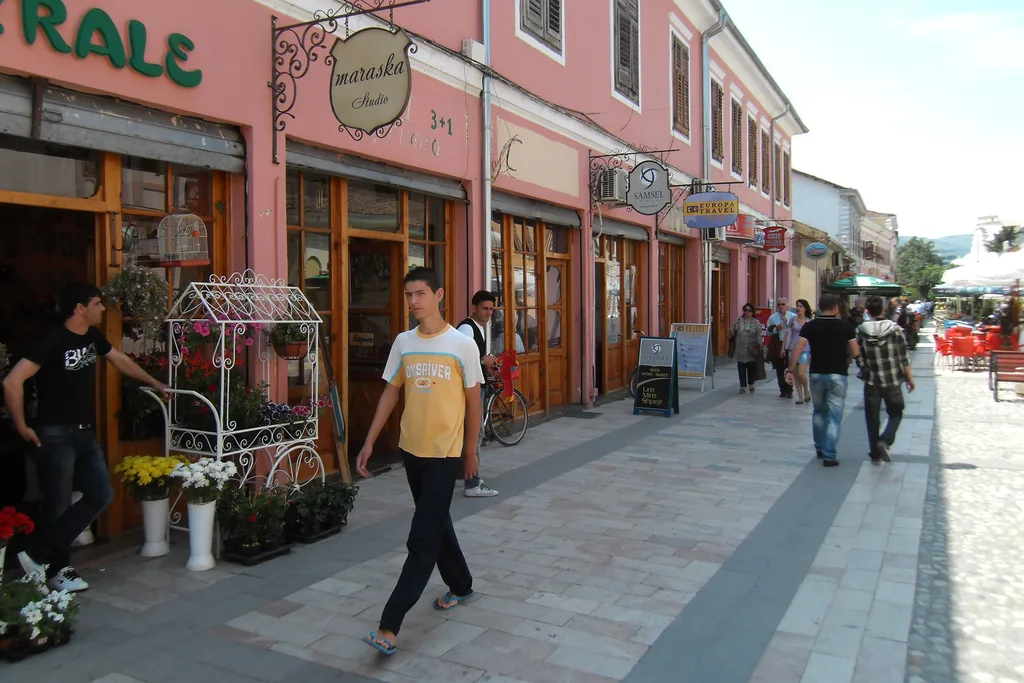
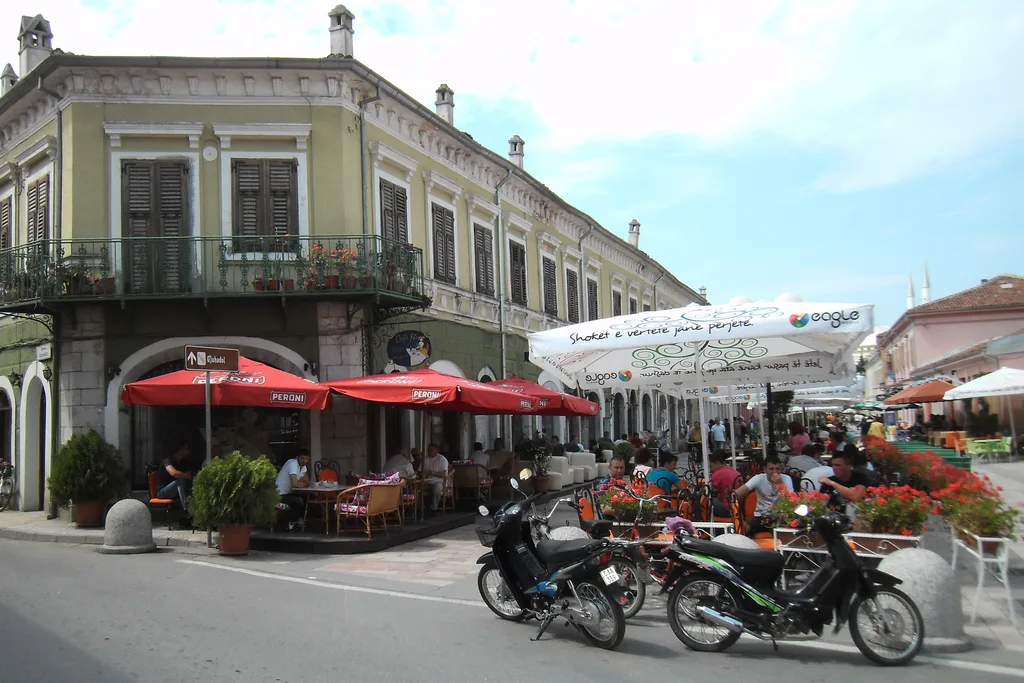
Down from the castle, the city changes register completely. The historic centre of Shkoder is low, leafy and made for walking, and its heart is Rruga Kolë Idromeno, the pedestrian street named after the city’s great painter and photographer, which locals simply call the Pedonalja. Restored townhouses in faded ochre, rose and cream line the street, their shutters and balconies carrying the Italianate influence of Shkoder’s trading past. Cafes spill onto the pavements, bookshops and small galleries tuck between them, and the whole street functions as the city’s public living room. In the morning it is for coffee and errands; in the afternoon for shopping and meeting; in the evening for the xhiro, when families, couples and groups of friends stroll up and down in the warm air, stopping to talk, to eat ice cream, to be seen and to see. A visitor who walks the Pedonalja once at noon and once at dusk has seen two different streets, and the dusk one is the real one.
Around the pedestrian street, the old centre rewards the wandering this shkoder travel guide keeps recommending over any fixed route. The quarter known as Gjuhadol, with its quieter lanes and old stone houses, sits close by and gives a sense of the residential city behind the cafe frontage. The main squares and boulevards carry the grander civic architecture — the theatre, the university buildings, the monuments to the city’s writers and patriots — while the side streets hold mosques, churches, workshops and bakeries in the jumble that makes a lived-in old town. Shkoder’s centre was not rebuilt as a tourist set, and that is its charm and its occasional untidiness at once: a beautifully restored facade can stand next to a building still waiting its turn, a smart cafe next to a cobbler’s workshop that has not changed its sign in decades. Walk slowly, look up at the upper storeys where the architectural detail lives, and let the centre reveal itself lane by lane rather than ticking off sights.
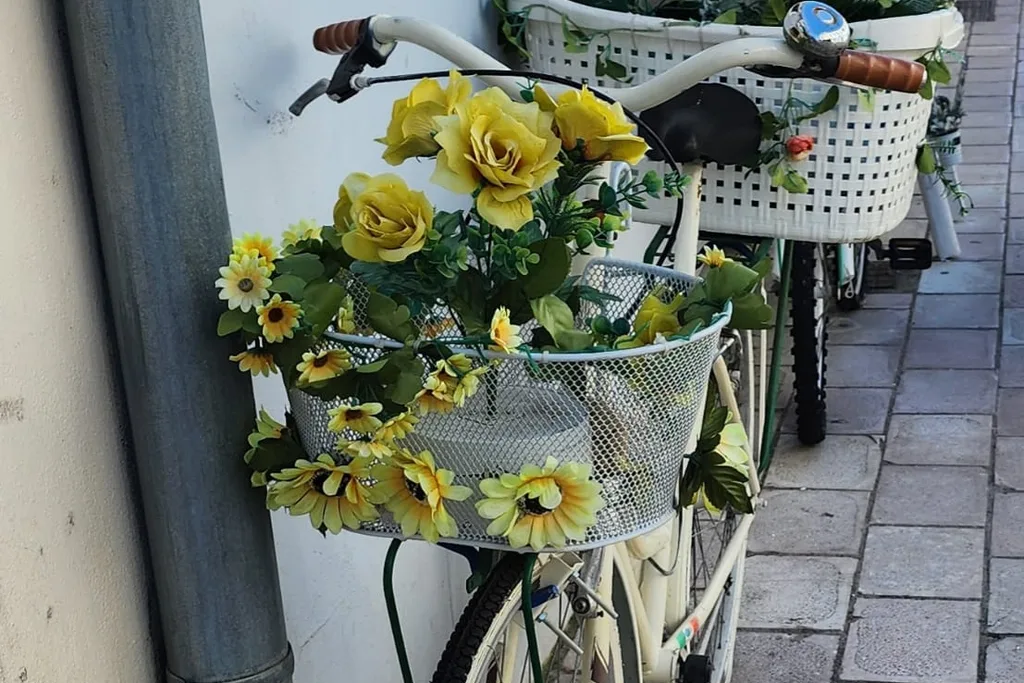
The other thing every visitor notices about the centre is the bicycles. Shkoder is Albania’s cycling city, and the claim is not marketing: the flat ground, the compact centre and a long local habit make the bicycle the natural way to move here. Guesthouses commonly lend or arrange bikes, and cycling is the best way to join the city up — centre to castle road, centre to lake shore, centre to the Mesi Bridge road — without a car. It is also, frankly, the most enjoyable way to spend a Shkoder morning. The traffic in the centre is manageable by Albanian standards, but it is still real traffic, so ride with the same attention you would give any city street, keep to the quieter lanes where you can, and remember that the xhiro crowd on foot has right of way in the evening in every sense that matters. A bicycle does not just move you through Shkoder; it puts you at the city’s own speed, which is the speed at which Shkoder is best understood.
Marubi and a City That Learned to See Itself
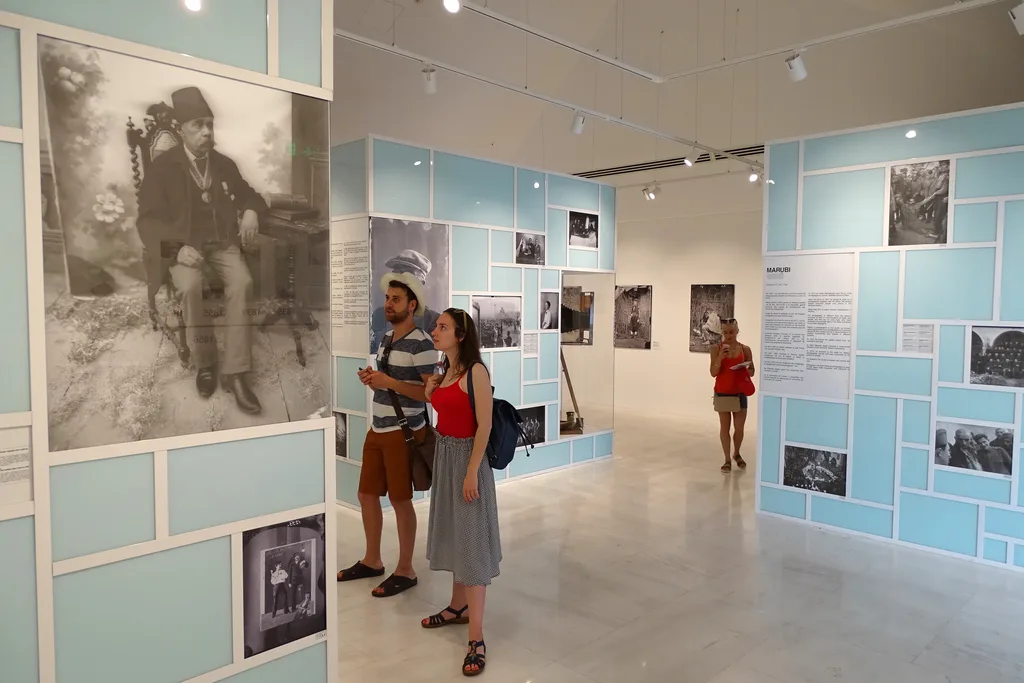
No shkoder travel guide can skip the Marubi, and this one puts it at the centre of the city’s story rather than in a list of museums, because no other Albanian city has anything quite like it. The National Museum of Photography “Marubi” stands on the pedestrian street itself, in the stone building designed by Kolë Idromeno, and it holds the archive of the studio that taught Albania to see itself. Pietro Marubi, an Italian photographer who settled in Shkoder, opened his studio here in 1856, and three generations of the Marubi family — Pietro, Kel and Gegë — went on photographing the country for well over a century: highlanders in traditional dress, city merchants and schoolchildren, weddings and funerals, soldiers and shepherds, the Ottoman twilight, independence, war and the communist decades, all preserved on glass plates and film with a directness that no written history can match.
The museum itself is a modern, well-designed space, and it is the single stop this shkoder travel guide would save if everything else had to go. The permanent displays set the Marubi portraits against the equipment that made them — the big studio cameras, the glass negatives, the darkroom craft — and the temporary exhibitions draw on the archive to tell sharper stories: a decade, a region, a social ritual, a political era. What strikes most visitors is not the famous faces but the ordinary ones. The Marubi photographers photographed their neighbours as seriously as they photographed notables, and the result is a portrait of a society rather than a gallery of heroes. Women in the highland costume of the north, children in school uniforms, craftsmen with their tools, families posed stiffly and proudly in the studio: these are the photographs that stay with you after you leave, because they make the history of the castle and the lake personal. A city that has been photographed this carefully for this long feels different afterwards. You start noticing faces in the street the way the Marubi lens did.
In April 2025 the archive received the recognition its importance had long deserved, when UNESCO inscribed the archive of negatives, objects and documents of Pietro and Kel Marubi in its Memory of the World International Register. The inscription matters for a traveller in a practical way, not just a prestige one: it confirms that this is not a small local museum but a documentary heritage collection of world significance, and it means the museum’s exhibitions and digitisation work carry a weight that repays a proper visit rather than a quick look. One honest note on numbers belongs here, because sources describe the archive differently: the museum’s holdings are generally described as running to hundreds of thousands of negatives, while reporting on the 2025 inscription describes the inscribed Marubi material as more than 150,000 glass negatives. Both descriptions are in circulation, and this guide prints both rather than choosing a single figure, because the exact count matters less than the scale — a century and a half of a country’s visual memory, kept in one building on one street in Shkoder. Shkoder’s photography heritage gets its own dedicated treatment in our planned Marubi museum guide; for now, treat the Marubi as unmissable, allow it a full morning or afternoon, and go before the castle rather than after it if you want the city’s faces in your mind while you walk its walls.
Churches, Mosques and a Shared Skyline
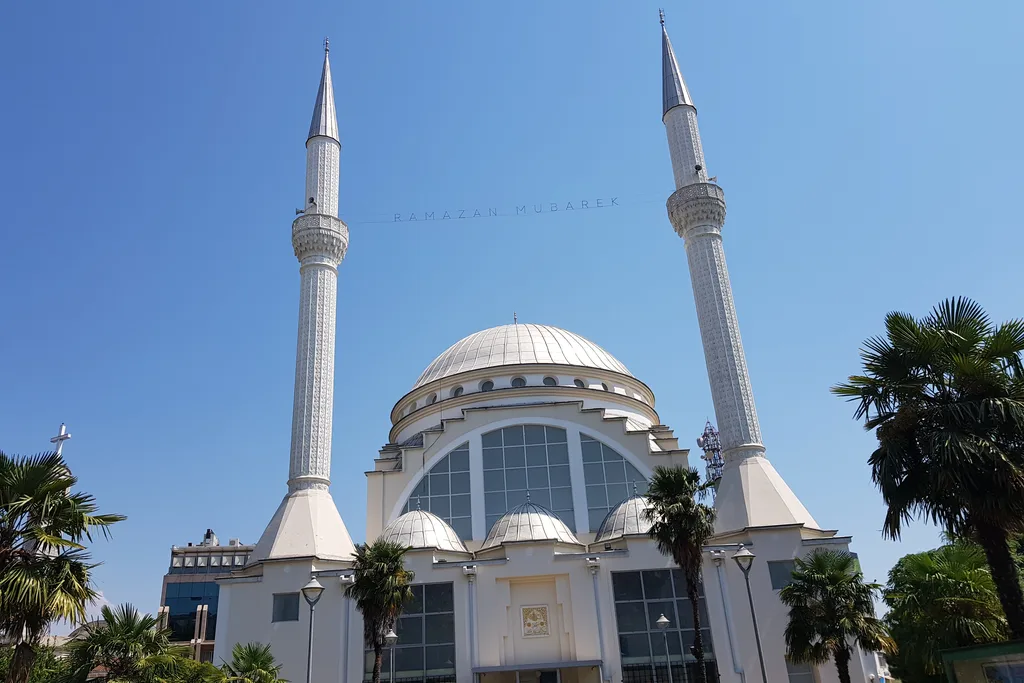
Shkoder’s skyline tells a story that a lot of Balkan cities have lost, and it is worth looking at deliberately. Within a short walk in the centre, on the route this shkoder travel guide follows, you pass the Ebu Bekr Mosque, the city’s great modern mosque with its twin minarets and broad dome, the Catholic cathedral dedicated to St Stephen, with its own long and interrupted history, and Orthodox churches whose congregations belong to the same streets. The point is not a checklist of denominations. It is that Shkoder has been a religiously mixed city for centuries — Catholic highlanders, Orthodox communities and Muslim townspeople living in the same quarters, trading in the same markets, photographing each other in the same Marubi studio — and the centre still shows that mixture in its buildings rather than in a museum label. The cathedral and the mosques are working places of worship before they are sights, and visitors are welcome in the way respectful visitors are welcome anywhere: quietly, outside service times where possible, dressed with the modesty the building asks for.
The Lead Mosque below Rozafa belongs to a different chapter of the same story. Built in the Ottoman period and named for its lead-covered domes, it stands where the castle hill meets the plain, a reminder that the fortress town below the walls was once a substantial Ottoman city in its own right. Its presence also corrects a common simplification. Visitors sometimes imagine Shkoder as a Catholic mountain city because the highlands behind it are Catholic, or as a Muslim lowland city because the mosques dominate the centre’s skyline. The truth, visible in a single walk, is both at once, plus the Orthodox strand, plus the secular civic culture of the theatre, the schools and the carnival. That mixture is not an accident of tolerance imposed from above; it is the product of a trading city at a crossroads, where lake, rivers and mountain roads brought different communities together and kept them together because the trade needed them all.
There is a darker chapter to the religious story, and Shkoder does not hide it. The Site of Witness and Memory, housed in a former communist-era interrogation building in the centre, documents the persecution of the city’s people — clergy and laypeople among them — under the dictatorship, and it is a sobering counterpart to the Marubi’s portraits of earlier decades. It is a small museum, and a hard one, and it is worth visiting precisely because it refuses to let the pleasant old town become the whole story. Shkoder’s churches and mosques survived the decades when religion itself was outlawed in Albania, some of them as warehouses or sports halls, and their return to use after the fall of the regime is part of what the skyline means today. Walk the centre with that in mind and the towers and domes stop being picturesque. They become evidence: of a city that kept its faiths, its languages and its arguments, and kept them in the same streets.
Shiroke, Zogaj and the Lake Road by Bicycle
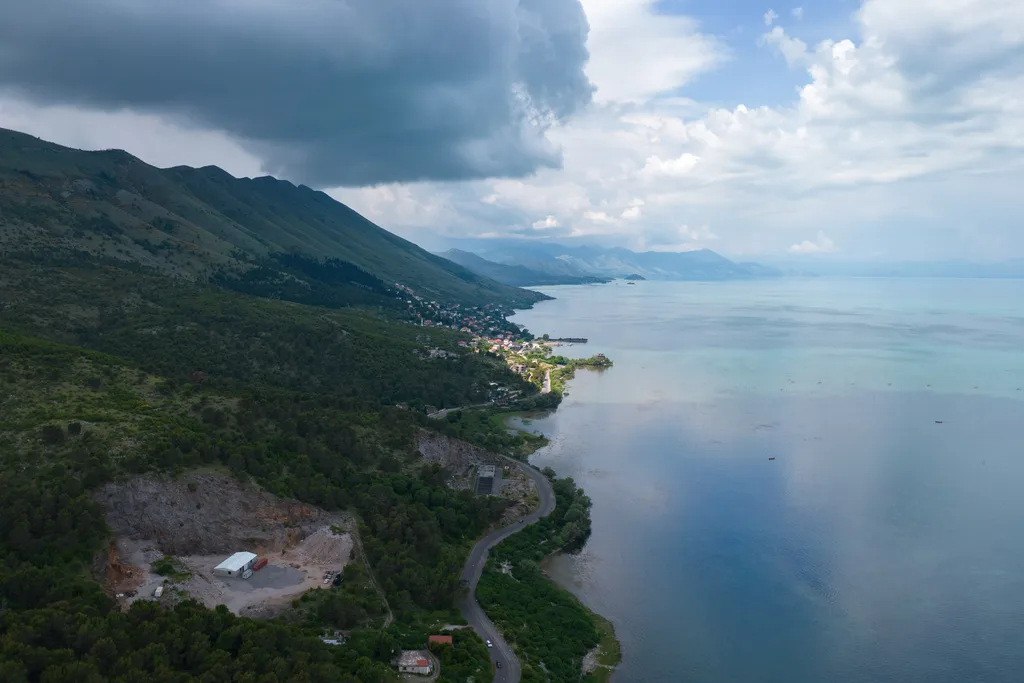
The best half-day out of Shkoder needs no booking, no guide and no car, and it is the ride to the lake villages — the outing this shkoder travel guide recommends first to anyone with a free morning. From the centre, the road runs south-west to the shore and then follows the water to Shiroke, the best-known of the lakeside settlements, with Zogaj a little further along the same shore. The ride is flat, the lake stays on your right, the mountains rise across the water in Montenegro, and the villages themselves are small, working places: fishing boats drawn up, nets drying, family restaurants with terraces over the water, and a pace that slows noticeably the moment you leave the city behind. This is the Shkoder that the castle view promises and the centre only hints at — the city loosening into its landscape, house by house, until the houses thin out and the reeds take over.
Shiroke is the natural turning point for a leisurely outing. Eat by the water, swim in summer if the season and the spot allow, walk the shore path a little further, and ride back in the late light when the lake is at its best. Zogaj, quieter and smaller, suits travellers who want the lake without the restaurant terraces — a village to pass through slowly rather than a destination to tick off. Beyond the villages, the shore road continues into wilder country toward the Buna delta and the Adriatic, but that longer ride belongs to a different kind of day, with a different level of preparation, and this guide does not pretend otherwise. The honest version of the lake-village outing is a half-day, not an expedition: out in the morning, lunch by the water, back in the afternoon with time for the pedestrian street in the evening. Done that way, it is one of the most satisfying days in northern Albania, and it costs almost nothing beyond the bicycle and the lunch.
Two cautions, which any honest shkoder travel guide should print, will save the day from its only common failures. The first is the sun. The lake shore offers long stretches without shade, and a summer ride without water, a hat and sunscreen turns from pleasure to endurance quickly. The second is the wind, which can pick up across the open water in the afternoon and make the return ride harder than the outward one. Neither is a reason to stay in the city; both are reasons to start early, carry more water than you think you need, and treat the villages as places to rest rather than places to rush through. The lake rewards the traveller who matches its pace. Ride out slowly, stop often, look across the water at the Montenegrin mountains, and remember that the lake you are riding beside is the same lake the castle looks over and the same lake the fishermen have worked for generations. Shkoder’s geography is one continuous story, and the bicycle ride to Shiroke is the chapter where you finally read it at ground level.
The Mesi Bridge and the Kir Valley
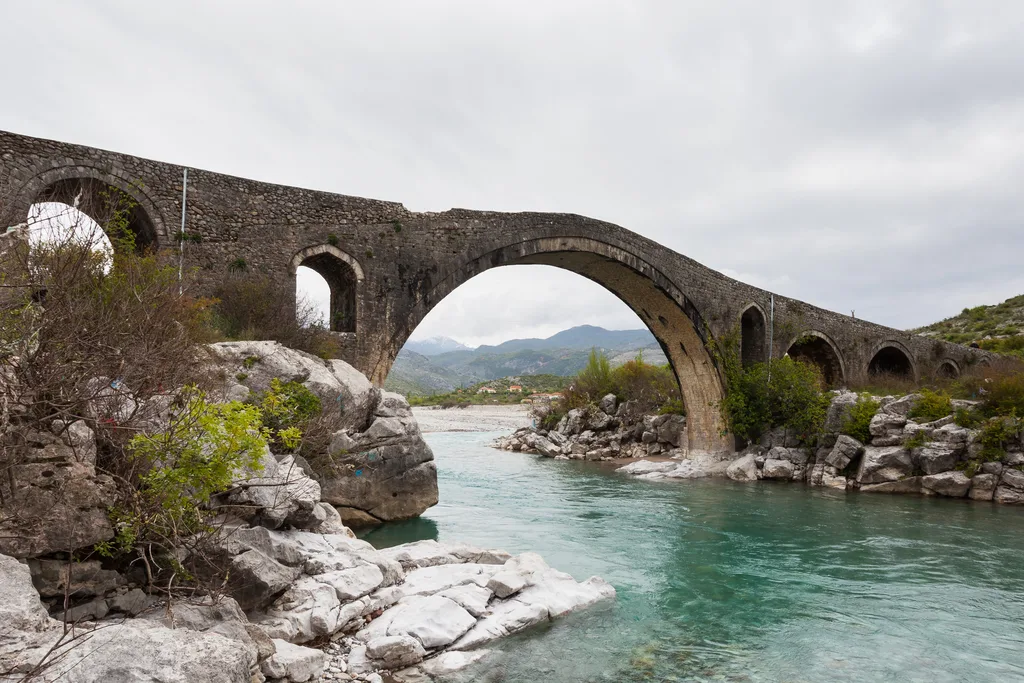
A short way north-east of the city, across the plain and into the mouth of the Kir valley, stands the finest single Ottoman structure in the Shkoder region, and it is worth the dedicated half-day this shkoder travel guide gives it even though most guides give it a single line. The Mesi Bridge — Ura e Mesit — is a stone bridge of thirteen arches crossing the Kir river, and its own information board, set beside the bridge, gives the facts with unusual precision: built in 1768 by Mehmed Pasha Bushati, some 108 metres long, with a great central arch spanning about 21.5 metres, and described on the board as the largest bridge remaining from the Ottoman period in Albania. You do not need the board to feel the scale. The bridge rises in a shallow hump over the river, its arches stepping down on either side of the great central span, and the Kir below runs turquoise over pale gravel in the dry months and fuller and greener after rain. It is a working bridge as well as a monument — walk across it, and you are walking a road that has carried the valley’s traffic for two and a half centuries.
The bridge also opens the Kir valley, and that second gift is why this shkoder travel guide pairs it with the lake villages rather than leaving it as a footnote. The valley runs up from the plain into the foothills, and even a short way along it the landscape changes character: the flat lake plain gives way to steeper, greener, more enclosed country, with villages, orchards and the river for company. Travellers heading for Theth sometimes pass the bridge’s turning without realising it, which is a pity, because the bridge and the valley mouth make a perfect first taste of the mountain country before the serious climbing begins. Come here on your Shkoder days rather than your mountain days, when you have time to stand on the bridge, walk the riverbank, and look up the valley without a transfer waiting. The bridge is also one of the best places in the region to understand Ottoman engineering without a museum: the stonework, the relieving arches, the way the structure meets the riverbanks — all of it is visible, touchable and, after two and a half centuries of floods, still doing its job.
The Mesi Bridge pairs naturally with a return through the city’s northern lanes and a late lunch back in the centre, and it combines well with the castle on a two-day plan: castle and lake villages on one day, bridge and Marubi on the other, with the pedestrian street for both evenings. What it does not need is a full day of its own, and this guide says so rather than inflating it. Some sights earn a day; the Mesi Bridge earns a morning, and earns it completely. Go early if you want the bridge to yourself and the light on the water, and go with the expectation of a quiet, beautiful, slightly out-of-the-way monument rather than a staffed attraction. There is no visitor centre, no ticket logic, and no performance. There is a bridge, a river, a valley opening behind it, and the satisfaction of having gone a little further than the standard Shkoder itinerary goes. In a city that rewards exactly that kind of curiosity, the bridge is a fitting test of whether you have understood the place.
Eating and Drinking in the Northern City
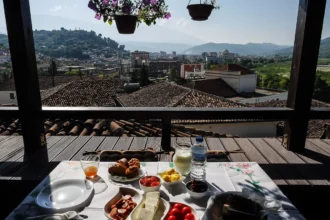
Shkoder eats like a northern city, and a shkoder travel guide that only listed sights would miss half the reason to come. The cooking here leans on the lake, the mountains and the farm plain together: lake fish grilled simply, mountain lamb and dairy, beans and greens cooked long and plainly, and the pastry and grill traditions that run through the whole country given a northern accent. The food guide for the country as a whole covers the national dishes in detail; what matters in Shkoder specifically is where and how you eat them. The best meals here are not in the smartest rooms but in the family restaurants of the centre and the lake villages, where the menu is short, the fish is the day’s catch, and the waiter will tell you what is good today if you ask. Order that way — ask what is fresh, what the kitchen is proud of, what the locals at the next table are eating — and you will eat better than any list of restaurant names could promise.
Coffee is the other half of what this shkoder travel guide means by the northern table, and in this city it is closer to a civic institution than a habit. The day is organised around coffee in a way visitors from faster cities find startling at first and then addictive: a morning coffee that lasts an hour, a midday coffee that is really a meeting, an evening coffee that is really the xhiro with a cup in hand. The cafes of the pedestrian street and the centre are the places where Shkoder thinks aloud, argues, flirts, does business and watches the world, and a traveller who sits in them properly — unhurried, observant, willing to be a regular for two days — learns more about the city than any walking tour teaches. The same applies to the sweet shops and bakeries, whose cakes and pastries belong to the city’s Austro-Italian trading past as much as to its Ottoman one. Shkoder’s table is a history lesson you can eat, and the lesson is that this has always been a city where different traditions met and stayed for lunch.
A few honest notes will keep the eating as good as it should be. The lake villages serve fish, and fish quality follows the season and the day’s catch; a restaurant that is superb on a summer evening can be ordinary out of season, and the reverse is true of the mountain restaurants, which come into their own in the cooler months. The centre’s cafes vary enormously in the same street, from excellent to indifferent, and the difference is rarely the price or the decor — it is whether the place is full of locals or full of nobody. Follow the locals, not the photographs. And do not treat Shkoder’s food as a warm-up for the mountains: the guesthouse cooking in Theth and Valbona is wonderful, but it is home cooking in a mountain valley, while Shkoder offers the full range of a city — bakery breakfasts, market lunches, lake fish dinners, late coffee — in a single day. Eat the city properly before you leave it, because the mountains, for all their beauty, will not feed you this widely again until you come back down.
Shkoder as Gateway to the Albanian Alps
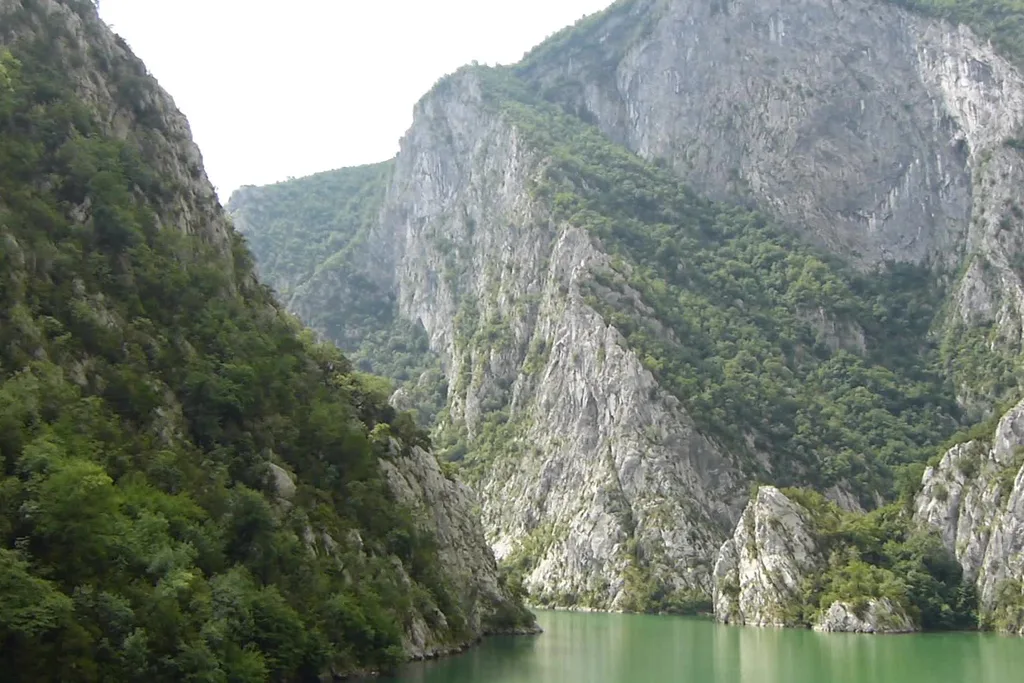
Now the part of this shkoder travel guide that most readers came for, and the part it most wants to get right: the mountains. Shkoder is the gateway to the Albanian Alps — the Accursed Mountains, Bjeshkët e Nemuna — and the gateway works in two directions. One road runs north to Theth, the stone village in its high valley, reached by a paved mountain road over the Thores Pass that has transformed the journey in recent years. The other chain runs by transfer to Koman, where the ferry crosses the great reservoir lake through a fjord-like gorge to Fierza, and from there onward to Valbona, the valley village at the other end of the classic crossing. Between Theth and Valbona runs the pass hike that has become one of the Balkans’ most famous walks. None of that is news. What a city guide can add, and what the mountain guides themselves rarely say, is how to use Shkoder so the mountain days work instead of merely happening.
The first rule is to sleep in Shkoder before the mountains, not merely pass through it. The transfers to Theth and to the Koman ferry leave early in the morning, and a traveller who tries to reach Shkoder, transfer and start the mountain chain in a single day is building their trip on a connection that has no slack in it. Sleep in the city the night before, sort out the transfer in person or through your guesthouse the evening before, pack the night before, and wake up in a city you already know rather than a bus station you are meeting for the first time. The second rule is the mirror image: sleep in Shkoder again after the mountains. The return from Theth or Valbona is a long day, the mountain guesthouses are wonderful and basic in the way mountain guesthouses should be, and the first proper shower, proper bed and proper restaurant meal after the crossing tastes better in a city you already like than in a place you are merely passing through. Two Shkoder nights — one before, one after — are the cheapest insurance in the whole northern itinerary, and they cost nothing but the decision to make them.
The third rule is about seasons, and it is the one travellers most often get wrong. The high crossing between Valbona and Theth is a summer route, broadly from mid-June to late September, when the pass is clear of snow and the guesthouses at both ends are open and full. Outside that window the valleys can still be visited as places — Theth as a village, the Koman ferry as a day trip through the gorge, the lower valley walks — but the crossing itself does not exist, and no amount of enthusiasm changes that. A spring or autumn trip to Shkoder is still a fine trip: the city, the castle, the lake and the lower valleys are all at their best, the crowds are gone, and the mountains stand behind everything as a backdrop. But a spring or autumn trip built around the crossing is built on snow, and this guide will not pretend otherwise. The detailed mountain logistics — the ferry, the pass, the guesthouses, the return routes — belong to our planned guides for the crossing and the Alps, and this shkoder travel guide deliberately stops at the city boundary; what belongs here is the gateway discipline: book the mountain nights ahead in season, because the guesthouses are small and finite; keep a spare day for weather if you possibly can; and let Shkoder absorb the delays, because a city with a castle, a museum, a lake and a pedestrian street is the best possible place for a trip to wait out a day of mountain rain.
Planning Your Days in Shkoder
With one day, do Shkoder properly rather than completely — the first rule of this shkoder travel guide — and do it in this order. Start at the Marubi in the morning, when the museum is quiet and the portraits have your full attention. Walk the pedestrian street late in the morning, eat in the centre, and climb Rozafa in the afternoon for the light and the views, coming down slowly through the castle hill lanes. Spend the evening on the Pedonalja for the xhiro, with dinner in the centre. That single day gives you the city’s three essential things — its faces, its streets and its hilltop view — and it leaves the lake and the bridge honestly for next time rather than cramming them into the dark. Travellers who try to add the lake villages and the Mesi Bridge to the same day end up driving past all three sights instead of seeing any of them, and Shkoder punishes that kind of hurry more than most cities, because its pleasures are slow ones.
With two days, the city opens up properly. Keep the first day as above, and give the second day to the outdoors: a morning ride to Shiroke and the lake shore, lunch by the water, and an afternoon at the Mesi Bridge and the Kir valley mouth, back in the centre for the evening. Or reverse the order if the weather dictates — lake day first in the fine weather, museum and castle day held for the cloudier one — because Shkoder’s sights divide neatly into outdoor days and indoor days, and a two-day visitor can play the forecast the way a local would. Two days also allow the slower pleasures that one day squeezes out: a second morning coffee in the same cafe, where the staff now recognise you; a return to the Marubi for the temporary exhibition you skipped; a longer sit on the castle walls at a different hour; an evening in Gjuhadol’s quieter lanes rather than the main pedestrian flow. If you are heading for the mountains, make one of these two days the night before departure and keep the other as the night after your return, as the gateway section above advises. The city will feel like a base then, not a stop, and that is the difference between a trip that passes through Shkoder and a trip that uses it.
For longer stays, Shkoder keeps giving without repeating itself, and this shkoder travel guide’s advice for them is simple: stop accumulating sights. A third day can go to the Buna delta and the Adriatic coast to the west, or to a longer exploration of the Kir valley, or simply to the city itself at a resident’s pace — markets in the morning, a long lunch, the museums you have not yet visited, the Site of Witness and Memory, the cathedral and mosques at leisure. Shkoder also makes a base for the Montenegrin border country, with the lake’s northern shore and the towns beyond it an easy onward step for travellers continuing north rather than returning south. The point of a longer stay is not to accumulate sights but to let the city’s rhythm become familiar: the morning coffee, the midday quiet, the evening xhiro, the bicycles, the lake light. Our best places to visit in Albania puts Shkoder ninth in a ten-stop national route, after the south and before the Alps, which is exactly the right place for it: not the climax of a first trip, but the hinge on which the trip turns north. Plan it as a hinge — strong, unhurried, well-made — and the whole journey holds together better.
Shkoder Travel Guide – Questions Travellers Actually Ask
How many days should I spend in Shkoder? One full day covers the essentials — the Marubi, the pedestrian centre and Rozafa Castle — but two days is the honest recommendation in this shkoder travel guide. Two days add the lake villages and the Mesi Bridge without rushing, and they give the city its evenings, which are half its charm. If you are heading for the Alps, add a night before the mountains and a night after them, so Shkoder frames the mountain days rather than being squeezed between transfers.
Is Shkoder worth visiting on its own, or only as a base for the Alps? It is worth visiting on its own, and the travellers who enjoy it most are often the ones who came only for the mountains and stayed for the city. The castle, the lake, the Marubi archive and the pedestrian centre would justify a city break anywhere; together, in a flat, walkable, cycling-friendly city, they make a destination that does not need the mountains as an excuse. The mountains are the reason many people arrive. They are rarely the only reason people are glad they came.
When is the best time to visit Shkoder? The city itself works year-round: the castle, the museums, the centre and the lake shore belong to no season, and the winter carnival gives the cold months their own celebration. For the lake at its best and the cycling at its easiest, late spring and early autumn are the sweet spot, with summer hot and busy and winter quiet and damp. For the Alps crossing, the window is much narrower — broadly mid-June to late September — and that window, not the city’s own seasons, should decide the dates of a mountain trip. Our planned best-time guide will set the seasons out in full once it is live.
Do I need a car in Shkoder? No, and for the city itself a car is more trouble than help. The centre is flat and compact, the castle, museums and pedestrian street are all walkable, and a bicycle covers the lake villages and the bridge road better than a car does. A car, or a transfer, becomes useful only for the mountain legs — Theth, the Koman ferry, Valbona — and those are best arranged as transfers through your guesthouse or as part of the mountain chain rather than as a rental you nurse through the city. If you are driving a wider Albanian route, park the car and let Shkoder be a walking and cycling city for the days you are here.
Is the Koman ferry a day trip from Shkoder? It can be, and as a day trip it is magnificent: the gorge, the green water, the sheer walls rising on both sides. But treat it as a full and early day, arranged the day before, not as a casual outing you decide over breakfast. The ferry is working transport for the shore villages first and a spectacle second, its departures are early and seasonal, and the day trip version — out on the water and back — is a different, smaller thing than the full chain onward to Valbona and the pass. Both are worth doing; neither should be confused with the other.
What should I not miss at Rozafa Castle? The museum first, for the legend and the chronology, then the full circuit of the walls rather than a single viewpoint, and then the church-mosque ruins, whose roofless arches frame the sky over the plain. Go in the afternoon for the light, wear shoes for steep and uneven ground, and do not skip the descent past the Lead Mosque. The castle is a ruin to walk through, not a furnished interior to tour, and visitors who expect the second will miss the first, which is the better experience.
Can I visit Theth as a day trip from Shkoder? Yes, and many travellers do, but be clear about what the day trip is. A day in Theth gives you the village, its stone church, the waterfall walk and a sense of the valley; it does not give you the crossing to Valbona, which needs its own days and its own nights at both ends. As a taster the day trip is excellent, and as a way of learning whether the full hike has earned a return visit it is ideal. The road over the Thores Pass is paved now, but it remains a serious mountain drive, and the day should be arranged in advance in season rather than improvised.
Leaving Shkoder the Right Way
The right way to leave Shkoder is the way you arrived, only slower: one more morning coffee on the pedestrian street, one more look at the lake from the castle if the light is good, one more bicycle ride if there is time, and then the road north or south with the city still in your mind rather than already packed away. Shkoder does not reward dramatic farewells. It rewards the quiet decision to have stayed long enough. Travellers who gave it a night on the way to the mountains often find, on the way back, that the city has become the fixed point of the trip — the place they measure the mountains against, the place whose cafes and streets they describe first when they get home. That is not an accident. A gateway city that is also a good city does something to a journey: it gives the spectacular days a home to return to, and it gives the traveller a reason to come back to Albania that has nothing to do with a bucket list.
So plan Shkoder the way this shkoder travel guide has argued for throughout: not as a transfer, not as a single sight, but as a city with its own days. Give it the castle and the lake, the centre and the museum, the bridge and the villages, and the evenings that tie them together. Let it be the hinge of the northern trip, the place where the mountains begin and where they end. And when you do leave — for Theth, for Valbona, for the ferry, or back south toward Tirana — leave in the morning, early enough to catch the lake light, and with a night in Shkoder already booked for your return. The city will be there, flat and unhurried, bicycles in the street, coffee on the tables, the castle on its hill. It was there before you arrived, and it will still be there when you come back. That permanence is, in the end, what makes Shkoder worth a guide — and what this shkoder travel guide hopes to have shown.