Marrakech is a city that fills a day completely and then asks for more, which is exactly why so many visitors end up asking the same question on their second or third morning there. They have walked the medina, they have stood in the square at dusk, and now they want to know what lies beyond the ochre walls without giving up their hotel room or committing to a multi-day tour. The honest answer is that four very different days are on offer, and they are not interchangeable. The day trips from Marrakech that fill the brochures – a fishing port on the Atlantic, a green valley in the Atlas foothills, a great waterfall in the Middle Atlas, and a stony desert at sunset – differ less in quality than in what they ask of you. One asks for a long drive and gives you the sea. One asks for almost nothing and gives you a river and a walk. One asks for stamina on stone steps and gives you falling water. One asks for an evening only, and gives you the desert feeling without the desert journey. Choosing well is mostly a matter of matching the trip to your energy, your travelling companions and your tolerance for sitting in a vehicle, and this guide is built to make that match before you have booked anything.
That is also why this guide refuses to do what most day-trip pages do. It does not rank these four trips from best to worst, because the best of them depends entirely on who is travelling. A family with small children and a photographer chasing Atlantic light do not need the same day, and a ranking that pretends otherwise is selling a tour, not giving advice. Instead, each trip below gets its own full section – what it actually is, what the day feels like hour by hour, who it suits and who should skip it – and then a choosing section that puts the four side by side on the only measures that matter: time on the road, effort on foot, what the weather does to the day, and what you bring home that Marrakech itself did not already give you. The wider Morocco planning that frames any of these days – routes, visas and costs – is set out in our Morocco travel guide, and the week-long shape that holds several of them together is in our Morocco itinerary 7 days. This page stays with the single day out and back, the kind of day that starts and ends in the same Marrakech bed.
One warning belongs at the front, because it saves more disappointment than any tip inside. The Sahara is not a day trip from Marrakech, whatever a listing title promises. The great dune fields lie days of driving away, and every honest operator and every careful guide agrees on this point: a “desert day trip” from the city goes to Agafay, a stony plateau under an hour away, not to the sand dunes. Agafay is a fine evening in its own right, and it has a section below, but it is not the Sahara, and anyone who books it expecting dunes will spend the sunset feeling cheated by a landscape that never claimed to be anything else. Hold that distinction and the rest of the choosing gets easier, because three of the four trips below are exactly what they claim to be, and the fourth is best enjoyed once you know what it is not.
Day Trips from Marrakech at a Glance
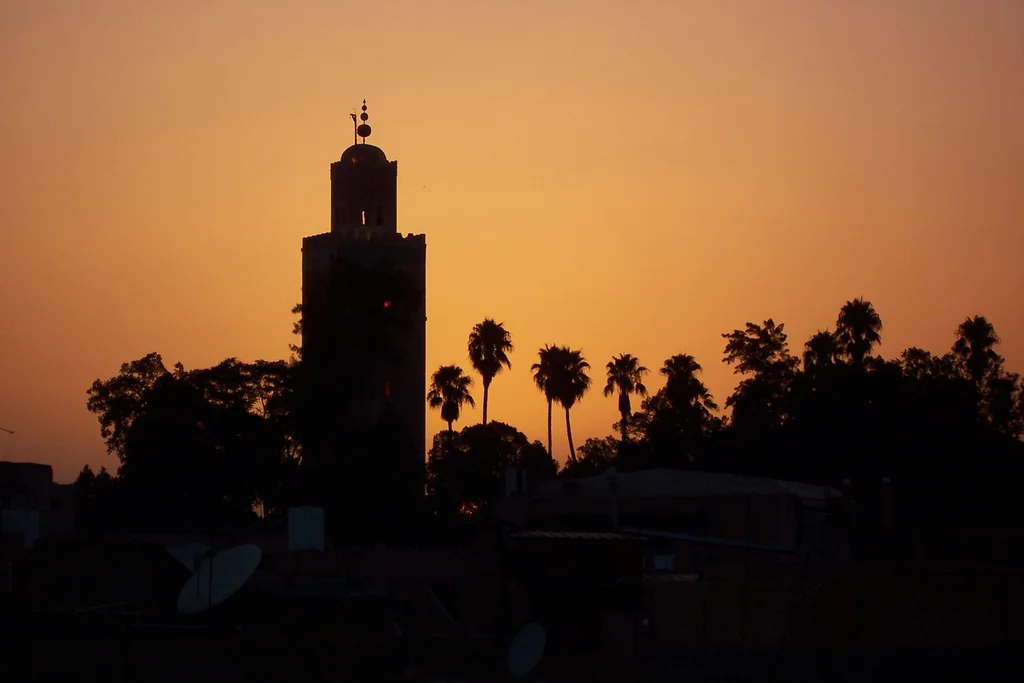
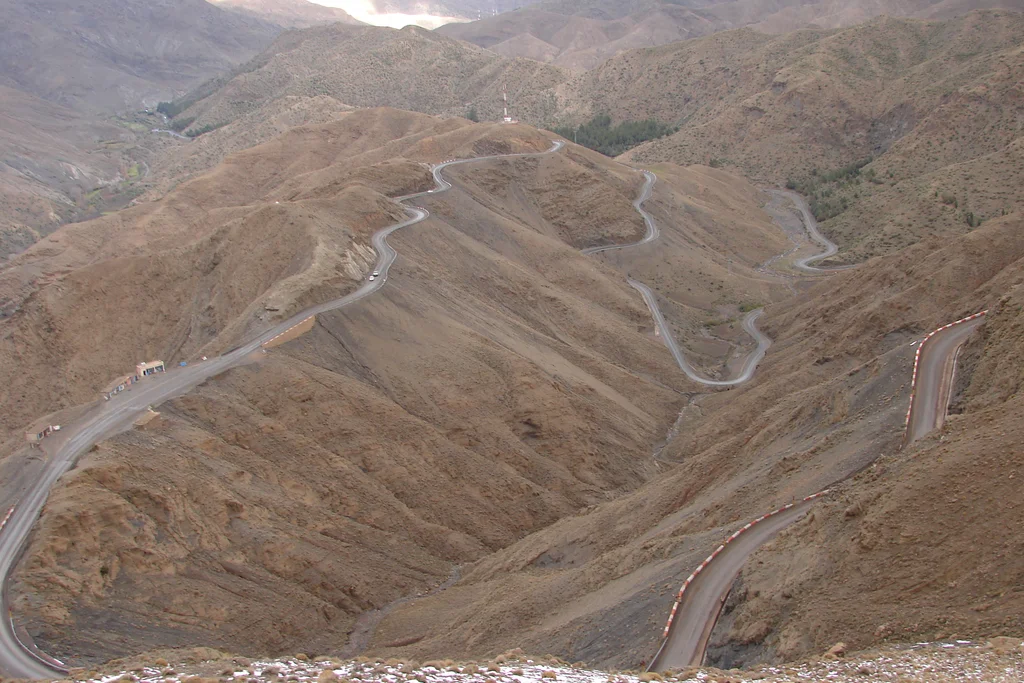
Start with the road, because the road is the trip. Every comparison of day trips from Marrakech that begins with the destination and mentions the drive as an afterthought has the order backwards: you will spend between a sixth and a half of your waking day inside a vehicle, and that share decides whether the day feels generous or gruelling far more reliably than any single sight at the end of it. The table below therefore sorts the four trips by time on the road first, using the driving times that operator itineraries and careful independent guides converge on – roughly forty minutes to an hour for Agafay, around an hour to an hour and a half for the Ourika Valley and the Atlas foothills, and around two and a half to three hours each way for both Ouzoud and Essaouira. Those are one-way figures on a good run, and a good run is not guaranteed; roadworks, a slow climb, a stop that stretches, all of them eat into the destination hours, which is why the long pair should be treated as full days of eleven or twelve hours door to door, and the short pair as days that leave room for a Marrakech evening afterwards.
| Day trip | Time on the road each way | The day in one line | Effort on foot | Best for |
|---|---|---|---|---|
| Agafay Desert | Under an hour | A stony desert evening, camel or quad ride, dinner at a camp | Light, flat ground | A sunset without a full day away |
| Ourika Valley and the Atlas foothills | Around an hour to an hour and a half | A green river valley, Berber villages, a waterfall walk at Setti Fatma | Easy to moderate, stepped paths | Families, a first mountain taste, a gentle day |
| Ouzoud Waterfalls | Around two and a half to three hours | Morocco’s great cascades, a gorge walk, river boats and macaques | Moderate to demanding, many steps | Walkers and waterfall lovers with a full day to give |
| Essaouira | Around two and a half to three hours | An Atlantic fishing port, a walled medina, ramparts and seafood | Light, flat town walking | Sea air, a slow medina, a change of climate |
Read the table as a set of trades rather than a league. Agafay trades depth for ease: almost no driving, but an evening rather than a landscape explored. Ourika trades grandeur for kindness: the mountains are foothills, the walking is stepped but short, and the whole day stays forgiving. Ouzoud trades comfort for spectacle: the longest approach for the most dramatic single sight, with the walking to match. Essaouira trades time for atmosphere: five or six hours of driving in exchange for a town that feels like a different country from the one you left in the morning, cooler, bluer and slower. Nobody needs all four in one Marrakech stay, and most visitors need two at most – one short and one long, or one mountain and one sea, is a shape that leaves Marrakech itself the time it deserves. The sections that follow give each trip its full character, so that the trade you pick is one you picked knowingly.
Essaouira – the Atlantic Day Out
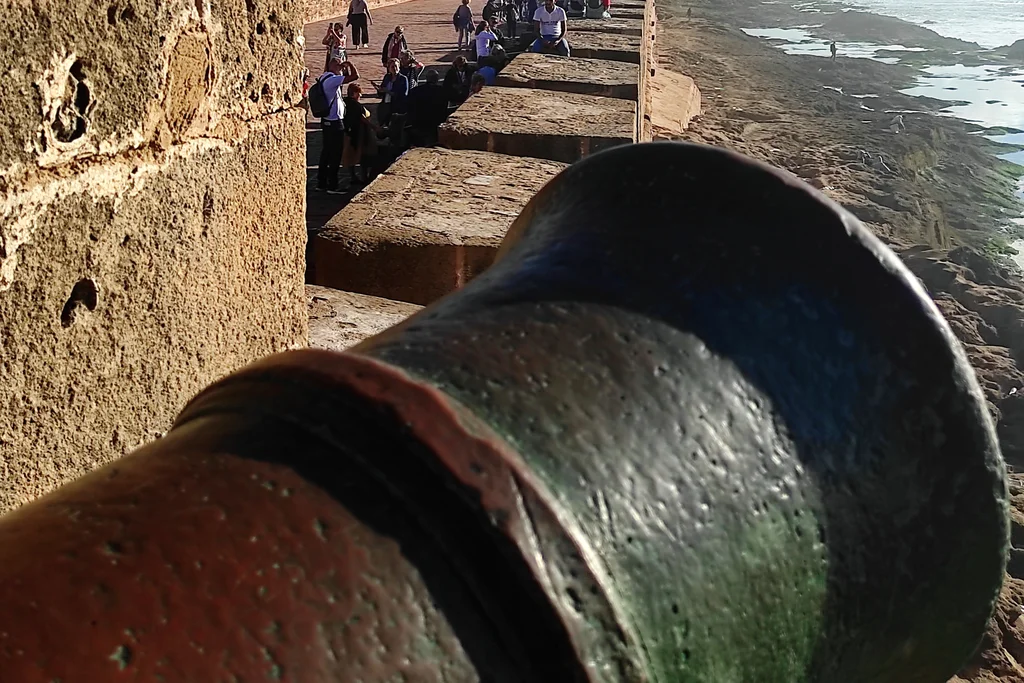
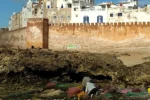
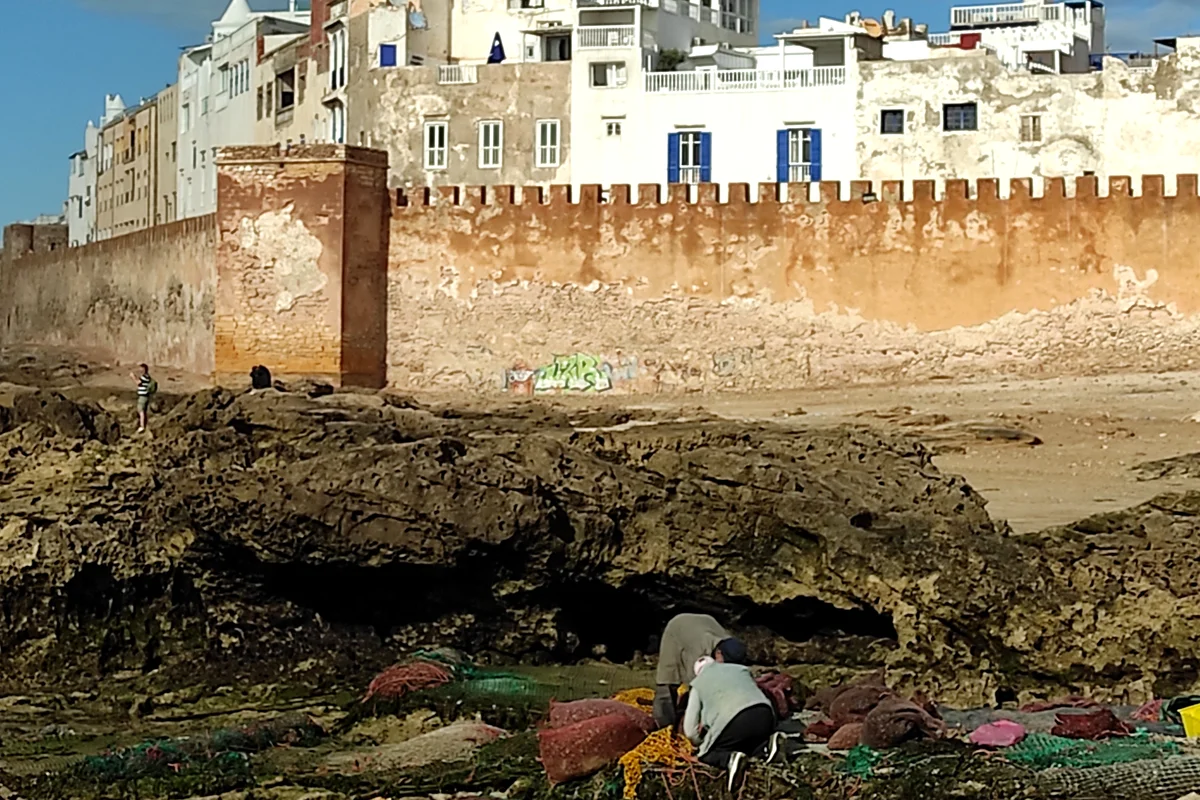
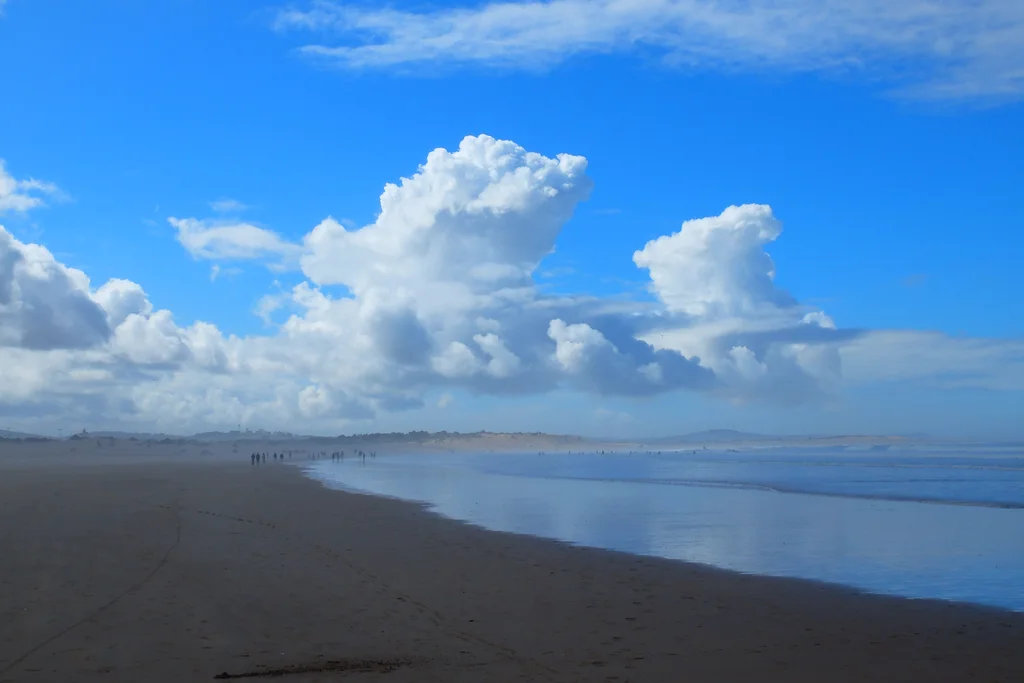
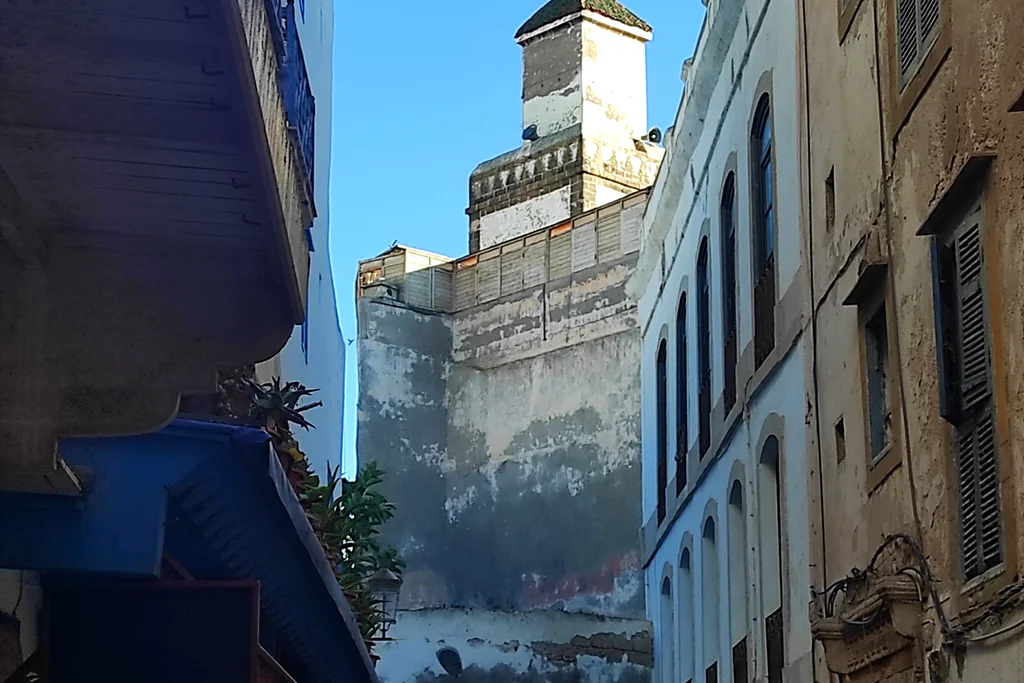
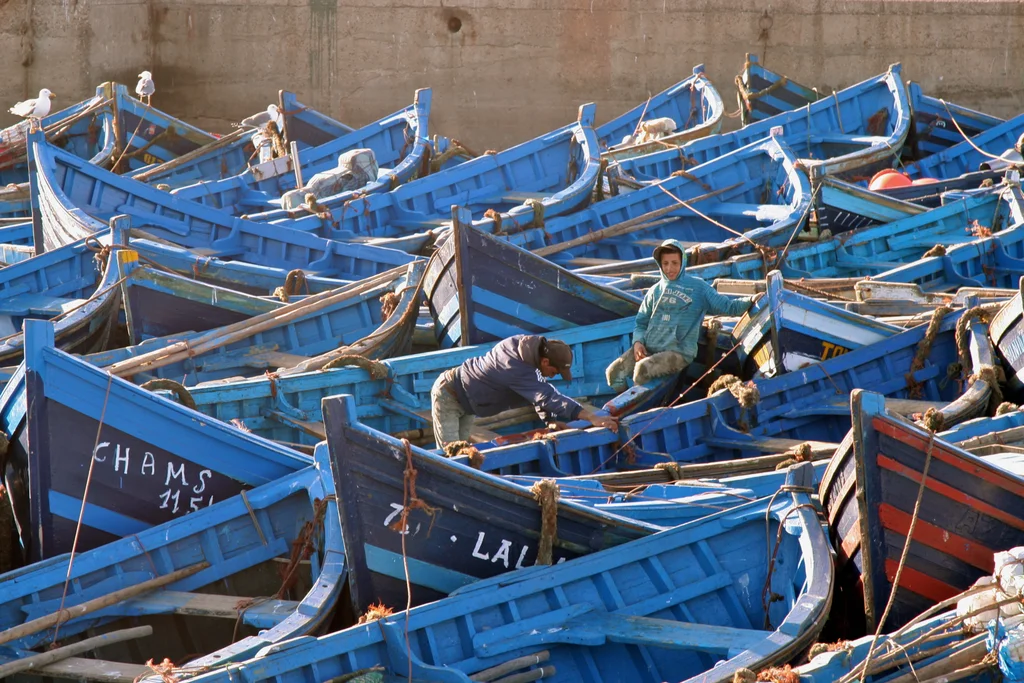
The first thing Essaouira does, after a long drive west across the argan country, is change the air. Marrakech heat gives way to Atlantic wind off the water, the light turns silver, and the medina that opens in front of you is whitewashed and blue-trimmed in a way that no inland town in Morocco quite manages. It is a smaller medina than Marrakech’s and a calmer one, laid out on a grid rather than a labyrinth, so that a visitor can wander without the low-level navigation anxiety that colours a first day in the red city. The ramparts run along the sea, cannons still lined up on the Skala platforms, and the fishing port below them works in full view – wooden boats painted the town’s particular blue, men mending nets, gulls in numbers that make the harbour noisy even before the boats come in. For many travellers this is the real point of the day among day trips from Marrakech: not a single sight but a change of register, from inland intensity to coastal ease, and a town that invites sitting still in a way Marrakech rarely does.
The medina itself repays a slow walk rather than a checklist. Its lanes hold the wood workshops for which the town is known, thuya wood polished into boxes and furniture, and the small galleries and music shops that keep Essaouira’s reputation as a musicians’ town alive – the Gnawa music tradition is associated with the town, and live music in the evenings is part of its ordinary life rather than a staged show. The ramparts give the best walk in town, out along the sea walls with the Atlantic on one side and the town roofs on the other, and the beach stretches south from the town in a long curve of sand where the wind keeps the surf lively and the swimming secondary to the walking. Seafood is the honest lunch on day trips from Marrakech to the coast, grilled at the port-side stalls and restaurants where the catch is the morning’s, and a port lunch followed by a rampart walk and an unhurried medina wander is a full day in itself, without needing to chase anything further afield. That is Essaouira’s particular gift among the day trips from Marrakech: it does not demand performance from its visitors, only presence.
The costs of the day are the drive and the weather’s say in it. Two and a half to three hours each way is a long time to spend in a vehicle for a town you will have perhaps five hours in, and on a short Marrakech stay of three nights it is a day that eats the middle of the trip. The wind that makes Essaouira refreshing in summer can make it bracing in winter, and the Atlantic light that photographers love can turn grey and brisk when the inland sun is shining – pack a layer even when Marrakech is hot, because the two cities do not share a climate. Families with children who want a beach day should know the beach is a windy, surfy one rather than a calm paddling one, and travellers who dislike long drives should weigh this honestly against Ourika: Essaouira is the better town, but it is the worse journey. Those who go anyway, and most who go are glad they did, tend to describe the return drive in the evening light as part of the day rather than its price, the argan country going gold as Marrakech comes back into view.
Ourika Valley and the Atlas Foothills
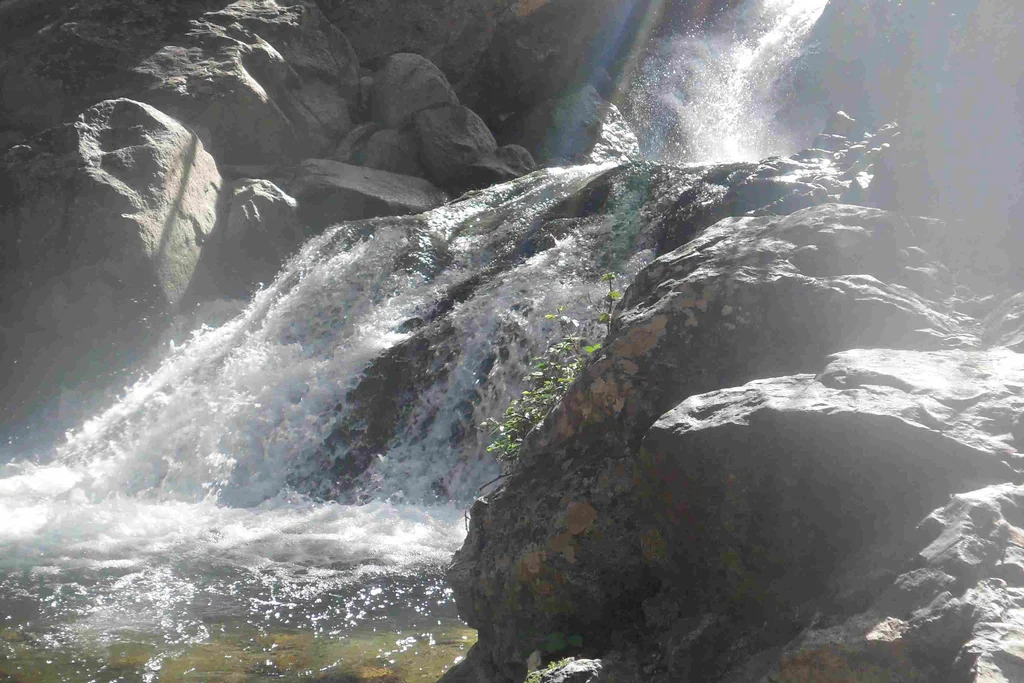
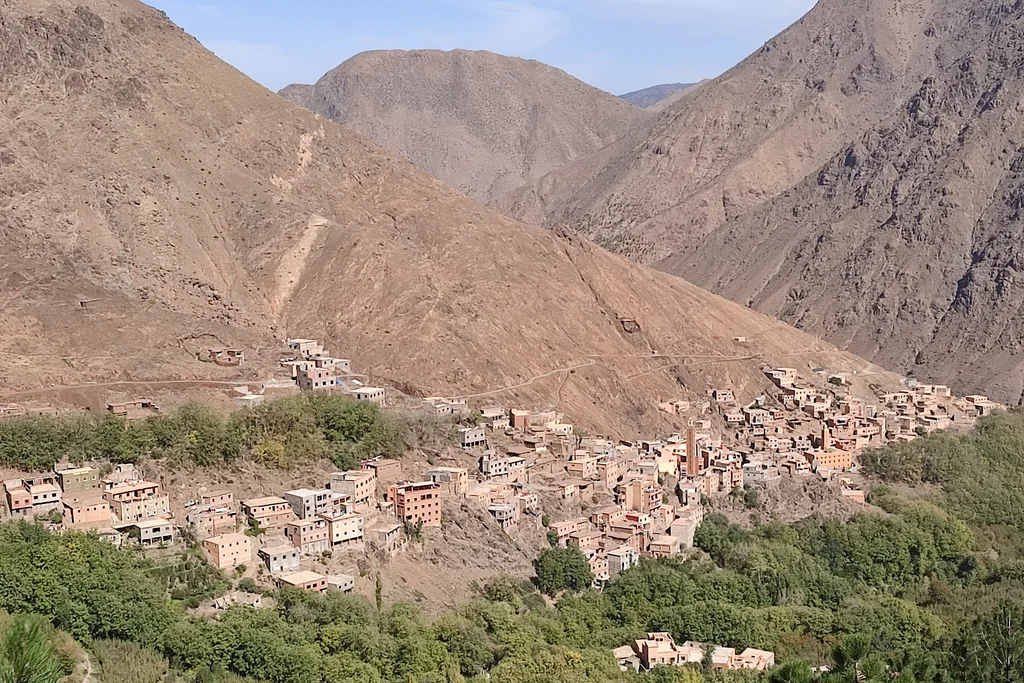
If Essaouira is the day for a change of air, the Ourika Valley is the day for a change of temperature and tempo without leaving the mountains’ good graces. The road runs south-east from Marrakech into the foothills of the High Atlas, following the Ourika river upstream past villages of pise and stone, gardens and walnut trees, until the valley narrows at Setti Fatma and the walking begins. This is the gentlest of the four trips and the most forgiving of a mixed group: grandparents, children, walkers and sitters can all have a version of the same day, because the valley offers riverside tables for those who want to sit and stepped paths to waterfalls for those who want to climb. The river does much of the work here, its sound under the whole day, and the valley’s green – a genuine green, after Marrakech’s ochre and dust – is the first thing most visitors remember, before any waterfall or village.
Setti Fatma is the valley’s walking centre, a village at the road’s end where the river drops through a series of falls and the paths climb beside them in steps and scrambles. The lower falls are an easy outing, the higher ones a proper little climb over wet rock, and the honest advice is to treat the falls as a choose-your-own-height walk rather than a summit to be conquered: go as far as the steps feel good, sit by the water, and come back down the same way, because the valley’s pleasure is the climb itself, not a viewpoint at the top. Guides are part of the arrangement at Setti Fatma, where local guides accompany walkers on the falls paths, and on day trips from Marrakech into the Atlas foothills a guide is worth having not only for the route but for the valley knowledge – which path is wet, which crossing is up, where the river has shifted its bed since last season. Lunch in the valley is usually taken at a riverside restaurant, tables set close enough to the water to hear it, and the combination of a morning’s walk and a long riverside lunch is the day’s natural shape, with Berber village visits and an argan cooperative stop folded in by many itineraries on the way up or down.
Ourika’s weakness, stated plainly, is that it is the most visited valley near Marrakech, and it shows it at the busiest points. Setti Fatma on a summer weekend or a holiday can feel crowded on the lower paths, and the riverside restaurants fill early; an early start and a weekday, where the itinerary allows it, change the valley’s character more than any other single choice. The valley is also the trip most affected by rain, not because the road fails but because a river valley in spate is a different place from a river valley in sun, and the falls paths are at their least pleasant when the rock is wettest. Those are manageable caveats rather than reasons to skip it. For a first taste of the Atlas, for a family day, for anyone who wants mountains without a mountain expedition, Ourika remains the easiest recommendation in this guide – the day trips from Marrakech do not get kinder than this one, and kindness, on a holiday, is a real virtue.
Ouzoud Waterfalls – the Long Walk to the Water
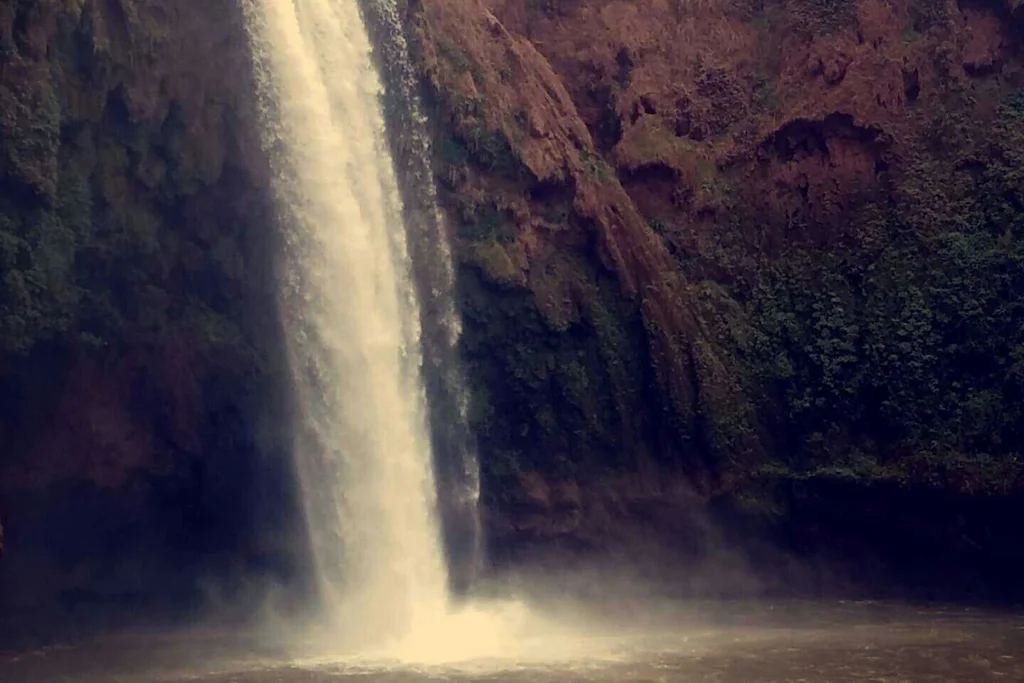
Ouzoud is the trip for travellers who want a single sight big enough to justify a long day, and it delivers exactly that. The falls drop in tiers into a green gorge in the Middle Atlas foothills, the water falling over a cliff face that the river has cut into a natural amphitheatre, and the approach – down a long stepped path from the village above, or up from the gorge floor by boat – gives the falls the theatre that a roadside viewpoint never could. The upper viewpoint, reached first, shows the whole drop at once; the gorge floor shows it from below, with the spray, the rainbows in the afternoon light, and the small boats that ferry visitors across the plunge pool to the foot of the falls. Barbary macaques live in the gorge and around the paths, wild animals rather than pets, and their presence gives the walk a second cast of characters – watch them from a distance, keep food out of sight, and let them be the gorge’s residents rather than its performers.
The walking here is the honest price of the spectacle, and it should be stated before anyone books. The classic route descends several hundred steps from the top of the gorge to the river, follows the gorge floor, and climbs again, and while the steps are well made, the day is a demanding one for anyone with bad knees, a stroller, or a dislike of heights on narrow paths. There are gentler ways to see the falls – the upper viewpoints alone, a shorter descent, the boat from the gorge floor – but the full circuit is a walk, not a stroll, and the heat of a summer midday turns it from a pleasure into an effort. The day trips from Marrakech include no other sight that asks this much of the body, and that is worth weighing beside the reward: travellers who love a waterfall day come back describing Ouzoud as the highlight of their Morocco trip, while travellers who booked it as a relaxing excursion come back describing the steps. Both accounts are true, and the difference between them was made at the booking, not at the falls.
Ouzoud also needs its full day in a way the other trips do not quite. The drive each way is comparable to Essaouira’s, but the falls day has no town to absorb a late arrival: arrive late and the light, the boats and the walking hours all compress at once. An early departure, a full day at the gorge, and a return in the evening is the shape that works, and a night spent closer to the falls rather than a day trip at all is worth considering for anyone with the itinerary to spare – though that is a different trip from the one this guide compares. What Ouzoud gives in return for its demands is the most dramatic natural sight within day-trip reach of Marrakech, a place where the water does something no other destination in this guide can match, and where the walk down into the gorge feels, by the time you climb out again, like a small expedition rather than an excursion. For walkers, photographers and waterfall lovers weighing day trips from Marrakech, that trade is an easy yes. For everyone else, Ourika is the kinder water, and Essaouira the kinder day.
Agafay Desert – the Evening That Feels Like the Sahara
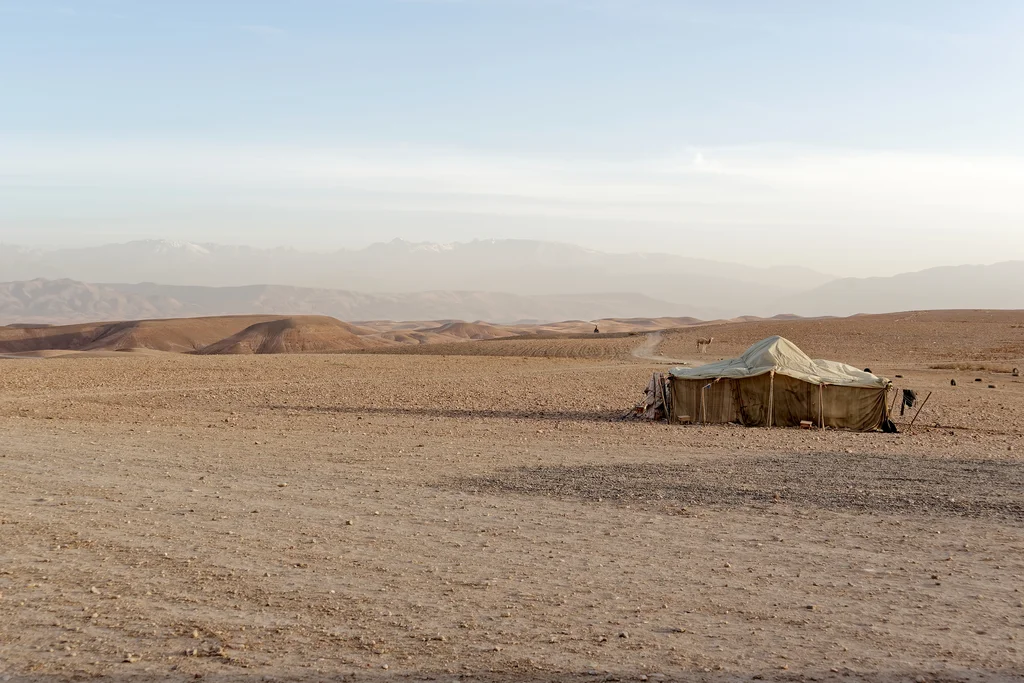
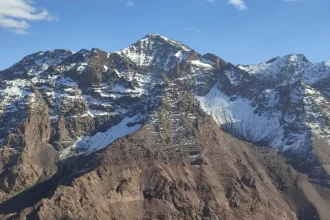
Agafay needs a careful introduction, because its name promises something it is not, and its real pleasure only appears once that promise is set aside. The Agafay desert is a stony, rocky plateau south-west of Marrakech, a landscape of pale rock and low hills under a huge sky, with the snow line of the High Atlas on the horizon on a clear day. It has no dunes, no great sand sea, and no caravan crossing – what it has is emptiness, light, and a sunset that turns the whole plateau gold, and a collection of camps that have learned to stage an evening around those three things. A typical Agafay evening runs to a camel ride or a quad-bike outing on the plateau, a return to camp as the light goes, dinner under the stars, and sometimes music around a fire. It is an evening out, not a day’s exploration, and judged as an evening it is a very good one.
That framing matters because Agafay’s great advantage is its nearness. Under an hour from Marrakech, it is the only one of the day trips from Marrakech that can be done after a full day in the city, as a sunset excursion rather than a day given over to travel. A visitor with only two nights in Marrakech, or a family whose children would not survive a six-hour driving day, can have a desert-flavoured evening without sacrificing a Marrakech day at all – and that is a real niche among day trips from Marrakech, honestly filled, that none of the other three trips can touch. The camps vary widely in character, from simple bivouacs to luxury tented lodges with pools, and the choice of camp shapes the evening more than any activity: a camp with a good view west, a quiet atmosphere and a kitchen that takes dinner seriously will beat a camp with a longer activity list and a noisier floor show. Book the camp, in other words, not the activity menu, and arrive in time for the light, because Agafay’s whole currency is the hour before and after sunset.
The cautions are the mirror of the advantages. Agafay in the middle of a summer day is a hot, shadeless plateau, and the evening format exists for a reason – do not book a midday Agafay outing expecting the golden hour to arrive early. The camel and quad activities are short, staged experiences rather than journeys, and travellers who want a real desert expedition will find them thin; the honest comparison is with a good dinner out in a remarkable setting, not with a Sahara trek. And the “desert” label, repeated across listings, misleads exactly the travellers who would most enjoy Agafay once they know what it is – which is why this guide keeps saying it. Go for the sunset, the stars, the Atlas on the horizon and the feeling of open ground after the medina’s enclosure, and Agafay repays the evening handsomely. Go expecting dunes and you will spend the night resenting a landscape that never pretended to be them until its listings did.
How to Choose Between the Day Trips from Marrakech
Choosing well starts with a question that has nothing to do with destinations, and everything to do with the traveller. How much of your day are you willing to spend sitting down in a vehicle, and how much energy do you want left when you arrive? Answer that first, because it cuts the four trips into two pairs before any preference for sea or mountains enters the picture. If the answer is “as little as possible”, your day is Agafay or Ourika: an evening on the plateau, or a green valley with a waterfall walk, both of them leaving the Marrakech evening intact. If the answer is “a long drive is fine, I want the far place”, your day is Essaouira or Ouzoud: a coastal town or a great waterfall, both of them worth the road, both of them full days that will end with tired legs or a tired back and a good dinner in Marrakech. Most bad day-trip days in Marrakech are not bad destinations; they are long-drive days booked by people who wanted short-drive days, and the fix is made at this first question, not at the destination.
The second question is who is travelling, and it rearranges the pairs again. Families with young children do best with Ourika first and Agafay second: short drives, places to sit, water and animals to look at, and no long staircases or long silences in a vehicle. Walkers do best with Ouzoud first and the Atlas foothills second, with the Ourika falls paths as a warm-up and the longer Imlil-area trails as the step beyond this guide’s day trips. Travellers who want a town rather than a landscape do best with Essaouira, full stop – it is the only trip in this guide where the destination is a place to be in rather than a sight to see, and that difference matters for anyone who has had enough of viewpoints. Photographers split by light: Essaouira for silver Atlantic mornings and rampart evenings, Ouzoud for gorge light and spray, Agafay for the single golden hour that justifies the whole evening, Ourika for green shade that photographs kindly at midday when the other three are at their harshest.
A third question, often forgotten until it is too late, is how many Marrakech days you actually have. On a three-night stay, one day trip is the honest number, and two is the maximum before Marrakech itself – the reason you came – starts to feel like a hotel rather than a city. On that shape, pick the trip that gives you what Marrakech cannot: the sea at Essaouira, or the mountains at Ourika, rather than a second helping of something the city already offers. On a five-night stay, two day trips fit comfortably, and the classic pairing is one short and one long – Ourika plus Essaouira, or Agafay plus Ouzoud – so that no two days in a row are spent mostly in a vehicle. On a week or more, the day trips stop competing and start combining with the longer Morocco routes, and the shape that holds them is set out in our Morocco itinerary 7 days, where Essaouira and the Atlas both appear as stops on a longer road rather than as days out and back. The day trips from Marrakech are at their best when they are the exception in a Marrakech stay, not its pattern.
Getting There Without a Tour – and With One
Almost every one of the day trips from Marrakech is sold as a tour, and for most visitors that is the sensible way to buy it. A shared day tour from Marrakech bundles the vehicle, the driver, the route and usually a guide, and it removes the single hardest problem of the independent day trip, which is not the destination but the return: the vehicle that gets you to Ouzoud or Essaouira in the morning is also the vehicle that must be there in the evening, and a shared tour guarantees it. Private tours add flexibility – your own departure time, your own stops, a pace set by your group – at a higher figure, and they suit families and photographers best, the two groups whose pace least matches a shared coach. The tour format matters more than the tour company name: a small group in a comfortable vehicle with a driver who knows the road beats a large coach with a famous brand, and the questions worth asking before booking are about group size, departure time, what is actually included, and how long the stop at the destination really is, rather than about the brochure’s adjectives.
Going independently is possible for the short pair and awkward for the long pair, and the distinction is worth stating plainly. Ourika can be reached by grand taxi or local transport from Marrakech and walked at Setti Fatma with a local guide hired on arrival, and Agafay is a short private transfer from the city to a camp – both are days where the independent traveller keeps control without much risk. Essaouira has regular coach connections from Marrakech, and an independent traveller can reach it, spend the day, and return by coach, though the coach day is longer and less flexible than the tour day and the evening return needs checking before departure. Ouzoud independently is the hardest of the four: the public connections are indirect, the gorge day needs its full hours, and a missed return connection turns a good day into a problem. For Ouzoud above all, the tour is not a luxury but the mechanism that makes the day work, and travellers who dislike tours should consider Ouzoud the exception that proves the preference, or save the falls for a longer itinerary with a night nearby.
Whatever the format, three practical points apply to all four day trips from Marrakech. First, confirm the return before you leave Marrakech – departure point, departure time, and what happens if the group is late – because every day-trip problem story in this region starts with an assumed return. Second, carry cash in small denominations for the small payments of the day, from guides to boats to roadside stops, since the card machine at a gorge-side cafe is a less reliable companion than the view. Third, tell someone at your Marrakech accommodation where you have gone and when you expect to be back, a small habit that costs nothing and matters on the one day in a hundred when a vehicle is delayed. None of this is dramatic, and none of it appears in a brochure, which is precisely why it belongs in a guide that claims to be honest about the day rather than enthusiastic about the destination.
When to Go and What to Pack for Day Trips from Marrakech
Season shapes these four days more than any single tip about clothing, and the shape is not the same for all four. Spring and autumn are the consensus best months for the whole set: the Atlas valleys are green and walkable, the falls run well, Essaouira is breezy rather than bracing, and Agafay evenings are warm without being hot. Summer divides the trips sharply. Essaouira becomes the refuge it is famous for, its Atlantic wind cooling a coast that stays pleasant while Marrakech bakes, and it is the summer day trip that most rewards the long drive. Ourika stays viable in summer if the walking is done early and the riverside lunch does the middle of the day, but the falls paths in midday heat are an effort. Ouzoud in high summer is a gorge walk in serious heat, and Agafay at midday is a plateau with no shade – both are evening or early-morning propositions in July and August, whatever the listing says. Winter reverses the pattern again: the Atlas valleys can be cold and the higher paths muddy or snow-touched, Essaouira turns brisk and grey in spells, and Agafay evenings need real warmth after sunset. The day trips from Marrakech do not share a season, and a trip chosen for the wrong month is a different trip from the one described here.
Packing follows from that seasonal honesty rather than from a generic list. Good walking shoes with grip are the one non-negotiable for Ourika and Ouzoud, where the paths are stepped and wet rock is part of the day – trainers with smooth soles are the commonest cause of a spoiled falls walk. A layer for Essaouira belongs in the bag even on a hot Marrakech morning, because the Atlantic wind does not consult the inland forecast, and sun protection belongs on every trip, including the cloudy coastal one, where the wind hides the sun’s strength. Water, carried rather than assumed, matters on the mountain and gorge walks, where the next seller may be an hour away, and a small daypack beats a wheeled case or a bulky bag on every path in this guide. For Agafay evenings, warmth after sunset is the item most often forgotten: the plateau cools fast once the sun drops, and the difference between a good Agafay evening and a cold one is frequently a single fleece left in the hotel room.
One last seasonal note concerns water itself. The falls at Setti Fatma and at Ouzoud are river falls, and rivers have seasons: spring melt and winter rain swell them, late summer lowers them, and a drought year changes them more than any brochure admits. A waterfall seen in May and the same waterfall seen in September are not the same sight, and neither is a disappointment if you arrive expecting a river rather than a postcard. Check recent conditions in the week you travel – a quick look at recent visitor reports or a question to your Marrakech accommodation – rather than trusting a photograph taken in another season. The same habit serves the whole guide: these are living landscapes, not stage sets, and their best days reward the traveller who asks what they look like this week, not what they looked like in the photograph.
Day Trips from Marrakech – Questions, Answered
Which single day trip from Marrakech should I pick if I only have one day to spare?
For most first-time visitors, Ourika Valley: it is the shortest drive, the gentlest walking, the best introduction to the Atlas, and it leaves the Marrakech evening intact. If you have already had a mountain day, or if sea air matters more to you than mountains, Essaouira is the other honest answer – a longer drive for a completely different town. The choice between those two covers most travellers; Ouzoud and Agafay are specialist picks, superb for walkers and sunset lovers respectively, but narrower in who they suit.
Is Essaouira or Ouzoud the better long day trip?
Essaouira is the better town day and Ouzoud the better nature day, and the deciding factor is effort. Essaouira asks for driving time and gives an easy town in return; Ouzoud asks for driving time plus a demanding gorge walk and gives a spectacular waterfall in return. Travellers who want to stroll choose Essaouira. Travellers who want to walk hard for a sight choose Ouzoud. Travellers who want both should take two days, not one trip that tries to be both.
Can I do a day trip from Marrakech to the Sahara?
No, not honestly. The Sahara’s dune fields are days away from Marrakech, and a one-day “desert” trip goes to Agafay, a stony plateau under an hour from the city. Agafay is worth an evening for its sunset, stars and open sky, but it is not the Sahara, and any listing that implies otherwise should be read as a warning about the listing rather than a promise about the landscape. The Sahara needs at least two to three days from Marrakech, which is a different itinerary from the day trips in this guide.
Do I need a guide for the Ourika Valley or Ouzoud?
At Setti Fatma, local guides accompany walkers on the falls paths and are worth having for route knowledge and river conditions. At Ouzoud, a local guide is useful for the gorge circuit and the viewpoints, though the paths are well trodden and many visitors walk them with a map and common sense. In Essaouira and Agafay, no guide is needed to enjoy the day, though a local guide in Essaouira’s medina adds history that a wander alone will miss. In all four cases, the guide question is about depth, not safety – the paths are walked daily by many people.
Are the day trips from Marrakech suitable for children?
Ourika and Agafay suit children best: short drives, water and animals to watch, places to sit, and walking that can be shortened at any point. Essaouira suits older children who enjoy a town and a beach, though the long drive tests younger ones. Ouzoud suits children who walk happily and climb steps without complaint, and suits them least of the four when they do not – the gorge steps are long, and a tired child on a staircase is nobody’s holiday. Judge by your child’s walking, not by their age.
What should I wear and carry for a day trip?
Walking shoes with grip for Ourika and Ouzoud, a windproof layer for Essaouira even in summer, sun protection everywhere, water carried on the walks, and warmth for an Agafay evening after sunset. A small daypack, cash in small denominations, and a phone with the return details saved cover the rest. The full seasonal reasoning is in the section above, and it matters more than any single item: dress for the destination’s weather, not Marrakech’s morning.
The Short Version – One Last Word Before You Leave
If this guide had to fit on an index card, it would say this. The day trips from Marrakech are four different days, not four versions of one day: Essaouira for the sea and a slow medina, Ourika for green valleys and a waterfall walk that anyone can enjoy, Ouzoud for a great waterfall earned by a long drive and a longer staircase, and Agafay for a desert-flavoured evening that costs almost no driving at all. Pick by time on the road first and by who is travelling second, give Marrakech itself at least as many days as you give the road, and do not let any listing sell you the Sahara in a day. Morocco’s official tourism site, Visit Morocco, is the sensible next check for the country’s own presentation of these destinations before you book, and the wider Morocco planning on this site – our Morocco travel guide and our Morocco itinerary 7 days – sets the single day into the longer trip it belongs to.
So choose one, or choose two, and leave the rest for a return. Marrakech rewards the traveller who leaves it for a day and comes back in the evening with a story the medina could not have given – salt wind in the hair, river water on the shoes, gorge spray on the face, or plateau stars overhead. That is what day trips from Marrakech are for: not an escape from Marrakech, but a way of seeing it more clearly when you return to it, its ochre walls warmer for the blue, the green, the falling water and the open sky you spent the day among. Go early, come back late, and let the road be part of the day rather than its price.