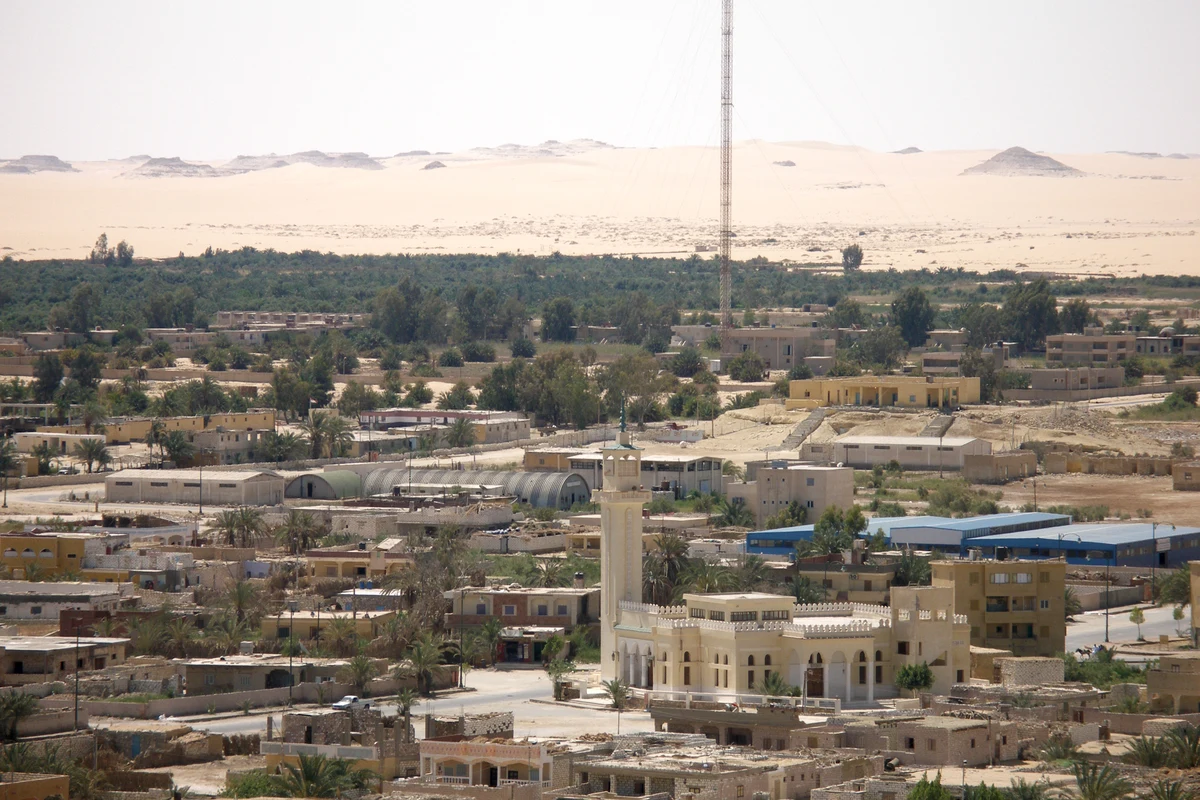
Siwa does not announce itself. There is no grand arrival, no skyline, no moment when the desert suddenly parts to reveal a postcard. Instead, after a long road across a landscape that seems to have nothing left to say, the ground drops, the air changes, and green appears where green has no business being: date palms in their thousands, olive groves, lakes the colour of cut glass, and a low town built from the salt of those very lakes. This siwa oasis travel guide is written for the traveller who wants to understand that strangeness before trying to photograph it, because Siwa rewards patience far more generously than it rewards a checklist.
The first thing to get straight is what Siwa is not. It is not a resort, and it is not a smaller, quieter version of the Nile Valley. It is an oasis town in Egypt’s Western Desert, close to the Libyan border, that kept its own language, its own building material, its own calendar of festivals and its own sense of time while the rest of Egypt changed around it. Until the paved road to the Mediterranean coast was built in the 1980s, reaching Siwa meant a long desert track, and that isolation is still the key to everything here: the culture survived because the road arrived late, and the road is precisely what now puts that culture under pressure. A visitor who arrives expecting polished infrastructure will be disappointed. A visitor who arrives expecting a living place, with all the untidiness that implies, will find one of the most distinctive corners of the Mediterranean world.
That distinction shapes how this guide is written. You will find no ticket prices, no opening hours and no hotel rates below, because every one of those figures changes, and because the rival guides that print them disagree with each other so often that printing any single number would be pretending to a certainty nobody has. What you will find in this siwa oasis travel guide is the ground itself: which sites matter and why, how to order a day so the light and the heat work for you rather than against you, what to ask a driver before you climb into a four-wheel-drive, and which customs are worth observing carefully because they are not performed for tourists. Siwa is small enough to walk across and deep enough to spend a week in. Three nights is the honest minimum, and four, with a night out in the dunes, is the trip most people wish they had booked.
Why This Siwa Oasis Travel Guide Starts With the Ground Itself
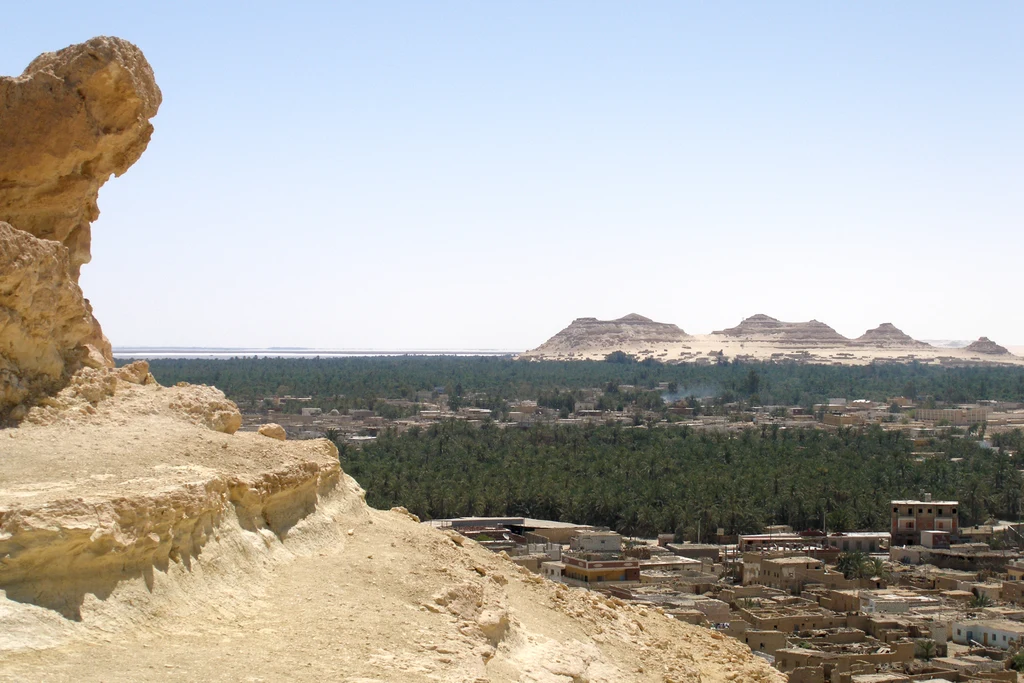
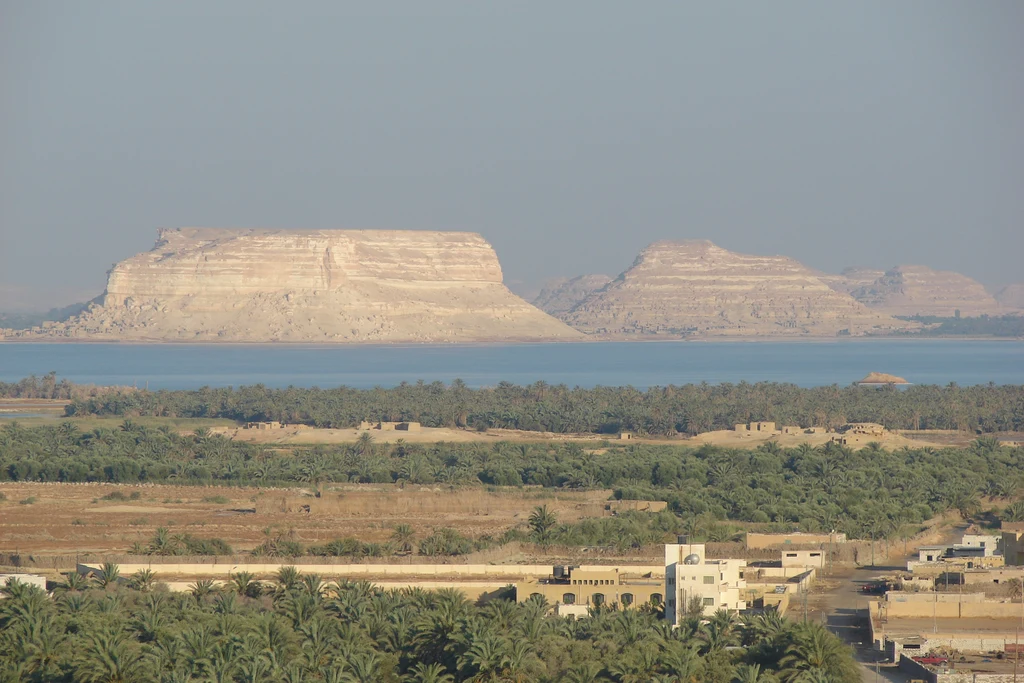
Siwa sits in a depression, and that single fact explains almost everything else. The oasis floor lies below sea level, ringed to the north and west by a rocky plateau and open to the south and east toward the dunes of the Great Sand Sea. Water rises here from springs, hundreds of them by most counts, and where water rises in a desert, people plant. The result is a green bowl some eighty kilometres long in its full extent, though the settled, visited heart of it is far smaller: a town, a scatter of gardens, groves that run to the edge of the salt lakes, and then sand. Stand on any of the low hills around the town at dawn and the shape of the place reads at a glance, which is why this siwa oasis travel guide begins here rather than with a list of sights. Once you have seen the bowl, you understand why the town grew where it did, why the lakes are salty, and why the desert beyond the last palm feels so absolute.
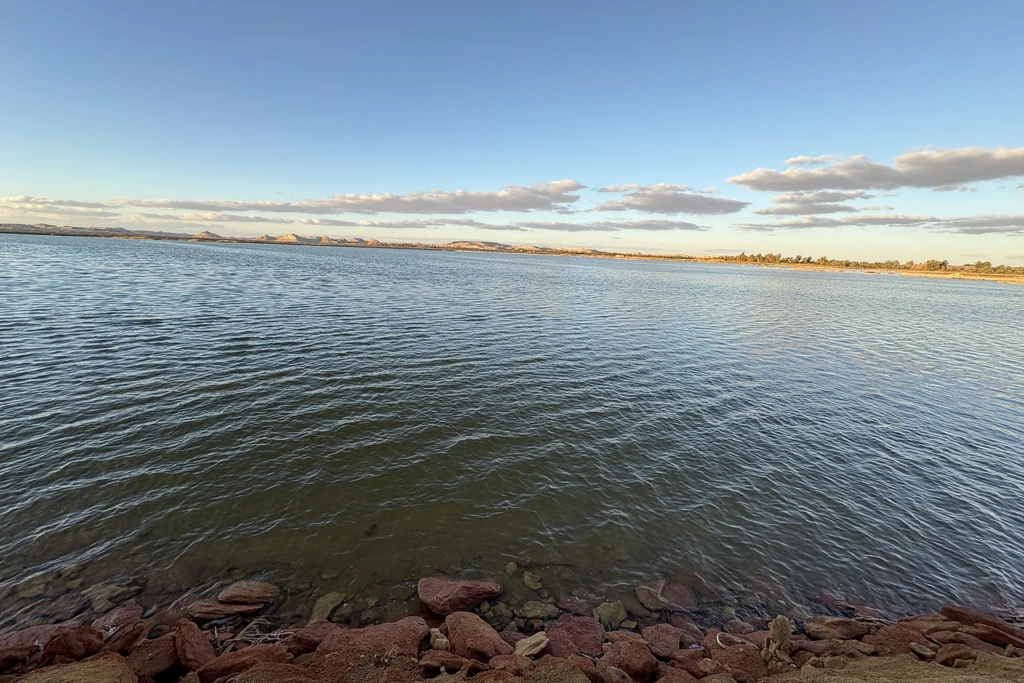
The water is the second fact, and it cuts both ways. Fresh springs feed the palms and olives and fill the swimming pools that visitors love, but the drainage from generations of irrigation has nowhere to go in a closed depression, so it gathers in two large salt lakes, Birket Siwa and Birket Zeitoun, whose water is far too saline to drink or to irrigate with. That is not a flaw in the landscape; it is the landscape, and it is the kind of detail a siwa oasis travel guide has to get right, because it shapes every practical decision that follows. The salt that makes the lakes undrinkable is the same salt that built the town, since Siwa’s traditional building material, kershef, is a mixture of salt rock from the lake shores, mud and clay that sets hard in the dry air. It is also the salt that lets you float in the lakes without effort, and that stings any small cut you forgot you had. Siwa’s beauty and its harshness come from the same chemistry, and a traveller who grasps that will stop being surprised by the place and start enjoying it properly.
For how Siwa fits into a wider Egyptian journey, see our Egypt travel guide. Geography also explains Siwa’s history in a way no list of dates can. An oasis on the edge of the Great Sand Sea, between Egypt and the Libyan coast, was never going to be ignored: it watered caravans, it grew dates worth trading, and it held a temple whose oracle was famous across the ancient Mediterranean. At the same time it was far enough from every capital to be left largely alone, which is how its people, the Siwans, kept speaking Siwi, a Berber or Amazigh language, alongside Arabic, and kept customs that belong to no other Egyptian town. The modern road changed the arithmetic but not the distances. Siwa is still a long way from anywhere, and that distance is both its protection and its problem: it filters out the casual visitor, and it makes everything the town needs, from fuel to fresh produce beyond its own gardens, a journey in itself.
Shali – the Salt Town That Melted in the Rain
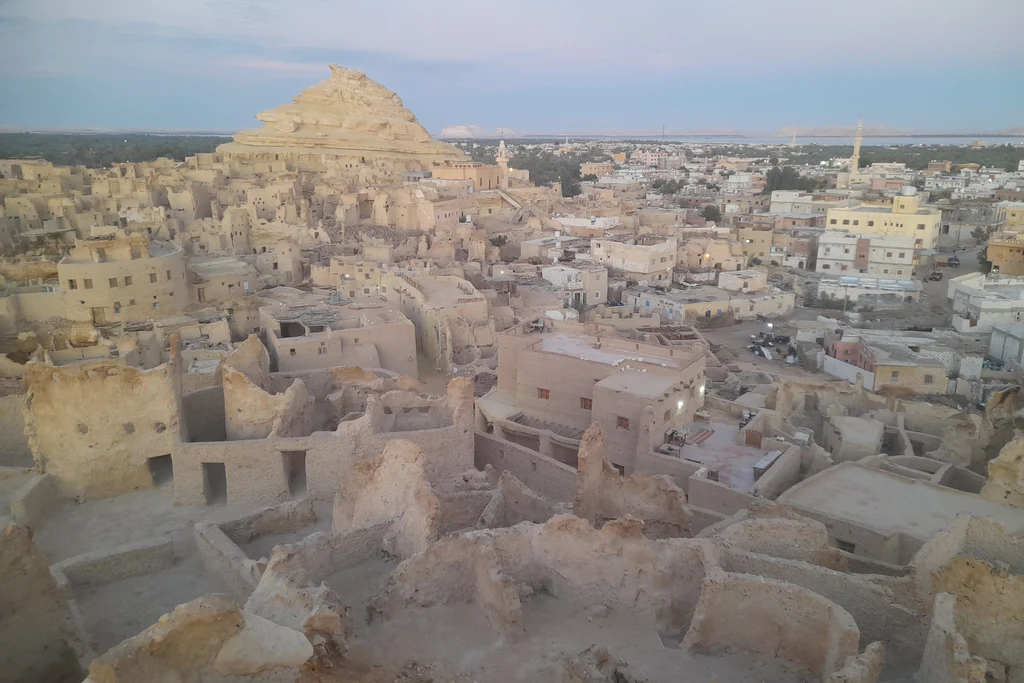
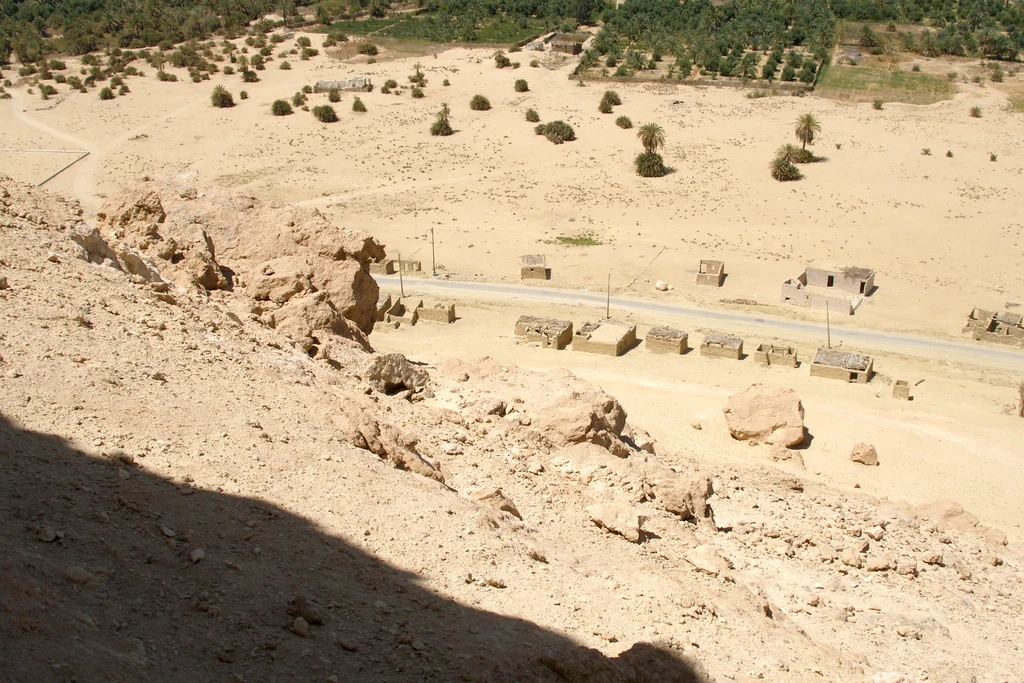
The first sight most visitors climb is also the strangest: a ruined town stacked on a hill in the middle of the modern settlement, its walls the colour of sand and salt, its lanes narrowing to stairways, its upper rooms open to the sky. This is Shali, the old fortified town of Siwa, built from kershef, the salt-and-mud material of the oasis itself, and inhabited for centuries behind walls that were meant to keep raiders out. Sources differ on its exact age, dating its founding to the twelfth or the thirteenth century depending on which history you read, and this guide prints that disagreement rather than smoothing it over, because the honest date for a building made of salt and mud is always going to be approximate. What matters more than the century is the logic: a town built on a hill, walled, entered through few gates, where families lived stacked above each other in a maze that an attacker could not easily read.
Shali’s end came not from an army but from weather. After days of heavy rain in the 1920s, the salt in the walls began to dissolve, houses collapsed, and families moved down to the plain to build again in safer, if less beautiful, materials. The story is told in Siwa with a particular mixture of pride and practicality: nobody here pretends the old town was comfortable, and nobody suggests rebuilding it as it was. What remains is a ruin you can walk through, carefully, with stairways and passages that still give a strong sense of how dense and vertical the old town was, and a summit that gives the best first view of the oasis. Go late in the day, as this siwa oasis travel guide advises, when the low sun turns the kershef gold and the heat has left the stone, and go with shoes that grip, because the salt surface is uneven and crumbling in places, and the ruin is not a maintained museum staircase.
There is a temptation to treat Shali as a backdrop, and Siwa quietly resists it. At the foot of the hill stands the old mosque, and around the hill the modern town carries on its ordinary business: shops, workshops, children on bicycles, the smell of baking and of olive oil. The fortress was restored in part in recent years, and the restored sections sit alongside unrestored ones without apology, which is exactly right for a place that is still a town rather than a stage set. Climb it, look out over the palms and the lakes from the top, and then come down and walk the streets at its base, because the second half of the Shali experience is understanding that the people who built with salt still live here, in houses that no longer dissolve when it rains, and that their town is not a ruin with a town attached but a town with a ruin at its heart.
The Temple of the Oracle at Aghurmi – Where Alexander Came to Ask
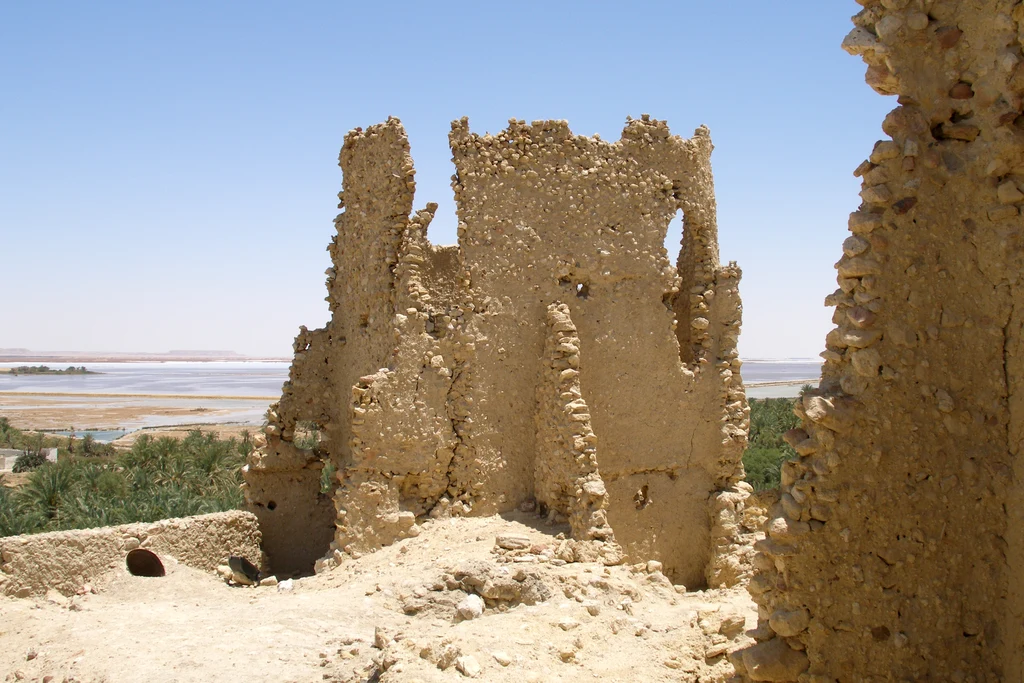
A few kilometres east of the town, on a rocky outcrop above the village of Aghurmi, stand the remains of the temple that made Siwa famous in the ancient world. This was the oracle of Amun, the god the Greeks called Ammon and identified with Zeus, and for centuries rulers and ordinary travellers alike made the desert journey to put questions to its priests. The temple’s surviving fabric belongs largely to the twenty-sixth dynasty, the period of the Saite kings, and its most famous visitor arrived in 331 BCE, when Alexander the Great crossed the desert to consult the oracle after taking Egypt. What the oracle told him, in private, has been argued about ever since; what the visit did for Alexander is not in doubt, since it confirmed, in the language the ancient world understood, his standing as a legitimate ruler of Egypt and as a son of Amun. A siwa oasis travel guide that skipped this story would be missing the reason most of the ancient world had heard of the place at all. The wider archaeological area has sat on UNESCO’s Tentative List as the Siwa archaeological area since 1 November 1994.
The temple itself rewards a modest expectation. It is not Karnak, and it is not Abu Simbel, and anyone arriving with those proportions in mind will feel cheated. What survives is a compact, roofless structure on a commanding rock, with carved reliefs in places, a sense of enclosure that still reads clearly, and views across the whole oasis that explain at once why a temple was built here: the priests could see everything that mattered, the gardens, the lakes and the desert roads, from a single vantage point. The nearby second temple, at Umm Ubayda, is often confused with the oracle temple, and early travellers did confuse them, so take a guide or read the site carefully rather than assuming the first ruin you reach is the famous one. The two temples together, plus the remains of the ancient town around them, make Aghurmi a half-day in its own right rather than a ten-minute photo stop, especially if you walk up in the cooler hours and give yourself time to sit with the view.
There is also a humbler lesson at Aghurmi, and it is worth stating plainly. The oracle’s fame rested on a journey that was hard, and the journey is still hard, just in a different way: a long road, a remote town, a climb in the heat. The temple’s power in antiquity, and the reason this siwa oasis travel guide dwells on the journey, came partly from that difficulty, since an oracle you could consult from your palace would hardly be worth consulting. Modern Siwa keeps a version of that bargain. You do not stumble on the oracle temple; you travel for it, and the travelling is part of what makes standing on the rock feel earned. Come for the Alexander story if you like, but stay for the quieter realisation that this small temple, in this remote depression, once answered questions for kings, and that the questions people bring to Siwa now, about slowing down and living differently, are not so different after all.
Gebel al-Mawta – the Mountain of the Dead
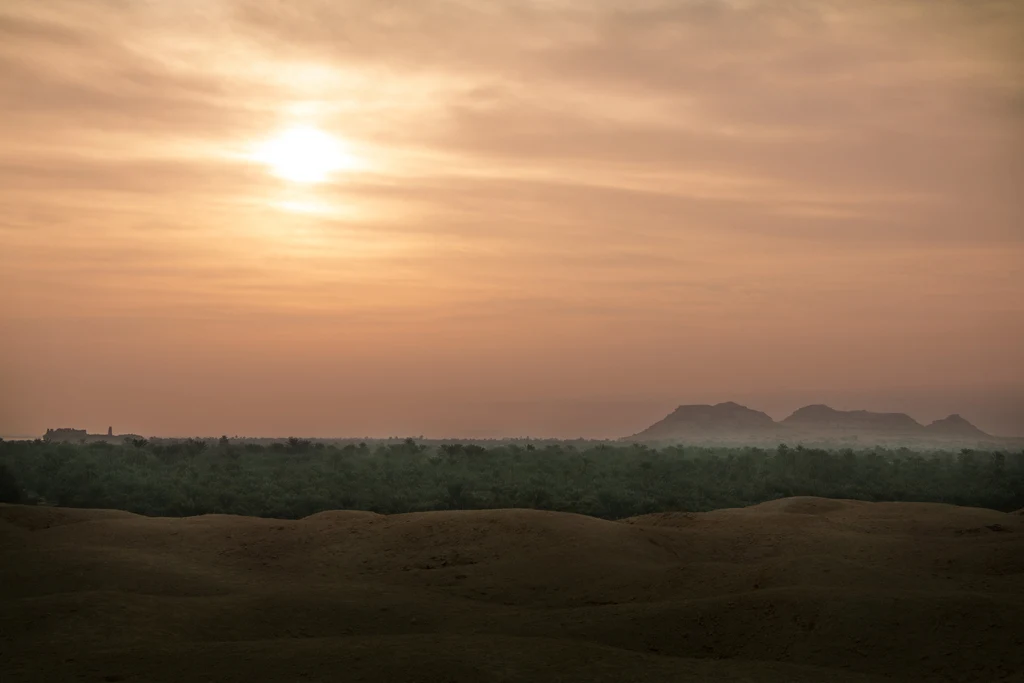
North of the town rises a low, conical hill whose slopes are pitted with openings, as if the rock itself had been nibbled away. This is Gebel al-Mawta, the Mountain of the Dead, Siwa’s ancient necropolis, and it holds rock-cut tombs from the twenty-sixth dynasty through the Ptolemaic and Roman periods. The most celebrated of them belonged to a man named Si-Amun, and its painted walls, with scenes drawn from both Egyptian and Greek traditions, are the reason guides bring visitors here rather than merely pointing at the hill from the road. The paintings are not in pristine condition, and the tombs are not grand in the Valley of the Kings sense; their interest is different, and in some ways greater. They show an oasis community burying its dead with the imagery of two worlds at once, Egyptian gods beside Greek motifs, in a place far from either civilisation’s centre.
The climb is short and the reward is double. Inside, the tombs are small, cool and dim, and the painted chambers repay a slow look with a torch or a phone light used respectfully, without flash where guides ask you not to use it. Outside, the hilltop gives one of the finest panoramas in Siwa: the town and Shali to one side, the palm groves unrolling below, the salt lakes shining to the east, and the desert waiting beyond the last garden wall. It is the best place in the oasis to get your bearings, and the viewpoint this siwa oasis travel guide returns to whenever the map needs checking, and most visitors find that a second visit, later in the trip, means more than the first, because by then the names on the map have become places they have walked. Go in the morning if you can, when the light is on the tombs’ entrances and the heat has not yet settled on the slope, and wear shoes for loose rock rather than sandals.
A word of caution belongs here, because the Mountain of the Dead is also where Siwa’s fragility is easiest to see. The tombs are cut into soft rock, their paintings are exposed to dust, damp and touch, and every visitor leaves a trace whether they mean to or not. Do not lean on painted walls, do not carve initials into anything, and do not assume that because a chamber is open it is robust. The necropolis has survived for more than two thousand years largely because Siwa was remote; now that it is less remote, its survival depends on visitors behaving as if they were guests in someone’s house, which, in a real sense, they are. The dead of Siwa were buried looking out over their oasis, and the least a visitor can do is leave their house in the condition it was found.
The Salt Lakes – Floating in Water That Will Not Let You Sink
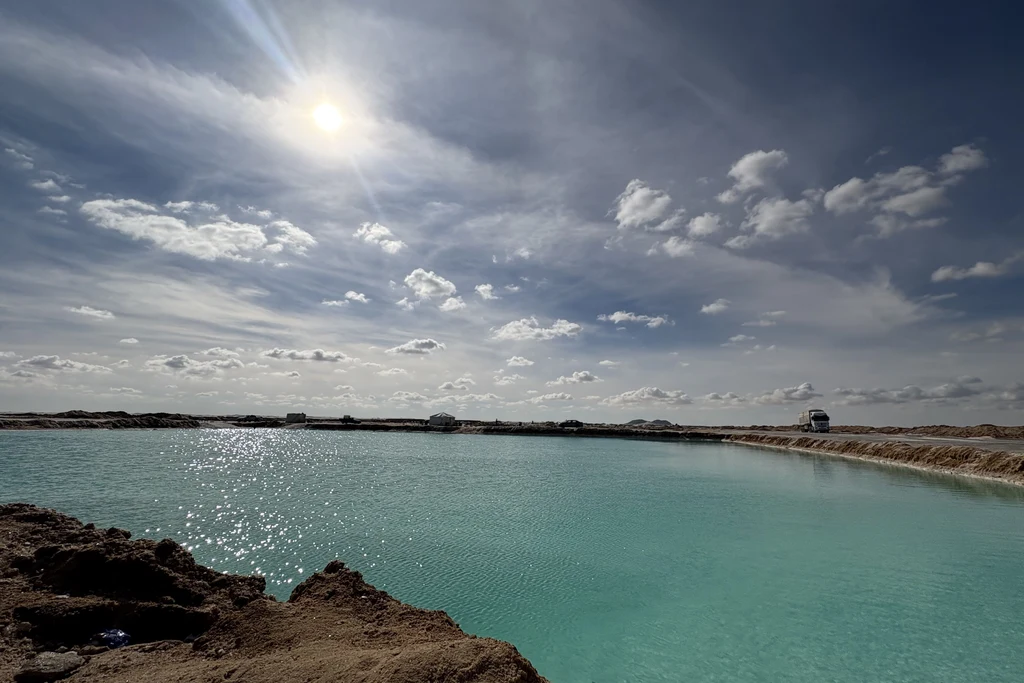
Siwa’s salt lakes are the experience visitors talk about longest afterwards, and they are also the one most often misunderstood. These are not swimming pools with a view. They are shallow, intensely saline lakes and pools, some of them startlingly turquoise, fringed with white salt crusts that crunch underfoot and glitter in the sun. The water is so salty that floating takes no effort at all: you lie back and the lake holds you, in the same way the Dead Sea holds a swimmer, and the sensation is strange enough that first-timers often laugh out loud. It is also water that demands respect. Salt gets into eyes, into any cut, into hair and swimwear, and it dries on skin as a white film that needs a proper rinse. Bring water shoes, the first practical tip of this siwa oasis travel guide, because the salt crusts are sharp, and bring fresh water to rinse with, or plan your next stop at a spring, which is exactly what experienced Siwa itineraries do.
The lakes reward the right hour. At midday the light is harsh and the heat reflects off water and salt alike, and the experience becomes an endurance test rather than a pleasure. Early morning, when the water is still and the colours are at their deepest, or late afternoon, when the sun drops and the palms throw long shadows across the shore, the lakes are at their best, and photographers will find that the famous turquoise reads most truly when the sun is not directly overhead. Some pools are near the road and easy to reach; others need a short drive or a bike ride and a local’s directions. Ask at your lodging which pools are in good condition at the moment, because water levels and access change with the seasons and with irrigation, and a pool that was perfect last month may be low or muddy this month. That variability is not a failing of the guidebooks; it is the nature of a shallow desert lake system, and the locals who live beside it are the only reliable daily bulletin.
There is also an ethical note that belongs in any honest siwa oasis travel guide, and it concerns what the lakes are for. These lakes are part of a working oasis: they receive drainage, they border gardens, and their salt is harvested and used. They are not a theme park, and the edges that look most photogenic are often the most fragile, where salt crusts form slowly and break underfoot in an afternoon. Float, enjoy the strangeness, take your photographs, and then walk back on the paths that are already there rather than cutting new ones across the crust. The lakes will still be turquoise tomorrow, provided today’s visitors leave them the way they found them, and Siwa has a long memory for the difference between guests who do and guests who do not.
Springs and Fatnas Island – the Fresh Water After the Salt
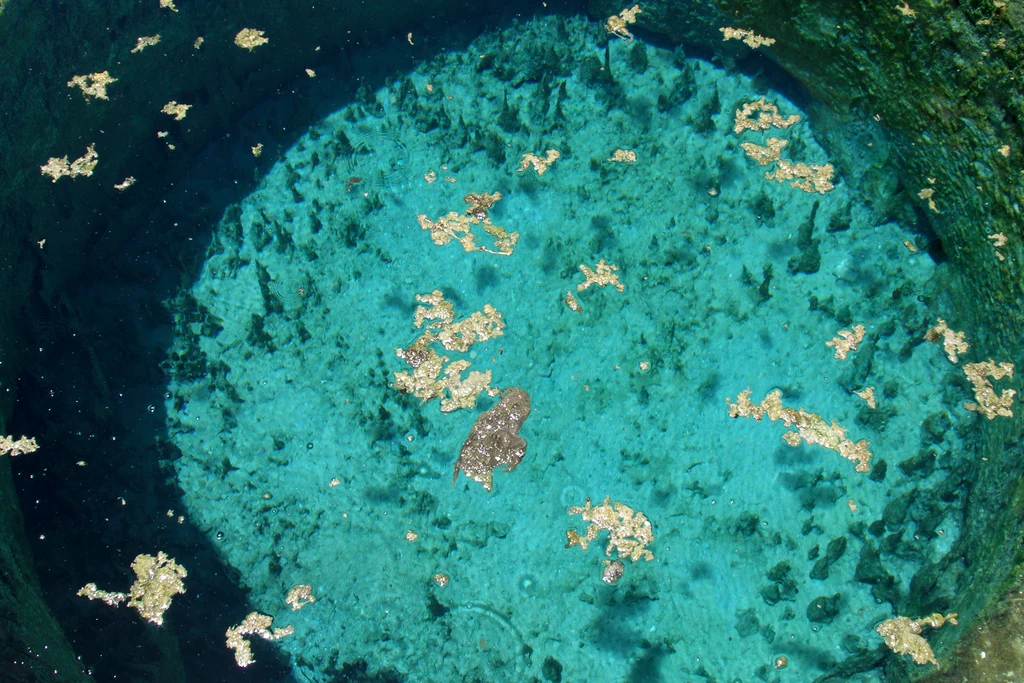
If the salt lakes are Siwa’s strangeness, the springs are its kindness. Scattered through the oasis are fresh springs, some of them developed into simple swimming pools shaded by palms, where the water is clear, cool and, after a salt float, nothing short of miraculous. The best known is the one everyone calls Cleopatra’s Spring, a round, stone-edged pool near the town where, according to local legend, Cleopatra herself once bathed. The legend is exactly that, a legend, and no serious history supports a visit by Cleopatra to Siwa; but the pool does not need the legend, because what it offers is simpler and better, which is clean water, shade, and a place where Siwans themselves come to swim and sit. Treat the name as a story the town tells about itself, enjoy the water, and do not repeat the legend as fact to the next traveller you meet.
The springs have a natural order in a Siwa day, and learning it makes the whole trip smoother. Salt first, fresh water second: float in the lakes, then rinse in a spring, then eat, then climb something for sunset. Reversing the order leaves you salty for the rest of the day, and Siwa’s dust sticks to salt in a way that no shower fully forgives. The same order works across days as well. A morning among the tombs and temples, a midday float and rinse when the heat is at its worst, and a late afternoon climb or lakeside walk when the light returns: that rhythm, repeated with variations, is the skeleton of every good Siwa itinerary, and it is worth more than any list of must-see sights, because it is built around the climate rather than fighting it.
Fatnas Island, which the town also calls Fantasy Island, belongs in this section because it completes the water story at sunset. It is not truly an island but a palm-covered peninsula reaching into Birket Siwa, the western salt lake, a short ride west of the town, and it is where Siwa goes to watch the day end. The causeway, the palms, the freshwater pool at its centre and the open view west across the lake make it the oasis’s natural evening gathering place, and on a clear night the sky above it, far from city light, is as much a part of the experience as the sunset itself. Arrive early enough, as this siwa oasis travel guide recommends, to claim a quiet spot, bring something warm for after the sun goes down, since desert evenings cool quickly even after hot days, and stay for the stars if you can. Fatnas at sunset is the photograph everyone takes, and it is popular for a reason, but the better memory is usually the half-hour after the cameras go down, when the lake goes dark and the oasis settles into its own evening sounds.
The Great Sand Sea – Dunes, Bir Wahed and Going With a Driver
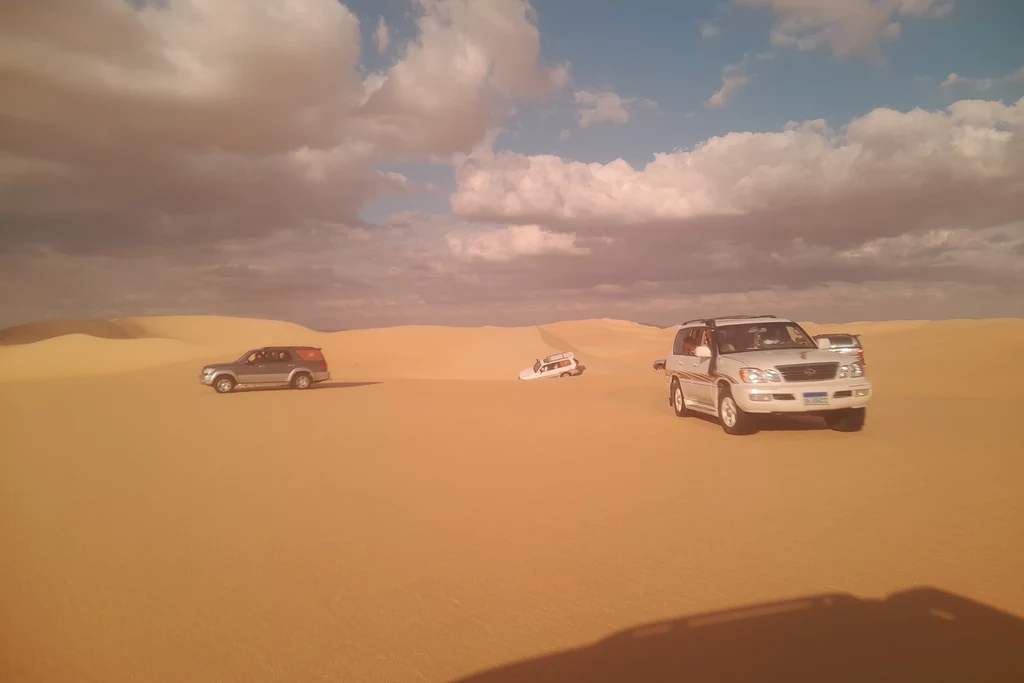
South and west of the last palm grove, Siwa ends and the Great Sand Sea begins, and the change is so abrupt that it feels like crossing a border. This is one of the largest dune fields on earth, a sea of sand that runs from Egypt deep into Libya, shaped by wind into long ridges that march in parallel lines for distances that defeat the eye. Near Siwa the dunes are accessible enough for a half-day excursion; further out they become a serious expedition, and the difference between those two things is the most important safety judgement a Siwa visitor will make. The dunes look empty and therefore safe. They are empty and therefore dangerous, because there is no water, no shade, no signal in places, and no passing traffic to flag down if a vehicle bogs down or a person falls ill. Every part of this siwa oasis travel guide’s desert advice comes back to one rule: go into the deep dunes only with a local driver who knows them, in a proper four-wheel-drive, with the permits and provisions the trip requires.
The standard excursion, and the right one for most visitors, is a half-day or full-day safari from the town: dune driving, sandboarding on a suitable slope, a stop at a desert spring, and a sunset watched from a high dune with a camp meal. Bir Wahed, a hot spring in the dunes whose water runs warm even in winter, is the classic stop, and the contrast between hot spring water and cool desert air at dusk is one of Siwa’s signature pleasures. A night camped in the dunes, for those who arrange it, adds the desert sky in full, and it is worth the extra planning, because the Great Sand Sea at night, silent and star-filled, is an experience that no photograph prepares you for. What you should not do is hire a car in the town and strike out alone, or follow a track because it looked passable, or assume that a phone map will save you. The drivers of Siwa have spent their lives reading this sand; the visitor’s job is to hire that knowledge, not to improvise around it.
There is also a question of permission that visitors sometimes treat as paperwork and locals treat as real. Parts of the desert around Siwa are near a sensitive border, and desert travel here is regulated: operators arrange the necessary permissions for their routes, and some areas are simply not open to casual travel. Ask your operator, before you pay, what permissions your trip includes and which areas it avoids, and be suspicious of any offer that promises everywhere with no mention of permits at all. The same applies to the road between Siwa and the Bahariya Oasis, which different governments have advised against at different times; conditions and advice change, so check current official travel advice before you travel rather than relying on a blog post, including this one, for a route decision. Siwa rewards the traveller who plans the desert properly and punishes, quietly and without drama, the traveller who does not.
Palm Groves, Dates and Olives – the Working Oasis
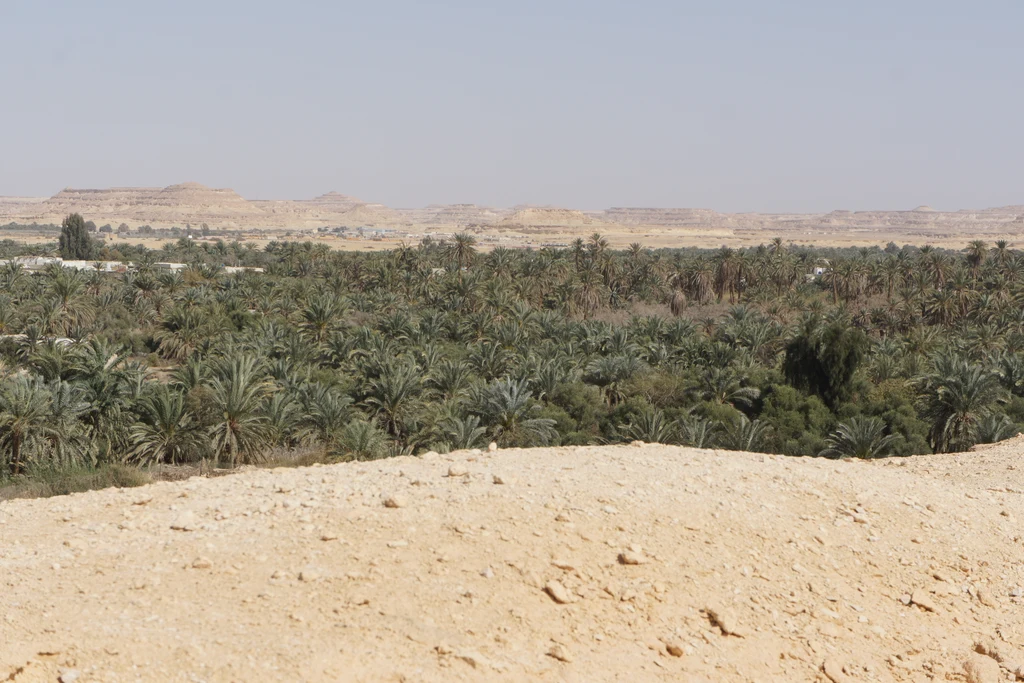
It is easy, among temples and salt lakes, to forget that Siwa is first of all a farm, and that its beauty is the by-product of work. The groves that fill the depression are not ornamental: they are gardens, divided into plots, watered by springs and channels, planted with date palms above and olives, vegetables and fodder below, in the layered planting that desert oases have used for centuries. Dates from Siwa are famous across Egypt, and olives and olive oil are the oasis’s other great crop, pressed and sold in the town’s shops and markets. Walking or cycling through the groves, on the tracks between the plots, is one of the most pleasant things to do in Siwa, not because there is a sight at the end of the track but because the groves themselves are the sight: shade, birdsong, the sound of water in a channel, and the smell of dates in season.
The groves also teach the visitor how to behave in Siwa, a lesson this siwa oasis travel guide keeps returning to, if they pay attention. These are private gardens, not a public park, and the tracks through them are working paths used by farmers, donkey carts and irrigation workers. Walk or cycle on the tracks, do not pick fruit without asking, do not climb trees, and do not wander into a plot that is clearly someone’s garden because it looked photogenic. A farmer who is offered a greeting and a little Arabic, or even a smile and a wave, will often wave you on with goodwill; a visitor who treats the grove as a backdrop will be tolerated, but not welcomed, and the difference matters in a small town where word travels. If you want to understand the groves properly, ask your lodging to arrange a visit with a gardener or a date merchant, who can explain the varieties, the harvest and the irrigation in a way no signboard can, and who will usually be glad of the interest.
Dates and olives are also the honest souvenirs of Siwa, and they beat almost anything else on sale in the town. Buy dates in the market or from a merchant who can tell you which variety you are buying and when it was harvested; buy olive oil from a press or a trusted shop rather than from a bottle with no story; and taste before you buy, because Siwi dates vary enormously in sweetness, texture and keeping quality, and the best ones are not always the glossiest. The same advice applies to the town’s other crafts, which are covered in the next section: buy the thing whose maker you can name, or whose shopkeeper can explain it, and leave the anonymous imitation on the shelf. A siwa oasis travel guide that told you to buy everything would be doing the town no favours; a guide that tells you to buy less, and better, is closer to how Siwa itself would like to be remembered.
Siwi Life – Language, Crafts and the Customs Worth Observing
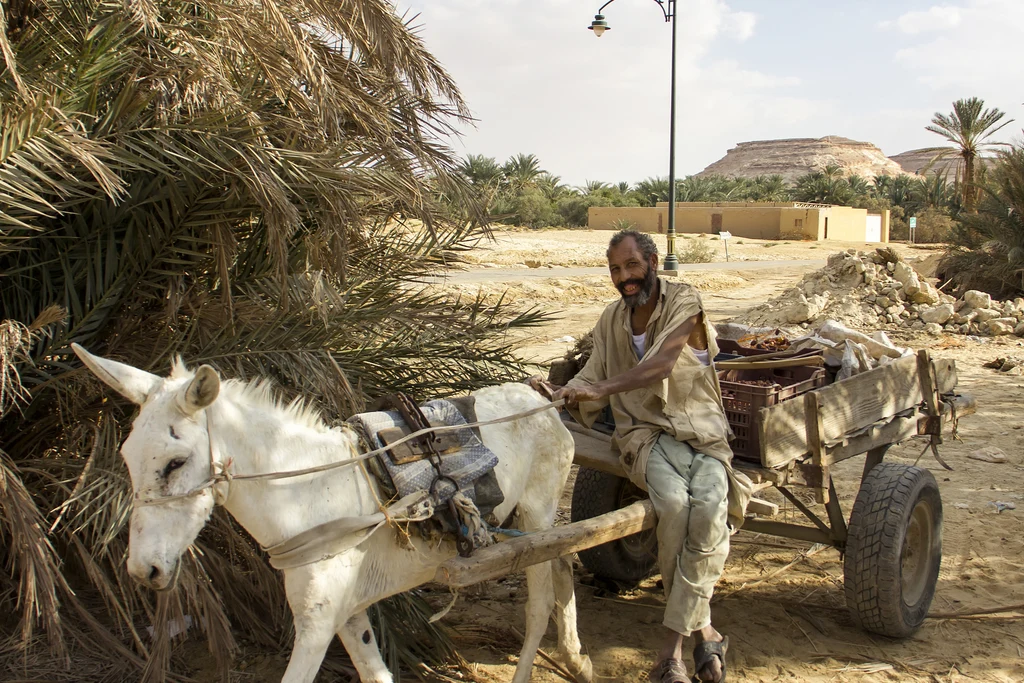
Siwa’s people are Amazigh, or Berber, and they are the easternmost Berber community in North Africa, which is a fact worth pausing on, because it means their language, Siwi, belongs to a family that stretches across the Sahara to the Atlantic, yet survives here, at its eastern edge, in a single oasis. Most Siwans also speak Arabic, and visitors will manage in Arabic and English in hotels and tour offices, but the language you hear in homes, in the market and among older people is Siwi, and it carries customs, songs and stories that Arabic does not. You are not expected to learn Siwi for a short trip, and no siwa oasis travel guide should pretend otherwise, and nobody will be offended if you do not, but learning a greeting, listening when Siwi is spoken around you rather than talking over it, and understanding that you are in a place with its own tongue will change how people respond to you. Language is not decoration in Siwa; it is the clearest proof that this oasis kept itself.
The crafts of Siwa grow out of the same distinctness. Silver jewellery, embroidered textiles, woven baskets and pottery made in the oasis’s own styles are sold in the town’s shops and market, and the best pieces are still made by hand in ways that show their making: hammer marks on silver, uneven dye in cloth, the weight of a basket that was woven to carry something rather than to decorate a wall. The market itself is worth an unhurried hour, not for bargaining theatre but for observation: dates and olives beside household goods, crafts beside everyday clothing, and the ordinary commerce of a town that does not exist for tourists, even though it welcomes them. Women travellers sometimes ask about dress and conduct, and the honest answer is simple: Siwa is a conservative community, and modest dress, shoulders and knees covered for everyone, is both respectful and practical in the sun. Photographing people, especially women, without asking is not acceptable here, and asking politely, and accepting a refusal gracefully, is part of the visit rather than an obstacle to it.
Two further customs deserve mention because visitors get them wrong most often. The first is alcohol, which is not sold in Siwa, and which visitors should not expect to find or make a fuss about not finding; the town’s conservatism on this point is not a puzzle to be solved but a fact to be respected, and the evenings here are built around tea, conversation and the sky rather than bars. The second is the pace of the place. Siwa runs slower than Cairo or the Red Sea resorts, shops close in the heat, plans shift, and a driver who said morning may mean late morning. Treating that as inefficiency misses the point entirely: in a desert oasis, the heat is a real constraint, rest is a real need, and a schedule that ignores both will fail. Build slack into every day, confirm plans the evening before rather than assuming them, and let Siwa set the tempo. Visitors who do are the ones who come back; visitors who fight the tempo usually leave early, and blame the town for their own timetable.
Dakrour Mountain and the Siyaha Festival – Reconciliation on a Hill
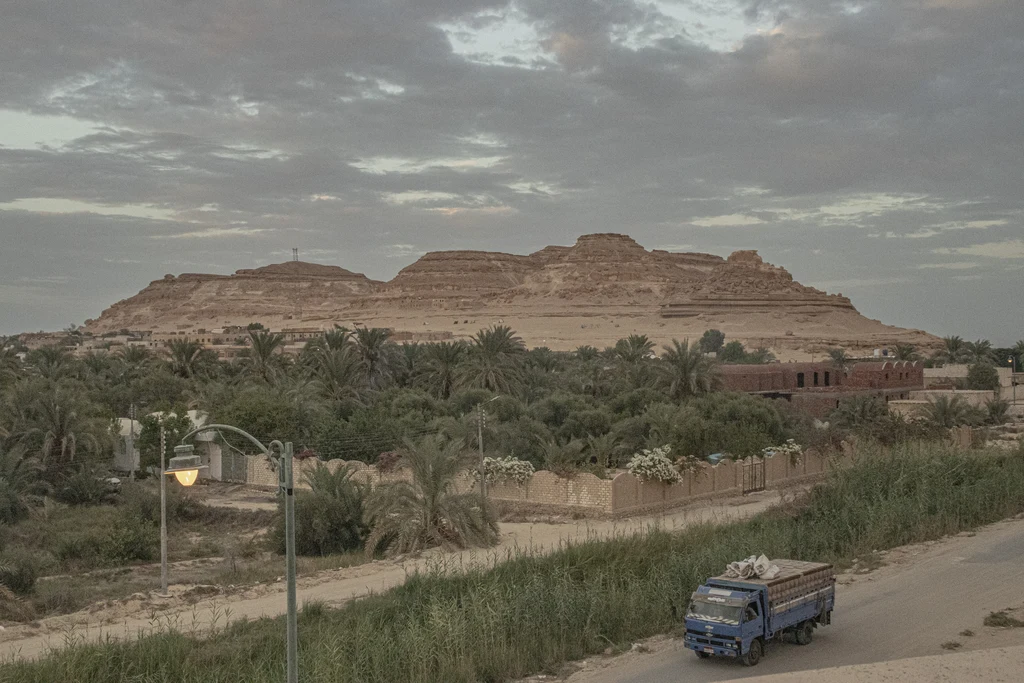
South of the town rises Dakrour Mountain, a long, dark ridge that is one of the landmarks of the oasis and the setting for Siwa’s most important annual gathering. The Siyaha festival, also called the Festival of Reconciliation, is held around the full moon in October, when Siwan families gather on the mountain for three days of prayer, communal meals, songs and the settling of disputes. The festival’s purpose is exactly what its second name says: it is a time when quarrels are put aside, debts of honour are addressed, and the community renews itself, and it is therefore not a performance laid on for visitors but a working part of Siwan social life. Travellers who happen to be in Siwa during Siyaha may be welcomed to observe, and some lodgings arrange respectful attendance, but the festival belongs to Siwa first, a fact this siwa oasis travel guide states plainly because it matters, and a visitor’s role, if they are invited at all, is that of a quiet guest.
Dakrour is worth climbing outside the festival as well, though it is a proper hill walk rather than a stroll, and it should be done in the cooler hours with water, sun protection and shoes that grip loose rock. The views from the ridge repay the effort: the whole oasis laid out below, the town and Shali, the groves, the lakes, and the desert beyond, in a panorama that makes the shape of the depression obvious in a way no map can. The mountain is also associated in local tradition with healing, and visitors will hear stories about its springs and its air; those stories are part of Siwa’s folklore and should be enjoyed as folklore, not repeated as medical claims. What is certain is that Dakrour gives the best long view in the oasis after Gebel al-Mawta, and that a morning spent walking its lower slopes, among the gardens at its foot, is a good use of a day that might otherwise be spent rushing between sights.
There is a broader lesson in Dakrour and Siyaha that runs through this whole siwa oasis travel guide, and it is about what makes Siwa different from a resort with ruins. In most Egyptian destinations, the past is something you visit; in Siwa, the past is something people live inside, argue about, reconcile over, and carry into the present in a language most Egyptians do not speak. The festival is not staged antiquity, the mountain is not a viewpoint with a legend attached, and the community that gathers on the hill in October is the same community that farms the groves, sells the dates and drives the desert safaris. A traveller who understands that will visit Siwa differently: less as a collector of sights and more as a guest in a place that has its own reasons for being the way it is, reasons that do not need a visitor’s approval to be valid.
Getting There and Getting Around – the Long Road In
There is no gentle way to arrive in Siwa, and that is part of the point. The usual route runs from Marsa Matruh on the Mediterranean coast, south into the desert on a paved road that takes several hours, and the longer journey from Cairo, via Alexandria and Marsa Matruh, takes the better part of a day. Rival guides quote that Cairo journey at anywhere from eight to twelve hours depending on route, stops and checkpoints, and this guide deliberately prints that range as a range, because the honest answer depends on conditions no writer can fix in advance: traffic out of Cairo, the number and length of checkpoint stops, road works, and the simple fact that a desert road in summer is driven differently from a desert road in winter. What is certain is that Siwa is not a day trip from anywhere, that it should not be attempted as one, and that the traveller who treats the journey as part of the trip, with an overnight in Marsa Matruh or Alexandria on the way, will arrive in a far better state than the traveller who tries to do it all in one push.
Buses run to Siwa, usually overnight from Cairo or by connection through Marsa Matruh, and private cars and arranged transfers are the other common options; which is best depends on your budget, your tolerance for long bus nights, and whether you want to stop on the coast. Travellers combining Siwa with the capital’s museums will find our Grand Egyptian Museum guide useful for the Cairo leg. Whichever you choose, carry your passport and any documents your operator asks for, because there are checkpoints on the desert roads, and photographing soldiers or checkpoints is forbidden and unwise. Fuel, water and snacks should be sorted before the desert stretch, not during it, since services on the road are sparse, and a phone charger and an offline map are worth more than any guidebook on this leg. If you are driving yourself, remember that the desert road is long, straight and soporific, that camels and other animals do cross it, and that night driving in the desert is a risk that no timetable justifies.
Once in Siwa, the transport problem, as this siwa oasis travel guide promised, solves itself. The town is small, the sights around it are close together, and the best ways to get around are a bicycle, a tuk-tuk or a donkey cart for short hops, and your own feet for everything in the town centre. Bicycles can be hired from lodgings and shops, and they are the ideal Siwa vehicle: fast enough to reach the lakes and Aghurmi, slow enough to notice the groves, and easy to park anywhere. Tuk-tuks cover the town and the nearer sites for a negotiated fare, agreed before you set off, and donkey carts, though slower, are part of the town’s character and worth a ride at least once. For the Great Sand Sea, and for any desert track beyond the last grove, none of these will do: that is four-wheel-drive country, with a driver, as the earlier section explained, and the distinction between town transport and desert transport is one Siwa enforces itself, by geography, whether visitors respect it or not.
When to Come and How Long to Stay – Seasons in a Desert Oasis
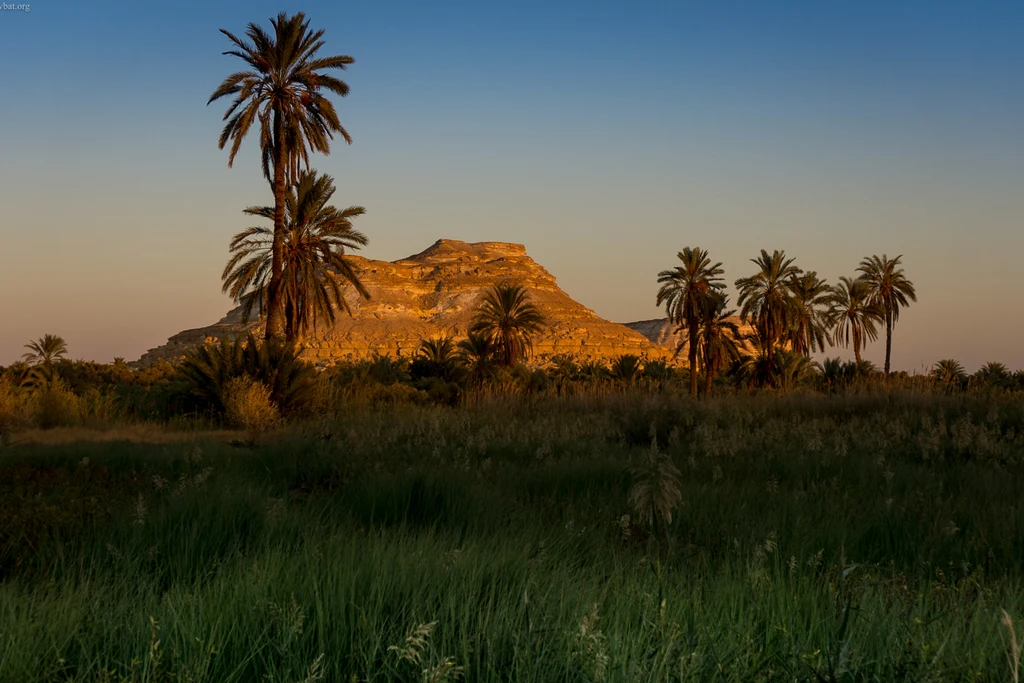
Every siwa oasis travel guide agrees on the broad seasonal picture, and for once the agreement is reassuring rather than suspicious. The best months are the cooler ones, roughly October through April, when days are warm and pleasant and nights are cool, sometimes cold in the desert in December and January, when a warm layer for the evening is not optional but essential. October and November are especially good, since the heat has broken, the Siyaha festival falls around the October full moon, and the light is at its clearest; February through April brings the same virtues with longer days and the groves in their greenest state. Summer, from May through September, is a different proposition: days are extremely hot, often well above forty degrees, sightseeing becomes an exercise in endurance, and even the salt lakes, which sound refreshing, offer little relief when the air itself is an oven. Siwa does not close in summer, and some travellers do come then, but a first trip in high summer is a hard way to meet a place that is best met gently.
How long to stay follows from the journey. One night in Siwa, after a full day’s travel to reach it, leaves you with a single rushed day before another full day’s travel out, and that is not a trip but a transit with photographs. Two nights gives you a full day for the town, Shali, the oracle temple and the Mountain of the Dead, with a salt float and a spring rinse fitted around the heat. Three nights, the minimum this guide recommends, adds the Great Sand Sea excursion and a proper evening at Fatnas, with time left over for the groves and the market without hurrying. Four nights, with a night camped in the dunes, is the version most returning visitors describe, because it adds the desert sky and a slower morning after it, and because Siwa, like many remote places, reveals itself on the third day in a way it does not on the first. If your Egypt itinerary cannot spare three nights, consider whether Siwa belongs in it at all, rather than squeezing it in and leaving with the impression that it was merely remote.
A final seasonal note concerns water and light rather than temperature. The salt lakes look their best when the sun is low, the springs are most welcome at midday, the dunes photograph best at dawn and dusk, and the town itself is most alive in the cooler hours of morning and evening. Plan each day around those facts rather than around a list, and Siwa will feel generous even in a short stay. The oasis has been receiving visitors for a very long time, from Alexander’s party to the present day, and it has learned to be patient with them; the least a visitor can do is be patient with its seasons, and choose the months when patience is easy.
A Three-Day Siwa Oasis Travel Guide Itinerary
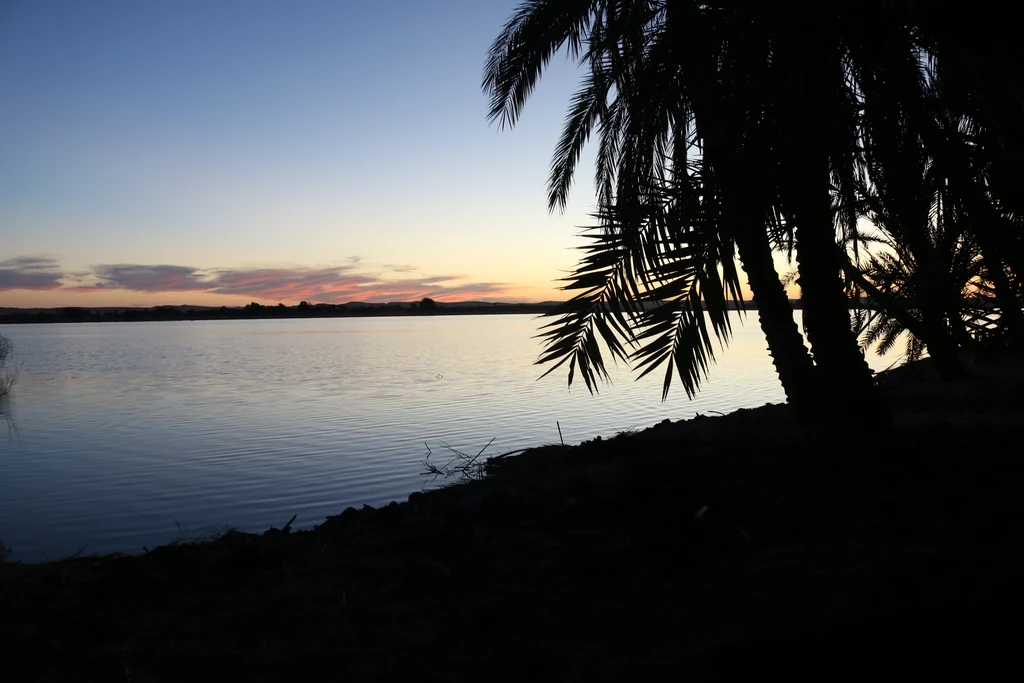
Day one belongs to the town and its history, and it should start slowly. Arrive, settle into your lodging, and spend the morning walking the town centre and the market, getting your bearings and hiring a bicycle for the days ahead. In the cooler part of the afternoon, climb Shali for the view and the sense of the old town, then walk down to the springs for a first swim and rinse, and finish at Fatnas Island for sunset, when the lake and the palms do their best work. This is a deliberately light first day, and it is light on purpose: after a long journey, the worst thing you can do in Siwa is start climbing hills at midday, and the best thing you can do is learn the town’s shape, its streets and its evening light, before you ask anything more of yourself. Eat in the town in the evening, try the dates and the olive oil, and go to bed early, because Siwa mornings reward the early riser.
Day two is the ancient day, and it should start early. Cycle or ride out to Aghurmi in the morning, when the light is kind and the temple rock is still cool, and spend unhurried time at the oracle temple and the second temple at Umm Ubayda, reading the site rather than racing it. From there, continue to Gebel al-Mawta, the Mountain of the Dead, for the tombs and the panorama, and return to town for a long midday break: a salt float in the lakes, a rinse at a spring, lunch, and rest through the worst of the heat. In the late afternoon, cycle through the palm groves, stop at a garden or a date merchant’s shop, and end the day in the market, where the town’s ordinary commerce is at its liveliest. This day covers the historical core of any siwa oasis travel guide, and it does so in the order the climate suggests, with the exposed hilltops in the morning, the water at midday, and the shade and the town in the evening.
Day three is the desert day, and it is the one to protect from over-scheduling. A half-day or full-day excursion into the Great Sand Sea, with a local driver, dune driving, sandboarding, a stop at Bir Wahed, and a sunset from a high dune, is the centrepiece, and, as this siwa oasis travel guide strongly advises, it should be booked through your lodging or a reputable local operator rather than improvised on the morning. If you have a fourth day, spend it on Dakrour Mountain in the morning and the groves and crafts shops in the afternoon, or take the night camp in the dunes that turns a good trip into a memorable one. If you have only three days, use the morning of departure for a last walk through the groves and a last swim, and leave with the town’s shape in your head rather than a frantic final checklist. Siwa is not a place to be completed; it is a place to be visited well, and a three-day itinerary that leaves you wanting to return has succeeded far better than a three-day itinerary that leaves you exhausted.
Questions Travellers Actually Ask About Siwa
Is Siwa worth the long journey? For the right traveller, unquestionably, and for the wrong traveller, not at all, and the difference is a matter of temperament rather than budget. If you want polished resorts, nightlife and a dense list of sights, Siwa will frustrate you, because it offers none of those things in the form you expect. If you want a place that is unlike anywhere else in Egypt, a living Amazigh culture, a temple that changed ancient history, salt lakes you can float in, and a desert that starts where the last palm ends, then the journey is not a cost but part of the experience, and Siwa repays it. Ask yourself, before booking, whether you enjoy slow places. Siwa is a slow place, and it is proud of it.
How many days do I need in Siwa? Three nights is the honest minimum, as the itinerary above explains, because the journey in each direction consumes most of a day, and a single full day cannot cover the town, the oracle temple, the Mountain of the Dead, the salt lakes and the desert. Two nights is possible if you are disciplined and skip the deep desert, but you will leave knowing you missed the dunes, which are half the point. Four nights, with a desert camp, is the trip most people wish they had booked, and if you can spare the time, spare it. Siwa punishes haste more visibly than most destinations, because its pleasures are quiet ones that need an unhurried day to register.
When is the best time to visit Siwa? October through April, with October and November and February through April the sweetest months, when days are warm and nights are cool. December and January are pleasant by day but cold at night, especially in the desert, so pack a warm layer. May through September is extremely hot, and while Siwa remains open, a first visit in high summer is hard work and poor value for the journey. If you can align a trip with the Siyaha festival around the October full moon, do so, but remember that the festival is a community gathering first and a visitor event second, and attend only as a respectful guest.
Do I need a guide in Siwa? For the town, the temples and the tombs, no, though a local guide will add a great deal at Aghurmi and Gebel al-Mawta, where the stories are not written on the walls. For the Great Sand Sea, yes, without exception: go with a local driver in a proper four-wheel-drive, with permits arranged, and do not attempt the deep dunes alone. For the groves and the market, the best guide is curiosity and a greeting, and for the salt lakes, the best guide is the advice of your lodging on which pools are in good condition that week. Hiring locally, for the desert above all, is both the safest and the most useful money you will spend in Siwa.
Can I swim in the salt lakes and the springs? Yes, and the combination is the classic Siwa day: float in the salt lakes, where the salinity holds you effortlessly, then rinse in a fresh spring, where the water is clear and cool. Bring water shoes for the sharp salt crusts, bring fresh water for rinsing if you are not heading straight to a spring, and avoid getting salt water in your eyes. The lakes are shallow and the springs are simple pools, not lifeguarded resorts, so swim within your ability, supervise children closely, and respect any local guidance about which pools are for swimming and which are working water for gardens. The springs’ most famous name, Cleopatra’s Spring, is a legend rather than a history, and enjoying it as a story rather than a fact harms nothing.
Is Siwa safe for visitors? Siwa is a small, conservative town where visitors are generally welcomed and where ordinary street safety is good, but it sits in a remote desert near a sensitive border, and that geography carries real conditions. Desert travel is regulated and needs permits arranged through operators; some routes, including the Bahariya to Siwa desert road, have been advised against by governments at various times, so check current official travel advice before you travel and do not rely on any guide, including this siwa oasis travel guide, for a route decision. In town, the usual rules apply: dress modestly, ask before photographing people, do not photograph checkpoints or soldiers, and carry your passport on desert roads. The risks in Siwa are mostly environmental, heat, sun, dehydration and getting lost in dunes, and they are managed by planning, water, shade and a local driver, not by worry.
What should I bring to Siwa? Sun protection and water above all, then water shoes for the salt lakes, shoes that grip for Shali and the tombs, a warm layer for desert evenings even in the cooler months, and a torch for dim tomb chambers. Cash is useful, since card acceptance is limited in a small town, and a phone charger and offline map matter on the long road in. Pack light for the town itself, since you will mostly walk or cycle, and leave room for dates and olive oil on the way home, which are the souvenirs that actually taste of the place. Above all, bring patience: Siwa runs on its own time, and the traveller who brings patience will find it returned with interest.
The Short Version – Why Siwa Stays With You
Most places you visit fade into a list of sights, and a few stay as a feeling, and Siwa belongs firmly in the second group. What stays is not any single temple or lake but the combination: the green bowl in the desert, the salt town on its hill, the oracle on its rock, the language you cannot understand and the welcome you can, the float in water that will not let you sink, and the night sky over dunes that seem to have no end. This siwa oasis travel guide has tried to give you the practical shape of that feeling, the order of a day, the seasons, the customs and the cautions, without pretending that any guide can contain the place itself.
Go for three nights at least, go in the cooler months, go with a driver into the dunes, and go slowly. Siwa has waited a very long time for its visitors, from Alexander’s desert crossing to the present day, and it is in no hurry. Neither, once you arrive, should you be.