Mysuru sits in a useful spot: hills, forests and coffee country are all a few hours away. The mistake is to treat every hill station as interchangeable. Coorg is for coffee estates and mist, Ooty is for structured family attractions, Wayanad is for forests and plantations, and Chikmagalur is for trekkers. This guide compares ten options by distance, character and ideal stay, so you can choose one weekend trip well instead of listing five.
Distances below are approximate and shift with traffic and route. Use them as a planning guide, not a timetable, and check the official site before visiting for park, safari and attraction hours.
At a Glance
| Hill station | Approx. distance from Mysore | Best for | Ideal stay |
|---|---|---|---|
| Coorg (Madikeri) | 110–120 km | Coffee estates, waterfalls | 2 days |
| Ooty | About 125 km | Tea gardens, cool air, family attractions | 2 days |
| Wayanad | 130–140 km | Forests, plantations, dams | 2 days |
| Bandipur / Kabini | 70–80 km | Wildlife, river views | 1–2 days |
| Chikmagalur | About 170 km | Trekking, coffee estates | Long weekend |
| Sakleshpur | About 150 km | Quiet estates, fort views | 2 days |
How to Choose: A Simple Decision
Choosing well starts with an honest answer about what kind of traveller you are, because the hills around Mysuru do not reward the same plan in every place. Couples or atmosphere-seekers should pick Coorg, where mist settles over coffee estates in the morning, homestays are set back from main roads, and the pleasure is slow: a walk between rows of coffee and pepper vines, a sunset from a quiet viewpoint, and an evening with no fixed itinerary. First-timers and families should pick Ooty, where the attractions are structured and easy to reach, the lake, gardens and toy train give children clear highlights, and food, transport and accommodation are organised around tourism. Trekkers should pick Chikmagalur, where the landscape is made for walking, the peaks are higher and the trails demand proper shoes, water and an early start. Wildlife lovers should pick Bandipur or Kabini, where the day is shaped by safari timings, forest rules and patience rather than sightseeing lists. Quiet-seekers should pick Sakleshpur, where estates are spread out, crowds are thinner, and a fort viewpoint or a railway-trail walk can fill a day without hurry. Wayanad sits between Coorg and Ooty in character: greener and more forested than Ooty, with more waterfalls and dams than Coorg, and with a Kerala flavour in its food, plantations and forest drives. The distance differences matter less than this character difference, because a 120-kilometre drive to the wrong kind of place feels longer than a 170-kilometre drive to the right one. Decide first on pace, crowds, walking and wildlife, then match the place to that answer, and let the rest of the plan follow from it, including your stay, your driving times and your daily rhythm.
A second useful test is how much structure you want once you arrive. Ooty and Coorg both work for a first visit, but they work in different ways: Ooty gives you a list that is easy to tick off, while Coorg gives you an atmosphere that is easy to enjoy without ticking anything off. If you like to plan each hour, Ooty will feel comfortable and Coorg may feel vague unless you book an estate walk, a plantation tour or a guided viewpoint visit in advance. If you dislike queues and fixed timings, Coorg, Sakleshpur and Coonoor will suit you better, because their best moments are walks, views and estate stays rather than ticketed attractions. Families with young children should also weigh driving time and altitude change, because ghat roads, hairpin bends and monsoon mist can tire children and drivers alike, and a shorter drive to Bandipur or Coorg often makes a weekend feel like a break rather than a journey. Trekkers should weigh fitness and season together, because a peak that is pleasant in winter can be slippery, leech-prone or closed in heavy monsoon, and forest permissions change with conditions. Wildlife travellers should weigh season most of all, because animals are easier to see in the dry months, while the forest is greenest and most beautiful after rain, and those two pleasures do not always peak together. Finally, check the official site before visiting for park, safari and attraction hours, because timings, maintenance closures and forest rules change, and a single closed gate can reshape a short trip. Choose one place, give it two days, and resist the temptation to add a second hill station to the same weekend.
1. Coorg (Madikeri) — Coffee Country
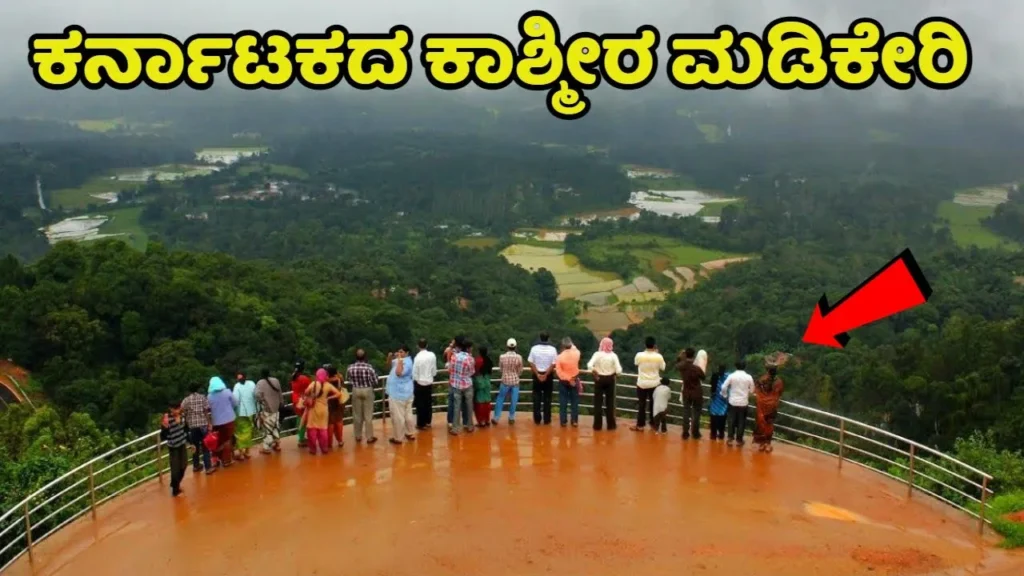
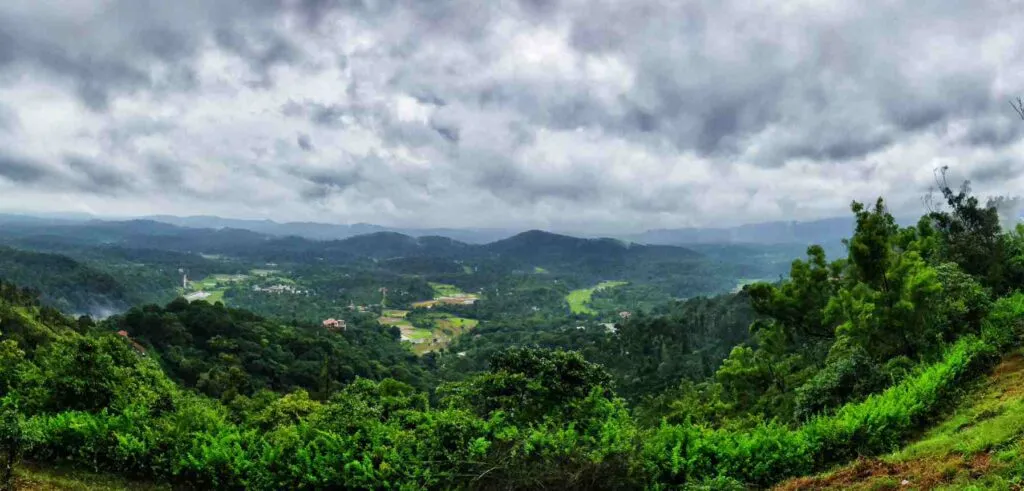
Coorg, centred on Madikeri, is Karnataka’s coffee country, and its character comes from working estates rather than from a single famous monument. Coffee grows here under shade trees, often intercropped with pepper, cardamom and fruit, and the landscape is a patchwork of green slopes, forest strips and small streams that turn misty in the early morning. Madikeri itself is a compact hill town with a fort, a palace museum, markets selling coffee, spices and honey, and Raja’s Seat, the sunset viewpoint where the hills open out over valleys that glow in the evening light. Abbey Falls, set inside forest a short drive from town, is best after the monsoon when the Kaveri tributary is full, though the steps down can be slippery and the viewpoint is more rewarding than any attempt to reach the water itself. Dubare Elephant Camp, on the Kaveri, is the classic family stop, where the river setting and the elephant interaction programme shape the visit, and where advance planning matters in busy seasons. Beyond these named stops, the real experience is an estate walk or a homestay stay: waking to birdsong, walking a plantation trail with a local guide who can explain shade trees, cherry picking and drying, and tasting coffee that was grown a few hundred metres from your room. Two days allow one day for Madikeri town, Raja’s Seat and Abbey Falls, and one day for an estate walk, a plantation visit and an unhurried return, without trying to add Wayanad in the same weekend. That restraint is part of Coorg’s appeal, because the district rewards slow travel and punishes rushed itineraries with long, winding drives between scattered sights.
Planning Coorg well means thinking about season, stay and driving in that order. October to March generally brings clearer skies, cooler air and comfortable walking, while the monsoon from June to September brings heavy rain, lush green estates and mist that can hide viewpoints for hours at a time. Monsoon Coorg is beautiful for travellers who enjoy rain, coffee and indoor time, but it is a poor choice for anyone whose whole plan depends on viewpoints and waterfalls. Homestays are a central part of the experience, and the best ones are often outside Madikeri town, on estates reached by narrow roads that are easier in daylight, so arrive before dark and confirm directions with the host rather than relying only on a map. Food in Coorg is distinctive, with Kodava dishes, pork specialities in traditional homes, and simple estate meals of rice, vegetables and local greens, and it is worth asking a homestay host what is cooked that day rather than searching for a generic restaurant. For families, Dubare and Abbey Falls give clear highlights, but estate walks should be matched to children’s stamina, and leeches are a real monsoon consideration on forest paths, so closed shoes and simple precautions help. Travellers interested in staying outdoors should also read our guide to camping places in India before assuming that a hill estate and a campsite are the same kind of stay, because estate homestays and forest camps have different rules, facilities and safety needs. Check the official site before visiting for attraction hours and any camp or forest timings, leave Mysuru early to enjoy the drive through Kushalnagar and the ghat approach, and keep one buffer hour in the plan for mist, rain or slow traffic on narrow estate roads.
2. Ooty — The Queen of Hill Stations
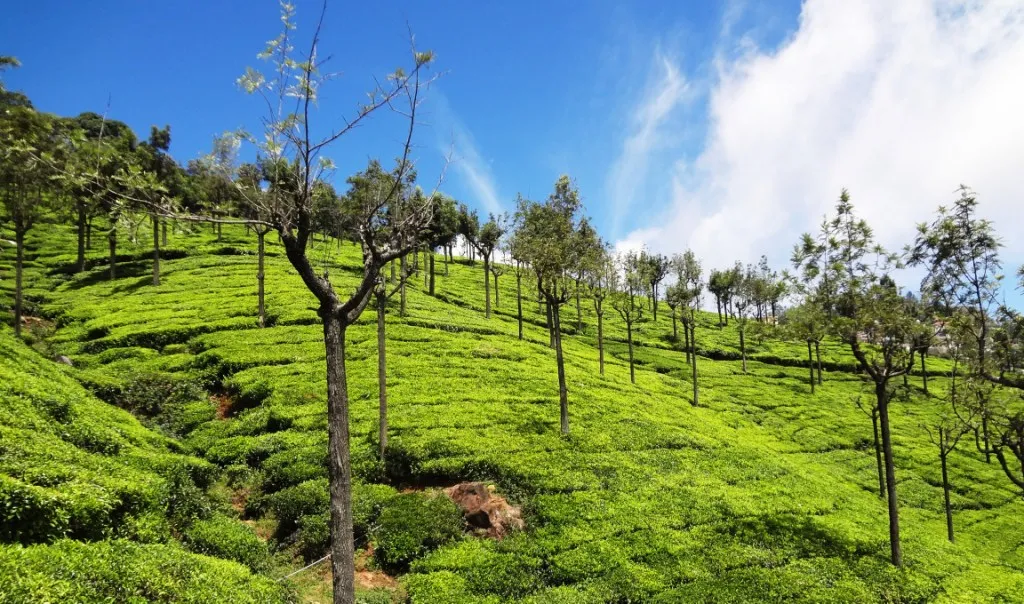
Ooty, in the Nilgiris of Tamil Nadu, is the most famous and most crowded hill station near Mysuru, and its fame is easy to understand once you arrive. The town sits at a higher altitude than Coorg, the air is cooler, and the landscape is shaped by tea gardens, eucalyptus and pine, colonial-era buildings, and a lake that anchors the town centre. The Botanical Gardens, laid out in terraces with lawns, flower beds, a fossilised tree and a wide variety of plants, are the classic first stop, and they work well for families because the paths are clear, the ground is level in most parts, and children can run between flower beds without the steep climbs that other Nilgiri sights demand. Doddabetta Peak, the highest point in the Nilgiris, gives a wide view over the hills on a clear day, though mist can close the view quickly, and the telescope house and the approach road are part of the experience as much as the summit itself. Ooty Lake, made by damming a stream in the early nineteenth century, offers boating, a lakeside walk and cycle hire, and it is busiest in the late afternoon when families gather for rides and snacks. The Nilgiri Mountain Railway, the toy train that climbs from Mettupalayam through Coonoor to Ooty, is the most distinctive experience in the district, with rack-and-pinion sections, tunnels, bridges and tea-garden views, and it should be booked well in advance because seats are limited and demand is high in holidays. The usual road route from Mysuru runs through Nanjangud, Gundlupet and Gudalur, climbing through Bandipur forest and the ghats, and the drive itself, with its forest stretches and viewpoints, is a major part of the trip rather than a mere transfer.
Ooty rewards first-timers, but it also demands realistic planning, because crowds, weather and transport can all change the day. Peak season, school holidays and long weekends bring heavy traffic in the town centre, long queues at the lake and gardens, and higher hotel prices, so book stays early, choose accommodation slightly away from the busiest streets if you want quiet evenings, and start sightseeing early in the morning. The town is well served by hotels, homestays, restaurants and taxis, which makes it easier than quieter hill stations for travellers who want organised transport and clear options, but that convenience comes with a more commercial atmosphere, and visitors who want solitude should consider Coonoor as a base instead. Weather in Ooty is cooler than in Mysuru throughout the year, yet it is not cold in the lowland sense, and rain, mist and sudden temperature drops are common, so a light jacket, rain protection and layered clothing are sensible even in summer. Shopping in Ooty centres on tea, homemade chocolates, eucalyptus oil and woollen goods, and the markets near the town centre and Charing Cross are easy to browse on foot. For a two-day plan, one day can cover the Botanical Gardens, the lake and the town centre, and the second day can cover Doddabetta, a tea garden visit and, if tickets allow, the toy train, with a drive back that leaves time for the ghat road in daylight. Check the official site before visiting for train timings, garden hours and lake boating hours, because all three change with season and maintenance, and do not plan a return drive after dark on unfamiliar ghat roads.
3. Wayanad — Forests and Plantations
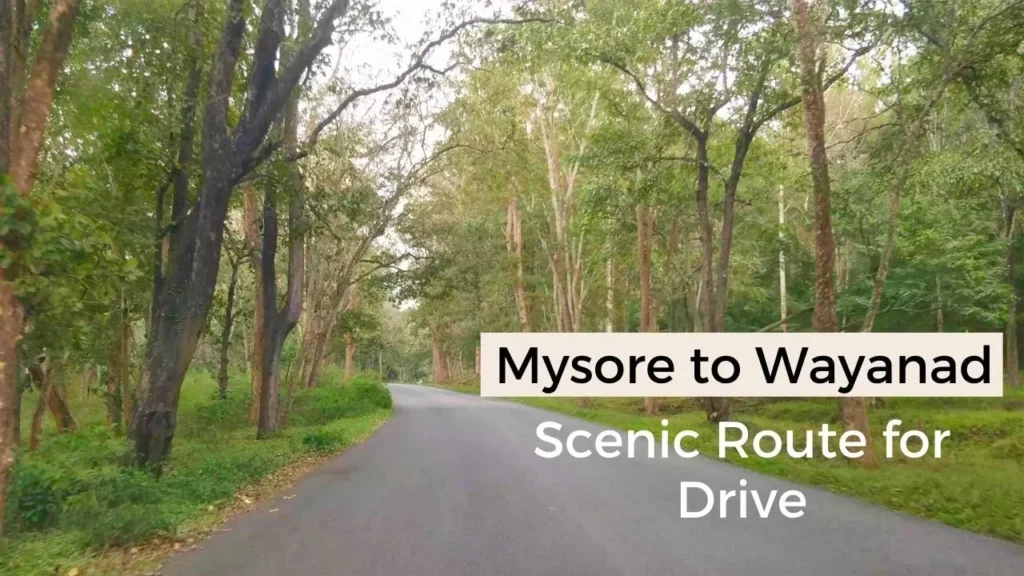
Wayanad, across the Kerala border from Karnataka, offers a different balance from Coorg and Ooty: it is greener and more forested than Ooty, with more waterfalls, dams and plantation drives than a single Coorg weekend usually covers, and it carries a distinct Kerala flavour in its food, architecture and farming. The district is centred on Kalpetta, with smaller towns such as Sulthan Bathery and Mananthavady, and its landscape mixes paddy fields in valley bottoms with coffee, pepper, cardamom and tea on the slopes, and forest on the higher ground and along the borders with Karnataka and Tamil Nadu. Dams such as Banasura Sagar, set against the Banasura hills, and Pookode Lake, a freshwater lake surrounded by forest, give Wayanad its water-based highlights, while waterfalls such as Soochipara, Meenmutty and Kanthanpara are best after the monsoon, when the streams are full and the forest is at its greenest, though access paths can be steep and slippery. Edakkal Caves, with their ancient petroglyphs, add a historical dimension that most other hill stations near Mysuru do not offer, and the climb to the caves, with its rock passages and viewpoints, suits active travellers who enjoy a short trek with a clear reward. Wayanad Wildlife Sanctuary, part of the Nilgiri Biosphere Reserve, protects elephants, deer, gaurs and birds across forest divisions, and safaris and forest walks operate under forest-department rules that vary with season and animal movement. The drive from Mysuru, through Gundlupet and the forest border, is itself a highlight, because it passes through wildlife country where animals may be seen near the road, especially in the early morning, when mist lifts slowly and the forest border feels quiet and unhurried.
A Wayanad trip works best as a two-day plan with a clear geographical logic, because the district’s sights are spread out and the roads, though good in most parts, wind through hills and forest. One day can be based around Kalpetta, Pookode Lake and a plantation or spice-garden visit, with time for local food and markets, and the second day can cover a waterfall or the Edakkal Caves, a dam viewpoint, and a forest drive, without trying to cover every named sight in the district. Travellers should check forest, dam and waterfall timings before visiting, because some attractions close on maintenance days, some forest areas require permission or a guide, and monsoon conditions can close paths at short notice. Wayanad’s food reflects Kerala cuisine, with appam, puttu, Kerala parotta, fish preparations and strong filter coffee and tea in local eateries, and homestays and plantation stays are a good way to experience that food and the surrounding farms. The district is also a practical base for combining hills with wildlife, because its forests connect with Bandipur and Nagarhole across state borders, and a traveller who has already done Coorg may find Wayanad’s forest-and-water character a refreshing change. Families should note that waterfall and cave visits involve steps, uneven ground and, in places, steep climbs, so footwear and pacing matter more than a long list of stops. Check the official site before visiting for sanctuary, dam and cave hours, leave Mysuru early to cross the forest border in daylight, and keep the second day flexible so that a closed attraction or a spell of rain does not spoil the whole weekend, and leaves room for a second, slower visit to the place you liked most.
4. Coonoor — Quieter Nilgiris
Coonoor is the quieter neighbour of Ooty, and it suits travellers who like the Nilgiris’ tea gardens and cool air but prefer a smaller town, a slower pace and fewer queues. It sits slightly lower than Ooty, so the air is milder rather than cold, and the town is built around tea estates, gardens and viewpoints rather than a busy lake and market centre. Sim’s Park, a landscaped botanical garden with lawns, flower beds and a good collection of trees and shrubs, is the most accessible green space in town, and it works well for a relaxed morning walk or a family picnic. Dolphin’s Nose and Lamb’s Rock are the classic viewpoints, with views over the Coonoor gorge, Catherine Falls and the surrounding hills, and both are best visited in the morning, when mist is lifting and the light is clear, rather than in the afternoon, when cloud can close the view. Tea gardens surround the town, and factory tours and estate walks, where available, give a closer look at plucking, processing and tasting than a drive past a tea field ever can, while the Nilgiri Mountain Railway passes through Coonoor station, so travellers can ride the toy train in either direction without staying in Ooty itself. Coonoor’s smaller scale also means fewer large hotels and more homestays, estate stays and smaller guesthouses, which suit couples and slow travellers who value a quiet evening and a host’s local knowledge over a busy town centre.
Coonoor works best as a base for a two-day Nilgiris trip, with Ooty as a day trip rather than the other way round, because it gives you the tea-garden atmosphere and the viewpoints without the need to return to a crowded town each evening. From Coonoor, a day can cover Sim’s Park, a viewpoint and a tea estate, and the second day can take in Ooty’s Botanical Gardens and lake, or a toy-train ride to Ooty and back, with time to return before dark. Accommodation in heritage homes and estate stays often includes meals and walks, and it is worth checking exactly what is included, how far the stay is from the town centre, and whether a taxi is needed for viewpoints, because Coonoor’s hills make walking distances feel longer than they look on a map. Food in Coonoor centres on simple South Indian meals, bakery items, tea and homemade chocolates, and the town’s markets and small eateries are easy to explore on foot. The town is also a good choice for walkers, because the hills around Coonoor offer gentler walks than the high trekking routes of Chikmagalur or Kudremukh, though steep paths, uneven ground and sudden rain still require good footwear. Check the official site before visiting for Sim’s Park hours, viewpoint access and toy-train timings, because all three change with season and maintenance, and plan viewpoint visits for the morning, when the Nilgiris are at their clearest and the town is still quiet.
5. Chikmagalur — The Trekker’s Pick
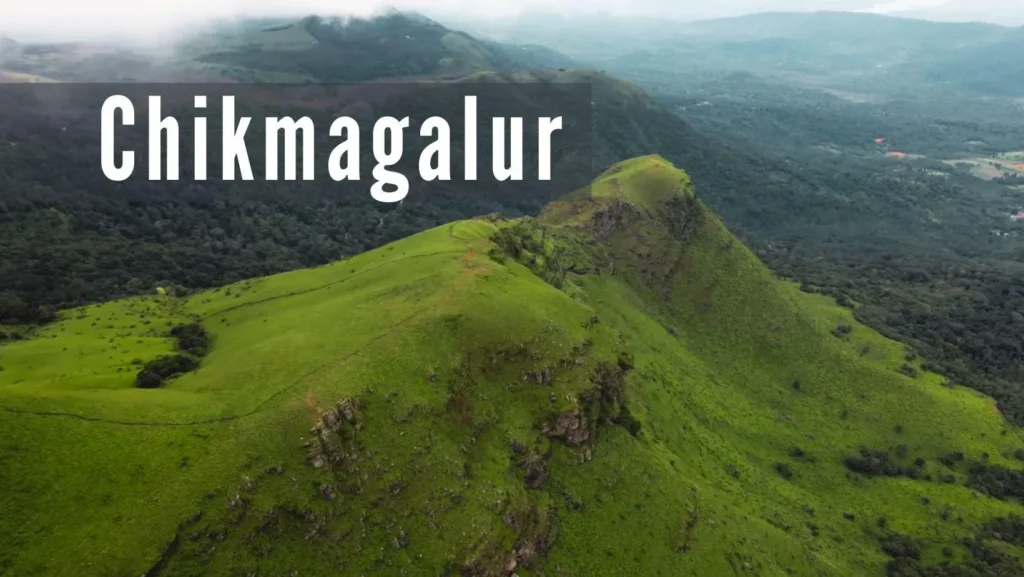
Chikmagalur, in the Baba Budan range of the Western Ghats, is the trekker’s pick among hill stations near Mysuru, and its character comes from high peaks, coffee estates and a landscape that feels more rugged and less manicured than Coorg. Mullayanagiri, Karnataka’s highest peak, and nearby Baba Budangiri are the classic climbs, with grassland ridges, rocky outcrops and views that open up over the surrounding hills on a clear day, and they suit walkers who enjoy a steady ascent rather than a short viewpoint stop. Hebbe Falls, reached by a forest track and a short walk, and Hirekolale Lake, a calm reservoir with a view of Mullayanagiri, give the district its water highlights, while coffee estates around the town and in the surrounding valleys offer plantation walks, homestay stays and a direct look at how coffee is grown, dried and processed. The town itself is smaller and quieter than Madikeri or Ooty, with a market, simple restaurants and a base of homestays and estate stays, and it works best for travellers who are happy to drive out to peaks, falls and estates each day rather than expecting a compact town centre with many attractions. Chikmagalur’s altitude and forest cover keep it cooler than Mysuru, but its weather changes quickly, with mist, rain and wind on the ridges even when the town below is clear, so layers, rain protection and sturdy footwear matter more here than in the gentler hill stations.
Chikmagalur suits a long weekend better than a rushed day trip, because the drive from Mysuru is about 170 kilometres each way and the peaks and falls deserve unhurried time. A long-weekend plan can cover Mullayanagiri and Baba Budangiri on one day, with a coffee-estate walk and Hirekolale Lake on another, and a waterfall or a second ridge walk on the third day, without trying to fit every named peak into a single visit. Trekkers should check permissions, forest rules and monsoon closures before setting out, because some routes pass through forest and protected areas, some require a guide or a forest-department permit, and monsoon conditions can make paths slippery, leech-prone or closed at short notice. Estate homestays are the most rewarding stays in Chikmagalur, because hosts can advise on local routes, weather and driving conditions, and Malnad food, with its rice, vegetable and meat preparations, is a highlight of a homestay stay. Travellers interested in staying outdoors should also read our guide to camping places in India before assuming that a hill estate and a campsite offer the same facilities, because estate stays and forest camps have different rules and safety needs. Check the official site before visiting for peak, fall and forest timings, leave Mysuru early to reach Chikmagalur in daylight, and do not plan a late peak trek that returns after dark on unfamiliar forest roads.
6. Sakleshpur — Quiet Estates
Sakleshpur, in Hassan district on the edge of the Western Ghats, is the quiet-estate choice among hill stations near Mysuru, and it suits travellers who want coffee-country atmosphere without Coorg’s crowds or Ooty’s town-centre bustle. The town is small, the surrounding estates are spread out, and the landscape mixes coffee, cardamom and pepper plantations with forested hills, streams and waterfalls that are at their best after the monsoon. Manjarabad Fort, built by Tipu Sultan in the late eighteenth century and laid out in a star shape on a hill above the town, is Sakleshpur’s most distinctive sight, with views over the surrounding hills and a short climb that suits most walkers. The Sakleshpur–Subramanya railway trek, along a disused or restricted railway line through tunnels and bridges in the ghats, is famous among trekkers, but its status and permission requirements vary, and it should only be attempted with current local advice, a guide where required, and a clear understanding of whether the route is open. Estate homestays are the main form of accommodation, and they give travellers a direct experience of plantation life, with estate walks, home-cooked food and hosts who can advise on local roads, waterfalls and viewpoints. Markets in Sakleshpur town, with coffee, spices and local produce, are worth a short visit, and the town’s small scale means that a weekend here feels unhurried even when the estates are busy with other guests.
Sakleshpur is about 150 kilometres from Mysuru, via Hassan, and the drive, though longer than the Coorg drive, is straightforward for most of the way, with the hill approach and estate roads requiring more care. A two-day plan works well: one day for Manjarabad Fort, a waterfall or stream visit and an estate walk, and a second day for a slower estate morning, a market visit and a relaxed return, without trying to add a railway trek and a fort and a waterfall to the same day. Homestay bookings need care, because many estates are reached by narrow roads that are easy to miss, and hosts often give directions by phone or landmark rather than by a precise map pin, so confirm directions, check-in times and payment arrangements before leaving Mysuru. The best time for Sakleshpur is October to March, when the weather is cooler, the estates are green after the monsoon, and walking is comfortable, while the monsoon itself brings mist, lush growth and slower driving, and summer brings warmer days that are still pleasant in the shade of the estates. Families will find Sakleshpur’s pace easier than a trekking-focused trip, because estate walks can be shortened to suit children, and the fort climb is short, but younger children still need supervision near streams and on uneven estate paths. Check the official site before visiting for fort hours and any railway-trek permissions, and leave enough time for the return drive in daylight, because estate roads and the ghat approach are best driven while it is light.
7. BR Hills (Biligiri Ranganatha Hills)
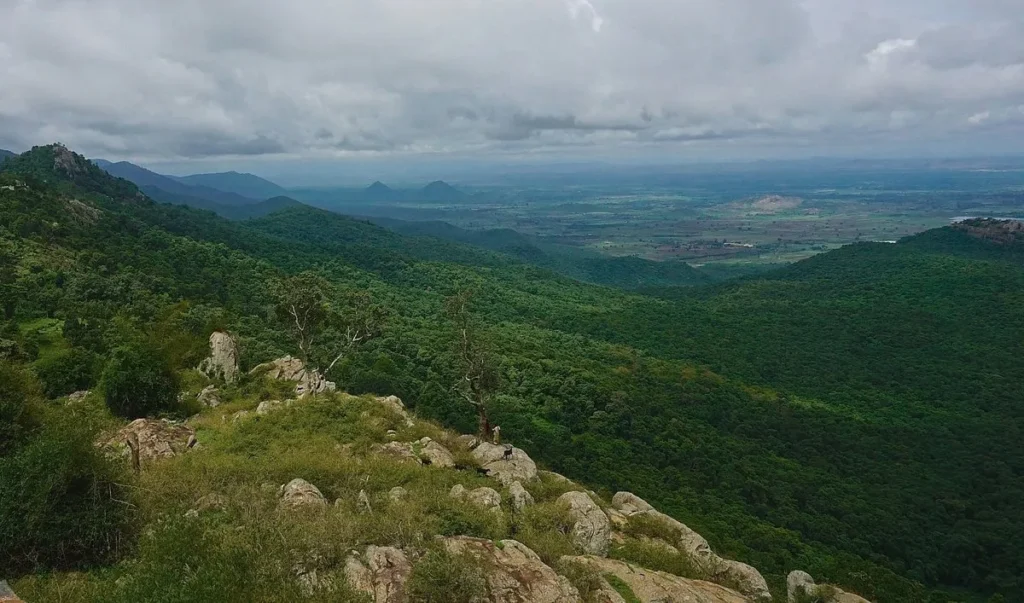
BR Hills, the Biligiri Ranganatha Hills, sit where the Eastern and Western Ghats meet, south-east of Mysuru, and they offer a forest-and-temple character that is distinct from the coffee and tea hill stations. The hills are centred on the Biligiri Ranganatha Swamy Temple, a hilltop temple that draws devotees and gives the range its name, and the surrounding Biligiri Rangaswamy Temple Wildlife Sanctuary protects elephants, gaurs, deer, leopards and a wide range of birds across dry and moist forest. The Soliga people, who have lived in these hills for generations, are part of the area’s cultural story, and their knowledge of the forest, its plants and its wildlife is an important part of how the sanctuary is understood. BR Hills are a shorter drive from Mysuru than Coorg or Ooty, which makes them a practical choice for a weekend that combines hills with wildlife without a long ghat journey, and they pair well with a Bandipur or Kabini safari, or with a return through Mysuru’s own sights, because the routes link naturally. The landscape here is drier and more open in places than the wet Western Ghats, with rocky hills, scrub and forest patches, and the views from the temple hill and from forest roads give a sense of the meeting of two great hill systems. Accommodation is more limited than in Coorg or Ooty, with forest lodges, temple guesthouses and a small number of homestays, so planning ahead matters more, and travellers who expect a wide choice of hotels should adjust their expectations before they arrive.
A BR Hills trip works best when temple, forest and wildlife are balanced, rather than when one is rushed to fit the others. Temple darshan and festival timings should be checked in advance, because festivals bring large crowds and changed timings, and a quiet weekday visit gives a very different experience from a festival day. Safari and forest activities operate under forest-department rules, with guides, vehicle limits and seasonal restrictions, and walking inside the sanctuary is restricted, so travellers should not plan independent forest walks without checking what is permitted. Wildlife visibility is best in the dry months, when animals gather near water and the forest is more open, while the monsoon brings greener forest, fuller streams and more difficult wildlife spotting, though the hills themselves are at their most beautiful after rain. Food in BR Hills is simple, with temple prasadam, small eateries and lodge meals, and travellers who need a wider choice should plan meals in Mysuru or in a larger town on the way. The hills are also a good choice for travellers who want a shorter, less commercial hill experience, because the limited accommodation and the forest setting keep the atmosphere quieter than Ooty, but that quiet also means fewer services, so fuel, cash, phone coverage and return timings should be planned before leaving. Check the official site before visiting for temple hours, sanctuary rules and safari timings, and drive through the forest in daylight, with time to spare for animal crossings and slow forest roads.
8. Yercaud — A Smaller Hill Station

Yercaud, in the Shevaroy Hills above Salem in Tamil Nadu, is a smaller hill station that suits travellers who want a lake, viewpoints and forest walks without the scale or the crowds of Ooty. The town is built around Yercaud Lake, where boating, a lakeside walk and small eateries give a relaxed centre, and viewpoints such as Lady’s Seat, Gent’s Seat and Children’s Seat, along with Pagoda Point, offer views over the plains and the ghat road below. Kiliyur Falls, reached by steps through forest, is Yercaud’s main waterfall, and it is best after the monsoon, when the water is flowing well, though the steps and the return climb require reasonable fitness. Shevaroy Temple, on the highest point of the Shevaroy Hills, and the town’s colonial-era buildings, churches and coffee and spice gardens, add history and a sense of place that a purely viewpoint-based visit can miss. Yercaud’s atmosphere is quieter and more local than Ooty’s, with fewer large hotels, more small guesthouses and homestays, and a town centre that can be explored on foot in a short time, which makes it a good choice for a relaxed weekend rather than a packed sightseeing trip.
Yercaud involves a longer drive from Mysuru than Coorg, Ooty or Wayanad, via Salem and a ghat road with hairpin bends, so it suits travellers who are comfortable with a longer journey and who plan to stay two days rather than trying to fit it into a single day. A two-day plan can cover the lake and the viewpoints on one day, and Kiliyur Falls, Shevaroy Temple and a garden or estate walk on the second day, with time for a slow return that avoids the ghat road after dark. Accommodation in Yercaud is simpler than in Ooty, with lake-side hotels, estate stays and small guesthouses, and it is worth checking how far a stay is from the lake and the viewpoints, because the town’s hills make walking distances feel longer than they look on a map. Food is simple South Indian fare, with local bakeries, tea stalls and small restaurants, and the town’s markets offer spices, coffee and local produce. Yercaud is warmer than Ooty, especially in summer, so light clothing, sun protection and water matter more, and the hill station is best for gentle walks and viewpoints rather than serious trekking, because its trails are shorter and less challenging than those of Chikmagalur or Kudremukh. Check the official site before visiting for boating hours, waterfall access and temple timings, because all three change with season and maintenance, and leave Mysuru early to reach Yercaud in daylight.
9. Kudremukh — Green Peaks
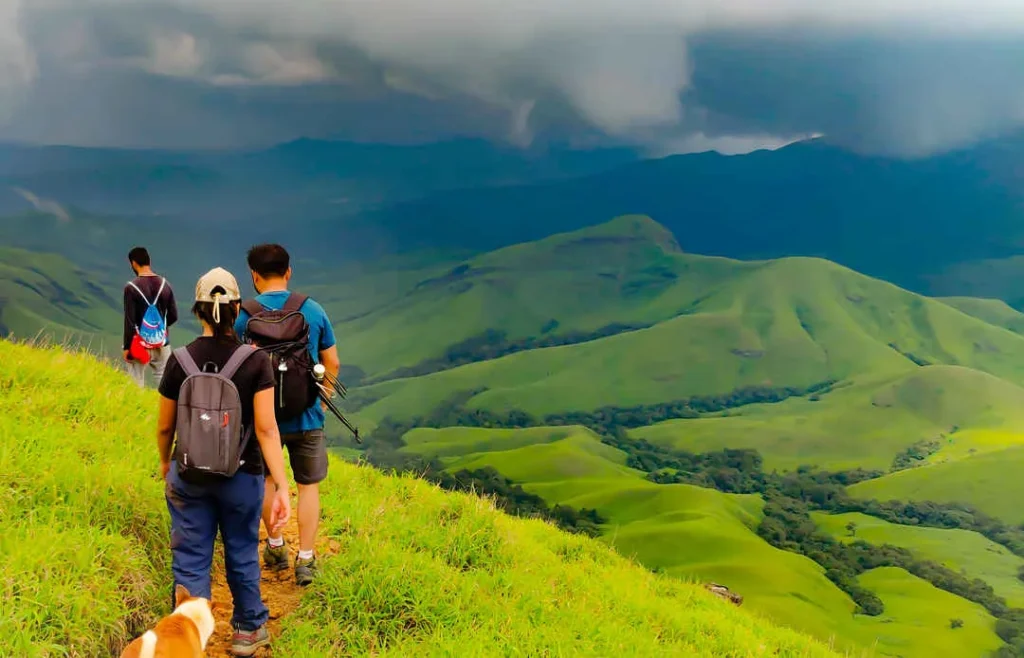
Kudremukh, named for its “horse-face” peak, is the greenest and most trekking-focused hill area near Mysuru, and it suits travellers who want grassland ridges, shola forest and wide views rather than a town with many attractions. Kudremukh National Park, with its rolling grasslands, shola patches, streams and waterfalls, protects a landscape that feels open and wild, with peaks that rise above the grass and forest that fills the valleys below. The Kudremukh peak trek, a full-day walk through grassland and forest, is the classic route, with views that open up as the ridge climbs, while shorter walks around the park and the former mining township give less experienced walkers a taste of the same landscape without a full-day commitment. Wildlife in the park includes gaurs, deer, Malabar giant squirrels and a wide range of birds, though sightings are less predictable than on a Bandipur safari, because the terrain is open and the animals are spread out. The former mining township, now a quieter base, offers simple accommodation and a starting point for treks, and the surrounding villages and homestays give a more local experience than a resort town. Kudremukh’s weather is changeable, with mist, rain and wind on the ridges even when the lowlands are clear, and the landscape is at its greenest after the monsoon, when streams are full and the grass is lush, though paths can be slippery and leech-prone.
Kudremukh demands more planning than Coorg or Ooty, because permissions, monsoon closures and trekking rules shape what is possible on any given day. Trekkers should check forest-department permissions, guide requirements and seasonal closures before setting out, because some routes require a permit or a guide, some are closed in the monsoon or for maintenance, and the peak trek itself is a long, exposed walk that should not be attempted without fitness, water, food and a realistic turnaround time. October to February is generally the best trekking season, with cooler air, clearer views and drier paths, while summer brings warmer days and hazier views, and the monsoon brings the greenest landscape but also the most difficult walking conditions. Accommodation is simple, with homestays, guesthouses and forest lodges, and food is local and home-style, so travellers who expect a wide choice of hotels and restaurants should adjust their expectations. Footwear, rain protection, water, sun protection and a basic first-aid kit matter more here than in a town-based hill station, because help is farther away on a ridge walk. Families should choose shorter walks rather than the full peak trek, unless older children are experienced walkers, and all travellers should check the official site before visiting for park, trek and accommodation timings, leave Mysuru early to reach Kudremukh in daylight, and keep the itinerary flexible so that a closed route or a spell of rain does not spoil the whole trip.
10. Bandipur and Kabini — Hills Plus Wildlife
Bandipur and Kabini are not hill stations in the classic sense, but they belong in any list of hill-and-forest escapes near Mysuru, because they combine forest, hills and wildlife in a way that no tea garden or coffee estate can match. Bandipur lies about 70 kilometres from Mysuru, on the road towards Ooty and Wayanad, and Kabini lies 60 to 80 kilometres away, depending on the lodge or entry point, along the Kabini River and its backwaters. Bandipur National Park, part of the Nilgiri Biosphere Reserve, protects elephants, gaurs, deer, leopards and tigers across dry and moist forest, and its safaris, run by the forest department, give travellers a structured way to see that forest, with guides, vehicle limits and early-morning and late-afternoon timings that suit animal activity. Kabini, by contrast, is known for its river safaris, where boat and jeep safaris from lodges along the backwaters offer a different view of the same landscape, with elephants, birds and, in the dry season, large gatherings of animals near the water. The two areas are ecologically linked to Nagarhole and Wayanad across state borders, so a traveller who visits Bandipur or Kabini is visiting part of a much larger forest system, and the experience is shaped by season, water levels and animal movement rather than by a fixed list of sights. Advance booking through the forest department is essential, especially in peak wildlife season, because safari seats are limited, and lodge stays near Kabini often include safaris in their packages, which should be checked carefully before booking.
Bandipur and Kabini work best as a one- to two-day wildlife add-on, either as a standalone trip from Mysuru or paired with Coorg or Ooty, because the safari timings and the forest setting reward an early start and a slow pace. Safari rules matter: carry the identification required for booking, follow guide instructions, keep noise low, do not feed animals, and do not expect a tiger sighting, because wildlife viewing is never guaranteed and the forest itself, with its birds, deer, elephants and river views, is the main reward. Lodge stays near Kabini offer a more comfortable, all-inclusive experience, with meals, safaris and naturalist guides, while forest-department lodges and safaris in Bandipur offer a simpler, more direct forest experience, and the choice depends on budget, comfort and how much structure a traveller wants. Food near Bandipur is simple, with lodge meals and small eateries, while Kabini lodges usually include meals, so check what is included before arriving. Families should note that safaris involve early starts, open vehicles and forest roads, and younger children may need extra layers and patience, while all travellers should respect forest speed limits, animal crossings and night-driving restrictions, because the forest roads are shared with wildlife at all hours. Check the official site before visiting for safari timings, booking rules and lodge availability, plan for a one- to two-day stay that leaves time for two safaris rather than one, and keep expectations realistic: a quiet forest drive with elephants and birds is a successful safari, even without a big-cat sighting.
Practical Plan: Two-Day Weekend
| Destination | Day 1 | Day 2 |
|---|---|---|
| Coorg | Drive to Madikeri, Raja’s Seat at sunset | Abbey Falls and estate walk, return to Mysore |
| Ooty | Drive via Gudalur, Botanical Gardens and lake | Doddabetta and toy train, return |
| Wayanad | Drive to Kalpetta, plantation and dam views | Waterfalls and forest drive, return |
A single-destination weekend is the most reliable plan from Mysuru, because it gives one place two full days, with time for a slow morning, a viewpoint or a walk, and a return drive in daylight, rather than a rushed tour that touches two hill stations and enjoys neither. Extensions work when they are geographically logical: Coonoor pairs naturally with Ooty, because the two towns are close and share the Nilgiri Mountain Railway, while Bandipur or Kabini pairs with Coorg, because the forest road links them, and a Chikmagalur estate day pairs with a Kudremukh walk only on a longer trip, because the distances and the trekking time demand a third day. The table above gives a starting point, but the best plan is the one that matches your pace: a family with young children may prefer Ooty’s structured attractions, a couple may prefer Coorg’s estate atmosphere, and a trekking group may prefer Chikmagalur’s peaks, even if the distances are longer. Whichever destination you choose, leave Mysuru early, because the first hour of driving sets the tone for the whole weekend, and a late start turns a hill drive into a race against sunset.
Practical details matter as much as the destination itself. Check fuel, food and phone coverage before leaving, because hill and forest roads have fewer fuel stations and patchy coverage, and carry water, snacks and an offline map for estate and forest roads. Ghat driving requires patience, lower gears on descents, and a willingness to pull over for faster vehicles and for animals, and hiring a knowledgeable local driver is a sensible option for travellers who are not confident on hairpin bends or forest roads. Do not plan to drive hill or forest roads after dark, especially on unfamiliar routes, and keep a buffer hour in the plan for mist, rain, slow traffic or a closed attraction. Pack a light jacket and rain protection even in summer, because hill weather changes quickly, and check the official site before visiting for park, safari, train and attraction hours, because timings change with season and maintenance. Road-trip planning resources can help with route ideas, but the final plan should be based on current official timings, your own pace, and a flexible second day that leaves room for the place you liked most, rather than a rigid list that must be completed at any cost.
Conclusion
The best hill station near Mysuru is the one that matches your trip, not the one with the longest list of attractions. Coorg offers coffee-estate atmosphere and a relaxed pace, Ooty offers families a structured set of gardens, lake and train experiences, Chikmagalur offers trekkers peaks and estate walks, Wayanad offers forests, waterfalls and dams, and Sakleshpur offers quiet estates and fort views for travellers who want to slow down. Coonoor offers a quieter Nilgiris base, BR Hills offers forest and temple character on a shorter drive, Yercaud offers a smaller lake-and-viewpoint weekend, Kudremukh offers green peaks for experienced walkers, and Bandipur and Kabini offer wildlife safaris that complement any hill trip. Each of these places rewards a different kind of traveller, and the choice matters more than the distance, because a 120-kilometre drive to the wrong kind of place feels longer than a 170-kilometre drive to the right one.
For a weekend, choose one destination and give it two days, with a slow morning, a viewpoint or a walk, and a return drive in daylight. For a long weekend, add a logical extension — Coonoor with Ooty, Bandipur with Coorg, or a second ridge walk in Chikmagalur — rather than trying to cover three hill stations in three days. Children, couples and trekkers will all find a good match in this list, but all of them benefit from the same basics: check official sites for park, safari, train and attraction hours, book stays and safaris in advance in peak season, pack for mist and rain, and drive hill and forest roads in daylight with a buffer hour for delays. Travel slowly, leave room for the place you liked most, and let the hills, forests and coffee country around Mysuru do what they do best: give you a break from the plains, a change of air, and a weekend that feels longer than two days.
FAQs
Which hill station is nearest to Mysore?
Bandipur and Kabini are nearest for wildlife, at about 70–80 kilometres, while Coorg (Madikeri), at 110–120 kilometres, is the nearest classic hill station.
Is Coorg or Ooty better from Mysore?
Coorg suits couples and travellers who want coffee-estate atmosphere and a relaxed pace, while Ooty suits families who want structured attractions such as gardens, a lake and a toy train.
How many days do I need for Coorg from Mysore?
Two days work well, with about 2.5 to 3 hours of driving each way, one day for Madikeri town, Raja’s Seat and Abbey Falls, and a second day for an estate walk and a relaxed return.
What is the best time to visit hill stations near Mysore?
October to March is generally best, with cooler air, clearer views and comfortable walking, while the monsoon brings mist and green landscapes but slower ghat driving and, in places, leeches and closed paths.
Can I do Chikmagalur in one day from Mysore?
It is possible but rushed, at about 170 kilometres each way, and a long weekend suits Chikmagalur better, with time for Mullayanagiri, an estate walk and a waterfall without a late return.
Do I need to book safaris in advance?
Yes, for Bandipur and Kabini, book through the forest department in advance, especially in peak wildlife season, when safari seats are limited and lodge packages fill quickly.
Related guides: Camping Places in India, Picnic Spots Near Haridwar, 12 Jyotirlingas in India. Further reading: Road Trips from Mysore, Best Weekend Trips from Mysore.