Kapurthala is one of the most beautiful and historic cities in the Indian state of Punjab. Located in the Doaba region, the city is famous for its royal heritage, elegant buildings, peaceful gardens, and cultural diversity. Kapurthala was founded in the 11th century by the Ahluwalia dynasty and later became an important princely state during British rule. The city gained international attention because of its unique architecture, which combines Indian, French, and European styles. Due to its magnificent buildings and wide roads, Kapurthala is often called the “Paris of Punjab.” Visitors from different parts of India come here to admire its historical landmarks and learn about its royal past.
The history of Kapurthala is closely connected with Maharaja Jagatjit Singh, one of the most famous rulers of the region. He traveled extensively across Europe and was inspired by French architecture and culture. During his reign from 1877 to 1949, many grand buildings were constructed in Kapurthala. These structures continue to attract tourists and architecture lovers. The city is also known for its religious harmony. Temples, mosques, churches, and other places of worship stand together, reflecting the peaceful coexistence of different communities. This cultural richness makes Kapurthala a unique destination in Punjab.
Today, Kapurthala offers a perfect blend of history, culture, spirituality, and natural beauty. Travelers can explore royal palaces, historical railway stations, beautiful parks, sacred temples, and magnificent mosques. The city is ideal for history enthusiasts, photographers, families, and spiritual travelers. Whether you are planning a short weekend trip or a detailed cultural tour, Kapurthala provides memorable experiences. In this guide, you will discover the top places to visit in Kapurthala along with their history, significance, and travel information.
1. Jagatjit Palace
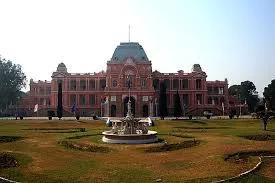
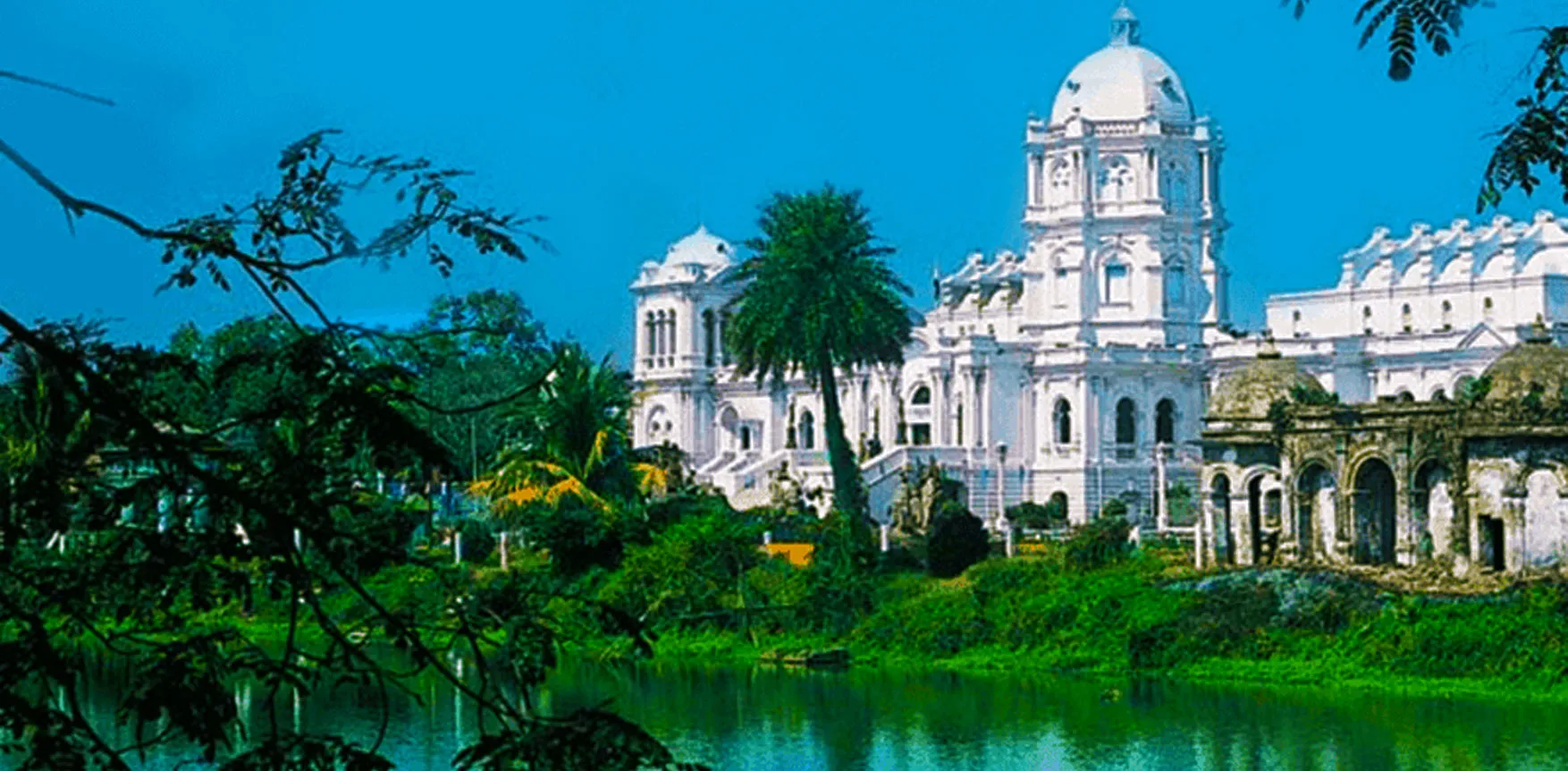
Jagatjit Palace is the most iconic landmark of Kapurthala and a symbol of the city’s royal glory. The palace was built during the early 20th century under the rule of Maharaja Jagatjit Singh. Its design was inspired by French palaces, especially the famous Palace of Versailles in France. The palace showcases a beautiful combination of Indo-French architecture with elegant domes, grand halls, decorative pillars, and artistic interiors. The magnificent structure immediately catches the attention of visitors and photographers. Surrounded by green lawns and gardens, the palace creates a royal atmosphere that reflects the luxurious lifestyle of Kapurthala’s rulers.
Historically, Jagatjit Palace served as the residence of the royal family of Kapurthala. Maharaja Jagatjit Singh was known for his love of European culture, and this influence is clearly visible throughout the palace. The interiors feature beautiful chandeliers, artwork, intricate carvings, and decorative furniture that demonstrate the wealth and sophistication of the royal court. Over the years, the palace has become one of Punjab’s most admired heritage structures. It stands as an important reminder of Kapurthala’s princely past and the vision of a ruler who brought international architectural influences to India.
Today, the palace premises house educational institutions, but its exterior beauty continues to attract visitors. Tourists can admire the impressive architecture, walk around the grounds, and learn about the fascinating history of the Ahluwalia dynasty. The palace is especially beautiful during the morning and evening when sunlight highlights its elegant design. A visit to Jagatjit Palace offers a wonderful opportunity to experience the grandeur and heritage that earned Kapurthala the title of the Paris of Punjab.
2. Shalimar Garden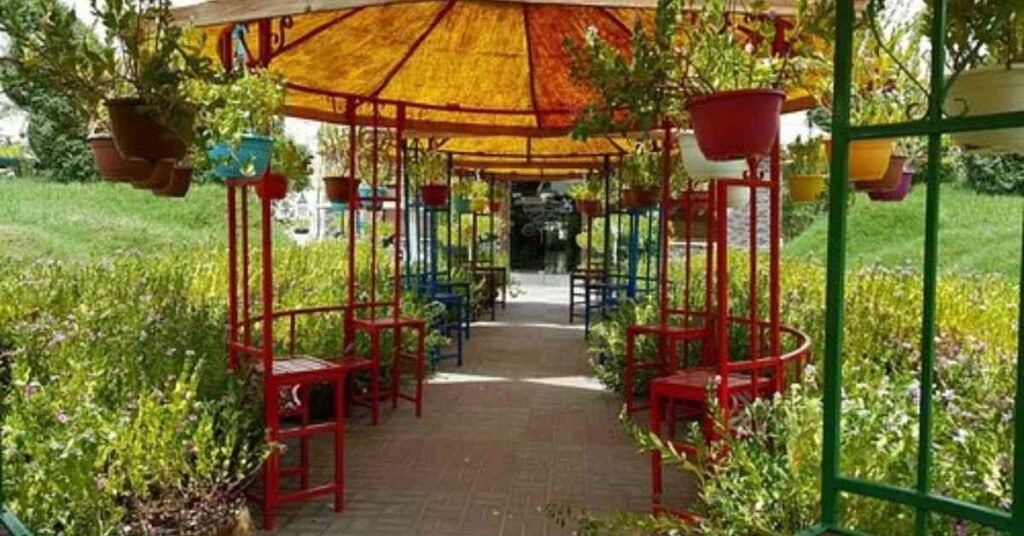
Shalimar Garden is one of the most peaceful attractions in Kapurthala. Built during the royal era, this beautiful garden reflects the influence of Mughal landscaping traditions. The garden features wide pathways, lush green lawns, colorful flower beds, fountains, and water bodies that create a calm and refreshing environment. Visitors often come here to enjoy nature, spend quality time with family, and take relaxing walks. The garden provides a welcome escape from busy city life and offers a pleasant atmosphere throughout the year.
The history of Shalimar Garden is connected with the rulers of Kapurthala who appreciated beautiful landscapes and recreational spaces. Inspired by famous Mughal gardens found in northern India, the garden was designed to provide relaxation and entertainment for the royal family and guests. Water features, symmetrical layouts, and carefully planned greenery were important elements of its design. Over time, the garden became a favorite gathering place for local residents and tourists alike.
Today, Shalimar Garden remains one of the city’s most loved public spaces. Families often visit for picnics, while nature lovers enjoy observing flowers, birds, and seasonal plants. The peaceful environment makes it ideal for morning walks and evening strolls. During spring, blooming flowers add extra beauty to the surroundings. Anyone visiting Kapurthala should spend some time at Shalimar Garden to experience the city’s natural charm and peaceful atmosphere.
3. Kapurthala Railway Station

Kapurthala Railway Station is much more than a transportation hub. It is one of the most architecturally significant railway stations in India. Built during the reign of Maharaja Jagatjit Singh, the station was designed with inspiration from French architecture, particularly the Palace of Versailles. Its elegant façade, decorative features, and impressive clock tower make it one of the most beautiful railway stations in Punjab.
The station reflects the Maharaja’s admiration for European design and culture. At a time when railway stations were primarily functional buildings, Kapurthala Railway Station was designed as a landmark structure. The combination of Indian craftsmanship and European architectural styles gives it a unique appearance. Historical records suggest that the station played an important role in connecting Kapurthala with major cities and supporting trade and travel during the princely era.
Visitors often stop to admire the station’s architecture even if they are not traveling by train. The building serves as a reminder of Kapurthala’s royal heritage and modernization efforts during the early 20th century. Photography enthusiasts especially appreciate its elegant design and historical significance. Exploring this station offers a fascinating glimpse into the city’s past and its connection with global architectural influences.
4. Sainik School Kapurthala
Sainik School Kapurthala is one of India’s most respected educational institutions. Established in 1961, the school was created to prepare young students for leadership roles and careers in the armed forces. The campus is located in a peaceful setting surrounded by greenery, making it an attractive place to visit. The beautiful buildings and disciplined environment reflect the school’s commitment to excellence and character development.
The institution has a proud history of producing military officers, administrators, and professionals who have served the nation in various capacities. The school’s architecture combines traditional and modern design elements, creating a visually appealing campus. Students receive academic education along with training in discipline, leadership, sports, and social responsibility. These qualities have helped the institution earn a strong reputation across India.
Visitors are often impressed by the well-maintained grounds and the educational atmosphere. While access to certain areas may be restricted, the campus itself remains an important landmark in Kapurthala. The school represents the city’s contribution to education and national service. Learning about its history provides valuable insight into India’s educational system and leadership training programs.
5. Aliwardi Masjid

Aliwardi Masjid is one of Kapurthala’s important religious and historical landmarks. This mosque is known for its elegant design, peaceful environment, and cultural significance. Built many years ago, it reflects traditional Islamic architecture with graceful domes, tall minarets, and beautiful decorative details. The mosque serves as both a place of worship and a symbol of the city’s rich cultural heritage.
Historically, Aliwardi Masjid represents the religious diversity that has existed in Kapurthala for centuries. The city has long been home to people from different religious backgrounds, and structures like this mosque demonstrate the spirit of harmony and coexistence. The mosque has witnessed many important events throughout the region’s history and continues to play a vital role in the local community.
Visitors appreciate the calm atmosphere and architectural beauty of the mosque. It provides an opportunity to learn about Islamic traditions and local history. The simple yet elegant design creates a peaceful setting that encourages reflection and appreciation for cultural heritage. Anyone interested in architecture or religious history will find Aliwardi Masjid a rewarding place to visit.
6. Town Park
Town Park is one of the most popular recreational spaces in Kapurthala. The park offers a refreshing environment filled with green lawns, walking paths, trees, and colorful flowers. Families, children, and fitness enthusiasts frequently visit the park to enjoy outdoor activities and spend time in nature. The clean surroundings and peaceful atmosphere make it a favorite destination for local residents.
The development of Town Park reflects the city’s commitment to providing public spaces for recreation and relaxation. Parks have always played an important role in urban life by promoting physical activity and social interaction. Town Park continues this tradition by offering facilities where people can walk, jog, exercise, or simply relax. The park’s landscaping adds beauty to the city and contributes to environmental conservation.
Children especially enjoy the playground areas, while adults appreciate the shaded seating spaces. During mornings and evenings, the park becomes lively with visitors enjoying fresh air and exercise. Whether you are traveling with family or looking for a quiet place to unwind, Town Park provides an enjoyable experience in the heart of Kapurthala.
7. Moorish Mosque

The Moorish Mosque is one of Kapurthala’s most remarkable architectural masterpieces. Built by Maharaja Jagatjit Singh in the early 20th century, the mosque was inspired by the Grand Mosque of Marrakesh in Morocco. Its design reflects Moorish architecture, which originated in Spain and North Africa. The mosque’s striking appearance makes it one of the most photographed landmarks in Punjab.
The history of the mosque is closely linked to the Maharaja’s international travels. During his visits abroad, he became fascinated by Moorish architecture and decided to bring its beauty to Kapurthala. Skilled artisans and architects worked together to create this extraordinary structure. The mosque features elegant arches, intricate decorations, beautiful domes, and stunning interior artwork. Every detail showcases exceptional craftsmanship and artistic excellence.
Today, the Moorish Mosque attracts visitors from across India and beyond. It stands as a symbol of cultural exchange and architectural innovation. The peaceful surroundings enhance its beauty and create a memorable experience for tourists. Whether you are interested in history, religion, or architecture, the Moorish Mosque is an essential stop during your visit to Kapurthala.
8. Kali Mata Temple
Kali Mata Temple is one of the most important Hindu religious sites in Kapurthala. Dedicated to Goddess Kali, the temple attracts devotees throughout the year. Located in a scenic setting, the temple offers beautiful views and a peaceful spiritual atmosphere. Many visitors come here to pray, seek blessings, and participate in religious ceremonies.
The temple has significant cultural and religious importance for local residents. Goddess Kali is worshipped as a symbol of strength, protection, and divine power. During festivals such as Navratri, the temple becomes especially vibrant as thousands of devotees gather for prayers and celebrations. Religious music, traditional rituals, and community activities create a joyful and spiritual environment.
Apart from its religious value, the temple also offers a peaceful retreat for visitors seeking quiet reflection. The surrounding scenery adds to its charm and makes it a pleasant destination for travelers. Exploring Kali Mata Temple allows visitors to experience the spiritual traditions and cultural heritage of Kapurthala.
9. St. Joseph’s Cathedral
St. Joseph’s Cathedral is one of the most beautiful churches in Punjab. Built in the late 19th century, the cathedral features stunning Gothic architecture with tall spires, elegant arches, and colorful stained-glass windows. The church stands as a symbol of Kapurthala’s religious diversity and cultural openness.
The cathedral was constructed during a period when Christian communities were growing in the region. Its design reflects European influences while adapting to local conditions. Inside, visitors can admire beautiful artwork, decorative elements, and peaceful prayer spaces. The stained-glass windows create a colorful atmosphere when sunlight passes through them, adding to the church’s beauty.
Today, St. Joseph’s Cathedral remains an active place of worship and a popular tourist attraction. Visitors appreciate its historical significance, architectural elegance, and tranquil environment. The cathedral offers insight into the Christian heritage of Kapurthala and serves as a reminder of the city’s multicultural identity.
10. Kapurthala Golf Course
Kapurthala Golf Course is a beautiful destination for sports lovers and nature enthusiasts. Surrounded by greenery and open landscapes, the golf course provides a relaxing environment away from urban noise. It is considered one of the city’s finest recreational facilities and attracts both experienced golfers and beginners.
The development of the golf course reflects the influence of royal traditions in Kapurthala. During the princely era, golf became a popular sport among members of the royal family and visiting dignitaries. Over time, the course evolved into an important recreational attraction. The well-maintained fairways, natural surroundings, and peaceful atmosphere make it a pleasant place to spend time outdoors.
Even visitors who do not play golf can enjoy walking around the area and appreciating the beautiful scenery. The golf course provides opportunities for relaxation, exercise, and photography. It represents another aspect of Kapurthala’s royal heritage and modern recreational culture.
Conclusion
Kapurthala is a city where history, culture, architecture, and spirituality come together beautifully. From the grandeur of Jagatjit Palace to the peaceful atmosphere of Shalimar Garden, every attraction tells a unique story. The city’s rich royal heritage and diverse religious landmarks make it one of Punjab’s most fascinating travel destinations.
Visitors can explore magnificent palaces, historic railway stations, beautiful mosques, sacred temples, elegant churches, and relaxing parks. Each location offers valuable insights into the history and culture of the region. Whether you are interested in architecture, religion, photography, or family travel, Kapurthala provides memorable experiences for all kinds of travelers.
A journey through Kapurthala is not just a sightseeing trip but an opportunity to discover the legacy of a remarkable princely state. Its welcoming atmosphere, historical treasures, and cultural richness continue to attract visitors from across India and around the world.
Frequently Asked Questions
What is Kapurthala famous for?
Kapurthala is famous for its royal heritage, French-inspired architecture, Jagatjit Palace, Moorish Mosque, and the title “Paris of Punjab.”
What is the best time to visit Kapurthala?
The best time to visit Kapurthala is from October to March when the weather is pleasant and suitable for sightseeing.
Why is Kapurthala called the Paris of Punjab?
Kapurthala is called the Paris of Punjab because many of its buildings were inspired by French architecture, especially during the reign of Maharaja Jagatjit Singh.
How many days are enough for Kapurthala?
One to two days are enough to explore the major attractions, historical sites, religious landmarks, and gardens in Kapurthala.
Which is the most famous attraction in Kapurthala?
Jagatjit Palace is considered the most famous attraction because of its stunning Indo-French architecture and royal history.