Aqaba is Jordan’s only window on the sea, and it earns the job. Where the rest of the country is desert, plateau and ancient stone, this small city at the head of the gulf is built around warm, clear water and a coral reef that begins, in places, a few fin-kicks from the beach. The best things to do in Aqaba start from that reef. It is protected as the Aqaba Marine Reserve, and in 2026 the reserve was inscribed on UNESCO’s World Heritage List under natural criteria (ix) and (x) – Jordan’s first property listed purely for nature, and formal recognition of what divers here have said for decades, that this is one of the healthiest coral systems in the northern Red Sea.
This guide is the activity menu, not the logistics manual. It deliberately leaves transport, visas and hotel strategy to the planning guides and answers a simpler question – what do you actually do with your days? The honest answer is that the best things to do in Aqaba divide into three kinds of day. There are water days, built around snorkelling, diving and beaches on the south coast. There are old-town hours, fitted around the heat – a Mamluk fort, a sharif’s house turned museum, an excavated Islamic city and a flagpole you can see from three countries. And there are the two great escapes, because Aqaba is also the closest base in Jordan to both Wadi Rum and Petra, close enough that each works as a day trip if you plan it properly. If you are stitching Aqaba into a longer route, our Jordan itinerary for 7 days shows where the city fits best – usually at the end, when you have earned the beach.
One calibration before the list. Aqaba is a working port and a conservative Jordanian city that happens to have resorts attached, not a party beach town that happens to be in Jordan. The experiences below are rated accordingly – what is genuinely worth your time, what each one costs you in hours, and the catch nobody prints. Mid-November, when this guide is freshest, is one of the kindest times to come – warm sea, soft light, mild evenings – but everything here works across the long Aqaba season, with the timing notes in each section telling you when to shuffle the order.
The Best Things to Do in Aqaba at a Glance
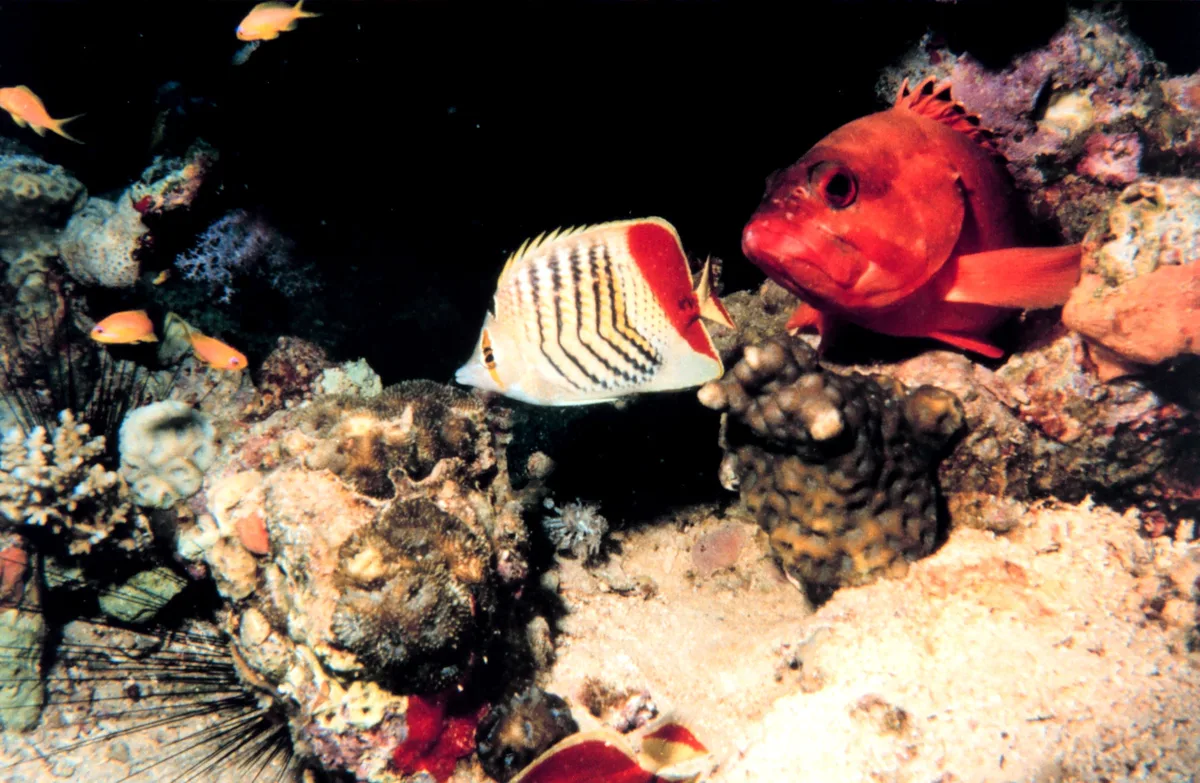
Sixteen experiences, honestly sized. The reef days cluster on the south coast inside the marine reserve, the history sits within a few streets of the city beach, and the two day trips run north and inland. Use the table to build days, not checklists – three of these done properly beat eight done at a sprint.
| Experience | Where | Give it | Best time |
|---|---|---|---|
| Snorkel the reef from shore | South Beach, marine reserve | Half a day | Morning, calmest water |
| Dive the Cedar Pride wreck | Off South Beach | Half a day | Morning |
| Dive or learn with a dive centre | South Beach and Tala Bay | Half a day to several days | Morning |
| Glass-bottom boat or aquarium | City shore and South Beach | 1-2 hours | Late morning |
| Swim from the city beaches | Al-Ghandour and the town shore | 2-3 hours | Late afternoon |
| Beach-club day, South Beach or Tala Bay | South coast | A full day | Weekdays are quietest |
| Aqaba Fort | Old town, by the plaza | 1 hour | Morning or late afternoon |
| Sharif Hussein house and museum | Beside the fort | 1 hour | With the fort |
| Arab Revolt flagpole and plaza | The corniche | 30 minutes | Sunset |
| Ancient Ayla ruins | City centre | 45 minutes | Morning |
| Old town souks | Streets behind the corniche | 1-2 hours | Evening |
| Sayadieh and the fish scene | Old town restaurants | An evening | Dinner |
| Aqaba Bird Observatory | North of the city | 2-3 hours | Early morning, migration seasons |
| Sunset over the gulf | South Beach pier or the corniche | 1 hour | Sunset, obviously |
| Wadi Rum day trip | About an hour inland | A full day | Start early |
| Petra day trip | Wadi Musa | A long full day | Start very early |
1. Snorkel the Reef From the Shore
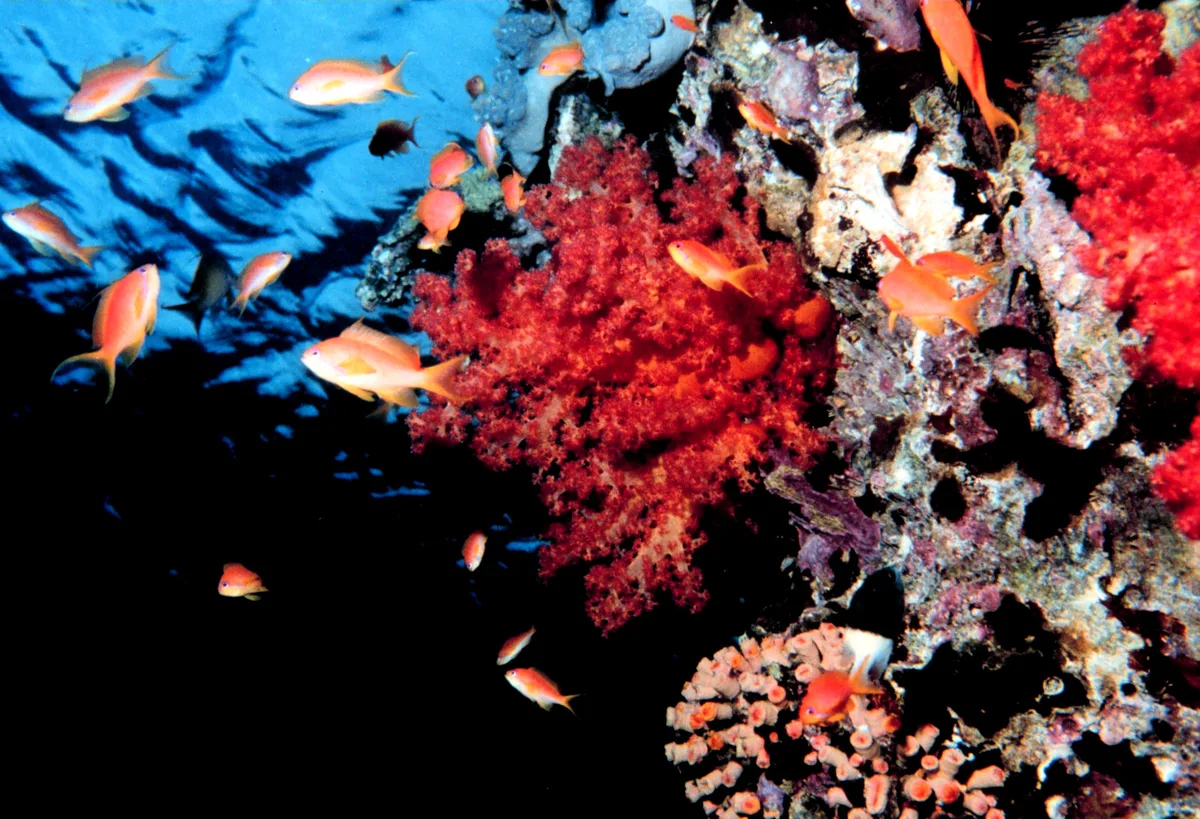
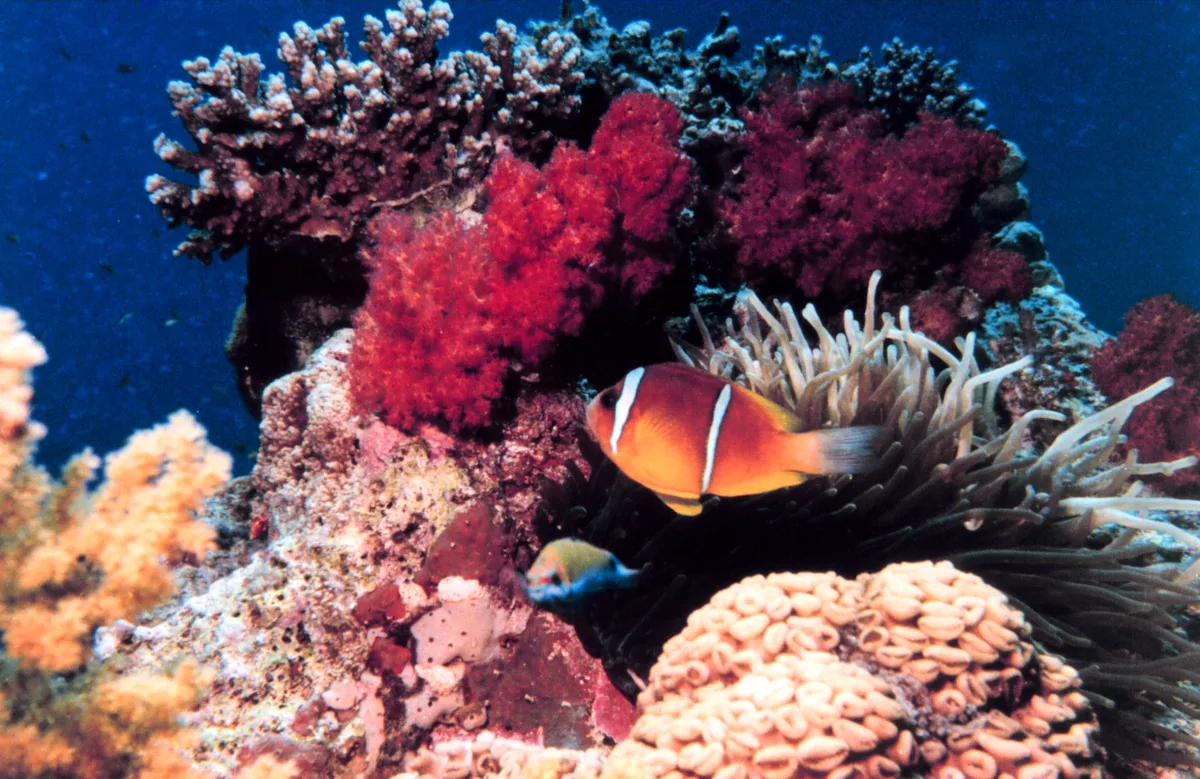
Most famous reefs make you work for them – a boat ride, a liveaboard, a long sail. Aqaba’s fringing reef simply runs along the shore. Along the South Beach strip, inside the Aqaba Marine Reserve, the coral starts in water shallow enough to stand in and shelves away into gardens of hard and soft coral, and you reach it by walking in from the beach or stepping off one of the small piers the clubs and centres maintain. That shore-entry reality is the single best thing about snorkelling here, because it removes every barrier between a casual swimmer and a genuinely world-class reef – the same reef UNESCO recognised in 2026 for, among other things, more than 150 hard coral species and over 500 species of fish packed into roughly seven kilometres of coast.
The technique matters more than the fitness. The reef flat is shallow and fragile, so entry is made at marked points and over the piers, never by walking across coral – both to protect it and because the flat hides sea urchins that will end your day’s swimming. Once over the edge, keep fins up, stay horizontal, and let the current-less calm do the work; there is rarely any surge to fight. Named sites reward the small effort of getting to them. Japanese Garden, one of the reserve’s best-known sites, is a sloping coral garden that suits snorkellers as happily as divers, and the shallows everywhere hold the reef’s resident cast – anthias flickering over soft coral, anemonefish in their anemones, parrotfish grazing, and turtles reported often enough that keeping an eye on the blue is a habit, not a hope.
The honest catch is that this ease depends on conditions you do not control. Visibility is usually excellent, but an afternoon wind can chop the surface and stir the shallows, which is why local rhythm puts snorkelling in the morning and the beach in the afternoon. The reserve’s rules are real and enforced in spirit if not always in sight – no touching coral, no feeding fish, no taking anything, and gloves are discouraged because they encourage hands on the reef. Gear is rented by the centres and clubs along the strip, so you do not need to own a mask to do the best snorkel of your Jordan trip; you need a morning, a marked entry point, and the discipline to float rather than stand.
2. Dive the Cedar Pride Wreck
Every dive coast has a signature wreck, and Aqaba’s is a ship with a royal fingerprint. The Cedar Pride was a Lebanese cargo freighter, badly damaged by fire in Aqaba’s port in 1982 and left to rot at anchor. Rather than scrap her, Jordan sank her deliberately – she was scuttled on 16 November 1985 at the request of the then Prince Abdullah, now King Abdullah II, to create an artificial reef, in what divers here still describe as one of the earliest and best wreck-sinking decisions in the Red Sea. She settled on her port side across two reefs off South Beach, between the Japanese Garden and Rainbow Reef sites, close enough to shore that she is dived as a shore dive like almost everything else in the reserve.
Four decades down, the ship has become the reef she was meant to seed. The hull is dressed in soft corals and sponges, the structure shelters the big, shy fish that open reef does not – groupers, lionfish, morays in the shadows – and the intact lines of a real freighter give the dive a sense of place that a reef wall alone cannot. Published depths vary a little between sources; the wreck lies in roughly 10 to 27 metres of water, shallow enough at the top of the structure for experienced recreational divers to tour the outside comfortably, deep enough at the keel to demand respect for your air and your no-decompression limits.
The catch is about penetration, and it is worth stating plainly. Wrecks invite divers inside, and parts of the Cedar Pride are entered by divers trained and equipped for overhead environments – but an untrained swim-through of a 40-year-old hull is how accidents are made, and reputable centres will not offer it. The exterior tour, done slowly with a guide who knows where the residents live, is the dive almost everyone should be booking, and it loses nothing for staying outside. It is the dive that tops most divers’ own lists of the best things to do in Aqaba. Pair her with a reef dive the same morning – the wreck first, while you are fresh, then the shallows – and you have the classic Aqaba dive day.
3. Learn to Dive, or Fun-Dive, With a South Beach Dive Centre
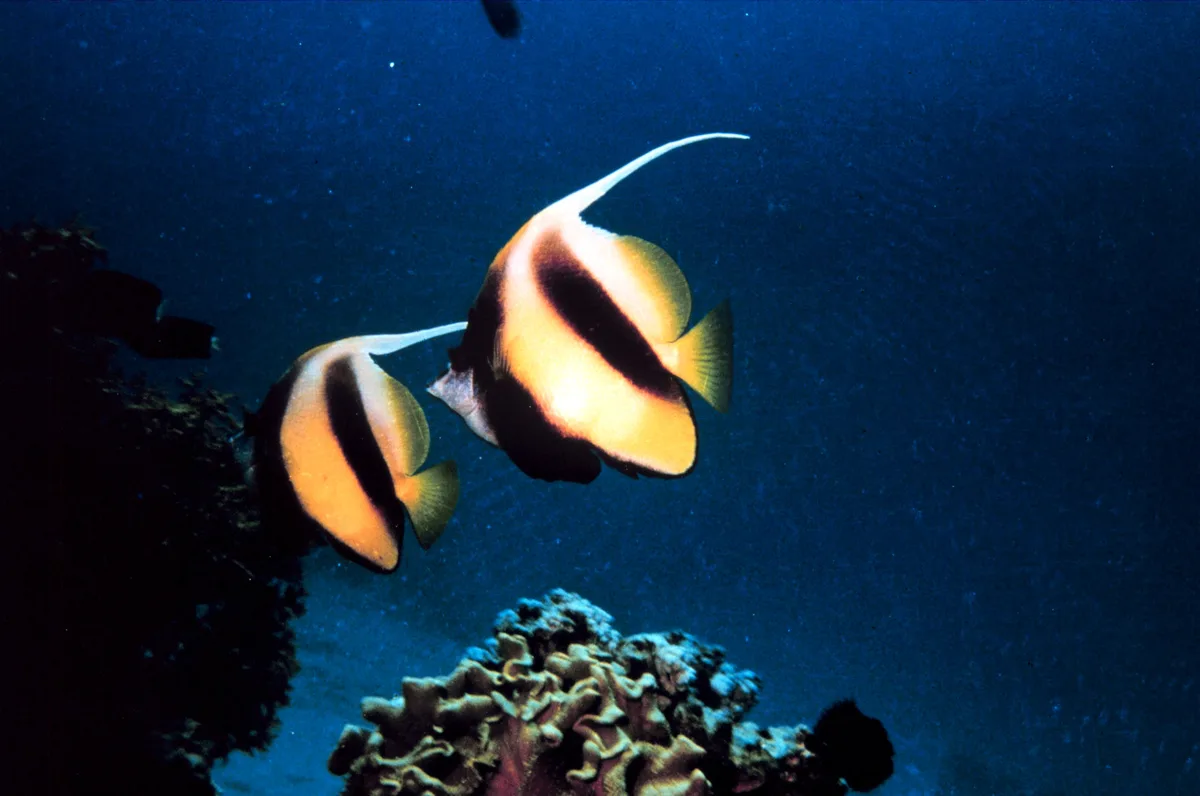
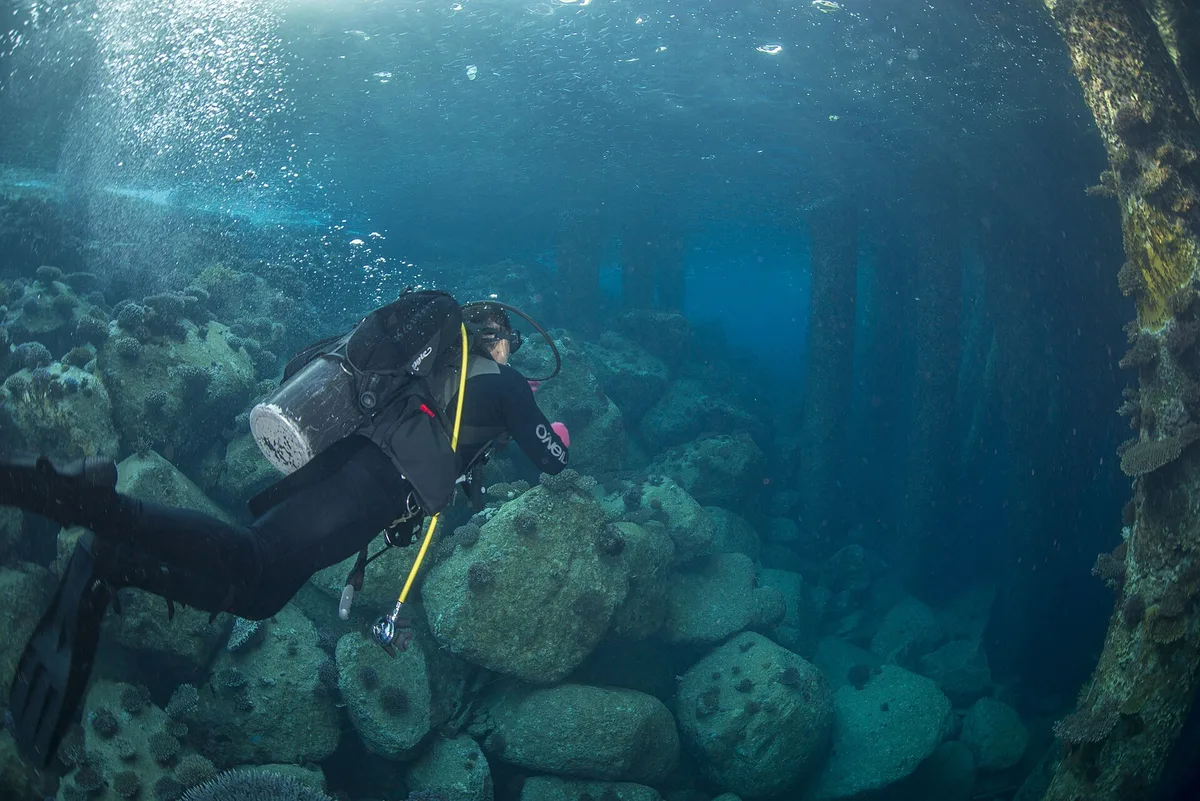
If the Cedar Pride is the headline, the dive centres are the machine that makes Aqaba’s underwater life accessible, and understanding how they work is itself one of the best things to do in Aqaba – especially if you have never dived. The centres cluster along South Beach, with others in town and at Tala Bay, and the model is shore diving – you kit up at the centre, walk or ride a few minutes to an entry point, and descend straight onto the reef. No dive boats, no long transfers, no seasickness. For certified divers that means guided fun dives to the reserve’s named sites can be arranged at short notice; for everyone else it means the try-dive, a closely supervised first descent in shallow water over real coral, is a realistic half-day plan rather than a holiday fantasy.
The menu beyond the try-dive follows the standard shape of the sport. Beginner courses run over a few days in the same forgiving water – warm, calm, and clear enough that skills practice happens over sand patches beside the reef rather than in a pool alone. Fun divers get the run of the sites – Japanese Garden’s slopes, Rainbow Reef, the bays at either end of the strip – and the reserve keeps adding structures to the map. A C-130 Hercules aircraft was sunk in 2017 and an Underwater Military Museum of army vehicles followed in 2019, both placed for divers and both already colonised; ask a centre which of the newer sites suits your certification level, because the honest answer varies with depth.
Choosing a centre is where a little scepticism pays. Prices are deliberately not quoted in this guide because they move, but standards are easier to judge than prices – look at the state of the rental kit, ask how many divers go out per guide, and ask how the centre handles the reserve’s rules; a good centre briefs you on no-touch discipline before it sells you anything. Walk away from any operation that promises the Cedar Pride’s interior to a beginner or guarantees turtles on Tuesday. The reef is generous, but it is not a theatre, and the centres worth your money are the ones that talk like it.
4. See the Reef Dry – Glass-Bottom Boats and the Aquarium
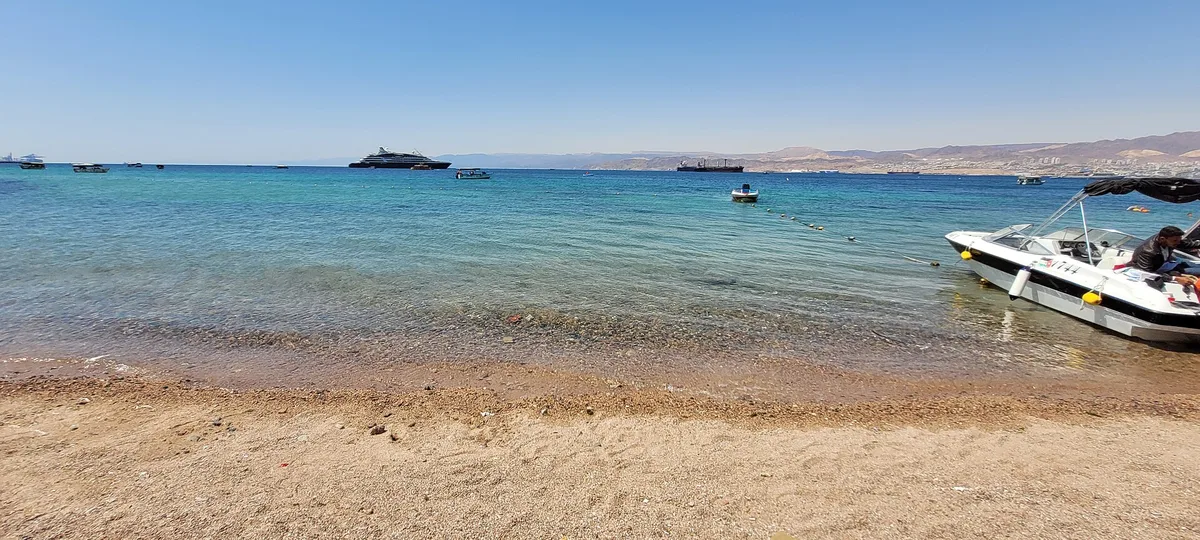
Not everyone in your group will want their face in the water, and Aqaba has a long-standing answer – the glass-bottom boat. Small boats with viewing panels in the hull work the city shore and the marina, touting for passengers along the corniche, and the format is simple – a short cruise out over the inshore reef, a slow pass above the coral while the boatman points out turtles and the bigger shapes below, and back. For grandparents, small children and the one traveller who simply does not swim, it is a genuine way to see why everyone else keeps disappearing under the surface, and it doubles as a pleasant harbour cruise past the port traffic and the flagpole.
Manage your expectations and it rewards you. The glass flattens colour and distance, a choppy afternoon blurs the view, and the boats go where the boats go – you are a passenger on a set loop, not on a private survey. Treat it as a taster and a rest-hour activity between swims, and it is honestly good value in time if not in money. It is not the most glamorous of the best things to do in Aqaba, but it may be the most democratic. Agree the length of the trip and what is included before you step aboard, as you would with any touted boat ride anywhere in the world; the negotiation is part of the mechanism, and a clear agreement at the dock prevents the only argument this experience ever causes.
The other dry window on the reef is the small public aquarium at the marine science station on the South Beach road, where tanks hold a resident sample of the gulf’s fish and corals – the same cast you meet outside, labelled. It is modest, more laboratory exhibit than oceanarium, and that is its charm and its limit in one; allow it a short stop on a South Beach day rather than a dedicated trip, and check locally whether it is open, because small public attractions in Aqaba keep changeable hours. Between the boats and the tanks, a non-swimmer can leave Aqaba actually knowing the reef, which is more than most beach towns offer.
5. Swim From the City Beaches
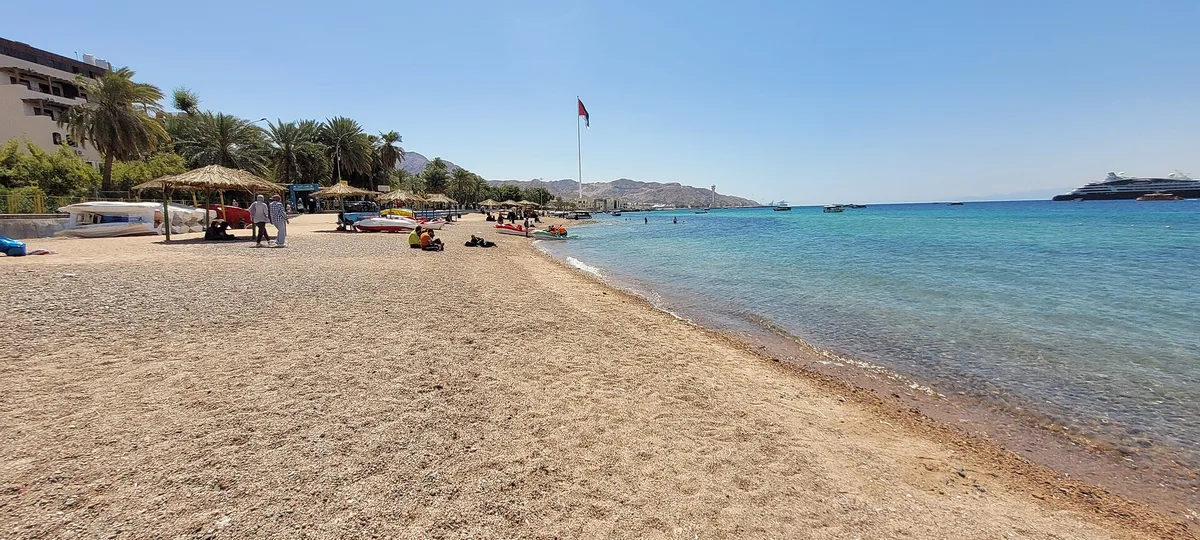
South of the port cranes and an easy walk from the old town, Al-Ghandour is the beach Aqaba uses itself. It is a broad sweep of coarse sand and shingle with thatched shade structures, small boats and pedal craft at the waterline, families camped for the day with coolers and grills, and the great flagpole standing up the shore as a landmark. Swimming here costs nothing and teaches you more about the city in an hour than the resort strip does in a week – this is where Aqaba comes to cool off, especially on Friday afternoons and holidays, when the beach fills with a warmth of noise, picnics and paddling children that no resort can imitate.
Honesty is required about two things. First, the water off the city beaches is not the reserve – there is little coral to see here, the seabed is mostly bare, and the snorkelling that justifies the south coast does not exist on this shore; swim here for the swim and the scene, not the reef. Second, this is a local beach in a conservative city, and the dress code is read from the crowd – most local women swim covered or in burkinis, most local men in long shorts, and a visiting woman in a brief bikini will draw the kind of attention that makes a swim less relaxing. Modest swimwear, or a t-shirt over a swimsuit, is the pragmatic local adjustment; nobody will police you, but blending buys you peace. The beach clubs on the south coast, next section, are the places where resort dress is the norm instead.
Timing shapes the experience more than anything. Come in the late afternoon, when the heat breaks, the light goes gold across the gulf and the picnic economy is in full swing, and Al-Ghandour is a delight. Come at midday in August and it is an endurance event with no shade tree to spare. Facilities are basic, the sand is coarse enough that water shoes earn their place in your bag, and the shore shelves gently, which suits nervous swimmers and children. Do the city beach for what it is – Aqaba at leisure, on its own terms.
6. Take a Beach-Club Day on South Beach or at Tala Bay
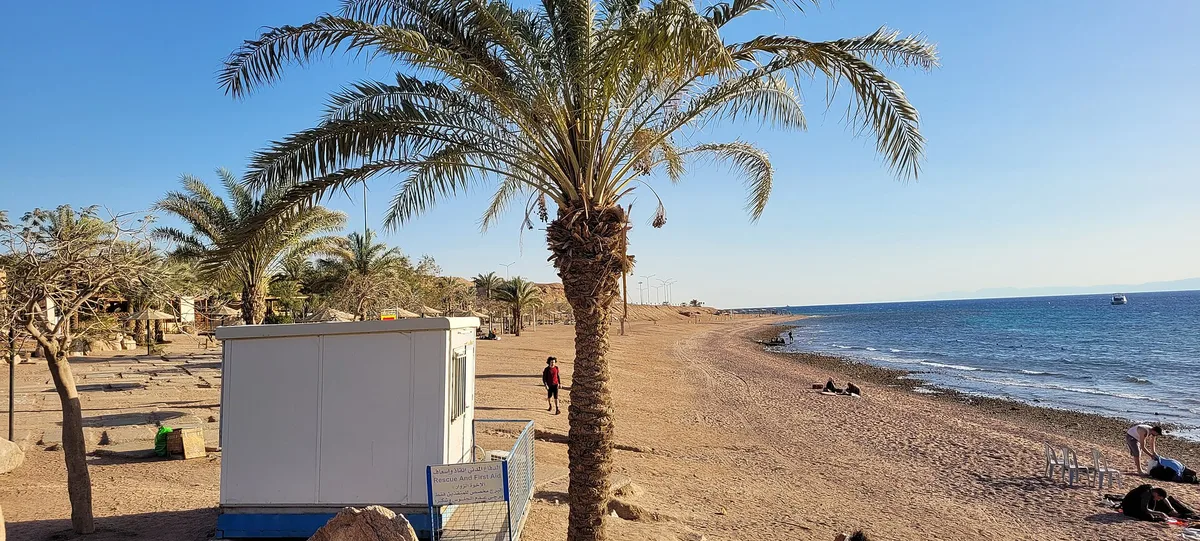
The south coast works on a two-tier system, and understanding it unlocks the easiest beach day in Jordan. The shore itself inside the marine reserve is public – South Beach runs as a long, free, municipal strip with palms, picnic spots and its own swimming areas, and you can base yourself there with a towel and a cooler like the Jordanian families who drive down from Amman for the weekend. Interleaved with it, on the same coastline, are the beach clubs and, further south at Tala Bay, the resort hotels, selling the managed version of the same sea – entry to a groomed beach with loungers, umbrellas, showers, a pool, food and drink, and staff who bring both to your chair.
The mechanism is day access. Clubs and resorts sell day passes to non-guests, the terms varying by house and season – sometimes a flat entry, sometimes a minimum spend, sometimes a package with lunch – and the right move is simply to ask at the gate or by phone on the day, because published terms change faster than any guide can track. What a pass buys, beyond the lounger, is position – the clubs sit on the reef coast, so a club day doubles as a snorkelling day, with piers and marked entries putting the reserve’s coral directly off the managed sand. That combination, reef in the morning and a shaded lunch, is why a club day beats both the city beach and a hotel pool for most short visits.
Tala Bay, the resort enclave at the far southern end, is the polished extreme – marinas, pools and private-feeling beaches behind a single development’s gates, reached by taxi or shuttle from town. It suits travellers who want the sea with every friction removed, and it is priced accordingly. The honest trade sits between the two – a public South Beach base if you are self-sufficient and there for the reef, a club day if you want one day of being looked after, Tala Bay if your hotel is already there. Just do not confuse the tiers in your expectations – the free beach has no waiter, and the resort beach has no souk.
7. Walk the Walls of Aqaba Fort
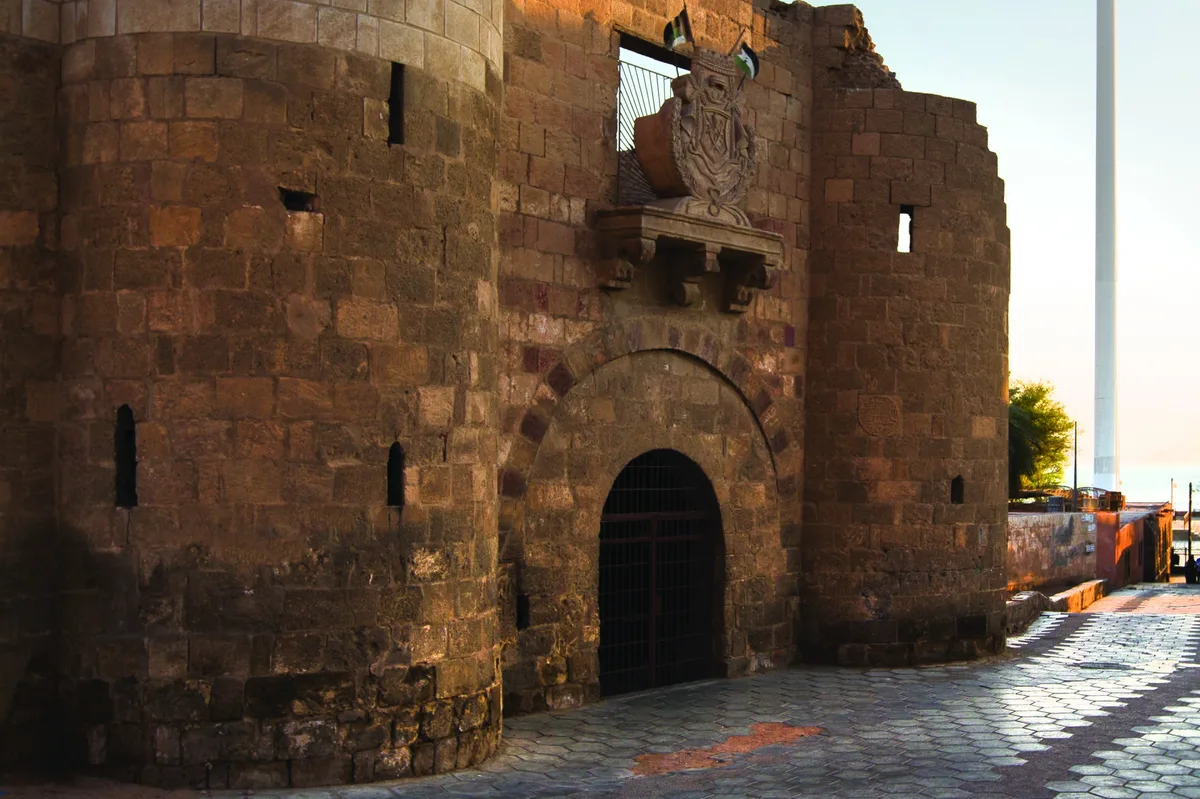
On the shore in the middle of town, where the plaza meets the corniche, stands the building that held this coast for half a millennium. Aqaba Fort began life as a Mamluk fortified caravanserai – a khan on the pilgrimage road, guarding the route between Damascus, Egypt and the Hejaz at the point where the Hajj caravans reached the sea. The first Mamluk building here is credited to the era of Sultan al-Nasir Muhammad in the early 14th century, but the fort you walk through is mainly later work – the gatehouse carries the inscription of Sultan al-Ashraf Qansuh al-Ghawri, the last great Mamluk sultan, from the years just before the Ottoman conquest, and the Ottomans themselves added substantial work in 1587 under Murad III. Stand in the vaulted gate passage and read the walls – a long Arabic inscription band runs around the chamber, the building’s own paperwork in stone.
Then the fort’s second life walks in. In July 1917, during the Great Arab Revolt, Arab forces under leaders including Auda Abu Tayi – with T. E. Lawrence, Lawrence of Arabia, among the advisers – took Aqaba from its Ottoman garrison in the Battle of Aqaba, one of the revolt’s defining strokes. Naval shelling during the First World War brought down part of the west wall and a tower, damage you can still read in the fabric, and the victors left their signature over the gate – the Hashemite coat of arms panel above the arch, flanked by small flags, is a 1917 statement in stone. It is a small building with an outsized story, and an hour is honestly enough to walk the walls, the courtyard and the gate passage properly.
Practical honesty – the fort’s opening arrangements have changed repeatedly over the years, and recent seasons have seen renovation closures come and go, so check on the day rather than trusting any guide’s hours, this one included; when the interior is closed, the gatehouse, walls and plaza still repay the walk, and the building is free to admire from outside at any hour. Pair it with the museum next door, which shares the same ground and the same caveat, and you have the old town’s essential history hour – best taken in the cool of the morning or the last light of the afternoon, when the stone turns the colour it must have shown the caravans.
8. Step Inside the Sharif Hussein House and Archaeological Museum
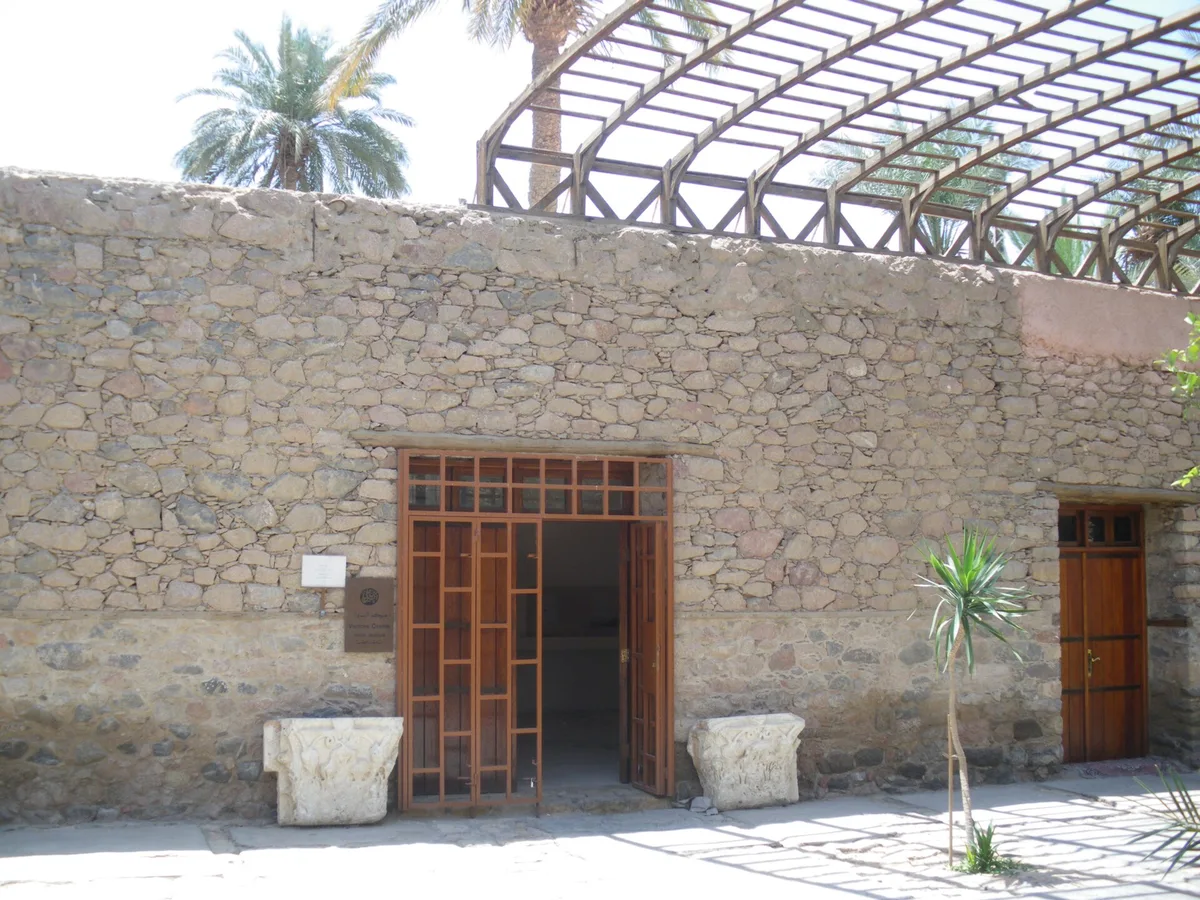
Next to the fort, in the same historic compound, stands a low stone house with a story folded into it. The building served as a residence of Sharif Hussein bin Ali – leader of the Great Arab Revolt and father of kings – during his time in Aqaba in 1917, and since 1 January 1990 it has housed the Aqaba Archaeological Museum, the small museum that puts objects under the city’s long timeline. The collection runs from the Chalcolithic period through to the 12th century – pottery, coins, inscriptions and everyday things excavated from Aqaba’s own ground, including material from the Islamic city of Ayla a few streets away, which makes the museum the natural second half of a ruins visit.
Scale your expectations correctly and it satisfies. This is a modest regional museum – a handful of rooms, simply presented – not a national treasure house, and its pleasure is compression. In twenty unhurried minutes you can watch one small port pass through the Bronze Age, Rome and Byzantium, the early Islamic centuries and the medieval Hajj road, in objects dug from within walking distance of the door. The house itself is half the exhibit – thick stone walls, a shaded courtyard, column capitals by the entrance – and standing in a sharif’s residence of 1917, in the compound the revolt took that July, gives the labels a charge that a bigger museum might dilute.
The same caveat as the fort applies, doubled – the museum shares the compound’s changeable opening arrangements and has had its own closure periods for renovation, and no printed or online hours for it should be trusted very far. The workable pattern is to treat fort and museum as one stop, check the compound’s state when you arrive in Aqaba, and go early in your stay so a closed day can be retried. If both are shut, the visit is not wasted – the plaza, the flagpole and the fort’s exterior are all here, and the Ayla ruins are ten minutes away. History in Aqaba rewards the flexible, which is perhaps the most honest sentence in this guide.
9. Stand Under the Great Arab Revolt Flagpole
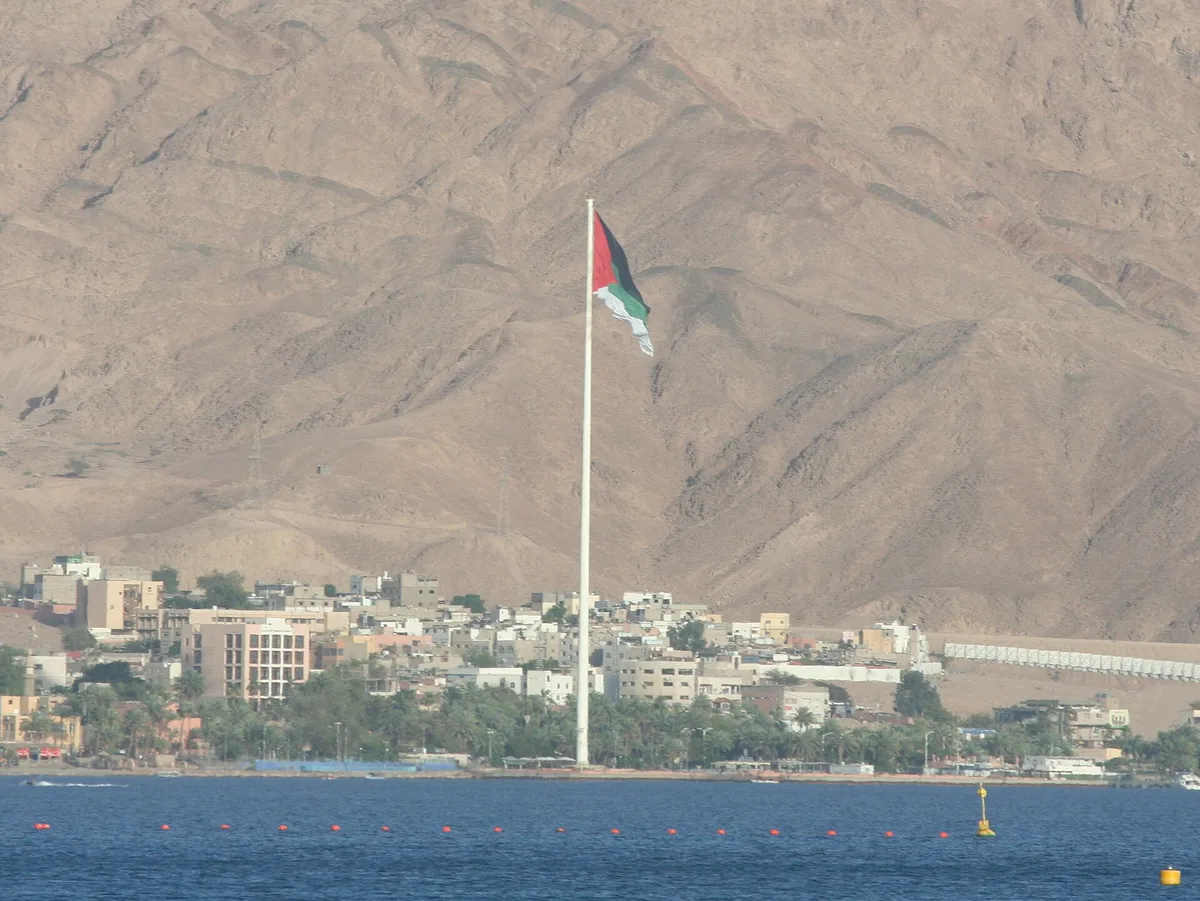
You will see it before you understand it. The white pole on the Great Arab Revolt Plaza beside the fort is one of the tallest flagpoles on earth – published figures disagree, putting it somewhere well over 130 metres tall – and it is visible from the water, from the Israeli shore at Eilat and from the Egyptian coast, a deliberate piece of geography. Most visitors assume it flies the Jordanian flag. It does not. The huge banner at the top, black, white, green and red without the Jordanian star, is the flag of the Great Arab Revolt itself, flown here because Aqaba is where the revolt won its most famous victory in 1917 – the plaza, the fort and the museum below form one open-air memorial to that summer.
As an experience it is deliberately slight, and that is fine. There is nothing to buy, queue for or climb – you walk the plaza, stand at the base and crane, read the space, and watch the flag work in the wind off the gulf, which it does with a slow, heavy grace that photographs never quite capture. The plaza is the city’s front room in the evening, when families stroll the corniche and the light fails over the water, and the flagpole at that hour earns its place among the best things to do in Aqaba. Come at sunset as part of the corniche walk rather than as a dedicated expedition, and pair it with the fort walls while they are still warm from the day.
The honest catch is scale without intimacy – once you have stood under it, you have done it, and anyone promising more is overselling a flagpole. But as a piece of orientation it is priceless – the pole is Aqaba’s compass point, visible from the beaches, the boats and half the hotel balconies in town, and locals give directions by it. Learn it early in your stay and the city rearranges itself around it – fort below, museum beside, old town behind, sea in front. Few landmarks anywhere do so much work for so little effort.
10. Find Ancient Ayla in the Middle of the Modern City
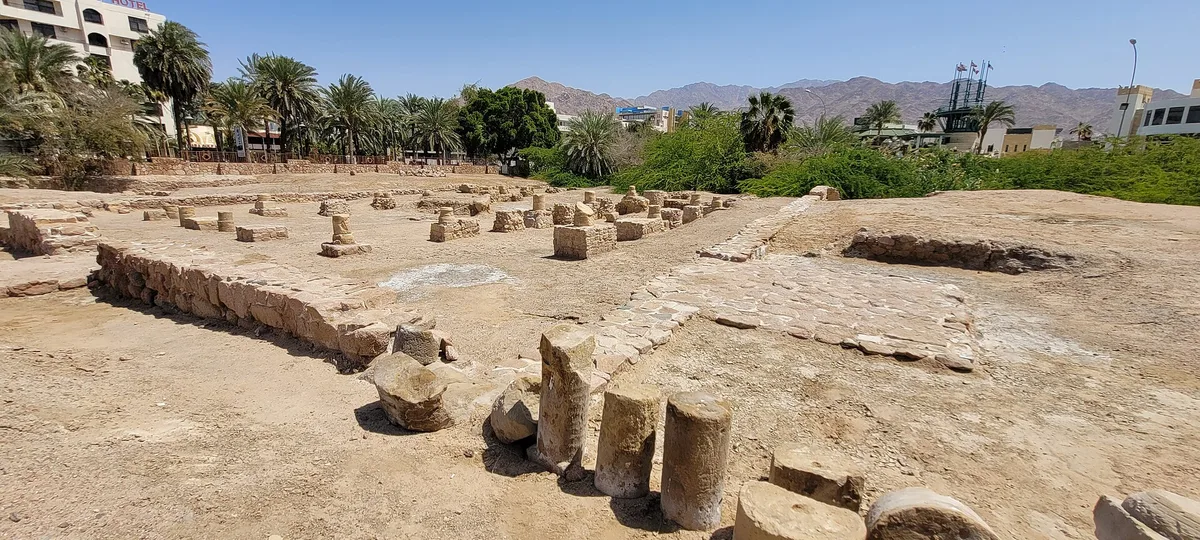
A few streets back from the beach, in open ground between the hotels, Aqaba keeps its own predecessor. Ayla was an early Islamic port city, founded in the 7th century in the first decades of Islam and often described as the first Islamic city built outside the Arabian Peninsula – a planned, walled town of streets, houses, a congregational mosque and a governor’s residence, trading with Egypt, the Hejaz, and ultimately with routes reaching to China. It flourished for centuries before earthquakes, shifting trade and silting moved the settlement, and the modern town eventually grew over and beside it. What excavation has uncovered sits at ground level in the city centre – street lines, wall footings, column bases, rooms you read like a floor plan drawn in stone.
Visiting Ayla is an exercise in imagination, and it is better to know that in advance. There are no standing temples here, no colonnades – the remains are low, the signage is modest, and a traveller expecting Petra-grade theatre will walk it in ten disappointed minutes. Walk it slowly instead, with the museum’s finds fresh in mind, and it becomes something rarer – an early Islamic city you can read at street level, in the middle of a living port, with the sea it served still visible at the end of the streets. Morning is the kindest time, before the heat comes off the stone, and the site makes a thoughtful first stop on an old-town day, before the fort and museum give it context.
Do not confuse the two Aylas, because Aqaba now has two and they could not be more different. Ayla Oasis, the large modern development on the city’s northern side, is a marina, golf and residential project that borrows the ancient name for a lagoon-lined resort district – pleasant for a marina-side coffee or a round of golf if that is your holiday, but a namesake, not a relative. The ruins cost nothing but attention; the Oasis costs whatever a resort day costs. Both are legitimately Aqaba, but only one of them is fourteen centuries old, and it is the one in the middle of town with no ticket desk.
11. Haggle Gently in the Old Town Souks
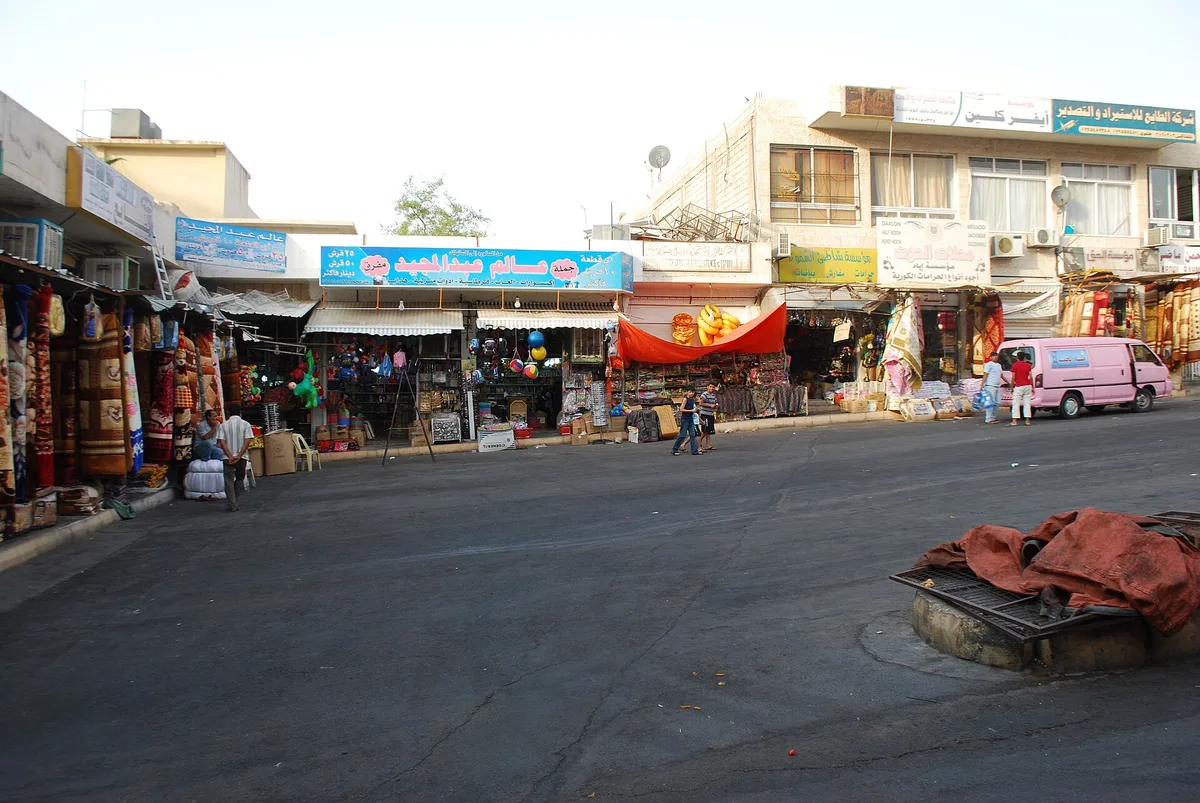
Aqaba’s old town, the few commercial streets behind the corniche and around the Hussein bin Ali mosque, holds the city’s working markets – and the first honest thing to say is that these are not tourist souks in the Marrakech sense. They are the shops of a port city – spice and herb sellers, nut and coffee roasters, stalls of dried fruit and sweets, carpet and blanket shops, tailors, household goods, and a general market where the town buys its own provisions. That is precisely why they belong on any honest list of the best things to do in Aqaba. An hour in these streets shows you Aqaba unedited – what the city eats, burns, brews and celebrates with – and the shopping is better for being real, because the spices, Dead Sea products, coffee and sweets you carry home are the same ones leaving in local shopping bags.
The mechanism is browse, ask, taste, then talk. Spice shops will open jars for you – the warm, cumin-and-cardamom register of Levantine cooking, baharat blends, za’atar, dried limes, sacks of nuts and seeds – and small tastes are part of the ritual. Prices in food shops are broadly fixed and fair; in the carpet, brass and souvenir-facing stalls, a gentle negotiation is expected and conducted with tea and good humour rather than theatre. Haggle gently is the local register – Aqaba is a small city, the man you bargain with will serve your coffee tomorrow, and a smile and a walk-away do more than hard tactics. Evenings are the souks’ best hour, when the heat drops, the lights come on and the whole town seems to be out doing the same thing.
Set expectations about scale and you will enjoy it. This is a neighbourhood market district, not a labyrinth – you cannot get lost for long, there is no single grand bazaar building, and the famous names you may have read about, like the old Souk by the Sea, refer to this same loose, living cluster of streets rather than a theme park. Buy what Aqaba actually makes and moves – coffee, spices, nuts, local sweets, olive oil, Dead Sea salt and mud products – and be politely sceptical of anything claiming antiquity. The best souvenir of the souks is usually edible, and most of it survives the flight home better than a brass lamp does.
12. Eat Sayadieh Where the Fishing Boats Land
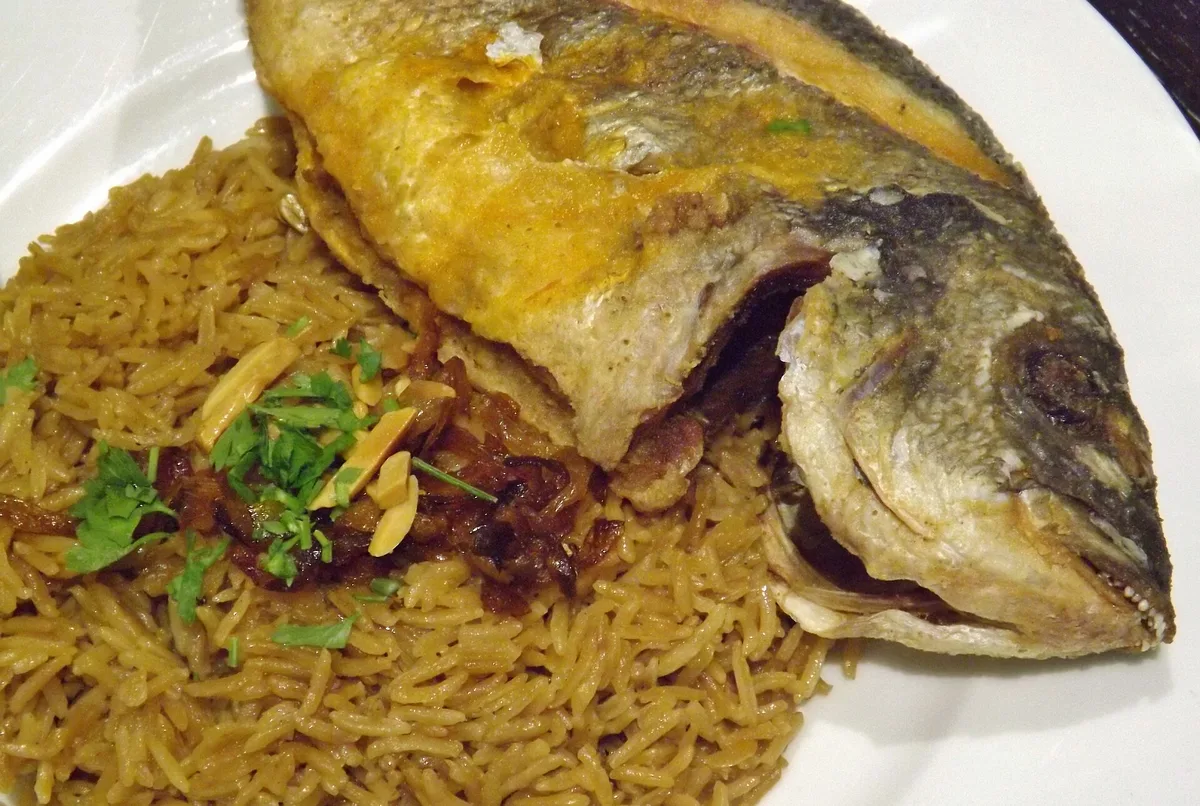
Every coast has one dish that tells you where you are, and Aqaba’s is sayadieh – the fisherman’s rice. The name derives from sayad, fisherman, and the plate is a small ceremony – rice cooked in a spiced fish stock until it takes the colour and warmth of cumin, coriander and caramelised onion, topped with the day’s fish, fried or grilled whole or in cuts, and finished with more onions, toasted almonds or pine nuts, and parsley. It is served across the Levantine and Red Sea coasts, but in Jordan it belongs to Aqaba alone – the country’s only fishing port cooks the country’s only true seafood dish, and the old town’s fish restaurants, a few streets from where the small boats land, are where to eat it.
The wider food scene follows the boats. Around the port and the old town you will find the full Red Sea table – whole fish priced and chosen from the ice, grilled with garlic and lemon or fried with spice crusts, calamari, prawns, and the mezze that precede them, all eaten late, because Aqaba dines after the heat breaks and the corniche fills. The mechanism that matters is freshness over fame – choose the place by the look of the fish on ice and the proportion of local families at the tables, not by the gloss of the frontage, and ask what came in today; in a working port, the honest menu is the catch, and sayadieh made with it carries the whole point of the dish.
Two honest notes. First, Jordanian seafood culture is young and local – Aqaba’s own fleet is small, much restaurant fish travels further than the romantic version admits, and a good kitchen will tell you what is genuinely local if you ask plainly. Second, this is not a cheap eat by Jordanian standards – fish is the luxury protein of a desert country, and a full sayadieh dinner will cost more than the mansaf and kebab meals inland. It is worth it once, done properly, on an evening when you can give it time. Finish with the city’s other ritual – strong coffee or mint tea on the corniche, watching the port lights – and the food day is complete.
13. Watch the Migration at the Aqaba Bird Observatory
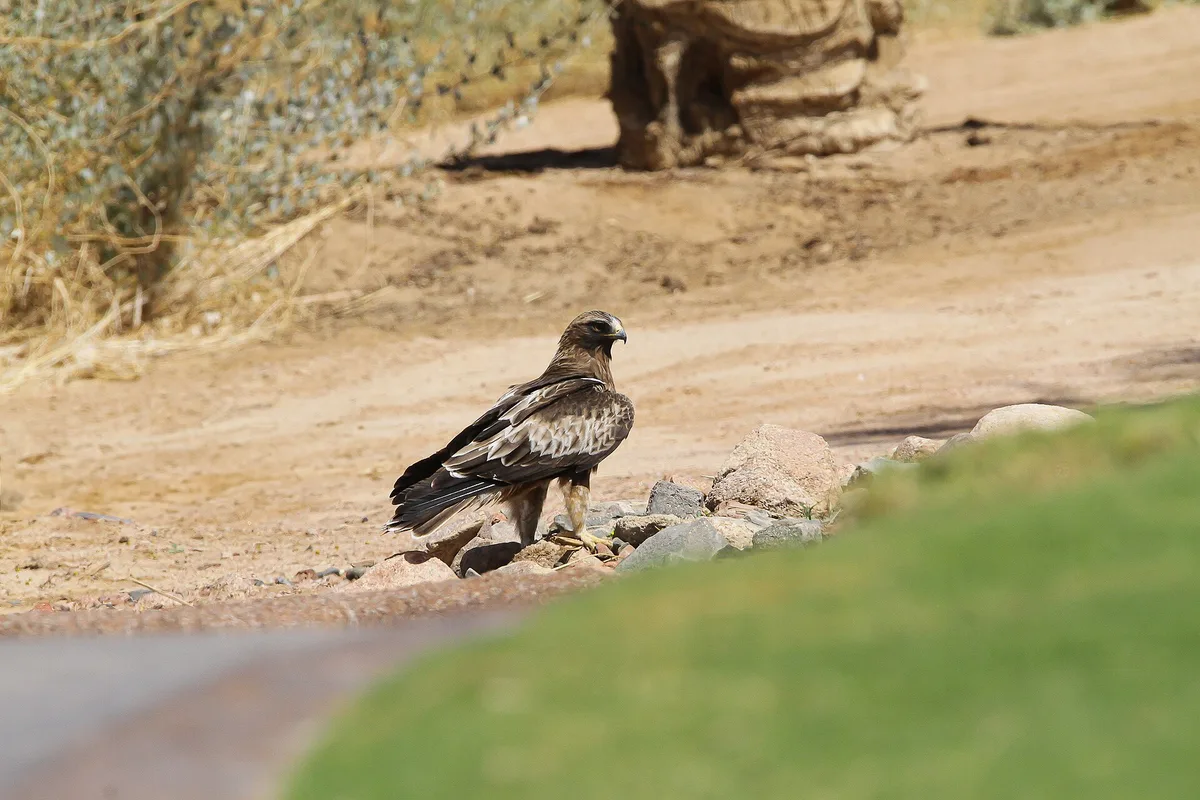
Aqaba sits at a crossroads you cannot see. The city lies on one of the great bird migration flyways of the world, the Rift Valley route between African wintering grounds and breeding territories across Europe and Asia, and twice a year the sky over the gulf fills with the traffic – storks, pelicans, honey buzzards, eagles and smaller migrants funnelling along the mountains and resting where water exists. The Aqaba Bird Observatory, run by the Royal Society for the Conservation of Nature, exists to watch that river of birds – a site of man-made wetlands and treatment lagoons near the northern edge of the city, toward the Eilat border, where migrants drop in to drink and rest and birders gather at the hides to count them past.
The experience is seasonal in a way nothing else on this list is, and planning around that fact is the whole game. The great passages come in spring, as birds move north, and in autumn, as they return south – those are the mornings when the observatory earns its reputation, with raptors riding the thermals off the hills and waders working the lagoon edges. Outside the migration peaks the site is a quiet wetland walk with resident birds, pleasant but modest, and worth folding into a north-city outing rather than building a day around. Go early in the day in season, because migration runs on morning thermals and the birds, politely, keep their own schedule.
Practical honesty completes the picture. The observatory is a conservation site, not a zoo – sightings are earned with patience and binoculars rather than guaranteed by a ticket, opening arrangements follow the seasons and the society’s programme, and the sensible move is to check its current visiting pattern locally before setting out. What it gives Aqaba, though, no resort can – the reminder that this small port city sits inside systems far older and larger than tourism, in the water and in the air alike. It is the quietest of the best things to do in Aqaba, and in migration season one of the most moving. Pair it in spring or autumn with a South Beach afternoon and you have the reserve’s full argument, feathers to fins, in a single day.
14. End the Day With Sunset Over the Gulf
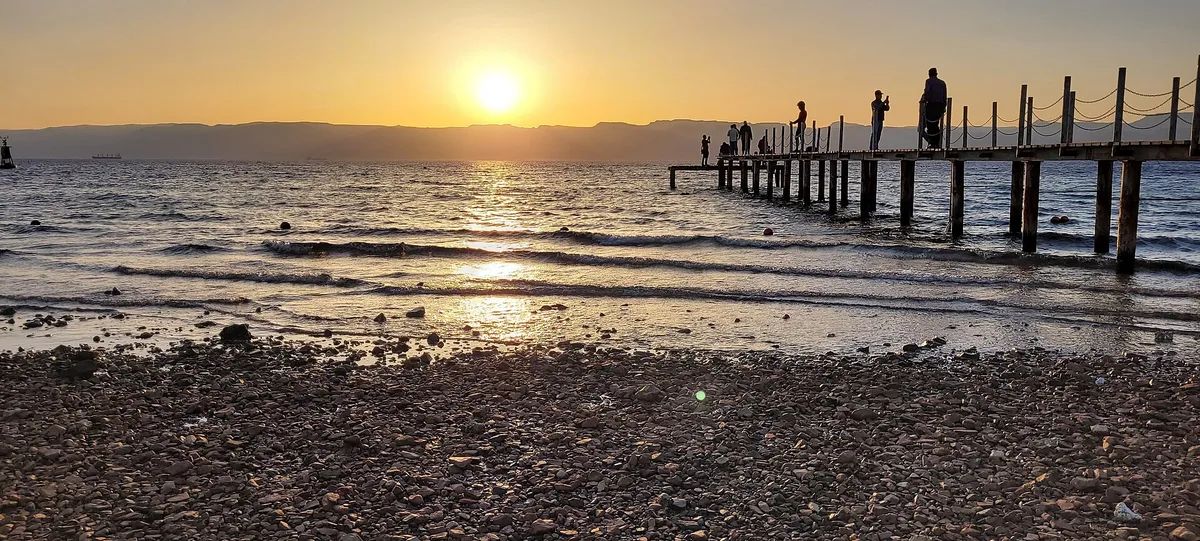
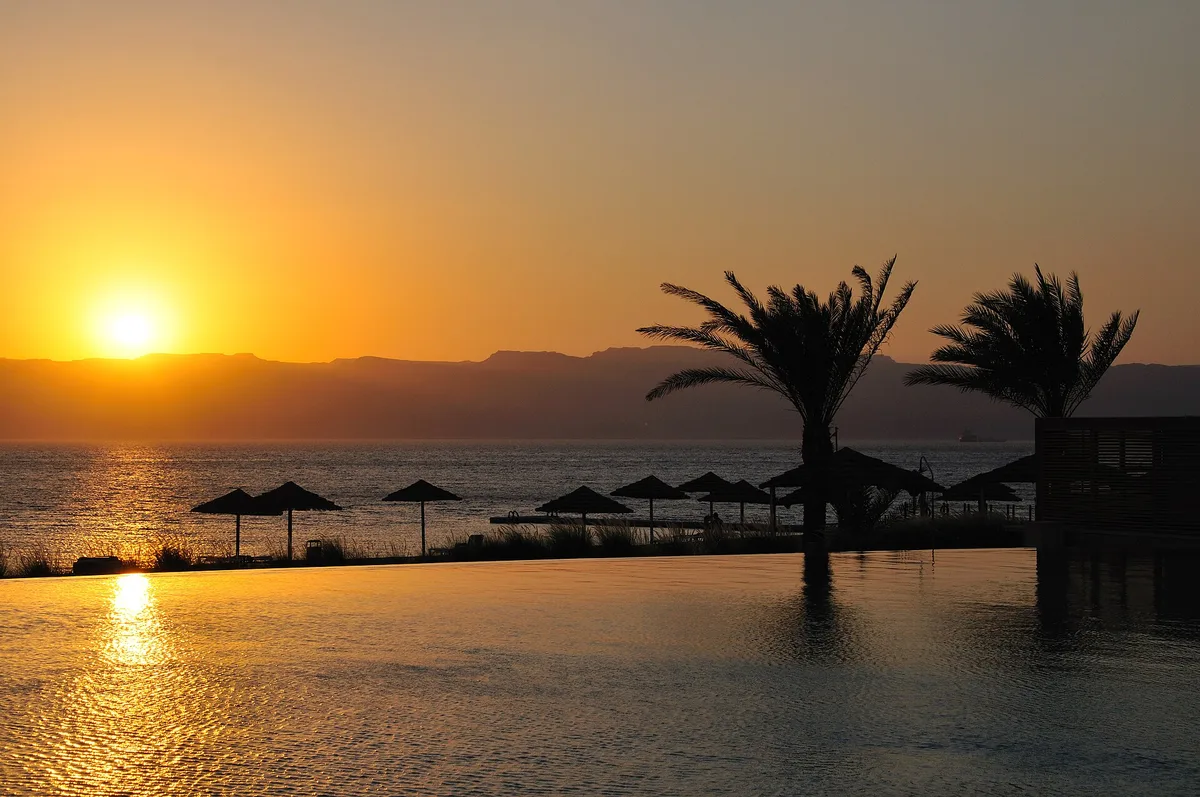
Aqaba faces west across the water, and every clear day – which here means nearly every day – ends with the same free performance. The sun drops toward the mountain wall on the far shore, the gulf turns from blue to copper, the flagpole stands black against the light, and the city’s whole population seems to drift toward the water to watch it happen. Making sunset a daily appointment is one of the best things to do in Aqaba precisely because it is unstructured – no ticket, no schedule to keep beyond the light itself, and a different seat available every evening of your stay.
Choose your vantage by mood. The South Beach pier is the romantic option, standing out over the reef flat with the day’s snorkellers silhouetted against the water and the mountains of the far shore stacked beyond. The corniche and the plaza in town are the social option – families, coffee carts, the flag coming into its evening floodlighting, children on bicycles – sunset as a civic event rather than a view. The city beach at Al-Ghandour mixes both, local and unpolished, and a boat on the water at that hour, glass-bottom boats included, buys you the sunset with Aqaba’s own skyline as the backdrop. Each costs nothing but the decision to stop moving for twenty minutes.
The honest craft is in the timing and the aftermath. The show is short at this latitude – the sun drops fast, and the best colours often come in the ten minutes after it disappears, so arrive early and stay past the obvious moment. Then let sunset hand you the evening, because Aqaba is a night-shifted city – the souks light up, the fish restaurants fill, the corniche promenades, and dinner at nine is early. Travellers who fight that rhythm, dining at six and wondering where everyone is, miss half the city. The sunset is the hinge of the Aqaba day – arrange the afternoon so you are free for it, and the evening arranges itself.
15. Take the Desert Day Trip to Wadi Rum
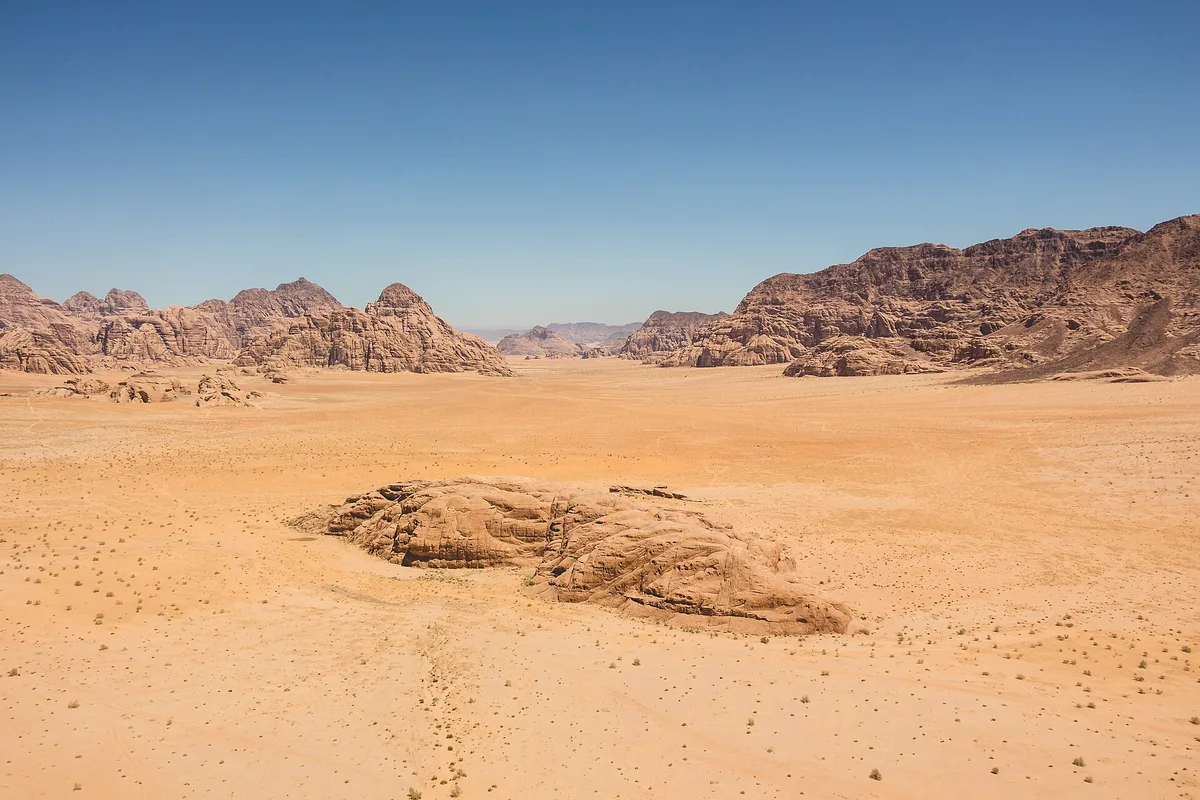
About an hour’s drive inland, the Red Sea’s blue gives way to the red of Wadi Rum – a protected desert valley system of sand plains and sheer granite and sandstone massifs, inscribed by UNESCO for both its landscape and its thousands of years of inscriptions and rock art. From Aqaba it is the easiest great day trip in Jordan, close enough that the journey is a transfer rather than an expedition, and the contrast is the point – you breakfast by a coral sea and stand by noon in a valley that has served as the set for Mars in a dozen films and was, long before that, a through-route for Nabataean caravans and the theatre of Lawrence’s desert war. Rum pairs with Aqaba so naturally that many travellers do the two as one stay, sleeping by the sea and raiding the desert by day. It earns its place among the best things to do in Aqaba without taking place in Aqaba at all.
The mechanism is standardised and simple. You travel to the Wadi Rum visitor centre, where entry is arranged, and continue to Rum village, where the local Bedouin operators run the desert tours – most day visitors take a jeep tour of a few hours between the great landmarks, the sand dunes, canyons, rock bridges and inscription walls, with tea stops at Bedouin tents along the way. Tours are sold by length and by vehicle rather than by the seat, so a group fills a jeep and splits it, and the desert beyond the windscreen is the same desert on every route – what varies is pace, guiding and how much walking you ask for. Say you want to walk the canyons rather than photograph them from the door, and the day improves immediately.
Honesty about the day-trip format is required, because Rum also deserves more. A day trip gives you the valley floor’s greatest hits in strong light and some heat, misses the desert’s best hours – dawn and dusk – entirely, and misses the famous Rum night sky altogether. If your itinerary can spare a night in a Bedouin camp, the desert becomes a different and greater place, and Aqaba will happily wait for you. But if the choice is a Rum day trip or no Rum at all, take the day trip without a flicker of doubt – an hour each way is nothing, the valley is overwhelming at any hour, and you will be back at the corniche for a late dinner, sand still in your shoes.
16. Take the Big Day Trip to Petra
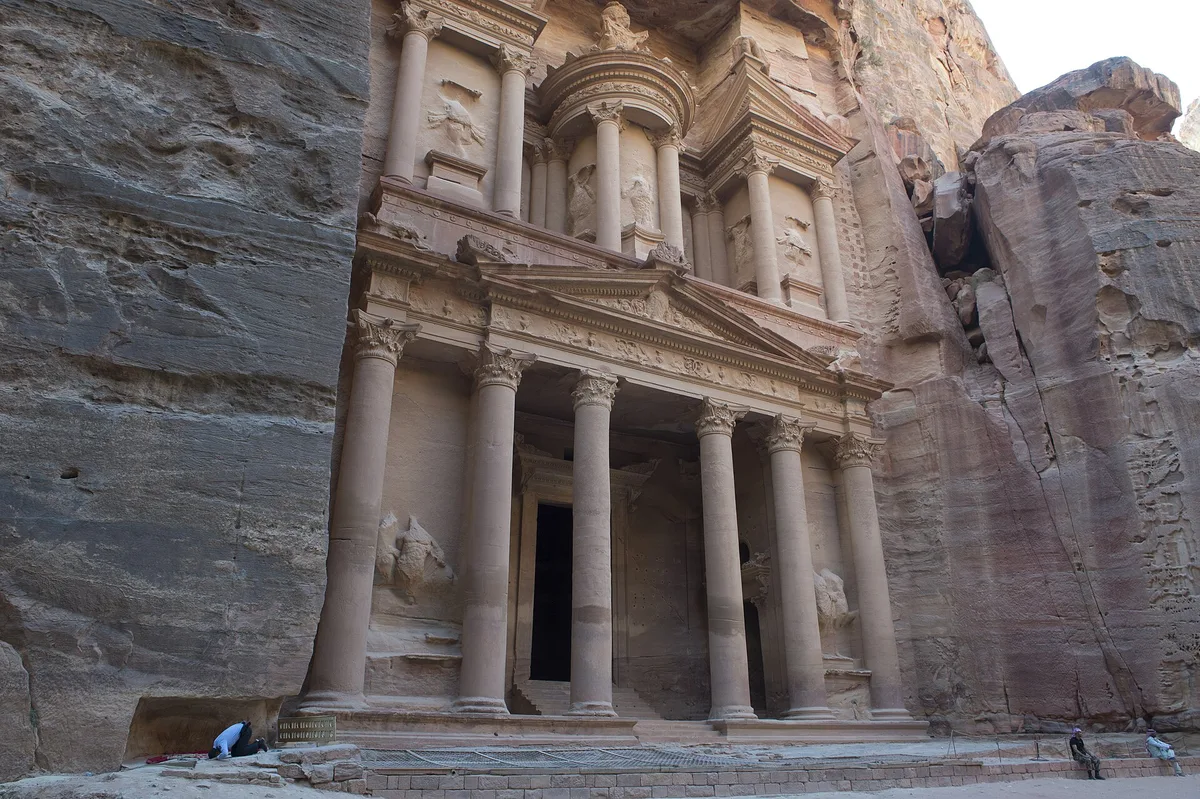
Petra from Aqaba is possible, popular and just far enough to demand respect. The rose-red Nabataean city – a UNESCO World Heritage Site and the single most famous place in Jordan – lies roughly two hours north by road, which makes a day trip a genuine expedition – an early start, the drive up the King’s Highway corridor, a full day on your feet inside a site that repays every hour, and the drive back in the dark. Travellers do it constantly and gladly, but it should be entered as the biggest day of your stay, not squeezed between a beach morning and a boat trip. Our full Petra travel guide covers the site itself in the depth it deserves; this section is only about the Aqaba logistics.
The mechanism has two shapes. Tours from Aqaba are sold everywhere – hotel desks, agencies, dive centres with a sideline – bundling transport and entry arrangements into one early-morning pickup, and for a one-day strike that simplicity is worth paying for. Independent travellers hire a car and driver for the day, or self-drive the straightforward highway, gaining control of the start time – and start time is everything, because entering the Siq early, ahead of the day crowds and the heat, transforms Petra from a queue into a revelation. Whichever shape you choose, the arithmetic is fixed – the Treasury is a long walk from the gate, the Monastery is a long climb beyond it, and a day trip that tries to do everything will do the walking at a march and the looking at a glance.
So here is the honest verdict this guide owes you. If Petra is the reason you came to Jordan, sleep in Wadi Musa and give it a full day or two from a nearer base – our itinerary guide builds the trip that way for a reason. If you are based in Aqaba with limited days and Petra is one wonder among several, the day trip works, provided you start early, target the Treasury and the main street with the Monastery as a stretch goal, and accept the long evening drive as the price. What you must not do is the half-version – a late start, a noon arrival, a rushed Siq – because Petra punishes haste more than any site in the country. Go early or go overnight; there is no third way.
How to Shape Your Days in Aqaba
Aqaba rewards a rhythm more than a checklist, and the rhythm is set by two clocks – the sun and the sea. Water first, while it is calm and the light is clean; shade and stone in the middle hours; the city as it cools; dinner late. A two-day stay, the minimum that makes sense, runs like this – day one on the reef, snorkelling the reserve in the morning and riding the South Beach shore in the afternoon, with the fort, museum and flagpole fitted into the late light; day two given to whichever escape matters more, Rum for landscape or Petra for wonder, and the souks and a sayadieh dinner to close. Nothing in that shape is rushed, and everything on the list of best things to do in Aqaba that matters most is inside it.
Three or four days is the city’s real comfort zone. Add the Cedar Pride and a dive-centre morning to day two, move the day trip to day three, and let a beach-club day or a slow old-town day fill the space between – souks in the evening, the observatory if the migration is running, the aquarium and a glass-bottom boat in the slack hour before lunch. Aqaba’s mistake, the one this guide exists to prevent, is the transit mindset – one night, a swim, and gone – because the city’s pleasures are cumulative; the reef improves as your eye learns it, the old town improves as its hours become yours, and by day three the corniche at sunset stops being a sight and starts being a habit.
Season shapes the details, never the structure. Spring and autumn are the connoisseur’s windows – warm sea, kind air, migration overhead. Winter is mild and bright, the sea still swimmable when northern Europe is in frost, and the desert day trips are at their most comfortable. High summer is fierce at midday and glorious at both ends of it, and Aqaba simply shifts further into its night rhythm. Whenever you come, hold the same rule the locals hold – the day is built backwards from sunset. Protect the morning water and the evening light, let the middle look after itself, and Aqaba will do the rest.
Frequently Asked Questions
How many days do you need in Aqaba? Two days is the honest minimum – one for the reef and the old town, one for a day trip – and three to four days is the comfortable answer, adding diving, a second escape and a slow beach day. A single overnight shows you the sea and little else; the city reveals itself on day two and three.
What is the best time of year to visit Aqaba? Spring and autumn balance everything – warm sea, gentle air, and the bird migration overhead. Winter is mild, sunny and excellent for the desert trips, with the sea cooler but still swimmable. Summer is very hot at midday and works on a dawn-and-dusk rhythm, which the city is built for. There is no bad month, only a wrong timetable for the hot ones.
Can you snorkel in Aqaba without booking a tour? Yes – that is the beauty of a shore-entry reef. Rent a mask and fins from a centre or club on the South Beach strip, enter at a marked point or off a pier so you never walk on coral, and the reserve is in front of you. Guided snorkelling exists and helps beginners find the best water, but confident swimmers can do it independently within the reserve’s rules – no touching, no feeding, no standing on the reef.
Is the Cedar Pride wreck dive suitable for beginners? For certified divers with recent experience, the exterior tour with a guide is a reasonable early wreck dive – the structure sits in roughly 10 to 27 metres of water, and published depth figures vary slightly. It is not a dive for a first-ever descent, and entering the wreck is for specially trained divers only. New divers should start with a try-dive on the shallow reef and let the centres judge readiness honestly.
What should you wear to swim in Aqaba? On resort beaches, at Tala Bay and in the beach clubs, standard swimwear is the norm. On the public city beaches, where Jordanian families swim, modest dress blends in – longer shorts for men, and for women a swimsuit with a cover-up or t-shirt for the water itself. Nobody enforces a code; reading the crowd and matching it is simply what makes the swim comfortable.
Are Petra and Wadi Rum realistic as day trips from Aqaba? Yes, both – Wadi Rum comfortably at about an hour each way, Petra strenuously at roughly two hours each way with an early start. Both are better with an overnight if your itinerary allows it, Petra especially, but a well-run day trip beats skipping either. Start early, do not combine them into one day, and be back on the corniche by dinner.
Is Aqaba worth it for non-swimmers? More than most beach towns. The glass-bottom boats and the aquarium show you the reef dry, and the rest of the best things to do in Aqaba – fort, museum, flagpole, Ayla, souks, sayadieh, sunsets and two of the Middle East’s great day trips – never asks you to get wet at all.