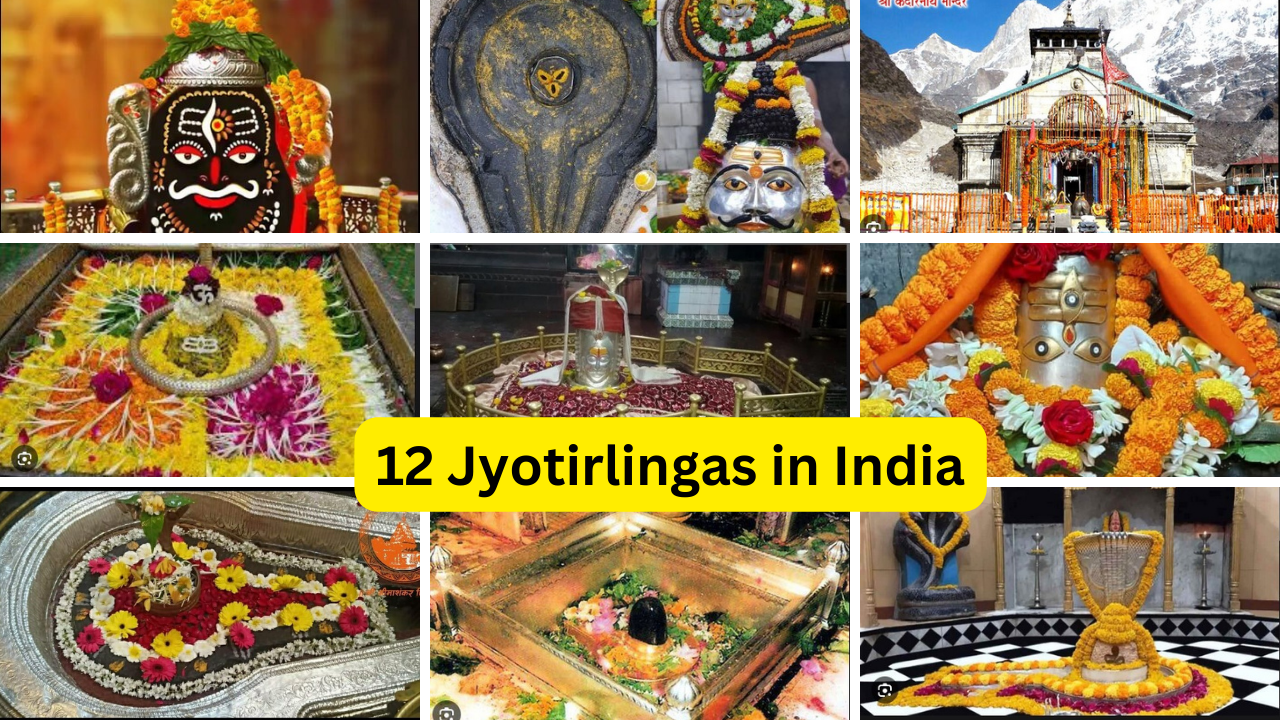
India is a land of ancient temples, rich traditions, and deep spirituality. Among the most sacred places for Hindu devotees are the 12 Jyotirlingas of Lord Shiva. These holy temples are spread across different states of India and attract millions of pilgrims every year. The word “Jyotirlinga” means “pillar of light.” According to Hindu beliefs, Lord Shiva appeared as a divine light at these sacred places, making them extremely important centers of worship. Visiting these temples is not only a religious journey but also a chance to learn about India’s history, culture, architecture, and traditions.
The 12 Jyotirlingas have been mentioned in ancient Hindu scriptures for centuries. Many of these temples are thousands of years old and have survived wars, invasions, natural disasters, and changing times. Each temple has its own unique story, legend, and importance. Some are located beside rivers, some near the sea, while others stand proudly in mountains and forests. Together, these temples create one of the most meaningful pilgrimage routes in India. People believe that visiting all 12 Jyotirlingas can bring spiritual growth, inner peace, and blessings from Lord Shiva.
For travelers planning a spiritual trip in 2026, the 12 Jyotirlingas offer much more than religious experiences. They allow visitors to explore different landscapes, local cultures, traditional foods, and historical sites. From the snowy peaks of Uttarakhand to the coastal beauty of Gujarat and Tamil Nadu, every Jyotirlinga destination provides unforgettable memories. This guide covers the history, significance, important attractions, and travel information for each Jyotirlinga to help you plan a memorable journey.
12 Jyotirlingas In India To Visit
1. Somnath Jyotirlinga (Gujarat)

Somnath Jyotirlinga is located in Prabhas Patan near Veraval in Gujarat and is considered the first among the twelve Jyotirlingas. The temple stands proudly on the shores of the Arabian Sea and offers breathtaking views of the ocean. According to ancient legends, the Moon God Chandra built the original temple in gold to worship Lord Shiva after being freed from a curse. Historical records suggest that the temple has existed for thousands of years and has been rebuilt several times after attacks by invaders. Despite facing destruction many times, Somnath has always risen again, becoming a symbol of faith, strength, and devotion.
The present temple was reconstructed in 1951 after India’s independence. Its magnificent architecture follows the Chalukya style and showcases beautiful carvings and traditional temple design. One of the most fascinating features of the temple is the famous “Arrow Pillar” facing the sea. It is believed that there is no landmass between this point and Antarctica. The evening sound and light show explains the temple’s rich history and attracts many visitors. The temple complex also includes museums, prayer halls, and sacred spots linked to ancient Hindu traditions.
Travelers visiting Somnath can also explore nearby attractions such as Triveni Sangam, Bhalka Tirth, and Prabhas Patan Museum. The best time to visit is between October and March when the weather remains pleasant. The sea breeze, peaceful atmosphere, and spiritual environment make Somnath one of the most rewarding pilgrimage destinations in India. Every year during Maha Shivaratri, thousands of devotees gather here to celebrate Lord Shiva with prayers and religious ceremonies.
2. Mallikarjuna Jyotirlinga (Andhra Pradesh)
Mallikarjuna Jyotirlinga is situated on the beautiful Nallamala Hills in Srisailam, Andhra Pradesh. This sacred temple is one of the oldest pilgrimage centers in India and holds special importance because it is dedicated to both Lord Shiva and Goddess Parvati. The temple is known as Mallikarjuna Swamy Temple and has been a major spiritual center for more than a thousand years. Ancient inscriptions and historical records from various dynasties show that kings and rulers greatly respected this holy shrine.
The temple stands near the Krishna River and is surrounded by forests, hills, and natural beauty. According to mythology, Lord Shiva and Goddess Parvati came here to comfort their son Kartikeya. This story adds to the temple’s spiritual significance. The architecture of Mallikarjuna Temple reflects the influence of South Indian temple styles with grand gateways, intricate carvings, and spacious courtyards. Pilgrims often spend hours exploring the temple complex and participating in religious rituals.
Apart from worship, visitors can enjoy scenic views of the Srisailam Dam, nearby forests, and wildlife sanctuary. The area is rich in biodiversity and attracts nature lovers as well as pilgrims. The temple becomes especially lively during festivals like Maha Shivaratri and Karthika Masam. The peaceful surroundings, cool weather, and spiritual atmosphere make Mallikarjuna Jyotirlinga a perfect destination for people seeking both devotion and relaxation.
3. Mahakaleshwar Jyotirlinga (Madhya Pradesh)

Mahakaleshwar Temple is located in the ancient city of Ujjain in Madhya Pradesh. Ujjain has been an important religious and cultural center since ancient times and is mentioned in many Hindu scriptures. The Mahakaleshwar Jyotirlinga is unique because it is one of the few self-manifested Jyotirlingas in India. The temple is dedicated to Lord Shiva as Mahakal, the ruler of time and death. Devotees believe that worshipping here helps overcome fears and negative energies.
One of the temple’s most famous traditions is the Bhasma Aarti, performed early every morning before sunrise. During this ritual, sacred ash is offered to Lord Shiva in a special ceremony that attracts thousands of devotees. The current temple structure has undergone several renovations over centuries, especially during the Maratha period in the 18th century. Its impressive architecture includes multiple levels, beautifully decorated halls, and sacred shrines.
Visitors to Ujjain can also explore other historical and spiritual attractions such as Ram Ghat, Kal Bhairav Temple, and Harsiddhi Temple. The city hosts the famous Kumbh Mela every twelve years, making it one of the holiest places in Hinduism. The combination of history, spirituality, and cultural heritage makes Mahakaleshwar one of the most significant Jyotirlingas in India.
4. Omkareshwar Jyotirlinga (Madhya Pradesh)
Omkareshwar Jyotirlinga is located on Mandhata Island in the Narmada River in Madhya Pradesh. The island is naturally shaped like the sacred Hindu symbol “Om,” which gives the temple its special identity. This unique geographical feature has made Omkareshwar one of the most respected pilgrimage sites for centuries. According to legend, Lord Shiva appeared here after being pleased with the prayers of gods and sages.
The temple is surrounded by the flowing waters of the Narmada River and beautiful green hills. Pilgrims often take a boat ride to reach the temple, making the journey itself a memorable experience. The temple’s architecture showcases traditional Hindu design with detailed carvings, stone structures, and sacred shrines. Walking around the island is considered highly auspicious and many devotees perform the complete parikrama route.
Apart from religious importance, Omkareshwar offers stunning natural scenery. The calm river, peaceful environment, and spiritual atmosphere attract photographers, travelers, and devotees alike. The best months to visit are October to March when the weather is comfortable. Omkareshwar provides a perfect blend of nature, history, and devotion.
5. Kedarnath Jyotirlinga (Uttarakhand)

Kedarnath is one of the most famous and highest Jyotirlingas in India. Located at an altitude of about 3,583 meters in the Garhwal Himalayas of Uttarakhand, this temple is surrounded by snow-covered peaks and breathtaking landscapes. The temple is believed to have been built by the Pandavas after the Mahabharata war and later revived by Adi Shankaracharya during the 8th century.
The journey to Kedarnath is considered a spiritual adventure. Pilgrims travel through mountain paths and scenic valleys before reaching the temple. Although the trek can be challenging, the stunning views and spiritual energy make the experience unforgettable. The temple remains open only during specific months because of heavy snowfall during winter.
Kedarnath gained worldwide attention after the devastating floods of 2013. Despite severe damage to surrounding areas, the temple itself survived, strengthening devotees’ faith even more. Today, improved infrastructure and transportation facilities make the pilgrimage safer and more comfortable. The majestic mountains, fresh air, and sacred atmosphere create a deep sense of peace and devotion.
6. Bhimashankar Jyotirlinga (Maharashtra)
Bhimashankar Temple is located in the Sahyadri Hills of Maharashtra and is surrounded by dense forests and wildlife. According to legend, Lord Shiva appeared here to defeat the demon Bhima, protecting devotees from evil forces. The temple’s history dates back several centuries and it remains one of Maharashtra’s most important pilgrimage sites.
The temple architecture reflects the traditional Nagara style and features detailed stone carvings. The surrounding Bhimashankar Wildlife Sanctuary is home to many rare plants and animals, including the Indian giant squirrel. This combination of spirituality and nature makes the destination unique among the Jyotirlingas.
Visitors often enjoy trekking, bird watching, and nature walks in the surrounding region. The monsoon season transforms the hills into a lush green paradise with waterfalls and mist-covered landscapes. The peaceful environment encourages meditation and prayer, making Bhimashankar a favorite destination for both pilgrims and nature enthusiasts.
7. Kashi Vishwanath Jyotirlinga (Uttar Pradesh)

Kashi Vishwanath Temple stands in the ancient city of Varanasi, one of the oldest continuously inhabited cities in the world. The temple is located near the holy Ganges River and is considered one of the most sacred places for Hindus. Many devotees believe that visiting Kashi Vishwanath can help attain spiritual liberation.
The temple’s history stretches back thousands of years. It has been rebuilt several times and continues to serve as a major center of worship. The current structure features beautiful golden domes and impressive architecture. Recent development projects have improved access and facilities for pilgrims while preserving the temple’s historic significance.
The city of Varanasi itself is a living museum of culture, spirituality, and tradition. Visitors can witness evening Ganga Aarti ceremonies, explore ancient ghats, and experience local customs that have existed for centuries. Kashi Vishwanath remains one of the most visited and respected Jyotirlingas in India.
8. Trimbakeshwar Jyotirlinga (Maharashtra)

Trimbakeshwar Temple is situated near Nashik in Maharashtra, close to the origin of the sacred Godavari River. The temple is unique because its sanctum contains three small lingams representing Lord Brahma, Lord Vishnu, and Lord Shiva. This rare feature makes it different from all other Jyotirlingas.
Built with black stone, the temple displays remarkable craftsmanship and architectural beauty. The surrounding Brahmagiri Hills add to the scenic charm of the location. Pilgrims often visit both the temple and the river source, considering the journey highly auspicious.
The area hosts several religious festivals throughout the year and plays an important role during the Kumbh Mela. The peaceful atmosphere, historical significance, and beautiful natural surroundings make Trimbakeshwar a must-visit destination for spiritual travelers.
9. Nageshwar Jyotirlinga (Gujarat)
Nageshwar Jyotirlinga is located near Dwarka in Gujarat and is associated with the legend of Lord Shiva defeating the demon Daruka. The temple symbolizes the victory of good over evil and has been a place of worship for centuries.
One of the temple’s most noticeable features is the giant statue of Lord Shiva standing outside the temple complex. The peaceful surroundings and open landscape create a calm environment for prayer and reflection. Pilgrims often combine their visit with a trip to Dwarka, one of India’s most important pilgrimage cities.
The temple attracts devotees throughout the year, especially during Maha Shivaratri. The combination of mythology, spirituality, and coastal beauty makes Nageshwar a memorable destination for visitors.
10. Aundha Nagnath Jyotirlinga
Aundha Nagnath Temple is located in Maharashtra and is believed by many devotees to be one of the original Jyotirlinga sites. Historical records suggest that the temple has existed for many centuries and has been associated with various dynasties and saints.
The temple architecture features beautiful carvings and intricate stone work. Legends connect the temple with the Pandavas, who are believed to have visited the site during their exile. Its spiritual atmosphere attracts pilgrims seeking blessings and inner peace.
Unlike some of the more crowded Jyotirlingas, Aundha Nagnath often offers a quieter experience. Visitors can spend time exploring the temple and learning about its rich history without large crowds. This makes it an excellent destination for peaceful spiritual reflection.
11. Ramanathaswamy Jyotirlinga (Tamil Nadu)

Ramanathaswamy Temple in Rameswaram is one of India’s most famous temples. Located on Pamban Island in Tamil Nadu, the temple is closely linked to the story of Lord Rama from the Ramayana. It is believed that Lord Rama worshipped Lord Shiva here before crossing to Lanka.
The temple is famous for having some of the longest corridors in the world. Its grand pillars, detailed carvings, and impressive architecture attract visitors from around the globe. The temple also contains sacred water tanks where pilgrims perform ritual baths before entering the main shrine.
Rameswaram is surrounded by beautiful beaches and coastal scenery. Visitors can also explore Dhanushkodi, Pamban Bridge, and other attractions nearby. The blend of history, mythology, architecture, and natural beauty makes Ramanathaswamy Temple one of India’s most remarkable pilgrimage destinations.
12. Vaidyanath Jyotirlinga (Jharkhand)
Vaidyanath Jyotirlinga, commonly known as Baba Baidyanath Dham, is located in Deoghar, Jharkhand. It is considered one of the most powerful Jyotirlingas and is associated with healing and wellness. According to mythology, Lord Shiva acted as a divine healer at this sacred site.
The temple complex includes several shrines dedicated to different Hindu deities. During the holy month of Shravan, millions of pilgrims undertake the Kanwar Yatra and visit the temple carrying sacred water from the Ganges. This annual pilgrimage is one of the largest religious gatherings in eastern India.
The temple’s peaceful atmosphere encourages prayer, meditation, and spiritual reflection. Many devotees believe that sincere worship here brings physical, mental, and spiritual well-being. The rich traditions and strong devotional culture make Vaidyanath Jyotirlinga an essential stop on the Jyotirlinga pilgrimage route.
Important Note for Travelers
Before starting your Jyotirlinga pilgrimage in 2026, check temple opening dates, weather conditions, transportation options, and accommodation availability. Temples like Kedarnath remain open only during certain months due to snowfall. Carry comfortable clothing, follow temple rules, respect local customs, and book hotels in advance during festival seasons. Early morning visits often provide a more peaceful spiritual experience.
Conclusion
The 12 Jyotirlingas are among the most sacred pilgrimage destinations in India. Each temple tells a unique story of faith, history, culture, and devotion. From the shores of Somnath to the snowy heights of Kedarnath and the ancient streets of Varanasi, every Jyotirlinga offers a special spiritual experience. Visiting these temples in 2026 is not just a religious journey but also an opportunity to explore India’s incredible heritage and natural beauty. Whether you seek blessings, inner peace, historical knowledge, or memorable travel experiences, the 12 Jyotirlingas provide a journey that will stay in your heart forever.
Frequently Asked Questions (FAQs)
1. What are the 12 Jyotirlingas in India?
The 12 Jyotirlingas are sacred temples dedicated to Lord Shiva located across different states of India. They are considered the holiest Shiva temples in Hinduism.
2. Which is the first Jyotirlinga in India?
Somnath Jyotirlinga in Gujarat is traditionally considered the first Jyotirlinga among the twelve sacred shrines.
3. What is the best time to visit the 12 Jyotirlingas?
The best time is usually from October to March when the weather is pleasant. Kedarnath can only be visited during its open season.
4. How many days are needed to visit all 12 Jyotirlingas?
A complete pilgrimage covering all 12 Jyotirlingas generally takes between 20 and 40 days, depending on transportation and travel plans.
5. Why are Jyotirlingas important?
Jyotirlingas are believed to be places where Lord Shiva appeared as divine light. They are important centers of worship, spirituality, and pilgrimage for millions of devotees.