Is Morocco safe for tourists? On the current official advice, the short answer is yes for most trips – with the sharp edges aimed not at violent crime but at pickpockets in the medinas, hassle and scams around the sights, and the driving. The UK Foreign, Commonwealth and Development Office (FCDO), whose Morocco advice page was updated on 19 August 2026, carries no warning against travel to any part of Morocco. The US State Department rates Morocco at Level 2 – exercise increased caution – and ties that rating to the risk of terrorism, not to crime. Neither government tells its citizens to stay away; both tell them, in specific detail, how a Morocco trip actually goes wrong when it goes wrong.
Read both pages in full and a pattern emerges. The terrorism framing is real – the FCDO says terrorists are likely to try to carry out attacks in Morocco, and the State Department’s Level 2 exists because terrorist groups continue to plot possible attacks. But the pages spend far more of their length on the mundane: petty crime the State Department calls a serious concern in major cities and tourist areas, bogus guides, unmetered taxis, road accidents, flash floods, tap water, and Moroccan laws – on drones, photography, alcohol, drugs and same-sex relations – that catch visitors out precisely because they feel ordinary at home. The honest answer to is morocco safe for tourists is therefore a routed one: which risks apply to you depends on whether you are walking the Fes medina at noon, driving the Tizi n’Tichka pass in January, trekking above Imlil, or sleeping in a dune camp outside the regulated tourist circuit.
This guide follows the two official pages section by section and attributes everything to them, because is morocco safe for tourists deserves an answer built from documents rather than impressions – if a claim below is not credited to the FCDO or the State Department, it is flagged as general travel practice rather than dressed up as a finding. Check both pages again before you travel, because both change. For routes, regions and trip planning once the safety picture is clear, start with our Morocco travel guide. The two pages themselves are the FCDO’s Morocco travel advice and the US State Department’s Morocco advisory.
Is Morocco Safe for Tourists – The Short Answer
If you read nothing else, read this table. Every answer is the official position as the two pages state it on the dates above, not a score we have invented.
| Question | Short answer |
|---|---|
| Is Morocco safe for tourists overall? | Yes for most visits, on the current advice – the FCDO carries no warning against travel to any part of Morocco, and the US rates it Level 2, its second-lowest tier. |
| What is the current US advisory level? | Level 2 – exercise increased caution, in force at our November 2026 check and tied to the risk of terrorism, per the US State Department. |
| Does the UK advise against travel anywhere in Morocco? | No. The FCDO page (updated 19 August 2026) carries no advise-against warning for any region; its regional notes cover the closed Algeria border and Western Sahara, which has its own advice page. |
| What is the biggest everyday risk? | Petty crime. The State Department calls it a serious concern in major cities and tourist areas; the FCDO calls it common in tourist areas, especially the medina quarters and beaches. |
| Is violent crime a major risk to tourists? | It exists but is not the pattern – the FCDO reports occasional violent crime, including knives used against tourists in street attacks in major cities; the State Department says violent crime against tourists is less common than petty theft. |
| What about faux guides? | Common, per the FCDO – people posing as official tourist guides harass tourists; in a medina, use a guide with an official badge and local authority permission. |
| Are taxis safe? | Broadly, with mechanism care – agree the fare in advance or insist on the meter (both pages), and treat app-booked taxis as potentially unlicensed and uninsured (FCDO). |
| Is Morocco safe to drive? | The weakest point after terrorism in both pages’ weighting – the FCDO calls road accidents a frequent occurrence; the State Department says poor driving practices result in serious injuries and fatalities. |
| Can you drink the tap water? | The State Department says tap water is not safe to drink in many areas; bottled water is generally safe – check the seal, ask for no ice. |
| Are drones allowed? | No, not without prior authorisation – the State Department says drones are prohibited and will be confiscated; the FCDO requires civil aviation permission. |
| Is Morocco safe for LGBTQ travellers? | Same-sex sexual relations are illegal – the FCDO says public affection can lead to prosecution; the State Department gives penalties of fines and up to three years in prison. |
| What about demonstrations? | Avoid them. Both pages warn that protests can occur, sometimes without warning; the State Department notes unauthorised demonstrations can turn violent. |
| What if there is an earthquake? | Morocco is earthquake country – the FCDO records that the last major earthquake, in 2023, killed almost 3,000 people, and advises learning the safety procedures before you need them. |
| Is the sea safe for swimming? | With specific cautions – the FCDO warns many beaches have limited or no lifeguard cover and strong currents can occur; avoid swimming in isolated areas. |
| What are the emergency numbers? | Police 190 (19 from a landline), ambulance 150 (15 from a landline), Gendarmerie Royale 177 – as listed by the US State Department; the FCDO’s health page gives 150 for an ambulance. |
The shape of that table is the shape of the whole answer. Terrorism is the reason for the formal advisory level, and it is treated seriously below. But for the ordinary visitor asking is morocco safe for tourists, the realistic exposure, in both governments’ own weighting, is a lifted wallet in a crowded souk, a scam with a smile attached, a taxi fare invented at the kerb, a mountain road in bad weather, or a law – the drone in the suitcase, the photograph of the wrong building – that turns a holiday into a legal problem. Every one of those is manageable with the unglamorous precautions the two pages spell out.
The Official Picture – What London and Washington Actually Say
Start with what the two documents are, because the question is morocco safe for tourists gets a different texture from each. The FCDO’s Morocco page is not a rating but a manual – terrorism, crime, laws, transport, outdoor activities, health, regional risks – reviewed and updated throughout on 19 August 2026. Nowhere in it does the FCDO advise against travel to any part of Morocco. Its two regional notes are narrow: the land and sea borders with Algeria are closed, patrolled and closely monitored, and crossing without authorisation is illegal; and Western Sahara is a disputed territory with its own separate advice page, consular help provided by the British Embassy in Rabat. A traveller on the standard circuit – Marrakech, Fes, the Atlas, the desert road, the coast – is nowhere near either note; anyone planning to sail near the Algerian frontier, or wander the far south off-route, should read them properly.
The US State Department’s Morocco advisory does give a rating: Level 2, exercise increased caution, the second-lowest of its four tiers, tied to terrorism – terrorist groups continue to plot potential attacks in Morocco, Morocco’s own security services continue to arrest people allegedly linked to such groups, and lone wolf attacks can occur without warning. The advice that follows is situational rather than restrictive: stay aware of your surroundings, be alert in locations frequented by tourists, and take the target list – large public events, popular hotels and restaurants, places of worship, markets, shopping malls and public transport – as a prompt for awareness rather than a list of places to avoid.
On terrorism the FCDO is, if anything, blunter in wording: terrorists are likely to try to carry out attacks in Morocco, attacks could be indiscriminate – transport hubs, tourist locations, government buildings, crowded places, businesses with western interests – and there is an increased threat linked to Moroccans sympathetic to or belonging to Daesh and other extremist groups, with the authorities regularly disrupting cells. It also notes the counterweight: protective security measures, including guards, at some hotels and tourist sites. Neither page reports a current, specific plot or a reason to cancel a trip; both describe a standing threat picture that justifies awareness. Is morocco safe for tourists, on the terrorism question alone, gets the same answer from both capitals: go if you judge the standing risk acceptable, stay alert while you are there, and re-read the pages before you travel because this is the section most likely to change.
Demonstrations sit inside the official picture too, and both pages handle them in the same way. The FCDO says protests and demonstrations could occur across the country, particularly in large cities, often without warning; authorised protests are generally peaceful and closely monitored, but unauthorised ones have sometimes led to clashes between protesters and police, and gatherings can disrupt travel – avoid political gatherings and demonstrations, follow local news and the directions of security officials. The State Department says demonstrations are common, may respond to political or economic issues or flare during periods of heightened regional tension, and can be unpredictable; by law they require a government permit, but spontaneous unauthorised ones can occur and could turn violent; strikes happen too. Its instruction is identical in substance: avoid areas around protests and check local media. Neither page suggests tourists are targets; the risk is being caught in one, and the remedy is to walk the other way.
Crime in the Cities and Medinas – Petty Theft First, Violence Rarely
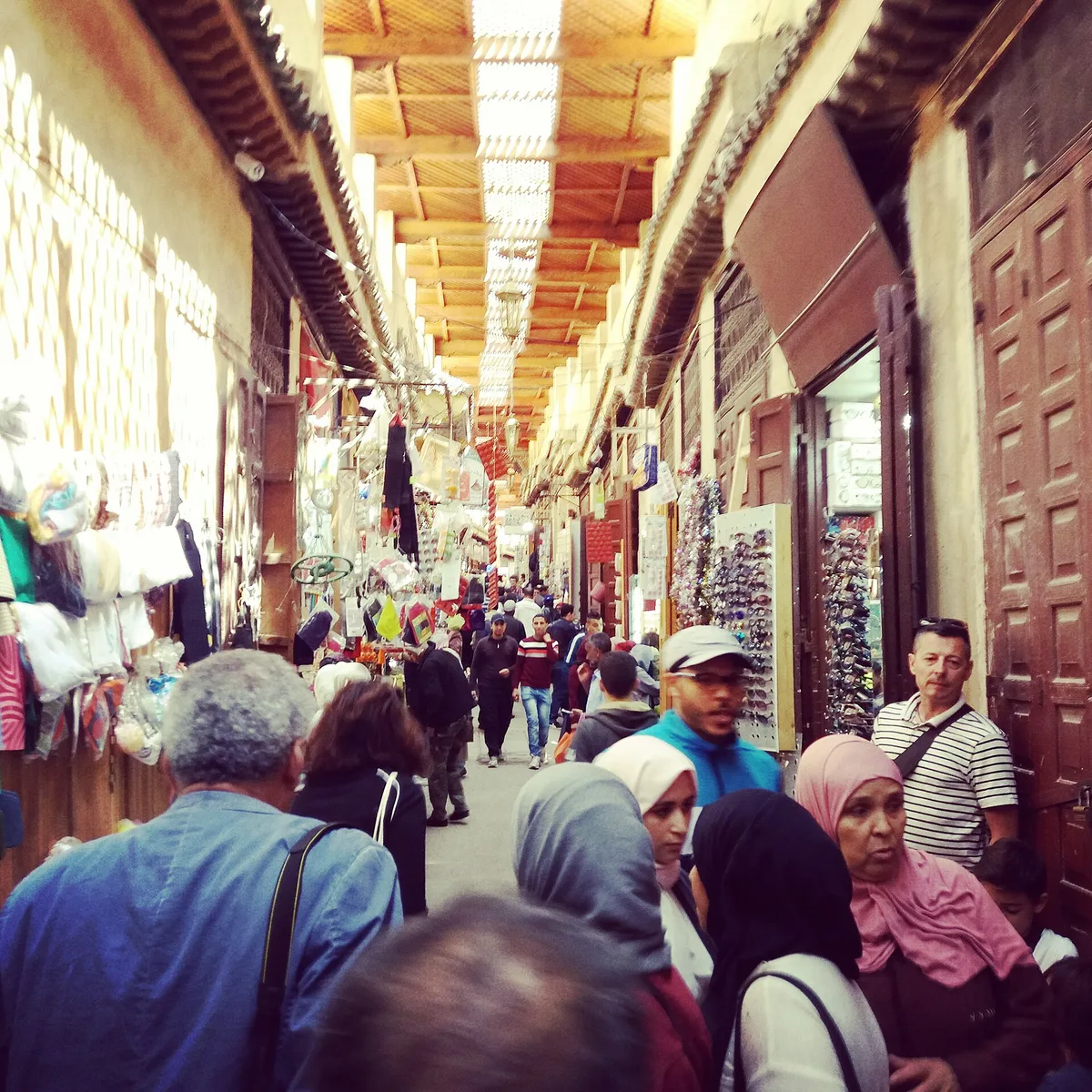
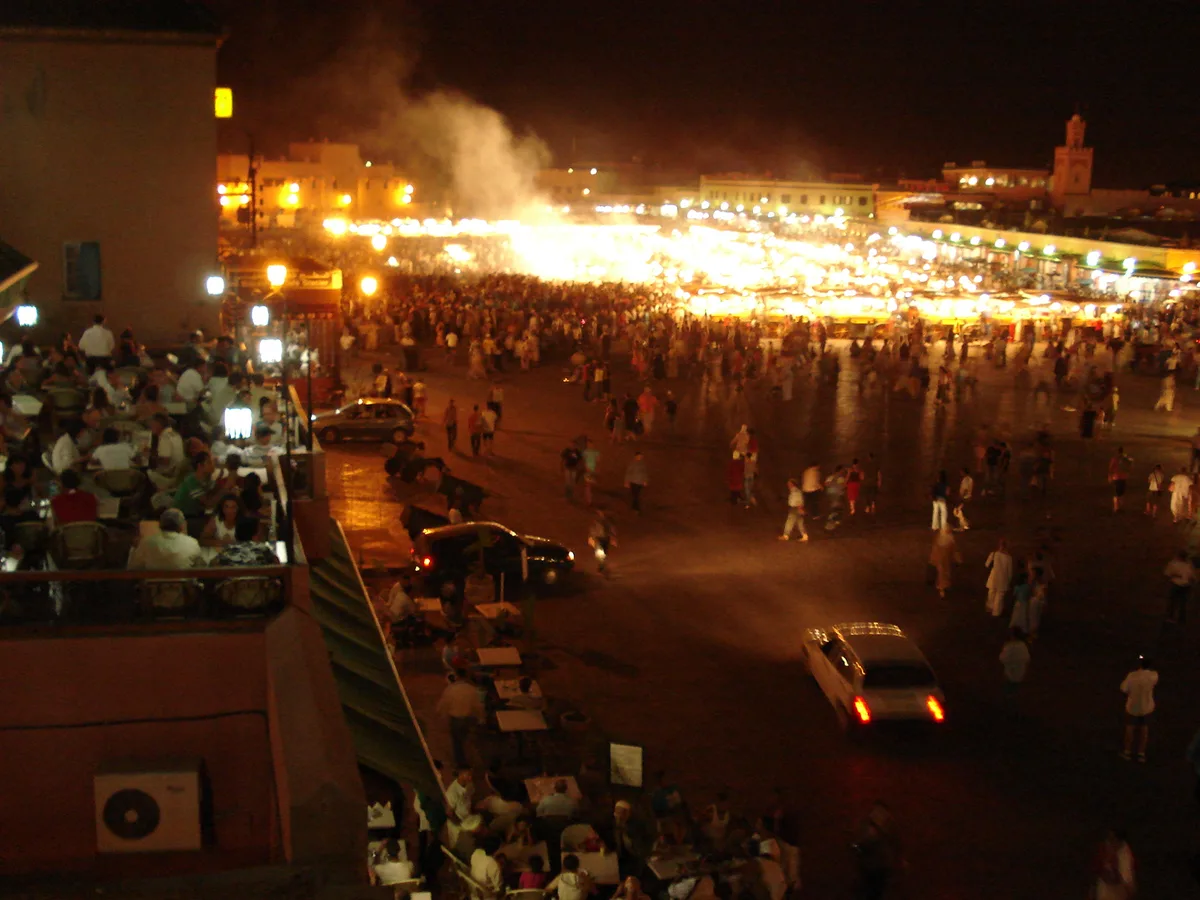
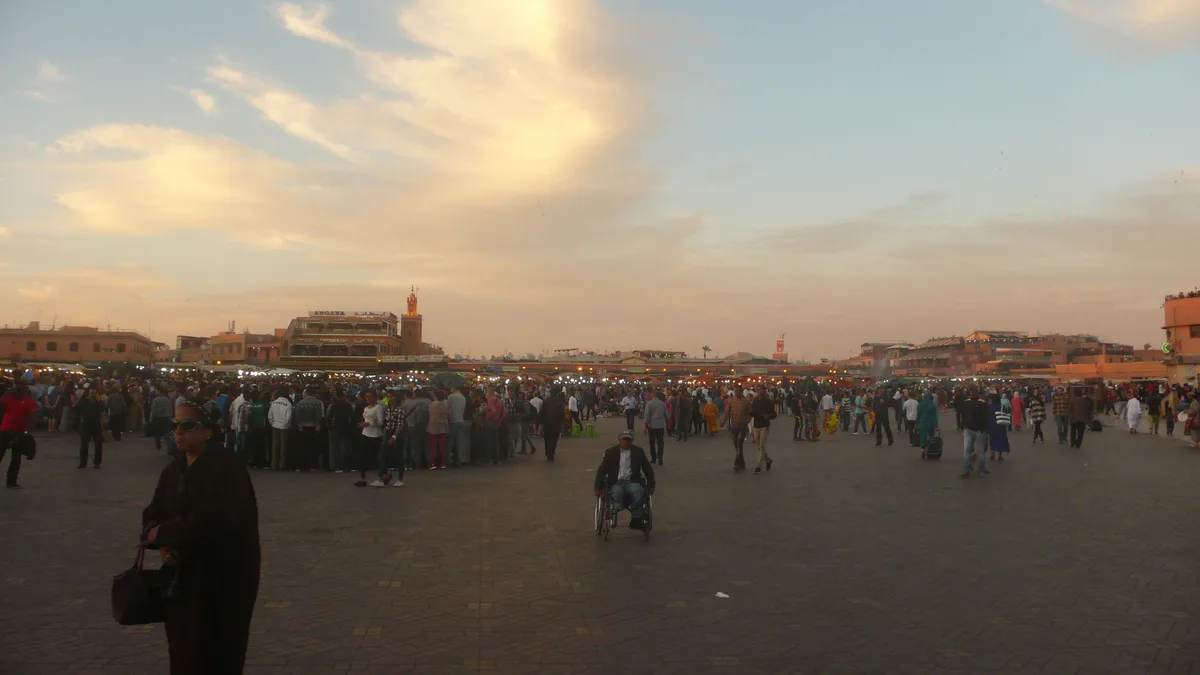
Both pages put petty crime at the centre of the everyday answer, and they describe the same geography. The State Department says petty crime in Morocco is a serious concern, particularly in major cities and tourist areas, and that pickpocketing occurs frequently in crowded tourist areas, markets – the souks – and on public transportation. The FCDO says petty crime is common in tourist areas, especially in the medina quarters and on beaches, and names the same repertoire: pickpocketing, bag-snatching, and drive-by motorcycle theft of visible jewellery and handbags. The US page adds theft from vehicles, and advises carrying bags across the body rather than on a shoulder and never leaving valuables visible in a parked car. The mechanism is the familiar one in every crowded market city: density plus distraction. A bump in a packed souk lane, a performance drawing a circle of watchers, a bag slung over a cafe chair – the pages’ countermeasures match it exactly: valuables secured and out of outer pockets, nothing of value left on tables, awareness raised precisely where the crowds are thickest. When visitors ask is morocco safe for tourists in the medinas, this paragraph is most of the answer.
The FCDO adds two Moroccan specifics worth underlining. Be cautious when asking for directions and when using ATMs, it says, because aggressive begging is common; the State Department likewise lists aggressive panhandling in tourist areas and advises a polite but firm decline while continuing to move. And both pages warn against the display that invites the attempt: avoid showing expensive jewellery, electronics or large amounts of cash (State Department); do not carry large amounts of money or valuables at all (FCDO). None of this is exotic – it is the operating discipline of any big-city trip, applied to medinas whose lanes are narrower, older and more crowded than most.
Violent crime needs stating plainly and keeping in proportion, because both pages do exactly that. The FCDO reports occasional violent crime, including knives used against tourists in street attacks, thefts and burglaries in major cities and along beaches; its risk-reduction advice is short – avoid quiet areas, particularly after dark, and do not carry large amounts of money or valuables. The State Department says violent crime against tourists is less common than petty theft but does occur – muggings and assaults, particularly in remote areas or at night – and advises avoiding walking alone after dark and avoiding isolated beaches, parks and poorly lit streets. Read together, the picture is consistent: violence against visitors is the exception, it clusters in the situations both pages name – quiet, dark, isolated, valuables on show – and the avoidance advice is behavioural rather than geographical. No city or medina is flagged off-limits by either government.
One more official honesty belongs here. The State Department warns that police responsiveness to crime reports by US citizens can be inconsistent, and that language barriers may complicate reporting – though police may respond faster to crimes against tourists in popular tourist areas. Its practical instructions are to always get a police report, because your insurer will want it, and to contact your embassy or consulate for help. Is morocco safe for tourists where crime is concerned therefore comes down to a sentence neither page would dispute: guard against theft as you would in any major tourist city, take the medinas’ crowds as the main theatre, keep valuables low and dark quiet streets out of your evenings – and the crime risk the governments actually document is largely managed.
Scams, Faux Guides and Everyday Hassle
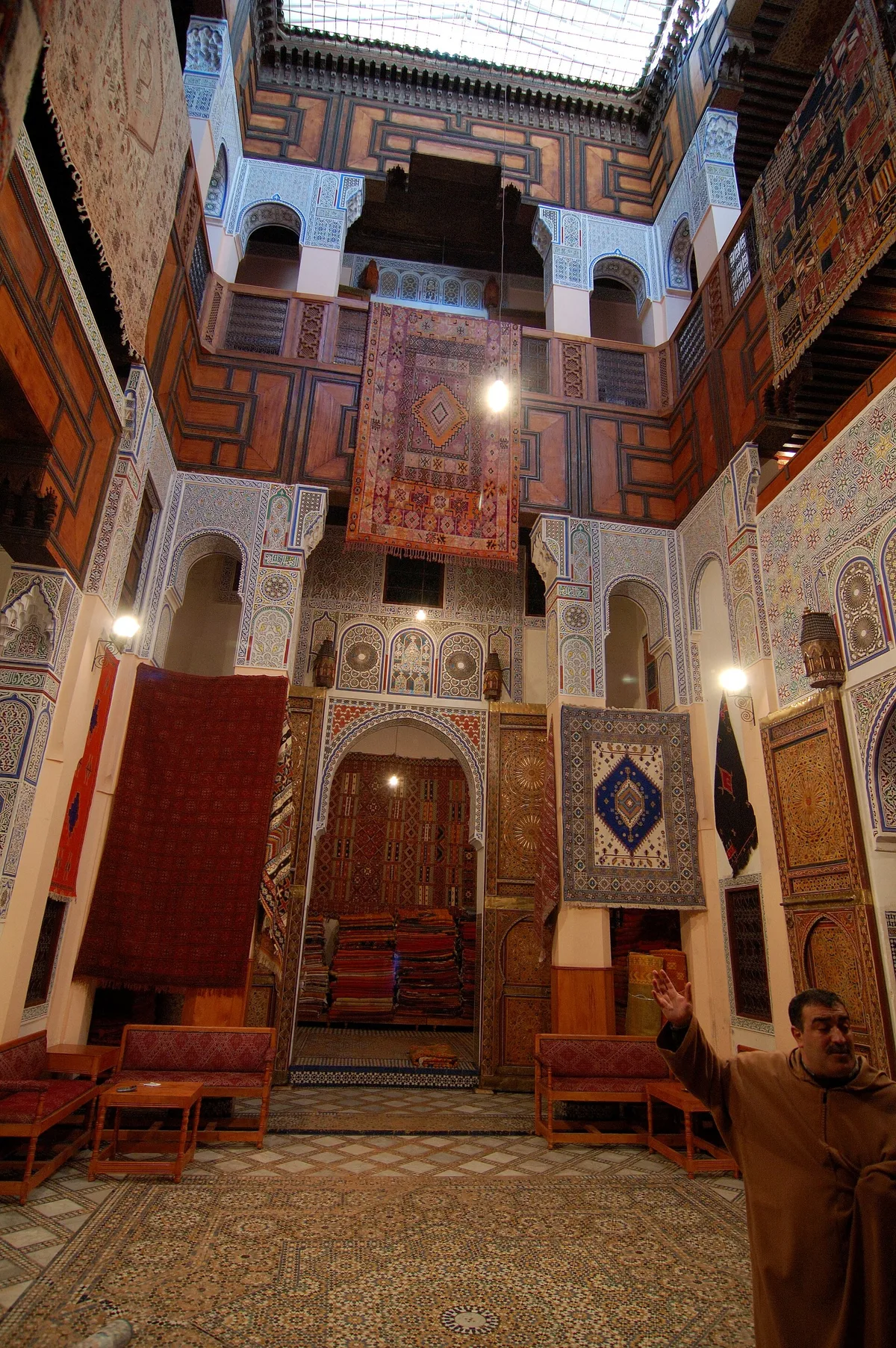
If petty crime is the risk the pages quantify with adjectives, hassle is the one they describe with mechanisms. The FCDO’s entry is blunt: it is common for people posing as official tourist guides to harass tourists. The defence it gives is administrative and complete – if you use a guide in a medina quarter, make sure they have an official badge and permission from the local authority. That single check dissolves most of the classic medina script, in which a friendly stranger announces that the street ahead is closed, or that he happens to be walking your way, and the walk ends in a shop where a commission waits. The State Department makes the matching observation from the victim’s side: be wary of overly friendly strangers, who may be setting up scams or distractions for theft. A badged guide hired at a fixed arrangement is a service; unsolicited guidance that steers you is a sales channel, and the pages give you the exact test that separates them.
The money scams on the official pages are specific. The FCDO says credit card fraud and scams are common, and warns travellers to beware of scammers substituting inferior goods for the ones actually bought – the carpet wrapped for shipping is not necessarily the carpet you chose. Its remedy is the ordinary one, applied at the moment it matters: inspect the actual goods before money changes hands or anything is packed for posting. The State Department covers the remote end of the same economy: financial scams and internet romance scams are common, and travellers should be careful of anyone asking for money, especially anyone met through an online relationship. The FCDO carries the in-person version in its marriage fraud entry: incidents of marriage fraud and attempted extortion have affected British nationals, so keep your return ticket, passport and belongings safe.
Dating applications get a warning from both capitals, for two reasons that compound. The FCDO notes that using dating apps in Morocco may itself break the laws on sexual relations outside marriage. The State Department says criminals may use dating apps to target victims for robbery or assault, and publishes a practical protocol: tell friends and family who you are meeting, share your location, video-call before meeting, meet in a popular public place, avoid anywhere you can be isolated, and never leave food or drink unattended. Add the State Department’s general scam catalogue – fake military personnel, detained-relative stories, money transfers, lotteries, job offers – and the section’s answer writes itself. Is morocco safe for tourists who treat unsolicited help, substituted goods and online romance as the known risk surfaces the governments say they are? Substantially safer than the traveller who meets each of them cold.
Getting Around Safely – Taxis, Trains, Buses and the Driving Itself
Transport is where the two pages’ advice gets most granular, because it is where their nationals most often come to grief. Take taxis first. The FCDO says it is advisable to either agree a fare in advance or check the taxi is using a meter – the two mechanisms between which every Moroccan taxi negotiation sits. It warns that many taxis booked through ride-sharing applications may be unregulated and unlicensed, drivers may not be registered and vehicles may not be insured, and police who stop an unlicensed taxi may tell you to get out of it. On the traditional fleet it adds that petit and grand taxi drivers sometimes speed and ignore other driving rules, particularly in big cities; petit taxis will often pick up other passengers during your journey; exercise caution especially on late-night journeys; and if you feel uncomfortable, end the journey as soon as it is safe and move to a well-lit area. The State Department’s taxi verdict is calmer but compatible: taxis are generally crime-free during the day, petit taxis are colour-coded by city – red in Casablanca, blue in Rabat, tan in Marrakech – travellers should always ask for the meter, drivers are not supposed to share rides but will try, and rideshare users should exercise caution around hotels and airports, where drivers and passengers have reported harassment and even physical violence from taxi drivers.
Trains come out of the US page well: trains in Morocco are generally safe, though theft sometimes occurs – the ordinary vigilance of keeping bags in sight and valuables out of outer pockets applies, as it does on any railway. For the visitor asking is morocco safe for tourists on public transport, the train is the pages’ easiest yes. City buses, by contrast, are flatly described by the State Department as not considered safe. The FCDO does not cover trains or buses in its transport section; its transport warnings are road warnings, and they are extensive.
Driving is where both governments stop being reassuring. The FCDO calls road accidents a frequent occurrence in Morocco. Its practical apparatus matters: after an accident, complete the joint form – the constat amiable – signed by both parties; if you are in a fatal accident and the authorities think you are responsible, they may detain you before a trial hearing. Drink-driving is a serious offence: any alcohol in your system brings a fine and possible imprisonment. Its conditions advice: poor lighting makes night driving dangerous; in poor weather, secondary routes and mountain roads can be especially hazardous; on motorways, watch for overloaded lorries overtaking where there is no hard shoulder. Its paperwork list is equally concrete: the 1968 International Driving Permit (the 1949 version is no longer accepted) plus your licence, a green card proving insurance, documents carried in the car, and the warning that your vehicle’s registration is recorded on entry – leave in a different vehicle and you can expect to be detained and refused exit.
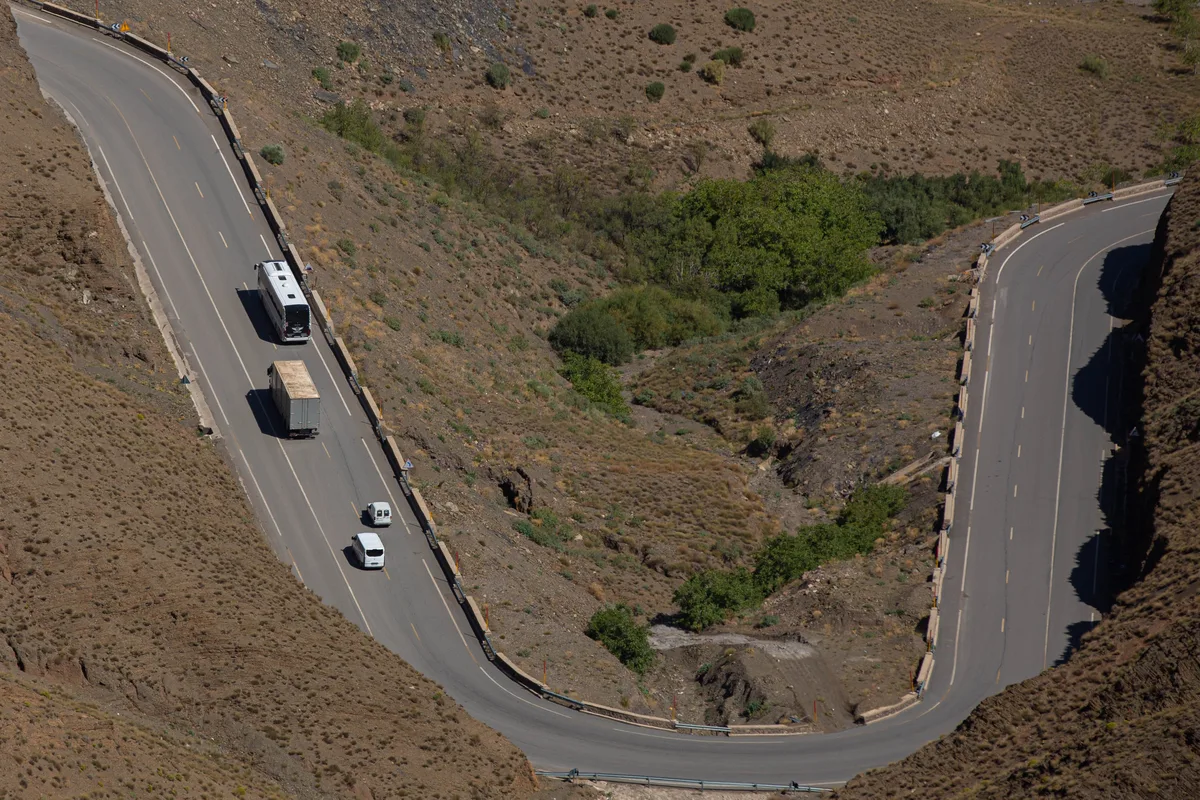
The State Department’s roads section agrees on the diagnosis and adds the casualty framing: driving practices are very poor and result in serious injuries to and fatalities of US citizens, with accidents especially common at two predictable peaks – during Ramadan at dusk, when adherence to traffic regulations is lax, and from July to September, when Moroccans living abroad return from Europe by car in large numbers. Its geography matches the FCDO’s: modern freeways connect the big cities, but secondary rural routes are often narrow and poorly paved, and roads through the Rif and Atlas mountains are steep, narrow, winding and dangerous; traffic signals do not always work; pedestrians, scooters and animal-drawn vehicles appear on all roadways including the freeways; police checkpoints are routine; and it advises extreme caution driving at night because of poor lighting. After any accident all parties must remain at the scene, dial 190 for police, and not move the vehicle until police or the insurance investigator have documented it. Put the two pages together and is morocco safe for tourists on the road resolves into specifics: the motorway network between the big cities is modern, the risk concentrates on rural and mountain roads, at night, in bad weather and at the Ramadan dusk and summer peaks – and most visitors can hand the whole problem to a train, a licensed driver or a tour vehicle rather than taking the wheel themselves.
The Atlas, the Desert and the Coast – Staying Safe Outdoors
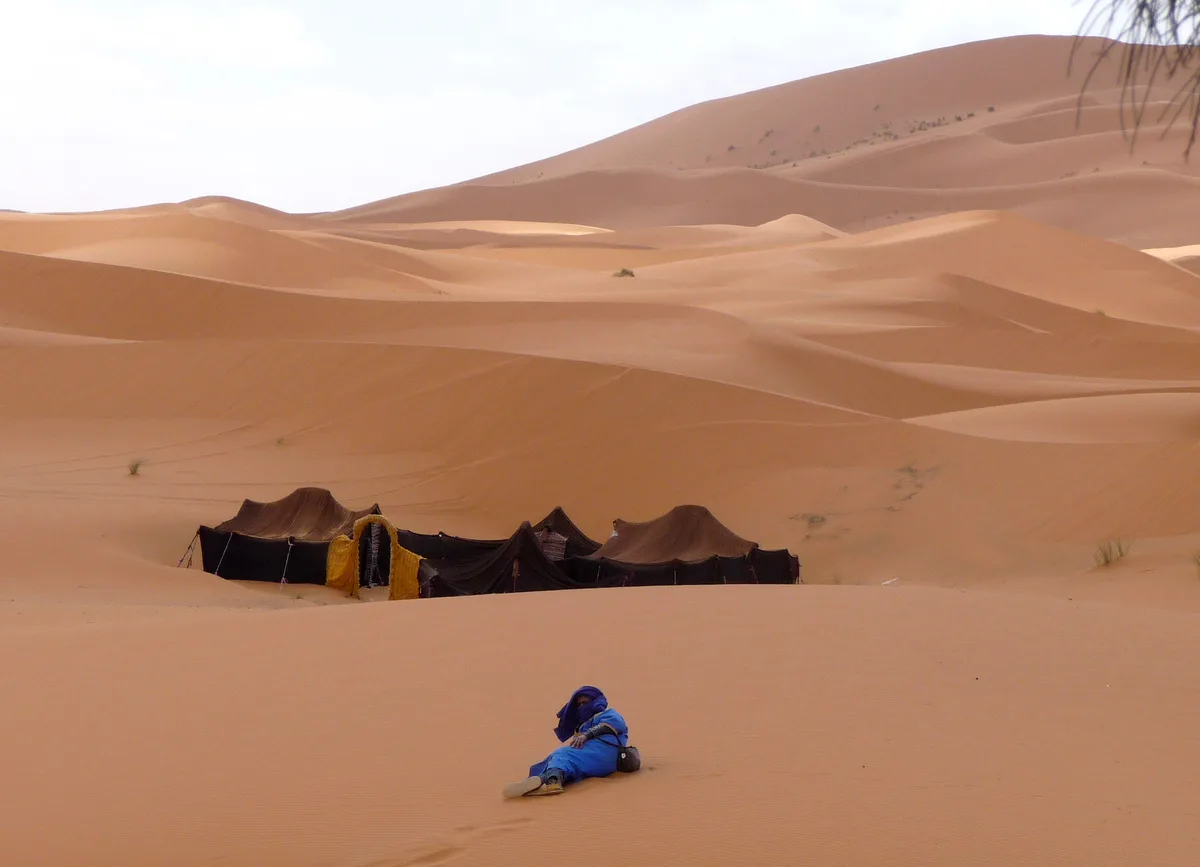
Morocco sells the outdoors – Atlas trekking, desert camps, quad bikes, balloons, beaches – and the official pages treat that sector with a distinction the State Department states outright. The tourism industry, it says, is generally regulated in the major tourist areas – it names Marrakech, Tangier, Fez, Casablanca, Rabat, Essaouira and Agadir – where rules and inspections are regularly enforced, dangerous areas are marked, and trained, certified staff usually run organised activities. Outside those areas it is not well regulated: inspections are rare, hazards are not always marked, staff may not be trained or certified, and if you are injured you will likely need to travel to a major city for care. The FCDO makes the same point in British terms: adventure tourism providers may not meet UK safety standards, so check the provider’s standards, make sure your insurance covers the activity – some policies exclude water sports, boat tours and quad biking – and book through reputable agents or at your hotel.
For the Atlas specifically, the FCDO gives a short, complete hiking protocol: research the trails and the experience they need; pack water, sunscreen and appropriate clothing; hire a professional guide; and hold comprehensive insurance covering the planned activities. The State Department adds the altitude dimension – some Moroccan locations, the Atlas among them, are at high altitude, and travellers should know the symptoms of altitude sickness. One remote-area note from its terrorism section belongs here too: stay aware in remote areas and, if you camp, use guarded campgrounds rather than camping in isolated areas. A dune camp booked through an established operator at Merzouga sits inside that framework; an improvised camp far from anywhere sits outside it, and the desert’s big day-to-night temperature swings reward the guided version for practical reasons as well.
The activity-specific warnings are brief and pointed. Quad biking: the FCDO says accidents involving British nationals frequently occur in resort areas, safety standards vary considerably, and riders should always wear a crash helmet. Hot air balloons: book only through licensed operators, because unlicensed providers may not meet required safety standards. Beaches: the FCDO warns that many beaches have limited or no lifeguard cover and minimal safety signage, that strong currents and unexpected waves can occur, and advises taking care entering the water and avoiding swimming in isolated areas; it extends the warning inland – swimming in open water, including dams and rivers, can be dangerous, with deep mud and steep underwater slopes. The through-line is consistent: the activities themselves are the standard Moroccan product, run properly inside the regulated circuit every day; the pages’ concern is the unlicensed, uninspected version of the same activity, sold cheaper at the edge of it. Is morocco safe for tourists outdoors? Inside that circuit, with insured activities and licensed operators, the official answer is as close to an unqualified yes as this guide contains.
Health Basics – Water, Food, Heat and Getting Care
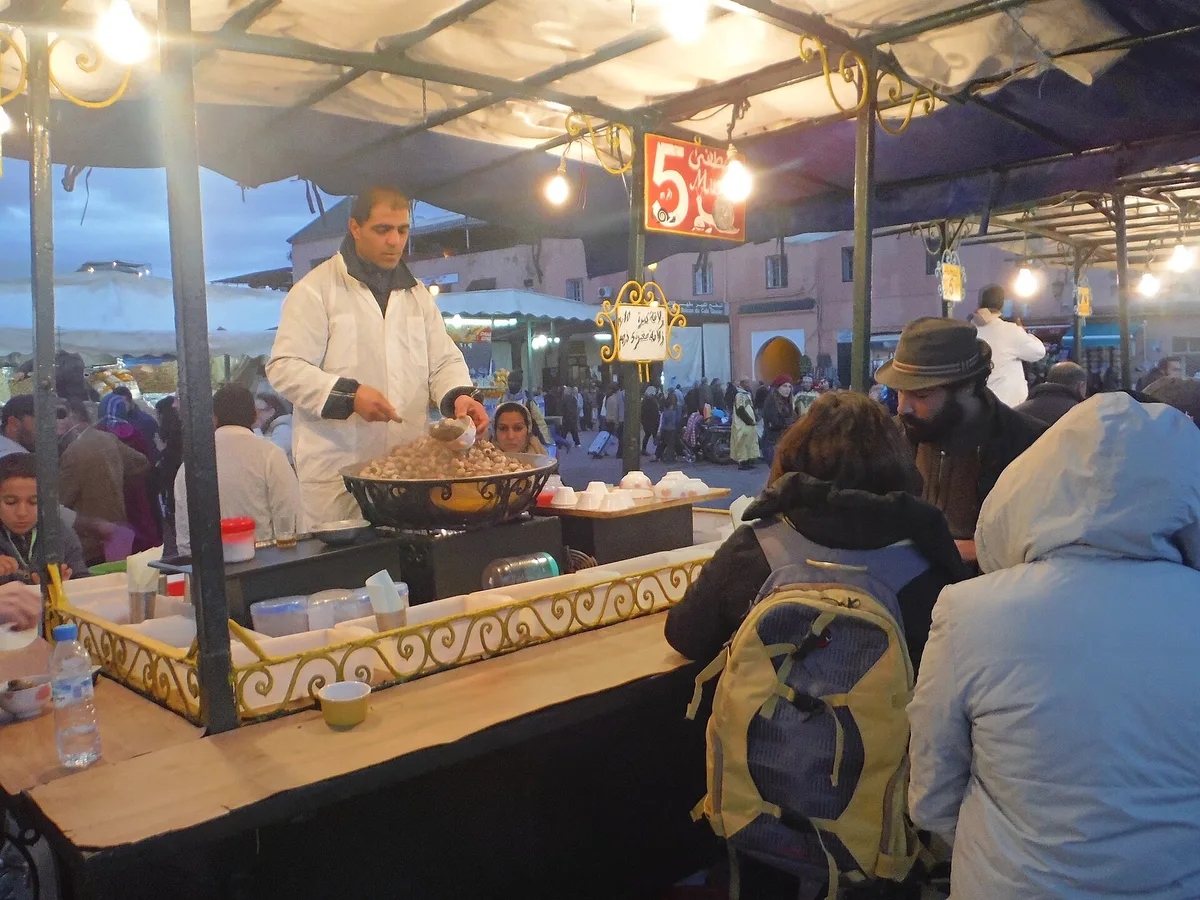
The health sections of both pages are practical rather than alarming, and they start with water. The State Department says that in many areas tap water is not safe to drink; bottled water and beverages are generally safe, with two checks – use major brands and make sure the seal is intact. It adds the restaurant trap: many restaurants and hotels serve tap water unless bottled water is specifically requested, and you may want to request no ice, since ice may be made from tap water. On food it says eating uncooked vegetables and fruits can make you sick. The FCDO’s version is hygiene-framed: follow good food and water hygiene to reduce the risk of stomach bugs, and seek medical help if vomiting and diarrhoea do not improve after a few days. Neither page tells you to avoid street food or the night stalls – the Jemaa el-Fnaa grills are part of the product – and the honest reading of both is that the precautions concern water, ice, seals and raw produce, not retreating to hotel restaurants.
Two Moroccan specifics from the FCDO deserve their own sentences. Rabies and other animal-borne diseases are present: stray animals are common in many towns and cities, and packs of dogs gathering in parks, on wasteland and in quieter areas can behave aggressively; do not approach or feed strays, and if you are bitten or scratched, seek medical advice immediately. And henna tattoos – the kind offered in squares and souks – can cause a painful allergic reaction in some people. To those, the FCDO adds a warning from its safety page: there have been deaths and cases of serious illness in Morocco caused by alcoholic drinks containing methanol, which cannot be identified by taste or smell; seek urgent medical attention if the signs appear after drinking. Alcohol itself is legal in licensed venues, as the laws section covers; the methanol warning is about unregulated supply, and it is one of the few places where the FCDO’s language turns grave.
Getting care is a mechanism both pages describe without varnish. The FCDO says public health facilities provide limited medical care, private clinics operate to a higher standard, and travellers should hold adequate insurance and accessible funds for treatment and repatriation; its emergency medical number is 150, and it advises contacting your insurer quickly if you are referred for treatment. The State Department says facilities are available in Rabat, Casablanca and other major cities and harder to find in rural areas; public clinics may lack basic resources; staff may speak little or no English; and payment is the friction point – care is not free, most providers require cash, hospitals often need payment up front or proof of insurance before admission, and US government health programmes do not cover care abroad. On ambulances it is blunt: services are not widely available, responder training and response times may be poor, and an injured traveller might reach hospital faster by taxi. Medication has its own rules: carry prescriptions in their original packaging with the prescription itself, never have medicines posted to you – customs will impound them – and note the FCDO’s observation that pharmacies are open 24 hours in every city and district, though travellers have sometimes struggled to source a specific medication. Heat belongs here as plain practice: the State Department records that heatwaves are common in summer and inland plains are very hot, so the water-carrying, shade-using, midday-avoiding routine is simply the local climate taken seriously. On the health front, then, is morocco safe for tourists who drink sealed bottled water, watch the ice, keep medication in hand luggage and hold real insurance? The pages raise no obstacle beyond those habits.
Women Travellers and Solo Travellers
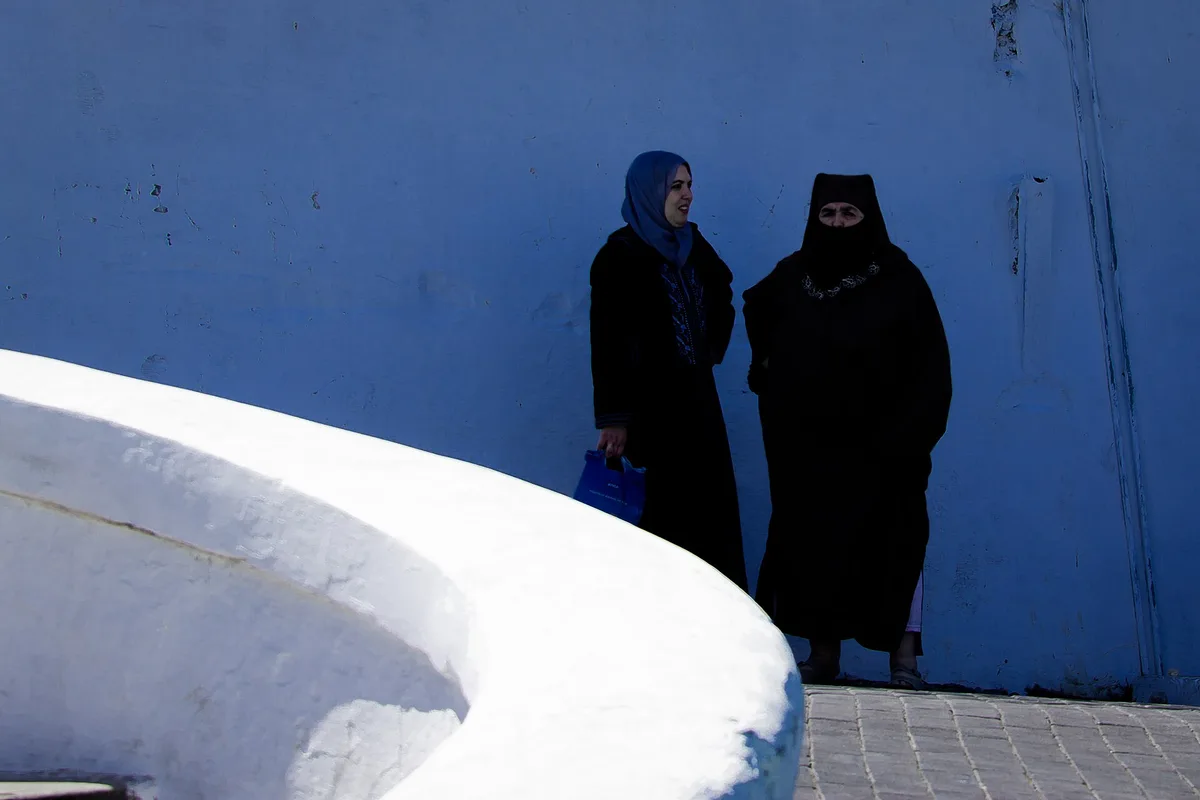
Both governments publish Morocco-specific text on women travellers, worth giving exactly, without softening or inflating it. The FCDO’s entry is two sentences: women may receive unwanted attention in Morocco, especially when travelling alone; consider wearing loose-fitting clothing which covers the arms, legs and chest. The State Department’s crime section says women travellers may experience verbal harassment, unwanted attention or inappropriate touching, particularly in crowded areas, and suggests travelling in groups where possible. Its dedicated section adds that women should exercise caution in public spaces including nightclubs, that women walking alone in certain city areas and in rural areas are particularly vulnerable to assault, and that women are advised to travel with a companion or in a group when possible and may consider ignoring harassment. That is the whole of the official record: harassment and unwanted attention named as real, assault vulnerability in specific situations named as real – and no pattern that amounts to a warning against women travelling.
The solo traveller’s picture is assembled from the same pages, because neither government publishes a dedicated solo verdict for Morocco. The State Department’s general safety advice includes avoiding travelling alone, especially at night and in unfamiliar areas, and its jogging advice – populated areas, a companion, no isolated routes or night running – reads across to anyone moving alone. Its dating-app protocol, covered in the scams section, is written for people meeting strangers solo: share your whereabouts, meet in public, keep an agreed communication plan with family or friends. The FCDO links its general solo travel advice from the Morocco page rather than adding country-specific text. Combined, the two pages give the solo visitor not a discouragement but a set of load-bearing habits: company or populated routes after dark, accommodation whose staff know your plans, valuables carried the medina way, and the same licensed-guide, metered-taxi and reputable-operator mechanisms that run through this whole guide.
For victims, the State Department’s instructions are procedural and worth knowing before you need them: victims of sexual assault or domestic violence should contact local police immediately – to report the crime and preserve evidence, because timely reporting matters for forensic evidence and medical documentation – and then contact the consulate, which can provide lists of medical facilities and English-speaking doctors, explain the local process and help reach family. Is morocco safe for tourists travelling as women, or alone, is therefore not a question the official pages answer with a slogan in either direction. They answer it with a named set of frictions – attention, harassment, vulnerability in isolated places after dark – and a named set of countermeasures, most of which are the same countermeasures this guide has already covered for everyone.
The Laws That Catch Visitors Out – LGBTQ Travellers, Cameras and Drones
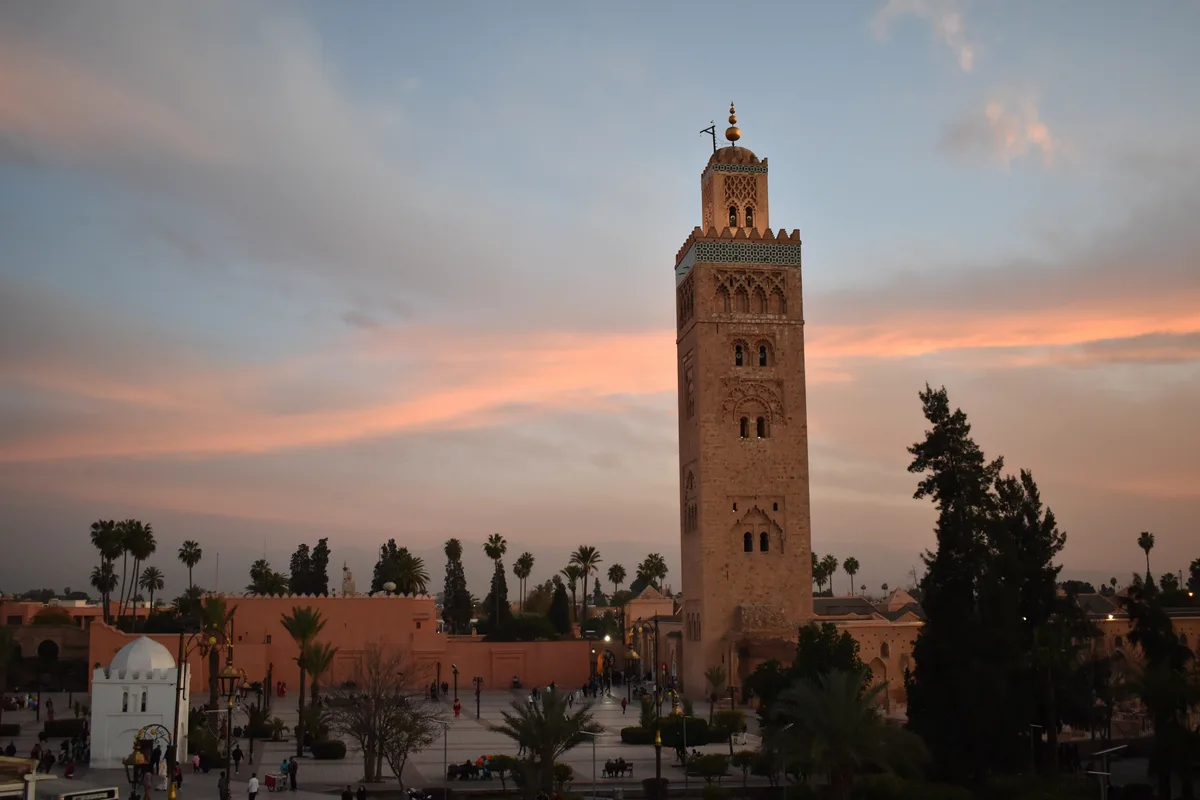
More Morocco trips are damaged by Moroccan law than by Moroccan crime, and this is the section where the two pages are most specific – and where is morocco safe for tourists depends least on luck and most on reading the rules before you land. For LGBTQ travellers the position is unambiguous in both capitals. The FCDO states that same-sex sexual relations are illegal in Morocco, that showing affection in public can lead to prosecution, and that meeting people through online applications can carry legal, personal safety and privacy risks. The State Department states that consensual same-sex sexual relations are criminalised, with penalties including fines and up to three years’ imprisonment, and adds that lesbian and gay travellers should exercise caution because public displays of affection may attract negative attention or legal consequences. It also records the wider context factually: some travellers experience harassment or discrimination based on perceived race, ethnicity, religion or sexual orientation. This guide states the law as the official pages state it, without decoration: Morocco is not a destination where same-sex affection can be public, and travellers for whom that is a condition of the trip should weigh it before booking, not after arriving.
The surrounding laws on relationships are part of the same picture. The FCDO says sexual activity between unmarried people and adultery are illegal for Moroccan nationals, including sharing a hotel room, particularly with foreign nationals – and adds, with equal clarity, that the hotel-room law does not generally apply to visiting foreign nationals, particularly in popular tourist areas. It advises avoiding public affection, particularly near religious sites, and repeats that dating applications may break these laws. Alcohol follows the licensed-venue rule: available in licensed venues, but drinking in the street or anywhere other than a licensed restaurant or bar is illegal and can lead to arrest. Drugs are the harshest line in either document: a zero-tolerance approach in which possessing, using or trafficking illegal drugs, including cannabis, carries severe penalties – expect a long jail sentence and heavy fines, including when merely transiting – and Moroccan airports run detection technology that also screens transit baggage. The State Department adds the financial-crime trap: fraud, including bad cheques and unpaid hotel bills, often results in imprisonment or fines; bail is generally unavailable to non-residents; and passports may be seized to guarantee debts are settled. Do not leave a bill in dispute and expect to fly home.
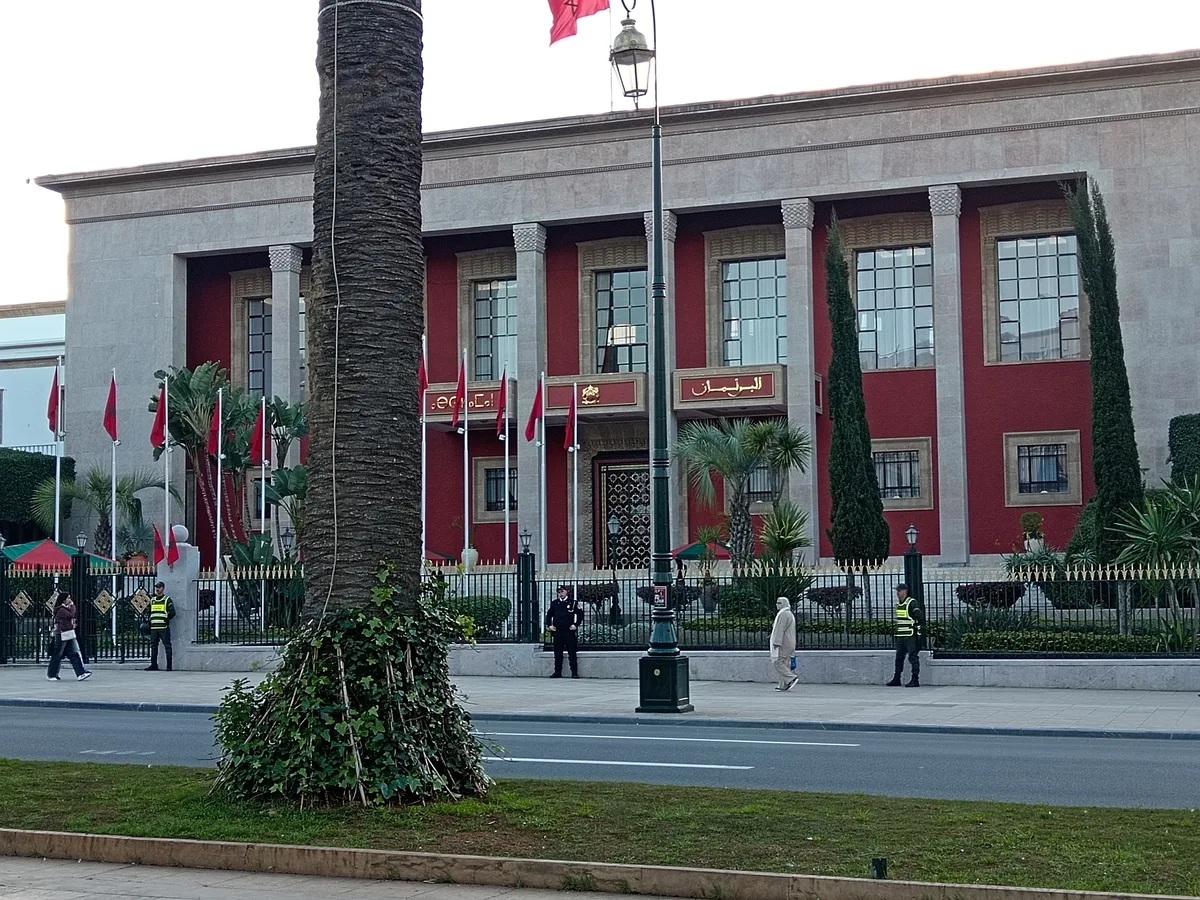
Photography has its own rules, stricter than visitors expect. The FCDO says it is illegal to take photographs near sensitive political or military sites, and to always ask permission before taking pictures of people, especially children. The State Department says photographing anything of military or security interest may result in problems with the authorities – do not photograph palaces, diplomatic missions, government buildings or other sensitive facilities, and when in doubt ask permission. Drones are simpler still, and absolute: the State Department says drones are prohibited in Morocco, must not be imported, possessed or used without prior government authorisation, and will be confiscated; the FCDO requires Directorate General for Civil Aviation permission and warns of fines and confiscation without it. The practical translation of both: leave the drone at home. Two smaller traps complete the section – possessing pornographic material is illegal (FCDO), and sending passports by post to or through Morocco is illegal, with confiscation the stated outcome (both pages). Religion’s legal edge belongs here too: attempting to convert a Muslim to another faith or distributing evangelical literature is illegal (FCDO: fines or up to three years’ imprisonment), public criticism of Islam can bring heavy fines and up to two years, proselytising is prohibited (State Department), and actions or words causing offence to the King, Islam, government officials or the Moroccan state may result in imprisonment.
Ramadan, Religion and Cultural Friction
Most cultural friction is not, strictly, part of is morocco safe for tourists at all – until it is handled badly. The FCDO frames the whole subject in one sentence: Morocco’s laws and customs are very different to those in the UK, they reflect the fact that Morocco is an Islamic country, and travellers should always respect local traditions, customs, laws and religions, making sure their actions do not offend – especially during the holy month of Ramadan or when visiting religious areas. Ramadan is the period when that respect becomes operational. The FCDO – which notes that the next Ramadan starts in February 2027, the dates varying by year – says that during Ramadan, eating or drinking, swearing, smoking or chewing gum in public in the daytime may cause offence. Its practical list runs: check opening hours; expect hotels and restaurants serving food during fasting hours to separate non-fasting guests, sometimes with screens; follow local dress codes, which matter more at this time; be aware that fasting causes tiredness, particularly in the later afternoon; be patient and show tolerance; and take advice from your guide or hotel when you arrive.
One Ramadan point is a road-safety point, and both pages make it. The FCDO warns that driving may be erratic during Ramadan, particularly when people are trying to get home at dusk; the State Department, listing when accidents are especially common, puts Ramadan dusk at the top. A visitor who moves the day’s driving to the morning, eats discreetly rather than publicly at noon, dresses a notch more conservatively and treats the pre-sunset hour as a time to be off the road has absorbed nearly everything the official pages ask. The evenings, it should be said plainly, are festive – the fast breaks at sunset and the night fills with food and company – and the pages’ advice is about the fasting hours, not about avoiding the month.
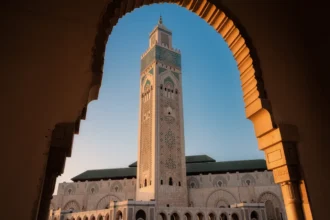
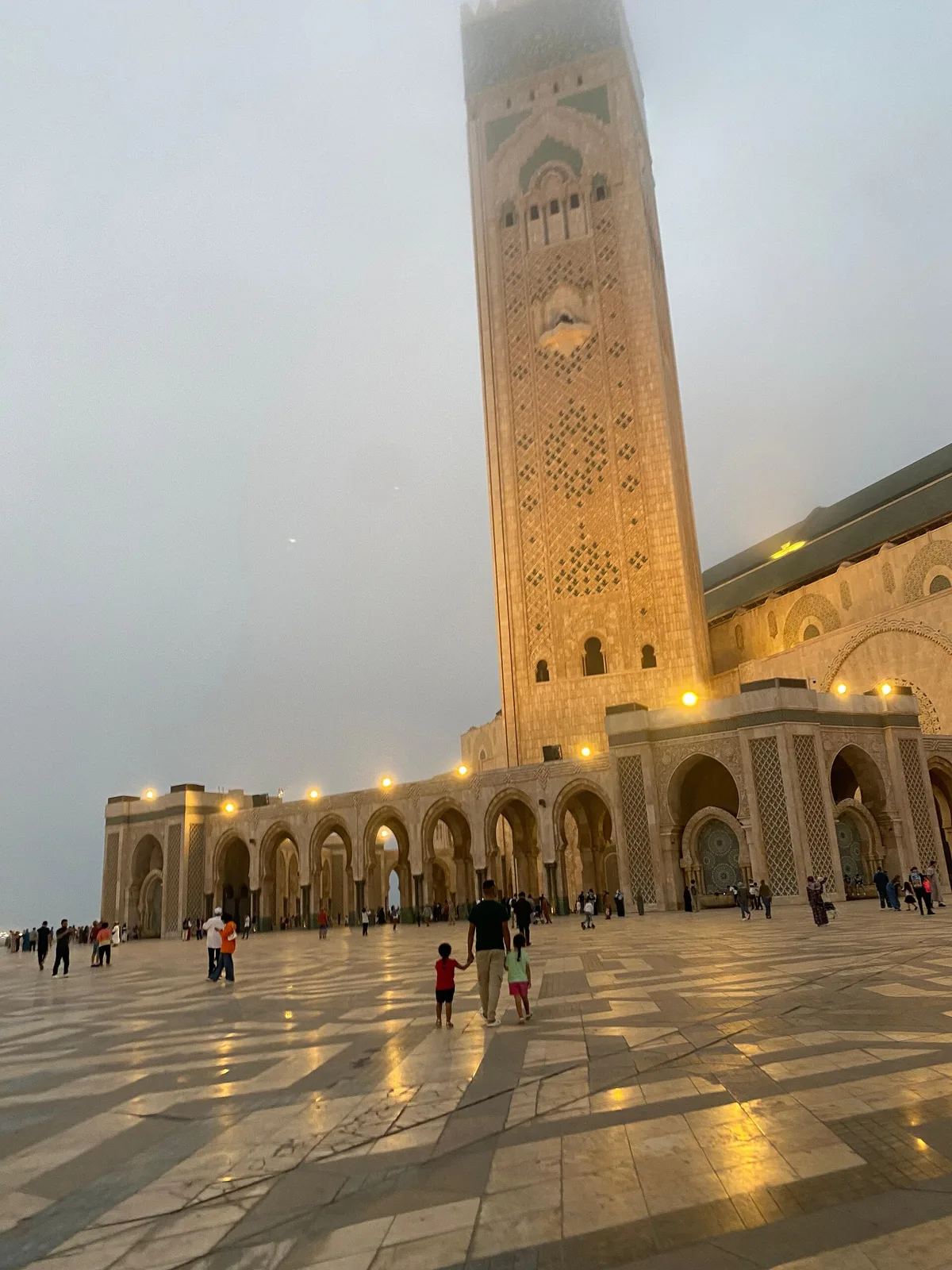
Outside Ramadan, the friction points are the standing ones already met in legal form: public affection kept minimal, alcohol kept inside licensed venues, photography of people done with permission, mosques admired from outside unless you are there to worship – the Hassan II Mosque in Casablanca, which runs official tours, being the famous exception visitors can verify on the day. The State Department adds one crowd note: avoid football stadiums and their surroundings on match days, because groups of supporters have been known to become unruly and to harass and assault bystanders, though the crowds are normally police-monitored. None of this asks a visitor to be anything other than a guest. Is morocco safe for tourists who behave as guests – dressed with a little care, eating and drinking with a little discretion, asking before photographing – is a question the official record answers almost entirely in the affirmative; the friction the pages document is overwhelmingly generated by visitors who import home rules into a country whose rules are published, stable and easy to read in advance.
Natural Risks – Earthquakes, Flash Floods, Heat and Wildfires
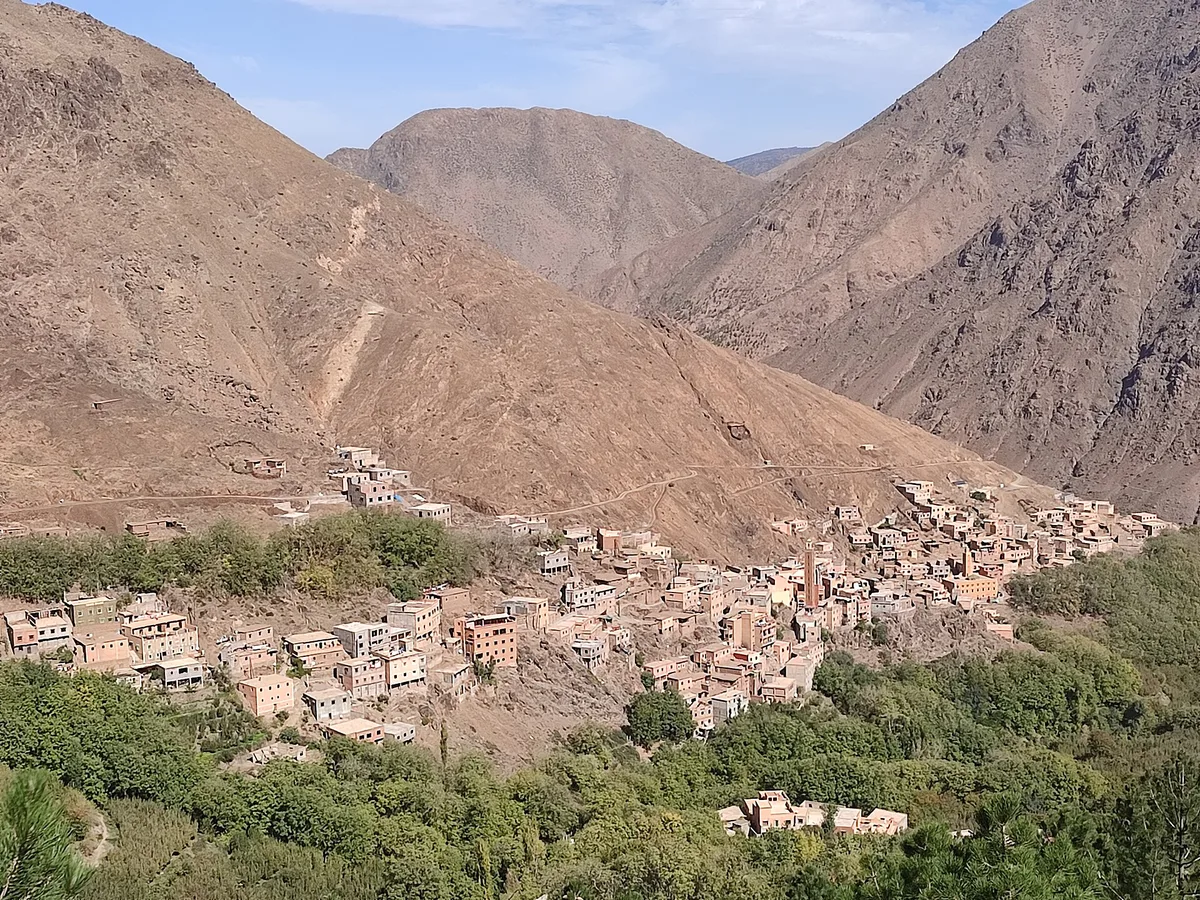
The FCDO’s natural-risk material opens with the fact that defines it: earthquakes are a risk in Morocco, and the last major earthquake, in 2023, killed almost 3,000 people; there are occasional minor earthquakes. Its advice is procedural rather than frightening – familiarise yourself with earthquake safety procedures and any instructions provided in hotel rooms – and its in-the-event guidance is the standard drill: stay away from walls, windows, trees and signs; it is safer to stand in open spaces or shelter under heavy furniture or in a door threshold. The State Department lists earthquakes among the country’s most likely natural disasters, alongside floods in the rainy season, droughts and summer heatwaves. Neither page maps a tourist no-go zone for seismic risk, and the 2023 earthquake’s centre was in the High Atlas – the mountain villages above Marrakech, Imlil’s country – which is context a trekker should hold alongside the FCDO’s hiking protocol rather than a reason to strike the mountains from a trip. Old medina buildings and mountain villages are simply where an earthquake’s consequences are least forgiving, and knowing the drill before you need it is the whole of the official ask.
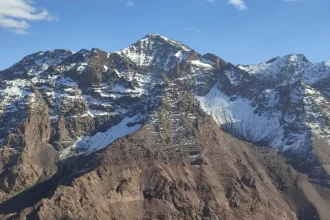
Water, in the mountains, is the more frequent hazard. The FCDO says heavy rain can cause flash flooding in some areas, particularly in the mountains or near rivers during the winter months, that walking and driving can be dangerous in flooded areas, and that anyone near a flood should monitor local media and follow local authorities. The State Department quantifies the season: flash flooding is frequent in the rainy season from November to March and can be severe, washing away roads and vehicles in rural areas. For the traveller, the exposure points are exact – the same mountain roads the transport section flags, riverbed campsites and gorge walks in the wet months, and any itinerary that treats a flooded ford as an inconvenience rather than a stop. Its weather summary fills in the country’s range: the coast warm all year; the inland plains very hot in summer and very cold in winter; the mountains cooler, with heavy snow in winter – the Tizi n’Tichka photograph in the transport section was not staged – and the desert hot and dry with large temperature swings between day and night.
Fire completes the official list. The FCDO warns of wildfire risk during the summer season, describes wildfires as highly dangerous and unpredictable, instructs travellers to follow local authorities’ advice, and adds the prevention basics: extinguish cigarettes properly, do not light barbecues, and do not leave empty glass bottles behind. Taken together, the natural-risks answer is seasonal rather than alarming: winter brings the flood and snow exposure to mountain travel, summer brings heat and fire, the earthquake risk is year-round and unmanaged by itinerary, and every countermeasure is a matter of checking conditions, obeying local instruction and knowing the basic drill. Judged on nature alone, is morocco safe for tourists who travel with the season rather than against it? The pages suggest yes – this is the least exotic advice in the guide, and the part most travellers skip reading.
Emergency Numbers, Insurance and Paperwork
Save these before you land, exactly as the official pages give them. The US State Department lists Morocco’s emergency numbers in its safety section as: police – dial 190, or 19 from a landline; ambulance – dial 150, or 15 from a landline; and the Gendarmerie Royale, the military police who cover roads and rural areas, on 177. It gives the same police numbers for reporting a crime, and advises always obtaining a police report for insurance purposes. The FCDO’s health page gives the medical line in its own words: dial 150 and ask for an ambulance, and contact your insurer quickly if you are referred to a facility. Put all three numbers in your phone on day one – in a crisis you will not want to be searching for them, and the landline variants matter if you ever call from a hotel phone.
Insurance is the paperwork both governments treat as non-optional, and for the traveller asking is morocco safe for tourists when something does go wrong, it is the single decision that decides how bad the day gets. The FCDO instructs travellers to get appropriate insurance covering their itinerary, planned activities and emergency expenses – and repeats the catch that some policies exclude particular activities, so a quad bike excursion, a balloon flight or a trek booked on a standard policy may sit outside it. The State Department strongly recommends supplemental insurance, including medical evacuation insurance, pointing to the health section’s mechanism: care is not free, hospitals commonly require payment up front or proof of insurance before admission, ambulances are thin outside the cities, and evacuation from a remote area is exactly what a basic policy may not reach. Both pages also advise checking vaccination and health preparations well ahead – the FCDO says to check vaccine recommendations at least eight weeks before travel.
The entry paperwork has two traps the FCDO documents precisely. Your passport must be valid for at least three months after your arrival date, damaged passports have been denied entry, and – the detail that catches people at departure – border officials should stamp your passport when you enter; some travellers have had difficulties leaving because their passport bore no entry stamp, so check it at the desk. If your passport is lost or stolen, both pages put a police report first: a declaration of loss or theft from the police in the place where it happened, needed for an emergency travel document – for US citizens, an emergency passport from the Consulate General in Casablanca, since the State Department notes the Embassy in Rabat offers no consular services. Tourism stays are visa-free for up to 90 days; extensions are arranged at a Moroccan police station, and overstaying without one means appearing before a judge before you may depart, with a possible fine. Standard machinery, all of it – and every element cheaper to know before the trip than during it.
Who Should Reconsider – and Who Should Not Worry
The official pages never tell a category of traveller to stay home, but read closely, they do describe trips that Morocco will punish – and for a few traveller types, is morocco safe for tourists is honestly the wrong question; the right one is whether this particular trip fits this particular country. Reconsider – or at least redesign – the trip if it depends on any of the following. A drone: the prohibition is total without prior authorisation, confiscation is the stated outcome, and no itinerary built around aerial footage survives Moroccan customs. Long self-driven night stages on mountain or rural roads: both pages converge on poor lighting, hazardous secondary routes and accident frequency, sharpened at the Ramadan dusk and summer peaks; if your route needs those hours, hand the wheel to a professional driver. Uninsured adventure: trekking, quad biking, ballooning or water sports on a policy that excludes them, with an uninspected provider, converts the State Department’s regulated-versus-unregulated warning into your personal risk register. Dependence on fast medical care far from a major city: care concentrates in the big cities, rural facilities are limited and ambulances are not widely available – a traveller whose health makes response time critical should keep the itinerary urban or carry evacuation insurance and a plan. And public same-sex affection as a condition of the trip: the law is stated identically by both governments, with prosecution and imprisonment in the frame, and no discretion advice changes the underlying legal position.
Who should not worry is the larger group, and the official record supports saying so without hedging. The mainstream circuit traveller – medinas walked with a badged guide or a secured bag, taxis on the meter or at an agreed fare, trains between the big cities, a licensed operator for the desert night and the Atlas day, bottled water opened at the table, insurance that covers the planned activities – is doing precisely what both governments’ pages are written to enable. Neither page advises against any part of that trip, and the State Department’s Level 2 is an awareness instruction, not a deterrent aimed at it. Is morocco safe for tourists travelling that way, on the evidence of the two documents that exist to answer the question? Yes – with the medina discipline, the road discipline and the law discipline this guide has laid out, all three of which are habits, not hardships.
Is Morocco Safe for Tourists – Questions Travellers Actually Ask
Is Morocco safe for tourists overall? On the current official advice, yes for most trips: the UK FCDO carries no warning against travel to any part of Morocco, and the US State Department rates the country Level 2 – exercise increased caution – a rating tied to terrorism rather than crime. The risks both pages document in most detail are petty theft, scams and faux guides, road accidents and strict local laws, all covered section by section above.
What is the current US travel advisory level for Morocco? Level 2 – exercise increased caution – in force at our check on 1 November 2026, with the US State Department attributing the level to the risk of terrorism: terrorist groups continue to plot potential attacks in Morocco, and lone wolf attacks can occur without warning. It is the second-lowest of the department’s four tiers, advises awareness rather than avoidance, and should be re-checked before travel because levels change.
Does the UK government advise against travel to any part of Morocco? No. The FCDO’s Morocco travel advice, updated on 19 August 2026, contains no advise-against warning for any region. Its regional-risks material covers two narrow situations only: the closed Morocco-Algeria border, which it is illegal to cross without authorisation, and Western Sahara, a disputed territory with its own separate FCDO page. Neither affects the standard tourist circuit.
Is Morocco safe for women travelling alone? The official pages record friction rather than prohibition: the FCDO says women may receive unwanted attention, especially when travelling alone, and suggests loose-fitting clothing covering arms, legs and chest; the State Department says women may experience verbal harassment, unwanted attention or inappropriate touching, particularly in crowded areas, notes that women walking alone in certain city and rural areas are particularly vulnerable to assault, and advises travelling with a companion or in a group where possible. Neither government advises women against travelling to Morocco.
Can I take a drone to Morocco? Not without prior authorisation – and practically, no. The US State Department states that drones are prohibited in Morocco, must not be imported, possessed or used without prior government authorisation, and will be confiscated; the FCDO requires Directorate General for Civil Aviation permission and warns of fines and confiscation without it. Leave the drone at home.
Is it safe to drive in Morocco? It is the weakest part of the official picture: the FCDO calls road accidents a frequent occurrence, warns that poor lighting makes night driving dangerous and secondary and mountain roads especially hazardous in poor weather; the State Department says driving practices are very poor and result in serious injuries and fatalities, with accidents especially common at dusk during Ramadan and in July to September. Many visitors sidestep the question by using trains, licensed drivers and tour vehicles.
What emergency number do I call in Morocco? The US State Department lists police on 190 (19 from a landline), ambulance on 150 (15 from a landline) and the Gendarmerie Royale on 177; the FCDO’s health page likewise gives 150 for an ambulance, and advises contacting your insurer quickly if referred to a facility. Save all three numbers before you arrive – and note the State Department’s warning that ambulances are not widely available, so a taxi to the nearest major hospital can be faster.
The Short Version of Is Morocco Safe for Tourists
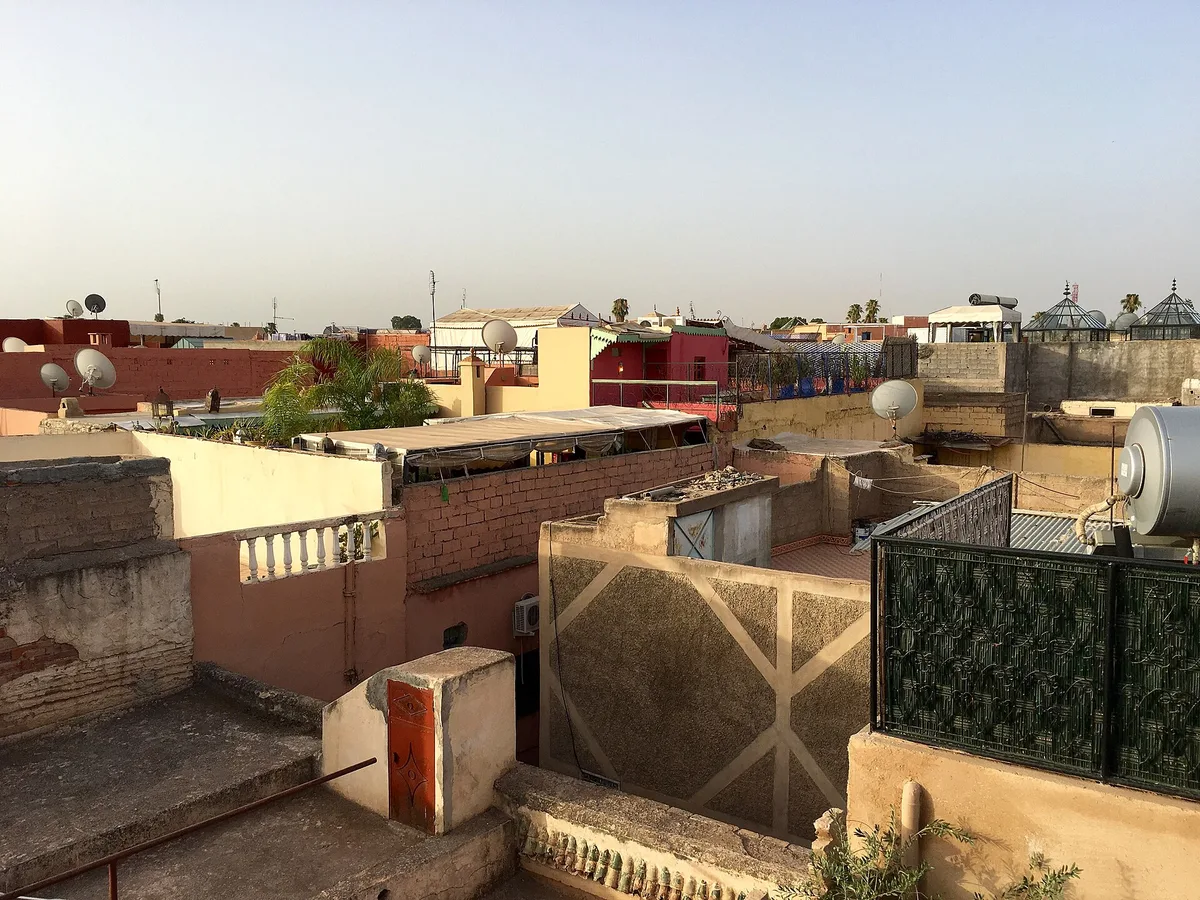
Is morocco safe for tourists? On the evidence of the two governments whose job it is to answer that question, yes for most trips – and the shape of the yes matters more than the word. The FCDO advises against travel to no part of Morocco; the State Department’s Level 2 reflects a standing terrorism threat both pages describe in terms of awareness, not avoidance; and the risks filling the rest of both documents are the manageable kind – pickpockets in the medina crowds, faux guides dissolved by one badge check, taxis settled by a meter or an agreed fare, roads that demand daylight on mountain routes, tap water swapped for a sealed bottle, and laws on drones, cameras, alcohol, drugs and public affection that are strict, published and entirely avoidable as problems. Nothing in either page asks you to cancel a Morocco trip. Both ask you to take it seriously in specific, named ways.
So go – with the habits, not the anxiety. Walk the medinas with your bag across your body and your valuables quiet; hire the badged guide; agree the fare before the taxi moves; let trains and licensed drivers take the long and mountain miles; book the desert and Atlas through operators inside the regulated circuit; carry insurance that names your activities; keep the drone at home; and save 190, 150 and 177 in your phone before you land. Do those ordinary things and the Morocco that remains is the one the official pages leave standing once every warning is honoured – a country neither government tells its citizens to skip. Plan the trip itself in our Morocco travel guide, and re-read the FCDO and State Department pages once more before you fly, because the honest answer is theirs to update, not ours to freeze.