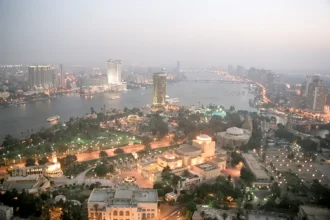
Egypt looks simple on a map – one river, one valley, a capital at the top of the delta and a line of famous cities strung down it like beads – and that simplicity is real, but it hides the thing that decides whether a trip flows or frays. Getting around Egypt is not one system. It is several systems stacked on top of each other, each with its own way of charging, its own booking habits and its own relationship with the truth about time. There is a fixed-fare layer, where the price is printed and the same for everyone. There is a state layer, where the railway and the sleeper train run on published rules that treat foreign visitors differently from Egyptians, openly and by policy. There is an app layer, where the negotiation that used to happen at the kerb now happens on a phone screen before the car arrives. And there is a negotiated layer – taxis, caleches, feluccas, private drivers – where the price is whatever two people agree before the journey starts. The traveller who learns which layer a journey belongs to moves through Egypt calmly and cheaply. The traveller who treats every journey the same way spends the trip arguing about the wrong things. Getting around egypt well is a learnable skill, and most of it is this one habit – match each journey to the layer that was built for it.
This guide takes the stack apart, layer by layer, in the order a visitor actually meets it. First the movement inside cities, because most journeys in Egypt are short ones: the Cairo Metro, the microbuses, the taxis and the apps. Then the long legs between cities – day trains, the overnight sleeper, domestic flights and intercity coaches – including the one mechanism every visitor should understand before budgeting a rail journey, the separate fare arrangements that apply to foreigners. Then the river, which in Egypt is not scenery but infrastructure: the felucca for an hour, the ferry for a crossing, the cruise ship as a moving hotel between Luxor and Aswan. Then the flexible layer of the hired car and driver, the airport arrival that starts it all, and finally the classic route taken leg by leg, so the whole system can be seen working on the journey almost every first-time visitor actually makes.
One discipline runs through the whole page, and it is the same discipline this site applies to prices everywhere. No fare, timetable or journey time in this article is invented, and where a number would rot – a metro fare, a sleeper berth price, a coach departure – the guide describes the mechanism instead: how the charge is made, where it is published, and how to read the current figure from the responsible source on the day you travel. Transport prices in Egypt are revised, rail products for foreigners have their own channels, and a guide that prints a confident fare table today is lying to someone by spring. What does not rot is the structure. Learn the structure of getting around egypt once, and every individual journey inside the country becomes a small, knowable decision rather than a fresh negotiation with the unknown.
Getting Around Egypt at a Glance
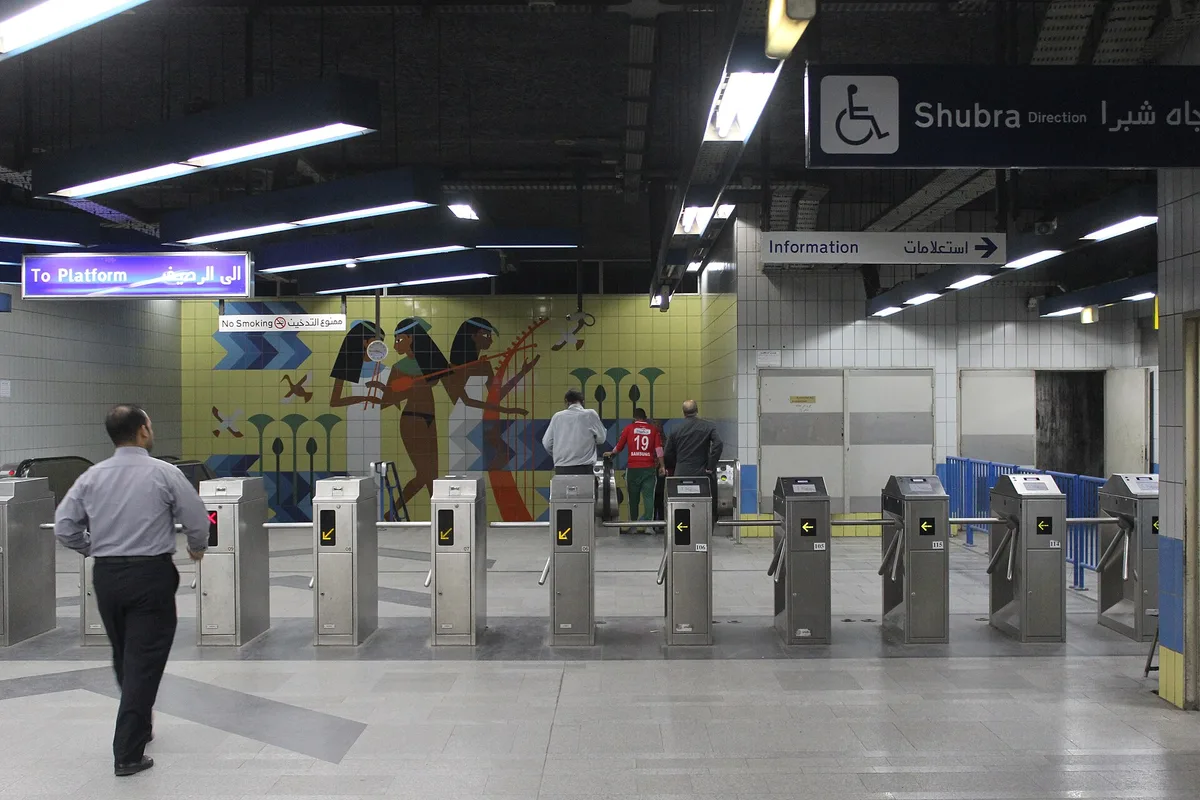
The whole system fits on one page if it is organised by how each layer charges rather than by what the vehicle looks like. Inside the cities, the Metro and the microbuses charge small fixed fares on set routes; taxis charge by a meter that may or may not be used, or by a price agreed before moving; ride-hailing apps charge a price quoted in advance and paid by card or cash through the app. Between cities, the railway charges published fares – with separate arrangements for foreign visitors on the products they use most – the airlines charge ordinary airline fares that move with demand, the coach companies charge fixed fares on bookable seats, and the private driver charges a price per day or per leg, agreed in advance. On the river, the felucca charges by the hour by negotiation, the local ferry charges a small fixed fare, and the cruise charges a bundled price that is really a hotel rate moving at walking pace. Every transport decision in Egypt is a choice among those charging systems, and that is the whole grammar of getting around egypt in one sentence, and most bad experiences come from applying one layer’s habits to another – haggling where the price is printed, or trusting a printed price where a negotiation was expected.
| Journey | Best layer | How it charges |
|---|---|---|
| Crossing Cairo | Metro, then app taxi for the last stretch | Small fixed fare; app price quoted in advance |
| Short hops inside a city | Microbus if you know the route, taxi or app if you do not | Fixed small fare, or agreed fare before moving |
| Cairo to Alexandria | Day train or coach | Published rail fare or fixed coach fare |
| Cairo to Luxor or Aswan | Sleeper train, day train or flight | Rail fare rules for foreigners, or airline fare |
| Luxor to Aswan | Cruise, driver by the river road, or train | Bundled cruise price, agreed day rate, or rail fare |
| Aswan to Abu Simbel | Driver, organised road trip or flight | Agreed price or airline fare |
| Airport into the city | Pre-arranged transfer, app taxi or airport bus | Agreed or app-quoted price; fixed bus fare |
Read the table as a promise about the rest of the page. Each row gets a full treatment below, and each treatment answers the same four questions: what the layer is, how it charges, where it genuinely beats the alternatives, and where it quietly fails. Getting around Egypt well is rarely about finding a secret option nobody else knows. It is about matching each leg to the layer that was built for it – the Metro for the cross-capital haul, the sleeper for the valley, the driver for the broken journey no timetable serves – and reserving your negotiation energy for the few journeys where negotiation is genuinely the system.
The Cairo Metro – the Fixed-Fare Way Across the Capital
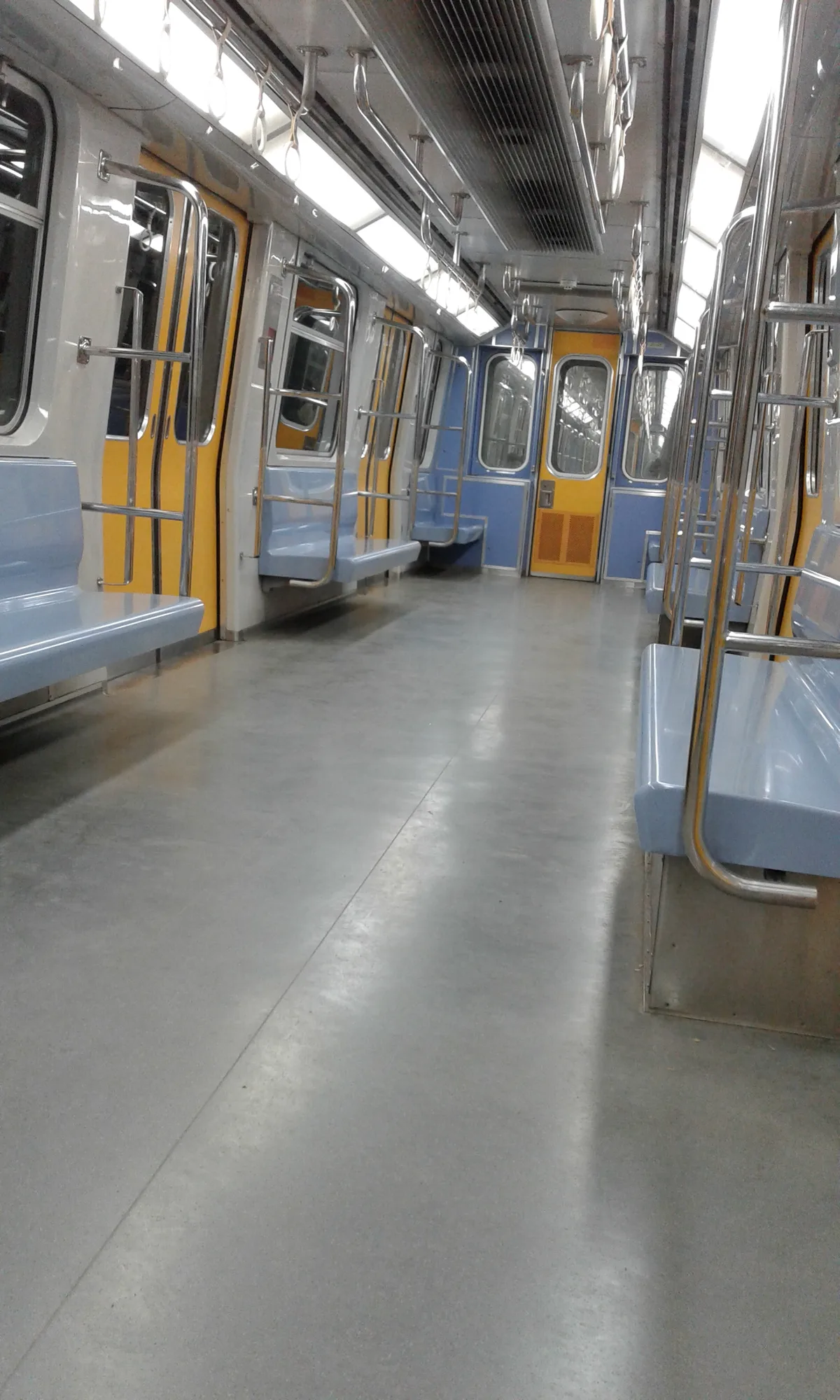
Cairo is one of the great traffic cities of the world, and the Metro is the one part of its transport system that traffic cannot touch. Three lines run under and across the capital – underground through the centre, elevated toward the edges – linking the main railway station at Ramses, the downtown squares, the Nile crossings, the old city districts and the long suburbs, with extensions and new lines under construction as the network keeps growing outward. The system is run under the National Authority for Tunnels, and its character is set by that: this is mass transit built for a megacity’s own residents, priced for them, and all the better for visitors because of it. The fare is charged per journey on a zoned or distance-based structure that the authority revises from time to time; the current figure is posted at stations and is, by any visitor’s standard, very small. This guide deliberately prints no fare, because the authority adjusts it and the posted price at the station is the only one that matters on the day.
Using it well is mostly a matter of matching journeys to lines. The Metro earns its keep on the long cross-city hauls that destroy a taxi budget and a schedule alike: downtown to the railway station, the centre to the southern districts, any journey that crosses the river or the rush hour. Trains are frequent, carriages are air-conditioned, and stations are signed in Arabic and English, with the busiest central stations carrying the usual big-city crush at peak hours – a visitor travelling against the commuter flow, or outside its peaks, will find the system calmer than its reputation. Two practical habits matter. Keep the ticket or card until the exit barriers, because the system checks you out as well as in. And notice the designated women-only carriages, clearly marked on the platforms, which are a standard feature of the system and a genuine comfort for women travelling alone in the peaks.
What the Metro does not do is finish journeys. Its stations serve districts, not doorsteps, and several of the places visitors go most – the Giza plateau above all, which sits across the river in a separate city with its own traffic – involve a station on the nearest line and then a road leg for the remainder, at least until the network’s westward expansion reaches them. The honest pattern for a sightseeing day is therefore hybrid: Metro for the long spine of the journey, where it saves the most time, and a taxi or app ride for the first and last stretches, where the road is unavoidable. Planned that way, the Metro is the cheapest time machine in Egyptian travel – the one purchase that reliably converts an hour of gridlock into fifteen minutes of air-conditioned calm – and the foundation on which the rest of getting around egypt inside the capital is built.
Microbuses and Tuk-Tuks – Moving Like a Local
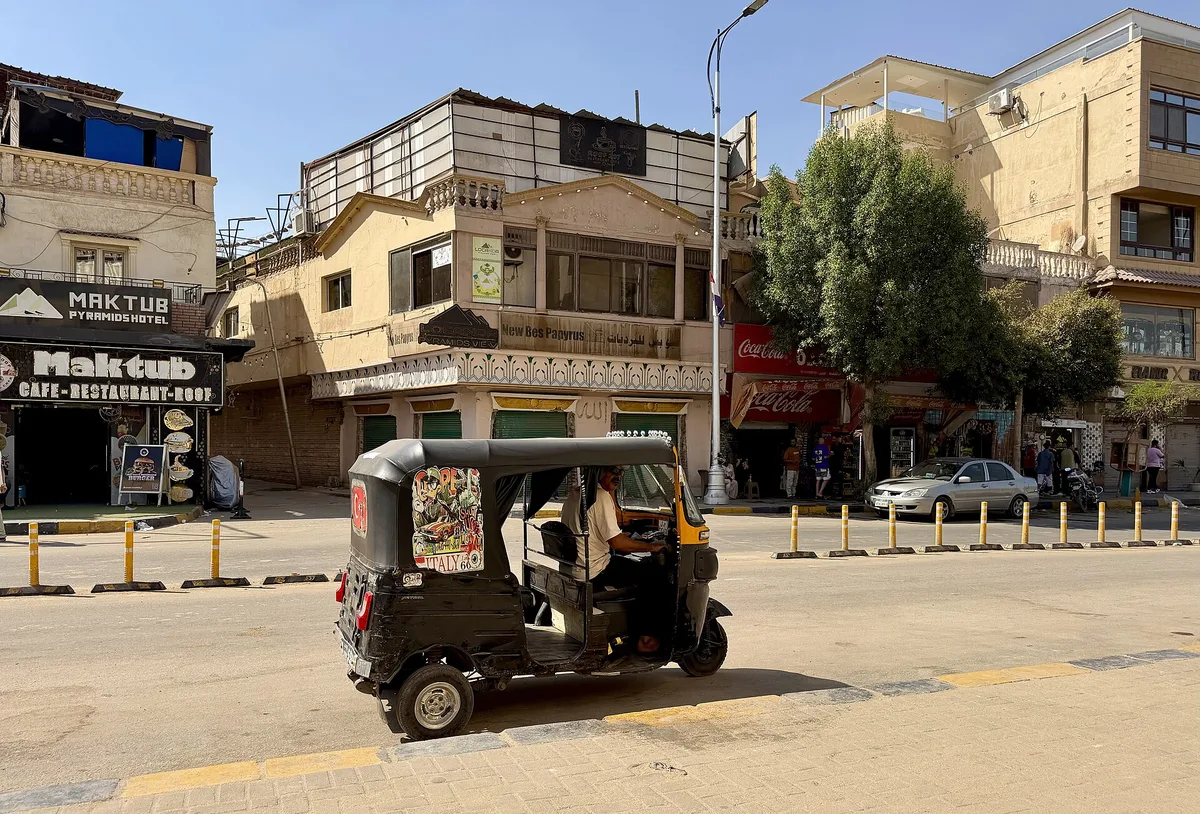
Beneath the Metro, and in every Egyptian city rather than just the capital, runs the layer visitors see everywhere and use least: the microbus network. Microbuses – small white minibuses working set routes between known points – are the circulatory system of ordinary Egyptian life. They charge a small fixed fare per ride, they leave when they fill rather than to a published timetable, and they are hailed and left by a system of hand signals, called-out destinations and local knowledge that regulars absorb without thinking. In Luxor and Aswan, smaller vehicles and pickups do similar work on similar principles, and at the very bottom of the scale the tuk-tuk – the little three-wheeled auto rickshaw – covers the short hops inside neighbourhoods and smaller towns where a full taxi would be ceremony. This layer is genuinely cheap and genuinely frequent, and for a resident it is the default answer to almost every short journey.
For a visitor, the honest assessment has two halves. The microbus asks more of a newcomer than any other part of the system: routes are learned rather than published, destinations are called in Arabic, fares are passed hand to hand down the row of seats, and knowing where to get off is a skill in itself. A traveller with some Arabic, some time and a local’s advice at the start of the day can use it happily and will be received with the amused respect Egyptians reserve for foreigners who try. A traveller without those assets, standing at the wrong kerb with luggage, will usually find that the money saved against a taxi was small and the confusion large. There is no shame in that arithmetic, and this guide will not pretend the microbus is a rite of passage every visitor must complete.
The tuk-tuk sits at the friendlier end of the same layer. Its journeys are short, its fare is agreed in a sentence before you climb in, and in the towns of the valley and the back streets of the cities it is often simply the vehicle that is there. The rules are the rules of the negotiated layer in miniature: agree the price first, carry small notes, expect the ride to be slower and more sociable than the distance suggests. Used for what it is built for – the kilometre between the station and the guesthouse, the hop across a town too small for taxis to patrol – it is a perfectly rational part of getting around Egypt. Used for a cross-city expedition it becomes an endurance event. The local layer rewards visitors who borrow it selectively, for the short and simple journeys, and leave the long ones to the layers above it.
Taxis and Ride-Hailing Apps – the Negotiated Layer, Tamed
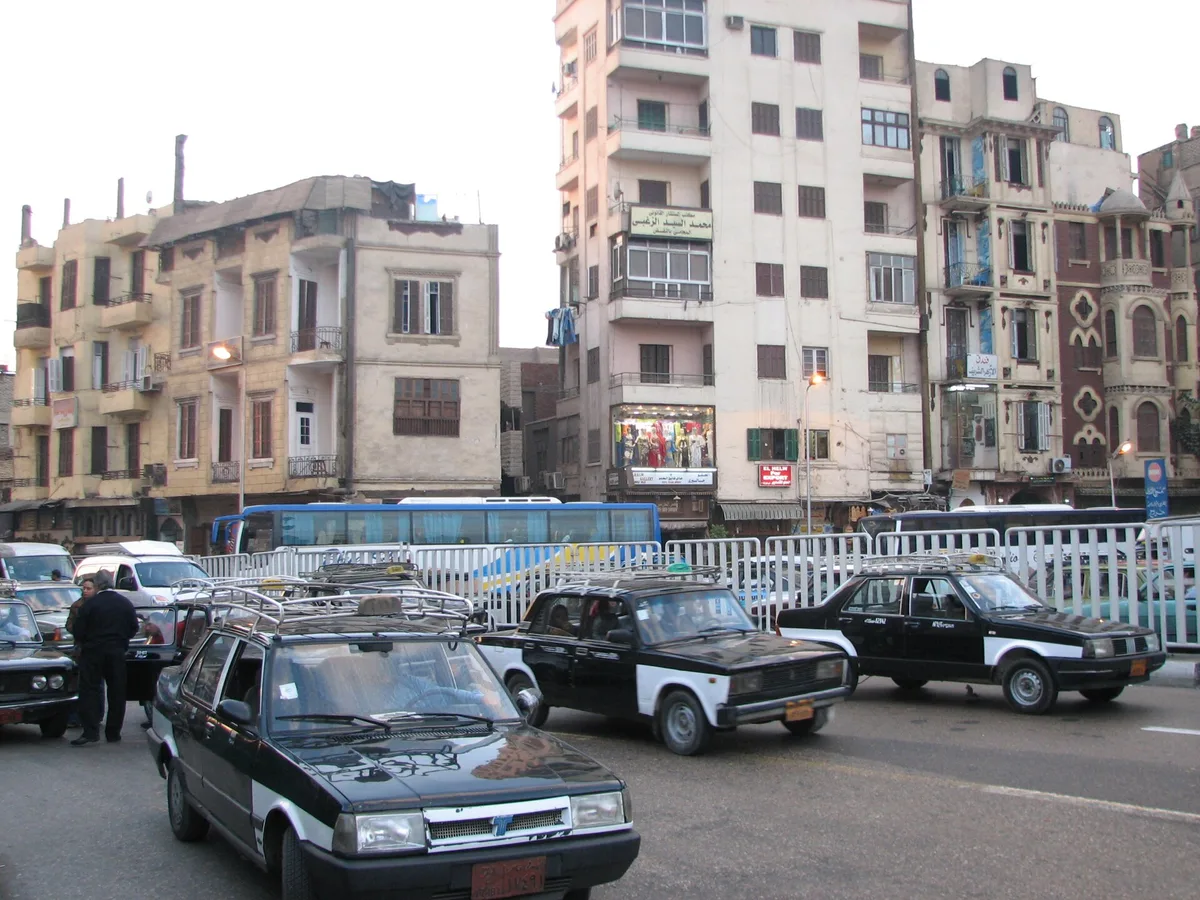
The taxi is the vehicle most visitors actually ride in Egypt, and it comes in two generations that coexist on the same streets. The older generation is the familiar street taxi – in Cairo traditionally black and white, in other cities its own local liveries – plentiful, hail-able anywhere, and priced by one of two systems that operate side by side: a meter that exists in the car, and a negotiation that often replaces it. Neither system is a trap if its rule is observed, and the rule is absolute: the fare is settled before the car moves, by the meter switched on at the start or by a price agreed at the kerb. Every bad taxi story in Egypt begins with a journey that started before its price did, and ends with a negotiation conducted from the weakest possible position – already arrived, already owing. With the price agreed first, the same ride is usually cheap, cheerful and entirely uneventful.
The newer generation is the ride-hailing app, and it has changed this layer more than any other development in Egyptian transport. Services such as Uber and Careem operate in Cairo, Alexandria and other major cities, and what they sell is not really the car – it is the removal of the negotiation. The price is quoted before the journey, the pickup is pinned on a map rather than described at a kerb, the route is recorded, and payment runs by card through the app or in cash against a figure both sides have already seen. For visitors, that package solves the three classic frictions at once: no fare argument, no address explanation across a language gap, and no small-note problem at the end. The apps are not flawless – pickup points at airports and stations need care, peak-hour supply thins like everywhere, and a driver may phone to find you, which is easier with a local SIM or a hotel’s help – but as a default for city journeys they are the single easiest upgrade a traveller can make.
Choosing between the generations is a matter of situation rather than loyalty. The app wins for airport runs, evening journeys, addresses that are hard to describe and any ride where a printed price matters. The street taxi wins when it is simply there – outside the station, at the temple gate – and the app shows a long wait, provided the kerbside rule is kept. In the smaller cities the same logic applies with local vehicles: the caleche in Luxor, priced per journey or per hour and negotiated at the kerb, is a taxi by other means and obeys the same law. Getting around Egypt by road is not difficult; it is a discipline of sequence. Price first, journey second, and the negotiated layer becomes what it should be – the most flexible part of the system rather than its tax on the unprepared.
Day Trains – the Valley in Daylight
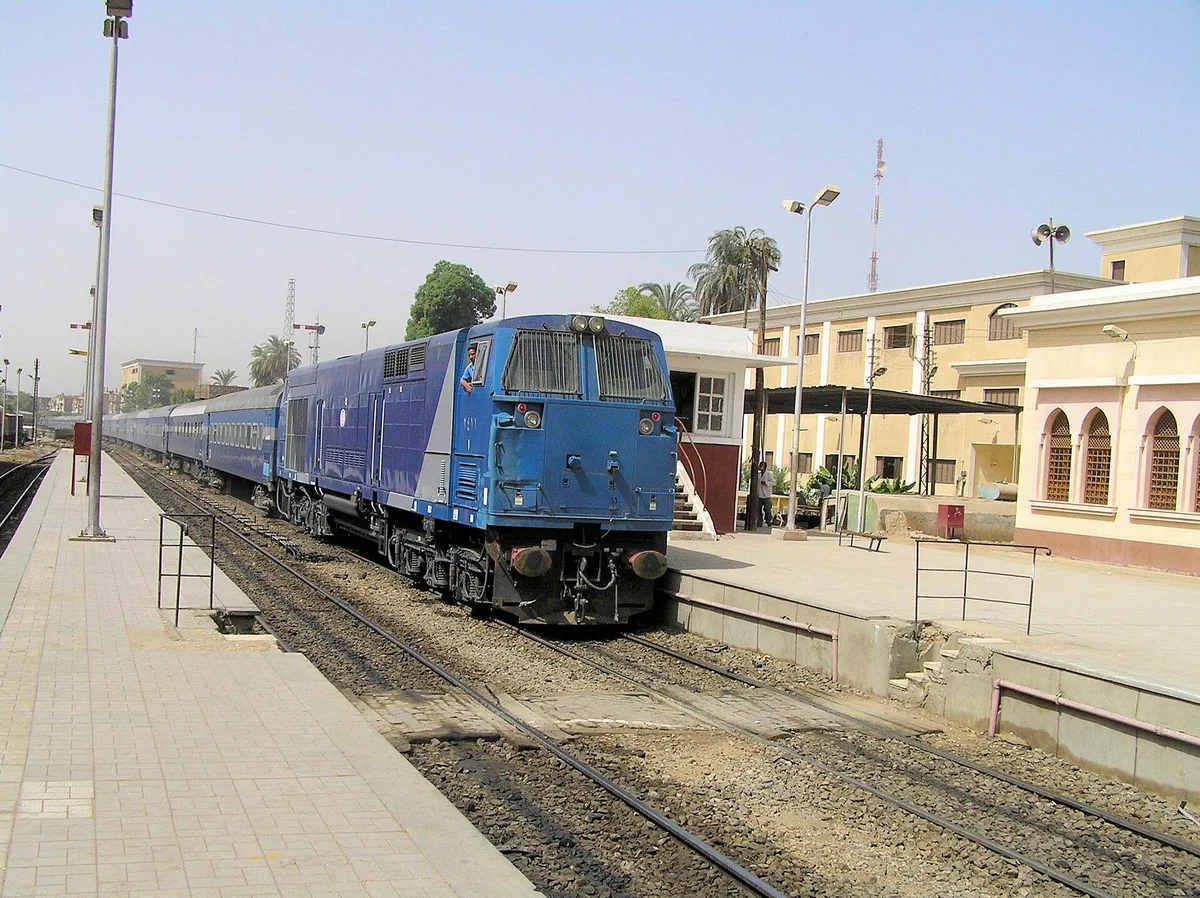
Egypt’s railway is one of the oldest in the world outside Europe, and for the traveller its shape is beautifully simple: a main line runs the length of the Nile valley from Alexandria through Cairo and down through Luxor to Aswan, with branches reaching toward the canal cities and the coast. The day trains on that spine are the working transport of the country – expresses and stopping services in several classes, from ordinary carriages to modern air-conditioned sets – and they are run by Egyptian National Railways, whose official site and booking channels carry the current timetables and fares. That last point matters more than any detail this page could print, because Egyptian rail information ages faster than almost anything else in travel: services are retimed, sets are replaced, and booking rules for visitors have changed more than once in recent years. The railway’s own channels, checked near the travel date, are the only timetable worth trusting.
The day train’s case rests on three things no other layer offers together. It is cheap in structure – even at the fares charged to visitors, a rail leg usually undercuts the equivalent flight and the private driver alike. It is scenic in a way the road rarely manages, running through the green ribbon of the valley with the desert held at arm’s length on both sides, village after village, for the whole length of the country. And it deposits you in the middle of cities, at stations like Ramses in Cairo and the central stations of Luxor and Aswan, rather than at an airport on the edge of town. Against that stand its honest costs: the valley is long, and a full Cairo-to-Aswan day journey consumes the better part of a day in the seat; standards vary between the newest air-conditioned expresses and the older ordinary stock; and delays are a normal feature to be planned around rather than a scandal to be surprised by.
One mechanism must be understood before any rail leg is budgeted, because it surprises visitors who priced their journey from a local friend’s fare. In recent years Egypt has operated separate fare arrangements for foreign visitors on the railway – dollar-denominated fares for foreigners on many air-conditioned and long-distance services, sold through the railway’s own booking channels, rather than the pound fares Egyptians pay at the same window. The arrangement is policy, published rather than hidden, and it mirrors the dual pricing used at the archaeological sites. Its practical consequences are simple: budget a rail leg at the foreigner fare shown on the official booking channel, not at any pound figure quoted second-hand; book through the official channels where visitor booking is offered, and where a service cannot be booked online by visitors, expect to buy through the station channels the railway directs foreigners to. Treated as a known rule rather than a discovered ambush, it changes nothing about the day train’s value – it remains the valley seen properly, at a fair price, in the middle of getting around egypt the slow and rewarding way.
The Sleeper Train – Cairo to Luxor and Aswan by Night
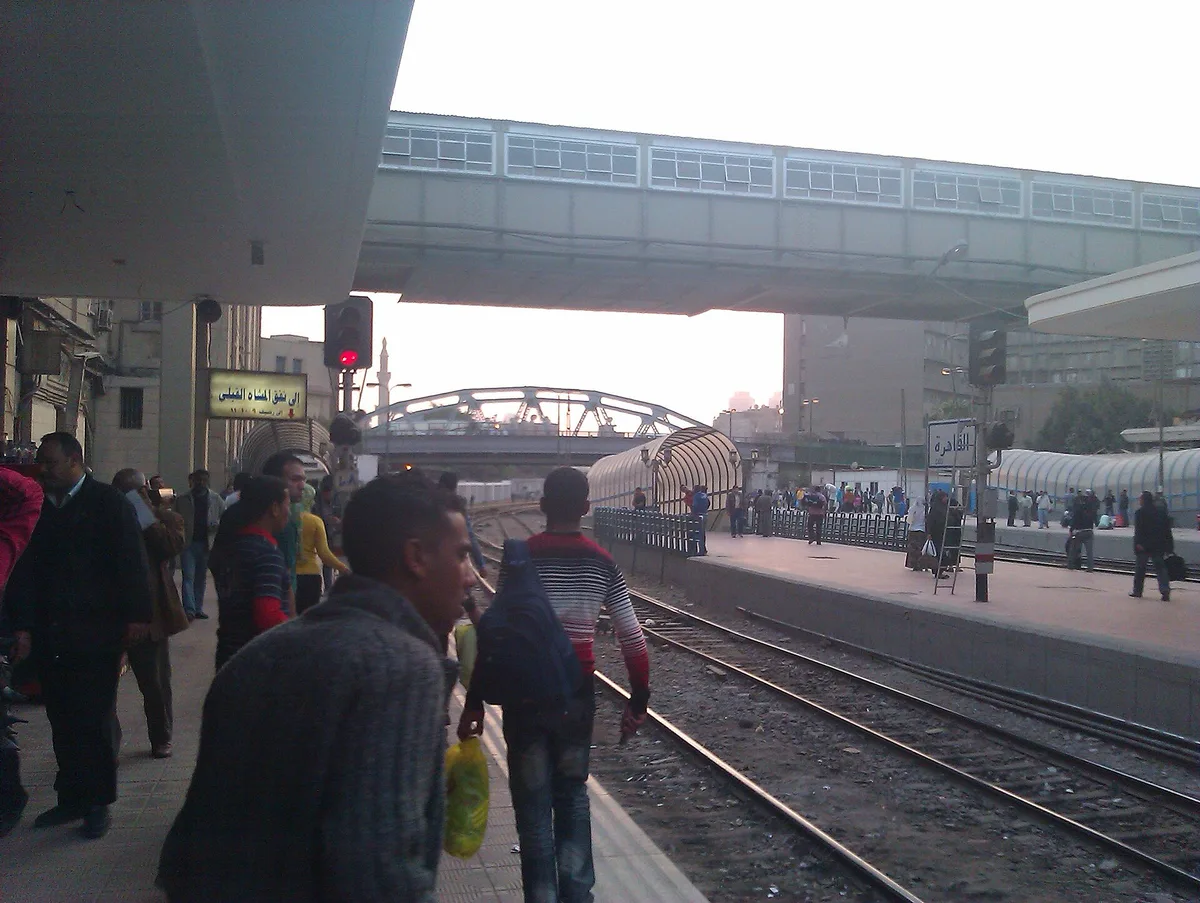
The overnight sleeper between Cairo and the south is the most elegant mechanism in Egyptian transport, because it performs two purchases at once: it is a journey and a hotel night in the same transaction. The sleeping trains run from the capital down the valley to Luxor and Aswan, leaving in the evening and arriving in the morning, and they are operated as a distinct sleeping-car service – at the time of writing by Abela Trains, the sleeping-car operator, through its own booking channels rather than the ordinary station fare windows. The product is the private sleeping cabin: berths that convert for the night, an attendant service, and the deep practical pleasure of falling asleep in one city and waking in another, with the travelling done in hours that sightseeing could not have used anyway. For the classic route, where days are the scarcest currency, that trade – one night’s hotel bill against one whole day of travel time – is often the best single bargain of the trip.
Its fare mechanism is the part to understand clearly, because it is the clearest example of the dual system described in the previous section. Sleeping-car berths for foreign visitors have historically been priced and sold in US dollars, through the operator’s own channels, as a distinct product aimed at the international market – not at the local fares, and not usually through the walk-up windows that sell ordinary seats. The exact berth prices, cabin configurations and included meals are set by the operator and revised as costs and currency move, so this guide prints no figure and sends you to the operator’s current published rates at booking. What can be said structurally is stable: a berth is priced against the hotel night it replaces plus the day it saves, and judged on that comparison – rather than against the price of a seat on a day train, which is a different product entirely – it has held its place on the classic route for decades.
Practical habits around the sleeper are few and worth having. Book ahead in busy seasons, because cabins are a finite product sold to an international market and the best dates go first. Eat before boarding or accept the simple included arrangements for what they are, and keep valuables in the cabin with you as you would in any night train anywhere. Expect the rhythm of the valley railway – a journey measured in a long night rather than a flight’s hour – and build the arrival morning gently, because even a good night’s train sleep is train sleep. And hold the sleeper in its proper place in the plan: it serves the Cairo-to-the-south leg superbly in one direction, which frees the return leg to be flown or day-trained, so the traveller sees the valley once by daylight and crosses it once by night. In the whole architecture of getting around Egypt, no other single booking rearranges an itinerary so efficiently.
Domestic Flights – Buying Back the Day

Egypt is a long country, and the aeroplane exists in its transport system for one honest reason: the distances that are romantic once are wasteful twice. A domestic network links Cairo with Luxor, Aswan, Alexandria and the Red Sea cities of Hurghada and Sharm El Sheikh, flown by the national carrier EgyptAir and its domestic arm alongside private Egyptian rivals, and its timetable logic follows the tourist map as much as the population map – the south and the resorts are served because the visitors go there. A Cairo-to-Luxor or Cairo-to-Aswan flight spends roughly an hour in the air for a leg the railway covers in the better part of a day, and that exchange rate between money and time is the whole product. Fares behave like airline fares everywhere: set by route, date and demand, cheaper booked ahead, dearer at peaks, and to be taken as live quotes for your dates rather than as figures from any guide, this one included.
The flight’s real cost is door-to-door, and judging it fairly means counting the whole of it: the journey to an airport that sits on the city’s edge, the check-in and security margin a domestic flight still requires, the flight itself, and the arrival transfer at the other end. Counted honestly, the hour in the air becomes a few hours in the day – still a fraction of the ground journey, which is why flying earns its place, but not the teleportation the timetable advertises. Its proper use on the classic route is surgical. Fly the leg where the ground version would consume a day you cannot spare, most often the return from Aswan to Cairo at the end of the route, or the hop down to the Red Sea when the coast is an add-on rather than the point. Keep the ground layers for the legs where the journey itself is part of the seeing – the sleeper south, the river road, the cruise – and the itinerary gains days without losing its texture.
Two cautions belong to this layer. Domestic schedules on thinner routes can be seasonal and changeable, so a flight that anchors a tight connection – an international departure the same evening, a cruise boarding the same afternoon – deserves a buffer rather than a prayer; build the slack into the day rather than discovering its absence at a departure board. And luggage rules on domestic sectors, particularly with the smaller aircraft used on some routes, can be tighter than the international sector that brought you to Egypt, so the bags that flew in free may not fly south free. Neither caution is an argument against flying, or against the central place flying holds in getting around egypt. They are arguments for flying deliberately, on the legs where time is genuinely the binding constraint – which is exactly how the classic route at the end of this guide uses it.
Intercity Coaches – the Network Beyond the Rails
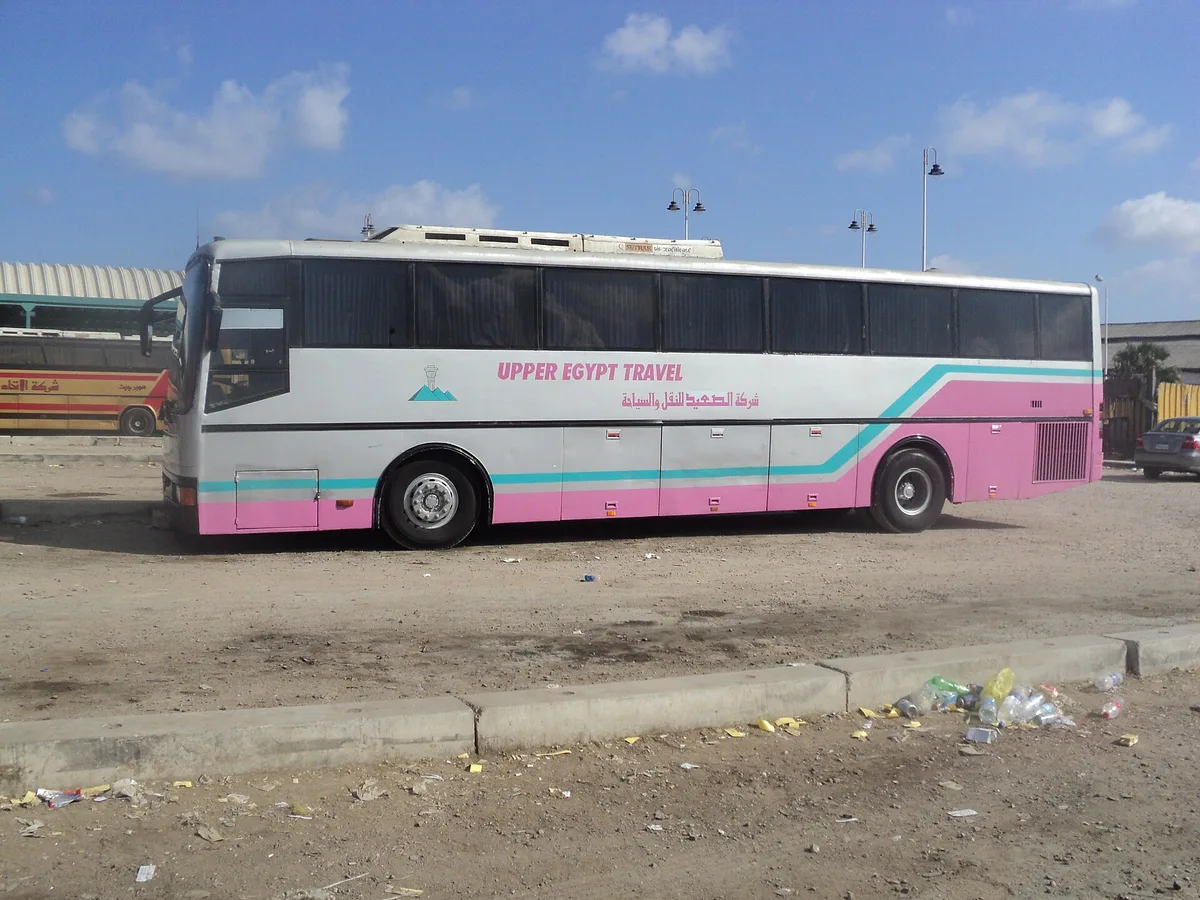
Where the railway stops, the coach begins. Egypt’s intercity coach network is the quiet workhorse of the system: large private companies run air-conditioned coaches on fixed routes between the cities, the valley towns, the Red Sea coast, Sinai and the oases, from city bus stations that every driver knows. The product is modern and unromantic in the best way – a reserved seat, a fixed fare, a scheduled departure, luggage in the hold – and it reaches places the trains and planes serve thinly or not at all, above all the Red Sea resorts, where the coach and the private transfer between them carry almost the whole visitor traffic. Fares are fixed per route by the companies and are modest by structure; they are also revised like everything else in an economy that reprices, so this guide describes the mechanism – book the seat, at the company’s office, app or website, at the fare shown for your date – rather than printing a table of numbers with a short half-life.
The coach’s place in a visitor’s plan is specific. Between Cairo and the Red Sea it is often the rational default: direct, bookable, and priced far below the private car that is its only faster rival. Along the valley it competes with the train and usually loses on comfort per hour, while winning on the routes where rail stations sit awkwardly for the actual destination. Its honest weaknesses are the road’s own: journey times are long, traffic at the city edges can stretch them, and the standard of driving on Egyptian highways is a thing visitors notice – the large companies with modern fleets and professional schedules are the layer to use, rather than the informal end of the road market. Choose the established operators, travel by day where the route allows a choice, and keep valuables in the cabin rather than the hold, as on coaches everywhere.
A word, too, for the layer beneath the coaches, because the two are often confused. The intercity microbus and shared minibus work the same roads on the fill-up-and-go principle – cheaper, more frequent, less bookable, and aimed squarely at local travel. For a visitor with luggage and a schedule, the scheduled coach is the right tool and the shared minibus is the interesting one to watch from its window. Knowing which of the two road systems you are buying is most of what there is to know about the buses of Egypt, and it completes the ground picture of getting around egypt by road: rail for the spine, coach for the branches, and the car with driver – the subject after the river – for everything the timetables cannot bend to reach.
The Nile as a Road – Feluccas, Ferries and the Cruise as Transport

Every other section of this guide treats the river as the line the country is arranged along. This one treats it as what it also is: a road. The Nile has carried Egypt’s traffic for five thousand years, and it still works at three speeds. At the slowest, the felucca – the traditional lateen-sailed boat of the river – moves at wind speed for journeys measured in pleasure rather than distance: an hour’s sail at Aswan around the islands, a sunset circuit at Luxor, a drifting crossing to a west-bank landing. The felucca is hired by the boat by the hour or the trip, its price negotiated with the boatman before boarding, and its timetable is the breeze; it is transport in the way a horse ride is transport, which is to say genuinely, on its own terms, and not to be asked for a schedule it cannot keep.
At working speed, the river carries the ferries – the local boats that cross between the east and west banks at Luxor, between Aswan and its west-bank villages, and at a hundred unlisted points between, charging small fixed fares and leaving when they fill or on a loose rhythm the regulars know. For the visitor these ferries are among the most useful small machines in Egypt, because the geography of sightseeing demands the crossings constantly: the great temples stand on one bank and the great tombs on the other, and the ferry is the hinge between them, usually paired with a taxi or driver waiting or hailable on the far side. At its fastest, the river carries the cruise fleet – the floating hotels that sail between Luxor and Aswan over several days, calling at the temples between, and functioning for their passengers as transport, hotel, restaurant and tour in a single bundled price. As pure transport the cruise is gloriously inefficient; as the experience it actually sells, it is the river journey itself, with the sightseeing folded in. Our guide to places to visit in Egypt maps the sights that line those sailing days.
The planning point is to choose the speed consciously rather than by default. The felucca belongs in a trip as the deliberate slow hour, booked for its own sake at the golden end of a day. The ferry belongs in the logistics, crossed a dozen times without ceremony. The cruise belongs in the itinerary as a decision about days and bundle, compared honestly against the land alternative of hotels plus the river road. What none of them does is hurry, and a traveller who tries to make the river behave like the railway will be frustrated by the oldest transport system in the country doing exactly what it has always done. In the full picture of getting around Egypt, the Nile is the layer that reminds you the journey was once the point – and on the right afternoon, still is.
Hiring a Car With a Driver – the Flexible Layer
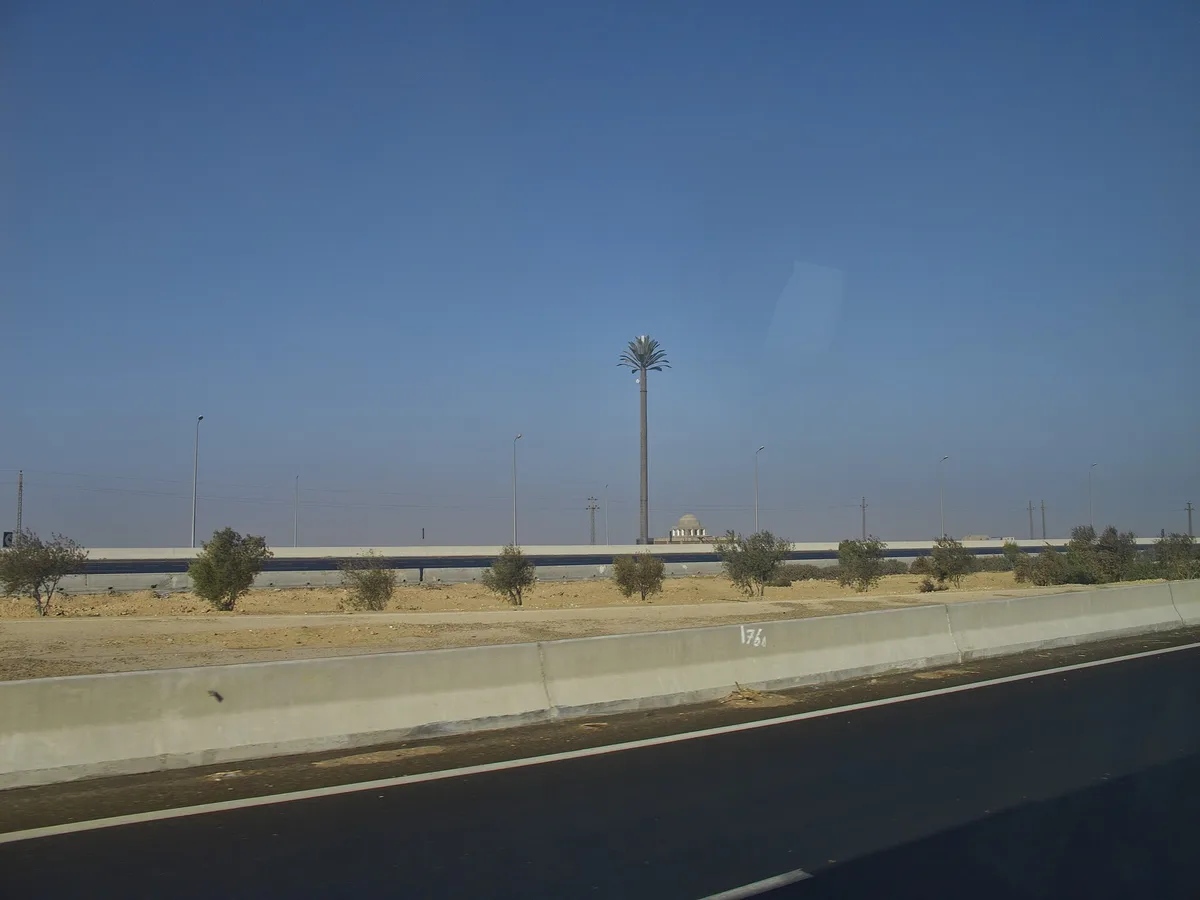
The last layer is the oldest arrangement in travel: a car, a driver, and a price agreed for the day or the leg. Egypt does this particularly well and particularly necessarily, because its geography keeps producing journeys that no timetable serves – the temple road south from Luxor that stops at Edfu and Kom Ombo on the way to Aswan, the dawn run from Aswan to Abu Simbel and back, the day that strings together Saqqara, Dahshur and Memphis in an order no bus attempts, the west-bank day in Luxor that must bend around a traveller’s own pace through the tombs. For these, the hired car with driver is not a luxury upgrade; it is the only mechanism that fits the shape of the day, and its price – negotiated per day or per leg, covering the car, the driver and usually the fuel and road costs, with the details confirmed in the agreement – buys the scarcest thing in travel, which is a schedule of your own.
The market for it is wide, and reaching it is easy: hotels and guesthouses arrange cars daily, agencies sell the standard legs at going rates, drivers are recommended between travellers, and in the tourist cities the offer will also find you. The disciplines that make it work are the negotiated layer’s disciplines, applied with care because the sums are larger. Agree the full price, the day’s hours, the stops and what is included – waiting time, the Abu Simbel run’s early start, the return – before the day begins, and put the agreement in a message where both sides can see it. Expect the driver’s own suggestions about stops and shops to be part of the economy he works in, and treat them with the same good-humoured clarity as any other negotiation. Self-driving, by contrast, is the option this guide does not recommend to visitors: the formal permission arrangements are only the start of it, and Cairo traffic in particular runs on an informal fluency – of horn, gesture and anticipation – that residents absorb over years and visitors cannot borrow for a week. The same money buys the car with the fluency included.
Used deliberately, the driver layer is the grout of an Egyptian itinerary: it fills the gaps the fixed systems leave, at a price that splits well across a couple or a family and buys back the awkward hours no other layer can reach. The mistake is to use it for everything – to private-car the journeys the Metro, the sleeper and the coach already do better and cheaper – because a trip built entirely of negotiated days is expensive in money and attention alike. Reserve the driver for the broken journeys, the tomb days and the temple roads. That selectivity, applied across a whole route, is the difference between a transport budget that serves the trip and one that swallows it – repeated across a whole route, it is the difference between struggling with getting around egypt and simply doing it.
Getting Around Egypt From the Airport – Arrivals Without the Drama
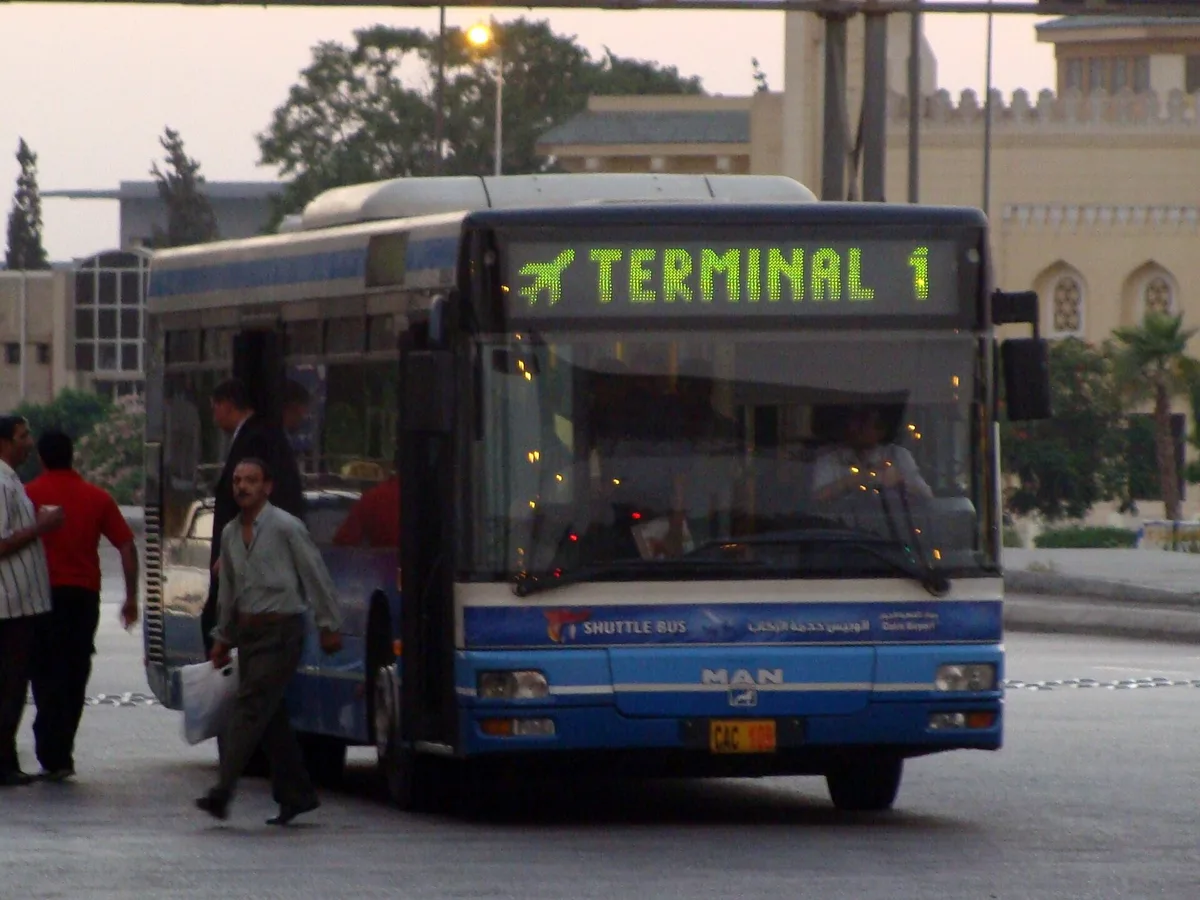
For most visitors the system is met first at Cairo International Airport, east of the city in Heliopolis, and the arrival transfer sets the tone for everything after it – which is why it deserves planning out of proportion to its length. The options run through every layer this guide has described, in miniature. A pre-arranged transfer, booked through a hotel or agency with the price fixed in advance and a driver waiting at arrivals, is the zero-friction choice and the one worth its small premium after a long flight at an awkward hour. The ride-hailing apps work at the airport too, with the usual care needed about pickup points in a large multi-terminal complex. Street taxis wait outside, under the kerbside rule in its most important application: the fare agreed, in full, before the bags go in. And the airport bus and shuttle services run into the city at fixed fares for the traveller whose hotel lies near their stops and whose luggage is light. A second gateway, Sphinx International Airport west of the city, now handles some flights and sits far closer to Giza – worth knowing if your first nights are by the pyramids rather than downtown.
The transfer itself teaches Cairo’s first transport lesson, which is that distance is not time. The airport is not far from the centre as the map measures it, and the journey can still stretch impressively when it meets the city’s peaks; an arrival in the evening rush is a different journey from the same road at midnight, and no honest guide will quote you a fixed minute count for it. Build the slack in: no tight onward connection on arrival day, no timed ticket booked against a landing. The same lesson governs departures, doubled – the return to the airport should be planned backwards from check-in with a generous margin, by the most predictable layer available at that hour, which for an early flight usually means the pre-arranged car rather than the hopeful hail.
From the smaller airports the pattern repeats at smaller scale: Luxor, Aswan, Hurghada and Sharm El Sheikh all meet their flights with taxis, hotel transfers and agency cars, at distances mercifully shorter than the capital’s, and the same kerbside rule applies at each. What changes is only the bargaining weather – resort airports are practised environments, and the agreed-before-moving rule matters there exactly as much. Arrive with the first transfer decided, the small notes ready and the hotel’s address written down, and the arrival becomes what it should be: the unremarkable first leg of getting around Egypt, rather than the story travellers tell about the trip’s worst hour.
The Classic Route, Leg by Leg

Assemble the layers and the classic route – the journey through the Egypt travel guide that most first-time visitors follow – plans itself. It begins at Giza, reached from a Cairo base by the hybrid pattern of the Metro section: the nearest line for the spine of the journey, then the road for the plateau, where the Pyramids of Giza stand in a separate city across the river; or, on the day the plateau gets the attention it deserves, by a hired car that can string the plateau together with Saqqara and Memphis in one negotiated day. The Grand Egyptian Museum beside the plateau folds into the same western day or stands as its own short road trip from the centre. Cairo’s own days run on the city layers: Metro for the crossings, apps and taxis for the rest, feet for the old city.
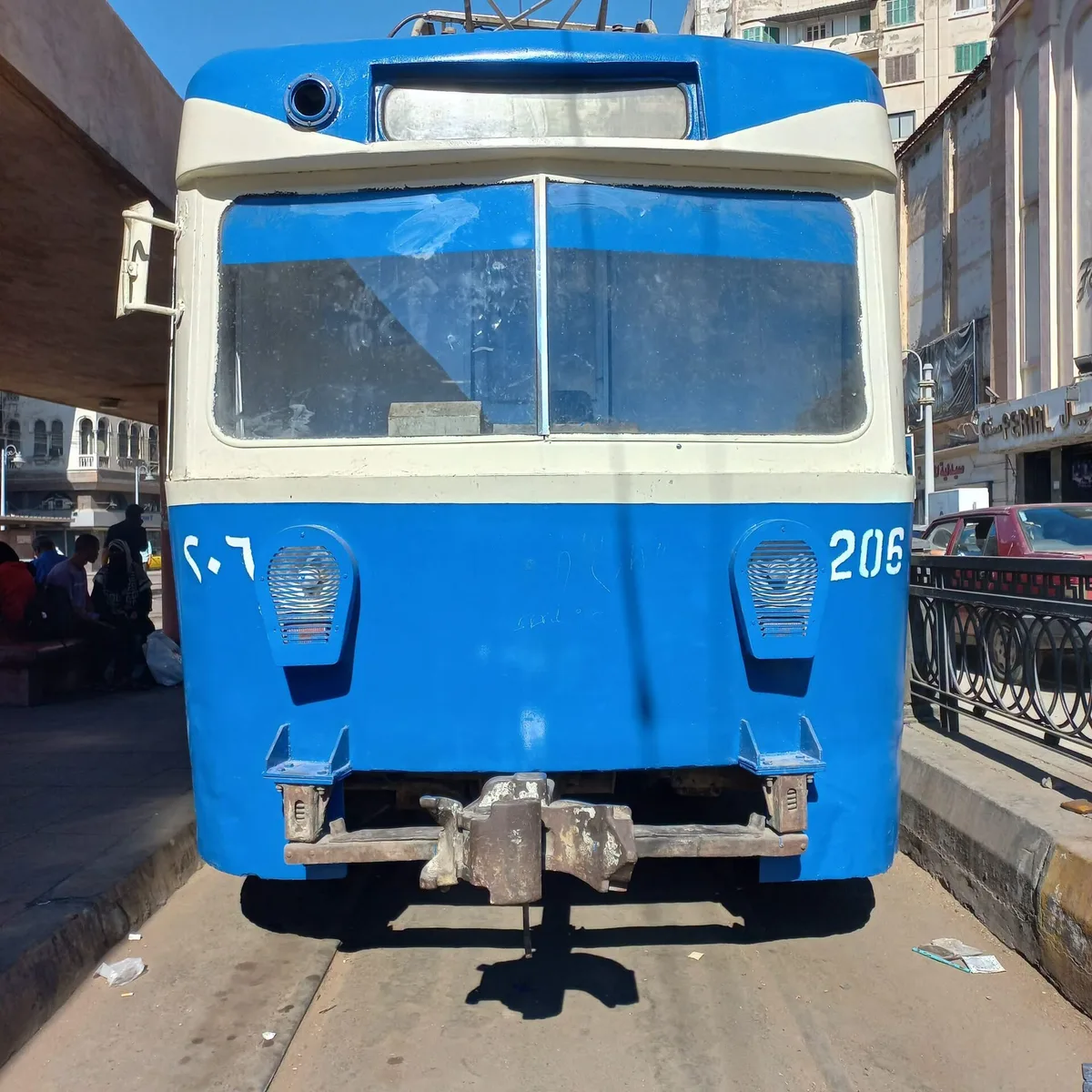
South is the route’s great decision, and by now its terms are familiar. The sleeper takes the Cairo-to-Luxor leg in a night and returns a day; the day train takes it in daylight at the valley’s pace; the flight takes it in an hour and returns the most time at the highest price. Luxor itself runs on ferries and drivers: the east bank’s temples by foot and taxi, the west bank’s tombs by the ferry-and-car combination that every Luxor day is built from. Between Luxor and Aswan the choice is the river or the road – the cruise sailing the leg over days with the temples folded in, or the driver on the river road stopping at Edfu and Kom Ombo, or the train running it plainly. Aswan adds the felucca hour, the west-bank ferry and the Abu Simbel decision: the long road day by driver or organised trip, or the short flight, each priced as the final flourish of the southern days. Then the return north, most efficiently flown from Aswan to Cairo, with Alexandria – by day train or coach from the capital – added before or after as the Mediterranean coda, its own trams and corniche taxis a small final transport system of their own.
Laid out that way, the route uses every layer exactly where it is strongest and none where it is weak, and its total transport cost is simply the sum of a handful of knowable decisions: one southbound choice, one river-or-road choice, one Abu Simbel choice, one flight home. That is the real lesson of this whole guide. Getting around Egypt is not a problem to be solved once with a single pass, ticket or vehicle. It is a small set of leg-by-leg judgements, each with a right layer waiting for it – and a traveller who makes them deliberately will find the country not difficult to move through, but quietly, efficiently, on their side.
Frequently Asked Questions
Is the Cairo Metro safe and easy for visitors to use?
Yes – it is the capital’s standard mass transit, used by millions of residents daily, with stations signed in English as well as Arabic. Its virtues for a visitor are structural: a small fixed fare, no traffic, and no negotiation. Keep your ticket until the exit barriers, expect a crush at peak hours in the central stations, and note the marked women-only carriages. It is the easiest part of getting around Egypt to master, usually within one journey.
Can foreign visitors buy train tickets in Egypt, and why is the fare different?
Yes, through the railway’s own booking channels – but expect the separate fare arrangements for foreigners to apply. In recent years many long-distance and air-conditioned services have been sold to foreign visitors at dollar-denominated fares, and sleeper berths have historically been sold in dollars through the sleeping-car operator’s own channels, rather than at the pound fares Egyptians pay. The system is published policy, not a station-level invention: budget rail legs from the official channels’ foreigner fares, and check them near your travel date because the arrangements are revised.
Sleeper train or flight to Luxor – which is better?
They buy different things. The sleeper buys a night: it replaces a hotel night and a travel day with one overnight journey, and delivers you to Luxor in the morning at the price of a berth. The flight buys hours: roughly an hour in the air, a few hours door to door, at an airline fare. On a short trip the flight’s saved day can be worth more; on a classic route with the days available, the sleeper is often the better trade – and many travellers do one each way, seeing the valley once by daylight on a day train or the return flight after crossing it by night.
Are ride-hailing apps available in Egypt?
Yes – services such as Uber and Careem operate in Cairo, Alexandria and other major cities, and they are the easiest default for city journeys because the price is quoted in the app before the car arrives and the destination is pinned on a map. They work at the airports too, with attention to the designated pickup points. Outside the big cities, availability thins and the local layers – taxis, drivers, tuk-tuks – take over again.
How do I get from Cairo airport into the city?
By the layer that suits your arrival: a pre-arranged hotel or agency transfer at a price fixed in advance is the calmest choice after a long flight; the ride-hailing apps work with care at the pickup points; street taxis wait outside under the one rule that matters – the fare agreed in full before the car moves; and fixed-fare airport buses serve the centre for light luggage. Do not quote yourself a fixed journey time: Cairo traffic, not distance, sets it, and the evening peak is a different journey from the small hours.
Is it a good idea to rent a car and drive myself?
For most visitors, no – and the reason is not the car but the traffic culture. City driving, Cairo’s above all, runs on an informal fluency of horn, gesture and anticipation that residents learn over years; formalities around licences and permissions add friction before the engine starts. The same budget buys the car with a driver, which converts the hardest part of Egyptian road travel into someone else’s expertise and leaves you the views. Self-driving is the one part of getting around Egypt this guide consistently advises handing to a local.
How do I travel between Luxor and Aswan?
Three honest ways, each covered in full above: the cruise, which makes the leg a multi-day river journey with temples folded in; the river road by hired driver, stopping at Edfu and Kom Ombo on the way; and the train, which runs the leg plainly and cheaply between the two cities’ central stations. The choice is about what the days are for – if they are for the river, sail; if they are for the temples between, drive; if they are for Aswan, take the train or fly the longer legs and keep the days for the south itself. It is the leg where getting around egypt offers the widest real choice, and it rewards the traveller who chooses on purpose.