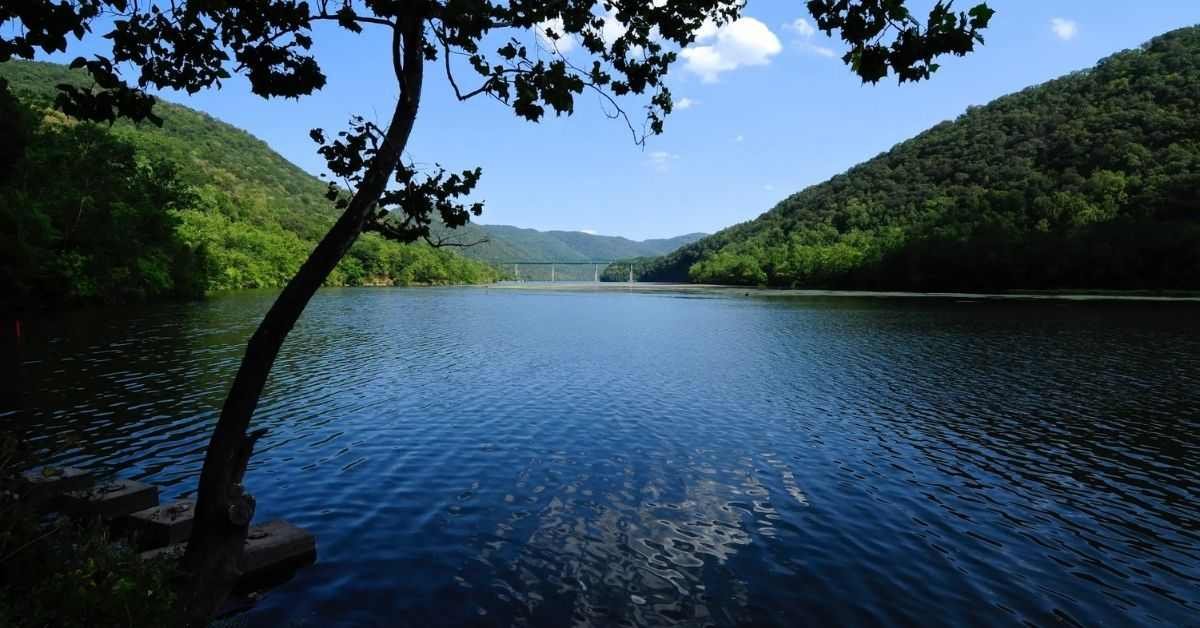
Bluestone National Park, also known as Bluestone National Scenic River, is a quiet and beautiful natural place in West Virginia, USA. It was officially protected on October 26, 1988, to save the river, forests, wildlife, and history of the area. This park is not crowded like many famous national parks. Instead, it is peaceful, calm, and full of natural beauty. People who visit here feel relaxed because there is no city noise, no traffic, and no rush. You can only hear birds, wind, and flowing water.
The park protects around 10.5 miles of the Bluestone River. This river flows through deep valleys, rocky hills, and thick green forests. The land looks wild and untouched, like nature is still in charge. Bluestone is perfect for people who love simple travel, nature walks, and quiet adventures. It is also a great place for families who want to enjoy outdoor time together. Every view in the park looks like a painting, with trees, cliffs, water, and sky together in one place.
Bluestone is also rich in history. Long ago, Native American people lived here. They used the river for fishing, travel, and daily life. Later, European settlers came and built small homes and farms. Life was hard because the land was steep and remote. Today, you can still find old remains like stone walls and old paths hidden in the forest. This makes the park feel like a mix of nature and history. Bluestone is also home to many animals like deer, foxes, birds, fish, and even black bears. Every season changes the park’s beauty, making it special all year round.
The Bluestone River

The Bluestone River is the most important part of Bluestone National Park. It starts in the Appalachian Mountains in Virginia and flows into West Virginia. Then it travels through forests and valleys before joining the New River. Inside the park, the protected river section is about 10.5 miles long. Even though it is not very long, it is full of amazing views and peaceful nature.
Over thousands of years, the river slowly cut through rock and land. This created deep valleys and tall cliffs. Some parts of the gorge are nearly 1,000 feet deep. The river moves slowly and calmly in most areas, making it perfect for canoeing, kayaking, and fishing. The water is clean and clear, and in sunlight it can look blue or silver. That is why it is called “Bluestone,” because of the blue-colored stone in the area.
The river is also very important for animals. Fish like bass and catfish live in the water. Birds such as herons and kingfishers are often seen near the river. Turtles, frogs, and river otters also depend on it. Long ago, Native Americans and settlers used this river for survival. Today, visitors enjoy it for peace and adventure. The Bluestone River is not just water—it is the heart of the park and a living part of nature.
A Landscape Shaped by Time
Bluestone National Park has a very old and beautiful landscape. The land was formed millions of years ago when rocks slowly moved and rivers cut through them. Over time, the Bluestone River carved deep valleys and steep hills. This created the dramatic scenery we see today. The land is part of the Appalachian Plateau, which is known for its rocky and forested areas.
The park has many different environments. Some places are deep and shady, while others are bright and open. This allows many plants and animals to live here. Trees, cliffs, and river bends all create different views. Every step in the park shows something new. The land also changes with seasons. In spring, everything becomes green and fresh. In summer, the forest is thick and full of life. In autumn, leaves turn red, orange, and yellow. In winter, the trees become bare and the cliffs look strong and quiet.
This changing landscape makes Bluestone special. It shows how nature slowly builds and changes land over time. Visitors can clearly see how powerful water and time are in shaping the earth. Walking here feels like stepping into a very old and natural world.
Deep Cultural and Human History
Bluestone has a long human history. Thousands of years ago, Native American tribes lived in this valley. They used the river for food, travel, and daily life. They lived close to nature and respected the land. Archaeologists have found tools and remains that show their early life here.
Later, European settlers arrived in the 1700s and 1800s. They built small farms, houses, and roads in the valley. Life was not easy because the land was rough and isolated. People depended on farming, hunting, and the river. Many families lived simple but hard-working lives.
Over time, many of these communities left the area. Nature slowly took over old homes and roads. Today, visitors can still see hidden signs of past life like old stone foundations and paths covered in trees. This makes the park feel like a place where history is hidden inside nature. Bluestone is not just a natural park—it is also a place full of human stories from the past.
A Haven for Plant Life
Bluestone National Park is full of different plants and trees. The forests here are mostly hardwood trees like oak, maple, hickory, and beech. Near the river, you can find sycamore and birch trees. These trees help keep the river clean and give shade to animals.
In spring, many wildflowers grow on the forest floor. Flowers like trillium, violets, and bloodroot add color to the green forest. Ferns and moss grow in shady and wet places. The mix of sunlight, water, and soil helps many plant types grow together.
Each season changes the plants. Spring is fresh and colorful. Summer is green and thick. Autumn brings warm colors. Winter shows tree shapes and rocky land. Because the park is protected, many plants grow naturally without harm. This makes Bluestone an important place for nature study and conservation.
Wildlife of the Bluestone Valley
Bluestone National Park is home to many animals. White-tailed deer are often seen near forests. Black bears live deeper in the woods but usually stay away from people. Foxes, raccoons, squirrels, and river otters also live here.
Birds are very common in the park. You can see herons near water, kingfishers diving into the river, and hawks flying in the sky. Many small birds sing in the trees, especially in spring and summer. Eagles can sometimes be seen high above the cliffs.
The river also has many fish like bass, catfish, and sunfish. Frogs, turtles, and salamanders live near water and wet areas. The park gives animals a safe place to live without too much human disturbance. This makes Bluestone a healthy and natural wildlife area.
Outdoor Recreation and Adventure

Bluestone is a great place for outdoor activities. Hiking is one of the best ways to explore the park. Trails follow old river paths and go through forests and near the water. Walking here feels peaceful and natural.
Canoeing and kayaking are also popular. The river is calm in many places, so beginners can enjoy it safely. Paddling through the gorge gives beautiful views of cliffs and trees. Fishing is another fun activity because the river has many fish.
People also enjoy bird watching, photography, and quiet picnics. There are no big buildings inside the park, so visitors must come prepared. Nearby parks and towns offer places to stay. Bluestone is perfect for people who want simple and natural outdoor fun.
Access and Nearby Facilities
Bluestone National Park is easy to reach by road but still feels remote. The nearest town is Hinton, West Virginia. This town has hotels, shops, and food places. Many visitors also stay at nearby Pipestem Resort State Park, which offers cabins and facilities.
Inside Bluestone itself, there are very few buildings. This is done to protect nature. Visitors should bring water, food, and proper hiking gear. Cell phone signal may not work in some areas.
The best time to visit is spring, summer, and fall. Weather is mild and nature is beautiful. Winter is quiet but can be cold. Planning ahead is important for a safe and enjoyable trip.
Why Bluestone National Park Matters

Bluestone is important because it protects a free-flowing river. Many rivers in the world are changed by dams or cities, but Bluestone still flows naturally. This helps keep water clean and wildlife safe.
The park also protects forests, animals, and history. It helps scientists study nature and helps visitors learn about the environment. It also supports nearby towns through tourism.
Most importantly, Bluestone gives people peace. In today’s busy world, it is rare to find such quiet and natural places. It reminds us how beautiful nature is when it is protected and respected.
FAQs
1. Where is Bluestone National Park located?
It is in southern West Virginia, USA, near the town of Hinton.
2. When was Bluestone National Scenic River created?
It was established on October 26, 1988.
3. What can you do in Bluestone National Park?
You can hike, fish, kayak, watch birds, and enjoy nature.
4. Is camping allowed in Bluestone National Park?
Camping inside the park is limited, but nearby state parks offer camping.
5. What is the best time to visit Bluestone?
Spring and autumn are best because of flowers, green forests, and colorful leaves.