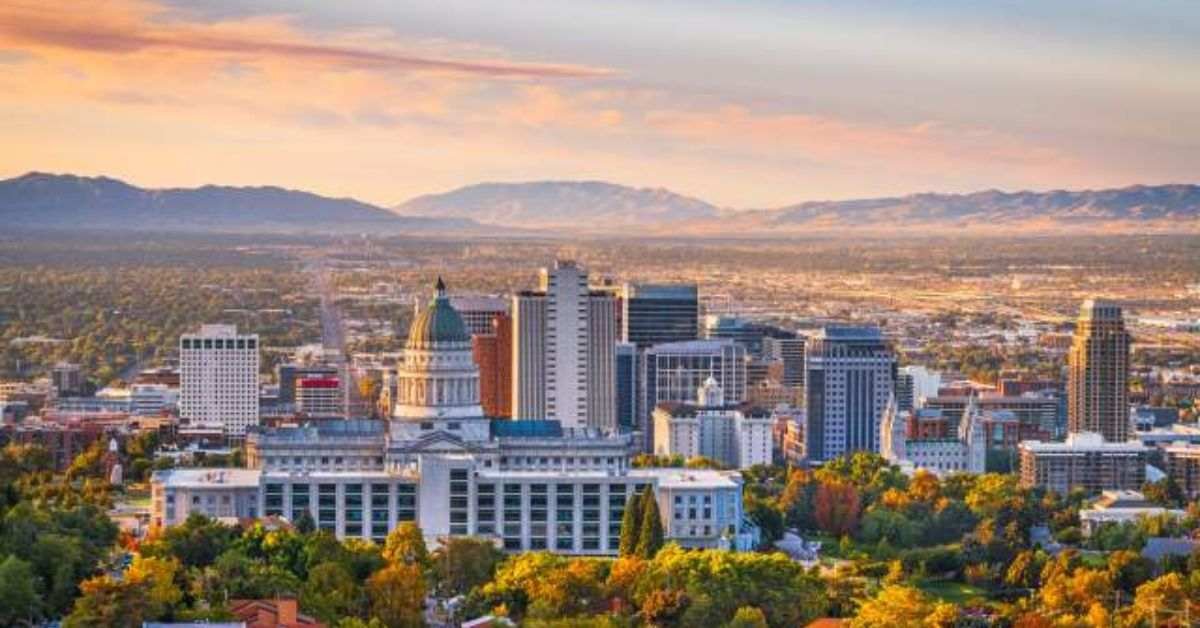
The best things to do in Salt Lake City combine a walkable downtown, a striking desert lake, and mountains that are close enough for a morning ski run and an afternoon museum visit, and that combination is what makes the city unusually easy to plan. You can start downtown at Temple Square and the Utah State Capitol, spend a half-day among dinosaurs and desert plants in the University of Utah foothills, then head out to Antelope Island on the Great Salt Lake or up a Cottonwood canyon for skiing, hiking, or a scenic drive, all without the long transfers that a mountain-and-city trip usually requires. The valley itself helps: Salt Lake City sits between the Wasatch Mountains to the east and the Great Salt Lake to the northwest, so the landscape changes completely within a short drive, from city blocks and gardens to open water and bison range, and then to high canyon snow. That geography also shapes the pace of a good trip, because the city rewards a day that mixes a historic centre, a museum or garden, and one big outdoor outing, rather than a day spent trying to tick off every attraction in a single rush. This guide puts the city in that practical order, so you can mix history, nature, and mountain time without criss-crossing the valley, and so that each day has a clear anchor — downtown on day one, lake or mountains on day two — with room to slow down, eat well, and adjust for weather. It is written as an activities guide, not as a hotel or restaurant directory, so its focus stays on what to do, where to do it, and how to fit the pieces together in a sensible order, with practical warnings where access, parking, or lake conditions can change.
Salt Lake City also works well as a base for thinking about seasons, because the same places feel different in winter, spring, summer, and fall, and the best activity on any given day often depends on snow, heat, or daylight rather than on a fixed ranking. In winter, the Cottonwood canyons are the headline, with deep powder and four distinct resorts, while downtown museums, Temple Square, and the Capitol offer warm, indoor or sheltered alternatives on storm days. In late spring, the Capitol grounds blossom, Red Butte Garden comes alive, and lower trails open up, while high trails may still hold snow, so a spring trip needs a flexible plan rather than a rigid hiking list. In summer, the valley is hot, so lake visits, garden walks, and outdoor concerts are best in the morning or evening, and canyon drives offer cooler air at higher elevation. In fall, mild weather, autumn colour in the canyons, and fewer crowds make it a strong all-round choice, especially for travellers who want hiking, gardens, and city sights in one trip. Whatever the season, two habits will improve the trip more than any single tip: check the official site before visiting for current hours, access, and conditions, and confirm prices before booking tours, tickets, or canyon transport, because temple renovation access, ski parking rules, lake levels, and museum hours all change by season. With those checks made, Salt Lake City is a forgiving city to explore, compact enough to enjoy on foot downtown, dramatic enough to feel like a real mountain-and-desert journey, and varied enough that a two-day visit can feel complete rather than rushed. With that approach, Salt Lake City feels welcoming rather than overwhelming, and its best experiences unfold naturally across downtown, foothills, lake, and mountains.
At a Glance
| Plan this first | What to know |
|---|---|
| Best base | Downtown Salt Lake City for Temple Square, the Capitol, and TRAX; a canyon-side stay suits a ski-focused trip |
| How long | 2 days for downtown, museums, and Antelope Island; add 1–2 days for skiing or canyon hiking |
| Getting around | Downtown is walkable in sections, but blocks are large; UTA TRAX light rail serves downtown, the airport, and the University of Utah — check the official site before visiting for current routes and fares |
| Best seasons | Winter for skiing; late spring and early fall for hiking, gardens, and the lake; summer for concerts and festivals |
| Check before you go | Opening hours, temple renovation access, ski parking rules, and lake conditions change by season — check the official site before visiting |
The table above is best read as a planning shortcut, not as a ranking, because Salt Lake City rewards a trip built around a base and a season rather than around a single must-see list. Downtown is the right base for most first visits, since it puts Temple Square, the Capitol, restaurants, and TRAX stops within a walkable core, and it keeps the museum and garden foothills, the airport, and the lake causeway all within a manageable drive or transit ride. A canyon-side stay makes sense only for a ski-focused trip, when being close to Alta, Snowbird, Solitude, or Brighton matters more than downtown evenings, and when early powder-day departures are the priority. Two days cover the essential shape of the city — downtown history and views on day one, plus the lake or the mountains on day two — while a third or fourth day lets you do both the lake and the canyons without rushing either one. That extra day is worth protecting, because the contrast between Antelope Island and a Cottonwood canyon is the trip in miniature: one is wide, bright, salty, and almost otherworldly, while the other is steep, green or snowy, and enclosed by rock. Travellers with limited mobility should also use the table to judge distances honestly, since downtown blocks are large, the museum and garden sit in the foothills, and the lake and ski resorts are not practical on foot from downtown, even though downtown itself is walkable in sections. Families, first-timers, and ski visitors can all use this overview to choose a base and a season before booking, rather than discovering transport limits after arrival. Planning with those details in mind keeps the day relaxed and avoids last-minute changes.
Getting around is the practical thread that ties the whole table together, and it deserves a clear statement before the detail sections begin. Downtown Salt Lake City is walkable in sections, but its blocks are unusually large, so a walk that looks short on a map can take longer than expected, especially in summer heat or winter cold, and comfortable shoes, water, and a realistic walking plan matter more here than in a compact old town. UTA TRAX light rail is the easiest way to move within downtown, to reach the airport, and to reach the University of Utah area, and it removes the need to drive and park for the central sights, but it does not replace a car for Antelope Island or for the ski canyons. For those outings, a rental car, a canyon bus in winter, or a guided tour is the practical choice, and canyon driving in snow needs care, the right tyres or traction devices, and attention to parking rules that are strictly managed on powder days. Seasons should also shape the base and transport choice: winter visitors should book lodging and canyon transport early, spring visitors should plan for blossoms and garden visits, summer visitors should plan lake and garden outings for morning or evening, and fall visitors should expect mild weather and autumn colour. Check the official site before visiting for current TRAX routes and fares, opening hours, temple renovation access, ski parking rules, and lake conditions, and confirm prices before booking, because those details change by season and by year. A short planning pause here also helps with luggage, walking distances, and canyon transport, which are the details that most often surprise first-time visitors.
A Short History: From Pioneer Settlement to Mountain City
Salt Lake City was founded in 1847, when Mormon pioneers entered the Salt Lake Valley, and that founding moment still explains the shape of downtown today. Just days after arrival, Brigham Young designated the site for a temple, and that decision fixed the centre of the city around Temple Square, with wide streets, a grid plan, and a civic focus that visitors can still read in the layout of the blocks. The Salt Lake Temple took about 40 years to build: work began in 1853 and the temple was dedicated on April 6, 1893, with granite hauled from Little Cottonwood Canyon, a detail that links the downtown temple directly to the canyon country that now holds the ski resorts. The domed Tabernacle, built from 1863 to 1875, became famous for its acoustics and its pipe organ, and it remains one of the most distinctive buildings on Temple Square, even for visitors who come mainly for the gardens and the architecture. More recent layers of the city tell a different story: the Utah State Capitol was built in 1912–1916, giving the city a classical civic landmark on Capitol Hill, the Natural History Museum of Utah moved into its copper-clad Rio Tinto Center in 2011, giving the university foothills a modern museum landmark, and the Cottonwood canyons evolved from mining country into world-known ski country. Together, those layers — pioneer temple, civic capitol, modern museum, and mountain resorts — show a city that has kept reinventing itself without losing its original centre, and that is why a history section matters in an activities guide: it helps you read the sights in order, rather than seeing them as unrelated stops. Reading that timeline before sightseeing helps the temple, Capitol, museum, and canyons feel like chapters of one city story, not isolated stops.
One practical warning for current trips belongs in this history section, because it affects what you can actually see: the Salt Lake Temple has been undergoing renovation, so check the official site before visiting for what parts of Temple Square are open, which visitor exhibits are operating, and whether any areas are closed or limited. That check is not a formality, because renovation access can change the shape of a Temple Square visit, turning what might have been a full grounds-and-exhibits morning into a shorter outdoor walk, or vice versa, depending on the phase of work. For background on Temple Square, see Temple Square at the Encyclopedia of Mormonism, and for a competitor-style round-up of the main sights, see The Broke Backpacker’s Salt Lake City guide. Both are useful for context, but neither replaces the official site for current access, and a traveller who checks the official source before arriving will avoid the most common disappointment in Salt Lake City, which is arriving at Temple Square expecting full access on a day when part of it is closed. The wider history also helps with the rest of the guide: once you know that granite came from Little Cottonwood Canyon, that the Capitol is a twentieth-century civic project, and that the museum is a twenty-first-century building, the city stops feeling like a random collection of attractions and starts feeling like a place with a timeline, from pioneer settlement to mountain city, that you can walk through in a single day. That continuity is also visible in street names, building materials, and neighbourhood layouts, so a slow downtown walk rewards anyone who knows the basic dates. Planning with those details in mind keeps the day relaxed and avoids last-minute changes.
Temple Square
Temple Square is the logical first stop because it explains the city, and it is best approached as an outdoor and visitor-centre experience rather than as an interior tour. Walk the landscaped grounds, look up at the granite Salt Lake Temple, and visit the Tabernacle and visitor exhibits where they are open, taking time to notice how the gardens, the stonework, and the Wasatch backdrop work together to create a calm centre in the middle of a busy downtown. Non-members do not tour inside the temple itself, so plan this as a grounds, gardens, and exhibits visit, and allow time simply to sit in the gardens and take in the scale of the temple and the mountains behind it, rather than rushing through on the way to the next stop. The Tabernacle deserves special attention for its domed roof, its acoustics, and its historic pipe organ, and even a short time inside, where access allows, gives a sense of why the building became famous well beyond Utah. Temple Square also pairs naturally with the City Creek area and the Capitol, both within easy reach of downtown TRAX stops, so a morning at Temple Square can flow into lunch downtown and an afternoon at the Capitol without a car. The grounds are at their best in the morning, when the light is softer and the gardens are quieter, and in spring and summer, when flowers and trees add colour to the stone, but the square is worth visiting in any season, because its architecture and layout tell the city’s founding story in a way no museum label alone can match. A quiet return in the evening, when the grounds are lit, often reveals a different atmosphere from the daytime visit and is worth planning if time allows.
Practical planning for Temple Square is simple, but it benefits from the same check that runs through this whole guide: check the official site before visiting for current access during renovation work, because the Salt Lake Temple renovation can affect which parts of the square, which exhibits, and which buildings are open on a given day. If access is limited, treat Temple Square as a shorter outdoor visit and give the extra time to the Capitol, the museum, or Red Butte Garden, rather than trying to force a full morning into a partially open site. If access is full, allow at least an hour and a half, including time in the gardens, time at the Tabernacle, and time in any visitor exhibits that are open, and consider returning in the evening, when the grounds and buildings are lit and the atmosphere changes completely. Families should note that Temple Square is a calm, landscaped space, well suited to a slow walk with children, but it is not a playground, and the most rewarding way to enjoy it with children is to explain the temple’s long building story — forty years, granite from a mountain canyon, a dome built for sound — before arriving, so that the buildings feel like a story rather than just stone. Visitors who want deeper background can use the external reading linked in the history section above, but for the visit itself, the official site is the reliable source for hours, access, and any guided options. Done that way, Temple Square becomes the anchor of a downtown day, giving every later stop — Capitol, museum, garden, lake, or canyon — a centre to refer back to. Visitor exhibits, where open, also explain the temple’s construction and the community that built it, adding context that the gardens alone cannot provide.
Utah State Capitol
Perched on Capitol Hill above downtown, the Utah State Capitol rewards visitors twice: inside, with marble halls, a rotunda, and murals tracing Utah’s story, and outside, with wide views across the Salt Lake Valley to the mountains beyond. The building, constructed in 1912–1916, is a classical civic landmark, and its interior is designed to impress without overwhelming, with light-filled spaces, detailed stonework, and artwork that tells the state’s history in a sequence that visitors can follow at their own pace. Free guided tours have historically been offered on weekdays, but check the official site before visiting for current tour times, because schedules, group sizes, and any security or access rules can change, and a tour, where available, adds a great deal to the visit by explaining the building’s architecture, its murals, and its civic role. Come in the morning for clearer mountain views, when the valley air is often at its clearest and the light on the building and the grounds is at its best, then walk downhill toward downtown rather than trying to fit the Capitol into a rushed afternoon, because the downhill walk itself, through Capitol Hill streets and toward Temple Square, is part of the experience. The Capitol grounds are also a destination in their own right, especially in spring, when cherry blossoms on the grounds are a particular draw, turning a civic visit into a garden walk and giving photographers a softer, more colourful frame for the building. The walk downhill afterwards offers a useful chance to notice how Capitol Hill housing, gardens, and downtown streets connect the civic centre to everyday city life. Planning with those details in mind keeps the day relaxed and avoids last-minute changes.
The Capitol works best as the second half of a downtown morning, paired with Temple Square, because the two sites together tell the city’s story from two angles: Temple Square shows the pioneer religious centre, while the Capitol shows the later civic state, and the walk between them, downhill from Capitol Hill to downtown, links those stories physically. Allow at least an hour for the Capitol itself, including time inside for the rotunda and murals, time outside for the valley views, and time on the grounds, and longer in blossom season, when the grounds invite a slower pace. Visitors with limited mobility should check the official site before visiting for access information, including entrances, lifts, and any temporary closures, since a hilltop building can present access challenges that are easy to plan for in advance but frustrating to discover on arrival. Families will find the Capitol a good introduction to Utah history, because its murals and halls are visual and spacious, and because the views outside give children a clear sense of the valley, the lake, and the mountains that the rest of the trip will explore. If time is short, prioritise the rotunda, the main halls, and the viewpoint, and save the detailed murals for a return visit, rather than rushing through every room. The Capitol, visited slowly in the morning, sets up the rest of the city perfectly, because from its hilltop you can see the valley you are about to explore, from downtown to the lake and the canyons. Spring blossoms, clear morning views, and a guided tour together make the Capitol one of the most photogenic and informative stops in downtown Salt Lake City. Planning with those details in mind keeps the day relaxed and avoids last-minute changes.
Natural History Museum of Utah
On the University of Utah campus in the foothills, the Natural History Museum of Utah is the city’s best bad-weather and family anchor, and it is also one of its most rewarding museums in any weather. Its Rio Tinto Center, opened in November 2011, is clad in copper mined locally and designed to echo Utah’s layered rock, so the building itself is part of the story before you even enter, with terraces that look out over the valley and a structure that seems to rise from the foothills rather than sit on top of them. Inside, galleries move from dinosaurs and ancient life to geology, Native cultures, and the forces still shaping Utah, and that sequence matters, because it takes visitors from deep time — the dinosaurs and ancient seas that left fossils in Utah rock — through to the living cultures and landscapes of the present day. The dinosaur galleries are the most famous draw, especially for families, but the geology and Native culture galleries are equally strong, and they give the museum a depth that a single-theme attraction cannot match. Start at the top and work down, as many visitors recommend, so the views and the story unfold together, with the valley panorama from the upper terraces framing the geology and landscape stories that follow. The museum is also well designed for a half-day visit, with enough space to move at a comfortable pace, seating and viewpoints to rest, and galleries that reward both a quick overview and a slower, more detailed look. The museum’s foothill terraces also give a clear view of the valley, lake, and mountains that the galleries explain, linking indoor exhibits to the outdoor landscape.
Practical planning for the museum is straightforward, but a few choices will improve the visit considerably. First, pair it with Red Butte Garden, which sits right next door, so that a museum morning flows naturally into a garden walk, giving the day a balance of indoor and outdoor time without an extra drive. Second, check the official site before visiting for ticket and opening details, and confirm prices before booking, because hours, special exhibitions, and ticket options can change, and because a special exhibition can add an hour to a visit that is already rich. See Visit Utah’s tour of the Natural History Museum of Utah for a sense of the layout before you go, and use that layout to plan your route, especially if you are visiting with children, who will want to know where the dinosaurs are and how much walking is involved. Third, allow at least two to three hours, longer if you want to read the geology and culture galleries in detail, and plan for the foothill location: the museum is not in downtown, so use TRAX to the University of Utah area, a car, or a bus, and allow time for the uphill approach. On a rainy or very hot day, the museum becomes the centrepiece of the day rather than just a stop, and that is a strength, because it means Salt Lake City has a genuinely strong indoor option when the lake or the canyons are less appealing. For families, for science lovers, and for anyone who wants to understand Utah’s landscape before hiking or skiing in it, this museum is essential. Special exhibitions, when running, can extend a visit considerably, so checking the programme before arrival helps families plan the day realistically.
Red Butte Garden
Right next to the museum, Red Butte Garden covers about 100 acres of cultivated gardens and foothill terrain, making it an easy combined visit and a calmer counterpoint to a museum morning. Wander themed gardens in spring and summer, when flowers, water features, and planted collections are at their best, look for valley views from the hillside paths, and take the garden at a walking pace rather than as a quick photo stop, because its pleasure is in the sequence of garden rooms, the scent and colour of the plantings, and the way the foothill landscape opens up as you climb. The garden’s size means it can absorb a crowd without feeling crowded, and its paths, which range from flat garden walks to hillside trails, suit a range of fitness levels, though visitors should wear comfortable shoes and carry water, especially in summer heat. It is also a garden that changes with the seasons in a way that rewards return visits: spring brings blossoms and fresh growth, summer brings full colour and outdoor concerts, fall brings autumn foliage in the foothill plantings, and winter, while quieter, offers a different, more structural beauty. If your dates line up, catch an outdoor concert in the amphitheatre, which turns a garden visit into an evening event and gives the garden a social, festive atmosphere that daytime walking alone does not capture. For visitors who have just spent two or three hours indoors at the museum, Red Butte Garden is the perfect next step, because it lets the eyes rest on living plants and open sky after galleries of rock and bone. The garden’s hillside paths also reward visitors who climb slowly, since valley views open gradually and the plant collections change with elevation and exposure.
Practical planning for Red Butte Garden follows the same pattern as the rest of this guide: check the official site before visiting for seasonal hours and concert schedules, and confirm prices before booking concert tickets or any special event, because hours, concert dates, and garden events change by season and by year. A combined museum-and-garden half-day works best in the morning for the museum, followed by lunch, then a garden walk in the afternoon, when the light on the hillside paths is softer and the valley views are clearer, though summer visitors may prefer a morning garden walk and an afternoon museum visit to avoid midday heat. Allow at least an hour and a half for the garden itself, longer if you want to walk the hillside trails or attend a concert, and plan for the foothill location in the same way as the museum, using TRAX to the university area plus a short ride or walk, or a car. Families will find the garden a good place for children to move freely after a museum visit, with paths to explore and open spaces to enjoy, while older visitors and anyone who prefers a slower pace will appreciate the benches, the shade, and the ability to choose a flat garden route rather than a hillside climb. The garden is also a useful introduction to Utah’s plant life, because its themed collections and foothill terrain show, in living form, the desert, mountain, and valley plants that the museum explains in geological and cultural terms. Together, museum and garden give a complete foothill half-day, and neither should be rushed. Concert evenings add music, food, and a social atmosphere to the garden, turning a daytime walk into a memorable summer or early-fall event.
Great Salt Lake and Antelope Island State Park
The Great Salt Lake is the largest saltwater lake in the Western Hemisphere, and Antelope Island State Park, reached by a causeway, is the most rewarding way to experience it. Expect wide, bright, almost otherworldly scenery: salt-crusted shorelines, bison and pronghorn (often called antelope) roaming open range, and flocks of birds along the shore, all set against a huge sky and a horizon that feels far wider than the valley city you left behind. The island itself is a state park, with roads, trails, viewpoints, and a visitor centre, and the causeway drive is part of the experience, because it carries you out over the water and into a landscape that looks and feels different from anywhere else in Utah. Hike or bike a short trail, drive the scenic loop for viewpoints, and try floating in the salty water if conditions allow — the buoyancy is genuinely strange the first time, because the very salty water holds you up with almost no effort, and the sensation is unlike swimming in fresh water or in the sea. The island’s wildlife is a major draw, but it should be enjoyed from a respectful distance, especially bison, which are large, wild animals and should never be approached closely, and the park’s open range means that wildlife sightings are a matter of luck and patience rather than a guarantee. Birdwatching is also excellent here, especially in migration seasons, when the lake’s shores and wetlands attract large numbers of birds, and a pair of binoculars will transform a scenic drive into a wildlife outing. Binoculars, a camera, and patience will reward birdwatchers and wildlife watchers, since island animals move across open range and are best seen without rushing.
Practical planning for Antelope Island is essential, because the lake environment is more demanding than a city park, and conditions can change. Bring water, sun protection, and insect precautions in warmer months, because the island is exposed, with little shade, and biting insects can be a serious nuisance in summer, especially near the shore. Check the official site before visiting for causeway, park, and lake-level conditions, which can change, and confirm prices before booking any park entry or activity, because lake levels affect shoreline access, swimming areas, and the causeway itself. Allow at least a half-day for the island, including the causeway drive, a scenic loop, a short hike or bike ride, and time at a viewpoint or beach area, and longer if you want to hike a longer trail or watch birds in detail. A car is the practical way to reach and explore the island, since TRAX does not serve it, and a bike, where practical, is a good way to experience the island’s open landscape at a slower pace. Swimming and floating should only be attempted where conditions allow and where park guidance permits, and visitors should rinse off afterwards, protect themselves from the sun, and avoid getting lake water in eyes or mouth, since the saltiness, like the Dead Sea’s, makes it less forgiving than ordinary water. Done with those precautions, Antelope Island is the most distinctive half-day in Salt Lake City, a place where desert, lake, wildlife, and sky meet in a way that no downtown attraction can match. The causeway drive itself deserves unhurried attention, because crossing open water to an island landscape is an experience that sets Antelope Island apart from other parks.
Cottonwood Ski Resorts: Alta, Snowbird, Solitude, and Brighton
Salt Lake City’s ski advantage is proximity: two canyons east of the city hold four distinct resorts, and that closeness means you can sleep downtown, ski in the morning, and be back for dinner, without the resort-town isolation that many ski trips require. In Little Cottonwood Canyon, Alta — founded in 1938, with its first opening day on January 15, 1939 — is a skiers-only resort known for deep powder and an old-school feel, with a loyal following, a simple base area, and terrain that rewards confident skiers who value snow quality over village amenities. Neighbouring Snowbird, which opened in December 1971, adds a modern village, an aerial tram to Hidden Peak, and snowboarding, giving Little Cottonwood Canyon a two-resort choice within a single canyon: Alta for purists and powder, Snowbird for variety, vertical, and a more complete resort base. In Big Cottonwood Canyon, Brighton (established in 1936) is the oldest resort in Utah and a local favourite with night skiing, a relaxed atmosphere, and terrain that suits families and learners as well as experienced riders, while Solitude (opened in 1957) lives up to its name with a quieter, tree-skiing atmosphere, fewer crowds, and a village feel that suits travellers who prefer space over scene. Together, the four resorts cover almost every ski style, from Alta’s powder purism to Brighton’s night skiing, and the choice between them should be based on ability, on whether you ski or snowboard, and on whether you want a busy village or a quiet mountain, rather than on a single ranking. Choosing by ability, snowboard policy, and village atmosphere, rather than by reputation alone, will make a ski day far more enjoyable for every member of a group.
In summer, the same canyons offer hiking, wildflowers, and scenic drives, and that summer use is worth planning for, because the canyons are not only winter destinations. Summer hiking ranges from easy valley-floor walks to steep alpine trails, wildflower meadows are at their best in mid-summer, and scenic drives through either canyon give a cooler, greener contrast to the hot valley below, though high trails may still hold snow in early summer and should be checked before setting out. For resort history, see this history of Alta, which gives a sense of how a mining canyon became a ski town, and that history helps explain the canyons’ character today, with old mining roads, historic lodges, and a local culture that predates the modern resort industry. Canyon parking and traction rules are strictly managed in winter, so check the official site before visiting and consider a bus or shuttle on powder days, because driving into a canyon on a powder morning without the right tyres, traction devices, or parking plan can mean a long wait, a turned-back car, or a missed ski day. Confirm prices before booking lift tickets, lessons, rentals, or canyon transport, since prices vary by resort, by season, and by day, and early booking is wise in peak winter weeks. Beginners should note that Brighton and Solitude are often the most relaxed choices for learners and families, while Alta and Snowbird suit confident skiers chasing powder and steeper terrain, and that distinction, made honestly before booking, will do more for a ski day than any single equipment choice. Summer visitors should also check trail and wildflower conditions, since canyon scenery changes quickly with elevation, snowmelt, and seasonal weather patterns.
Getting Around by TRAX, and When to Visit
| Topic | Practical advice |
|---|---|
| TRAX | Use TRAX for downtown, the airport, and the University of Utah area; the Blue Line runs through downtown, the Red Line serves the university, and the Green Line serves the airport — check the official site before visiting for current lines and fares |
| Car | Rent a car for Antelope Island, the canyons, and day trips; canyon driving in snow needs care and the right tyres or traction devices |
| Winter (December–March) | Best for skiing; book lodging and canyon transport early and expect powder-day traffic |
| Spring (April–June) | Gardens, Capitol blossoms, and lower-elevation hiking; high trails may still hold snow |
| Summer (July–August) | Hot in the valley; plan lake and garden visits for morning or evening, and concerts outdoors |
| Fall (September–October) | Mild weather, autumn colour in the canyons, and fewer crowds — a strong all-round choice |
The table above separates two different transport questions that travellers often confuse: how to move within the city, and how to reach the lake and the mountains. Within the city, TRAX is the answer for most first visits, because it serves downtown, the airport, and the University of Utah area, with the Blue Line running through downtown, the Red Line serving the university, and the Green Line serving the airport, and it removes the need to drive and park for Temple Square, the Capitol, and downtown dining. Downtown walking, combined with TRAX, covers the central sights well, provided you allow for large blocks, for summer heat, and for winter cold, and provided you plan the Capitol Hill walk as a downhill return rather than an uphill slog. For Antelope Island, the canyons, and day trips, a car is the practical answer, because those destinations are not served by TRAX, and because a car gives the flexibility to adjust for weather, for lake conditions, and for canyon traffic. In winter, that car needs the right tyres or traction devices, and canyon driving needs care, patience, and attention to parking and traction rules, while a canyon bus or shuttle is often the smarter choice on a powder day, when traffic and parking are at their worst. Check the official site before visiting for current TRAX lines and fares, and confirm prices before booking a car, a bus, or a shuttle, because routes, fares, and canyon rules change by season. Combining TRAX downtown with a car or bus for outlying sights gives the most flexible trip, avoiding downtown parking while keeping lake and canyon access easy. Planning with those details in mind keeps the day relaxed and avoids last-minute changes.
Seasons, as the table shows, should shape not only what you do but when you do it within the day, and that daily timing is often the difference between an enjoyable outing and an exhausting one. Winter, from December to March, is best for skiing, and it rewards early booking of lodging and canyon transport, early departures on powder days, and a willingness to use a bus rather than a car when the canyons are busy. Spring, from April to June, is best for gardens, Capitol blossoms, and lower-elevation hiking, but high trails may still hold snow, so spring hikers should check trail conditions and choose lower trails early in the season. Summer, in July and August, is hot in the valley, so lake and garden visits are best in the morning or evening, concerts are best outdoors in the evening, and canyon drives offer a cooler alternative at higher elevation. Fall, in September and October, is a strong all-round choice, with mild weather, autumn colour in the canyons, and fewer crowds, making it ideal for travellers who want hiking, gardens, city sights, and a lake visit in one trip without the extremes of summer heat or winter snow. Whatever the season, the same two checks apply: check the official site before visiting for current conditions, and confirm prices before booking, because a trip built around a season is only as good as its information about that season, and Salt Lake City’s seasons change the city more than most visitors expect. Seasonal timing within each day matters too, with early starts in winter and summer, and softer light for gardens, views, and photography in spring and fall. Planning with those details in mind keeps the day relaxed and avoids last-minute changes.
A Practical 2-Day Itinerary
Day 1 — Downtown and the foothills: Morning at Temple Square and the Utah State Capitol, lunch downtown, afternoon at the Natural History Museum of Utah and Red Butte Garden. This day works because it keeps the geography tight: Temple Square and the Capitol are both downtown, within easy reach of TRAX, and the museum and garden are both in the university foothills, so the day moves in two clear blocks rather than criss-crossing the valley. Start at Temple Square in the morning, when the gardens are quieter and the light is softer, then walk or ride to the Capitol for its marble halls, rotunda, murals, and valley views, coming in the morning for clearer mountain views and then walking downhill toward downtown for lunch. Lunch downtown gives a chance to try local food, to rest, and to plan the afternoon, and the afternoon museum-and-garden block gives the day its second anchor, with the museum’s dinosaur, geology, and culture galleries followed by a garden walk that lets the eyes rest on living plants after indoor galleries. Allow a full day for this itinerary, rather than trying to add Antelope Island or a canyon on the same day, because downtown plus foothills is already a rich day, and because rushing it would mean missing the gardens, the Capitol grounds, or the museum’s upper galleries. If Temple Square access is limited by renovation, shift time to the Capitol or to the museum, and keep the same two-block shape, rather than replacing the downtown block with a distant outing. Keeping day one compact also leaves energy for day two, which is important, since lake and canyon days involve driving, walking, and exposure to sun, wind, or snow.
Day 2 — Lake or mountains: Choose Antelope Island and the Great Salt Lake for wildlife and wide horizons, or a Cottonwood canyon for skiing in winter and hiking in summer. If you have a third day, do the option you skipped — the contrast between the salty lake and the snowy or green canyons is the trip in miniature, and it is worth a full day on its own rather than a rushed half-day for each. For a lake day, drive the causeway to Antelope Island, drive the scenic loop, hike or bike a short trail, look for bison and birds, and try floating if conditions allow, bringing water, sun protection, and insect precautions, and checking the official site before visiting for causeway, park, and lake-level conditions. For a mountain day in winter, choose a resort that matches your ability — Brighton or Solitude for learners and families, Alta or Snowbird for confident skiers — and use a bus or shuttle on powder days, checking parking and traction rules before setting out. For a mountain day in summer, choose a canyon hike or scenic drive that matches your fitness, check trail conditions for snow at higher elevations, and plan for cooler air at altitude. If you like this kind of season-and-shore planning, also read our guide to things to do in Lake Tahoe, and for a single-beach contrast, our guide to Coronado Beach, California. Either way, day two should end with a relaxed evening downtown, because the best Salt Lake City trips end not with a final attraction, but with time to look back across the valley you have just explored. A relaxed downtown evening after day two gives time to compare the lake and mountain experiences, plan a return visit, and enjoy the city without another long drive.
Conclusion
Salt Lake City works best when you do not try to make it only one thing, because it is, by geography and by history, several cities at once. It is a pioneer city with a temple at its centre, a university city with a world-class natural history museum, a desert-lake city with bison on an island, and a ski city with four resorts in two canyons, and each of those identities deserves its own time rather than being reduced to a single photo stop. Give downtown a full day, give the lake or the mountains a second day, and use TRAX where it helps and a car where it does not, because that division — downtown on foot and transit, lake and canyons by car or bus — is the practical key to the whole city. The pioneer story, from the 1847 founding through the forty-year temple build to the 1912–1916 Capitol and the 2011 museum, gives the city a timeline that you can walk through, while the lake and the canyons give it a landscape that you can feel, from salty buoyancy to powder snow, and the combination of timeline and landscape is what makes Salt Lake City more than a stopover. Travellers who try to make it only a ski trip will miss the temple, the Capitol, and the museum, while travellers who try to make it only a city trip will miss the island and the canyons, and both will leave with an incomplete picture of a place that is defined precisely by its contrasts. Each identity — pioneer, university, desert-lake, and ski city — is worth its own unhurried time, rather than being compressed into a single rushed sightseeing list.
Check the official site before visiting for hours, access, and winter rules, confirm prices before booking tickets, tours, or canyon transport, and you will get the version of the city that fits your season, whether that is a winter powder week, a spring garden and blossom trip, a summer lake and concert visit, or a fall hiking and colour tour. Plan for the practical details that matter most here: large downtown blocks and comfortable shoes, TRAX for downtown and the airport, a car or canyon bus for the lake and the resorts, water and sun protection on Antelope Island, traction and parking rules in the canyons, and renovation access at Temple Square. With those details handled, Salt Lake City rewards a simple plan: a downtown and foothills day, a lake or mountain day, and a third day for the option you skipped, if you have it. That plan, followed at a walking pace rather than a rushing one, gives you the temple, the Capitol, the museum, the garden, the lake, and the mountains, without forcing any of them into a hurried visit, and it leaves you with a clear sense of a city that sits between a desert lake and a mountain range, and that has grown, from a pioneer settlement to a mountain city, without losing either its centre or its horizons. Take your time here, and enjoy it properly, because Salt Lake City, more than most American cities, rewards travellers who slow down enough to see all of its sides. A well-paced trip also leaves room for food, conversation, and unexpected discoveries, which are often the moments travellers remember longest after returning home. Planning with those details in mind keeps the day relaxed and avoids last-minute changes.
FAQs
What are the must-see things to do in Salt Lake City for a first visit?
Temple Square, the Utah State Capitol, the Natural History Museum of Utah, Red Butte Garden, and Antelope Island State Park cover history, views, science, and the Great Salt Lake in a compact trip.
Is Salt Lake City walkable?
Downtown is walkable in sections, but blocks are large and the museum, garden, lake, and ski resorts are not practical on foot from downtown. Use TRAX downtown and a car or bus for the lake and canyons.
Can you swim in the Great Salt Lake?
Yes, at places such as Antelope Island State Park, where the very salty water makes floating easy. Rinse off afterwards, protect yourself from the sun, and check the official site before visiting for current conditions.
When is the best time to visit Salt Lake City?
December to March for skiing, late spring and early fall for hiking and gardens, and summer for outdoor concerts — though summer in the valley can be hot.
Which Cottonwood ski resort should beginners choose?
Brighton and Solitude are often the most relaxed choices for learners and families, while Alta and Snowbird suit confident skiers chasing powder and steeper terrain. Check the official site before visiting for lessons, lift access, and parking.
Do I need a car in Salt Lake City?
Not for downtown alone, but a car (or a canyon bus in winter) makes Antelope Island and the ski resorts far easier. If you only have downtown time, TRAX and walking can be enough.