The best things to do in Mersin are active and outdoorsy, and that is the first thing to understand before you plan anything else, because Mersin rewards travellers who walk, swim, climb and eat their way along the coast rather than travellers who only look at it from a tour bus window. Start with a late-afternoon stroll at the modern marina as the sun drops over the Mediterranean, swim at a long sandy beach the next morning, descend hundreds of steps into a green sinkhole at Narlıkuyu, stand under a waterfall in Tarsus, and finish the day with tantuni eaten standing up at a tiny specialist shop, and you will have understood the city in a way that no single viewpoint can give you. Mersin is a working Mediterranean port city, not a polished resort, and that is its charm: ancient sites, fishing harbours, citrus groves and family beaches sit side by side along 321 kilometres of coast, and the city itself feels lived in, busy and welcoming rather than staged for visitors. This guide is about what to do here, day by day, rather than a list of places to admire from a distance, so its focus stays on activities, on the order in which to do them, and on the practical details that make each activity enjoyable. For the ranked places themselves, with more detail on each site in its own right, see our companion guide to Top Places to Visit in Mersin, while this guide answers the different question of how to spend your days: where to walk, where to swim, where to climb, where to eat, and how to fit those experiences together without rushing. Keep the pace relaxed, build in water and shade, and let the coast set the rhythm.
Planning a Mersin trip well means accepting that the city and its coast pull in two directions at once, and that both directions are worth following, because the city centre offers marina walks, museums and a food crawl within easy reach, while the coast road westwards offers beaches, sinkholes, ancient cities and waterfalls that each deserve a half day or more. The practical answer is to split your time honestly rather than trying to cover everything from one base in a single day: give the city centre and Tarsus their own days, give the Kızkalesi and Narlıkuyu coast a full day, and keep a beach morning or a museum afternoon in reserve for hot weather, for a windy day, or for a day when you simply want to slow down. Mersin is also a city where seasons matter more than many visitors expect, because summer brings strong heat and busy beaches, late spring and early autumn bring the best walking and cave conditions without peak heat, and winter is mild but some boat and beach services reduce, so the best activity on any given day often depends on heat, wind and daylight rather than on a fixed ranking. Check the official site before visiting for current opening hours, cave access, boat departures and waterfall conditions, and confirm prices before booking tours, boat trips or car rental, because none of those details is fixed year-round. With those checks made, Mersin is a forgiving and varied destination, compact enough to enjoy without long transfers, dramatic enough to feel like a real Mediterranean journey, and distinctive enough, with its sinkholes, its island castle and its tantuni, to feel different from Antalya or Bodrum.
At a Glance
| Activity | Best for | Allow |
|---|---|---|
| Mersin Marina walk and dinner | Easy first evening, families, sunset | 2–3 hours |
| Beach day at Susanoğlu or Kızkalesi | Swimming, sunbathing, water sports | Half to full day |
| Cennet and Cehennem sinkholes | Geology, mythology, photography | Half day from Mersin |
| Tarsus Waterfall and old town walk | Nature plus St. Paul history | Half day |
| Museums and food crawl in the centre | Rainy day, culture, tasting | Half day |
The table above is best read as a planning shortcut rather than as a ranking, because Mersin rewards a trip built around a base, a season and a daily rhythm rather than around a single must-see list. The marina walk is the right first evening for almost every visitor, since it needs no transport, no ticket and no early start, and since it gives you a sense of the city’s scale, its long seafront park and the Taurus foothills inland before you head out to beaches and ancient sites. A beach day at Susanoğlu or Kızkalesi needs a half day at minimum and a full day if you want to swim, eat a long lunch and return without rushing, while the Cennet and Cehennem sinkholes need a half day from Mersin city, including the drive west, the descent and climb at Cennet, and a stop at Narlıkuyu for lunch. Tarsus works as a separate half day, pairing its waterfall with its old-town walk, because the two experiences sit close together and because the town’s shaded paths and tea gardens make a natural midday break. Museums and a food crawl in the centre make the best half day for a hot afternoon or a rainy day, since the museums are compact, the bazaar is shaded, and tasting tantuni, cezerye and kerebiç is itself an activity rather than a mere meal. Travellers with limited mobility should use the table to judge distances honestly, since the marina and the museums are the easiest activities, while the sinkhole descent, waterfall paths and ancient-city walking involve steps, uneven ground or both, and those outings should be planned with transport and rest stops confirmed in advance.
Getting the order right matters more in Mersin than in many Mediterranean cities, because the coast road, the city centre and Tarsus pull in different directions and each rewards a different kind of day. If you arrive in summer, protect the beach and swimming days for the mornings, keep the marina for sunset, and use museums and the bazaar for the hottest midday hours, since a flexible order turns extreme heat into a good indoor afternoon rather than a wasted day. If you arrive in late spring or early autumn, when walking and cave visits are at their best, the sinkholes, Tarsus and the coastal day trips can come first, with beach time fitted around them, and the slower pace of those seasons makes Kanlıdivane and Uzuncaburç easier to enjoy. In winter, when the weather is mild but some boat and beach services reduce, the city centre, Tarsus and the museums become the backbone of the trip, with beach walks rather than swimming as the coastal activity. Check the official site before visiting for current opening hours and any seasonal changes, as times and access are not fixed year-round, and confirm prices before booking boat trips, tours or car rental. For the places themselves, in ranked order with fuller site detail, see our companion guide to Top Places to Visit in Mersin, so that this activities guide and that places guide work together rather than duplicating each other. A short planning pause here, matching base, season and daily heat, is the detail that most often turns a good Mersin trip into a smooth one. That pause also helps with luggage, walking distances and early departures, which are the details that most often surprise first-time visitors to a working port city.
A Short History to Make Sense of the Coast
Mersin has been a harbour and a crossroads for millennia, passed between Hellenistic, Roman, Byzantine, Armenian, Seljuk and Ottoman hands, and that layered past explains why a single day can include a Roman colonnaded street, a Byzantine cave chapel and a 19th-century merchant’s house without ever feeling like a jump between unrelated worlds. The coast was a frontier, between empires, between mountain and sea, and between inland trade routes and Mediterranean shipping, and that frontier character explains its castles on islands, its sinkhole shrines and its famously mixed food, since each new ruler, trader and community left buildings, dishes and customs that later generations kept using. The modern city grew rapidly after the founding of the Turkish Republic in 1923, when port and transport investment turned a smaller coastal town into a major Mediterranean hub, and that modern growth explains why Mersin today feels both ancient and contemporary at once, with a working port, a modern marina and a long seafront park sitting beside Roman roads, Ottoman houses and Byzantine chapels. You do not need to know every dynasty to enjoy Mersin, but knowing that the coast was a frontier helps explain the shape of the activities in this guide: why castles sit offshore, why sinkholes became shrines, why Tarsus matters as the birthplace of St. Paul, and why the food mixes Levantine, Anatolian and Mediterranean influences. That context also helps you read the sites in order, rather than seeing them as a random collection of ruins, because each stop adds a different chapter, from Hellenistic trade through Roman roads to Byzantine faith and Ottoman commerce. Museum labels and outdoor sites reinforce each other here, so a morning in the archaeological museum makes an afternoon among Roman roads and Byzantine chapels far more rewarding.
For a broad overview of the region’s coastline and routes, see Mediterranean Turkey guide — Mersin, Adana and Hatay, which is useful for placing Mersin alongside neighbouring provinces and for understanding how the D-400 coastal highway links its sites. The history also helps with practical planning in a way that many visitors overlook, because it explains why the best activities cluster where they do: the coast road west follows the ancient coastal route, so beaches, castles and sinkholes appear in the same order that traders and travellers have followed for centuries, while Tarsus, inland on the Berdan River, developed as a separate historic town with its own waterfall, Roman road and religious sites. Knowing that pattern helps you choose a sensible order, whether you follow the coast west to Kızkalesi and Narlıkuyu, head inland to Tarsus, or stay in the city centre for museums and food, since each direction follows a historical logic rather than a random scattering of attractions. It also helps you avoid a common misunderstanding, which is to treat Mersin as only a beach destination, when its museums, its old town in Tarsus and its ancient cities at Kanlıdivane and Uzuncaburç show a province with deep historical layers. A visitor who walks with that timeline in mind will notice Roman foundations, Byzantine chapels and Ottoman houses as successive chapters in a single coastal story, and that sense of continuity, from ancient harbour to modern port, is part of what makes Mersin distinctive. Check the official site before visiting for current museum hours and access, since displays and opening days can change. That continuity, from ancient harbour to modern port, is part of what makes walking the Mersin coast feel like one story rather than a series of separate stops.
Walk, Eat and Watch the Sunset at Mersin Marina
Start with the easiest pleasure in Mersin: a late-afternoon walk at Mersin Marina, because it needs no planning, no ticket and no transport, and because it gives you the city’s scale in a single, relaxed evening. The modern harbour, serving since 2011 with moorings for hundreds of yachts, is lined with cafés, restaurants and shops, and its promenade is made for unhurried strolling, with benches, palm trees and open views across the water to the Taurus foothills. Come for golden hour, when the light softens the white yachts and the water, watch fishing boats and ferries against the mountains inland, and stay for seafood at a waterfront table, since the marina’s restaurants are at their best in the evening, when the heat eases and the promenade fills with families, joggers and couples. It is also a good orientation point, because from here you can gauge the scale of the city, its long seafront park and the mountains inland, before heading out to beaches and ancient sites, and because a first evening here helps you decide, without pressure, whether you want a beach day, a cave day or a Tarsus day next. The marina works for every kind of traveller, since families can stroll and eat without a long walk, couples can watch the sunset from a café table, and solo travellers can use it as a safe, lively base for an evening walk. Wear comfortable shoes, bring a light layer for the sea breeze after sunset, and allow two to three unhurried hours rather than a quick pass, because the marina’s pleasure lies in slowing down after arrival, not in ticking off a sight. A quiet return to the promenade after dinner, when the lights reflect on the water, often reveals a calmer atmosphere than the busier sunset hour itself.
If you want to see the city from the water, look for a short boat tour from the port area, and treat it as a flexible add-on rather than as a fixed booking, since boat schedules are seasonal and weather-dependent. Check the official site before visiting for current departures, as boat schedules change with season and weather, and confirm prices before booking, including what is included and how long the trip lasts, since short harbour tours and longer coastal trips differ considerably. A boat trip, where available, gives a completely different view of Mersin, with the seafront park, the marina and the mountains behind the city spread out in a single panorama, and it is especially rewarding at sunset, when the light on the water and the city matches the promenade walk itself. If no boat is running on your day, the marina walk alone is still a complete evening, and the time can be given instead to a longer seafood dinner, to a walk along the seafront park, or to an early night before a beach or cave day. Families should note that the marina is flat, well lit and easy to navigate with children, while older visitors will appreciate the benches, the shade and the ability to choose a short promenade loop rather than a long walk. For a Mediterranean contrast to Mersin’s working-port marina, see our guide to Things to Do in Kayseri, which shows a very different, inland Turkish city, though Mersin’s marina remains the natural first evening here. Done slowly, at sunset, with a seafood dinner to finish, the marina walk sets the tone for the whole trip: relaxed, coastal and unhurried. Families, couples and solo travellers can all use the marina as a safe, lively base for an evening walk without needing transport or tickets.
Swim and Sunbathe at Susanoğlu, Kızkalesi and Çamlıbel Beaches
Mersin’s beaches reward a full, lazy day rather than a photo stop, and that is the most important thing to understand before you choose between them, because each beach has a different character and each suits a different kind of swimmer. Susanoğlu, west of the city, is a favourite for families, with golden sand and clear water, a long, gently sloping shoreline that suits children, and cafés and facilities that make a full day easy without packing everything yourself. Kızkalesi, further west, pairs swimming with a view of the island castle just offshore, so you can swim, hire a pedal boat or, when the sea is calm, take a small boat out to the castle islet, and that combination of beach and castle view makes it the most photogenic beach day in the province. Closer to the city, Çamlıbel is quieter and more local, good if you want shade, a simple lunch and fewer crowds, and if you prefer a beach that feels like a neighbourhood outing rather than a resort day. Pack water, sun protection and a towel, since shade, loungers and showers vary by beach and by season, and since a beach day in Mersin’s summer heat needs more water and sun protection than most visitors expect. Many beaches have cafés, but facilities vary by season, so check the official site before visiting if you need loungers, showers or water-sports hire, and confirm prices before booking any hire, since beach services are seasonal and prices change. A full beach day, with a morning swim, a long lunch and an afternoon return to the water, is far more rewarding than a rushed hour at each beach. A shaded café stop after swimming, with cold water and a simple lunch, turns a hot beach morning into a full, unhurried coastal day.
Choosing between the beaches should depend on your day rather than on a single ranking, because Susanoğlu suits a family day with easy facilities, Kızkalesi suits a combined beach-and-castle day with a boat trip, and Çamlıbel suits a quieter, more local half day close to the city. For families, Susanoğlu’s gentle water and family facilities make it the safest choice, while for photographers and couples, Kızkalesi’s castle view at sunset is the most memorable image of the whole coast. For travellers without a car, Çamlıbel’s closeness to the city makes it the most practical option, since it avoids a long coastal drive, while for travellers with a car, the drive west along the D-400 to Susanoğlu and Kızkalesi is itself part of the experience, with coastal views, citrus groves and small fishing harbours along the way. Water safety deserves a clear note, since the Mediterranean here can be calm in the morning and choppier in the afternoon, and since boat trips to the Kızkalesi castle islet should only be taken when the sea is calm and when local operators confirm conditions. Bring sandals for hot sand, a hat and sunscreen, and a dry bag for phones and cameras, and rinse off after swimming, since salt and sand are hard on equipment. If you want a single-beach contrast elsewhere in Turkey, the Mediterranean character of Mersin’s beaches is best compared with the inland mountain and Seljuk programme in our guide to Things to Do in Kayseri, though Mersin’s own beaches remain the natural swimming days here. Done as a full, lazy day, with shade, water and a long lunch, a Mersin beach day restores energy for the sinkholes, waterfalls and ancient cities that follow.
Descend into the Heaven and Hell Caves at Narlıkuyu
The Cennet (Heaven) and Cehennem (Hell) sinkholes, near Narlıkuyu and about 67 kilometres from Mersin city, are the most dramatic natural activity in the province, and they deserve a full half day rather than a rushed stop on a longer coastal drive. Cennet is the larger, greener pit, roughly 250 by 110 metres across and about 70 metres deep, and you can descend some 300 steps to its floor, where a small 5th-century monastery chapel dedicated to the Virgin Mary sits beside an underground stream, surrounded by lush vegetation that feels completely different from the dry coastal hills above. The descent itself is the experience, since the steps, the changing light and the sound of water create a sense of entering another world, and since the chapel at the bottom, small and ancient, gives the sinkhole a human, religious dimension that a purely geological viewpoint cannot match. Cehennem is deeper, about 128 metres, with a smaller opening and no public descent, and you view it from a balcony above, which is exactly why ancient visitors imagined it as an entrance to the underworld, since its dark, sheer sides and narrow opening suggest a place that cannot be entered. Myth says Zeus held the monster Typhon here before imprisoning him under Mount Etna, and that myth, whether or not you believe it, helps explain why these sinkholes became shrines, since their scale, their darkness and their underground water naturally suggested stories about gods, monsters and the underworld. Photographers should plan for the contrast between bright hillside light and shadowed sinkhole depths, and should allow time at both viewpoints rather than rushing from one to the other. A slow climb back up, with pauses at viewpoints and plenty of water, is part of the experience, not a failure to keep pace with faster walkers.
Wear sturdy shoes, carry water, and allow time to climb back up, because the descent is the easy part and the climb back, up some 300 steps in summer heat, is the real test of the visit. Visitors with heart or breathing difficulties, with knee problems, or with limited mobility should think carefully before descending, and should enjoy Cennet from the upper viewpoints and Cehennem from its balcony instead, since both sinkholes are impressive even without the full descent. Nearby, the small Astım (Asthma) Cave, also called Dilek or Wishing Cave, is an easier, lit walk with stalactites and a tradition of tying cloths to trees outside to make a wish, and it makes a good gentler addition to the sinkhole day, especially for visitors who do not want the full Cennet climb. Details on the caves’ geology are at Show Caves — Cennet and Cehennem, which is useful background for understanding how karst sinkholes form, though current access and opening details should always be checked on the official site before visiting. Combine the sinkholes with lunch at Narlıkuyu, where seafood restaurants line the little bay, since the bay’s cold karst-spring water and its fishing-harbour atmosphere make a natural break after the climb. Allow a half day from Mersin city, including the drive, the descent and climb, the balcony viewpoints and the Astım Cave, and build in shade, water and rest stops, since the sinkhole area is exposed and the steps are steep. For fuller site detail on Narlıkuyu and its neighbours, see our companion guide to Top Places to Visit in Mersin. Photographers should allow extra time at both viewpoints, since the contrast between bright hillside light and shadowed sinkhole depths rewards unhurried looking.
Chase Waterfalls: Tarsus Waterfall and Yerköprü
For a cooler, greener contrast to the beach, head inland to a waterfall, because Mersin’s waterfalls offer shade, sound and moving water in a way that the dry coastal hills and hot beaches cannot, and because they make a natural midday break in a day built around walking and ancient sites. Tarsus Waterfall, on the Berdan River in Tarsus town, is the easiest to combine with a historic walk, since shaded paths, picnic spots and tea gardens surround it, and since it sits close enough to Tarsus old town to form a single half-day outing rather than a separate expedition. The waterfall’s appeal lies in its accessibility and its setting, with greenery, picnic tables and tea gardens making it a place to sit and rest rather than merely to photograph, and with the sound of falling water providing a cool contrast to the town’s streets. Further inland, Mut Yerköprü Waterfall is wilder and more remote, with a natural bridge and forested pools that suit confident walkers and photographers, and with a landscape that feels far more enclosed and green than the coastal plain. Both waterfalls are best after rain or in spring, when flow is stronger and the surrounding vegetation is at its lushest, while in late summer flow can be lower and the paths hotter, so seasonal timing matters more for waterfalls than for beaches. Both require care on wet rock, since waterfall paths, steps and riverside rocks can be slippery, and since a fall on wet stone is the most common waterfall injury, so sturdy shoes, slow walking and attention to footing matter more than speed. A tea garden stop after the waterfall, with time to sit beside the river, completes the outing far better than rushing on to the next sight.
Planning a waterfall day well means choosing between the easy and the wild option honestly, rather than trying to do both in a single rushed day, since Tarsus Waterfall suits almost every visitor, while Yerköprü suits confident walkers with transport, time and a tolerance for rougher paths. Tarsus Waterfall pairs naturally with the Tarsus old-town walk described next, forming a half day that combines nature and history, with the waterfall as a shaded midday break between Cleopatra’s Gate, St. Paul’s Well and the Roman road, and with lunch in Tarsus rather than a return to Mersin city. Yerköprü, by contrast, deserves its own half day or a full day, with transport confirmed in advance, water and sun protection packed, and a realistic allowance for the drive inland and for walking on forested, sometimes uneven paths. Check the official site before visiting for access and current conditions, especially for Yerköprü, which is less developed than Tarsus, and confirm prices before booking any tour or transport, since waterfall access, parking and any local guiding vary by season. Photographers should plan for the contrast between bright sky and shaded waterfall spray, and should protect cameras from mist, while families should keep children close near water and on wet rock. In spring, after rain, both waterfalls reward an early visit, when the light is softer, the paths are quieter and the flow is at its best, while in summer a morning visit avoids the hottest hours. Done as a shaded, unhurried break, with tea in a garden afterwards, a waterfall visit restores energy for the afternoon’s walking and gives Mersin a greener, cooler dimension that balances its beaches and sinkholes. In spring, after rain, both waterfalls reward an early visit, when the light is softer, the paths are quieter and the flow is at its best.
Walk Tarsus Old Town: Cleopatra’s Gate, St. Paul’s Well and the Roman Road
Tarsus, birthplace of St. Paul, is the best half-day walking activity from Mersin, and it rewards a slow, on-foot approach rather than a drive-by visit, because its pleasure lies in the sequence of streets, gates, wells and bazaar lanes rather than in any single monument. Start at Cleopatra’s Gate, the surviving Roman arch that once marked the city’s entrance, and take time to look at its stonework, its scale and its position, since it frames the old town’s entrance in a way that a modern gate never could, and since it connects Tarsus to the wider Roman world that also built the colonnaded streets at Soli Pompeiopolis and Uzuncaburç. Then follow the old streets to St. Paul’s Well, where tradition holds that the apostle’s house once stood, and to the exposed stretch of Roman road, where the paving stones, ruts and layout give a physical sense of how a Roman city actually felt to walk through, with carts, pedestrians and traders sharing the same streets. The town’s Grand Mosque, old houses and bazaar lanes give the walk texture between the headline sites, since they show Tarsus as a living town rather than as a fenced archaeological zone, with shops, homes, mosques and tea houses alongside ancient stones. Go early for soft light and fewer crowds, since morning light suits photography and since the old town’s shaded lanes are cooler and quieter before midday, and pair the walk with lunch in Tarsus rather than rushing back to Mersin city, since a Tarsus lunch, with its own local dishes and bazaar atmosphere, completes the half day. Allow at least a half day, including travel, walking and lunch, rather than a rushed hour.
Walking Tarsus well means treating it as a town to explore rather than as a checklist of three sites, because the bazaar lanes, the old houses and the Grand Mosque add the everyday texture that makes the Roman and early Christian sites meaningful. Wear comfortable shoes, since the old town involves uneven paving, steps and shaded lanes, carry water in summer, and check the official site before visiting for current access to St. Paul’s Well, the Roman road and any museum or church sites, since opening details can change. The walk pairs naturally with Tarsus Waterfall, described above, as a shaded midday break, so a sensible half-day order is Cleopatra’s Gate in the morning, the old streets and St. Paul’s Well before lunch, the waterfall and tea gardens at midday, and a bazaar stroll before returning to Mersin. Families will find Tarsus a good introduction to Roman and early Christian history, because its sites are visual, compact and easy to explain, while visitors interested in religious history will appreciate St. Paul’s birthplace as a place of pilgrimage as well as a historic town. For fuller detail on Tarsus as a place, see our companion guide to Top Places to Visit in Mersin, while this section stays focused on the walking activity itself. If time is short, prioritise Cleopatra’s Gate, the Roman road and St. Paul’s Well, and save the bazaar lanes for a return visit, rather than rushing through every street. Done slowly, on foot, with lunch in town, Tarsus gives Mersin its deepest historical walk, and it shows why a provincial Roman town, birthplace of an apostle, still matters to visitors today. A bazaar stroll after the main sites, with time to browse and to sit for tea, gives Tarsus its everyday texture as a living town.
Visit Museums Without Museum Fatigue: Mersin Museum and Atatürk House
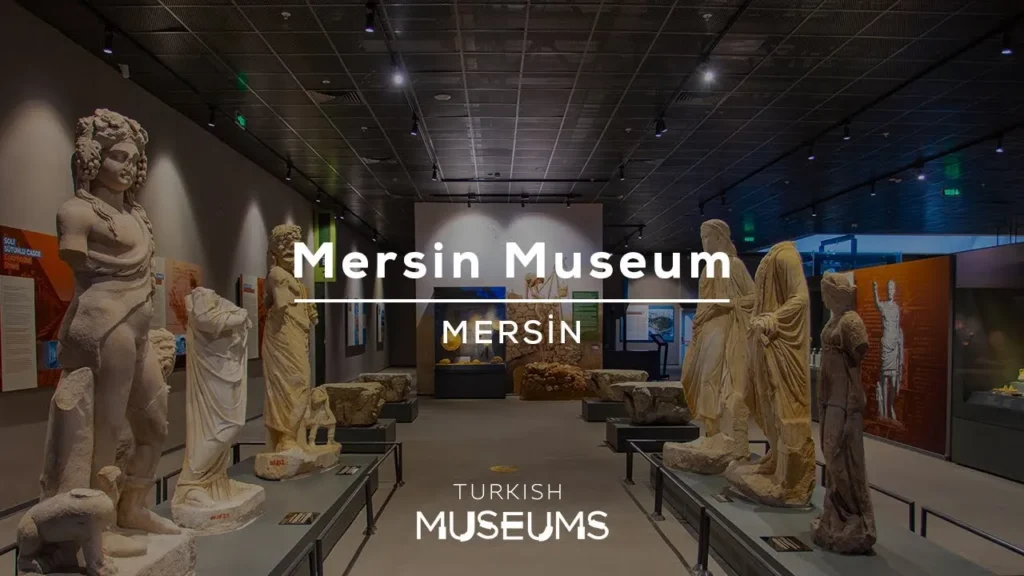
Mersin’s museums are compact enough to enjoy in an hour or two each, which makes them ideal for a hot afternoon, and that compactness is their strength, since it lets you learn the province’s story without the fatigue that a large national museum can cause. The Mersin Archaeological Museum traces the province from prehistory through Roman, Byzantine and Ottoman periods, with finds from the coastal ancient cities you will see outdoors, and that sequence matters, because it gives you a timeline to carry into the field: prehistoric tools and pottery first, then Hellenistic and Roman sculpture, coins and daily objects, then Byzantine and Ottoman material that shows how the coast kept changing. Seeing those objects indoors, with labels and context, makes the outdoor sites far more rewarding, since a column, a mosaic or a tomb that seemed abstract in the field becomes connected to people, trade and daily life once you have seen the objects they used. The Atatürk House Museum, in a late 19th-century house in the centre, shows how a prosperous Mersin merchant family lived and recalls Atatürk’s stays in the city, and its domestic scale, with rooms, furniture and personal objects, gives a completely different kind of museum experience from the archaeological galleries. At Narlıkuyu, the tiny Mosaic Museum is worth a detour for a single masterpiece, the Three Graces mosaic from a 4th-century Roman bath, which shows how Roman bathing culture combined art, mythology and daily life in a single floor. Together, the three museums cover prehistory, Roman daily life, Byzantine art and modern Turkish history in a compact, manageable form. A short rest between museums, with time for a drink and a shaded walk, keeps a hot-afternoon museum visit enjoyable rather than tiring.
Practical planning for Mersin’s museums follows the same pattern as the rest of this guide: check the official site before visiting for opening days, as smaller museums can close on certain weekdays, and confirm prices before booking any guided tour, since hours and tour options change. A sensible museum half day pairs the Mersin Archaeological Museum with the Atatürk House Museum in the city centre, with a bazaar food crawl between them, so that indoor learning, shaded shopping and tasting form a single, relaxed afternoon rather than a forced march through galleries. Allow an hour or two for each museum, longer if you want to read labels in detail, and plan for the city-centre location, which is walkable from the marina and the bazaar, so no car is needed for this half day. Families will find the museums a good hot-afternoon option, since they are air-conditioned, compact and visual, while older visitors will appreciate the seating, the shade and the ability to choose a short route rather than a full circuit. The Narlıkuyu Mosaic Museum, by contrast, should be paired with the sinkholes and a seafood lunch at Narlıkuyu, since it sits on the coastal route west, and since a single mosaic, seen after the sinkholes, gains meaning from the Roman bath culture it represents. Done that way, with the archaeological museum first, the Atatürk House second, and the mosaic museum as a coastal detour, Mersin’s museums give a complete, fatigue-free introduction to the province, and they make every later outdoor site, from Tarsus to Kanlıdivane, easier to understand and more enjoyable to walk. Together, the museums give a complete introduction to the province, and they make every later outdoor site easier to understand and more enjoyable to walk.
Eat Your Way Through Mersin: Tantuni, Cezerye and Seafood at Narlıkuyu
Mersin’s food crawl is an activity in itself, and it deserves to be planned as carefully as any beach or cave day, because the city’s food is not a side note but the reason many Turkish visitors come here, and because eating well in Mersin means knowing where, when and what to order. Start with tantuni, finely chopped meat, quickly cooked with spices and wrapped in lavash with onion, parsley and lemon, eaten at a small specialist shop, ideally for lunch when it is freshest, since a specialist shop, with its single focus, its fast turnover and its regular local customers, will always serve better tantuni than a generic restaurant with a long menu. The experience matters as much as the dish, since tantuni is often eaten standing up or at a small counter, quickly, with lemon squeezed over the wrap and with ayran or a soft drink, and since that informal, fast, local style is part of Mersin’s food culture. Follow it with cezerye, a carrot-and-nut sweet dusted with coconut, and kerebiç, a semolina cookie filled with pistachio or walnut and served with a white foam cream, since those two sweets together give a concise picture of Mersin’s dessert culture, with cezerye’s carrot and spice, kerebiç’s semolina and nut filling, and the foam cream that makes kerebiç distinctive. In the city centre, the old bazaar is the place to buy cezerye, spices and souvenirs between tastings, since its shops sell sweets, spices and local products in a shaded, walkable quarter, and since browsing the bazaar between tastings turns a food crawl into a full afternoon. A useful activity overview, including marina, museum and food stops, is at Explore Mersin — a complete guide, which is helpful for comparing a food crawl with other activities.
For dinner, head to Narlıkuyu, where seafood restaurants line the little bay, and treat it as a separate evening rather than as an afterthought to the sinkholes, since the bay’s atmosphere, its fishing boats and its cold karst-spring water make it a destination in its own right. Order grilled fish or shrimp casserole, and notice how cold the bay water feels, since underground karst springs well up here, chilling the sea, and since that cold water is part of why Narlıkuyu’s seafood tastes fresh and why the bay feels different from warmer, shallower beaches. Confirm prices before ordering, especially for fish sold by weight, since seafood prices vary by catch, by season and by restaurant, and since a generous portion can cost more than expected if the pricing basis is unclear. In the city centre, between tastings, the old bazaar also offers a chance to buy cezerye for home, to browse spices and to sit for tea, turning a food day into a cultural walk as well as a tasting tour. Travellers with dietary restrictions should ask about ingredients, since tantuni is meat-based, cezerye contains nuts, and kerebiç contains semolina and nuts, and since a specialist shop will usually explain its dishes clearly if asked. Families will find the food crawl a good introduction to Turkish food culture, since its dishes are visual, quick and easy to share, while visitors interested in food history will appreciate how Mersin’s tantuni, cezerye and seafood reflect its port, its citrus groves and its Levantine connections. Done as a full day, with tantuni for lunch, bazaar sweets in the afternoon and seafood at Narlıkuyu for dinner, a Mersin food crawl is one of the most memorable activities in the province, and it shows why the city is famous for eating as much as for swimming and sightseeing.
Take a Day Trip: Kızkalesi Coast, Kanlıdivane and Uzuncaburç
The D-400 coastal highway makes day trips simple, since dolmuş minibuses and rental cars both follow the same road west from Mersin, and since that road, with its coastal views, citrus groves and fishing harbours, is itself part of the experience rather than merely a means of transport. A rewarding active day is to swim at Kızkalesi in the morning, visit the Heaven and Hell caves and Narlıkuyu for lunch, then continue to Kanlıdivane, an ancient city built around its own giant sinkhole, with Hellenistic towers, churches and rock tombs, and, if you have energy, Uzuncaburç, with its Temple of Zeus columns and colonnaded street. This is a long day, so choose two stops, not four, and build in a swim or a long lunch, since a day that tries to cover Kızkalesi, the caves, Narlıkuyu, Kanlıdivane and Uzuncaburç in a single outing will inevitably rush each one and miss the quieter corners that make the coast memorable. The D-400 also rewards a slower approach, with roadside cafés, viewpoints and small harbours that invite stops, and with a landscape that changes from city seafront to open coast to ancient-city hills within a short drive. For transport, a rental car gives the most flexibility for stopping at viewpoints and for adjusting timing around heat and light, while a dolmuş gives a cheaper, more local experience, though with less flexibility for remote sites like Uzuncaburç, so the choice should depend on your group, your budget and your comfort with driving. Confirm prices before booking a car, a tour or a dolmuş route, since transport prices and schedules change by season, and check the official site before visiting for current access to Kanlıdivane and Uzuncaburç.
Planning a coastal day trip well means protecting its slow parts rather than adding extra stops, and the two-stop rule in the paragraph above is the simplest way to do that, since a morning swim at Kızkalesi plus an afternoon at Kanlıdivane, or a morning at the caves plus lunch at Narlıkuyu, each gives a complete day without rushing. Turkish Airlines’ three-day Mersin outline is a helpful planner: One city, three days — Mersin, which is useful for comparing a three-day city-plus-coast plan with a longer, slower itinerary that adds Anamur and the wider province. For a longer trip, five to six days cover Anamur and the wider province at a relaxed pace, with time for beaches, ancient cities and waterfalls without daily long drives, while three to four days add Kızkalesi, the caves and nearby ancient cities, with beach time built in. Wear comfortable shoes for ancient-city walking, since Kanlıdivane and Uzuncaburç involve uneven ground, steps and exposed hillsides, carry water and sun protection, and allow time for shade and rest, since the coastal hills are hot in summer and shade can be scarce at ancient sites. For fuller detail on each coastal place as a destination, see our companion guide to Top Places to Visit in Mersin, while this section stays focused on the day-trip activity itself. Done as a two-stop day, with a swim or a long lunch built in, a D-400 coastal day trip gives Mersin its widest sense of place, from beach to sinkhole to ancient city, in a single, unhurried journey. A roadside café stop on the return drive, with time to look back along the coast, gives a long day trip a relaxed and satisfying close.
Practical Guide: Itinerary, Getting There and Best Time
| Plan | Detail |
|---|---|
| 2-day activity plan | Day 1: Marina walk, museums, bazaar food crawl and sunset dinner. Day 2: Beach morning, then Tarsus old town and waterfall. |
| 3–4-day activity plan | Add a full Kızkalesi and caves day, plus a Kanlıdivane and Uzuncaburç day, with beach time built in. |
| Getting there | Çukurova International Airport (COV), opened 10 August 2024 near Tarsus, is about 45 km from Mersin city, with shuttles, taxis and car rental. The D-400 links Mersin, Kızkalesi and Silifke by dolmuş and car. |
| Best time | Late spring and early autumn for walking and caves without peak heat; summer for swimming; winter is mild but some boat and beach services reduce. |
| What to check first | Check the official site before visiting for museum hours, cave access, boat departures and waterfall conditions. |
The table above gives a workable framework, but the best Mersin itinerary is one that protects its slow parts rather than one that tries to add extra stops, and the two-day and three-to-four-day shapes in the table show that principle clearly. A two-day trip works as one city day and one beach-and-Tarsus day, with the city day covering the marina walk, museums, a bazaar food crawl and a sunset dinner, and the second day covering a beach morning, then Tarsus old town and waterfall, and that shape balances coast, culture and food without rushing any of them. A three-to-four-day trip adds a full Kızkalesi and caves day, plus a Kanlıdivane and Uzuncaburç day, with beach time built in, and that shape gives the coast road, the sinkholes and the ancient cities their own days rather than compressing them into a single long drive. Getting there is straightforward: Çukurova International Airport (COV), opened 10 August 2024 near Tarsus, is about 45 kilometres from Mersin city, with shuttles, taxis and car rental, and the D-400 links Mersin, Kızkalesi and Silifke by dolmuş and car, so a car is useful for the coast road but not essential for the city centre. Best time follows the seasons: late spring and early autumn for walking and caves without peak heat, summer for swimming, and winter, mild but with some boat and beach services reduced, for city, museum and Tarsus days. Check the official site before visiting for museum hours, cave access, boat departures and waterfall conditions, since those details decide the day more than any fixed itinerary. A matched plan also leaves room for food, conversation and unexpected discoveries, which are often the moments travellers remember longest after returning home.
For ranked visitor activities, see also Things to do in Mersin — TripAdvisor, which is useful as a check against your own route rather than as a replacement for it, and use it to compare activity rankings, reviews and practical tips before deciding your order. For stay planning alongside this activity order, and for a Mediterranean contrast, see our guide to Things to Do in Kayseri, which shows a very different, inland Turkish programme, while this practical section stays focused on Mersin’s route, transport and seasons. Transport within Mersin deserves a final practical note: the city centre is walkable and well served by the marina, museums and bazaar, but the coast road, the sinkholes, Kanlıdivane and Uzuncaburç each need a dolmuş, a taxi or a car, and those journeys should be confirmed in advance, especially for an early beach departure, a cave day or a long coastal day trip. In summer, allow extra time for heat, for shade breaks and for water stops, and in winter, allow extra time for reduced services and for shorter daylight, since both seasons punish a tight schedule. Book the essentials in advance in peak periods, including car rental, boat trips and any guided coastal tour, and confirm prices before booking, since availability, not just price, can limit plans in summer and in peak weeks. With base, route and season matched, Mersin works as a compact, varied and deeply satisfying Mediterranean trip, and that matched plan also leaves room for food, conversation and unexpected discoveries, which are often the moments travellers remember longest after returning home. With base, route and season matched, Mersin works as a compact, varied and deeply satisfying Mediterranean trip for first-time and returning visitors alike.
Conclusion
Mersin is best enjoyed by doing, not just seeing: walking the marina, swimming a new beach each day, climbing down into a sinkhole, tasting tantuni where locals eat it, and that active quality is what separates a good Mersin trip from a merely scenic one. Pair one city day with one beach-and-Tarsus day, add the caves and the coast road if you have a third or fourth day, and you will leave with a far richer picture of the Turkish Mediterranean than a transit stop through its airport would ever give, because the marina, the beaches, the sinkholes, the waterfalls, the museums and the food together tell a coherent coastal story. The marina gives an easy, sunset start, with yachts, cafés and a long seafront park, while the beaches give swimming and sun, with Susanoğlu for families, Kızkalesi for a castle view and Çamlıbel for a quieter local day, and the sinkholes give drama and mythology, with Cennet’s green descent and Cehennem’s dark balcony view. Tarsus gives history and nature together, with Cleopatra’s Gate, St. Paul’s Well, a Roman road and a waterfall in a single half day, while the museums give context without fatigue, and the food crawl gives taste and trade, with tantuni, cezerye, kerebiç and Narlıkuyu seafood eaten where they are made and sold. A traveller who does all of those, even briefly, will understand Mersin as a working port, an ancient coast and a food city at once, rather than as any one of those identities alone, and that layered understanding is the real souvenir of the trip. A well-paced trip also leaves room for a return visit, whether for summer beaches, spring waterfalls, autumn ancient cities or a longer coastal journey.
Plan Mersin the way its own geography suggests, with the marina first on arrival, the city centre and museums for hot afternoons, the beaches for mornings, the sinkholes and coast road for full days, and Tarsus for a shaded half day, and the trip will feel natural rather than forced. Check the official site before visiting for museum hours, cave access, boat departures and waterfall conditions, confirm prices before booking tours, boat trips, car rental or seafood by weight, and keep one flexible half day in reserve for heat, for a closed museum or for a windy beach day, rather than forcing every activity into a tight timetable. For the places themselves, in ranked order, use our companion guide to Top Places to Visit in Mersin, so that this activities guide and that places guide work together, with one answering what to do and the other answering where to go. Done that way, with one city day, one beach-and-Tarsus day, and a third or fourth day for the caves and the coast road, Mersin gives a complete Mediterranean experience in a compact, walkable and delicious form, and it leaves most visitors planning a return, whether for summer swimming, for spring walking, for autumn caves or for a longer coastal journey. Take your time here, and enjoy it properly, because Mersin, more than many Turkish coastal cities, rewards travellers who walk, swim, climb and eat slowly, and who let a marina sunset, a sinkhole descent and a plate of tantuni tell the story together. A well-paced trip also leaves room for a return visit, whether for summer beaches, spring waterfalls, autumn ancient cities or a longer D-400 journey in a future season.
FAQs
What are the top things to do in Mersin?
Walk Mersin Marina, swim at Susanoğlu or Kızkalesi, visit the Heaven and Hell Caves, explore Tarsus old town and waterfall, tour the museums, and eat tantuni and seafood at Narlıkuyu.
Can you swim at Kızkalesi?
Yes. Kızkalesi has a sandy beach facing the island castle, with swimming, small boat trips to the castle and cafés along the front. Go when the sea is calm for boat trips.
How difficult is the Heaven Cave descent?
Cennet involves about 300 steps down — and back up — on steep, sometimes slippery stone. Wear sturdy shoes, carry water, and skip it if you have heart or breathing difficulties, especially in summer heat.
Does Mersin have an airport?
Yes. Çukurova International Airport (COV), near Tarsus, opened on 10 August 2024 and is about 45 kilometres from Mersin city, reached by shuttle, taxi or rental car.
What food is Mersin famous for?
Tantuni, cezerye, kerebiç and fresh seafood. Try tantuni at a specialist shop and seafood at Narlıkuyu for the classic Mersin food day.
How many days do you need in Mersin?
Two days cover the city and Tarsus. Three to four days add Kızkalesi, the caves and nearby ancient cities; five to six days cover Anamur and the wider province at a relaxed pace.