Best Time to Visit Morocco – Seasons, Ramadan and the Coast-to-Desert Calendar
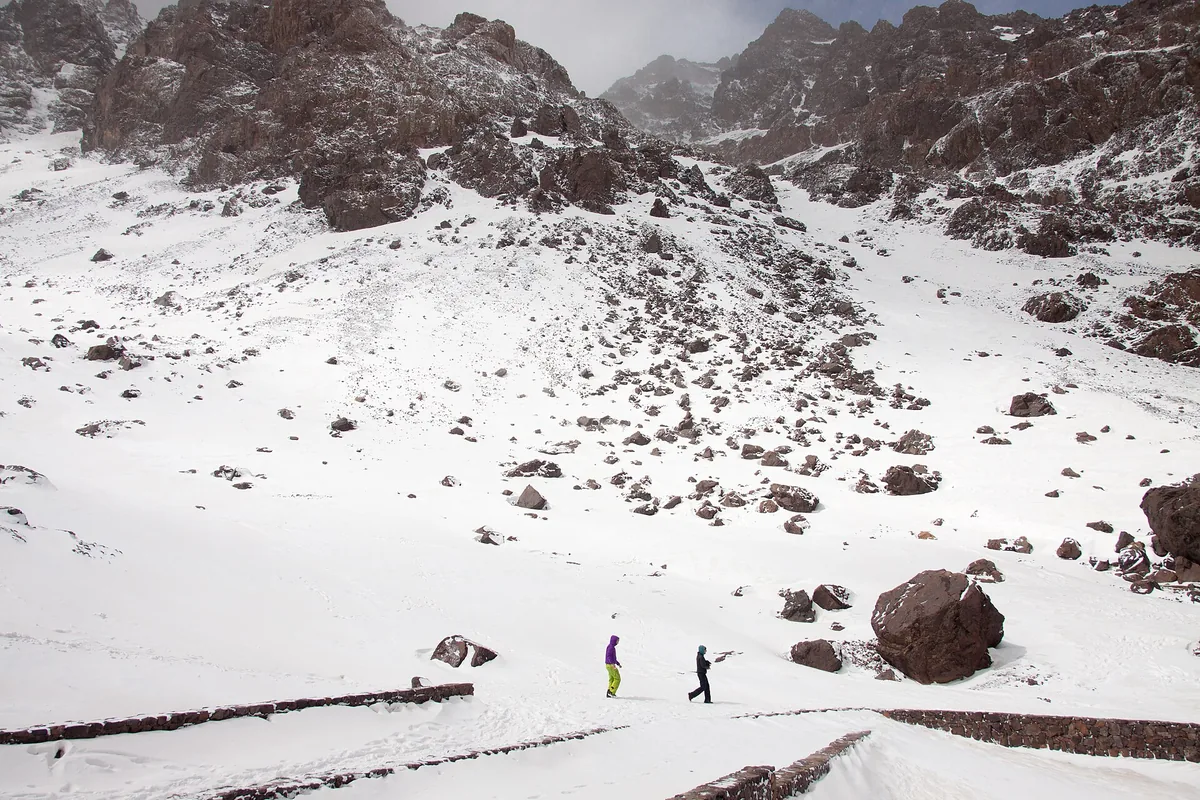
Ask when to visit Morocco and most guides answer with two seasons — spring and autumn — as if the country were one climate with one calendar. It is a reasonable answer for one particular trip, the classic loop of Marrakech, Fes and a night in the dunes, and it is the wrong answer for almost every other trip, because Morocco is at least four climates sharing a flag. The Atlantic coast at Essaouira barely changes temperature all year. The High Atlas, an hour from Marrakech, spends the winter under snow deep enough to ski in. The Sahara swings from furnace to near-freezing night within the same calendar, sometimes within the same day. And the imperial cities, where most travellers spend most of their time, are walking cities whose comfort is decided by a handful of degrees in either direction.
So this guide refuses the single answer and gives you the working parts instead. If you want the short version first, here it is — for a first trip that mixes cities, mountains and desert, the most forgiving windows are April into May and late September into October, and the rest of this page explains why, region by region and month by month, so you can bend those windows to fit the trip you actually have. If your dates are already fixed, read your season’s section and your regions’ sections and you will know exactly what you have signed up for and what to do about it. Readers following the classic route itself will find the day-by-day version in our Morocco itinerary, which is built to run inside the windows this page recommends.
One promise governs every number below. The temperatures quoted are climate normals — long-term averages for the weather stations named — which means they describe what a month typically does, not what your week will do. A normal July in Marrakech is fierce and a normal January night in the desert is bitter, and you can plan on both; but weather deals the actual hand, and the honest way to use this guide is to choose your season by the normals and then check the real forecast in the week you travel.
At a Glance – Four Climates, Four Calendars
The whole argument of this guide fits in one table. Read across for a season, read down for a region, and notice how rarely the same cell wins twice — that mismatch is exactly why “when should I go” has no honest one-line answer in Morocco.
| Season | Atlantic coast | High Atlas | Sahara and the south | Imperial cities |
|---|---|---|---|---|
| Spring (Mar–May) | Mild, brightening; wind building at Essaouira | Snow retreating; valleys green; high passes open progressively | Good early, heating up by May | The classic window — warm, walkable, green |
| Summer (Jun–Aug) | The refuge — mild days, strong afternoon wind | Pleasant at altitude; hot valley floors | Avoid long days; extreme heat | Harsh in Marrakech and Fes; go early, rest at midday |
| Autumn (Sep–Nov) | Warm sea, softening light | Golden, stable; first snow late Nov | The desert returns — best from October | Heat breaks through September; October is prime |
| Winter (Dec–Feb) | Quiet, mild days; the north is wet | Ski season; passes can close in snow | Pleasant days, near-freezing nights | Mild sunny days, cold nights; fewest crowds |
Two habits make the table useful rather than decorative. First, plan by your furthest region, not your arrival city — a trip that ends in the Sahara should be timed by the desert’s calendar even if it begins in gentle Marrakech, because the desert is the least forgiving stop on any route. Second, treat the shoulder weeks as their own seasons. Late May behaves like summer in the south and spring in the mountains; late September is autumn on the coast and still summer at noon in Marrakech. The travellers who get Morocco’s weather wrong are rarely wrong by a season — they are wrong by a fortnight, at the hinge.
Spring – March to May
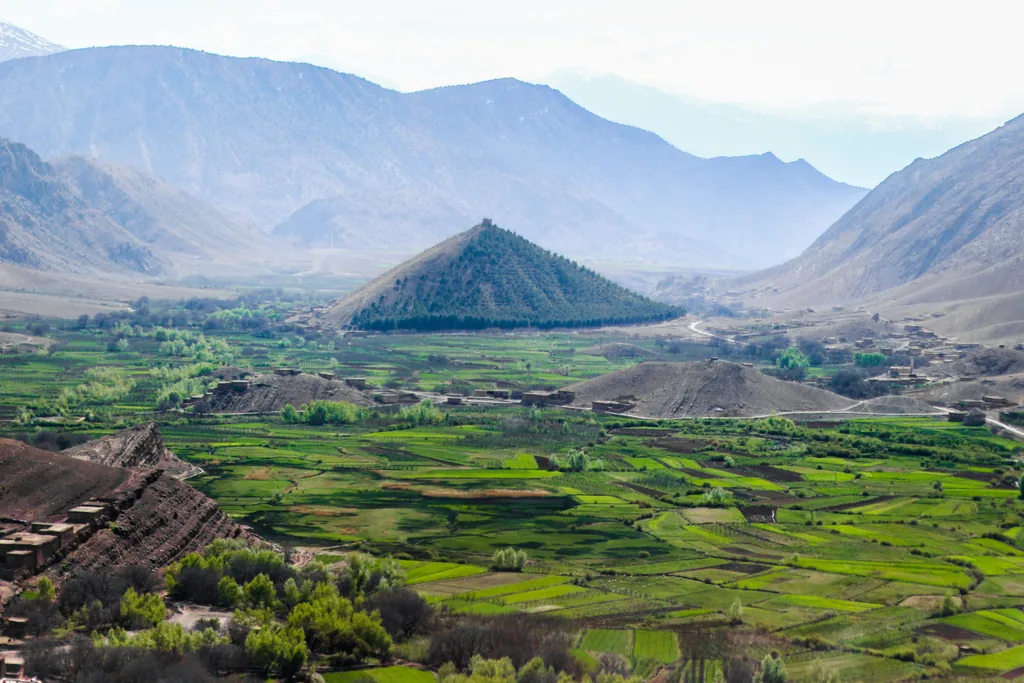
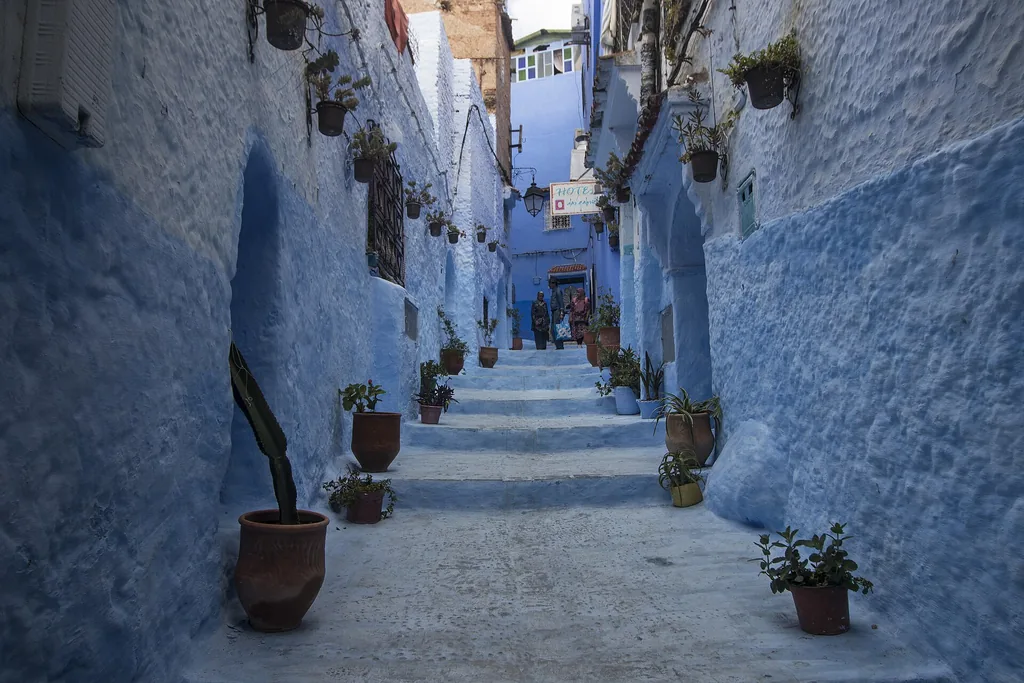
Spring is the season Morocco’s reputation is built on, and for once the reputation undersells nothing. The winter rains — such as they are — have greened the valleys, the Atlas still carries its snowcap as scenery while its lower slopes warm up, and the cities sit in the temperature band where walking all day is a pleasure rather than a negotiation. Marrakech’s average April high is around 26°C against a January figure of 19°C, and that difference is the whole story of the city in spring: the medina at full stretch, gardens worth their name, rooftop evenings that need a jacket rather than a strategy. Fes, Meknes and the north follow the same curve a couple of degrees cooler, with Chefchaouen and the Rif at their freshest and greenest.
The season has its own calendar of brief, missable things. Almond blossom spreads through the Anti-Atlas around Tafraoute early in spring — the town’s almond blossom festival is usually held in February — and by May the Valley of the Roses around Kelaat M’Gouna is harvesting the damask roses its name promises, with its rose festival usually falling in May. In the high valleys, spring is the green window: the Ait Bouguemez and the Ourika run their brightest for a few weeks between snowmelt and the summer dry-down, and trekkers get the year’s most photogenic Atlas, snow above and blossom below. The desert, meanwhile, is still workable in March and April — warm days, cool nights — and only starts to turn serious in May, when the southern heat builds towards its summer pitch.
Hold two cautions against the brochure version. March is the hinge month and can still deal winter’s hand — it is Marrakech’s wettest month on the normals, the north can be properly rainy, and high passes occasionally close around late storms even as the valleys bloom. And spring’s fame is priced and crowded accordingly around the Easter period and the May holidays, when the classic route runs at its busiest. None of that argues against spring. It argues for April over March if your trip leans on the mountains, and for booking the famous riads of the medinas earlier than you think.
Summer – June to August
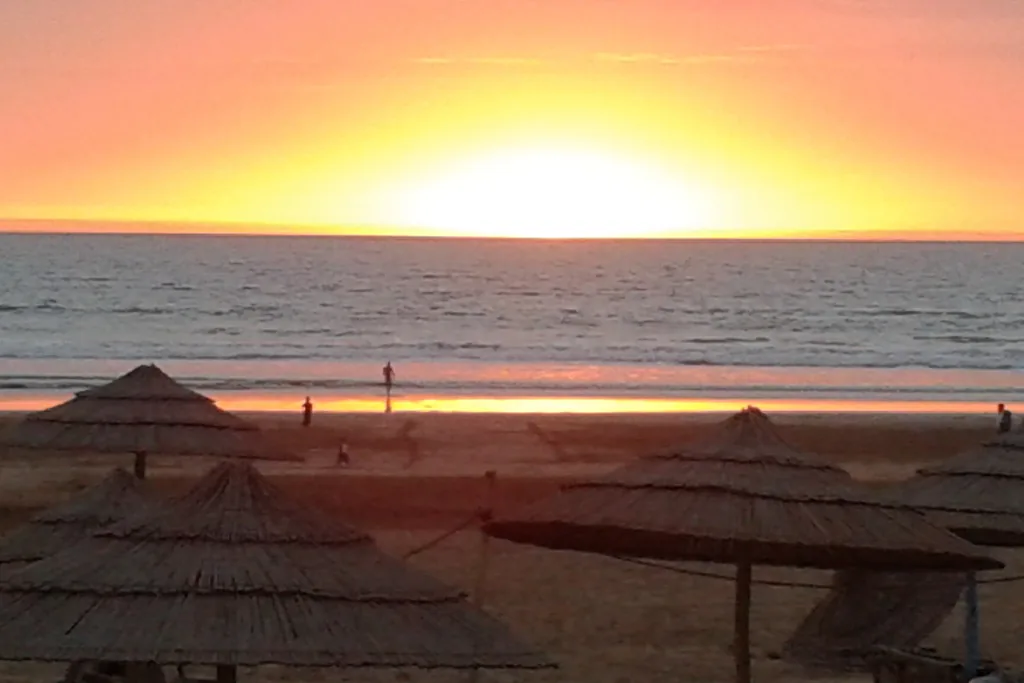
Summer splits Morocco into two countries and you must choose which one you are visiting. Inland, the heat is not a detail but the organising fact of the day — Marrakech’s average highs for July and August sit around 37 to 38°C, heatwaves push well into the forties, and Fes averages around 35°C with the same fierce spikes. The medinas respond the way desert cities always have — mornings and evenings alive, midday surrendered to shade, thick walls and mint tea — and a summer city trip is entirely possible if you adopt that rhythm honestly instead of fighting it. What summer inland does not forgive is a packed midday itinerary, and the travellers who suffer are the ones touring at one o’clock out of schedule stubbornness.
The coast is the other country. The Atlantic runs a natural air-conditioning system — cold ocean, steady breeze — that holds Essaouira’s average highs near 22°C even in August and keeps Agadir in the mid-to-high twenties, which is why both fill with Moroccan families escaping the interior as much as with foreign visitors. The mountains are the second refuge: at altitude the High Atlas trades the plains’ furnace for warm days and genuinely cool nights, and summer is prime season in the high valleys even while the passes’ lower approaches shimmer. The desert is the exception that proves the split — summer days in the deep south reach extremes that turn a camel trek into an endurance event, and the honest advice is to leave the dunes to the cool months entirely.
Summer also brings Morocco’s festival season and its wind. The Gnawa World Music Festival in Essaouira is usually held in June, Rabat’s Mawazine and Agadir’s Timitar usually fall in the summer months too, and the season’s crowds on the coast are as much Moroccan as international — August especially is the national holiday month, when the whole country moves. The same weeks bring the chergui, the hot, dust-laden wind off the desert that can fill even coastal air with haze and grit for days at a time. Go in summer with your eyes open — coast, mountains, festivals, local rhythm — and it can be a fine trip. Go expecting spring with longer days and it will correct you by noon on the first day.
Autumn – September to November
Autumn is the connoisseur’s season, and its secret is that it arrives in stages. September begins as summer’s tail — Marrakech still averages around 32 to 33°C in the daytime and the desert is only beginning its retreat — and the heat typically breaks through the month rather than on its first day. By October the whole country is in balance at once: the cities walkable, the mountains clear and golden, the sea still holding its summer warmth, and the Sahara back in its generous mood. October is the single month in which every region of Morocco is simultaneously in season, which is why the classic route runs fullest then and why this guide’s short answer gives autumn equal billing with spring.
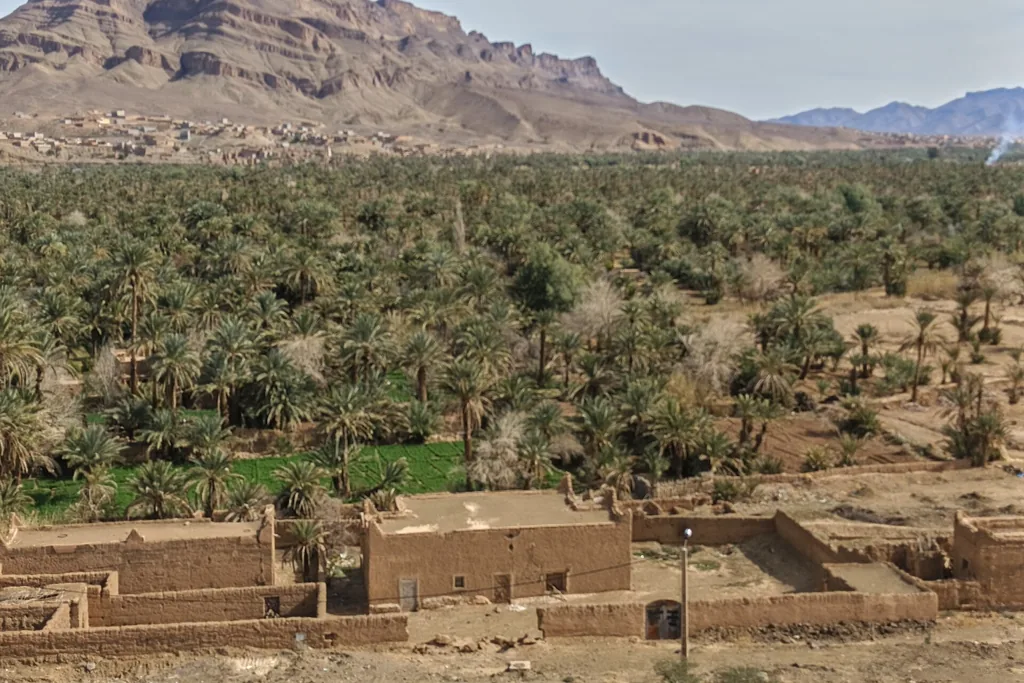
The season carries the south’s great harvest. Through October and into November the date palms of the Draa and Tafilalet valleys are picked — the palmeraies around Agdz, Zagora and Erfoud turn to work, markets fill with the new crop, and Erfoud’s date festival is usually held in October. For the traveller this is the desert at its most alive and most edible, with daytime temperatures at the gateways back in the comfortable twenties and nights cool rather than cold. Walkers get their own version of the same gift — the Atlas in autumn is stable, dry and lit gold, the classic Toubkal weeks fall in September and October, and the high valleys empty of summer’s crowds before the snow arrives to close the high country down.
November is the hinge, and it should be planned as one. The north turns first — rain returns to Tangier, Chefchaouen and the Atlantic north, Fes cools towards its damp winter register, and by late November the high Atlas can take its first real snow, with pass closures possible around storms. None of this ruins a November trip; it reorders it. Put the mountains early in a November itinerary and the south late, expect the desert nights to bite harder than October’s did, and you will catch the last of the year’s easiest travelling before winter redraws the map again.
Winter – December to February
Winter is Morocco’s most misreported season, usually described as a mild disappointment when it is actually two excellent trips wearing one name. The first is the cities-and-desert trip — Marrakech’s average January day reaches about 19°C under a hard blue sky, the medinas are as quiet as they ever get, and the Sahara is in its majestic mode, with days in the comfortable high teens and twenties at the gateways and a silence the busy months never match. The price of that desert is the night: at Ouarzazate, the desert’s gateway town, average January nights fall to around 2°C, and out among the dunes, away from any town’s warmth, clear winter nights can approach freezing. Pack for a mountain night, not a beach evening, and the winter desert is arguably the finest version of it.
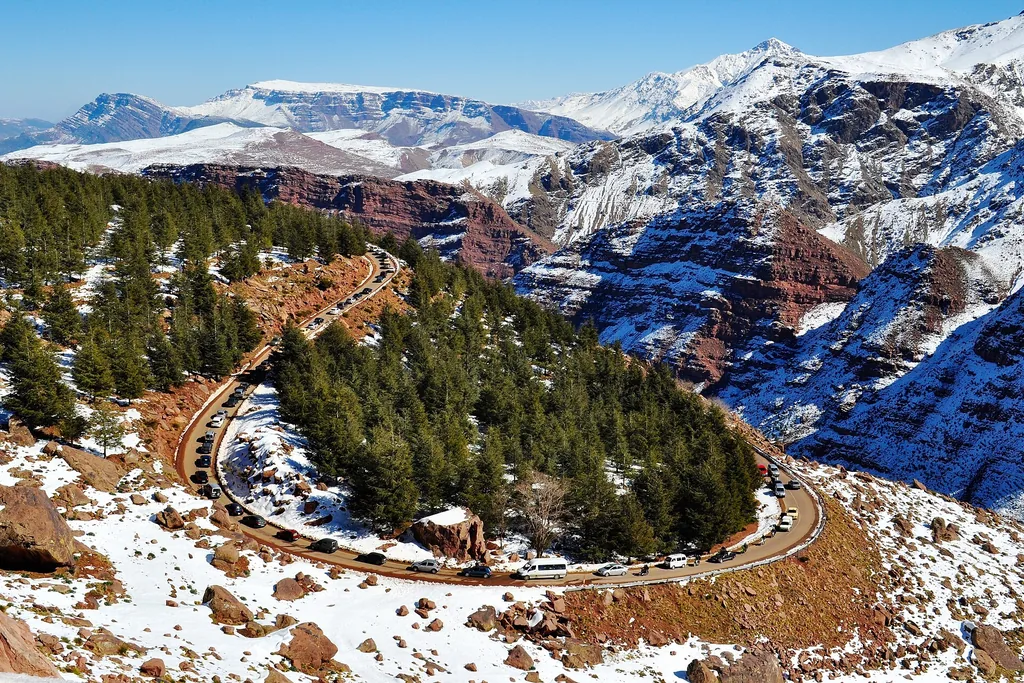
The second winter trip is the one most visitors do not believe exists — Morocco in the snow. The High Atlas takes a real winter: the ski station at Oukaimeden, high above Marrakech, runs a short, snow-dependent season that is usually at its most reliable from January into March, Ifrane in the Middle Atlas styles itself on an alpine village and earns it in a cold snap, and Toubkal becomes a genuine winter mountaineering objective for guided, crampon-equipped climbers rather than a trek. The same snow closes the scenery down for everyone else at intervals — the Tizi n’Tichka and Tizi n’Test passes can shut around storms, and a winter itinerary that depends on crossing the Atlas needs slack built into it.
What winter is not is uniformly gentle. Fes in January averages highs around 16°C with nights near 4°C and the north’s rains at their peak, and a damp Fes medina in February rain is a colder experience than the numbers suggest. The Christmas and New Year fortnight is busy and priced like a peak season, which makes January — quiet, bright, cold at night — the connoisseur’s winter month. Choose winter knowing which of its trips you are taking, dress for the one you chose, and it stops being the off-season and becomes a strategy.
The Atlantic Coast – Essaouira, Agadir and the North
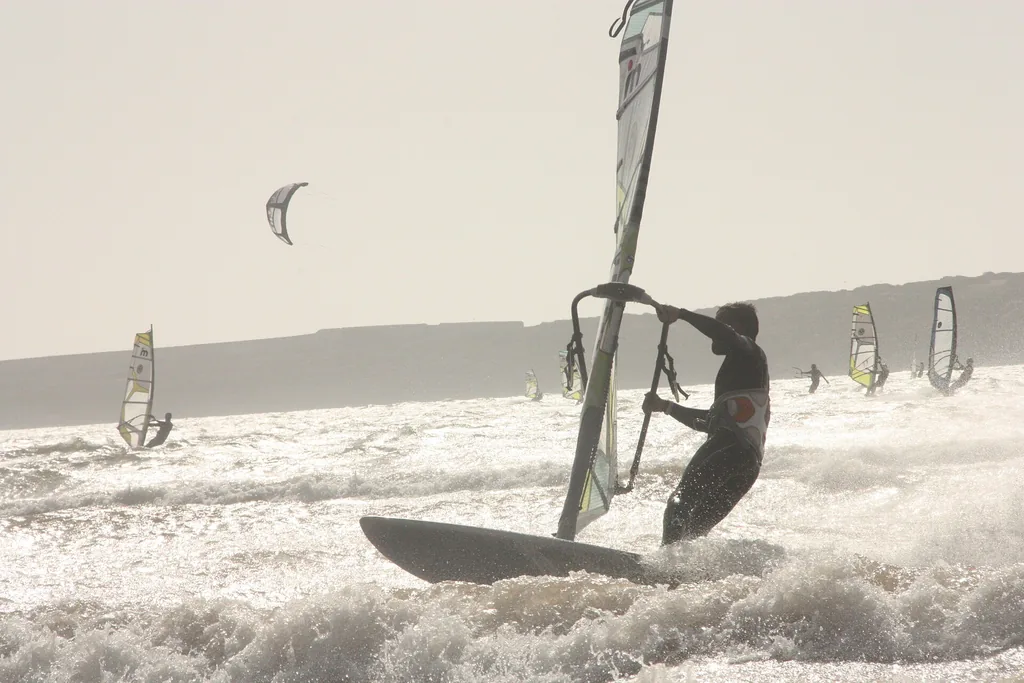
The coast is where Morocco’s calendar flattens, and Essaouira is the extreme case — its station normals barely move across the year, with average highs around 18 to 19°C in midwinter rising only to about 22 to 23°C by late summer. What changes is not the temperature but the wind and the light. The Alizes, the trade winds that pour down this coast, build through spring and blow hardest in the summer afternoons, which is why Essaouira wears its “Wind City” name honestly — glorious if you sail, surf or simply like your heat with the volume turned down, less glorious if your plan was motionless sunbathing, because a July afternoon on that beach can feel cooler than a Marrakech morning in April. Dress the coast in layers in every month and you will never be caught out by it.
South at Agadir the register changes — a broad, sheltered bay, average summer highs in the mid-to-high twenties and winter days mild enough to make it the country’s winter-sun resort, with the one meteorological party trick of summer morning fog that burns off towards midday. The northern coast plays by a third set of rules again: Tangier, Tetouan and the Mediterranean shore take the north’s winter rain between November and March, come into their own from late spring, and peak in August when the whole country holidays. And everywhere on the Atlantic, swimmers should know the ocean itself runs cold year-round — refreshing in August, bracing in April — while the surf calendar runs opposite to the beach one, with the serious Atlantic swells arriving through the winter months for those who come for waves rather than warmth.
The practical read is simple. If your dates are fixed in high summer, the coast is where Morocco stays kind, and a coast-anchored trip with one early-morning dash inland beats an inland trip with a beach day appended. If you come in winter, choose Agadir and the south coast over the rainy north. And if you come in spring or autumn, the coast becomes the flexible element — the place you can add in almost any week of those seasons without the weather arguing back.
The Atlas Mountains – Trekking Seasons and Snow
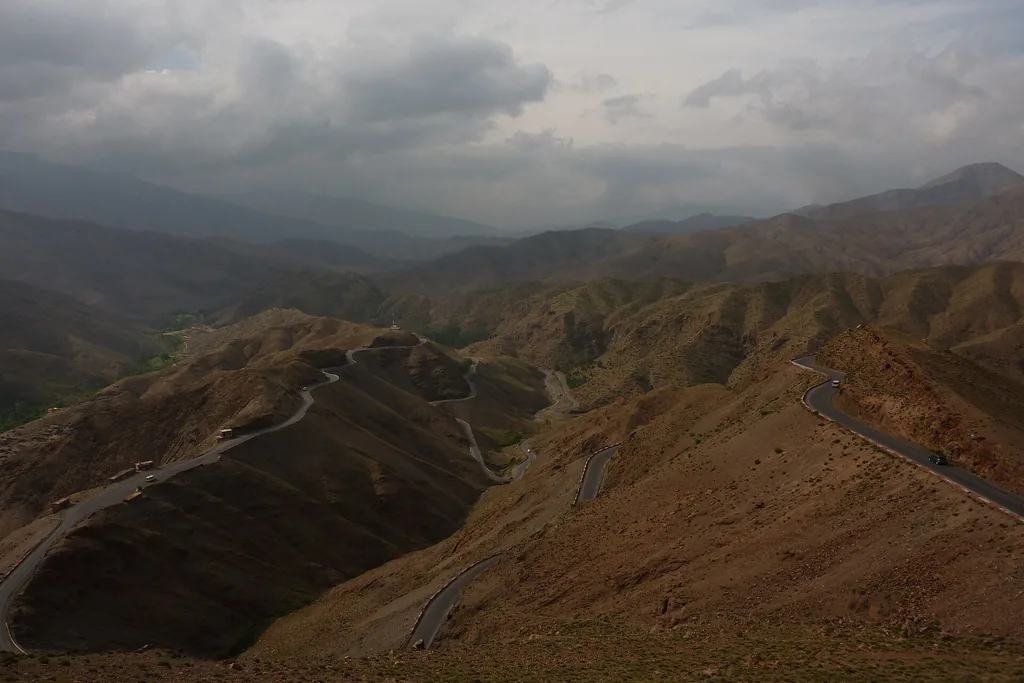
Altitude is the Atlas’s whole climate, and it rewrites the calendar in both directions. The classic trekking seasons on Toubkal and across the High Atlas are spring and autumn — roughly April to May and September to October — when the high paths are largely snow-free, the days are long enough for big stages, and the valleys below are in their green spring or golden autumn dress. Summer moves the comfort zone upward: the valley floors and approach towns bake, but at height the walking is fine and the high pastures are full of life, provided you start early and respect the afternoon thunderstorms that build over the ridges in hot spells. In every season, nights at altitude run cold — a refuge at 3,000 metres does not care that Marrakech sweltered at noon — and layers are not a seasonal question in these mountains but a permanent one.
Winter turns the range into a different discipline. From roughly December to March the high Atlas is snow country — Toubkal is a mountaineering ascent requiring winter equipment and, for most visitors, a guide who knows its moods, the ski lifts at Oukaimeden turn when the snow allows, and the passes that carry the roads south, the Tichka above all, can close for hours or days around storms. Spring carries a subtler hazard in its place — snowmelt and rain soften slopes, rockfall is common on the switchback roads after storms, and rivers in the gorges run high. None of this is a reason to avoid the mountains outside the classic windows; it is a reason to let the mountain set the terms and to ask locally, in the week itself, what the high country is doing.
Match the valley to the month and the Atlas rewards every season. Spring belongs to the green valleys — Ait Bouguemez, Ourika, the almond and cherry country of the lower slopes. Summer belongs to height, to Imlil and the high villages as a cool base above the plains. Autumn belongs to the long clear treks and the harvest valleys. Winter belongs to the snowline itself, skied, climbed or simply looked at from a Marrakech rooftop — the view of the white range above the red city is one of Morocco’s great free sights, and it only exists in the cold months.
The Sahara and the Desert Gateways – Merzouga, Erg Chigaga and the Deep South
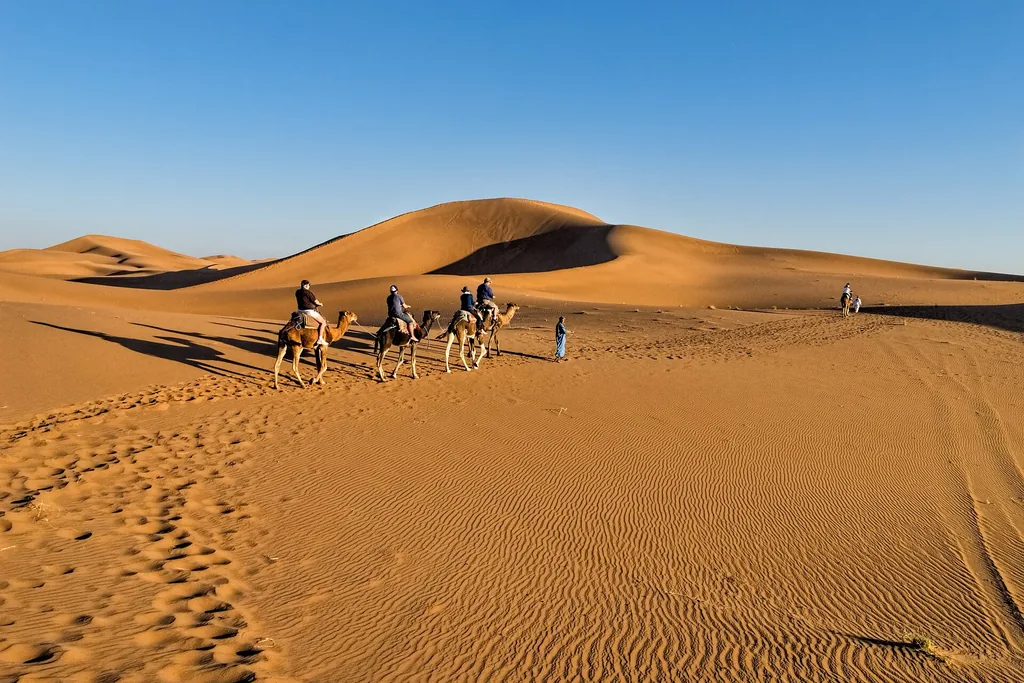
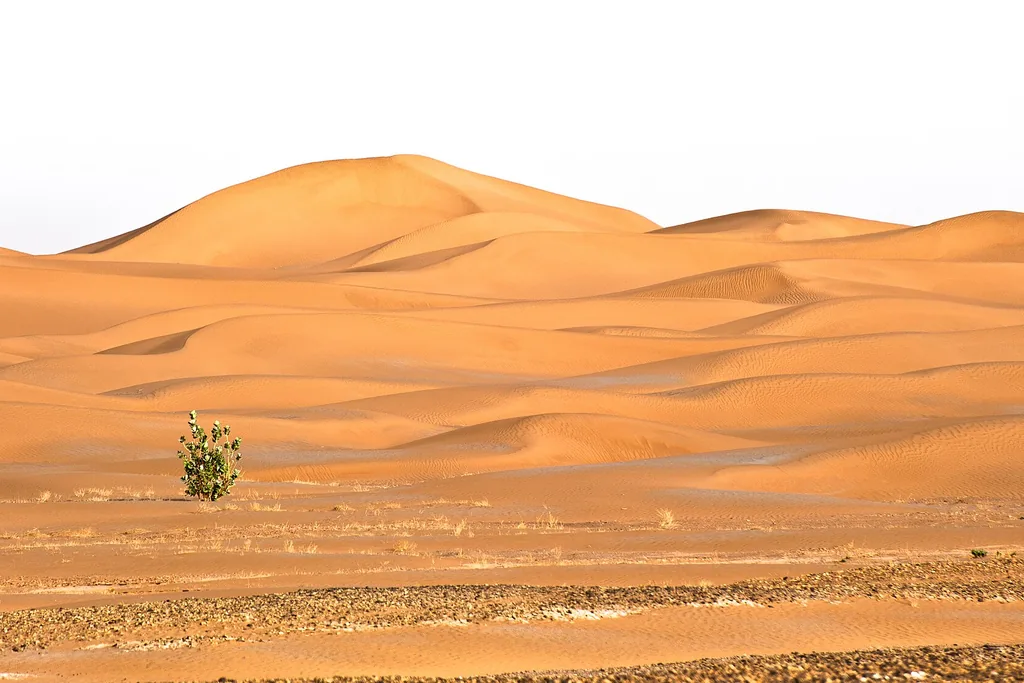
The desert runs the widest temperature swing in Morocco, and timing it is less about finding the good months than about respecting the bad ones. The working season for the dunes — Erg Chebbi at Merzouga, Erg Chigaga beyond Zagora — runs from October to April. Inside it, the character shifts by the month: October and March give warm days and mild nights, the deep winter months of December and January give the clearest, most comfortable walking days of the year at the price of nights that can approach freezing under those famous stars, and April heats steadily towards the season’s end. The gateway towns tell the same story in numbers — Ouarzazate averages a pleasant 17°C by day in January with nights around 2°C, and around 39°C by day in July. A desert night is a sleep-out in a climate, not a photo backdrop, and the right clothes matter as much in January as the right water bottle does in May.
Summer in the deep south is the one outright avoid in this guide. Daytime temperatures in the desert country regularly move into the forties, the sand itself becomes untouchable by midday, and the classic pattern of a sunset camel trek, a night in camp and a sunrise walk collapses into a short evening dash between hours of sheltering from the heat. Some camps shut or run minimal operations in the fiercest weeks, and no itinerary elegance compensates for a landscape you can only look at from indoors. If the desert is the point of your trip — and for many travellers it is the point — then the desert picks your dates, full stop, and everything else in the itinerary arranges itself around October to April.
The desert’s third mood is wind. Blown sand is a possibility in any month, but the risk concentrates in the windy season of late winter and spring, when strong winds can fill the air with dust and sand for a day or more at a time, and hot sirocco-type episodes — the chergui blowing off the Sahara — can arrive in the warm months too, spiking temperatures and turning the sky the colour of the dunes. These episodes cannot be scheduled around, because they are not forecast reliably far ahead; what can be scheduled is slack. Build a spare day into any desert leg in spring, keep the dune night flexible if your operator allows it, and a sandstorm becomes a story about drinking tea in Zagora while the sky turns orange rather than the day the trip broke.
The Imperial Cities – Marrakech, Fes, Meknes and Rabat
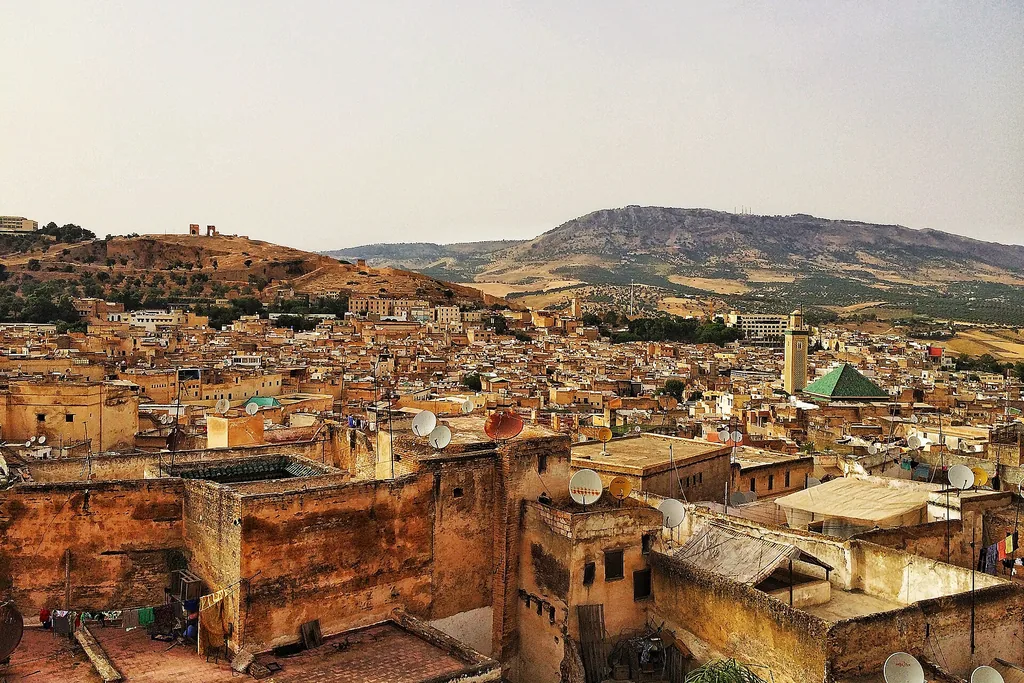
The imperial cities are where the spring-and-autumn slogan comes from, and on their home ground it is true — these are walking cities, experienced at three miles an hour in lanes built for shade and surprise, and the walking months are the mild ones. Marrakech is the warmest of the four and the most extreme: average highs of about 26°C in April and 28 to 29°C in October frame its two great seasons, while July and August push towards 38°C and the winter nights fall to around 6°C even when the days sit near 19°C. Its medina is a masterpiece of passive design — covered souks, narrow lanes, courtyard houses — that makes shoulder-season sightseeing a pleasure and summer sightseeing a discipline of mornings, long lunches and evenings.
Fes runs a few degrees cooler and several shades damper, and the difference matters. Its January averages — highs near 16°C, nights near 4°C — combine with the north’s winter rain to produce the one genuinely cold-feeling city experience in Morocco, while its summers, at around 35°C, bake the Fes el Bali bowl nearly as hard as Marrakech. Meknes follows Fes’s pattern in a quieter key. Rabat, the fourth imperial city and the capital, cheats the whole system by sitting on the Atlantic — its summers are the mildest of the four, its winters the softest, and it is the imperial city to choose when your dates are fixed in a hard month. All four share one underreported fact: rain, when it comes, changes medinas physically — lanes run, courtyards flood, the famous tanneries and dye pits of Fes carry on regardless — so winter city trips need shoes and patience chosen for wet stone.
Time the cities by their own events as well as their weather. The Fes Festival of World Sacred Music is usually held in late spring, when the city is warm but not yet fierce, and the Marrakech of December and early January carries the New Year crowds. The connoisseur’s city weeks are the ones the festivals miss — mid-April into May after the Easter rush, and mid-October into November after the desert-route peak — when the medinas belong to their residents, the light is long, and a rooftop breakfast needs nothing more than a jumper you will shed by ten.
Ramadan and the Festival Calendar
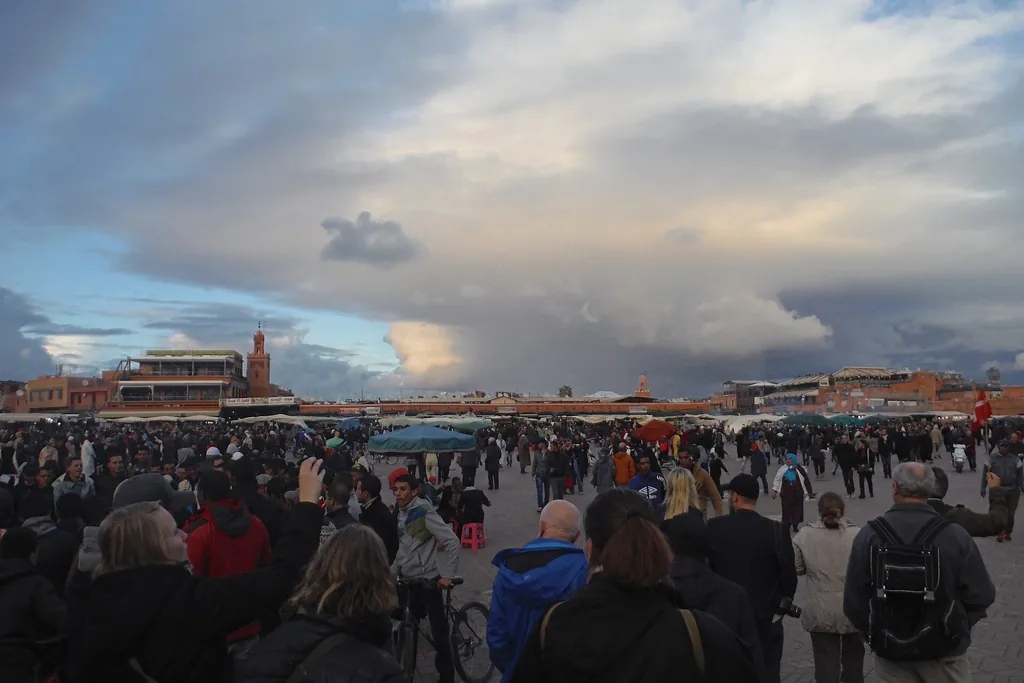
Ramadan deserves better than the treatment it usually gets in guides like this one — a pair of dates printed as if they were a railway timetable. Start instead with how it works. Ramadan is the ninth month of the Islamic lunar calendar, and a lunar year runs about eleven days shorter than the solar one, so Ramadan moves earlier by roughly ten to eleven days every year, travelling through all the seasons over a cycle of about three decades. Its start is confirmed by the sighting of the new crescent moon, and in Morocco the month is officially announced on that basis — which means the dates any article, calendar or tour operator prints in advance are expectations, not fixtures, and can shift by a day when the announcement comes. The practical rule follows directly: when you book, note the expected Ramadan window for your year, and before you travel, verify the announced dates for that specific year rather than trusting anything printed earlier — including anything printed here, which is why this guide deliberately gives you the mechanism and not a date.
What does the month actually change for a traveller? Days run on a fasting rhythm: many cafes and restaurants close or work reduced hours in the daytime — though tourist areas keep options open and hotels feed their guests as usual — public life runs quieter and slower in the afternoons, and eating, drinking or smoking in public during fasting hours is best avoided out of simple courtesy. Then sunset reverses everything: the iftar meal that breaks the fast turns evenings into the day’s main event, food stalls and family restaurants fill, streets and squares like Jemaa el-Fnaa come alive late, and the night runs long and festive. Many travellers who time a trip to overlap Ramadan on purpose count those evenings among their best in Morocco. The genuine friction points sit at the month’s edges — the Eid al-Fitr holiday that ends it brings closures and a national travel surge for a few days, Eid al-Adha follows roughly seventy days later with the same pattern, and transport and accommodation around both Eids need booking ahead. Plan for the rhythm rather than around the month, and Ramadan becomes a texture of the trip instead of a problem in it.
Around that moving centre, Morocco’s fixed festivals still follow the sun. The festival year runs roughly like this — every one of these moves a little year to year, so treat the months as the usual pattern and confirm the current edition before building a trip on one. The almond blossom festival at Tafraoute usually falls in February; the rose festival at Kelaat M’Gouna in May; Fes’s sacred music festival in late spring; Essaouira’s Gnawa festival and Rabat’s Mawazine usually in early summer, with Agadir’s Timitar in the summer weeks; the Imilchil marriage festival in the High Atlas usually in September; and Erfoud’s date festival in October, riding the harvest. A festival can be the best reason to choose a month — or a reason a small town’s beds vanish for a weekend — and which of those it is depends entirely on whether you checked.
Month by Month – The Quick Calendar
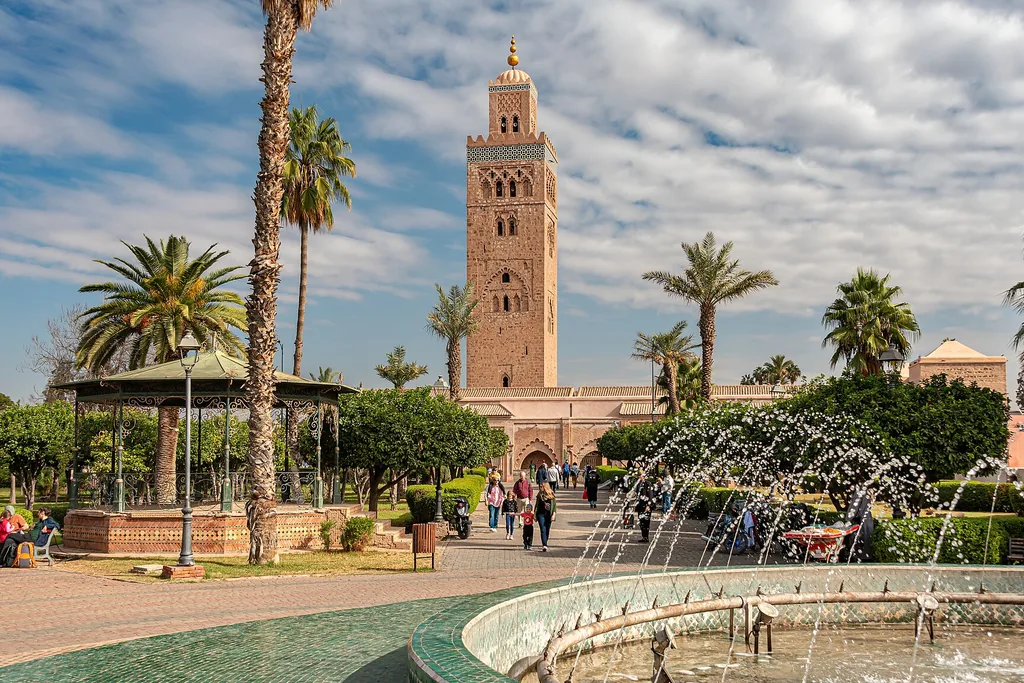
Everything above, compressed for the fridge door. Find your month, read across, and remember that the table describes typical years — the forecast for your actual week always outranks a table, including this one.
| Month | Cities | Coast | Atlas | Sahara | The one-line verdict |
|---|---|---|---|---|---|
| January | Mild days, cold nights, quiet medinas | Agadir pleasant; north wet | Ski season; passes storm-prone | Fine days, near-freezing nights | The quiet bargain month — dress for the nights |
| February | Cool, brightening; Fes still damp | Mild, empty beaches | Snow high; blossom begins low | Good, nights still bitter | Almond blossom and elbow room |
| March | Warming up; some rain about | Bright, windy spells | Melting; valleys greening | Last easy month before the heat | The hinge — good, not yet guaranteed |
| April | Prime walking weather | Mild and bright | Classic trekking begins | Warm days, kind nights | The all-round month, first choice |
| May | Warm, long days | Lovely; wind at Essaouira | Green valleys, roses below | Heating up — go early in the month | Spring’s generous tail |
| June | Hot by day; start early | Festival season opens | High valleys in season | Too hot for long days | Coast and mountains, cities at dawn |
| July | Fierce in Marrakech and Fes | The refuge at its best | Cool nights at altitude | Avoid | Summer rules — sea or height only |
| August | Fierce; national holidays | Packed, breezy, festive | Busy high valleys | Avoid | Morocco’s own holiday month — join it or skip it |
| September | Heat breaking late in the month | Warm sea, thinner crowds | Golden trekking returns | Returns late in the month | The hinge back — better late than early |
| October | Prime | Warm and soft | Classic trekking; harvest valleys | The desert at its best; dates picked | The all-round month, second choice |
| November | Cooling; rain returns north | Quiet, mild in the south | First snow late in the month | Good; nights sharpen | South first, mountains early |
| December | Sunny days, cold nights; festive peak late | Agadir winter sun; north wet | Ski season opens if snow allows | Majestic days, freezing nights | Two trips in one — choose yours |
Used well, the table works backwards as happily as forwards. Fix the region you care about most, read down its column for the months when it glows, and then check what those months do to the rest of your route — the compromises are usually mild, and they are always visible in advance, which is the entire difference between a trip designed around Morocco’s climates and a trip ambushed by them.
Frequently Asked Questions
What is the single best month to visit Morocco?
April, with October as the closest of seconds. In April the cities sit in their mid-twenties, the Atlas is opening up with the valleys green below the snowline, the coast is bright, and the desert is warm without being dangerous. October repeats the trick in reverse, adding the date harvest and a warmer sea, and loses only because its desert and cities run a touch busier. If your trip leans heavily on one region, let that region overrule the general answer — a Sahara-first trip can prefer February, and a coast-first trip can prefer June.
Is August a bad time to visit Morocco?
It is a bad time to visit inland Morocco and a perfectly good time to visit coastal and mountain Morocco, and the honest answer has to keep those two halves separate. Marrakech and Fes in August are extreme-heat cities where sightseeing belongs to the early morning and evening, the desert is genuinely inadvisable, and you would spend the trip managing the weather. Essaouira, Agadir, Tangier and the high Atlas in the same month are busy, breezy and pleasant — August is when Moroccans take their own holidays, and they take them exactly there.
How cold does the Sahara get at night in winter?
Colder than almost every visitor expects. At the gateway towns the winter normals already show nights around 2°C in January, and out in the dunes, under a clear sky with no town around, temperatures on the stillest December and January nights can approach freezing. Camps provide blankets and the tents cut the wind, but a winter desert night calls for the same layers you would pack for a mountain evening — thermal top, warm jacket, hat. The reward for dressing properly is the desert at its best: hard clear days, huge skies and no heat to hide from.
Should I avoid travelling during Ramadan?
No — but you should travel differently during it, and you should know it is coming, which is why this guide explains the mechanism rather than printing dates that may move. Expect quieter days, some daytime closures outside tourist areas and a slower afternoon rhythm, and expect the evenings to more than compensate — iftar crowds, food stalls firing up at sunset, squares alive late into the night. Book around the two Eids with more care than the month itself, verify the current year’s announced dates before you go, and treat the fast with visible courtesy in public. Many travellers leave rating a Ramadan trip above an ordinary one.
When is sandstorm season in the Moroccan desert?
There is no single sandstorm month, but the risk is not evenly spread. Blown sand and dust are most likely in the windy stretch of late winter and spring, when strong desert winds are common, and hot chergui episodes can carry dust in the warm months as well — occasionally far beyond the desert, tinting skies over the cities and the coast. Individual storms are short-notice weather, not calendar events, so the defence is slack rather than avoidance: a spare day on a spring desert leg, a flexible dune night, and no hard connection scheduled for the morning after your one night in the dunes.
Can I ski and sleep in the Sahara on the same trip?
Yes — in winter, that improbable sentence describes one of Morocco’s classic journeys. In January or February you can spend a morning on the slopes at Oukaimeden above Marrakech, cross the High Atlas while it is dressed in snow, and be in the dunes within a couple of days, sleeping under desert stars the same week you skied. It works precisely because the country’s climates are stacked so close together. It also demands the winter packing list at both ends — ski layers and desert-night layers are, conveniently, much the same layers.
The Short Version
Morocco does not have a best time to visit; it has four, and they belong to four different countries sharing one map. If you are taking the classic mixed trip and can choose freely, choose April into May or late September into October and let every region be kind to you at once. If your dates are already fixed, fix your geography instead — coast and mountains in summer, desert and cities in winter, and the whole map in the shoulder seasons. Whatever your month, check whether Ramadan overlaps it, verify that year’s announced dates rather than trusting any printed ones, and build a day of slack into any leg that crosses the Atlas or sleeps in the dunes.
The route that runs through these windows is laid out day by day in our Morocco itinerary, and the Moroccan National Tourist Office keeps the country’s official visitor information at visitmorocco.com for the details that change faster than any guide can. Choose the season that fits the Morocco you actually want — the snowy one, the windy one, the harvest one or the furnace you are wisely avoiding — and the calendar stops being a risk and becomes the first good decision of the trip.