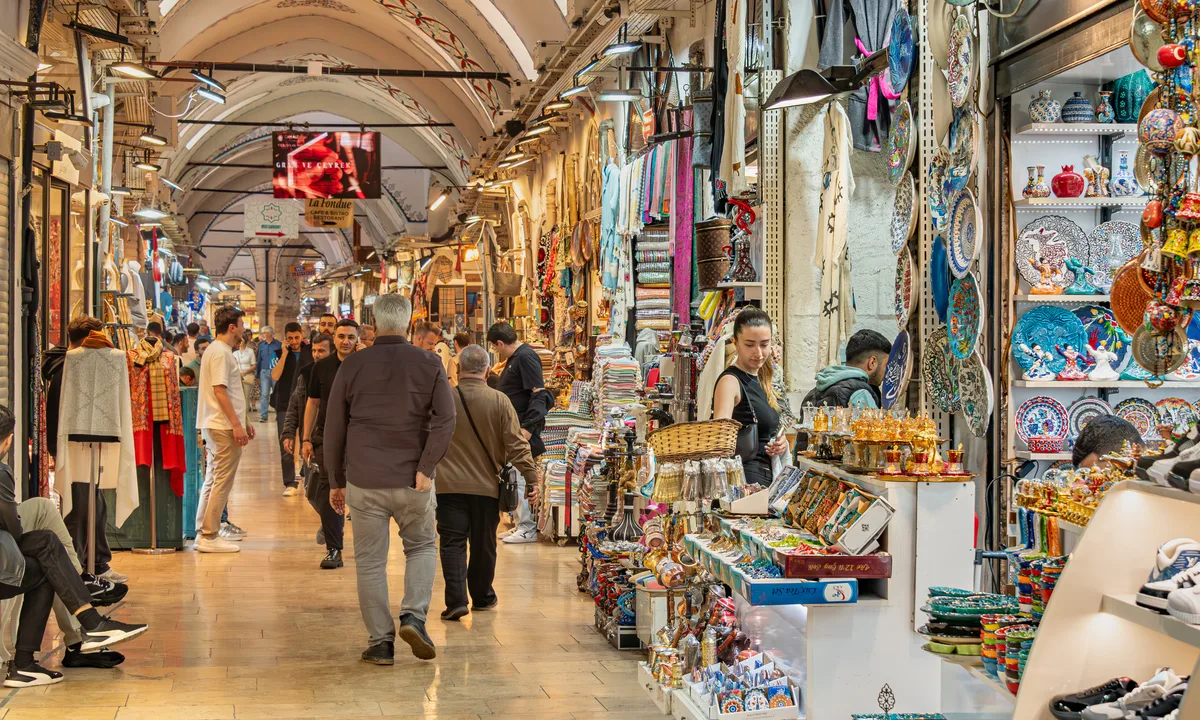
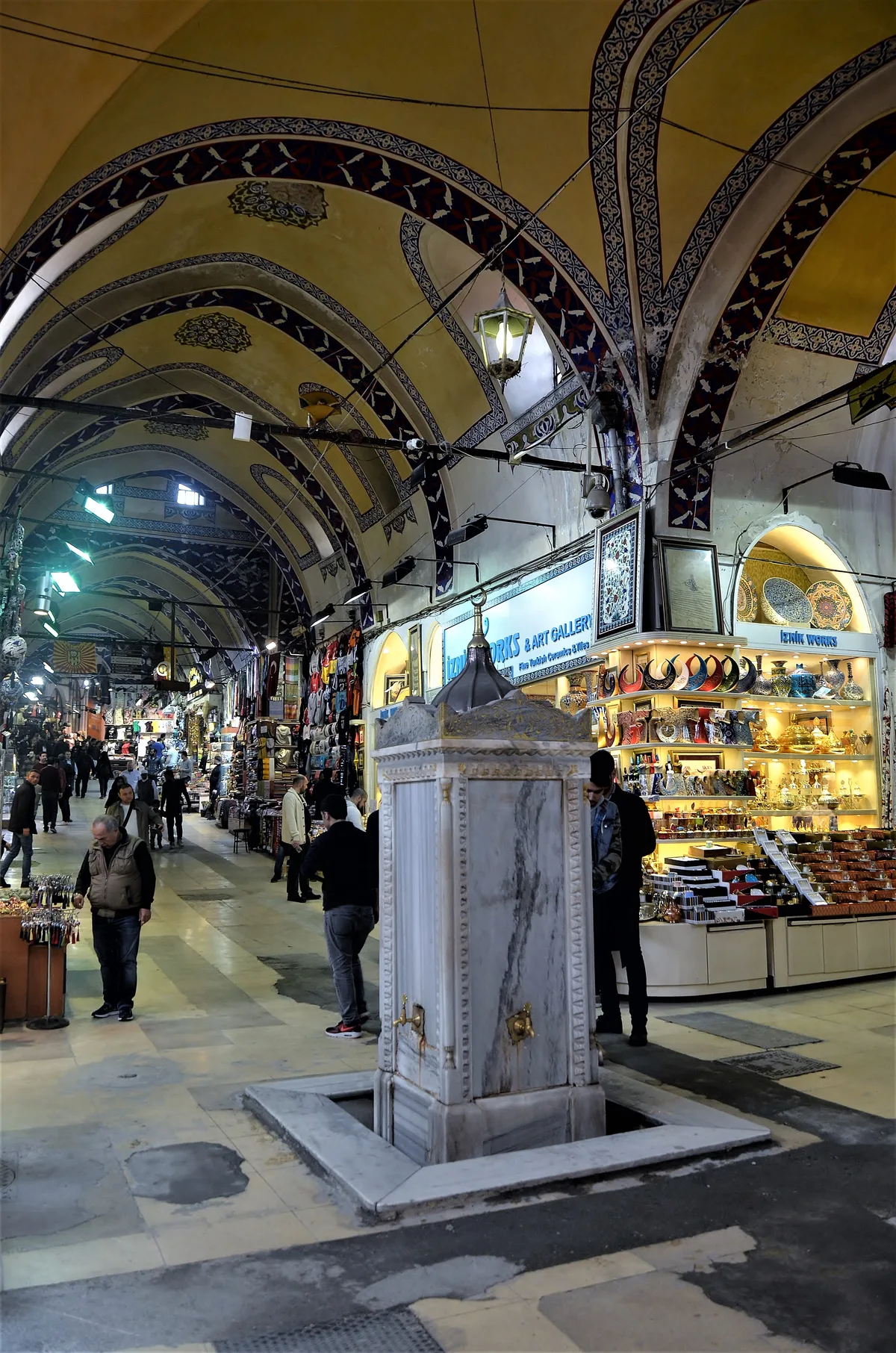
The Grand Bazaar is not a sight you visit between other sights. It is a small roofed city that happens to sell things – more than sixty covered streets by the usual count, thousands of shops, its own mosques, fountains, police post and coffee houses, all of it trading on the same few hectares of Istanbul’s old town since the fifteenth century. This grand bazaar istanbul guide treats it the way it deserves to be treated: as a place with a structure you can learn, a geography of trades you can read off the street names, and a way of doing business that makes complete sense once somebody explains the rules honestly – including the rules nobody puts in the brochures, like how the haggling ritual really works and where the pressure scripts begin.
Start with the single most useful fact about Kapalıçarşı, to give the bazaar its Turkish name: it is organised. The chaos is only on the surface. Underneath, the bazaar is a grid of named streets, each historically assigned to one trade, wrapped around two stone bedestens – the fireproof vaulted halls where the most valuable goods were locked away at night. Gold still runs down the street it has occupied for generations. Carpets still gather on the carpet-sellers’ street. Learn that skeleton and the labyrinth becomes a map; ignore it and you will walk in circles past the same lamp shop four times, which is also, to be fair, a traditional way to spend an afternoon here.
The bazaar sits inside the Historic Areas of Istanbul, the UNESCO-listed old city inscribed in 1985, on the slope between the Beyazıt and Nuruosmaniye mosques, a short uphill walk from Sultanahmet. If it is one stop in a longer stay, build the rest of the old town around it with our Istanbul travel guide – the bazaar pairs naturally with a morning at the mosques and an afternoon drifting downhill to the Spice Bazaar. Give it two to three hours at minimum, arrive with either a purpose or a cheerful lack of one, and read the haggling section of this grand bazaar istanbul guide before you go, not after your first purchase.
Grand Bazaar at a Glance
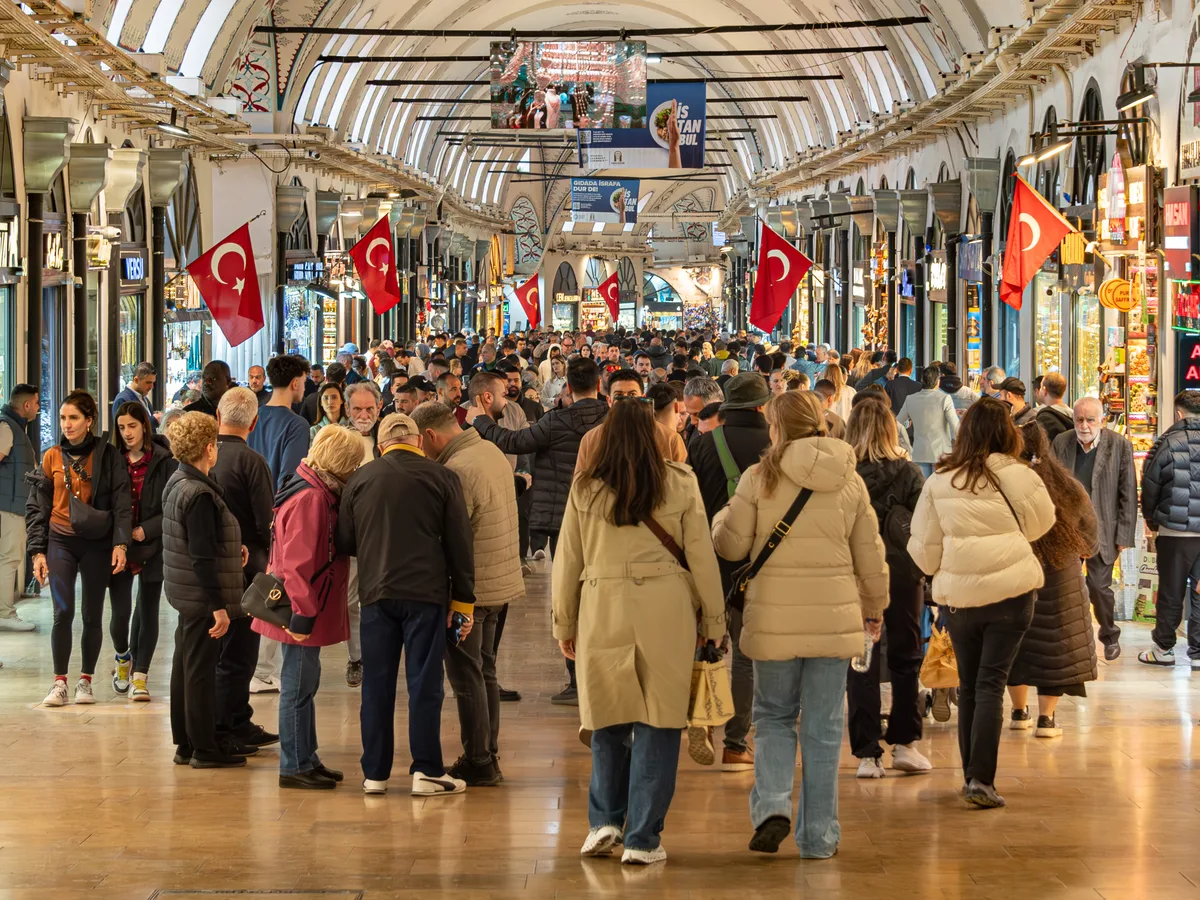
The bazaar in one paragraph of orientation: entry is free and always has been – it is a market, not a museum, and you walk in through any open gate. The Ministry of Culture and Tourism’s Culture Portal lists it as open every day except Sundays and religious holidays, between 08:30 and 19:00 (checked 31 October 2026), and individual shops keep their own rhythm inside that frame, so the first and last half hours of the day are the quietest and the least fully open. There are more than twenty gates by most counts; the four that matter to a first-time visitor are Beyazıt, Nuruosmaniye, Çarşıkapı and Mahmutpaşa. Everything else in this guide hangs off those facts.
| Question | Answer |
|---|---|
| What is it | One of the world’s oldest and largest covered markets – a working bazaar founded in 1461, still trading |
| Where | Beyazıt, in Istanbul’s Fatih district, between the Beyazıt and Nuruosmaniye mosques |
| Opening days | Monday to Saturday in current arrangements; closed Sundays and on religious holidays (Culture Portal, checked 31 October 2026) |
| Opening hours | 08:30-19:00 per the Culture Portal; individual shops open and close inside that window |
| Entry | Free – no ticket, no booking; walk in through any open gate |
| Size | 45,000 square metres and 3,600 shops per the Ministry of Culture and Tourism; street counts in print run from 58 to more than 60 |
| How long | Two to three hours for a first visit with browsing; half a day if you are seriously shopping |
| Best first move | Enter by one main gate, walk the gold street to the Old Bedesten, then work outward street by street |
Two cautions belong in the glance table rather than buried in the text. First, the figures: you will see the bazaar described elsewhere with larger numbers – over 4,000 shops, 61 streets, hundreds of thousands of visitors a day. Counts differ because counters differ (whether the surrounding hans and outer streets are included changes everything), so this guide uses the Ministry’s published figures and hedges the rest. Second, the hours: some guidebooks print a 09:00 opening. The Culture Portal’s 08:30 is the official listing and the one this guide follows, but a shopkeeper is under no obligation to be cheerful, or even present, at 08:35. Treat the published window as the bazaar’s frame, not every shop’s promise.
1461 – A Stone Vault, a Sultan’s Endowment and the Bedesten Core
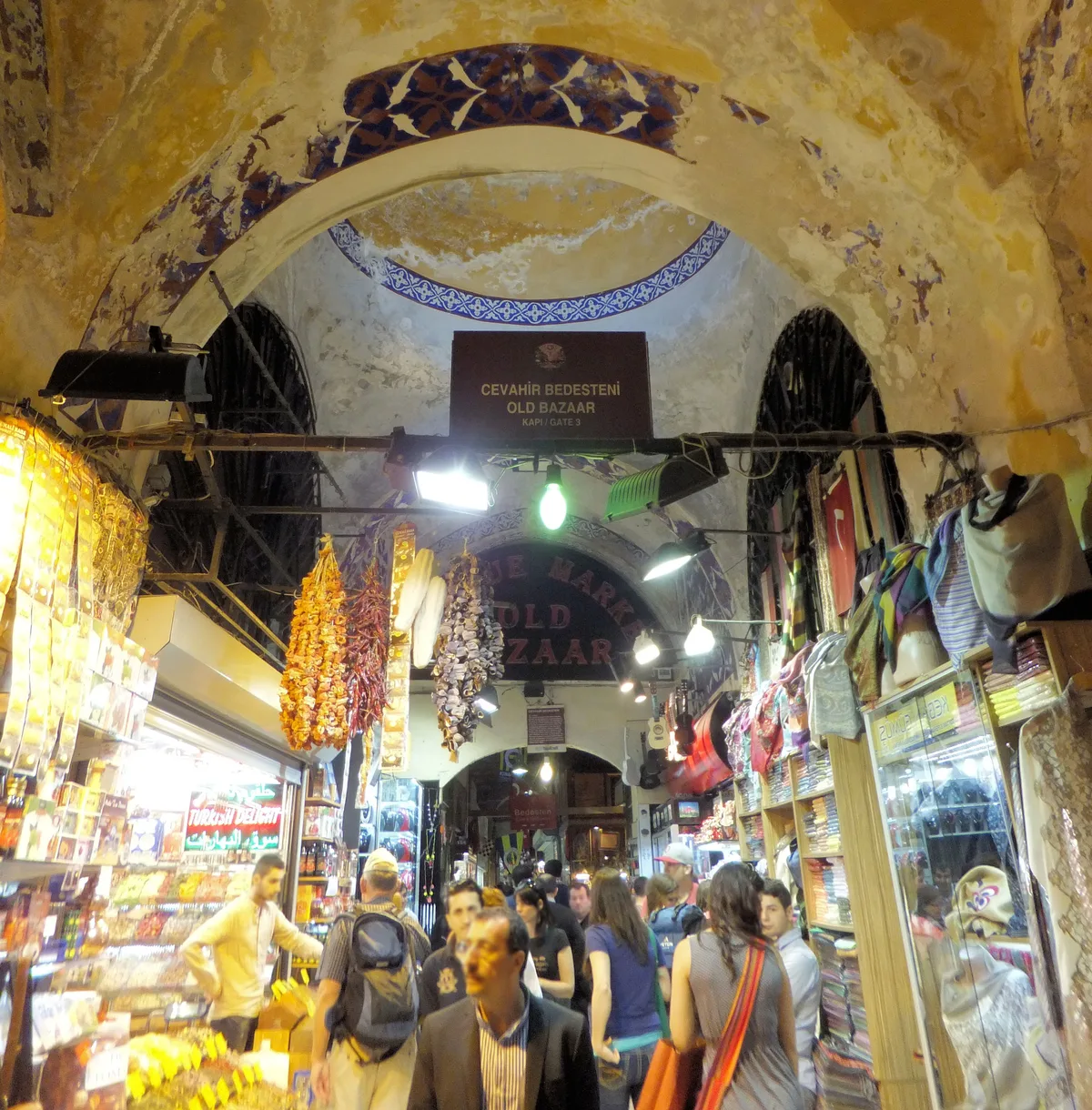
Every old market has a founding story; the Grand Bazaar’s is unusually well documented, because it was not a folk growth but a state project. After conquering Constantinople in 1453, Mehmed II set about rebuilding his new capital’s economy, and the mechanism he used was the waqf – the charitable endowment. Great mosques and complexes were funded by income-producing property attached to them, and the most reliable income-producer in any Ottoman city was a bazaar. In 1461, by the account of Türkiye’s Ministry of Culture and Tourism, the foundation of the bazaar was laid as a revenue source for Hagia Sophia, then the empire’s greatest mosque. At its centre stood the bedesten: a stone, domed, lockable hall – part warehouse, part vault, part bank – where merchants of the most valuable goods, jewellers and dealers in precious cloth and stones, traded by day and stored their stock in iron-doored safety by night.
That first hall is still there, and still findable, which is more than most 560-year-old retail premises can claim. The Cevahir Bedesteni – the Jewellers’ Bedesten, also called the İç (Inner) or Eski (Old) Bedesten – is a rectangle of thick stone walls under fifteen domes, and it remains the bazaar’s historic and geographic heart. A second bedesten followed: the Sandal Bedesteni, named for the sandal cloth, a silk-and-cotton luxury fabric woven in Bursa, which was traded under its twenty domes. Around and between these two stone cores, the market grew the way ice grows on a pond – outward, along streets that were roofed over one by one, each street colonised by a single guild-like trade, until the covered bazaar covered a district.
Fire and earthquake edited the bazaar repeatedly. The stone bedestens survived disaster after disaster precisely because they were built as vaults; the wooden shop rows around them burned and were rebuilt, burned and were rebuilt again, most comprehensively after the great earthquake of 1894. What you walk through today is therefore a layered thing – a fifteenth-century stone skeleton, streets rebuilt across the sixteenth to nineteenth centuries, and a working market that has never once stopped trading for long enough to become a monument. Evliya Çelebi, the seventeenth-century Ottoman traveller, already described it as a city within the city; the description has been recycled ever since because nobody has bettered it.
The other thing the founding explains is the bazaar’s seriousness. This was never only a souvenir souk. For centuries the bedestens functioned as the empire’s strong room and informal financial centre – the Culture Portal notes that the bazaar acted, in its great years, almost as a bank, holding valuables and capital for the city’s merchants. That memory survives in the gold street’s bank-like sobriety today, and it is why this grand bazaar istanbul guide keeps insisting on the same point: you are not visiting a theme park of Ottoman commerce. You are visiting the original, still at work, with tourists added.
Reading the Layout – Gates, Streets and Hans
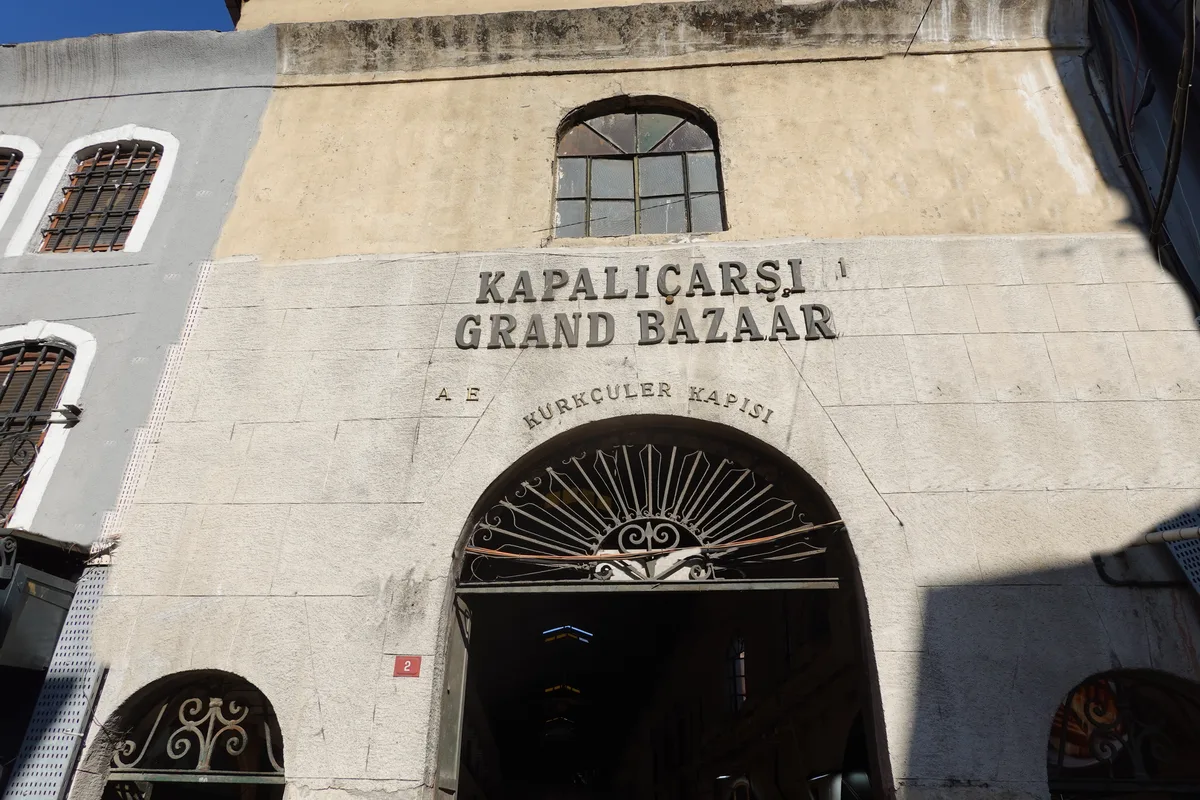
The bazaar’s plan confuses people because it is not a plan at all – it is an accretion. But it has a legible logic, and it is this: two bedestens at the centre, an east-west main axis, trade streets running off it, courtyard hans tucked behind the streets, and gates where the streets meet the city. The main axis is Kalpakçılar Caddesi, the wide, bright, jewellery-heavy street running from the Nuruosmaniye Gate in the east to the Beyazıt Gate in the west. Halfway along it, the Old Bedesten sits just off the axis like a keep. Cross-streets run north and south, and their names are the map: in the Ottoman system, traders of one kind were concentrated on one street, and the street took the trade’s name. The names mostly survive, and – this is the part that still works – the trades mostly survive with them.
So the street names are a directory written in Turkish occupational nouns. Kuyumcular Caddesi is the jewellers’ street. Halıcılar is the carpet men’s street. Kürkçüler belonged to the furriers, Yağlıkçılar to the handkerchief sellers, Aynacılar to the mirror sellers, İplikçiler to the yarn trade, Hazırelbiseciler to the sellers of ready-made clothes. Kalpakçılar itself is named for the makers of kalpaks, fur caps – a trade that vanished from its own street, which the goldsmiths and jewellers then took over so completely that most visitors assume the street was always the gold street. Learn six or seven of these names and you can navigate by them: find a street sign, translate the trade, and you know what will be sold around you and roughly where you are in the whole.
The gates are the other half of orientation. There are more than twenty entrances by most counts, from grand stone portals to gaps you could miss, but four do most of the work. The Nuruosmaniye Gate, beside the baroque Nuruosmaniye Mosque, is the grandest entry and the usual start from Sultanahmet, delivering you onto Kalpakçılar at its jewellery end. The Beyazıt Gate opens towards Beyazıt Square, the university and the book bazaar. Çarşıkapı serves the tram stop of the same name on the south side. Mahmutpaşa Gate, on the north, spills you downhill into the Mahmutpaşa market streets towards Eminönü and the Spice Bazaar – the natural exit for the combination walk described later in this guide. Note your entry gate, or photograph it; the bazaar’s oldest practical joke is that every street looks like the one you came in by.
Finally, the hans. A han is a courtyard building – two storeys of rooms around an open court, built to lodge merchants, store goods and house workshops. The bazaar and its skirts hold dozens, and they are where the bazaar keeps its second life: carpet repairers, silversmiths, polishers, small ateliers, tea served to men who have worked in the same rooms for decades. The most beautiful, Zincirli Han, gets its own passage later in this guide. For layout purposes, simply register that the streets are the bazaar’s face and the hans are its hands – and that ducking through a low doorway into a quiet, fountain-centred court is the single best recovery move when the main streets overwhelm you.
The Gold Spine – Kalpakçılar and Kuyumcular
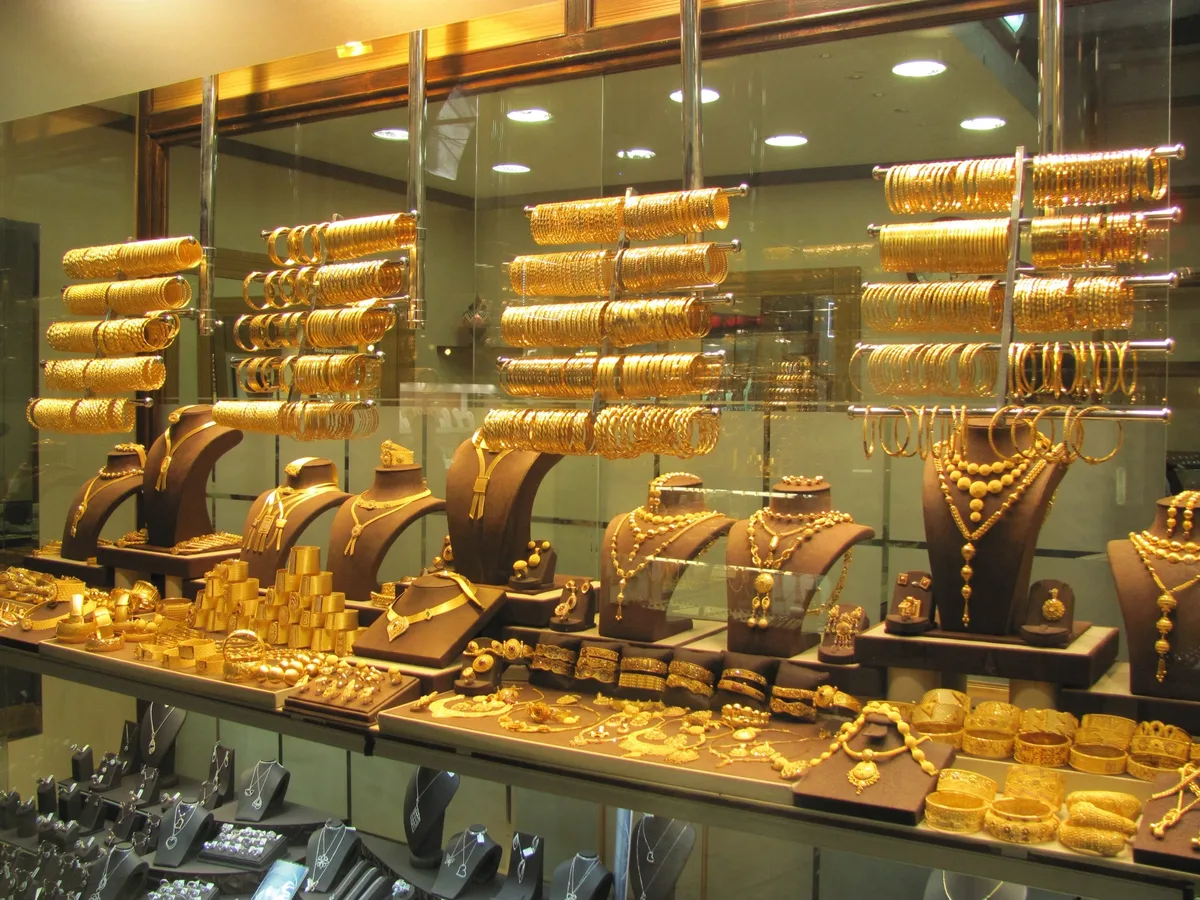
Every bazaar has a main street, but few main streets announce themselves like Kalpakçılar. Enter from the Nuruosmaniye side and the light changes: shopfront after shopfront of gold, window displays stacked with bracelets, necklaces, coins and rings in the deep yellow of high-carat Turkish gold, each window lit like a small stage. This is the bazaar’s spine and its bank vault at once. The gold trade concentrated here and on Kuyumcular Caddesi, the jewellers’ street that crosses the axis near the centre, because gold was what the bedestens were built to guard – and the geography has held for centuries. Locals, not tourists, are the gold street’s serious customers: gold in Türkiye is a savings instrument and a gift economy in metal, bought for weddings, births and circumcisions, and sold back when needed. That is the context that makes the street work the way it does.
The mechanism of buying gold here is different from buying anything else in the bazaar, and worth understanding before you browse. Gold jewellery is generally priced from the weight of the metal and the day’s gold rate, plus a workmanship charge – the making fee for the piece’s design and labour. The metal part of the price moves with the market and is not really negotiable; the workmanship part is where any discussion happens. A reputable shop will weigh a piece in front of you and explain the split if you ask. This is also why gold windows rarely carry the bazaar’s theatrical haggling: the commodity is priced by the gram in a way a carpet is not. If a gold price seems wildly below the street’s other windows for identical weight and carat, the questions to ask are about carat and weight, not about your bargaining genius.
Two honest qualifications belong in any grand bazaar istanbul guide treatment of the gold street. First, this is a guide to the market, not an investment column: whether a bracelet is a good store of value depends on carat, the buy-back terms and the spread between buying and selling prices, and no visitor should treat holiday jewellery as a financial strategy. Buy gold here because the workmanship is beautiful, the selection is enormous and the street’s reputation disciplines its sellers – and get the weight, carat and price written on a proper receipt, as the established shops do as a matter of course. Second, the coins and plain bracelets you will see locals buying are the street’s bread and butter; the elaborate tourist-facing sets are a sideline. Watching the local trade – brisk, unceremonial, by weight – is the best short course in how the bazaar actually functions.
Kuyumcular, crossing near the Old Bedesten, runs slightly different in character: more workshops among the showrooms, more silver among the gold, and the little nineteenth-century kiosk that stands mid-street – built as a famous milk-pudding shop, long since converted to jewellery – as a useful landmark. If you are buying one serious piece on a trip to Istanbul, this cross of two streets is where the comparison shopping is densest, the reputations oldest and the tea most frequently offered. Take the tea. On the gold street it comes without theatre, and the conversation that follows it is simply how business has been opened here for five hundred years.
Halıcılar – Carpets and Kilims, and How to Survive Them
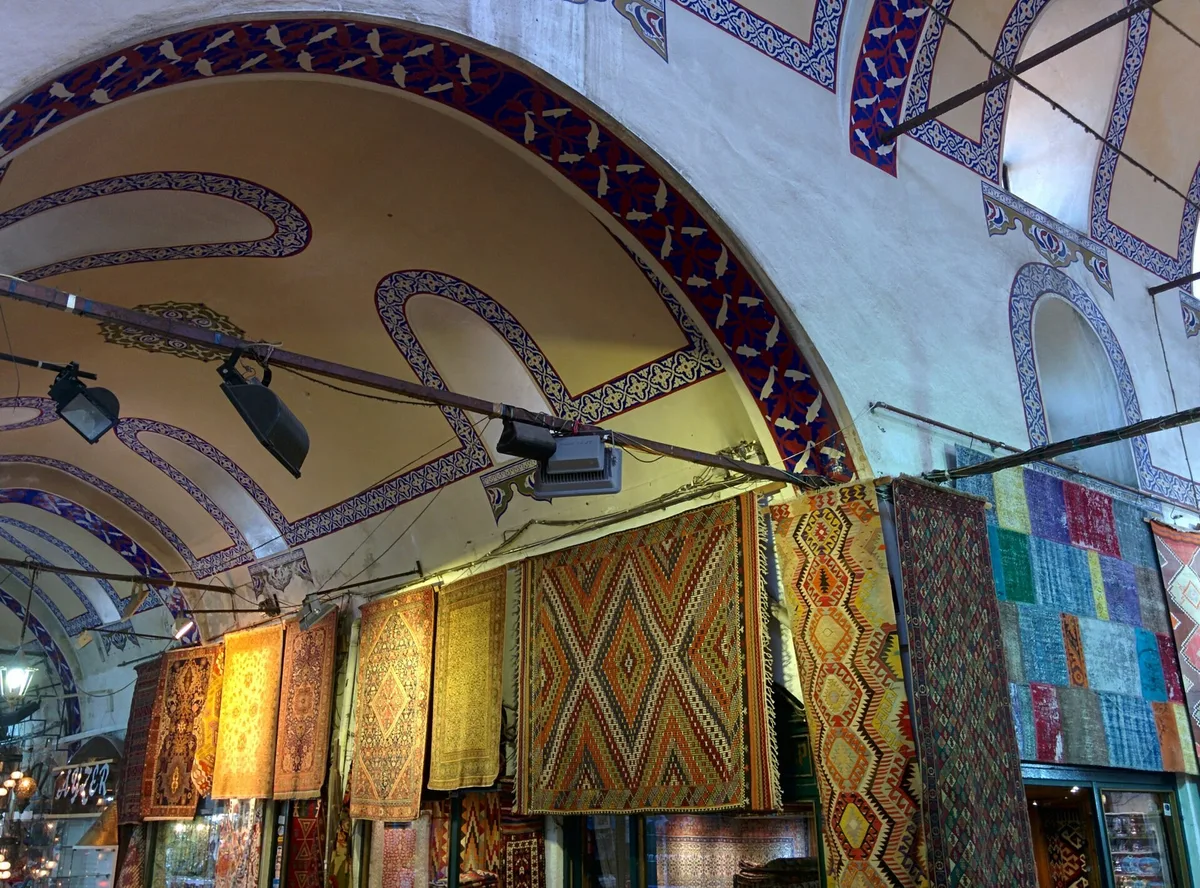
West of the centre runs Halıcılar Caddesi – the carpet-sellers’ street, though carpet shops have spread well beyond it – and this is the bazaar at its most theatrical and, for the unprepared, its most hazardous. Not dangerous; nothing here will harm you. Hazardous to your afternoon and possibly to your resolve, because the carpet trade is the bazaar’s highest art form of selling, and a good carpet dealer is a performer with a floor show: carpets unrolled one over another across the shop floor in a rustling cascade, each announced with a village, a tribe, a dye story and a pedigree, tea arriving at exactly the moment your resistance softens. It is genuinely enjoyable theatre. Go in understanding that it is theatre with a till.
The goods themselves deserve the attention. A Turkish carpet tradition runs through distinct families that this guide can only sketch: knotted-pile carpets from weaving towns such as Hereke (famous for fine, dense, often silk work), Gördes, Kula and Ladik; flat-woven kilims, lighter and graphic, from every corner of Anatolia; and the named prayer-rug formats with their mihrab arches. The honest variables are material (wool, cotton warp, silk, or blends), knot density, dye (natural versus synthetic, a distinction sellers stretch), age, and condition. You do not need to master them. You need to know they exist, because the price of a carpet is a story told about those variables, and the story is precisely where a smooth seller can separate a carpet’s price from its worth.
Practical method, distilled. Decide your maximum size, colour family and budget before entering any shop, because the floor show is designed to dissolve all three. Ask to see pieces within those limits and have the ones you like set aside, face up, in a short pile; then compare the short pile under the same light. Turn a carpet over: the pattern should show through the back nearly as clearly as the front on a genuinely hand-knotted piece, and you can see the knots themselves. Ask directly whether a piece is hand-knotted or machine-made, wool or blended, new or old – and watch whether the answers stay consistent, because consistency, not fluency, is the tell of an honest shop. A serious dealer welcomes the questions; the bazaar’s established carpet houses have reputations measured in decades and repeat customers on other continents.
And the ritual’s exit door: you are allowed to leave. The unrolling of twenty carpets creates a felt debt, and the debt is entirely imaginary – unrolling carpets is the job, done for browsers all day, and the dealer knows the conversion rate better than you do. Thank them, praise the best piece honestly, and walk. If you buy, have the price, material, size and any shipping arrangement written on the receipt, and take the shop’s card. This grand bazaar istanbul guide will not insult you with folklore percentages for how much to offer: the opening price of a carpet in a tourist-facing shop is an invitation to negotiate, the size of the gap varies by shop and piece, and your protection is not a magic fraction but the comparison shopping you did on the same street before you sat down.
Ceramics, Tiles and the Painted Bowl Trade
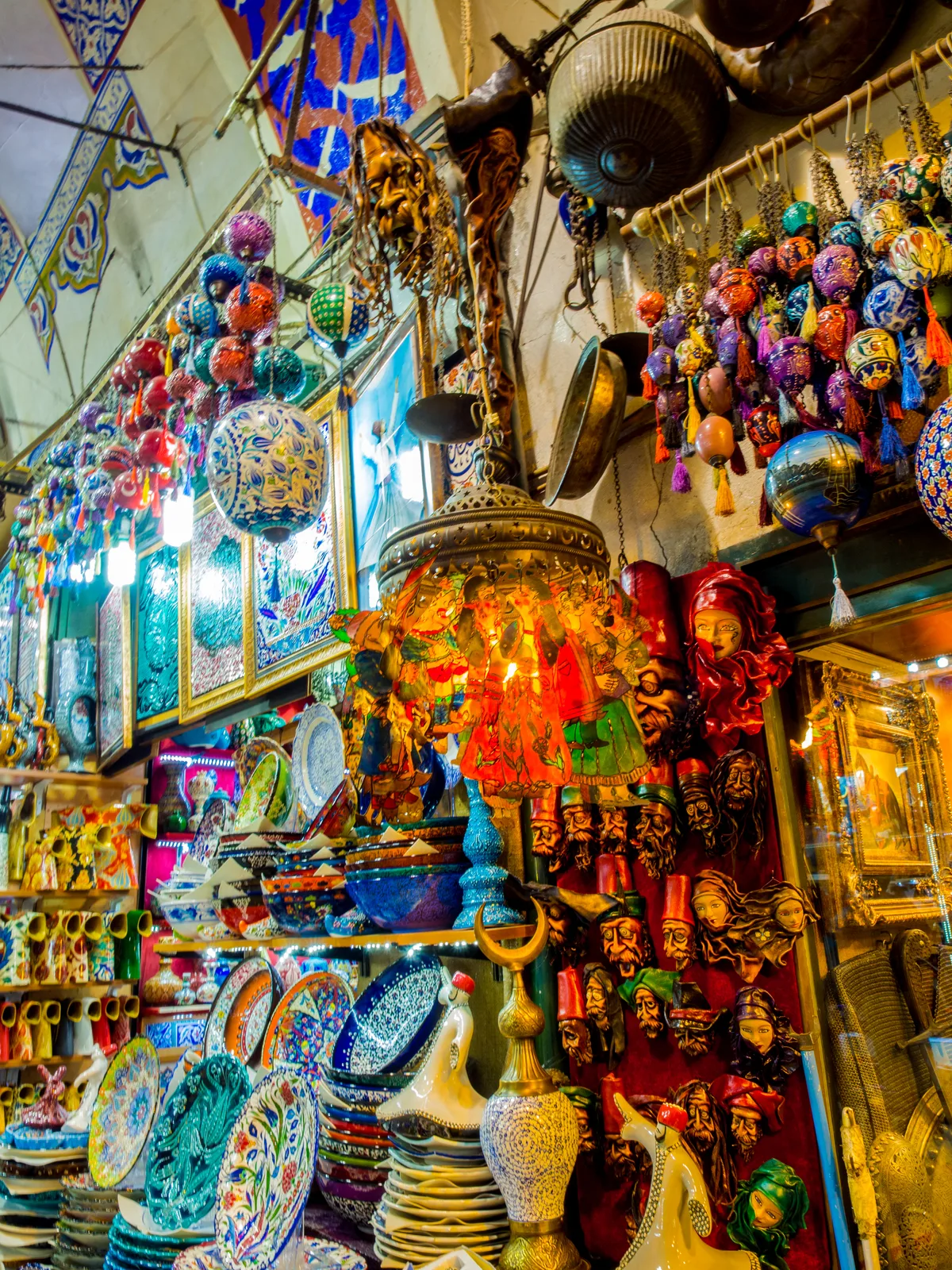
The ceramics shops are the bazaar’s colour riot: walls of bowls, plates, jugs and tiles in the cobalt, turquoise and raised-red palette the world calls İznik style. A small geography lesson saves money here. İznik itself, the town whose sixteenth-century kilns supplied the mosques of Sinan, produces little today; the overwhelming majority of the bazaar’s painted ceramics are made in Kütahya, the other great Anatolian pottery town, whose workshops keep the tradition at every level from master-painted to souvenir. A Kütahya piece is not a fake İznik – it is a real product of a living craft town. What you are paying for, at the honest end of the trade, is the painting: hand-drawn designs under the glaze, fine and confident lines, and colour that sits in the ceramic rather than on it.
The bazaar’s ceramics range over the full honest-to-imported spectrum this guide keeps returning to. At one end: hand-painted bowls and tiles from identifiable workshops, sold by dealers who can tell you where a piece was made and will happily show you the unglazed foot and the painter’s mark. In the middle: decent factory Kütahya ware, moulded and hand-finished, fairly priced for what it is – most of the bright walls you will photograph. At the far end: transfer-printed imports wearing İznik patterns they were never painted with, sold at hand-painted prices to buyers who do not turn the piece over. The turning-over is the test, again: printed decoration has a flat, mechanically even quality and often a tell-tale dot pattern at glancing angles; brushwork has variation, intention and the occasional human wobble that is the whole point.
Tiles deserve a specific word, because they are the ceramics purchase with a second life: a single hand-painted tile, framed or set into a kitchen wall at home, is the bazaar’s best ratio of beauty to luggage weight, and the panels and borders sold around the ceramics streets let you scale that up. Ask whether a tile is frost-proof if you dream of it outdoors – most decorative ware is not – and have fragile pieces wrapped by the shop, which does this daily and well. One more honesty note, which applies to ceramics as to everything “old” under these roofs: genuinely antique İznik pottery is a museum and auction-house category, protected and rare. A bazaar bowl described as centuries old should be understood as centuries-inspired unless documents say otherwise – the export of genuine antiquities from Türkiye is tightly restricted by law, a point the catches section of this grand bazaar istanbul guide returns to.
Lamps and Lanterns – Light, Coloured Glass and Imported Cousins
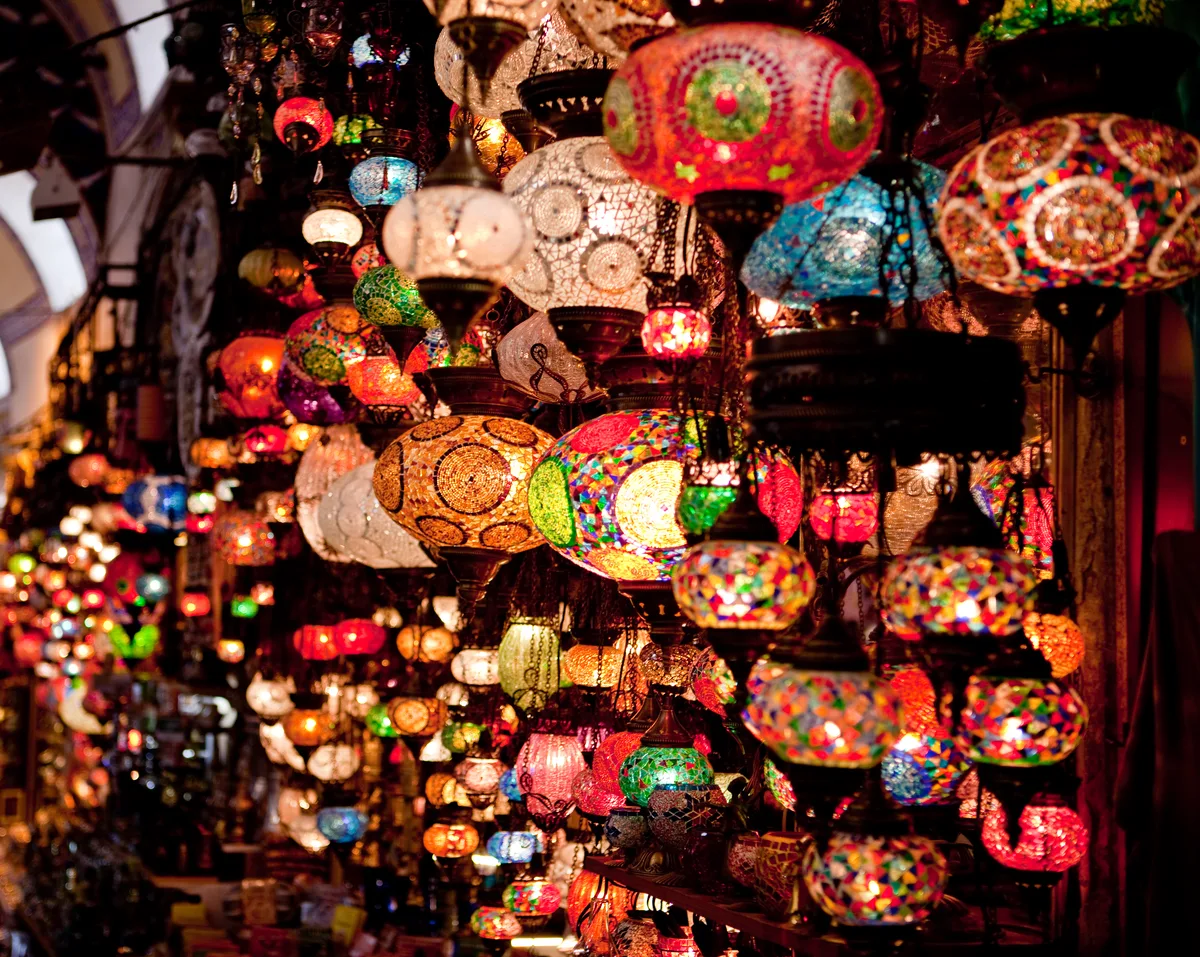
Nobody photographs the bazaar’s lamp shops and feels nothing. Whole ceilings disappear under constellations of mosaic lamps – globes of coloured glass pieces set in plaster over metal frames – mixed with pierced-metal lanterns, Ottoman-style pendant lights and chandeliers that would furnish a small palace. The mosaic lamp is the bazaar’s emblematic souvenir, and it is a genuinely local assembly trade: the coloured glass and metal frames come from Istanbul workshops, and the globes are built up by hand, which is why two lamps of the same pattern are never perfectly identical. Walk into any lamp shop and you will usually find the spectrum from small desk globes to metre-wide statement pieces, all of them lit, all of them competing.
What to know before the glow gets to you. Wiring and fittings are the unglamorous difference between a good lamp and a beautiful problem: ask what bulb fitting the lamp takes, whether it is wired for your country’s voltage and plug, and whether the shop will wire or adapt it accordingly – the established shops do this routinely for foreign buyers and say so. Size is the other reality: lamps ship, and shops are experienced shippers, but a large globe is fragile, and the shipping arrangement, its cost and its breakage terms belong on the receipt in writing before you pay, not in a verbal aside. Buyers carrying lamps home in luggage should choose accordingly – the small and medium globes travel; the chandelier is a freight decision.
The imported cousins: at the bazaar’s cheaper end you will find lamps and lanterns that are imported stock wearing local dress, thinner metal, moulded glass of duller colour, sold a few streets away from workshop-made pieces at prices close enough to confuse. The eye learns the difference in one comparison – hold your phone torch behind the glass of a handmade globe and an imported one, and look at the depth of colour and the grout work. None of this requires expertise, only the habit this grand bazaar istanbul guide keeps recommending: compare the same object in three shops before you buy it in one, because in the bazaar the third shop’s version is your price guide and your quality guide at once.
Leather – Jackets, Bags and the Streets South of the Axis
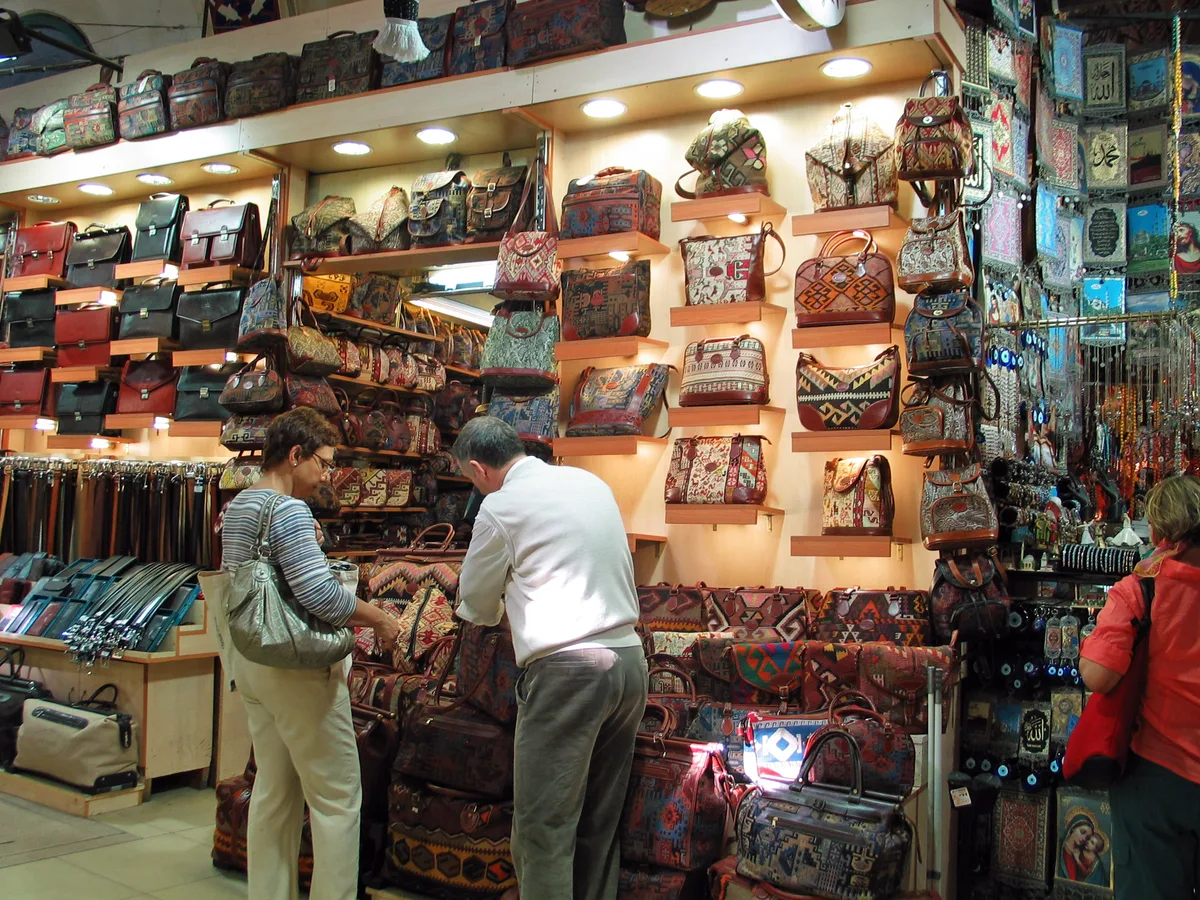
Leather has been a bazaar trade since the days when the saddlers and shoemakers had their own streets, and it remains one of the best reasons to shop here with intent: Türkiye has a large, skilled leather industry, and the bazaar’s leather shops sell the full output of it – jackets, coats, bags, belts, gloves and shoes – at every quality level the industry produces. The shops cluster thickly on the streets south of Kalpakçılar and around the bazaar’s southern gates, tailors often working within sight of the rails, and alterations offered as a matter of course. A jacket bought here in the morning can be taken in by the afternoon in the established shops; ask, and have the arrangement and the hour agreed before you pay.
The quality ladder is climbed by touch and by questions. Lamb leather is the soft, light, luxurious end; cowhide is heavier and harder-wearing; the words to listen for are the hide, the lining and the stitching, and a good shop will discuss all three without prompting. Smell is a rough but real instrument – real leather smells of leather, not of chemicals – and seams should be even, zips smooth, and linings finished rather than raw. Turkish leather manufacturing is good enough that the bazaar’s mid-range is genuinely decent value by European high-street standards; where visitors overpay is not usually on quality but on the first price, which in leather shops is a negotiating opener as surely as in the carpet halls.
The caution is the mirror image of the ceramics caution. Alongside Turkish-made goods, the cheapest rails carry imported imitations – bonded leather, plastic wearing a leather name, famous-logo fakes that are neither legal to sell in many destination countries nor worth their stitching anywhere. This grand bazaar istanbul guide takes no pleasure in the lecture, but the counterfeit point is practical rather than prissy: a fake-logo bag can be seized at some borders and will certainly disgrace itself within a season. The bazaar’s own leather craft, unbranded and well made, is the buy. A plain lamb-leather jacket fitted to you in a day is a better trophy of Kapalıçarşı than any counterfeit monogram.
Textiles and Clothing – Silks, Scarves and the Peştemal Test
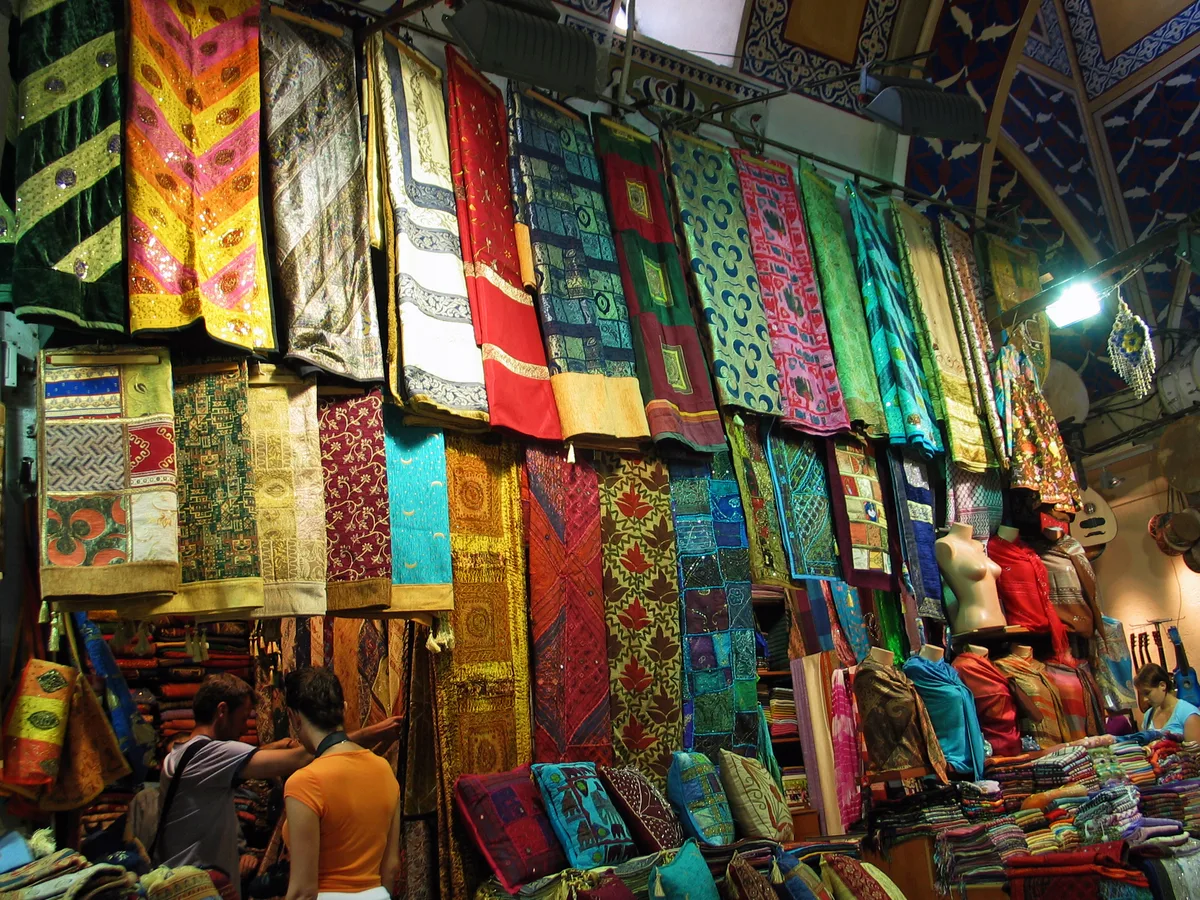
The textile streets carry the bazaar’s softest geography: bolts of cloth, walls of scarves, rails of ready-made clothes on Hazırelbiseciler – the ready-made clothes sellers’ street, whose name alone tells you the trade is five centuries into its routine – and the hamam goods that make the most useful souvenirs in the whole market. Scarves are the headline act, and the honest map of them has three countries on it. At the top: real silk, much of it woven in Bursa, Türkiye’s silk city, sold by shops that will do the burn-or-ring demonstrations and price accordingly. In the middle: honest blends and good viscose, sold as what they are. At the bottom: “pashmina” and “silk” labels attached to synthetics that have never met a silkworm, priced by nerve. The label is not the evidence; the hand, the weight, the fringe finish and the seller’s willingness to discuss fibre content are.
Here is this guide’s favourite bazaar purchase, offered as an opinion clearly labelled as one: the peştemal, the flat-woven cotton hamam towel. It is light, it packs flat, it dries fast, it improves with washing, it is genuinely Turkish, genuinely made – the good ones come from the Denizli and Buldan weaving country – and it costs little enough that the haggling stakes stay friendly while you learn the ritual. Buy peştemals and natural olive-oil soaps and cotton goods from the textile and hamam shops, and you will have done the bazaar’s most satisfying small shopping: local product, honest material, usable forever. The test for quality is the same as ever – natural fibre, tight weave, finished edges – and the shops that sell the real thing will talk looms and regions if you give them the chance.
Clothing beyond scarves runs from the superb to the silly in the space of one street. The bazaar’s tailors and the established clothing shops sell well-made linen, cotton and leather-adjacent pieces worth their tags; the T-shirt and football-shirt end sells exactly what it appears to sell, at prices that need no guide’s commentary, and the mannequin armies of “designer” sportswear belong to the same counterfeit economy as the logo bags. Shop the bazaar’s textiles the way the bazaar itself is organised: by street, by specialisation, and by the seller whose whole stock is the thing you want. The specialist’s worst piece is usually a safer buy than the generalist’s best story.
Sweet, Spiced and Edible – A Taste of the Bazaar Itself
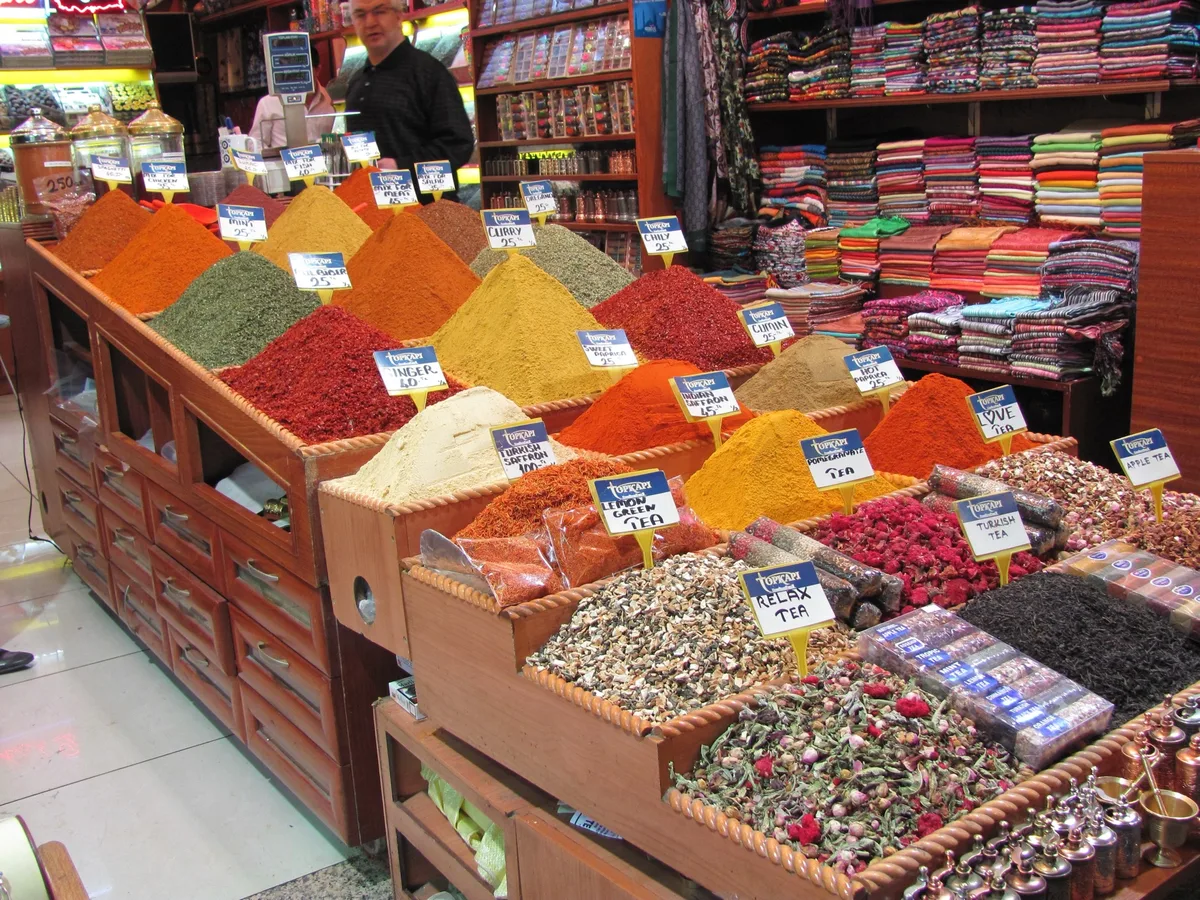
Spices inside the Grand Bazaar proper are a side street, not the main event – the spice trade’s palace is the Spice Bazaar at Eminönü, covered in the combination section below – but the Grand Bazaar feeds its visitors properly, and its edible trade is worth a section. Around its food shops and in the lanes by its gates you will find lokum (Turkish delight) in flavours from pomegranate-and-pistachio to plain rose, sold by weight from glass-fronted counters; dried fruits and nuts; Turkish coffee sold as beans or ground to order; and teas, including the flower-scattered blends that look like potpourri and brew like a garden. Quality signals are freshness and turnover – covered counters, busy shops, stock that moves – and the same spice by the kilo can be this month’s harvest or last year’s dust depending on which you choose.
Eating inside the bazaar is part of the visit’s rhythm, and the bazaar looks after its own first: small lokantas cooking for shopkeepers, kebab and pide counters in the streets outside the gates, coffee houses where the tea and coffee arrive on trays carried at a run through the crowds – the tray-carriers threading the streets are one of the bazaar’s oldest moving sights. Eat where the esnaf eat is advice this guide gives everywhere, and here it has a specific flavour: portions priced for men who lunch there daily, menus in Turkish, and a bill that recalibrates your sense of what the surrounding streets charge visitors. The Sandal Bedesten, the bazaar’s second stone core, now houses a famous steakhouse outpost among its domes – a fact worth knowing less as a recommendation than as a measure of how completely the old vault has been absorbed into the bazaar’s modern life.
Buy edible souvenirs with the same clear eyes as everything else. Lokum keeps and travels well; ask for it boxed and sealed for a flight. Ground spices lose their voice within months, so buy small and buy fresh-looking. “Saffron” at a miraculous price is the edible world’s antique İznik bowl – the real commodity is costly everywhere on earth, and what is sold miraculously cheap is something else wearing its colour. And note that the bazaar’s own spice offer is a sampler; the deep shopping, in dozens of varieties side by side, is fifteen minutes downhill at the Mısır Çarşısı, where this guide sends you next via its hans and its catches – the two things you should experience before you spend seriously anywhere.
The Hans – The Bazaar’s Quiet Courtyards and Working Hands
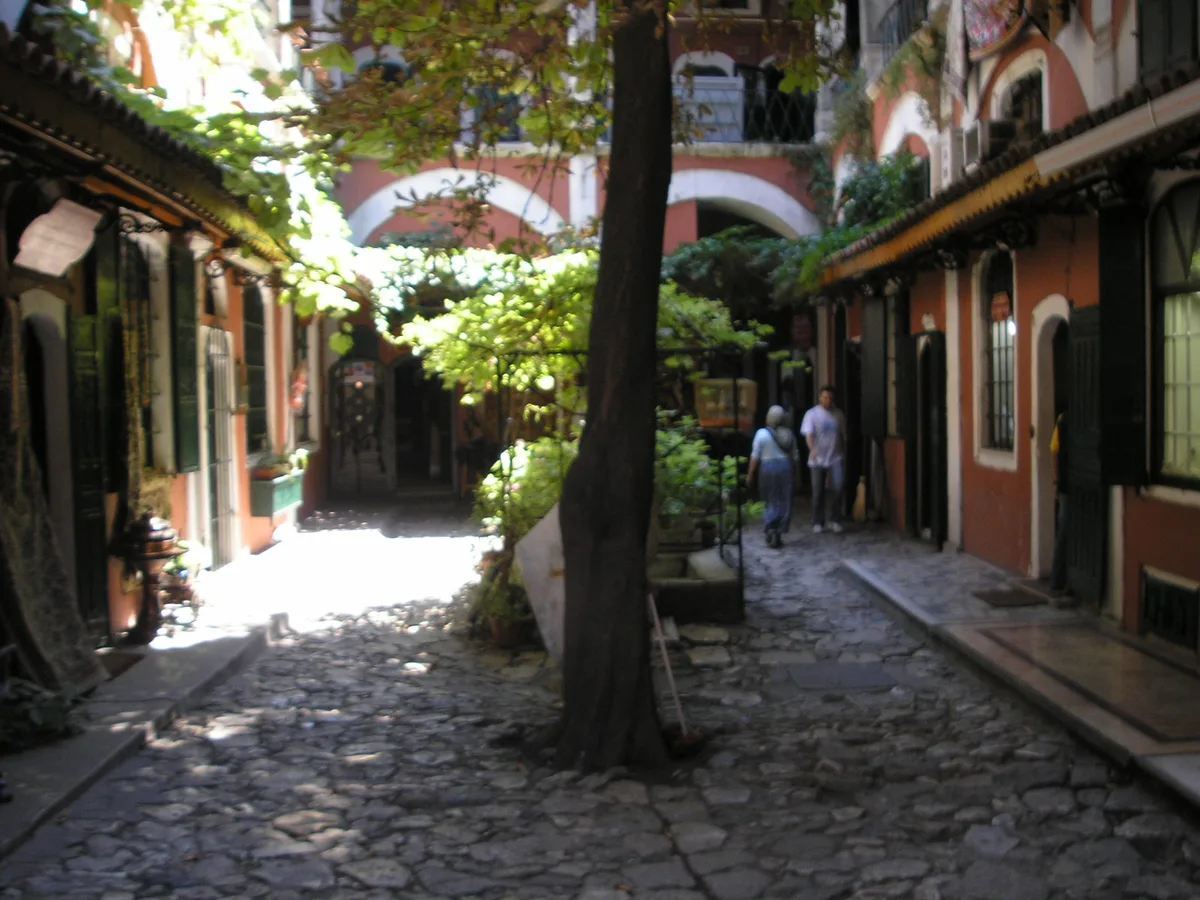
Step off Kuyumcular through an unremarkable doorway and the bazaar’s volume drops by half: you are in a han, standing in an open courtyard ringed by two storeys of arched rooms, with a tree or a fountain where the noise should be. The hans were the bazaar’s infrastructure – part inn, part warehouse, part factory floor. Travelling merchants lodged above their goods; workshops took the ground-floor rooms; a single gate, locked at night, guarded the whole. Dozens survive in and around the covered streets, many still working: if a doorway smells of hot metal, leather or strong tea and leads towards daylight, it is worth the ten steps it takes to look in.
Zincirli Han, the Chain Han, off the jewellers’ street, is the one to seek out first and the loveliest by general consent: an eighteenth-century courtyard of rose-coloured stone, cobbled, planted, and given over largely to the carpet trade’s quieter end – dealers in old pieces and, more importantly, the repair workshops where carpets are washed, rewoven and resurrected by men whose skills the whole bazaar depends on. A carpet being restored on a frame in a Zincirli workshop teaches you more about what a carpet is than an hour of sales talk: the knots, the warp, the labour, all visible. This is also where the bazaar’s own go to drink tea, and the courtyard’s calm is the best mid-visit reset the old town offers.
The hans matter to a shopper for one practical reason: they are where the making and mending happen, and making and mending are the bazaar’s certificate of authenticity. A trade that repairs is a trade that understands its goods. When a seller tells you a piece can be adjusted, restored, relined or remade, the work usually happens in a han a few streets away – which is why established shops can offer alterations with such confidence. You will not be sold to in the hans; they are workplaces, not showrooms, and visitors who wander in respectfully, look, and do not interrupt the work are generally tolerated with indifference shading into welcome. Go gently, ask before photographing people at work, and let the courtyards do what they have done for three centuries – slow you down.
How Haggling Actually Works – The Ritual, Honestly Explained
Now the subject every grand bazaar istanbul guide has to face, and most fudge. Haggling in the Grand Bazaar is not a war, a scam or a sport with fixed rules. It is the bazaar’s standard social mechanism for reaching a price on goods that have no fixed price – and the first honest thing to say is that a great deal of the bazaar does not haggle at all. Many shops price their goods and sell at the tag; gold is priced by weight and the day’s rate; the food shops sell at the counter price like anywhere on earth. The negotiation zone is the untagged, the handmade, the one-off and the tourist-facing – carpets, lamps, leather, ceramics, jewellery pieces with heavy workmanship charges – and in that zone, the first price is understood by both parties to be an opening position, not a valuation.
The ritual has a shape, and knowing the shape is the whole skill. You show interest in a specific piece – real interest, because the theatre only starts for real interest. Tea may appear; accept or decline it freely, because tea is hospitality and creates no obligation whatsoever, in the bazaar’s own code as much as in yours. The seller names a price. You respond with a lower one – how much lower is a judgement about the piece, the shop and your own research, which is why this guide refuses to print the folklore percentages (“always offer half”) that other pages hand out as law: the right counter depends on how inflated the opener was, and the only reliable instrument is the comparison shopping you did earlier on the same street. Then you converge, in rounds, with compliments for the piece and regrets about your budget both deployed as courtesies. Either side may end it: the seller by refusing to move, you by thanking them and leaving – and leaving is a legitimate, face-preserving move that sometimes produces a final price called after you, and sometimes simply means the piece was not for you at a price the seller could take. Both outcomes are the system working.
What actually protects you is preparation, not technique. Know what the thing sells for in three shops. Know your ceiling before the tea arrives. Keep the whole exchange warm – the bazaar’s sellers are professionals who read aggression as amateurism and good humour as seriousness – and never negotiate for a piece you do not want, because winning a discount on an unwanted carpet is the bazaar’s oldest own goal. Pay in the currency the price was agreed in, confirm what is included (shipping, alterations, certificates, wrapping) before money moves, and get it on the receipt. Do that, and haggling stops being the stressful set-piece of the trip and becomes what it is for the bazaar itself: a sociable way of finding the number at which a thing changes hands.
The Honest Catches – Pressure Scripts, Antique Claims and Closing Time
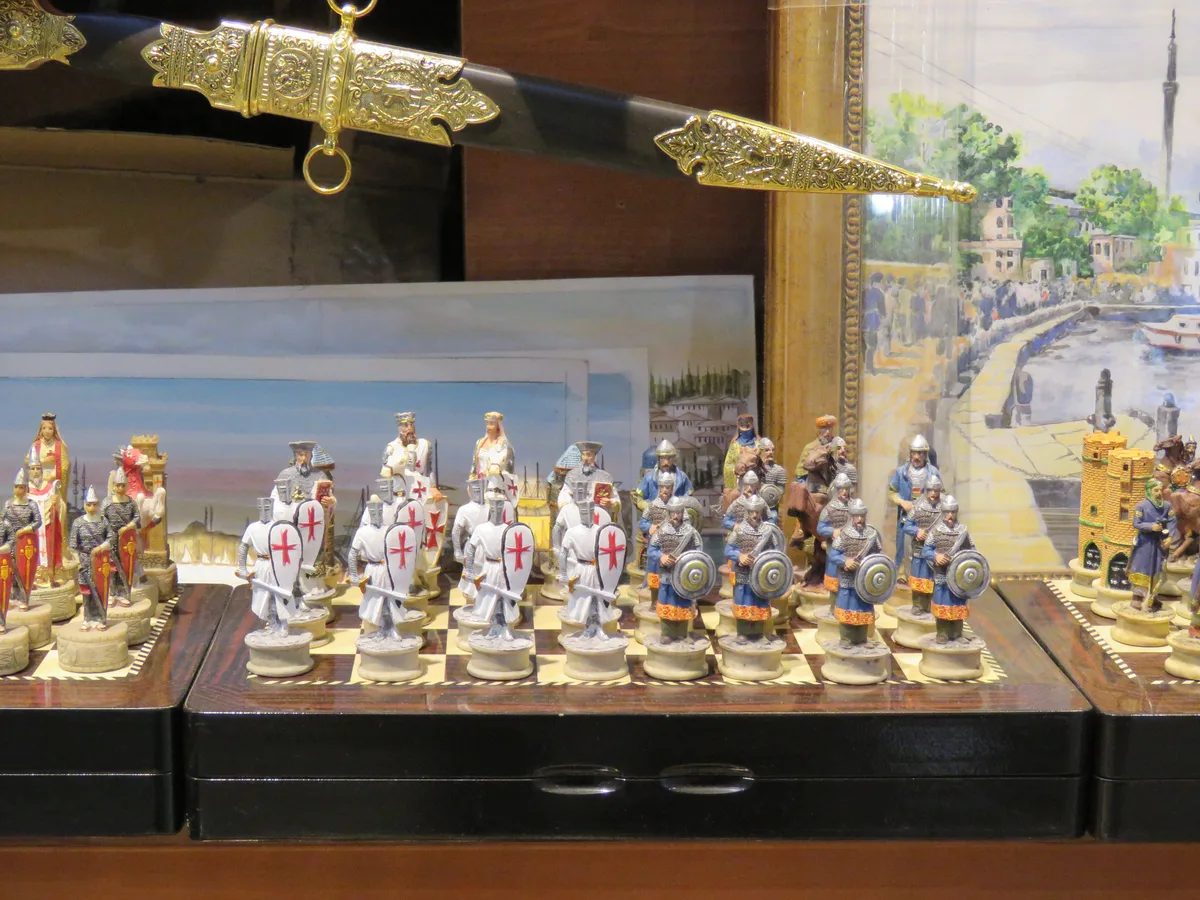
A guide that only praises is a brochure, so here are the bazaar’s catches, set out plainly. First, tourist pricing is real and structural: in the untagged trades, the opening price is calibrated to the buyer in front of the seller, and visitors visibly new to the bazaar are quoted from the top of the range. This is not a conspiracy; it is the mechanism described in the previous section, and the defence is identical – comparison, patience, and a ceiling set in advance. What you should not do is take the first price personally, or assume the last price in the first shop is the market’s verdict on anything.
Second, the scripts. They are polished by repetition and worth recognising in the wild. The “first customer of the day” blessing (siftah, the auspicious first sale) may be genuine and may be theatre; either way it does not change what a carpet is worth. The story attached to a piece – a village dowry, a tribal antique, a one-off from a palace – is unverifiable by you and should be priced at zero: buy the object in front of you, judged on its material and workmanship, and let the romance be a free extra. The friendly stranger who steers you to “my uncle’s shop, cheaper, locals only” is working, and the shop will not be cheaper. The tea is not a script – tea is just tea – but the seat you are guided to in a carpet shop is a stage, and knowing you are on one costs you nothing. And closing-time pressure (“we close in ten minutes, special price now”) is the oldest closer in retail; the bazaar’s hours are published, the shop will be there tomorrow, and a piece you would not buy at noon is not improved by dusk.
Third, the antique question, because it carries a legal edge. The bazaar sells genuinely old things – old kilims, old metalwork, old jewellery – and a great deal more that is old-styled. Turkish law tightly restricts the export of genuine antiquities and cultural property; a shop receipt is not an export permit, and a seller’s assurance that “it is no problem” is not a document. For anything represented as truly ancient and priced accordingly, the burden of proof is paperwork, and without it the sensible reading is that you are buying a handsome old-style object – which, priced as such, can be a perfectly good purchase. The same lens applies to “handmade”, “silk”, “silver” and “natural dye”: these are claims with tests, several of them described in the craft sections of this grand bazaar istanbul guide, and a seller confident in the claim will never mind the test.
Worth Buying – and What Is Imported Stock in Local Dress
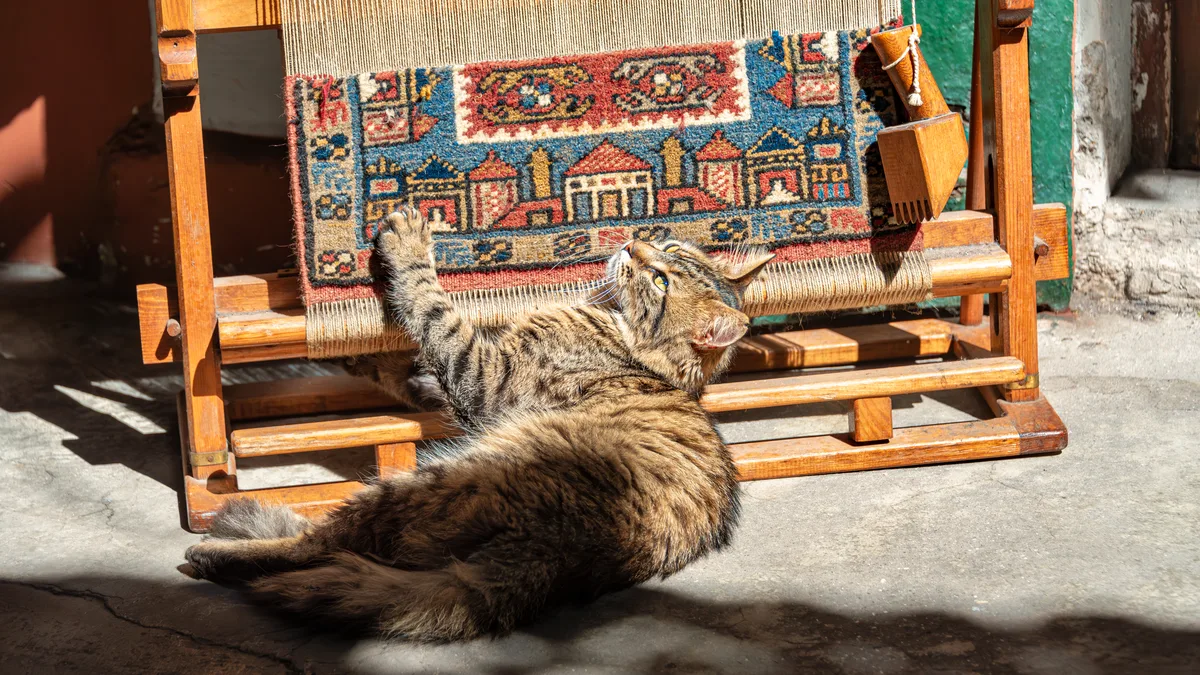
The bazaar’s stock divides, roughly and usefully, into three bands. The first is what Türkiye makes superbly and the bazaar sells at the source: hand-knotted and flat-woven textiles from Anatolian weaving towns; Kütahya ceramics at the hand-painted end; gold and silver jewellery worked in the bazaar’s own ateliers; leather from Türkiye’s own tanneries and workshops; peştemals and hamam goods from the Denizli weaving country; mosaic lamps assembled in Istanbul workshops; spices, lokum and dried goods at the fresh, high-turnover counters. This band is the bazaar’s reason to exist, and a visitor who buys only from it will shop well.
The second band is honest middling stock: factory-made ceramics and textiles, machine-made carpets sold as machine-made, decent imported goods priced as what they are. There is no shame in this band – a machine-made kilim-pattern rug at a machine-made price is a fair transaction – and the bazaar’s sin is not selling it but the third band’s habit of borrowing the first band’s clothes. That third band is imported stock in local dress: transfer-printed “hand-painted” ceramics, synthetic “silk”, moulded-glass “workshop” lamps, bonded “leather”, and logo counterfeits of every flag. Each craft section of this guide has given you its test – turn it over, look at the back, check the knots, ask the fibre, hold the glass to the light – because the tests are quick, free and conclusive more often than not.
A closing rule of thumb ties the three bands together: in the Grand Bazaar, the narrower the shop, the better the odds. The dealer who sells only carpets, the atelier that only works silver, the counter that only sells hamam cotton – these specialists stake a whole livelihood on one material’s reputation, and their worst stock tends to outclass the generalist’s finest story. The bazaar organised itself into single-trade streets five centuries ago for exactly this reason. Shop the organisation, not the exception, and the market’s own structure does most of your quality control for you.
Beyond the Walls – Nuruosmaniye, the Book Bazaar and the Spice Bazaar
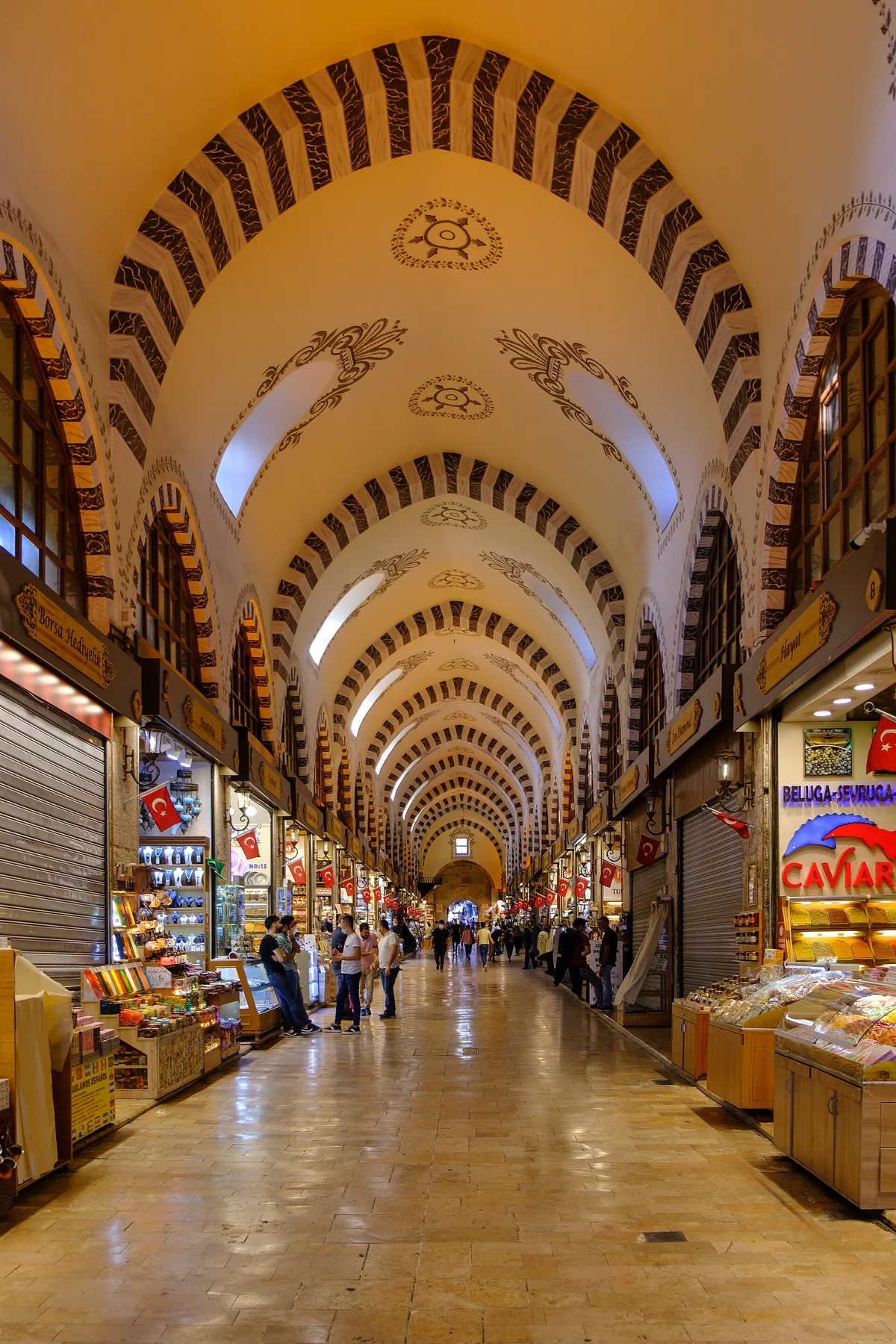
The Grand Bazaar’s gravity pulls three neighbouring markets into its orbit, and the finest way to finish a bazaar day is to walk through all of them. Start at the eastern gate. Outside the Nuruosmaniye Gate, in the streets around the mid-eighteenth-century Nuruosmaniye Mosque – Ottoman baroque, all curves and light – Nuruosmaniye Street runs a calmer, more curated version of the bazaar’s own best trades: established carpet houses, antique dealers and jewellers whose clientele is local and professional, whose prices are closer to tagged, and whose shop floors feel like galleries beside the bazaar’s theatre. If the covered streets leave you carpet-curious but performance-weary, this is where you continue, and comparing a piece here against its bazaar equivalents is an education in what the haggling margin usually contains.
On the western side, between Beyazıt Square and the bazaar’s Beyazıt Gate, sits the Sahaflar Çarşısı, the second-hand book bazaar – a small courtyard market that has sold books on this spot since the Byzantine city had booksellers here, and the Ottoman centuries made it the centre of Istanbul’s manuscript and print trade. Today its stalls and little shops sell antiquarian volumes, old prints and maps, calligraphy and the pleasant paper archaeology of a literate empire; Türkiye’s own Culture Portal recommends it by name to visitors of the Grand Bazaar, and even a browser with no Turkish will find the prints and ephemera shelves worth half an hour. It is quiet, scholarly and almost entirely tourist-free – the bazaar district’s palate cleanser.
Then walk downhill. From the Mahmutpaşa Gate the market streets spill north through Mahmutpaşa and Tahtakale – workaday shopping streets where Istanbul buys its cloth, kitchen goods and small wares at local prices – down to Eminönü and the Spice Bazaar, the Mısır Çarşısı. Built in the 1660s as part of the New Mosque’s endowment – its name recalls the taxes of Egypt that helped fund it, or the Egyptian goods it sold; the sources offer both – the Spice Bazaar is an L-shaped, domed hall of under a hundred shops doing for spice, lokum, dried fruit, nuts, teas and caviar-era luxuries what the Grand Bazaar does for everything: the same goods, concentrated, theatrical and graded from everyday to exquisite. It keeps its own rhythm and has in recent practice opened on Sundays when the Grand Bazaar rests – confirm on the day – which makes the pair a natural two-day or one-long-day combination. This grand bazaar istanbul guide’s suggested route, in full: Nuruosmaniye Gate out at midday, the mosque streets, back in at Beyazıt after the book bazaar, out at Mahmutpaşa, downhill to the Spice Bazaar by late afternoon, and the Galata Bridge at dusk. It is one of the great market walks of the world, and it costs nothing but shoe leather.
Getting There, Opening Rhythm and Getting Lost Well
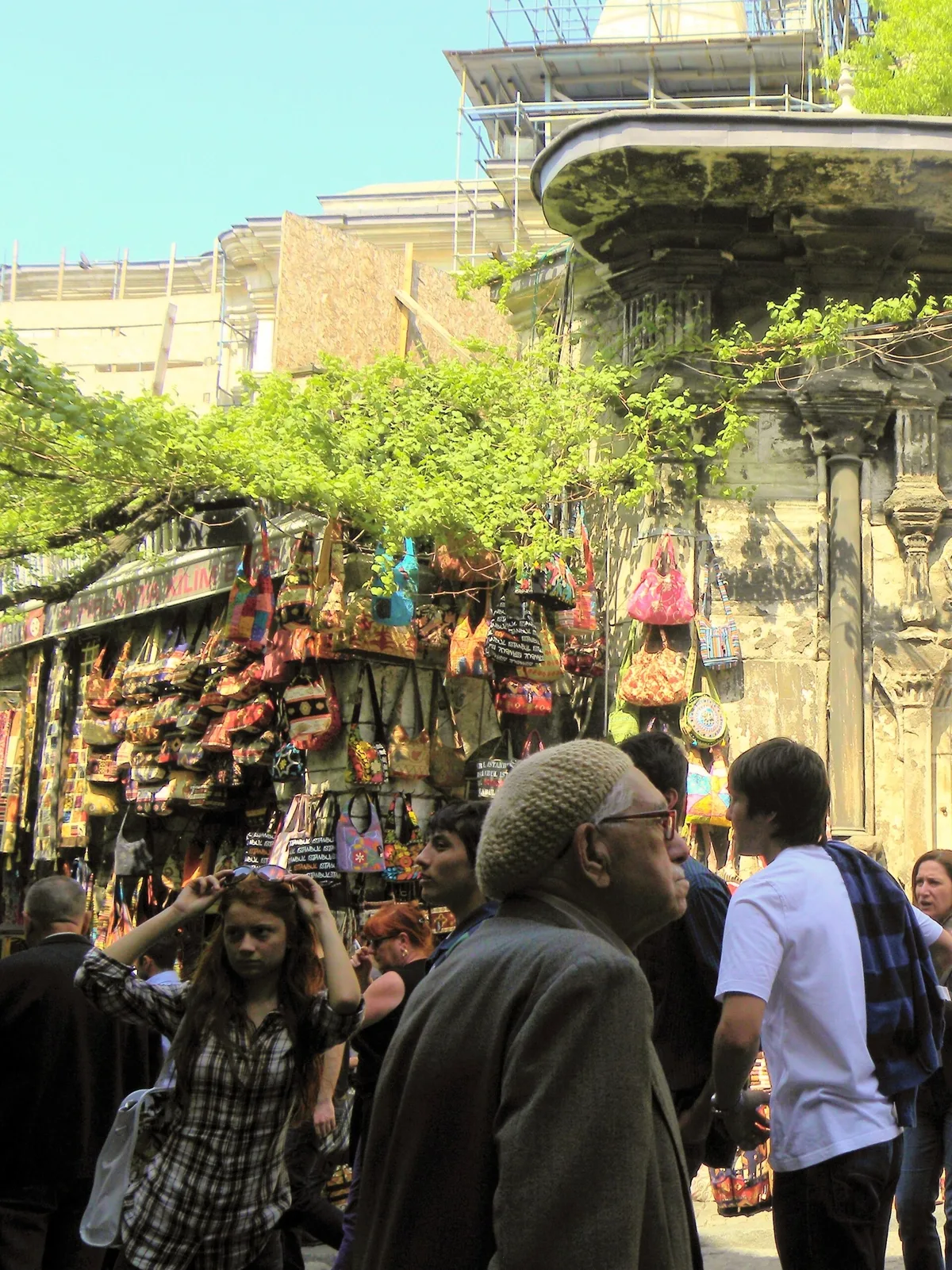
Arrival is easy, which is precisely why the closing day catches so many people. The T1 tram – the old city’s spine – stops at Beyazıt-Kapalıçarşı, a two-minute walk from the Beyazıt Gate, and at Çemberlitaş, a short walk from the Nuruosmaniye side; the M2 metro’s Vezneciler station is also within walking distance. From Sultanahmet, the walk uphill along the Divan Yolu takes fifteen minutes or so and delivers you to the bazaar’s eastern gates. What decides a visit is not transport but timing: the bazaar is closed on Sundays and on religious holidays, and open Monday to Saturday in a window the Culture Portal lists as 08:30-19:00 (checked 31 October 2026). Holiday periods – the Ramadan and Kurban festivals above all – can shut or shorten days around the official dates, so a visit in festival week deserves a same-week check of the bazaar association’s announcements at kapalicarsi.com.tr or the Culture Portal listing.
Within the day, the bazaar has tides. The first hour is the trade’s own – deliveries, shutters, locals buying gold – and the calmest for a first orientation walk. Late morning to mid-afternoon is peak flow on the main streets, when the hans and side streets earn their keep as escape valves. The last hour sharpens sellers wonderfully if you are genuinely buying, and frays everyone’s temper if you are not. Friday carries the midday prayer pause in the bazaar’s own rhythm, when many shops shutter briefly around the noon hour; it is a fact of the working week here, easily planned around, and the streets refill quickly afterwards.
And then, getting lost – which will happen, and which this guide declines to treat as a failure. The bazaar’s streets curve, its sightlines are short, and its compass points are smells and trades rather than landmarks. The recoveries are simple: walk downhill in spirit and uphill in fact towards the light of a gate; ask for Kalpakçılar or the Old Bedesten, which every shopkeeper can point to; use the street names as the directory they are; and remember that every gate exits into a real neighbourhood with a tram line nearby, so there is no wrong way out – only longer ones. You have not seen the bazaar until you have been briefly, pleasantly lost in it. Budget the time for that, too.
Frequently Asked Questions
Is the Grand Bazaar open on Sundays?
No. In current arrangements the bazaar is closed on Sundays and on religious holidays, and open Monday to Saturday – the Culture Portal lists 08:30-19:00 (checked 31 October 2026). Some shops in the streets outside the gates keep their own hours, but the covered bazaar itself rests. The nearby Spice Bazaar has in recent practice opened on Sundays; confirm on the day.
Do I have to haggle in the Grand Bazaar?
No. Many shops sell at tagged prices, gold is priced by weight and the day’s rate, and nobody is obliged to negotiate anything. Haggling applies in the untagged trades – carpets, lamps, leather, antiques-style goods – where the first price is an opening position. If you would rather not, shop the tagged stores and the specialists, and lose nothing but the theatre.
Is the tea a trap?
No. Tea is hospitality, offered to browsers and buyers alike, and accepting it obliges you to nothing – in the bazaar’s own code as much as yours. Drink it, enjoy the conversation, and leave when you want to. The obligation visitors feel is self-imposed; the shopkeeper has served a hundred teas this week to people who bought nothing.
What is the best thing to buy in the Grand Bazaar?
The goods Türkiye makes and the bazaar specialises in: hand-knotted carpets and kilims judged on their backs, hand-painted Kütahya ceramics, gold and silver jewellery priced transparently by weight, Turkish leather fitted on the spot, peştemals and hamam cotton, and fresh spices and lokum from busy counters. The craft sections of this grand bazaar istanbul guide give the test for each.
Are the “antiques” real?
Some are, much is old-style, and you cannot tell by looking – which is the point. Turkish law tightly restricts the export of genuine antiquities, a shop receipt is not an export permit, and any piece priced as ancient should come with paperwork. Priced as a handsome old-style object, the same piece may be a fair buy.
How long do I need in the Grand Bazaar?
Two to three hours for a first visit that mixes wandering and browsing; half a day if you are buying seriously in one of the slow trades – carpets above all – where comparison shopping across a street is the whole method. Add the Spice Bazaar downhill and the combination fills a day without strain.
Can I pay by card, and in which currency?
Established shops take cards as a matter of course; small counters may prefer cash. Prices may be quoted in lira, euros or dollars depending on the trade – gold follows the day’s rate – so confirm the currency of any negotiated price before you agree it, and have the final figure, with everything included, written on the receipt.
The Short Version of This Grand Bazaar Istanbul Guide
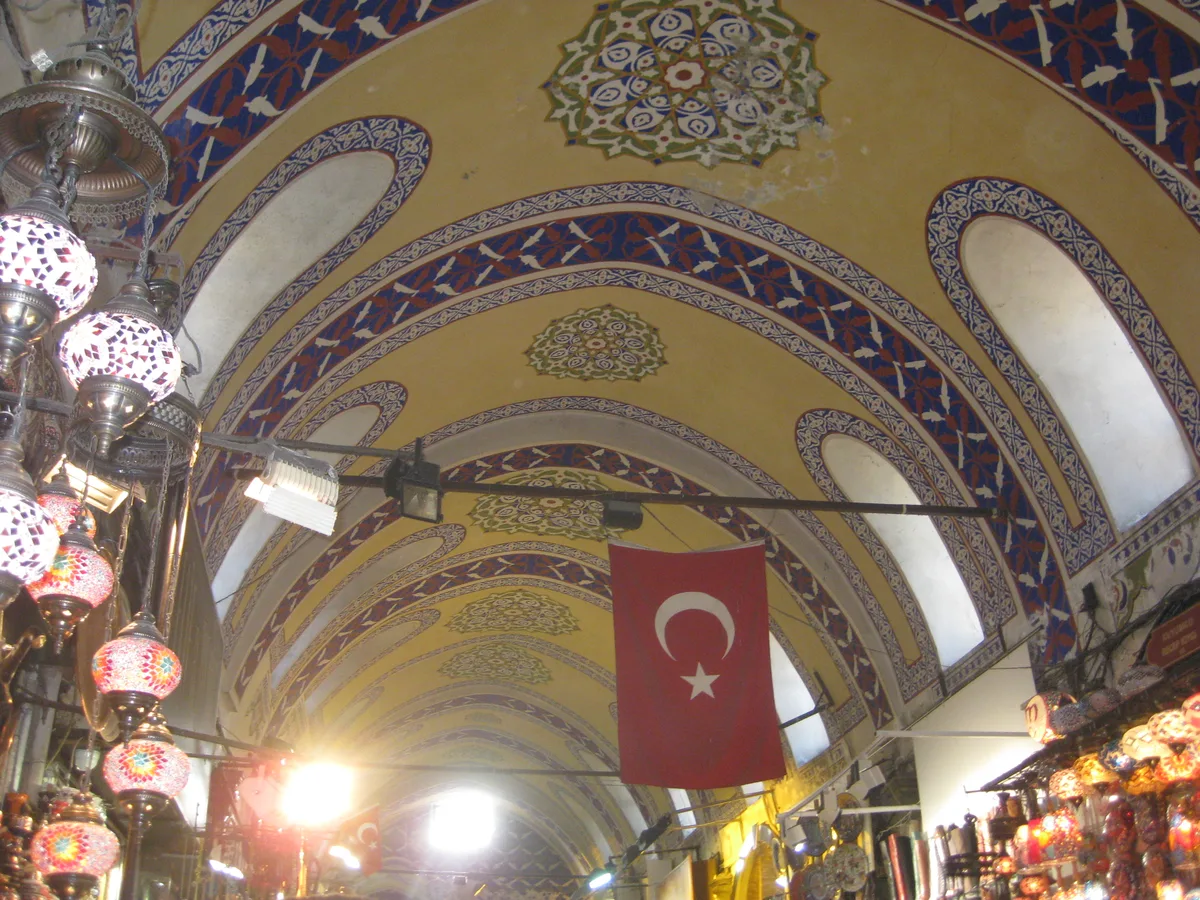
If you keep only five facts from this grand bazaar istanbul guide, keep these. The Grand Bazaar is a working market founded in 1461 around two stone bedestens, organised by single-trade streets whose names are still its directory – gold on Kalpakçılar and Kuyumcular, carpets on Halıcılar, workshops in the hans. It is closed on Sundays and religious holidays and open Monday to Saturday, 08:30-19:00 by the official Culture Portal listing (checked 31 October 2026) – check before a holiday-week visit. Haggling is a social mechanism with no fixed percentages: your protection is comparison shopping on the same street, a ceiling set before the tea, and the always-legitimate option of walking away. Buy what Türkiye makes – carpets, ceramics, gold by weight, leather, hamam cotton – and apply the turn-it-over test to anything claiming to be handmade, silk, silver or antique. And when the bazaar releases you, walk the full market day out: Nuruosmaniye’s calm dealers, the book bazaar at Beyazıt, and the downhill drift to the Spice Bazaar, because Kapalıçarşı was never a shop. It is a city that sells things, and it rewards being read like one.