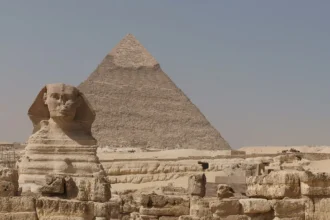
Nile Cruise Egypt – Luxor to Aswan, the Route, the Ships and How to Choose
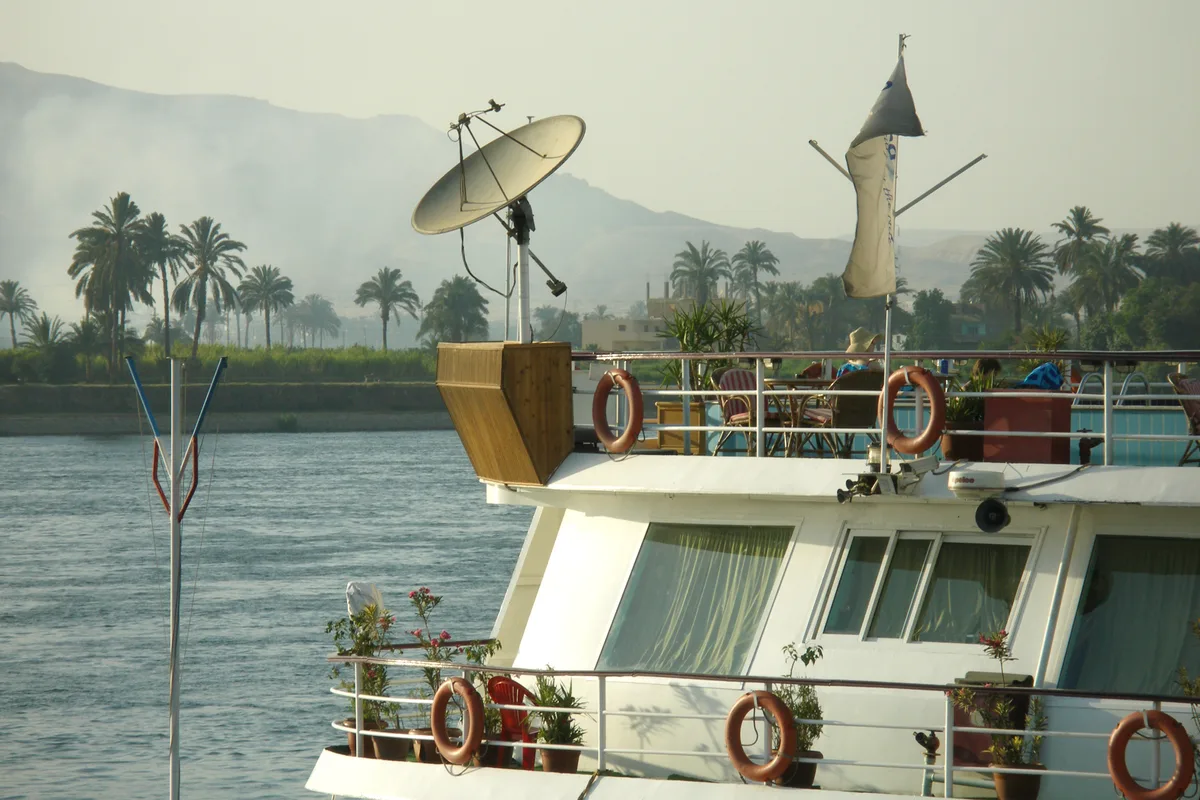
There is a moment on every Nile cruise, usually on the first afternoon, when the ship stops being transport and becomes the trip. The bank slides past at walking pace, a boy on a donkey keeps up with the ship for a while and then falls behind, the fields end exactly where the desert begins, and a temple appears on a bend that you had only ever seen in photographs. It is not a dramatic moment. It is a quiet one, and it is the whole reason this stretch of river, between Luxor and Aswan, has been the classic journey in Egypt for well over a century. The temples at either end are the greatest in the country, the two temples in the middle are among its best preserved, and the river between them does what no road in Egypt can do: it lets you watch the country change, field by field, without ever getting out of your chair.
This guide is written for the traveller who is trying to choose, not just to dream. It follows the route in the order a Luxor-to-Aswan sailing follows it, because that is the direction most first-timers take and the direction in which the story reads most naturally, from the imperial capital of the New Kingdom south to the granite frontier at the First Cataract. It explains the one decision that actually shapes the trip, which direction to sail, and the second decision that shapes it almost as much, how many nights to give it. It treats the ships honestly: the big floating hotels, the small sailing dahabiyas, the Lake Nasser boats that are a different journey altogether, and the feluccas that are not cruises at all. And it refuses, deliberately, to print a single price or sailing timetable. Cruise fares, departure days and even the order of temple visits change by season, by operator and sometimes by the river itself, and a guide that prints them is out of date before it is read. What does not change is the river, the temples and the logic of the choice, and that is what this guide is built on. For the country-wide routes that lead into Luxor from the north, our egypt travel guide carries the full picture.
At a Glance
Short on time? Here is the Luxor to Aswan cruise on one screen: the shape of it, the stops that matter, and the choices that are worth agonising over versus the ones that are not. Nothing in this guide prints a fare, a departure day or a boarding time, deliberately: operators change all three, and any figure you find in print, here or anywhere, should be re-checked with the operator before you budget or book on it.
| Piece of the trip | What it actually is | What to know before you choose |
|---|---|---|
| Direction | Luxor to Aswan (south, upstream) or Aswan to Luxor (north, downstream) | Same temples, different pace – the southbound leg is the longer, slower one |
| Standard length | Three nights northbound, four nights southbound on the big ships | The extra southbound night is mostly sailing time, and it is the best night on board |
| Longer options | Seven-night round trips, and five- to seven-night dahabiya sailings | Dahabiyas stop at smaller places the big ships pass, and sail more slowly by design |
| Luxor end | Karnak and Luxor Temple on the east bank, the Valley of the Kings and Hatshepsut’s temple on the west | This is the densest archaeology in Egypt – it deserves two days, not a dash |
| The middle | The Esna lock, then Edfu and Kom Ombo, one temple each on successive days | Edfu is the best-preserved temple in Egypt; Kom Ombo is the only double temple |
| Aswan end | Philae on its island, the High Dam, the Unfinished Obelisk, felucca sailing | Aswan is the calm end – plan at least a full day here, not just a disembarkation |
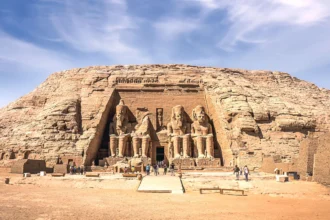
| Beyond Aswan | Abu Simbel, by road, air or Lake Nasser cruise | Not part of the standard Luxor-Aswan sailing – it is a separate trip, and worth its own day |
Two judgements sit behind that table, and they are the two judgements this whole guide keeps returning to. First, the cruise is not a shortcut to the temples. A traveller who wants only the temples, efficiently, should stay in Luxor and Aswan as a land traveller and drive between them. The cruise earns its place by being slow: it turns the days between the temples into the experience, and a traveller who treats the sailing days as wasted time between sights has bought the wrong trip. Second, almost every bad Nile cruise story comes down to one of two mistakes, choosing a ship on price alone without asking what is actually included, or choosing a length that does not match the traveller’s patience for being on a boat. Both mistakes are avoidable, and both are dealt with plainly in the choosing section near the end.
Which Direction – Luxor to Aswan or Aswan to Luxor
Every guide to this river starts with the same fork, and most of them answer it badly, as if one direction were simply better. It is not. The two directions visit the same temples in reverse order, on ships that run the same loop, and the right answer depends on where your trip starts, how much time you have, and what kind of traveller you are. Understanding why the two legs are different lengths is the key to the whole choice, and it has nothing to do with marketing.
The river flows north, from Aswan towards Luxor and on to Cairo and the sea. A ship sailing from Luxor to Aswan therefore travels upstream, against the current, and the journey takes a night longer than the return. A ship sailing from Aswan to Luxor travels with the current, and makes the same distance faster. That is the entire mechanical explanation for the standard pattern: four nights southbound, three nights northbound. The ships themselves run a loop, turning around at each end, so a southbound passenger and a northbound passenger may well be on the same vessel in successive weeks, eating in the same restaurant and watching the same banks go past in opposite directions.
So which way should you go? Sail south, from Luxor to Aswan, if your trip reaches Luxor first, which it usually does for travellers coming down from Cairo and Giza, where our grand egyptian museum guide covers the great museum beside the pyramids, and if you want the slower, more spacious version of the journey. The southbound leg gives you the extra night on board, which falls, in practice, as extra sailing time rather than an extra temple, and for many passengers that is the point: an unhurried afternoon on deck, the banks going past, nothing to be at. It also ends in Aswan, which is the gentler place to finish a trip, with its islands, its feluccas and its slower evenings, and from which Abu Simbel is a natural extension rather than a detour. Sail north, from Aswan to Luxor, if your trip reaches Aswan first, which happens for travellers flying into the south, and if your days are counted. The northbound leg is a night shorter and a shade more intense, with the temples coming a little faster, and it ends in Luxor, which is the grander finale if you like your trips to build to a climax rather than wind down. There is a third consideration that matters more than either: the direction that fits your flights and your nights elsewhere. A cruise is a fixed block of days in the middle of a longer Egypt trip, and the direction that lets you spend your Cairo days and your Red Sea days where you want them, without a wasted night in transit, is usually the right one regardless of the poetry of upstream versus downstream.
One more thing about direction, because sellers rarely say it. The light is different. Sailing south in the morning, the sun is behind you on deck in a way that makes the west bank glow; sailing north, the evening light falls differently on the same temples. Photographers care about this, and the rest of us notice it without quite knowing why one direction’s photographs look warmer than the other’s. It is not a reason to choose a direction on its own, but it is a reason to be on deck at golden hour whichever way you sail, and to sit on the side of the ship that faces the bank you want to watch, which changes with the direction and is worth asking about when you board.
How Long – Three Nights, Four Nights, or a Slow Week
Length is the second decision, and it is really a question about temperament. The standard big-ship cruise is three nights northbound or four nights southbound, and that is the right length for most first-time visitors: long enough for the rhythm of the river to settle in, short enough that a traveller who discovers they do not love boat life is not trapped in it. The temples are not rushed at that length, though the Luxor days are full, and the sailing days give the trip its breathing space. If you have a week in Egypt and the cruise is one block inside it, the standard length is almost certainly the answer, leaving you days in Cairo and a day or two in Aswan or Luxor on land.
The seven-night option, which sails Luxor to Aswan and back again, suits a different traveller: someone who wants the river itself to be the holiday, not a segment of one, and who is happy to see the temples once and then spend the return leg watching the banks they now recognise. It also suits travellers who are nervous about the pace of the standard cruise, because the same temples spread over twice the days means later starts and longer afternoons on deck. What it does not do is show you new temples. The return leg revisits the same stops, and a traveller who books seven nights expecting seven nights of new archaeology will be disappointed. Book it for the river, not for the ruins.
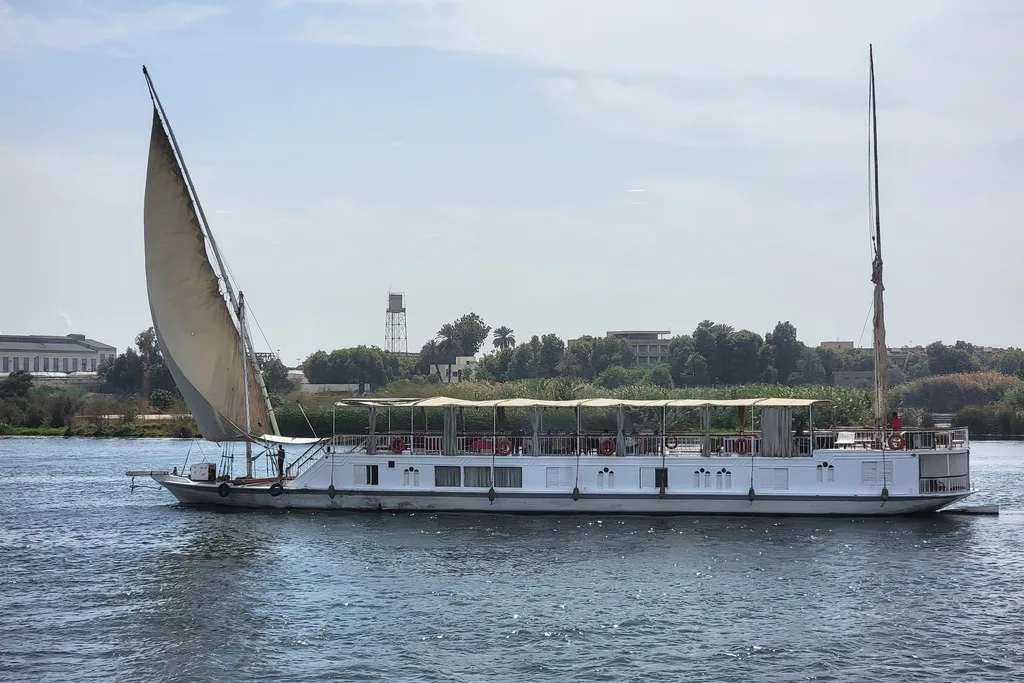
The dahabiya is the third length and the third temperament. These are the traditional sailing boats, long and low, with a handful of cabins rather than dozens, that take five to seven nights over the same stretch because they sail when the wind allows and stop at places the big ships pass: small riverside villages, a rock-cut chapel, a stretch of bank where the crew moors for the night and the passengers eat on deck under the stars. A dahabiya is not a cheaper version of a cruise ship, and it is not a more luxurious one either, though some are very comfortable. It is a different philosophy, closer to the way travellers did this river a century ago, and it suits people who would rather watch one village properly than tick two temples in a day. The trade is real: no pool, no large restaurant, no evening entertainment programme, and a sailing schedule that belongs to the wind. Travellers who need certainty about where they will be at a given hour should take the big ship. Travellers who want the river to set the schedule should take the dahabiya, and should read the ships section below before they decide which kind of slow they are.
Luxor, the East Bank – Karnak and Luxor Temple
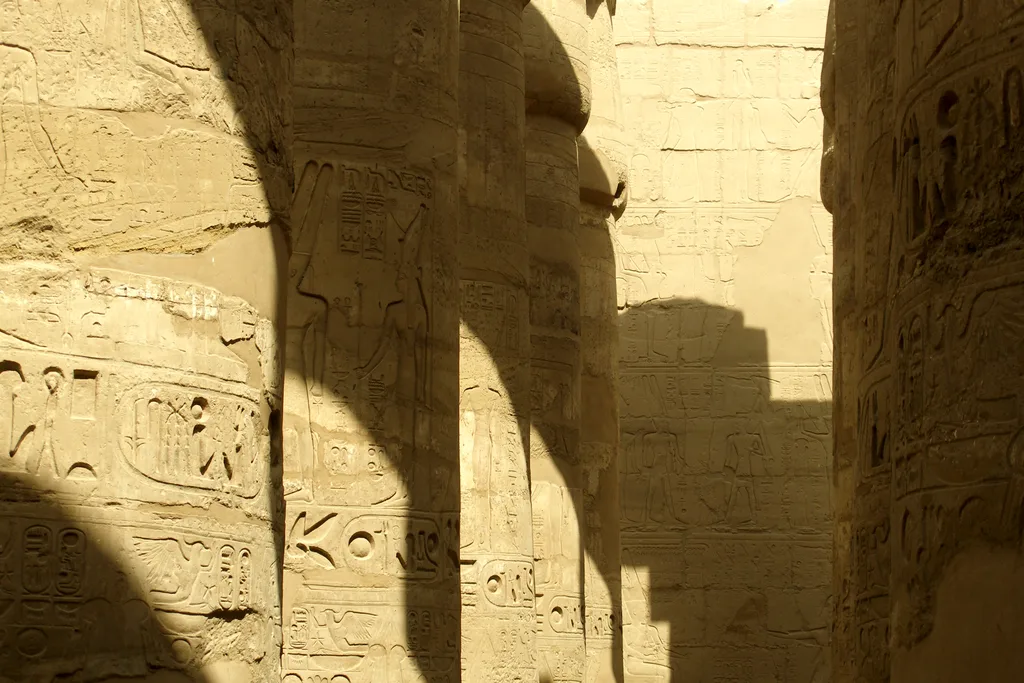
A Luxor-to-Aswan cruise begins, in every sense, at Karnak. The temple complex on the east bank of the Nile at Luxor is not a temple but a city of temples, built and rebuilt by successive pharaohs over some two thousand years, dedicated chiefly to Amun, the king of the gods, and it is the largest religious complex ever built in the ancient world. A cruise passenger usually meets it on the first day, and that is a lot to meet on a first day. The approach alone is a lesson in scale: an avenue of ram-headed sphinxes, a first pylon that was never finished and is therefore the most honest monument in Egypt about how temples were actually built, and then the Great Hypostyle Hall, a forest of stone columns so large that the word forest stops being a metaphor and becomes the only accurate description. Stand in it at midday, when the light falls in shafts between the columns, and the scale does something to your sense of what a building can be that no photograph prepares you for.
What most cruise itineraries cannot give Karnak, and what the place deserves, is time to wander past the famous hall. Behind it lie obelisks, including the standing obelisk of Hatshepsut, a sacred lake where priests once purified themselves, smaller temples tucked into corners, and the open-air museum of fallen blocks and statues that reads like a warehouse of antiquity. A good guide will lead you through the story of the place, how each pharaoh added to it to associate himself with Amun and with his predecessors, and how the complex grew by accretion rather than by plan. A bad visit treats it as a corridor to walk down. If your cruise gives Karnak a single rushed morning, consider arriving in Luxor a day early and seeing it at your own pace before you board, because it is the one stop on this river where haste costs you the most.
Luxor Temple, in the middle of the modern town, is the evening companion to Karnak’s daytime grandeur. It is smaller, later in its main form, and intimately connected to Karnak by the avenue of sphinxes that once linked the two for the great Opet festival, when the statues of the gods were carried in procession from one temple to the other. Where Karnak overwhelms, Luxor Temple charms: a great colonnade built by Amenhotep III and completed by later kings, a court of Ramesses II with colossal statues that have watched the town grow up around them, and a mosque built inside the temple itself, still in use, which is a reminder that this place has been sacred ground for far longer than the pharaonic period alone. Cruise itineraries often schedule Luxor Temple in the late afternoon or evening, and that is a gift, because the floodlighting turns the stone gold and the town’s evening life gathers around it. Our luxor temple guide covers the temple’s history and its evening visit in full.
Luxor, the West Bank – the Valley of the Kings and Hatshepsut
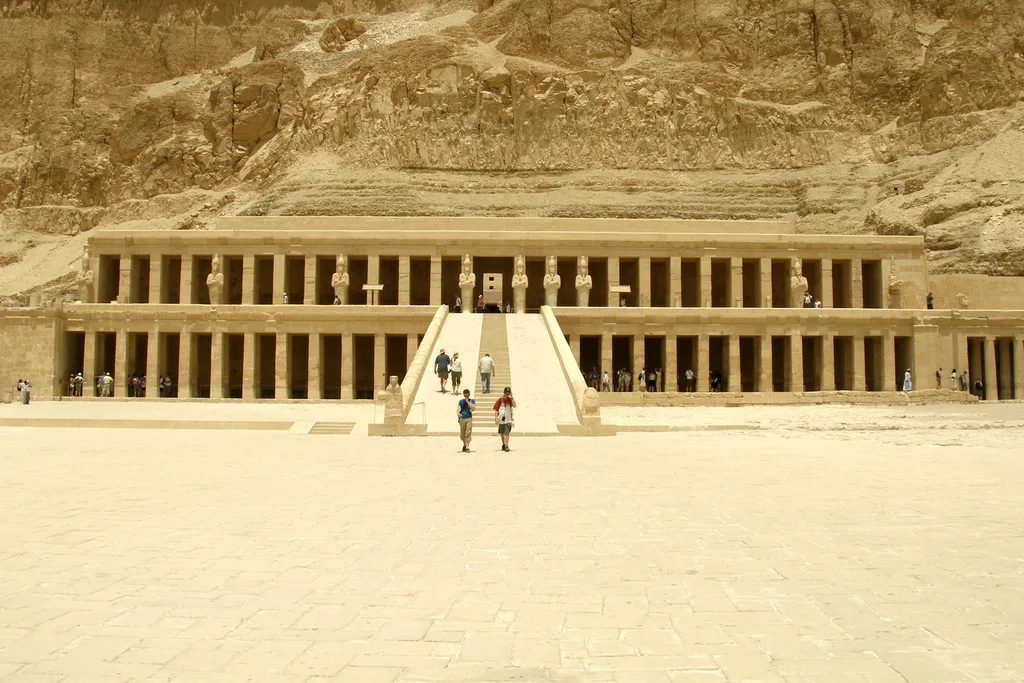
Cross the river from Luxor town and you cross from the world of the living to the world of the dead, which is exactly how the ancient Egyptians saw it. The west bank was the necropolis of Thebes, the ancient name for Luxor, and it holds the two sights that, for many travellers, justify the whole cruise. The Valley of the Kings is a dry, sun-blasted wadi in the hills behind the cultivation, where the pharaohs of the New Kingdom were buried in rock-cut tombs, hidden rather than pyramid-proclaimed, in the hope that secrecy would protect them from robbers. It did not, in the end, but the tombs themselves survived in a way that still astonishes: descend a staircase into the rock, and the walls around you are painted in colours that have kept their force for three thousand years, scenes of the king’s journey through the underworld, gods with animal heads, stars on a blue ceiling. The standard cruise visit covers a selection of tombs, and the selection matters less than the experience of being underground in that painted world, though the tomb of Tutankhamun, small and crowded and famous beyond its size, is a separate choice that many itineraries offer as an addition.
The Valley of the Kings belongs to a wider UNESCO property, Ancient Thebes with its Necropolis, inscribed in 1979, whose official account covers the temples and tombs of both banks and is worth reading before you go, at whc.unesco.org. Its neighbour on the west bank, and the second great sight of the cruise’s Luxor days, is the terraced mortuary temple of Hatshepsut at Deir el-Bahari, built into the cliffs in the fifteenth century BC for the woman who ruled Egypt as pharaoh. It is unlike any other temple on this river: three broad terraces rising against a sheer cliff face, colonnades that seem to grow out of the rock, and reliefs that tell the story of an expedition to the Land of Punt and of Hatshepsut’s divine birth. Later kings tried to erase her from history, chiselling her name and image from the walls, and the damage is still visible, which makes the temple a monument to a political struggle as well as to an architectural idea. On the way back to the river, the cruise bus passes the Colossi of Memnon, two seated statues of Amenhotep III that are all that remains of his vast mortuary temple, standing alone in the fields. They are a good place to understand the west bank’s scale: a temple that size vanished almost entirely, and what survives of Thebes is a fraction of what was built.
An Evening in Luxor – the Temple After Dark
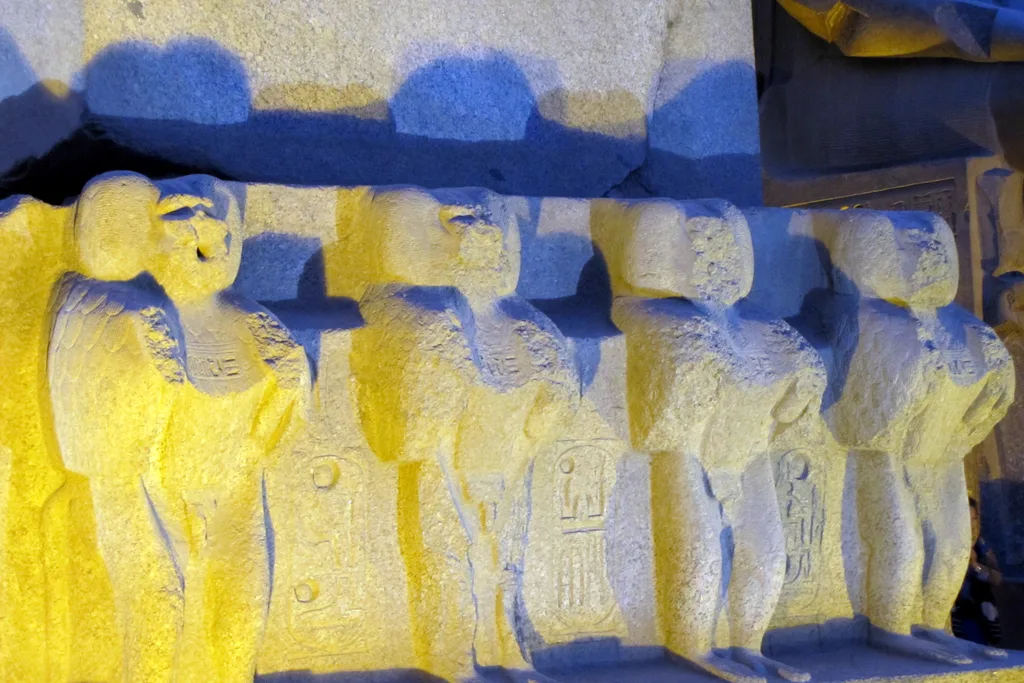
There is a Luxor that the daytime cruise passenger barely meets, and it is worth a section of its own because it changes how the whole cruise feels. When the day’s temple visits are over and the ship is moored for the night, the town on the east bank belongs to its evening self: the Corniche fills with walkers, the cafes set out their chairs, the call to prayer rolls over the water, and Luxor Temple, floodlit, glows above the town centre like a lantern. Many cruise itineraries build this evening in, with a visit to Luxor Temple after dark, and if yours does not, it is worth asking whether you can arrange it independently on your boarding day, because the temple at night is a different place from the temple by day. The crowds thin, the stone turns warm under the lights, the carvings pick out in shadow, and the modern town pressing close around the ancient walls, which by day can feel like an intrusion, becomes part of the picture: a temple that has never stopped being the centre of its town.
The evening matters for a practical reason too. A cruise is an early-start holiday. The west bank days begin before dawn, the temple visits are long, and by the third day many passengers are running on enthusiasm and caffeine. The evenings on board, dinner on the upper deck, the ship’s lights reflected in the river, a walk along the Corniche before bed, are when the trip stops being a checklist and becomes a memory. Do not fill every evening with an optional excursion. Leave at least one Luxor evening for the temple after dark and a slow walk back to the ship, and leave one Aswan evening, at the other end of the cruise, for the same kind of unstructured hour. The river gives you its best moments when you are not hurrying to the next one.
The Esna Lock and the Sailing Days
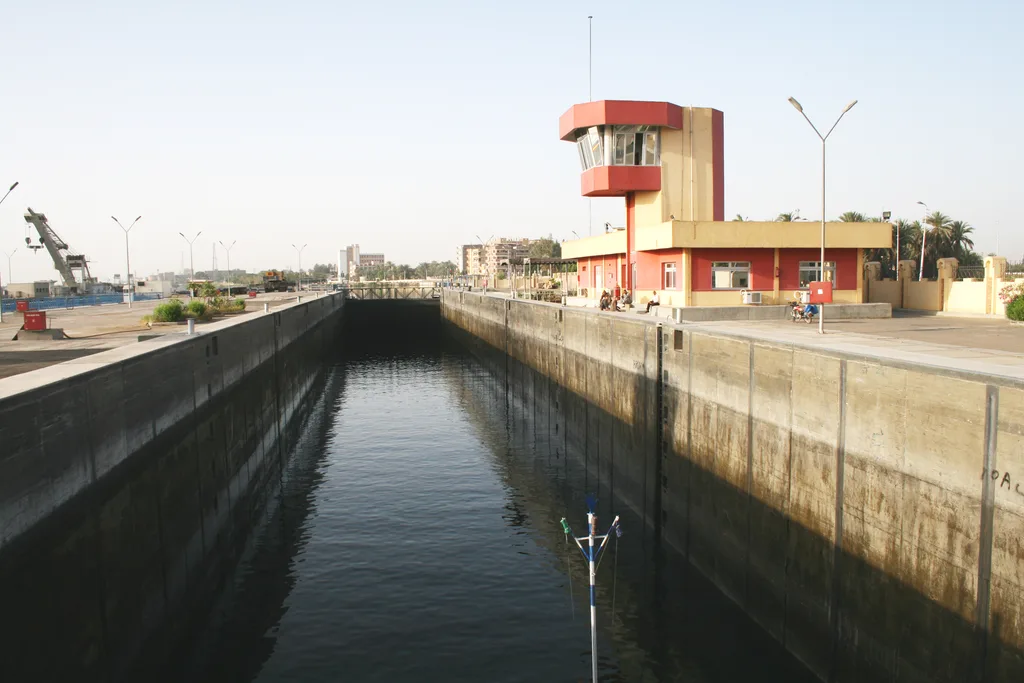
South of Luxor, the river changes character, and the first change is mechanical. At Esna, the ship passes through a lock, a concrete chamber with gates at either end that raises or lowers the vessel between two stretches of river at different water levels. For a southbound ship, the lock lifts the vessel to the higher water upstream; for a northbound ship, it lowers it. Passengers gather on deck to watch, because the lock is the one piece of river engineering on the whole cruise that you can see working: the gates close behind you, the water rises or falls around the hull, the gates open ahead, and you sail on at a new level. It takes a while, and the wait is part of the pleasure, with small boats coming alongside to sell goods to the passengers on deck, a floating market that is one of the cruise’s most photographed and most bargained-over moments.
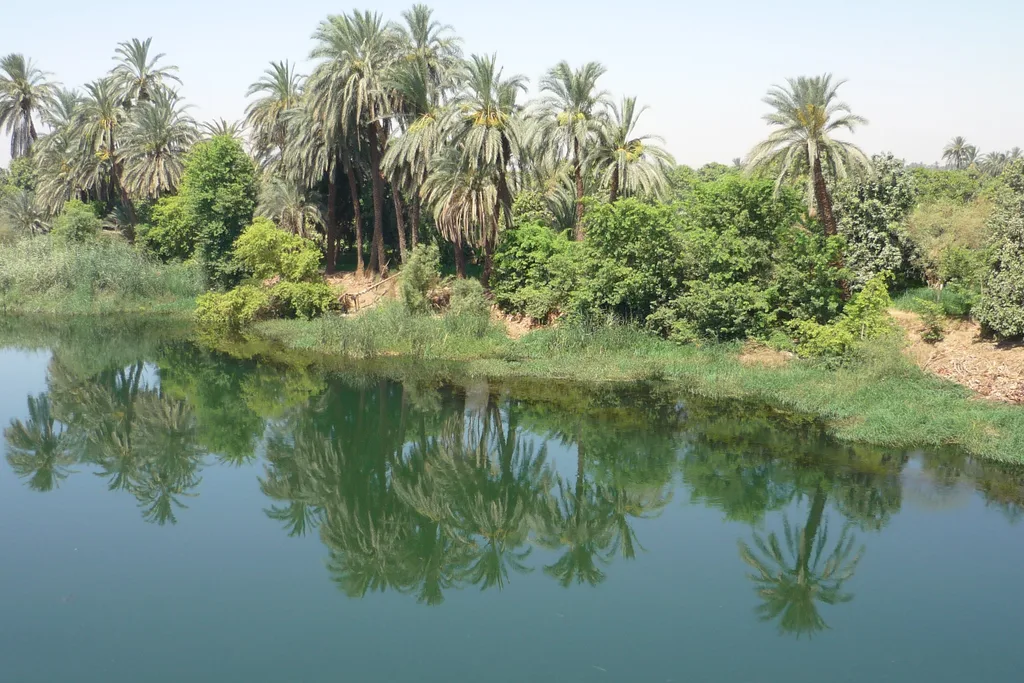
Beyond Esna, the cruise settles into its sailing rhythm, and this is where the trip either wins you or loses you. The banks are a narrow ribbon of green, fields of sugar cane and vegetables, palm groves, mud-brick villages, water buffalo standing in the shallows, and beyond the green, abruptly, desert. There are no towns of any size between Luxor and Edfu, and the landscape repeats with variations that reward attention: a minaret, a grove of date palms, a man fishing from a small boat, a herd crossing the bank at dusk. The ship’s upper deck becomes the living room, and the days are shaped by meals, by the sun moving across the deck, and by the simple fact of moving slowly through a country that, from the road, you would cross in hours and barely see. Travellers who love this part of the cruise are the ones who come back for a second one. Travellers who do not should know, before they book, that the sailing days are not filler between temples but the centre of the experience, and that a cruise chosen for its temple list alone will feel, on the second day, like a long wait for the next temple.
Edfu – the Temple of Horus
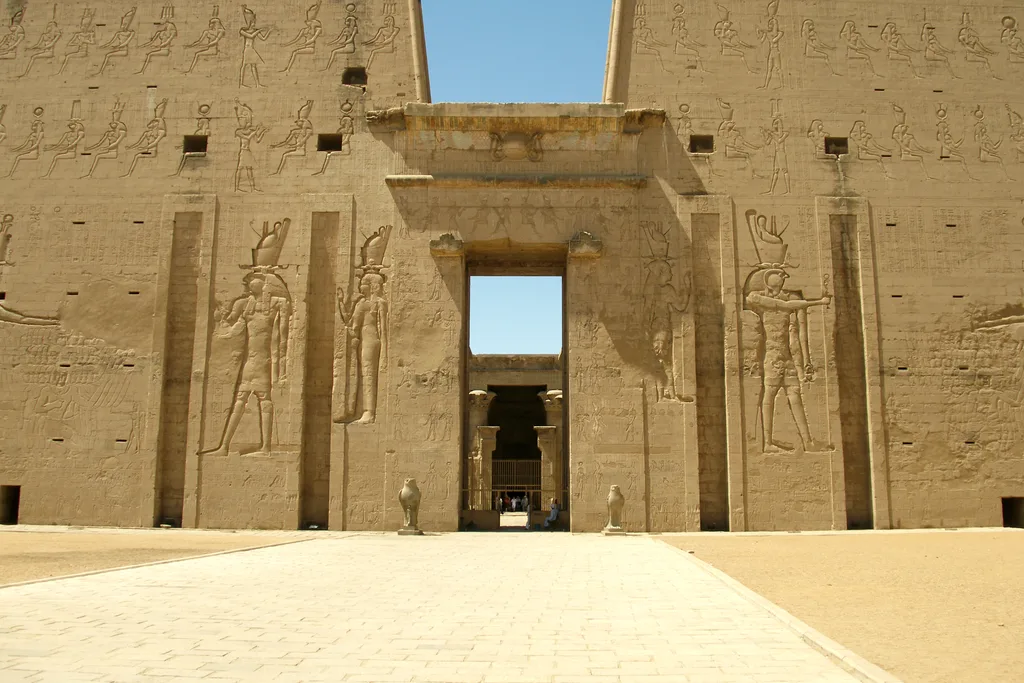
Edfu is the temple that makes the whole middle of the cruise worthwhile, and it is the best-preserved temple in Egypt for a reason that is also a small miracle of archaeology: it was buried. Built in the Ptolemaic period, from the third century BC into the first, for Horus the falcon god, the temple stood in use into Roman times and was then abandoned, and the desert sand and the silt of the town that grew over it covered it almost to its roof. When it was cleared in the nineteenth century, it emerged nearly complete: pylon, courtyard, hypostyle halls, sanctuary, all in their original arrangement, with inscriptions and reliefs that survived because they had been protected for centuries. Walk through it and you are walking through a temple as its builders intended it to be experienced, from the bright outer court into halls that grow darker and smaller as you approach the sanctuary, where the god’s statue stood in a granite shrine.
The approach to Edfu is part of the experience, and it divides cruise passengers. The temple stands in the middle of the modern town of Edfu, some way from the river, and the usual way to reach it is by horse-drawn carriage through streets that are busy, noisy and unmistakably a working Egyptian town. Some travellers love the ride as the most vivid hour of the cruise. Others find the carriages and the bargaining around them the least pleasant hour of it. Both reactions are fair, and the honest advice is to treat the carriage ride as a town visit in its own right rather than a transfer to be endured: look at the streets, the shops, the life going on around you, and you will arrive at the temple having seen something the temple alone cannot show you, which is the Egypt that lives beside its monuments. Inside, look for the story the temple tells about Horus and Seth, the falcon god’s defeat of his uncle in the great myth of kingship, carved across the walls in a narrative that runs the length of the building, and for the small, perfect details that survived because the sand kept them: the colours on a ceiling, the carving on a doorway, the falcon statues that guard the entrance and have become the temple’s emblem.
Kom Ombo – the Double Temple on the Bend
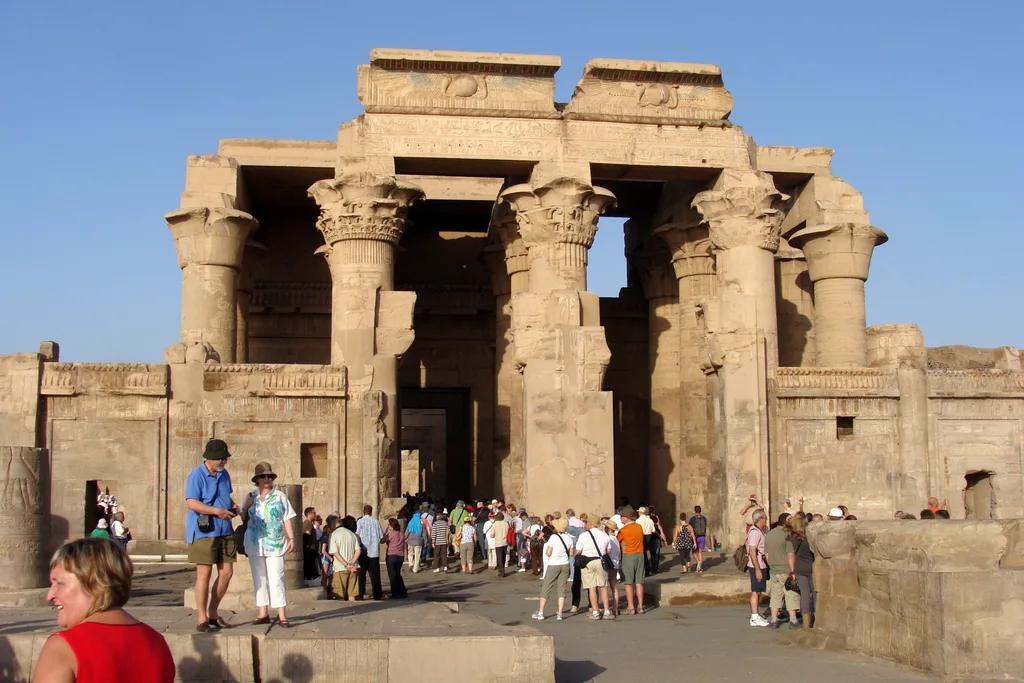
A day’s sail south of Edfu, the river bends, and on the bend stands the strangest temple on the cruise. Kom Ombo is a double temple, built in the Ptolemaic period for two gods at once: Sobek, the crocodile god, on one side, and Haroeris, a form of Horus the Elder, on the other. Everything in it is doubled: two entrances, two hypostyle halls, two sanctuaries, side by side and perfectly symmetrical, sharing a single outer structure. No other temple in Egypt is built this way, and the reason is written in the river itself. This stretch of the Nile was once home to crocodiles, and the people who lived on this bend worshipped the creature they feared, building Sobek a temple and a cult that treated the crocodile as a god to be honoured rather than a danger to be avoided. The double design let two cults, and two priesthoods, share one temple without sharing a god.
Kom Ombo rewards a slow visit, because its most interesting details are not its size but its carvings. On one wall is a famous set of reliefs showing surgical instruments, scalpels, forceps, medicine bottles, which has made the temple a place of pilgrimage for doctors and medical historians, and which tells you something important about how the Egyptians understood healing as a sacred art. Near the temple stands a small museum of mummified crocodiles, found in a nearby animal cemetery, which completes the Sobek story in a way that is both fascinating and faintly unsettling: these were sacred animals, kept in the temple, mummified at death and buried with honours. The visit is usually made in the late afternoon, when the light falls across the columns and the river behind the temple turns gold, and it is the gentlest temple visit on the cruise, an hour rather than a morning, which is exactly right for a stop whose interest is in its oddity rather than its scale. Sail on from Kom Ombo and the river begins to change again, the banks growing rockier, the desert closing in, as Aswan approaches.
Aswan – Philae, the Dam and the Calm End of the River
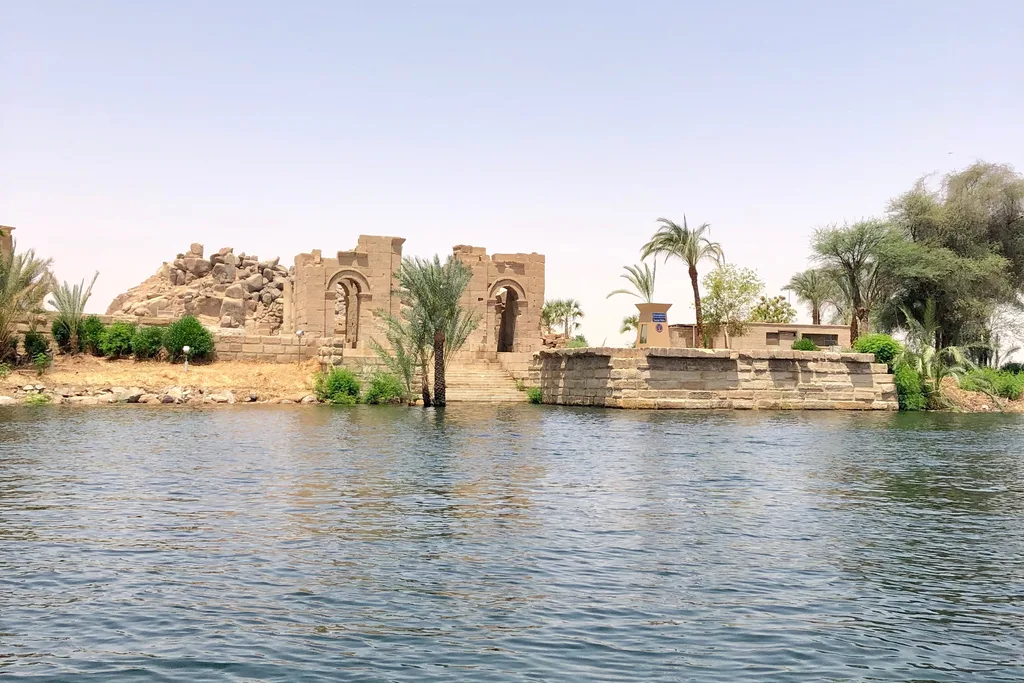
Aswan is where the cruise exhales, and a good cruise gives it a full day rather than a morning. The city stands at the First Cataract, where the Nile breaks over granite boulders, and it was ancient Egypt’s southern frontier, the quarry that supplied its obelisks and the gateway to Nubia. The cruise’s Aswan day usually begins with Philae, the temple of Isis, and Philae is the right place to end a cruise because it is, in a sense, the cruise’s own story told in stone. The temple originally stood on the island of Philae itself, and after the first Aswan dam was built it spent much of each year partly submerged. When the High Dam threatened it with permanent flooding, the UNESCO campaign dismantled the whole complex and rebuilt it on the higher island of Agilkia, where it stands today, reached by a short boat ride across the reservoir. Arriving by boat, with the colonnades rising from the water, is one of the great entrances in Egyptian travel, and it is a fitting final temple for a journey that has been, from Luxor onwards, a journey by water.
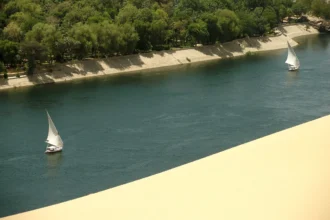
The rest of the Aswan day fills out the story the cruise has been telling. The High Dam itself, built through the 1960s and finished in 1970, is the wall that ended the Nile’s annual flood, gave Egypt year-round irrigation and power, and created the vast Lake Nasser behind it, and visiting it explains why so much of what you have seen on this cruise was moved, rescued or rebuilt. The Unfinished Obelisk, still lying in its quarry trench where a crack in the granite stopped the work, shows where Egypt’s great stone monuments began, in the pink granite of Aswan’s quarries. And then, when the sightseeing is done, there is the felucca, the traditional lateen-sailed boat with no engine, which is Aswan’s essential hour: an afternoon sail around Elephantine Island and the botanical garden island, past the domed mausoleum on the west bank hill, with the sun dropping and the granite turning gold. A cruise that ends in Aswan and gives you that evening has understood what the river is for. A cruise that rushes you from Philae to the airport has not, and if yours is the second kind, consider staying a night in Aswan on land before you fly on.
The Ships – Big Ships, Dahabiyas and the Lake Nasser Boats
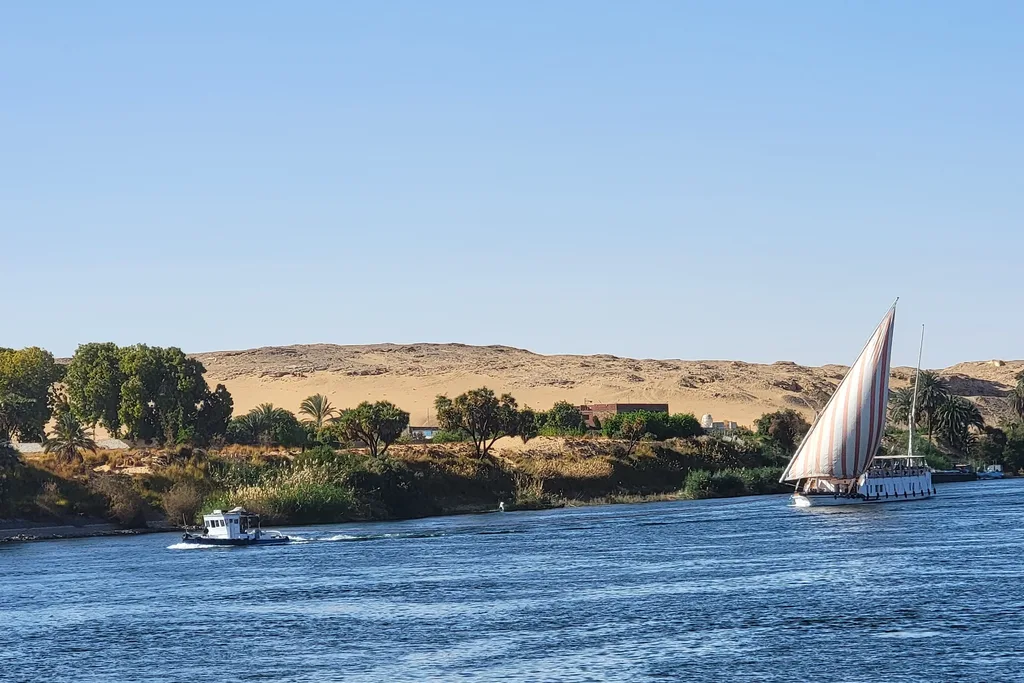
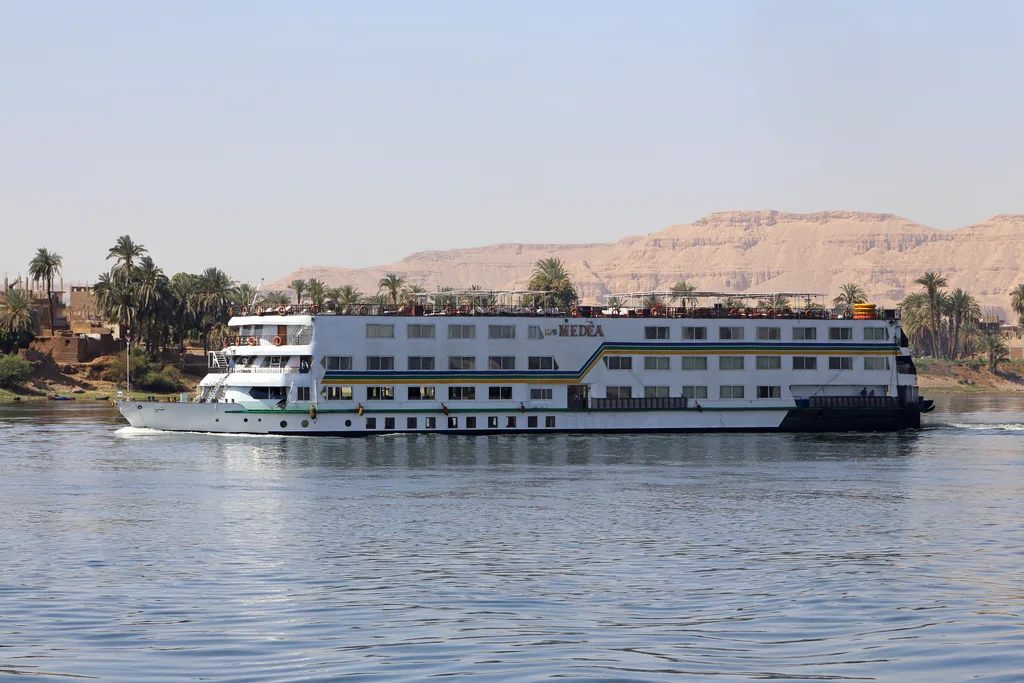
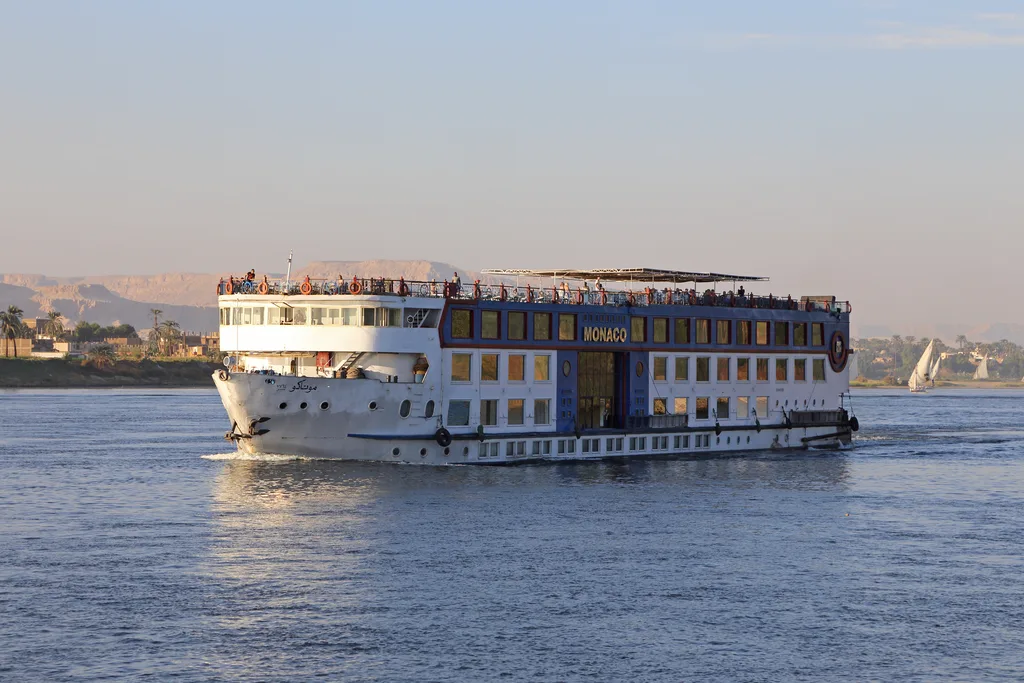
The ships on this river fall into three families, and confusing them is the commonest source of disappointment in Nile cruise planning. The first family, and by far the largest, is the big cruise ship: a floating hotel of several decks, dozens of cabins, a restaurant, a sun deck with a pool, and a programme of evening entertainment. These ships run the standard three- and four-night itineraries, they are the ships most first-time visitors take, and they vary enormously in condition. Some have been recently refurbished and feel like a good four-star hotel. Some have not been refurbished in years and feel like a hotel that has been floating for too long. The star ratings sellers print for these ships are not a reliable guide, because there is no single rating system behind them, and a ship described as five-star by one seller may be described as four-star, or as deluxe, by another. What matters is the ship’s actual condition, the size and position of the cabin, whether the restaurant is a single sitting or a buffet scrum, and whether the price you are quoted includes the temple visits, the guide and the transfers or only the cabin and the meals. Ask those four questions of any big-ship offer before you compare it with another, because two offers that look alike on price may differ on all four.
The second family is the dahabiya, the sailing boat described in the length section above: long, low, elegant, with a handful of cabins, a shaded upper deck, and a crew that cooks and sails and moors where the wind and the river allow. Dahabiyas do not have pools or large restaurants, and they do not need them, because their passengers are on deck or ashore for most of the day. They stop at places the big ships cannot, or do not, stop, and they sail more slowly because they are under sail when the wind serves and towed when it does not. A dahabiya is the right choice for a traveller who wants the river at its most traditional and its most peaceful, who is comfortable with a small group and a flexible schedule, and who would rather spend a night moored beside a palm grove than in a busy port. It is the wrong choice for a traveller who wants certainty, a large choice of fellow passengers, or the facilities of a hotel.
The third family is the Lake Nasser cruise, and it is a different journey that is often confused with this one. Lake Nasser boats sail south from Aswan, on the vast reservoir behind the High Dam, to Abu Simbel, stopping at temples that were moved to the lake’s shores during the UNESCO rescue campaign: Kalabsha, Wadi es-Sebua, Amada and others that most Luxor-Aswan passengers never see. A Lake Nasser cruise is longer, quieter and emptier than a Luxor-Aswan cruise, because the lake is a wilderness of desert and water with almost no riverside life, and it suits a traveller who has already done the classic river cruise and wants the rescue story in full. Do not book a Lake Nasser cruise expecting the Luxor-Aswan temples, and do not book a Luxor-Aswan cruise expecting Abu Simbel, which is a separate excursion from Aswan in either direction. The two cruises share a river system and almost nothing else.
Life on Board – Cabins, Decks, Meals and Evenings
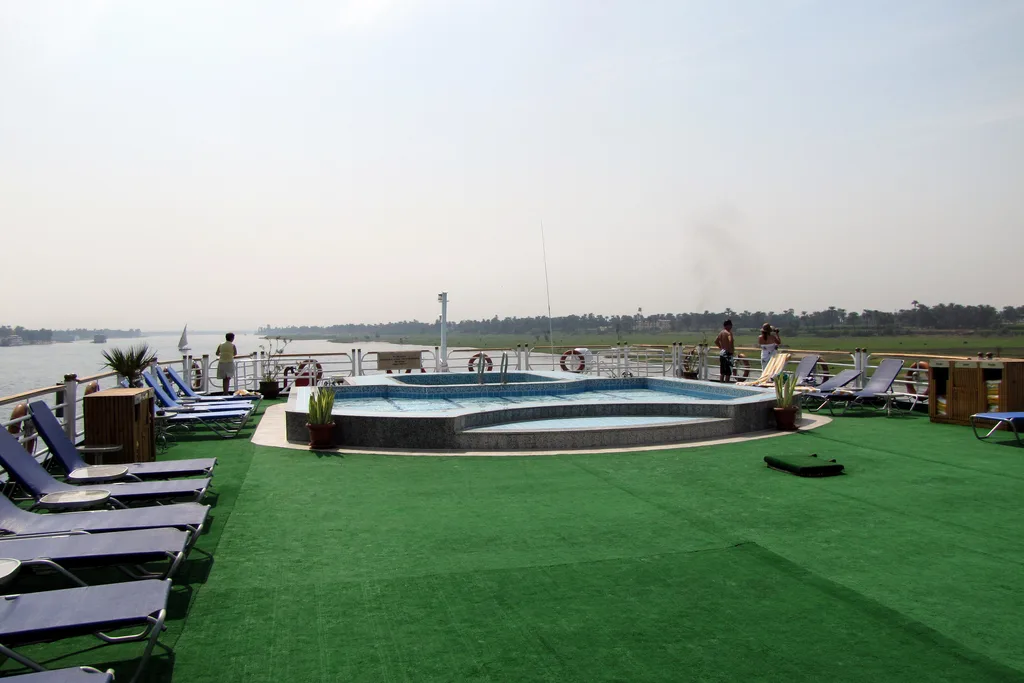
Life on a Nile cruise ship has a rhythm that is worth understanding before you board, because it is the rhythm you will live by for several days. The mornings are early. Temple visits, especially on the Luxor west bank, start before the heat builds, which means breakfast is early and the bus leaves while the light is still soft. The middle of the day belongs to the ship: lunch on board, an afternoon on the sun deck or in the shade of the lounge, the banks going past. The late afternoon brings the next temple or the next stretch of sailing, and the evening brings dinner, which on most ships is the social centre of the day, and then whatever entertainment the ship offers, which ranges from a Nubian dance show to a quiet drink on deck. It is a rhythm that suits people who like their days structured and their evenings free, and it can feel relentless to people who like to lie in, because the ship’s schedule, unlike a hotel’s, is set by the temples and the river, not by the guest.
The cabin is where the choice of ship becomes personal. On a big ship, cabins are compact hotel rooms with a window, and the window matters more than the size: a cabin on the upper deck with a large window gives you the river as a moving picture, while a cabin on the lowest deck, near the waterline, gives you a smaller window and more engine noise. Ask where the cabin is, not just how big it is, and ask whether it faces the bank the ship moors against, because a moored ship’s view is often another ship’s hull, with several ships moored side by side in the busy ports. On a dahabiya, cabins are smaller and simpler, and the living space is the deck, which is the point. Meals on a big ship are usually full board, with a buffet or a set menu that leans heavily on Egyptian and international dishes in rotation, and the quality varies more between ships than any other single factor. If food matters to you, and on a cruise it should, because you eat every meal on board, ask recent passengers rather than trusting the brochure’s photographs, and treat a ship whose reviews consistently praise its kitchen as worth more than a ship whose brochure promises luxury.
The evenings deserve a word of their own, because they are where cruises are won or lost. A good Nile cruise evening is not the entertainment programme, though a Nubian show on the last night can be genuinely enjoyable. It is the hour after dinner on the upper deck, when the ship is moored or sailing slowly, the river is dark, the banks are lit only by village lights, and the stars, away from the towns, are brighter than most city travellers have ever seen. Bring a book, bring a jacket for the breeze, and leave the phone below. The river at night is the part of the cruise that no temple visit can give you, and it is free.
Choosing a Ship and a Booking – the Questions That Matter
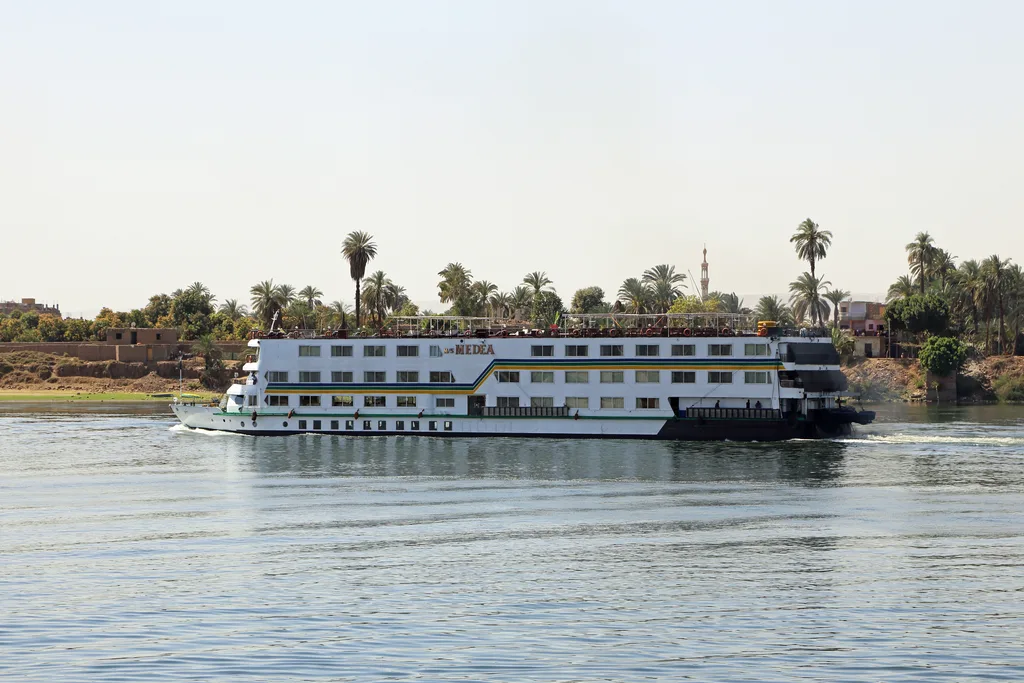
Choosing a Nile cruise is, in the end, a matter of asking the right questions before you pay, and the questions are the same whether you book through a tour operator, a travel agent or directly with a cruise company. The first question is what is included. A cruise fare may cover the cabin and meals only, or it may cover the temple visits, the guide, the transfers and the entrance arrangements as well, and the difference between those two versions is large. The second question is which ship, by name, and when it was last refurbished, because the ship is the hotel and the hotel is the trip. The third question is the itinerary in detail: which temples, in which order, with how long at each, and whether the Luxor days are split across two days or crammed into one. The fourth question is the group: whether the temple visits are with a guide and a group of fellow passengers, or private, and how large the group is. A fifth question, which travellers forget until it matters, is the cancellation and change policy, because river levels, lock maintenance and weather can all change a sailing, and a booking that cannot be changed is a risk on a river.
There are also questions that are not worth asking, or not worth paying for. The star rating, as noted above, is not a reliable guide on this river. The exact departure day, which sellers print as if it were fixed, changes by season and by ship, and a guide that tells you a cruise departs on a particular weekday is telling you what was true when it was written. The promise of a particular cabin number is worth less than the promise of a cabin on a particular deck, because ships reassign cabins. And the cheapest offer is rarely the cheapest trip, because a fare that excludes the temple visits, the guide and the transfers will cost you those things separately, at the river’s prices rather than at the operator’s. The honest way to compare two cruises is to compare what each one includes, on the same ship, for the same nights, and then to ask recent passengers what the ship was actually like. The river has been carrying travellers for a century and a half. The operators who last are the ones whose ships are looked after and whose guides know the temples, and those two facts, more than any brochure, are what you are buying.
Season, Packing and Practicalities
The Nile cruise season runs, in practice, all year, but it does not run evenly. The cool months, from October to April, are the classic season: warm days, cool evenings, and temple visits that can be made in comfort. The hot months, from May to September, are a different proposition: the temples are emptier, the ships are quieter, and the heat is serious, with sightseeing becoming a dawn-and-dusk discipline and the middle of the day given over to the ship’s shade and pool. A first cruise belongs in the cool months if the choice is free. A second cruise, or a cruise by a traveller who knows Egyptian heat and likes empty temples, can be a pleasure in the hot months, and the river itself, with its breeze and its water, bears heat better than the desert sites inland. Whatever the season, the ship’s schedule is built around the early morning, and the traveller who treats the cruise as a lie-in holiday will miss the temples that the cruise exists to show.
Packing for a cruise is packing for two holidays at once: temple days and deck days. For the temples, you need comfortable walking shoes that can handle sand, stone steps and uneven ground, sun protection that actually works, and clothing that covers shoulders and knees out of respect for the sites and for the towns you walk through. For the deck, you need layers for the evening breeze, which surprises people who have spent the day in the heat, and something to read. For the ship, you need very little else, because the cabin is small and the ship provides the rest. Two practical notes matter more than any packing list. The first is motion: the Nile is a calm river, and seasickness is not a feature of this cruise in the way it is of a sea voyage, but the lock passage and the occasional choppy stretch can surprise a sensitive stomach, and the usual remedies are worth packing if you know you need them. The second is money: the ship and the temples are largely cashless or card-friendly in the modern way, but the small boats, the carriage drivers, the market stalls and the tips that are part of Egyptian travel life run on cash, and a supply of small notes, kept separately from your main money, will save you a dozen small negotiations a day.
A final practicality, and it is the one that catches the most travellers, is the question of what happens at either end of the cruise. A cruise is not a complete Egypt trip. It is a block of days in the middle of one, and it needs a night in Luxor before boarding or a night in Aswan after disembarking, or both, to breathe. Arriving in Luxor on the morning of boarding and expecting to see Karnak properly that afternoon is a recipe for exhaustion. Flying out of Aswan on the morning of disembarkation and expecting to have seen Philae properly is the same mistake at the other end. Give the cruise a night on land at one end at least, and if you can, at both. The river will still be there. The temples will still be there. What will not be there, if you rush, is the memory of either at the pace they deserve.
Frequently Asked Questions
Is a Nile cruise from Luxor to Aswan worth it, or should I travel by land?
It is worth it if you want the river to be part of the trip, not just the transport between temples. A land trip between Luxor and Aswan is faster, cheaper in the narrow sense, and lets you choose your own pace at each temple. A cruise gives you the sailing days, the dawn light on the banks, the evenings on deck, and a rhythm that a land trip cannot reproduce. Choose the cruise for the river. Choose the land trip if your priority is the temples alone, or if you dislike being on a boat for days at a time.
How many nights should I choose?
Four nights southbound or three nights northbound is the standard, and it is the right length for most first-timers. A seven-night round trip suits travellers who want the river itself to be the holiday. A five- to seven-night dahabiya suits travellers who want a slower, smaller, wind-led journey with stops the big ships pass. Shorter than three nights, on this stretch, is not really a cruise but a transfer with temples attached, and it is rarely satisfying.
Which direction is better, Luxor to Aswan or Aswan to Luxor?
Neither, in itself. The southbound leg is a night longer because it sails upstream, against the current, and it ends in Aswan, the calmer city. The northbound leg is a night shorter, sails with the current, and ends in Luxor, the grander finale. Choose the direction that fits your flights and the rest of your Egypt trip, and let the poetry follow the practicality.
Do I need to worry about the Esna lock?
No, beyond knowing it exists. The lock is a normal part of every Luxor-Aswan sailing, it takes a while, and watching it work from the deck is one of the cruise’s pleasures. It occasionally causes a delay, as locks do, and a good cruise schedule absorbs that delay without cutting a temple visit. If your itinerary is so tight that a lock delay would cost you a temple, the itinerary is too tight, not the lock too slow.
Can I visit Abu Simbel from a Luxor-Aswan cruise?
Not as part of the standard sailing. Abu Simbel stands far south of Aswan, near the Sudanese border, and it is a separate excursion from Aswan, by road or by air, or the destination of a separate Lake Nasser cruise. If Abu Simbel matters to you, and it should, plan a day for it from Aswan at the end of your cruise, not as an addition to the cruise itself.
What is included in a Nile cruise fare?
It varies, and that is the point. Some fares cover the cabin and meals only. Others cover the temple visits, the guide, the transfers and the entrance arrangements as well. Always ask, in writing, what a quoted fare includes, which ship by name, when it was last refurbished, and what the cancellation policy is, before you compare one offer with another. No guide, including this one, can tell you what a given operator’s fare includes today.
When is the best time for a Nile cruise?
The cool months, October to April, are the classic season, with warm days and cool evenings. The hot months, May to September, bring emptier temples and quieter ships, and heat that makes sightseeing a dawn-and-dusk discipline. A first cruise belongs in the cool months if the choice is free.
The Short Version
A Nile cruise from Luxor to Aswan is the classic journey in Egypt for a reason that has nothing to do with luxury and everything to do with the river. Start at Karnak and Luxor Temple on the east bank, cross to the Valley of the Kings and Hatshepsut’s terraces on the west, and then let the river take over: the Esna lock, the sailing days with their palm groves and desert edges, Edfu, the best-preserved temple in Egypt, Kom Ombo, the only double temple, and finally Aswan, where Philae rises from its island and the feluccas take over from the cruise ships. Sail south for the slower, longer version, north for the shorter one, and choose your ship by what is included and when it was last refurbished, not by its printed star rating. Give the trip four nights southbound or three northbound, a night on land at one end at least, and your evenings to the deck rather than to the entertainment programme. Book no fare and no timetable from a guide, including this one, without checking it with the operator, because those are the two things on this river that change. What does not change is the journey itself: a slow, green ribbon of a country, seen from the water, between the greatest temples in the world. That is what you are paying for, and on a good ship, in the cool months, it is worth every unhurried hour.
And if you take only one piece of advice from this guide, take this: do not let the cruise be the only Egypt you see. The river is the thread, but the country is the cloth. A day in Cairo before you board, a night in Aswan after you land, a walk through a town that is not on any itinerary — those are the days that turn a good cruise into a trip you still talk about years later, long after you have forgotten which ship you were on and which temple came on which day.