This is the Jordan article that has to be rewritten most often, because its honest answer keeps moving. Ask the question is jordan safe in a quiet year and the answer is an easy yes with footnotes. Ask it in autumn 2026 and the answer has two layers that both matter: the official layer, where the United States currently tells its citizens to reconsider travel to Jordan and the United Kingdom advises against travel to a defined strip of the country, and the ground layer, where Amman’s markets open every morning, Petra sells its tickets, camps light their fires in Wadi Rum, and the risks that actually touch visitors are the unglamorous ones – fast roads, fierce sun, salty water and the occasional overpriced carriage ride.
A guide that gives you only one of those layers is selling something.
So this one is built differently. Its spine is the two official pages a traveller should actually read – the UK Foreign, Commonwealth & Development Office (FCDO) travel advice for Jordan and the US Department of State’s Jordan travel advisory – both fetched and read in full on 31 October 2026, quoted here in substance with their update dates attached, and linked so you can re-check them the week you travel.
Around that spine it sets the things official pages compress into single lines: what the named warning areas mean on a real itinerary, why the border wording does not say what most people think it says, and the everyday safety picture for crime, roads, health, women travelling, solo travellers and everyone else. Advice this changeable should never be taken from an article alone, including this one – treat what follows as the map, and the two official pages as the weather report you check before setting out.
Is Jordan Safe Right Now – The Short Answer
The short answer to is jordan safe, as of 31 October 2026, is that Jordan is open, functioning and visitable, and it is not currently a country any honest guide can wave through with an unqualified “perfectly safe”. The US State Department’s advisory, updated on 23 October 2026, stands at Level 3 – reconsider travel – for the country as a whole, citing terrorism and armed conflict in the region, with a short list of places it says not to go at all. The UK’s FCDO, updated on 27 October 2026, advises against all travel only to within three kilometres of the Syrian border, but surrounds that narrow line with strong warnings about sudden regional escalation, possible flight disruption and a security environment that can change quickly.
Those two positions, read together, are the story: the danger the governments are pricing is regional and episodic, not a breakdown of safety inside Jordan’s ordinary tourist circuit.
On the ground, meanwhile, the standard itinerary – Amman, Jerash, Madaba, the Dead Sea, Petra, Wadi Rum, Aqaba – crosses none of the places either government names as no-go, Jordanian daily life is visibly normal, and crime against visitors is low by any government’s account.
The travellers who actually come to harm in Jordan are overwhelmingly harmed by mundane things: a car on the Desert Highway at night, heat and dehydration on a summer trail, salt water in the eyes at the Dead Sea, a wadi entered on a rainy day. Whether the official layer or the ground layer should decide your trip depends on things only you can weigh – your own government’s current wording, what your travel insurance says about it, and your personal tolerance for a situation that is calm but not guaranteed to stay calm. The rest of this article gives you the detail to weigh them properly.
What the Official Advice Actually Says
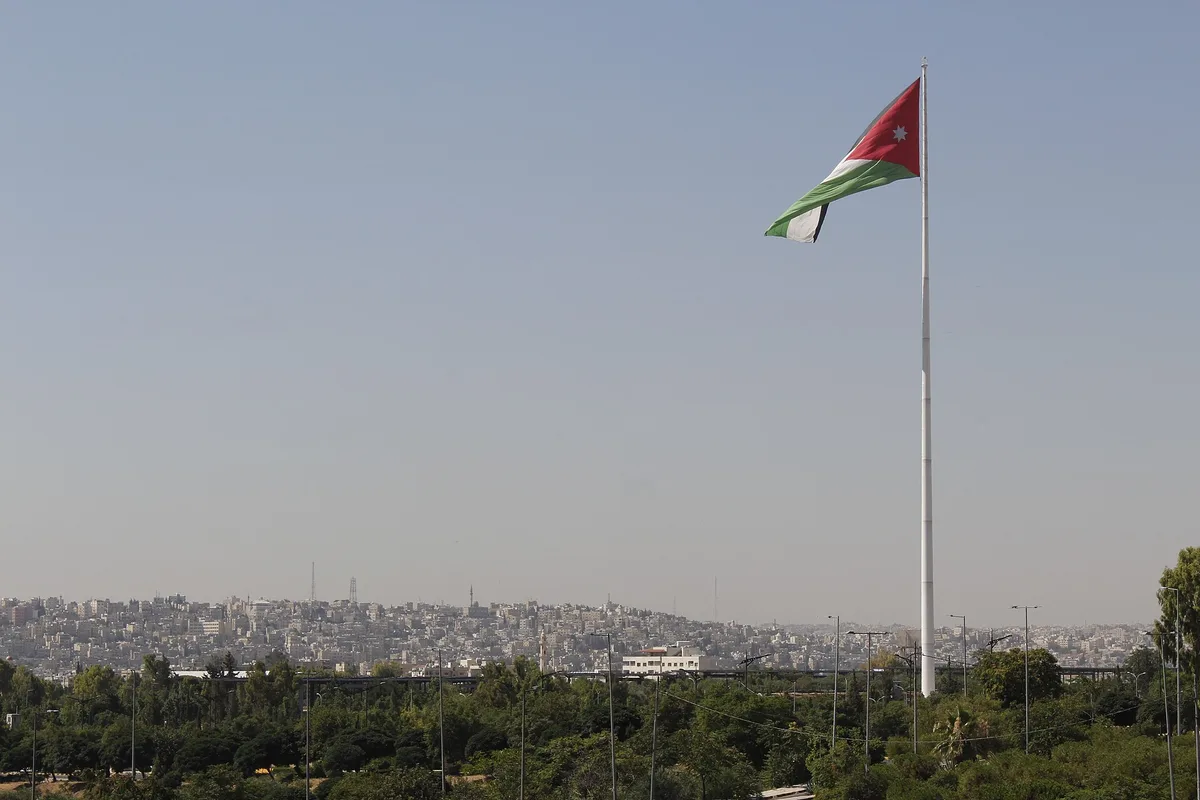
Start with the two documents themselves, because summaries of them – including, inevitably, this one – flatten things that matter; every is jordan safe answer published this year is, underneath, a summary of these two pages.
The first is the UK FCDO’s Jordan travel advice, last updated on 27 October 2026 and read for this guide on 31 October 2026. Its headline is precise: the FCDO advises against all travel to parts of Jordan, and when you open the page, the parts turn out to be one defined area – within 3km of the border with Syria.
For the rest of the country the FCDO does not advise against travel, but its current page is written in a tense register: it records a shooting at a church in Karak Governorate on 23 October 2026 that caused several casualties, instructs readers to follow local authorities and monitor local media.
It also carries a long regional-tensions section warning that the situation in the Middle East is deeply unpredictable, that strikes and retaliatory attacks have occurred across the region, that flights may be cancelled and airspace may close at short notice, and that travellers should stay away from areas around security and military facilities and strategic infrastructure, where the risk includes falling debris from intercepts.
It also repeats the warning that matters most to a British traveller’s wallet: travel against FCDO advice can invalidate your travel insurance – which, given the narrowness of the FCDO’s no-go zone, is a warning about a three-kilometre strip, not about Jordan as a whole.
The second document is the US State Department’s Jordan travel advisory, most recently updated on 23 October 2026 – an update the Department says changed no levels or risk indicators, but refreshed the summary to reflect an increased threat of attacks by Iranian-supported Houthi forces in the region. Its headline is broader than the British one: Level 3, reconsider travel to Jordan due to terrorism and armed conflict.
Under that headline it names places American citizens should not travel to at all – the towns of Mansheyat al Ghayyath and Ruwayshid and the border with Syria and Iraq; designated Syrian refugee camps, which the Jordanian government itself restricts entry to; Rusayfah city; and the Baqa’a neighbourhood of Ayn Basha – and it flags two further areas for heightened terrorism and crime risk, Zarqa city and parts of Ma’an Governorate, examined in the next section.
Its own summary sentence is the fairest one-line description of the current position in either document: Jordan is relatively stable, but due to high tensions in the region the security environment remains complex and can change quickly.
It also notes that US government employees need special authorisation to travel to Jordan at all – a measure of how the Department prices the regional, rather than the street-level, risk.
| UK FCDO (updated 27 Oct 2026) | US State Department (updated 23 Oct 2026) | |
|---|---|---|
| Overall position | Advises against all travel to parts of Jordan only | Level 3 – reconsider travel to Jordan |
| Named no-go area | Within 3km of the Syrian border | The Syria and Iraq border area incl. Ruwayshid and Mansheyat al Ghayyath; Syrian refugee camps; Rusayfah city; Baqa’a neighbourhood of Ayn Basha |
| Extra areas flagged | None by name; regional-tensions warnings apply countrywide | Zarqa city and parts of Ma’an Governorate (heightened terrorism and crime risk) |
| Main stated concerns | Sudden regional escalation, flight and airspace disruption, falling debris near military and strategic sites, a recent shooting in Karak | Terrorism, armed conflict in the region including Houthi attacks, disruption to flights |
| Insurance note | Travelling against FCDO advice may invalidate insurance | Recommends travel insurance, including evacuation cover |
Two governments, one country, different instruments: the UK system draws a line on a map, the US system grades the whole country and then annotates it. Neither page is “the truth” and the other spin – they are two risk offices answering slightly different questions for two different travelling publics.
The practical consequence is that the advice that governs your trip is the one written for your passport, because that is the advice your insurer, your airline’s duty-of-care desk and your own embassy will work from. Read both pages if you want the full picture, but run your decision – and especially your insurance check – against your own government’s current wording, on the day you book and again before you fly.
The Map Behind the Warnings
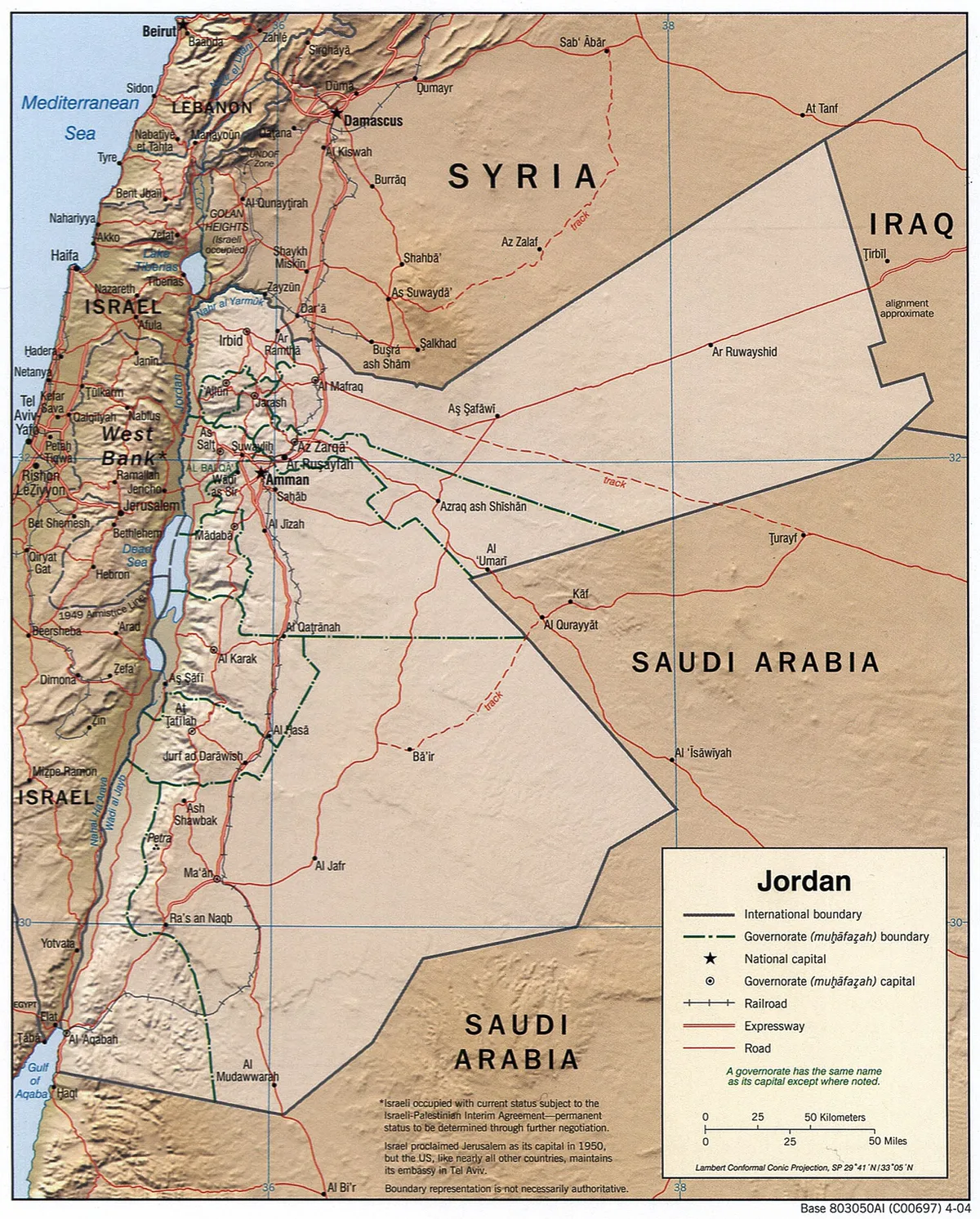
Read the named places against a map and the is jordan safe warnings change character. The Syrian border strip in the north and the Iraq border country in the far east – Ruwayshid is a remote town on the Baghdad highway, about as far from a tourist itinerary as anywhere in Jordan – are conflict-adjacent edges of the kingdom, patrolled, in the FCDO’s words, by Jordanian army and police units who check traffic.
The designated Syrian refugee camps are closed facilities visitors cannot enter in any case, restricted by the Jordanian government itself rather than by anything a tourist might do. Rusayfah and the Baqa’a neighbourhood of Ayn Basha are urban districts on Amman’s north-eastern side that appear in no guidebook itinerary; Zarqa, flagged by the US for heightened terrorism and crime risk, is an industrial city travellers pass on the desert-castle road, not a place they stay.
None of this makes the warnings wrong. In practice, it makes them specific. They describe Jordan’s edges and a few urban pockets, drawn by analysts watching borders and cells, not a judgement on the King’s Highway at noon.
The one name that needs careful reading is Ma’an, because Ma’an is also the governorate that contains Petra, and headlines that shorten the advisory to “avoid Ma’an” would, taken literally, cancel most Jordan trips. The advisory’s actual wording is narrower: it flags Ma’an city itself, all areas of the governorate east of Highway 15 – the Desert Highway – and the strip within two kilometres west of that highway. Wadi Musa, the town that serves Petra, and the archaeological park itself lie well west of the Desert Highway corridor, outside the named areas as the advisory draws them; Petra is not named in either government’s Jordan warnings.
That distinction is this article’s reading of the advisory’s geography, offered so you can test it against the text yourself – the advisory page, not this summary, is the authority, and if its wording changes, its wording wins. The Desert Highway itself, the fast road south that most Petra-bound traffic uses, runs along and through the flagged corridor’s edge, which is why the US restricts its own personnel on it to daylight hours and main highways at night; how a private traveller prices that is their call, and the King’s Highway – slower, higher, and further west – exists as the alternative the itinerary guides have always preferred on scenic grounds anyway.
What the map means in practice for a standard trip is simple to state: a route built on Amman, Jerash, Madaba, Mount Nebo, the Dead Sea, the King’s Highway, Petra, Wadi Rum and Aqaba enters none of the areas either government currently tells its citizens to avoid outright, and touches the US-flagged Ma’an wording only in the sense that Petra shares a governorate with places the advisory names more precisely. Jordan’s other borders complete the picture – the Saudi border in the south is quiet desert, and the western crossings to Israel and the West Bank operate under their own rules and can close at no notice, as the FCDO notes, which is a logistics warning rather than a safety verdict on Jordan itself.
Geography is not the whole of safety, but in Jordan’s case it is most of what the official warnings are actually about.
Terrorism and Regional Spillover – The Risk in Proportion
Two different dangers hide inside the word “terrorism” on the current advice pages, and separating them is the key to keeping proportion. The first is regional spillover: since the conflicts that began in early 2026, Jordan has sat beside – and at moments underneath – exchanges of missiles and drones between regional states and their proxies, and both the FCDO and the State Department treat this as live context.
Its realistic effects on a traveller are disruption more than impact: flights cancelled or rerouted, airspace closed for a night, an alert instructing people to stay indoors, debris falling near the military and strategic sites the FCDO tells you to keep away from. The FCDO’s shelter guidance is calm and concrete – if advised to take shelter, get inside a solid building, ideally an interior room or stairwell with few external walls, and do not approach or touch any drone or missile fragments. Build a trip that can absorb a lost day and a rebooked flight, and you have answered most of what spillover actually asks of a tourist.
The second danger is attack inside Jordan itself. Both governments say plainly that terrorists are likely to try to carry out attacks in Jordan, and the State Department lists the target types its analysts worry about – tourist locations, transportation hubs, markets and shopping malls, local government buildings. The recent record they are pricing is specific and short: in 2025, two people and the assailant were killed in a knife attack at the King Hussein (Allenby) Bridge crossing; in 2024 there were three separate attacks on border crossings in which Israeli border personnel were killed; and on 23 October 2026 a shooting at a church in Karak Governorate caused several casualties.
Alongside that record, the State Department notes that Iran-aligned militia groups have threatened US interests across the region and have claimed attacks in Jordan. None of this is a pattern of attacks on holidaymakers at sights – there is no such pattern in the current pages – but it is why neither government will currently write the word “routine” about Jordan, and why large hotels, malls and transport hubs run the visible security screening they do.
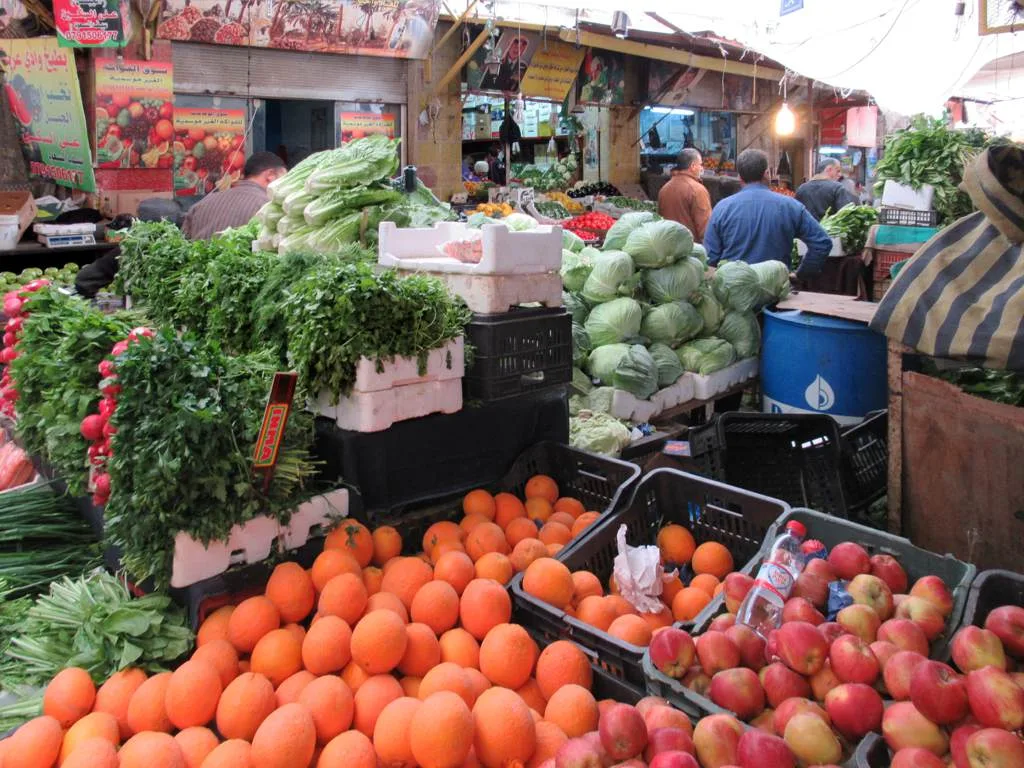
Proportion, then, cuts both ways, and it is where the is jordan safe question is really decided. The absolute likelihood of any individual visitor being caught in an attack is low – Jordan’s security services are extensive and practised, checkpoints are a normal feature of the roads, and daily life in Amman is conducted in a register of complete ordinariness, as any walk through its markets shows. But the consequence side of the ledger is severe, the threat is described by two governments as live rather than historical, and the regional layer can change the picture in a single news cycle – which is precisely why the US advisory’s own verb is “reconsider” rather than “go” or “don’t go”.
The sensible traveller’s posture inside Jordan is awareness without theatre: know where your embassy’s alerts are, stay clear of military and security infrastructure, follow local instructions immediately during any alert, and otherwise get on with the trip you came for.
Crime and Personal Safety – The Low-Level Picture
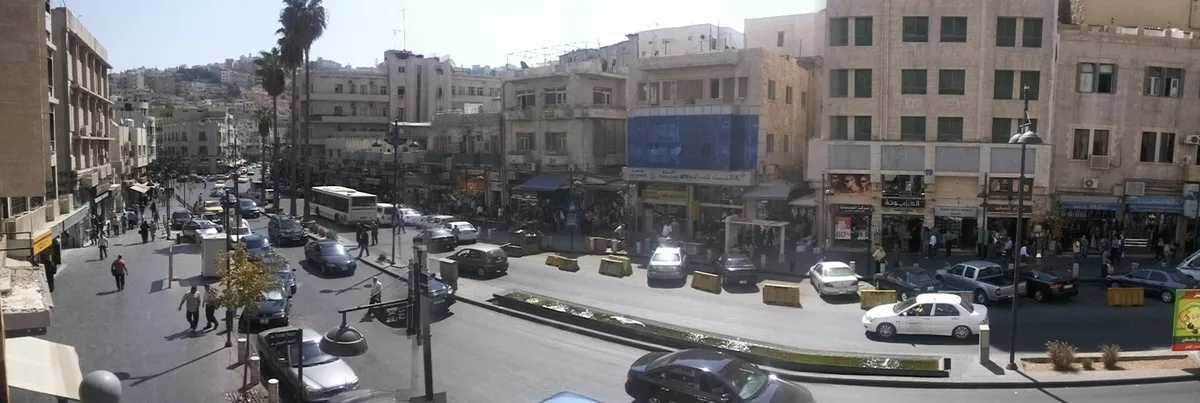
Strip away the regional layer and the street-level side of is jordan safe is one of the calmest parts of this article. The FCDO’s wording is the one most governments echo: crime levels are generally low, with a risk of pickpocketing, bag-snatching and theft from cars. That is the whole shape of it – opportunistic theft in busy places, not violence against visitors, which neither official page treats as a feature of Jordanian life.
The practical translation is big-city routine rather than expedition discipline: keep money, passport and valuables secure and split up rather than in one inviting bag; be most alert exactly where crowds compress – the downtown souks, the Balad’s market streets, the plaza below the Roman Theatre, packed sites at peak hour; and never leave valuables visible in a parked car at a viewpoint or trailhead, the single most repeated local caution, because a quiet car park at a famous stop is the one place a thief can count on finding distracted owners and rich pickings.
Two smaller frictions appear in the official text and are worth knowing before they surprise you. Street begging, the FCDO notes, can be aggressive, particularly in areas frequented by foreigners, and its advice is simply not to engage – a polite, unbroken stride resolves nearly every encounter.
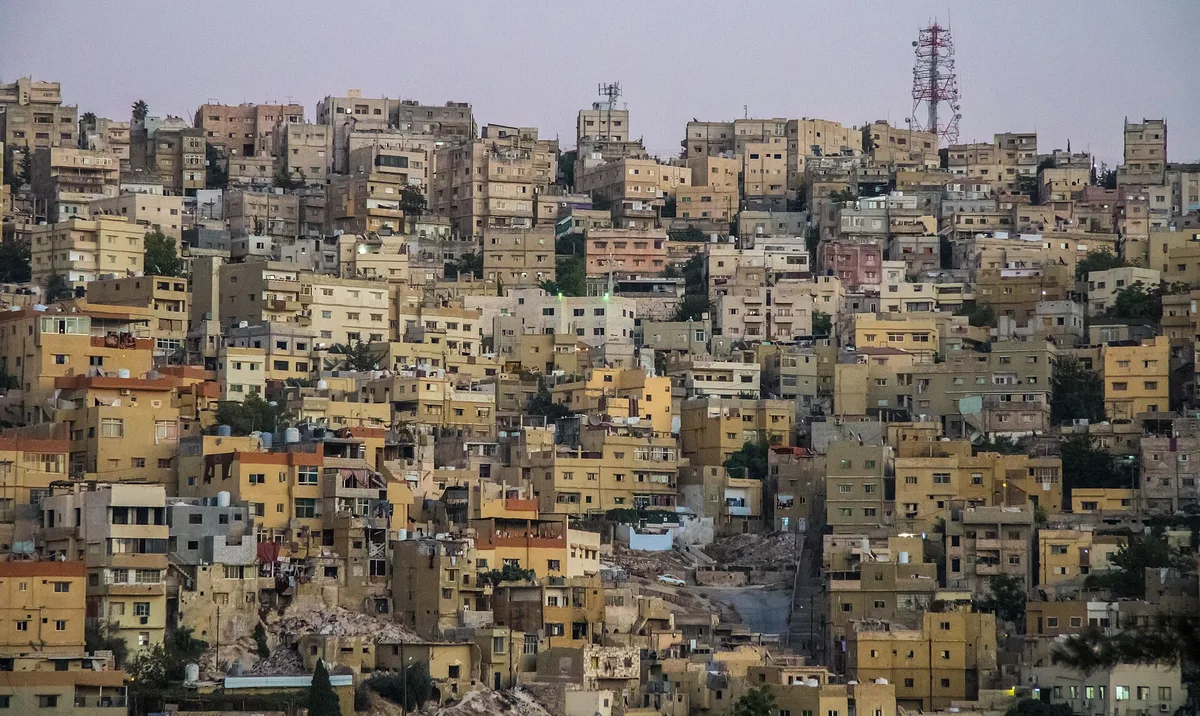
And the police carry out random security checks, so carry identification – passport or driving licence – to show at checkpoints; a clear photograph of your passport on your phone is a sensible backup, with the original in the hotel safe when you are not travelling between towns. Around those points, Amman behaves like the capital it is: the downtown and Balad districts are dense, commercial and fine to walk with normal care, the western districts are quieter and more residential, and lit, populated streets at night present no special Jordanian problem beyond the awareness you would use in any large city.
Jordan also runs ordinary laws with real teeth in two areas visitors sometimes treat casually – it is illegal to drink alcohol on the street (bars, clubs, hotels and private homes are fine), and drug offences carry lengthy prison sentences and heavy fines. Neither is a trap; both are stated plainly here because “I didn’t know” is not a defence that travels.
Scams, Hassle and Overcharging – The Risk You Will Actually Meet
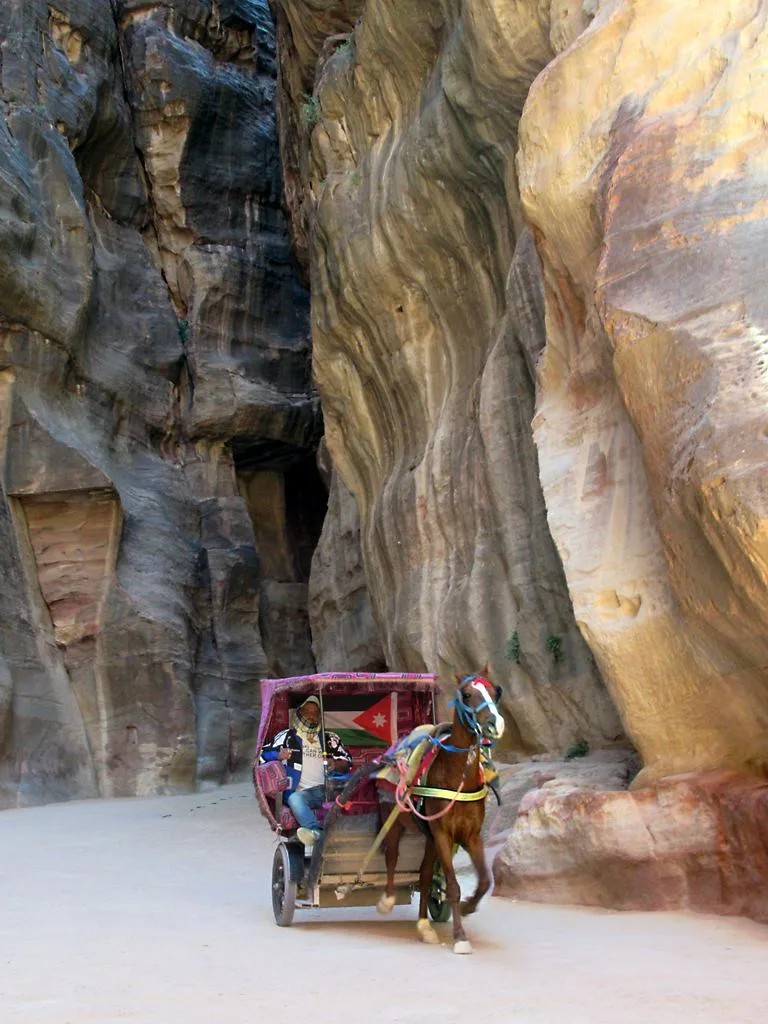
If anything in the is jordan safe debate is near-guaranteed to touch your trip, it is not in the previous sections – it is here, at the level of a taxi meter that turns out to be broken and a carriage price that turns out to be per person, one way, to a point short of where you wanted to go. Jordan’s tourist hassle is commerce rather than danger, but it is persistent at the famous places, and the same three defences answer almost all of it: agree the full price, covering exactly what, to exactly where, before anything moves; use the system that removes negotiation where one exists; and treat a cheerful walk-away as the end of any conversation that stops feeling honest.
The FCDO’s taxi advice is unusually direct and worth following word for word in spirit: ask your hotel to recommend a reliable driver, do not ride in the front seat – particularly when travelling alone – and use Uber or Careem, which it describes as safer than yellow taxis, because an app fare agreed in advance deletes the entire genre of the meter dispute.
Where you do take a yellow taxi, the meter is the rule; a driver who will not use it is offering you a negotiation, and you are allowed to decline it and take the next car.
Petra concentrates the classics. Carriages, horses and donkeys work the park under official tariffs, but the gap between the tariff and the price a tired visitor agrees to at the Treasury is where the money leaks – so confirm the price, the destination and whether it is one way or return before you climb up, and keep small notes ready so change cannot become a second negotiation. Unofficial guides who attach themselves at a tomb and present a bill at the end are answered by a clear early “no thank you” rather than a polite drift.
The FCDO adds two Petra specifics every visitor should know: ask the tourist office staff if you are unclear about ticket prices before agreeing to additional charges, and respect the park’s strict opening and closing hours – tourists have been locked in overnight, and being inside outside those hours risks arrest, which makes “one last photograph at dusk” the most expensive picture in Jordan.
Our Petra travel guide covers the park’s logistics in full. Beyond Petra the pattern repeats at lower volume. For example, “free” tea that ends in a carpet shop is a sales technique, not an obligation; restaurant bills deserve the ten-second check anywhere on earth; and prices for anything unpriced – a boat, a guide, a pair of sandals – exist only once agreed aloud. None of it should sour the country for you. Jordanian hospitality is real and famous, and the same culture that produces a pushy tout produces the stranger who insists on paying for your coffee; the skill is simply telling commerce and kindness apart, which the price-agreeing habit does for you.
Is Jordan Safe to Drive – Road Safety, the Risk That Actually Finds Travellers
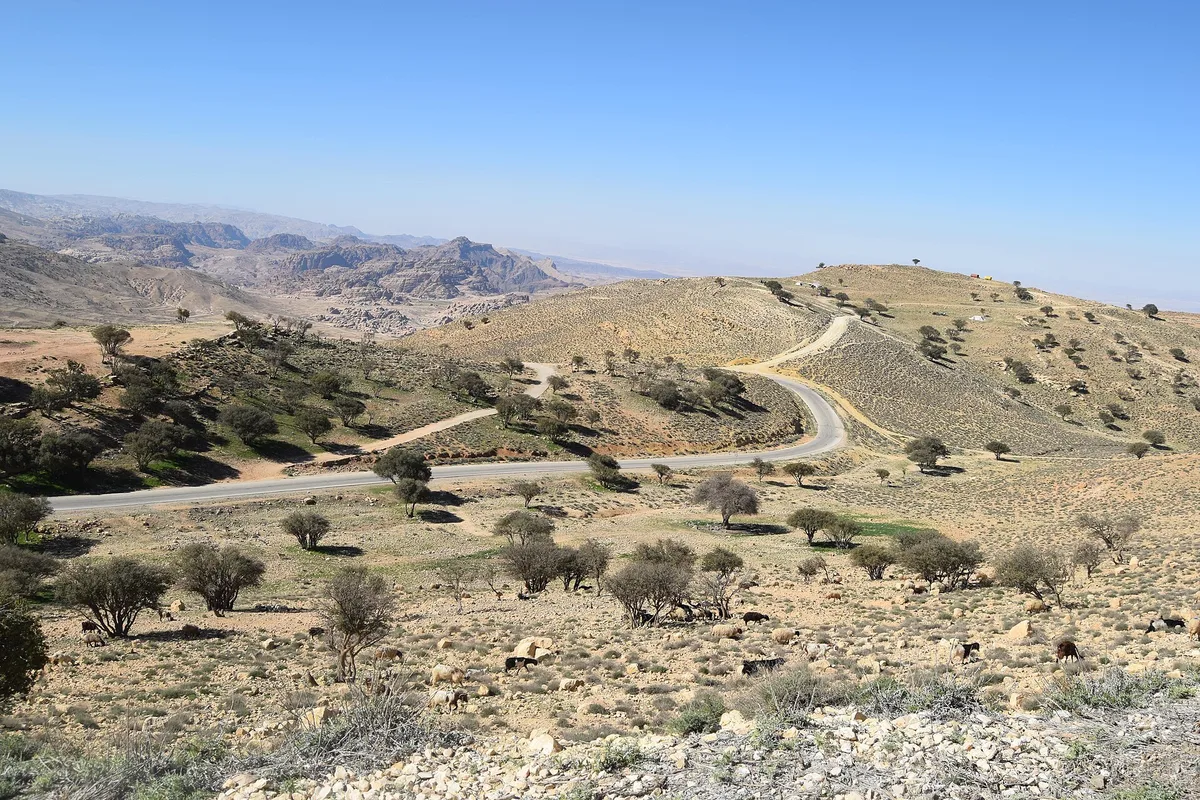
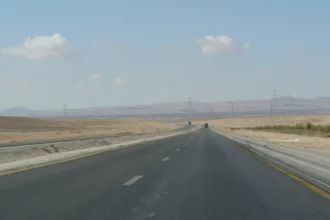
Ask Jordan’s official pages where visitors genuinely get hurt and the is jordan safe answer is not in the security sections at all – it is on the roads. The FCDO’s transport wording is the bluntest in its whole Jordan file: driving standards differ from those at home, stray animals, broken-down vehicles and unmarked roadworks are common, there have been fatal accidents on the Desert Highway, and you should drive with care at night and avoid unlit roads. Underneath those lines sits the daily reality of Jordanian driving – speeds that rise on the long, straight desert roads, lane discipline treated as a suggestion, overtaking that assumes you are watching, and a mix of trucks, minibuses and livestock sharing the same tarmac.
Jordan’s highways themselves are mostly well built and well surfaced; it is the human layer, plus fatigue on empty roads, that does the damage. A traveller who does one thing differently because of this article should make it this: be off the intercity roads by dark, or be sitting in the back of a car driven by someone else.
The practical rules follow from that. If you self-drive, plan stages so arrivals land in daylight, treat the Desert Highway’s speed as its hazard rather than its convenience, and slow right down anywhere the road crosses grazing country – the goat herd on the Little Petra road in the photograph above is not a photo opportunity so much as a traffic condition. The FCDO records the legal frame as well: front-seat occupants must wear seatbelts, using a mobile phone while driving is illegal, cars must carry a fire extinguisher and a warning triangle, and if you are involved in an accident you should not leave the scene before the police arrive and take a statement – call 911 to reach them. Winter adds its own page: heavy snow can trap vehicles and block the mountain roads, including around Petra, so a January itinerary in the highlands needs the same forecast-checking discipline as the wadi walks in the health section below.
Many visitors sensibly outsource the whole problem – a hired driver for the long southern legs costs the worry rather than removing the risk, since you are still on the same road, but it puts a rested local behind the wheel and lets you watch the country instead of the mirrors.
Either way, the hierarchy of Jordanian risk puts the journey between the sights well above anything at the sights themselves.
Is Jordan Safe for Women Travellers – Norms, Attention and Practical Answers
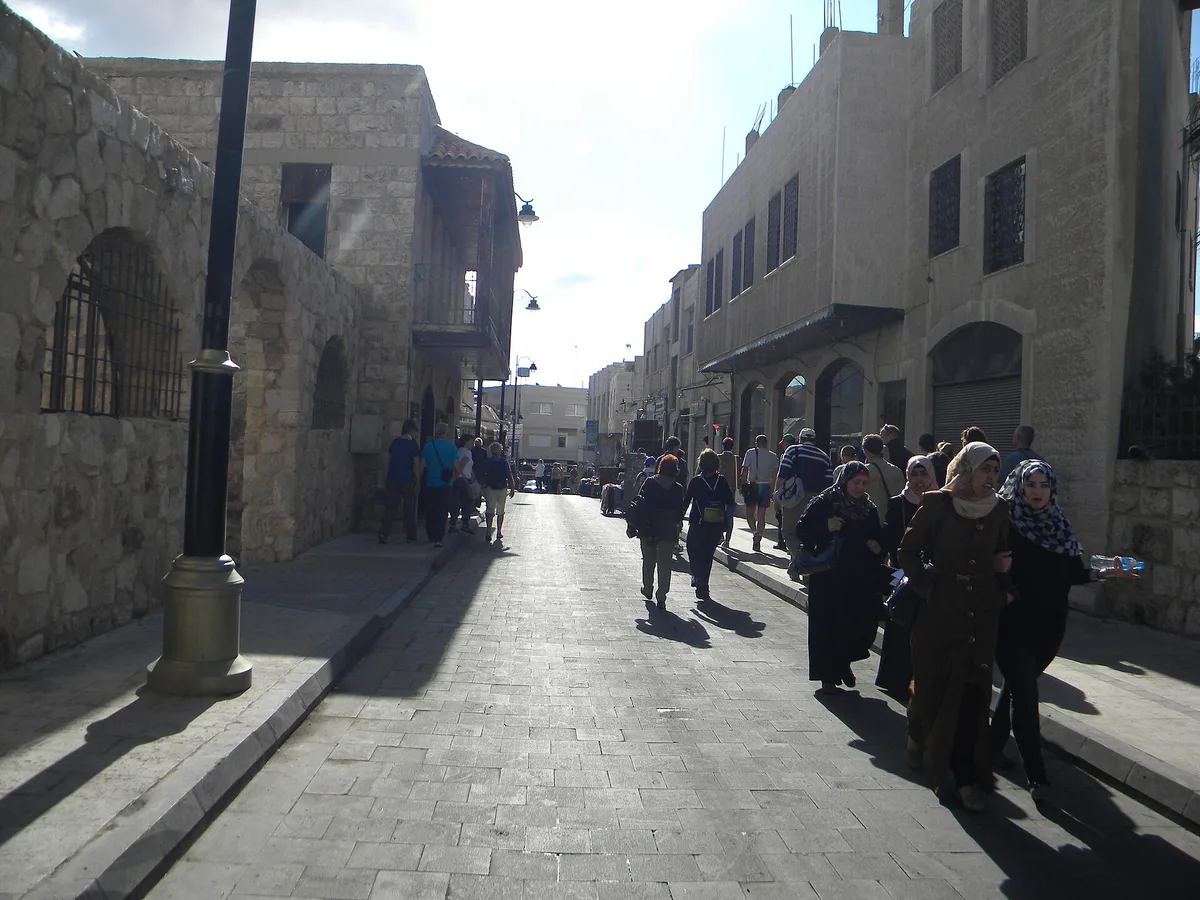
Jordan is, by regional consensus and by the experience of the many women who travel it alone each season, one of the easier countries in the Middle East for a woman to move around in – and it is a conservative society whose norms are not optional scenery. Both halves of is jordan safe for women travellers matter. There is no dress law imposed on visiting women and no requirement to cover your hair in public life; what exists instead is a social gradient. In Amman’s western districts and the resort strip at Aqaba you will see nearly the full range of how Jordanian women themselves dress; in downtown Amman, small towns and the south, dress runs more conservative, and a visitor who covers shoulders and knees there will simply attract less friction and less comment.
Mosque visits follow the stricter rule everywhere – modest dress and a headscarf to enter – and swimwear belongs at resort and private beaches and hotel pools, with something more covered the norm on public beaches, where Jordanian families themselves swim in ordinary modest dress.
The friction women travellers most often report is attention – staring, comments, and persistent conversation, particularly around Wadi Musa outside Petra and in parts of downtown Amman. It is usually verbal rather than physical, and the widely used answers are unglamorous and effective: keep moving, keep answers short and unencouraging, wear the sunglasses, step into a shop or towards a family group if attention follows you, and let hotel staff know if a particular spot or individual keeps recurring – Jordanian hosts take a guest’s comfort personally.
The FCDO’s own women-relevant advice sits in its crime section and deserves repeating plainly: take care when walking or travelling alone, do not accept lifts from strangers, and in taxis sit in the back and prefer Uber or Careem or a driver your hotel recommends. Alcohol deserves the same ordinary caution as anywhere – drink in licensed venues, keep your glass in sight, and be aware that the FCDO currently flags methanol-contaminated drinks as a rising global problem in popular destinations generally. None of this amounts to a warning against travelling; it amounts to travelling dressed for the country you are in, with the standard solo toolkit switched on.
Solo Travellers – A Country That Suits Going Alone
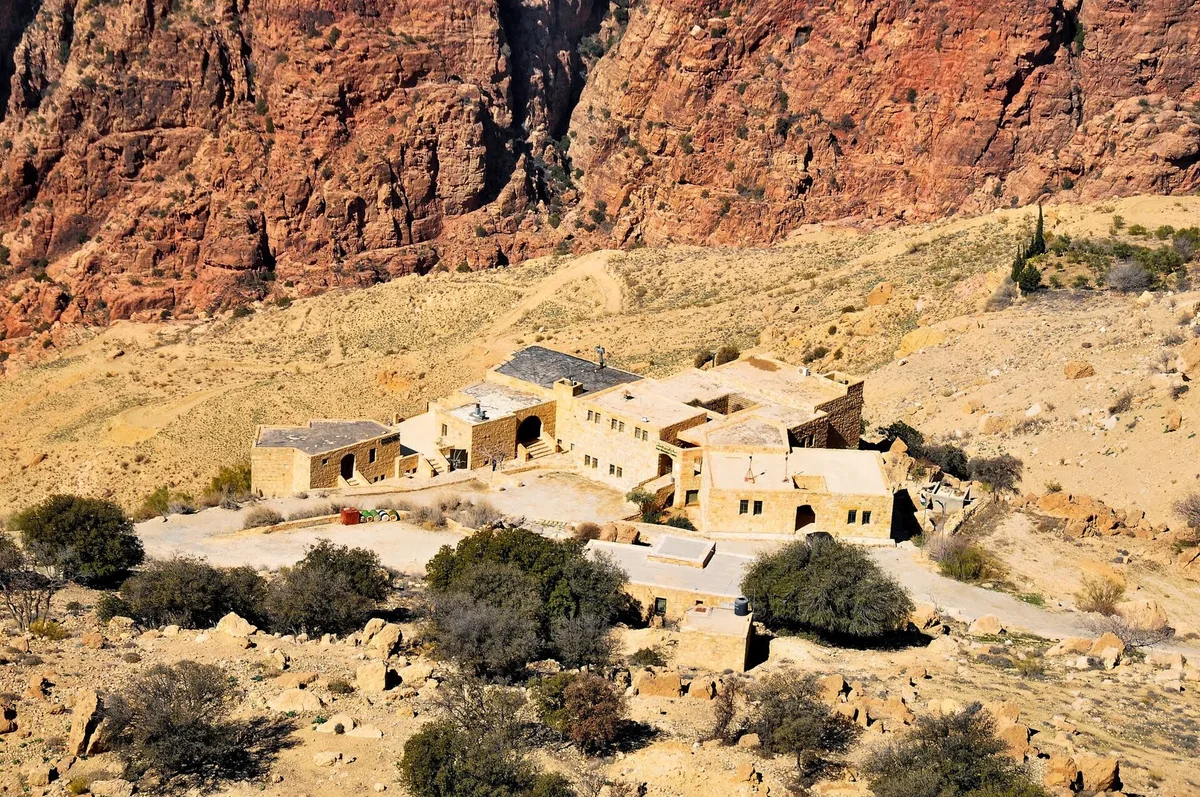
Solo travellers tend to ask is jordan safe in a more personal register, and Jordan answers it well for structural reasons: the country is compact, the classic route is a single line from Amman to Aqaba that guesthouses and small hotels string along like beads, and travelling alone in a culture built on hospitality means you are rarely left alone unless you want to be – invitations to tea are a Jordanian reflex, and most solo travellers count the people they met as the trip’s substance.
The safety overlay for going alone is therefore less about other people than about remoteness and logistics. On the hiking routes – the Dana to Feynan trail above all, and the desert days in Wadi Rum – the risk profile changes from social to physical: long stages, no shade, patchy signal, and help that is far away.
The FCDO’s outdoor advice is the right frame: the quality of tour operators varies, so choose ones with proper safety mitigations and insurance, and note that a list of operators is published on the official Visit Jordan site. Walking with a registered local guide, leaving your route and return time with your guesthouse, and carrying more water than the day seems to need are the solo hiker’s whole religion, and they are enough.
Back on the corridor, solo simply means self-reliant: keep your phone charged and connected with a local SIM or eSIM, share your broad itinerary with someone at home, and keep your evening arrivals in unfamiliar towns early rather than late, when streets are busy and desks are staffed. Wadi Musa, Madaba and Amman’s traveller districts are all places where a solo arrival is unremarkable. If you want the route itself worked out day by day, our Jordan itinerary for 7 days is written so a single traveller can run it with buses, shared tours and hired drivers where each makes sense. Jordan asks a solo traveller for competence rather than courage, which is close to the best thing a safety guide can say about anywhere.
LGBTQ+ Travellers – The Legal Position and the Social One
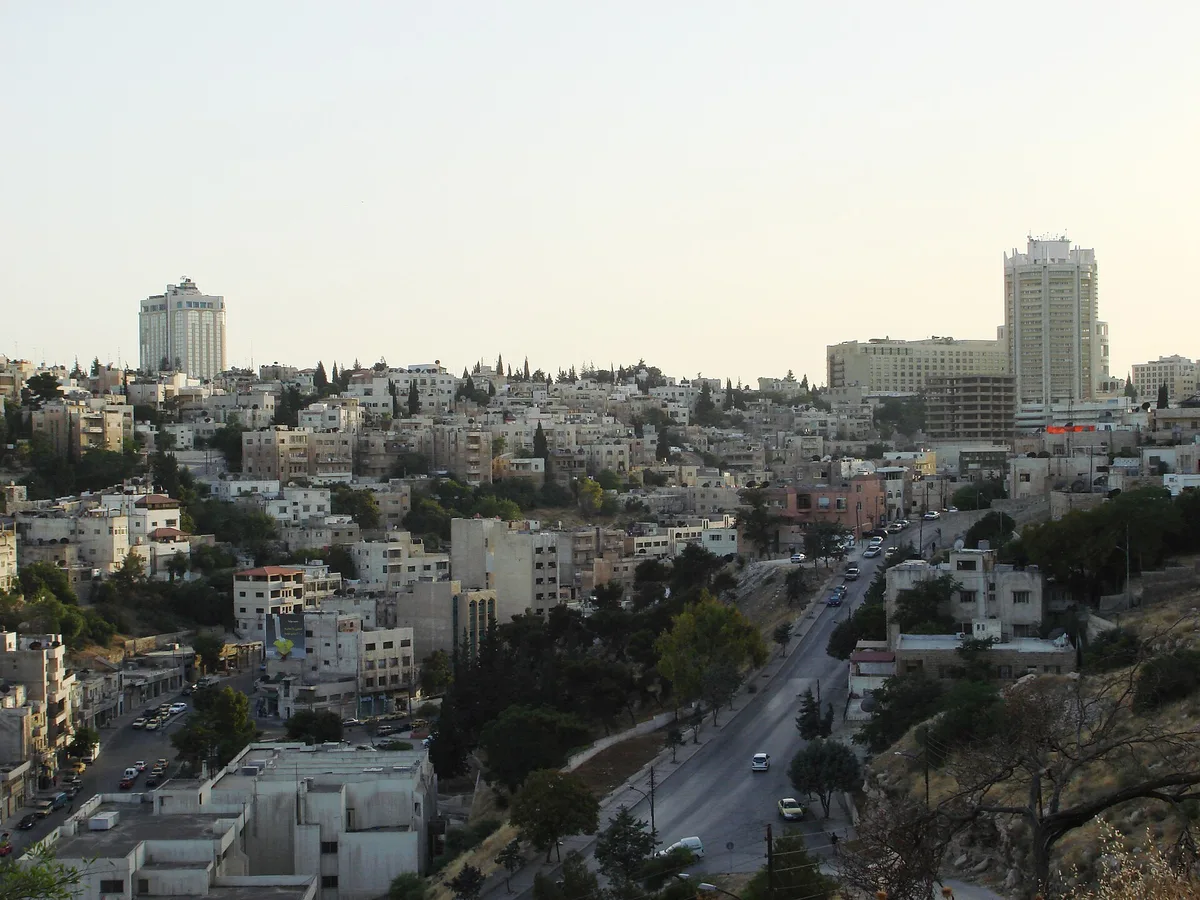
This section can be short because the official position is unusually clear. The FCDO states it in two sentences: same-sex sexual relations are not illegal in Jordan, but same-sex couples showing affection in public may cause offence, and you could be arrested under other Jordanian laws. That pair of sentences is the whole practical picture.
Jordan is a socially conservative country in which public displays of affection are restrained for everyone – Jordanian couples of any kind do not make a spectacle of themselves in public – and an LGBTQ+ traveller who runs on the same discretion as the society around them is working with the culture rather than against it. The FCDO maintains a dedicated page of advice for LGBT+ travellers abroad, linked from its Jordan file, and it is worth reading before you go because it covers the documentation and digital questions this short section cannot.
Two practical footnotes complete it. The FCDO also notes that it is socially unacceptable for unmarried couples to live together and that some landlords may ask whether you are married or request a marriage certificate – a norm aimed at long stays and apartment rentals rather than hotel check-ins, but one worth knowing if your trip involves renting. And the standard stranger-caution that applies to every traveller applies with extra force to meeting people through apps in a country where your legal position depends on discretion: meet in public, tell someone where you are, and keep your own judgement switched on.
Measured against the region Jordan is comparatively permissive in law; measured against home, the adjustment is about visibility, not existence.
Health, Water and the Natural Risks
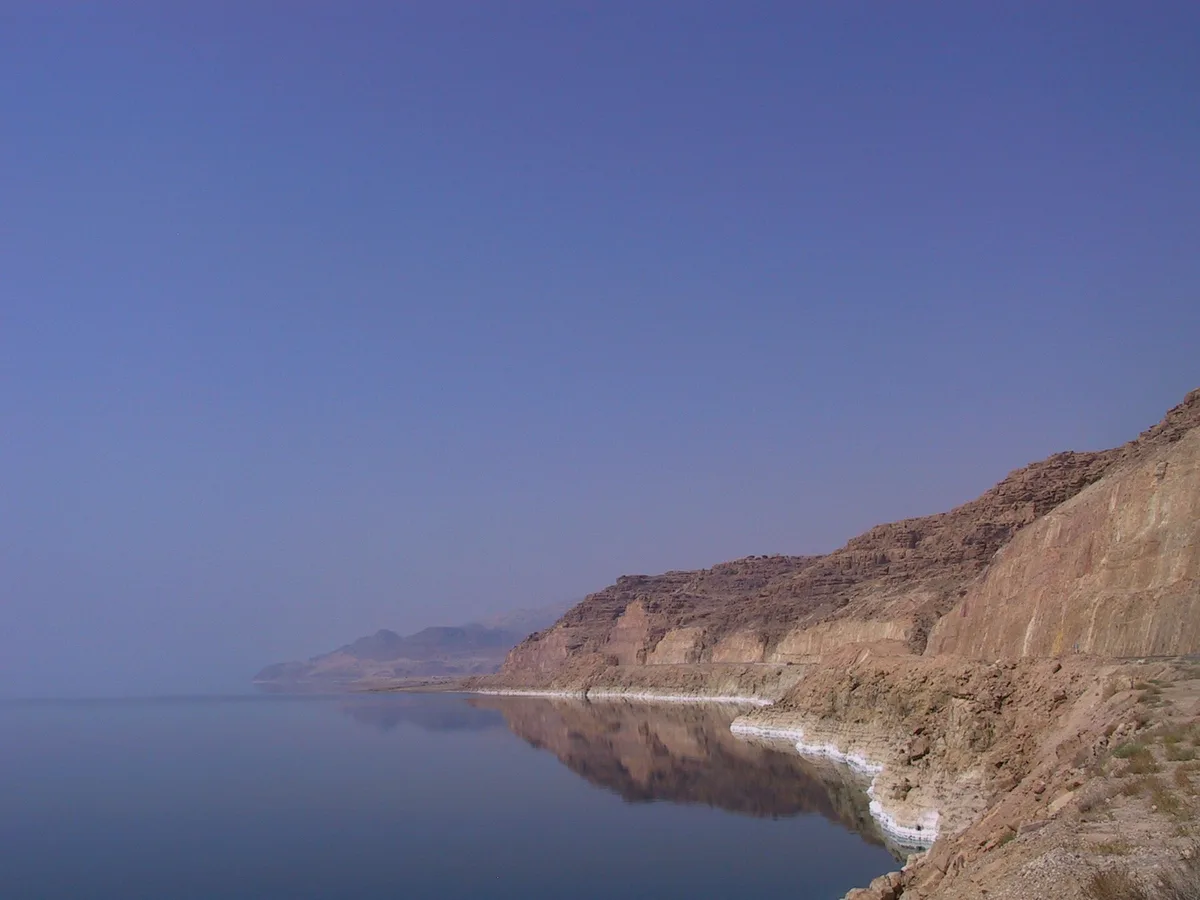
Jordan’s natural risks are the ones with a season and a forecast, which makes them the most manageable part of is jordan safe once you know their rules. Water first: the tap supply is treated and officially drinkable, but it is commonly stored in rooftop tanks whose condition varies from building to building, so in practice most visitors – and a great many Jordanians – drink bottled or filtered water, and doing the same costs you nothing but a little plastic conscience.
Sun and heat are the year’s main load: the Jordan Valley, the Dead Sea shore and Aqaba bake through the summer, Petra and Wadi Rum are full-day exposures with thin shade, and the working routine of every sensible itinerary – early start, long midday pause, water carried in quantities that feel excessive at breakfast – is a safety system, not a style choice. Pharmacies are easy to find in the cities for minor troubles, but the FCDO’s health page draws the line that should shape your insurance thinking: medical facilities outside Amman and Aqaba are basic, and in an emergency you should seek treatment in Amman or Aqaba.
The Dead Sea has its own discipline, because its water is closer to a chemical than a swim. Float on your back; never duck your head, splash, or let the water near your eyes; keep floats short and use the beach showers the moment you come out; and expect any shaving nick or graze to announce itself loudly.
Swim at managed beaches rather than improvising on open shore, where the ground along parts of the coast is unstable. Wadi Mujib’s famous Siq Trail – the canyon walk that involves wading and swimming between slot-canyon walls – is a seasonal, weather-dependent operation: it runs in the drier part of the year and can close at short notice when rain falls upstream, so it is always a check-on-the-day activity rather than a promise to build a day around.
That points at the wider rule the FCDO spells out for all of Jordan’s eighty or so wadis: in the rainy season from November to March there is a risk of flash floods, flood alerts are issued especially along the Jordan Valley, and before entering any wadi you should check the forecast and stay out for at least a day after heavy rain; if water catches you anyway, go to high ground, never try to cross the flow, and contact Civil Defence on 911.
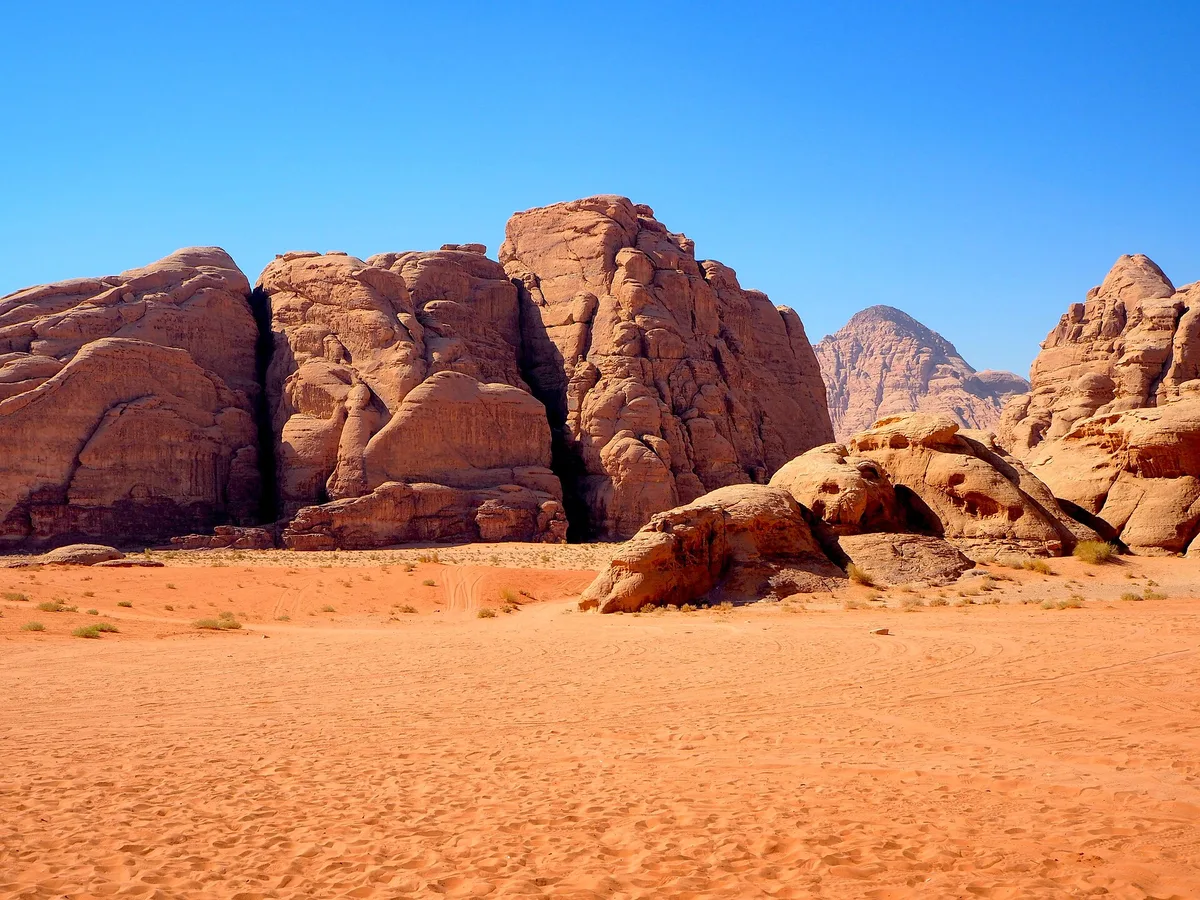
In Aqaba, add the FCDO’s water note from the other sea: diving and snorkelling operator standards vary, so do not dive or snorkel alone and choose an operator with a recognised accreditation such as PADI. None of Jordan’s natural risks is exotic; all of them punish exactly one behaviour, which is assuming the desert behaves like the brochure photograph in every month.
Demonstrations, Crowds and Photography
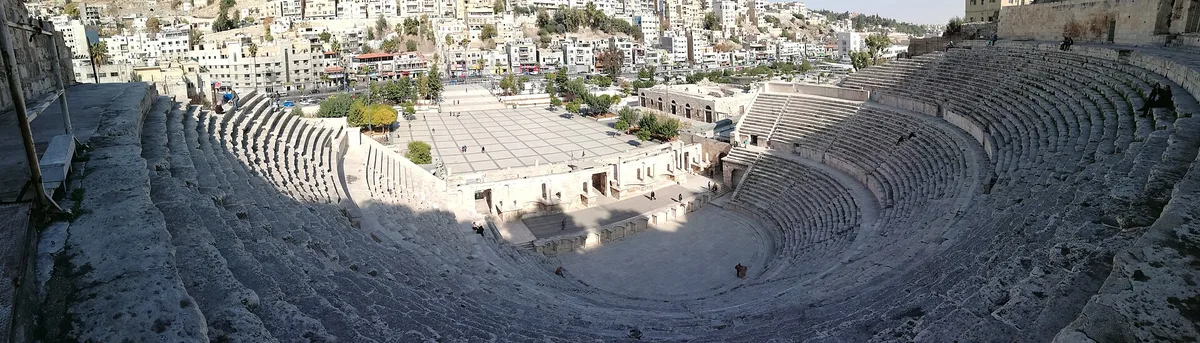
Jordan’s politics, in the FCDO’s summary, are stable, but protests happen in Amman and other cities, and its advice is the standard two lines: stay away from demonstrations and follow the advice of local authorities. Demonstrations in the capital tend to gather in predictable places – downtown, near major mosques after Friday prayers, in the orbit of embassies – and they are usually announced by the crowd and the police presence before you can walk into one by accident; the correct manoeuvre is always the unglamorous one of turning down a side street and taking a longer way round.
The same section of the FCDO’s page carries a reminder that crowds need not be political to be dangerous: in June 2026, large crowds gathered in downtown Amman to watch the national team at the World Cup, and one person died and eight were injured at a public screening, in conditions where crowd control was limited. Keep the same habits for a packed concert plaza as for a march – know your exit, stay at the edge when it thickens, and leave early if it stops feeling like a celebration.
Photography has its own few hard edges. Border crossings are a no-photography zone – the FCDO’s entry guidance states that photography and videography are not permitted there – and the same restraint applies by common sense and occasional law to military installations, checkpoints, police and security infrastructure, and airport security areas: the camera stays down, and if an officer asks to see or delete a picture, compliance with a smile is the entire negotiation. Elsewhere, Jordan is one of the world’s great photographic countries and people are generally pleased to be asked; ask before photographing individuals, especially women and anyone at prayer, and accept a no as final.
Carry your identification as the crime section advised, because the checkpoint where a polite policeman wants to see a passport is also usually the moment someone in the car reaches for a camera – separate the two impulses and both go smoothly.
Insurance, Emergencies and Paperwork
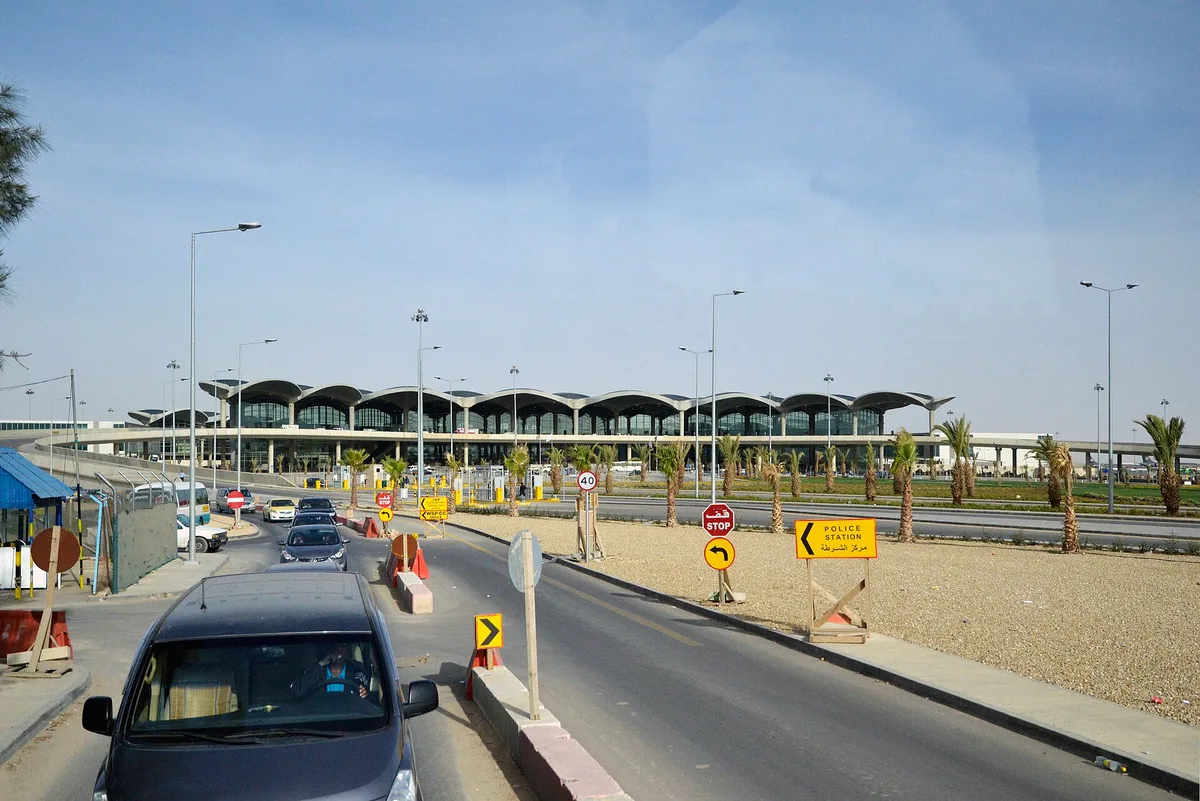
Insurance is where the official advice stops being prose and becomes money, so read yours against your government’s wording, not against this article. The FCDO’s warning is structural: travel against its advice can invalidate a policy – and since its against-advice zone in Jordan is currently the three-kilometre Syrian border strip, a standard itinerary does not breach it, but policies differ in how they define the trigger, and some key off the US level system instead, under which Jordan’s Level 3 can complicate or void cover depending on the insurer. The State Department, for its part, highly recommends that Americans buy travel insurance before travelling, and specifically points at evacuation assistance, medical cover and trip cancellation.
Put together, the shopping list for a Jordan policy in 2026 is: medical cover generous enough for a serious road accident, medical evacuation given that facilities outside Amman and Aqaba are basic, cancellation and curtailment wording that actually responds to a change in official advice or a closed airspace, and your activities – hiking, canyon trails, diving – inside the policy rather than in its exclusions.
Buy it when you book, not when you pack, because the cancellation half of the product only exists from the day you pay for it.
The emergency machinery itself is simple. Jordan runs a single emergency number – 911 – which both the FCDO and the State Department print on their Jordan pages for police, ambulance and fire; the FCDO’s health page gives 911 as the number to call for an ambulance, and its wadi advice names the same number for Civil Defence. Save it in your phone next to your insurer’s assistance line and your embassy’s number.
Americans can enrol in the State Department’s Smart Traveler Enrollment Program for embassy alerts, and British travellers can sign up for FCDO email alerts on the Jordan page; every other nationality has an equivalent service, and using yours takes five minutes.
Keep photographs of your passport and policy in cloud storage you can reach from a borrowed phone, and keep a departure plan that does not depend on a single flight: the FCDO’s current standing advice to British nationals in the region is to keep departure plans under review and documents up to date, which in plain language means a flexible or changeable ticket is part of this year’s packing list.
When Not to Go – and How to Judge the Moment
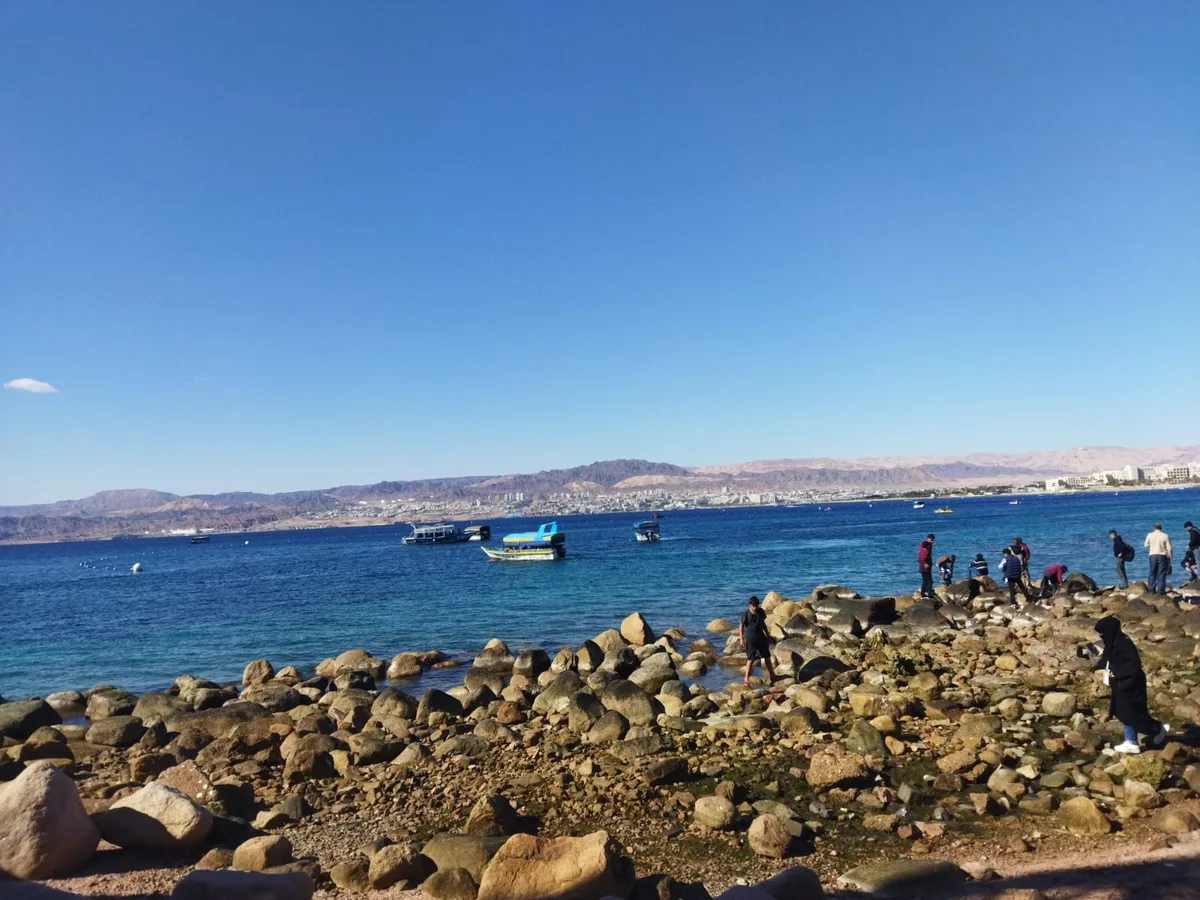
Because the current risk is a moving regional picture rather than a fixed Jordanian condition, the most useful skill this article can leave you with is a short list of signals that should genuinely change a decision, so that you can ignore everything short of them with a clear conscience.
Treat any of these as a stop-and-reassess moment: your own government raising its level or widening the areas it names; the FCDO adding places to its against-travel list beyond the border strip; Amman’s airport or Jordanian airspace closing, or your airline suspending the route; your embassy issuing an ordered-departure notice for its own staff – the State Department did exactly that with non-emergency personnel in March 2026, which is both a sobering precedent and a useful calibration of what a real deterioration looks like on paper; or Jordanian authorities closing borders, sites or regions.
A frightening headline that moves none of those dials is weather, not climate.
Build the monitoring habit to match: read your government’s Jordan page when you book, again a week before departure, and again the day before you fly; subscribe to its alerts so changes come to you; and keep an eye on Jordan’s English-language press for the local texture the advisories smooth out. Structure the money side so the decision stays yours – refundable or flexible rates during an unsettled season are not a luxury but the mechanism that lets you respond to a changed page without a financial gun to your head.
And remember the dial moves in both directions: the US advisory stood at Level 2 as recently as December 2025 before the regional escalation pushed it up, which means a decision to wait is not a decision to abandon Jordan – it is a decision to let the page come back down, as pages do.
The sights have waited through worse centuries than this one.
Frequently Asked Questions
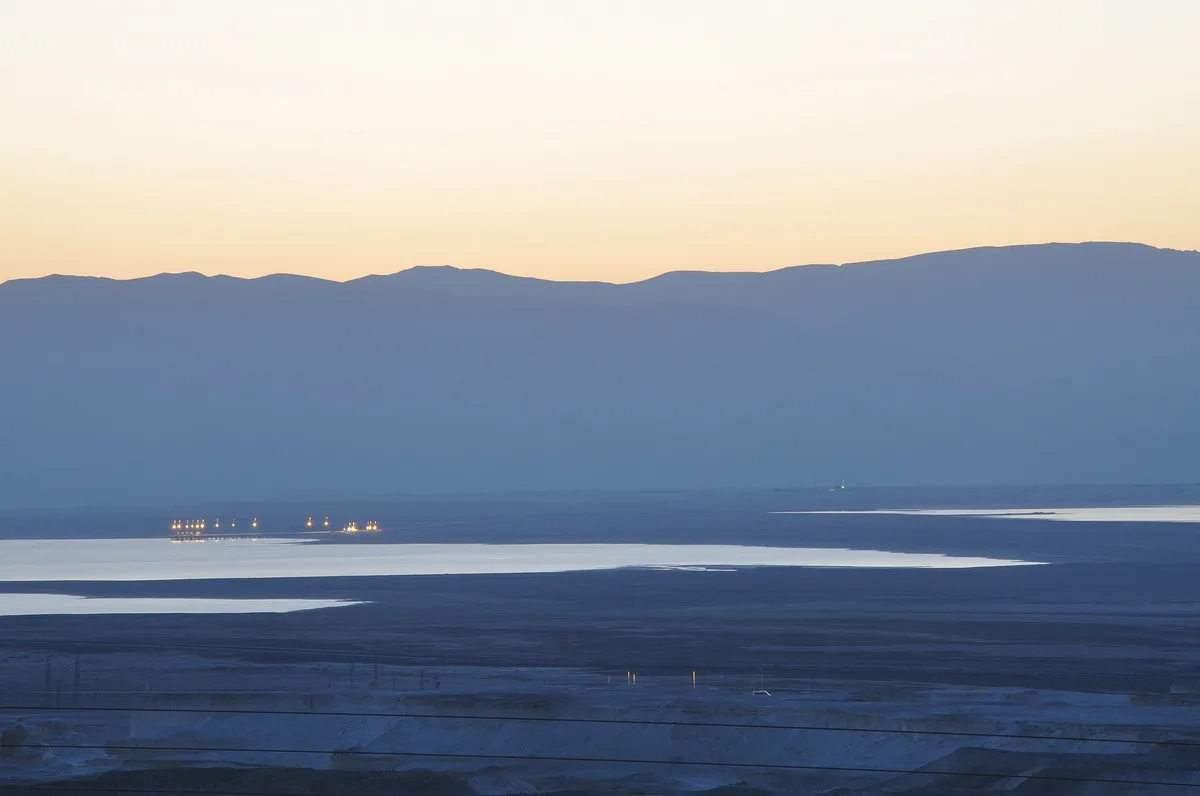
Is Jordan safe for tourists right now? As of 31 October 2026, the honest answer to is jordan safe is “yes, with a live caveat”. The US advises its citizens to reconsider travel to Jordan (Level 3) over regional terrorism and armed-conflict risks, and the UK advises against travel only within 3km of the Syrian border while warning that the regional situation can change suddenly. The tourist circuit itself is outside every named no-go area, crime is low, and trips are running normally – but “right now” expires quickly with this story, so re-check both official pages close to your own travel date.
Are Petra and Wadi Rum in the areas governments warn about? Not as the current warnings are drawn. Wadi Rum, in Aqaba Governorate, is named in neither government’s Jordan advice. Petra shares Ma’an Governorate with places the US advisory does flag, but the advisory names Ma’an city and the land east of – and immediately beside – the Desert Highway, while Petra and Wadi Musa lie well west of that corridor. Read the advisory’s current wording yourself before travelling, because the wording, not any summary of it, is what counts.
What is the biggest real risk on a Jordan trip? The roads. Official advice warns of differing driving standards, stray animals, unmarked roadworks and fatal accidents on the Desert Highway, and advises care at night and avoiding unlit roads. After the roads come heat, sun and water – dehydration on exposed trails, the Dead Sea’s eyes-and-shower discipline, and flash floods in wadis during the November-to-March rainy season. Terrorism dominates the headlines; transport and nature dominate the actual risk.
Is Jordan safe for a woman travelling alone? Jordan is widely regarded as one of the region’s more manageable countries for solo women, and many travel it alone without incident. Expect some verbal attention, especially around Petra’s town and downtown Amman; dress on the modest side outside resort settings; use app taxis or hotel-recommended drivers and sit in the back; and apply the ordinary solo rules about lifts, drinks and telling someone your plans. The sections above give the fuller picture.
What is the emergency number in Jordan? 911 – the single number both the UK FCDO and the US State Department print for Jordan, covering police, ambulance and fire (the FCDO also names it for Civil Defence help in the wadis). Save it in your phone alongside your insurer’s assistance number before you travel.
Should I cancel my trip to Jordan? That decision belongs to you, your government’s current page and your insurance policy, in that order – not to this article and not to a headline. If your government does not advise against your itinerary, your insurer confirms in writing that you are covered, your bookings are flexible enough to survive a disruption, and you are comfortable travelling under a “reconsider” headline written about a region rather than a street, then the facts as they stood on 31 October 2026 support going. However, if any of those tests fail, postponement costs little: Jordan’s advice levels have moved down as well as up within the last year, and Petra is not going anywhere.
The Short Version
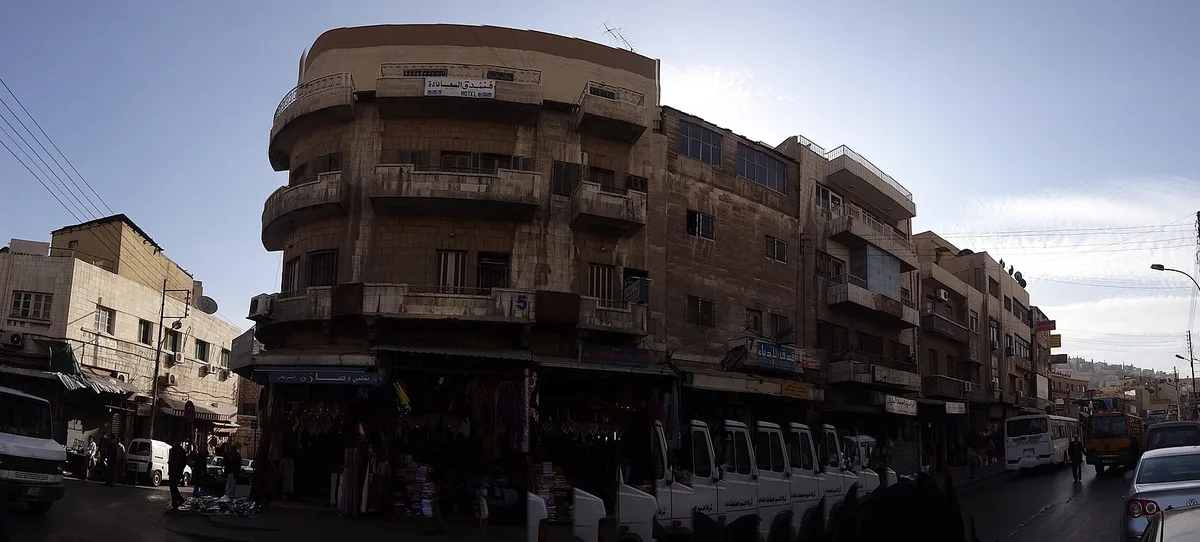
Jordan in autumn 2026 is neither the carefree certainty of the tour brochures nor the no-go of the scary headline. It is a stable, welcoming, low-crime country sitting inside a dangerous neighbourhood’s weather: the US grades it Level 3 – reconsider travel – for regional reasons and names a handful of border and urban areas to avoid entirely, the UK draws its single no-go line along three kilometres of the Syrian border and warns that escalation could disrupt flights and change the picture fast, and the standard itinerary from Amman to Aqaba runs outside every one of those named areas.
The risks that will actually compete for your attention are the prosaic champions of Jordanian travel – the night-time Desert Highway, summer heat, salt water in the eyes, a wadi on the wrong day and a carriage fare agreed too late.
So the is jordan safe verdict is a conditional go, with the conditions doing real work: read your own government’s page rather than anyone’s summary of it, insure yourself against that page’s exact wording, keep the bookings flexible, register for the alerts, and run the decision again in the week you travel rather than the month you dreamed it. Do that, and Jordan rewards you with one of the great small-country trips – the Petra travel guide‘s rose-red city, Rum’s silence, the Dead Sea’s impossible float – strung together by the Jordan itinerary for 7 days if you want the route drawn for you.
Go informed rather than either frightened or breezy; in Jordan’s case, informed is the difference between a risk and a scare story.