Jordan Travel Cost – Daily Budgets for Backpacker, Mid-Range and Comfort Trips
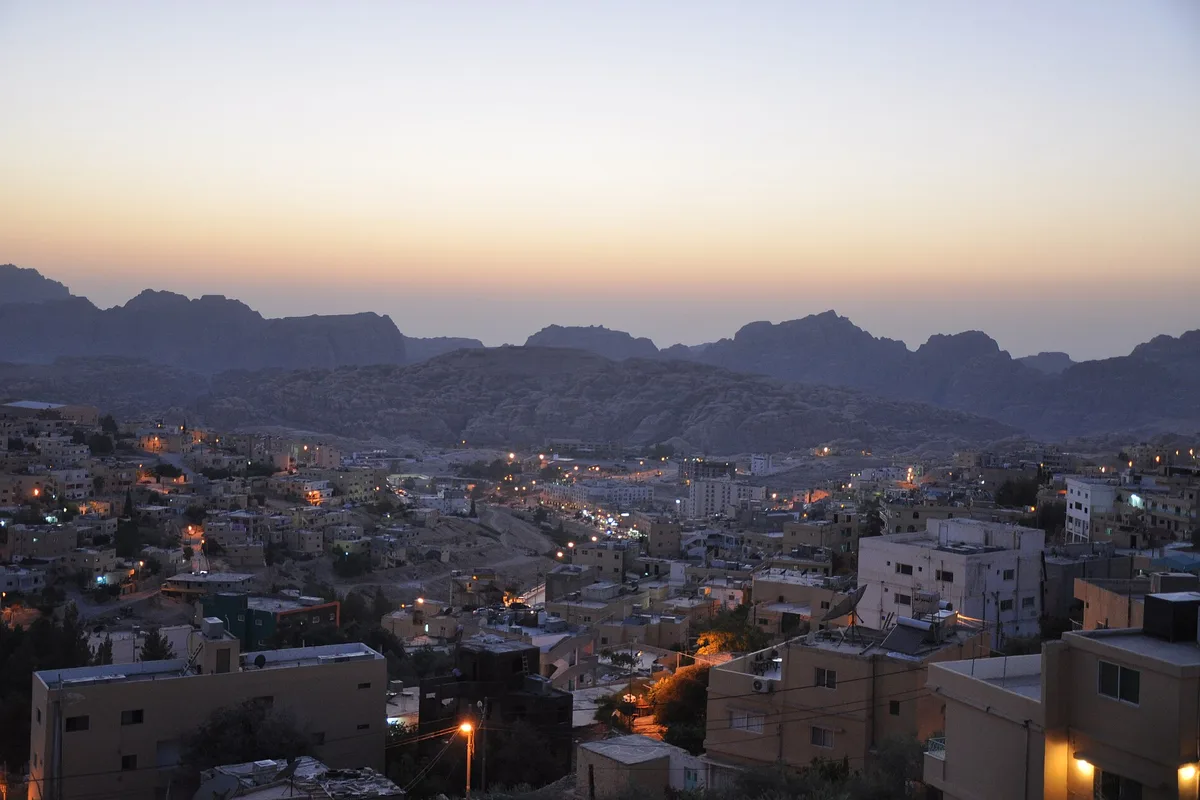
Ask ten websites what a trip to Jordan costs and you will get ten different answers, and that is the first honest thing this guide can tell you. One well-known backpacker guide totals a shoestring day at roughly the price of a cheap dinner in London. A tour-cost site puts a budget day at more than twice that. A crowd-sourced average lands somewhere in the middle and calls itself typical, as if a traveller sleeping in a Wadi Rum dome and a traveller sleeping in an Amman dorm were the same person. They are not, and that is why the numbers disagree. A jordan travel cost figure is meaningless until you know what it includes: which nights, which entries, which transport, and whether the biggest single day of the trip, Petra, falls inside the average or outside it.
This guide refuses to print one more invented total and call it the answer. Instead it does the thing the rival pages skip. It shows where the money actually goes in Jordan, in the order that matters: sleep first, then the one pre-paid decision that changes the entry bill, then transport, food, the big site days, and the small choices that quietly double a trip. It describes three ways of travelling the country — backpacker, mid-range and comfort — not as price tags but as styles, with what each style actually buys and where each style spends most. And wherever a rival page prints a figure this guide could not verify on an official source on 30 or 31 October 2026, this guide says so and leaves the figure out, rather than repeating it until it looks true. Prices in Jordan move, entry regimes change, and a budget article that pretends otherwise is out of date the week it is published.
At a glance – the three styles in one paragraph each. The backpacker style keeps sleep in dorms and simple guesthouses, eats where locals eat, rides public buses and shared taxis, and treats the Jordan Pass as a serious calculation rather than an automatic buy. The mid-range style keeps sleep in comfortable small hotels and guesthouses, mixes local eating with proper restaurants, hires a driver or a car for the awkward legs, and buys the pass almost by default because the classic route uses it. The comfort style keeps sleep in the best hotels and desert camps, travels by private driver throughout, eats in hotel and resort restaurants, and barely notices the entry bill because it is a small share of the trip. The rest of this guide is the working-out behind those three sentences, and the traps inside each of them.
Where the Money Actually Goes in Jordan
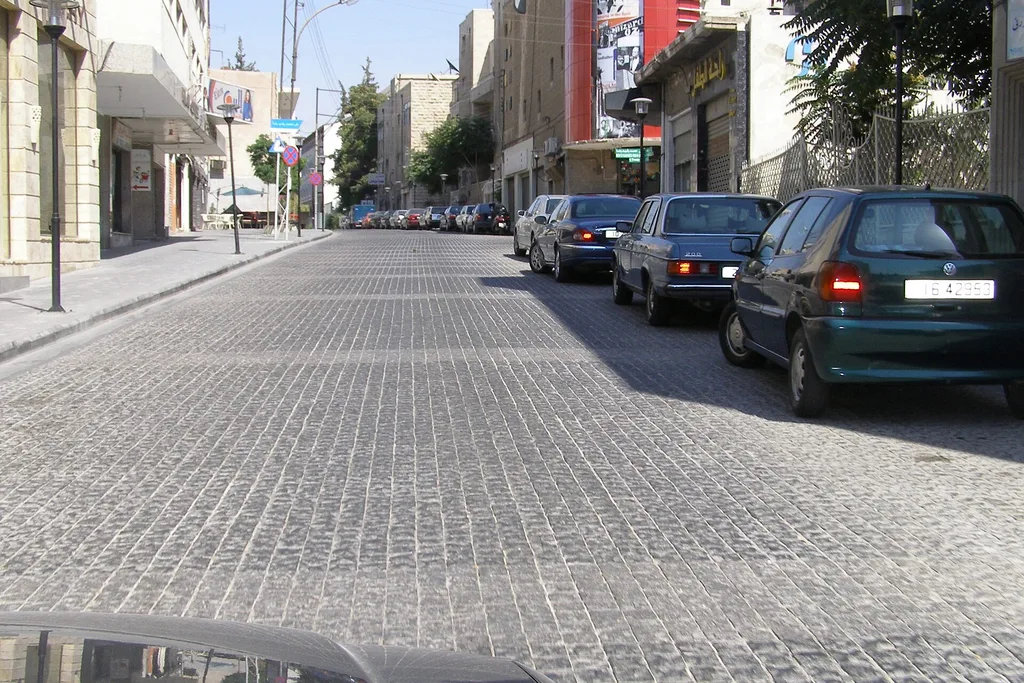
Every Jordan budget is five buckets, and the order of the buckets is the whole story. Sleep is the first and usually the largest, because Jordan has no great cheap-sleep secret outside its handful of hostels: Amman has dorms, Petra has a range of guesthouses in Wadi Musa, Wadi Rum has camps that bundle dinner and breakfast into the night, and Aqaba has everything from city hotels to resort enclaves, and the gap between the cheapest and the dearest bed in each place is far wider than the gap between the places themselves. A traveller who chooses the cheapest bed everywhere and a traveller who chooses the dearest are not taking the same trip at different prices; they are taking different trips that happen to visit the same sites, and any average that blends them describes nobody.
The second bucket is the one most budgets understate, which is entries and the visa, because Jordan concentrates its cost in a few heavy days rather than spreading it evenly. Petra is the obvious weight, Jerash and Wadi Rum and the Amman Citadel and Kerak all add their share, and a day that includes a major site can cost several times a day spent walking a town and eating well. That lumpiness is why a daily average misleads: a week in Jordan is not seven equal days, it is four or five ordinary days and two or three expensive ones, and the honest way to budget is to price the expensive days separately and let the ordinary days take care of themselves. Our dedicated petra travel guide explains why Petra deserves a full day, and that full day is also the day your entry bucket peaks.
Transport is the third bucket, and it is the one where style changes the total most violently. Jordan’s public buses are cheap and real, but they run between towns on their own timetables and they do not serve most archaeological sites directly, so the backpacker budget pays in time and in shared-taxi top-ups what it saves in fares. A rental car costs more per day but turns a scattered route into a straight line, and a private driver costs more again but removes every timetable problem at once. Food is the fourth bucket and the kindest one in Jordan, because the local end of it is genuinely good and genuinely cheap: falafel, hummus, bread and salads are filling food at small prices, and the jump from street food to a mid-range restaurant is a real jump, while the jump from there to hotel dining is a leap. The fifth bucket is everything else — water, tips, a Dead Sea day pass, a jeep tour in Rum, a souvenir — and it is small on most days and decisive on one or two, which is exactly why it belongs in its own bucket rather than being averaged away.
The Jordan Pass Decision – the One Purchase to Make Before You Fly
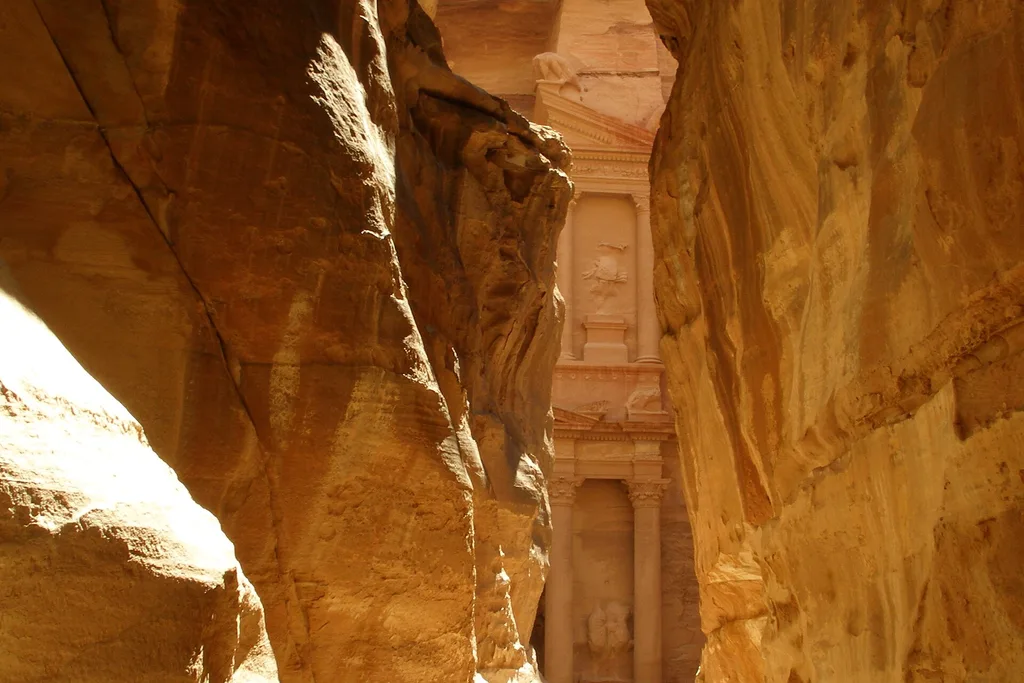
If there is one money decision to make before you leave home, it is the Jordan Pass, and it is worth a whole section because it is the only purchase that changes two buckets at once. The pass, sold online through the official Jordan Pass site, bundles entry to dozens of archaeological sites and museums across the country, Petra included, and it can also cover the tourist visa fee — but only under conditions that the official terms state precisely, and that rival pages paraphrase loosely. The official terms, read on 31 October 2026, say the visa-fee exemption is valid only when staying a minimum of two nights (3 days) in Jordan, and that buying the pass after arrival does not give you the visa exemption at all. Those two sentences are the whole decision in miniature: buy before you fly, and stay long enough for the exemption to apply, or the pass is a different product from the one you thought you bought.
The confusion in rival coverage comes from counting. The official wording counts two nights and three days, because a stay of two nights spans three calendar days, and several guides paraphrase that as a three-night minimum, which is stricter than the official text. Other guides describe the pass as valid for a year, or two weeks, or a month from first use, depending on which version of the terms they copied, and the official terms page itself describes expiry in two parts — a longer window from purchase or entry and a shorter window once the first site is visited. This guide will not adjudicate between paraphrases. Read the current terms on jordanpass.jo for your own dates, and count your own nights against the official wording, not against a blog’s summary of it. The official terms also state that the pass is non-transferable and non-refundable, and that children under twelve enter the included attractions free when accompanied by their parents — two small print points that matter more to a family budget than any headline saving claim.
Whether the pass saves you money then depends on a count only you can do, and the count is simple once you stop looking for a single answer. List the sites on your route that the pass covers, Petra first and Jerash and Wadi Rum and the Citadel and Kerak after it, and ask whether your route visits enough of them for the bundle to beat paying at each gate. A classic week that includes Petra, Jerash, Rum and a handful of smaller sites almost always justifies it, because Petra alone is the weight in the calculation. A short trip built around two sites may not, and a trip that skips Petra entirely has very little reason to buy it at all. The pass also does not cover everything: jeep tours in Wadi Rum, guided visits and temporary exhibitions are outside it, and the famous Petra by Night event is a separate ticket, so do not let the pass talk you into thinking the site days are fully paid for. What the pass buys, at its best, is the removal of the entry bucket as a daily worry. What it cannot buy is a cheap trip to a country whose great sites are, individually, expensive to enter.
Where You Sleep – the Choice That Moves Your Budget Most
Sleep moves a Jordan budget more than any other single choice, and it moves it in a way that is easy to underestimate when you are comparing nightly rates on a screen. The reason is that Jordan’s nights are not interchangeable: a night in Amman, a night in Wadi Musa, a night in a Rum camp and a night in Aqaba are four different products, and the cheapest version of each is not always the best value version. In Amman the backpacker choice is a dorm bed in the downtown or Jabal Amman area, the mid-range choice is a small hotel or a good guesthouse, and the comfort choice is an international hotel, and the differences between them are mostly about quiet, space and breakfast rather than location, because Amman’s sights cluster tightly. In Wadi Musa, the town beside Petra, the same three tiers exist within walking distance of the site entrance, and here location matters more: a bed you can walk from at dawn is worth more than a cheaper bed that needs a taxi before the heat, and the town’s guesthouses understand that perfectly well.
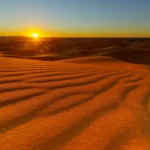
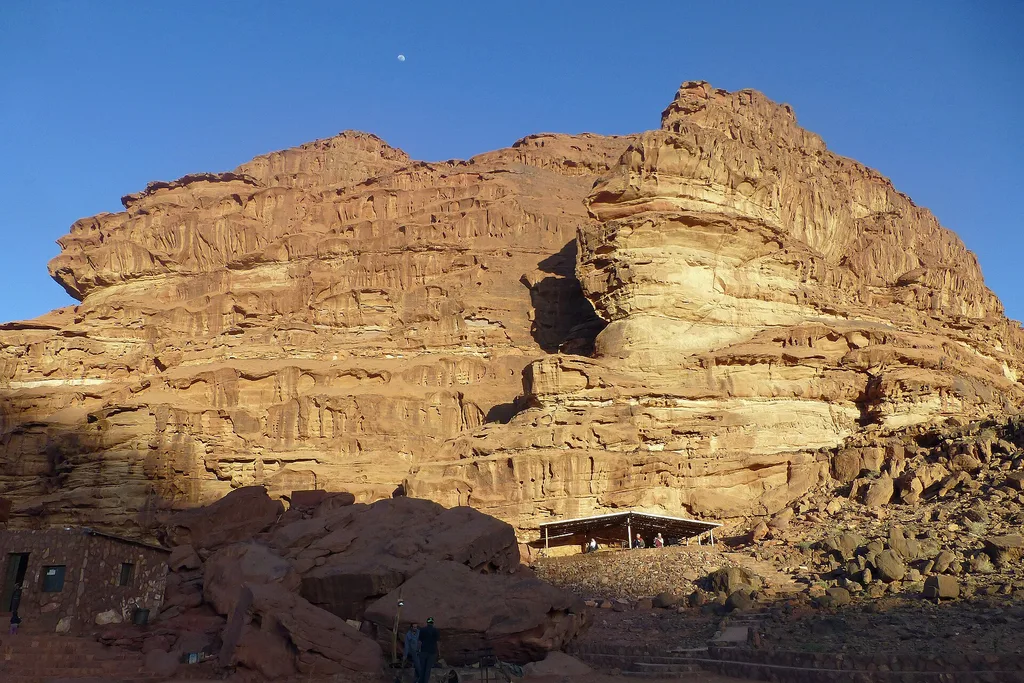
Wadi Rum is where the sleep bucket changes character entirely, because there the night is not just a bed, it is the experience itself. A Rum camp night normally bundles dinner, breakfast and the desert around you, and sometimes a jeep tour as well, so comparing a camp’s nightly rate with a hotel’s nightly rate is comparing a package with a room. The range inside Rum is also the widest in the country: at one end are simple Bedouin tents with shared facilities and a fire to sit around, at the other are glass-domed pods with private bathrooms arranged in rows that look, from above, like a small settlement, and the honest advice is that the domes are the least traditional and often the least peaceful option, however photogenic they are. A smaller camp further into the protected area, with lamps you can switch off and a sky with nothing in it, is usually the better night at any price, and it is the night this guide’s sister articles recommend. Aqaba, finally, is the place where the sleep bucket can run away with the whole trip, because the resort end of its market charges resort prices for a sea that is free a few hundred metres up the public beach, and the traveller who sleeps in Aqaba’s city hotels and walks to the reef keeps the Red Sea ending without paying for it twice.
The practical rule that falls out of all of this is to budget sleep by place, not by night. Give Amman its tier, give Wadi Musa its tier, give Rum its package, give Aqaba its tier, and add them up, rather than multiplying one nightly figure by the number of nights and wondering why the total never matches reality. The second practical rule is to notice which nights are doing double duty: a Rum camp night replaces a hotel night and a dinner and a morning activity, a Dead Sea resort night replaces a day pass and a lunch, and a Wadi Musa night replaces a long transfer on the Petra morning. Those are the nights worth paying more for. The nights that are only a bed, in a town you will leave at dawn, are the nights to keep cheap, and Jordan has cheap beds in exactly those towns for exactly that reason.
Getting Around – Buses, Taxis, Rental Cars and Drivers
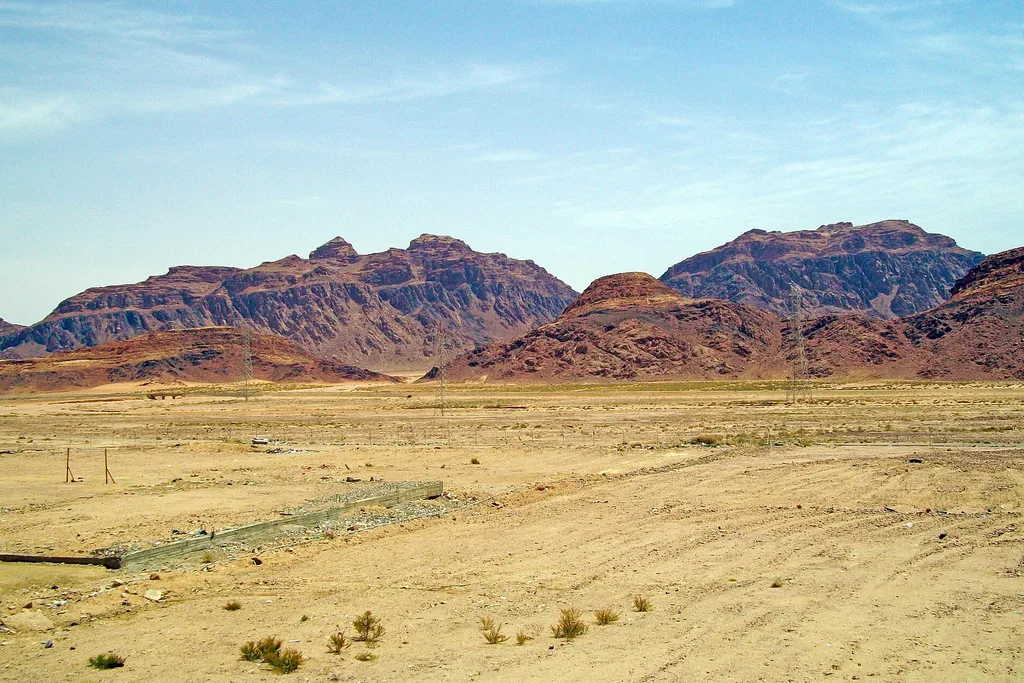
Transport in Jordan is a trade between money, time and control, and the right trade depends on how many of you there are and how much of the country you are trying to see. The public system is the cheapest way to move between the big towns: buses run from Amman to Aqaba, to Petra’s town and to the north, and shared taxis fill the gaps on the busier corridors, and a backpacker travelling light with a flexible timetable can cross the country for very little. The catch is not the fare, it is the last mile. Buses do not drop you at Jerash’s gate or at Kerak’s castle or at the Desert Castles loop, and the shared taxi or private taxi that covers that last leg is where the cheap journey quietly stops being cheap, especially if you are paying for the whole car rather than a seat in it. A day that was supposed to cost bus fares can end up costing taxi fares, and the difference is the whole transport bucket for that day.
A rental car reverses the problem. It costs more per day than any bus, and it adds fuel and the question of where to leave it, but it turns Jordan’s scattered sites into a single driveable route, and for two or more travellers sharing the cost it often beats the taxi bill for the same route while giving back the hours that waiting for buses takes away. The roads themselves are good on the main corridors — the Desert Highway south and the King’s Highway through the hills are both straightforward drives — and the driving is the way most mid-range travellers actually see the country, because it lets a King’s Highway day include Madaba, Mount Nebo and Kerak without negotiating three separate lifts. A private driver is the comfort version of the same idea: the most expensive per day, the least trouble, and the best value of all if your time in Jordan is short, because a driver converts a day of transfers into a day of sightseeing, and on a five-day trip that conversion is worth more than the fare difference.
The mistake to avoid, at every tier, is paying for transport twice. The classic version is booking a tour that includes transfers you could have covered with the car you already hired, or hiring a car for the days you spend entirely inside Petra on foot, or paying a Rum camp for a transfer from Aqaba when the camp’s own pick-up was part of the package. Jordan rewards the traveller who plans transport around the route rather than around the day: decide the line you will drive, from Amman south to Petra and Rum or north to Jerash and back, put the transport that fits that whole line under it, and let the individual days inherit the decision. And remember that the cheapest transport choice is sometimes the one that costs a whole day. A bus that saves a fare but loses the morning at Petra, when the light is best and the site is quietest, has not saved anything at all.
Eating and Drinking – Where Jordan Rewards the Cheap Eater
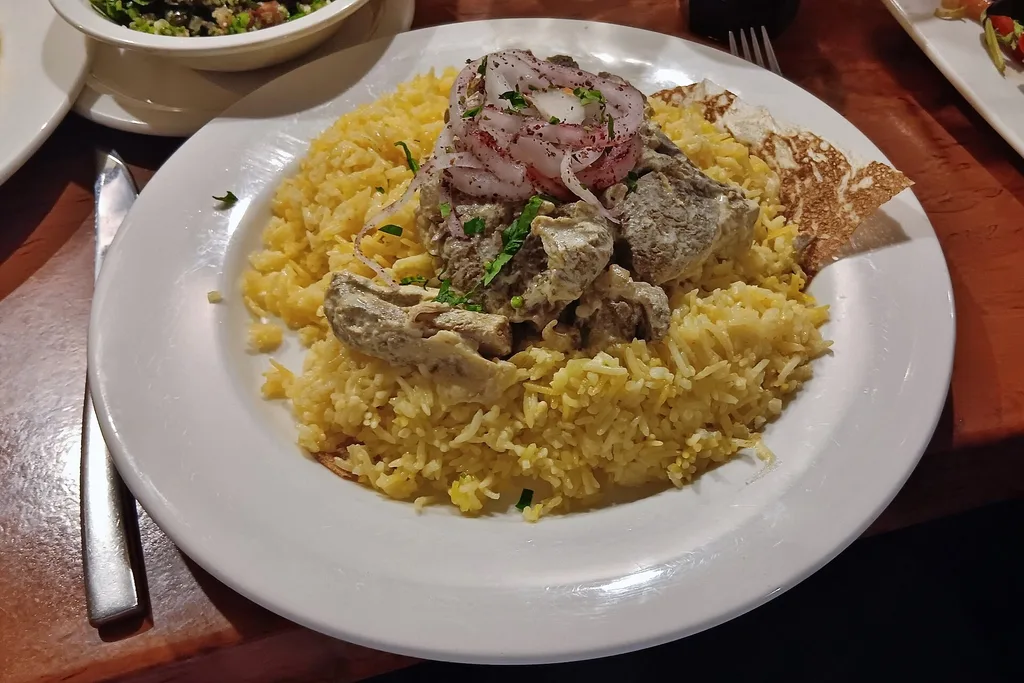
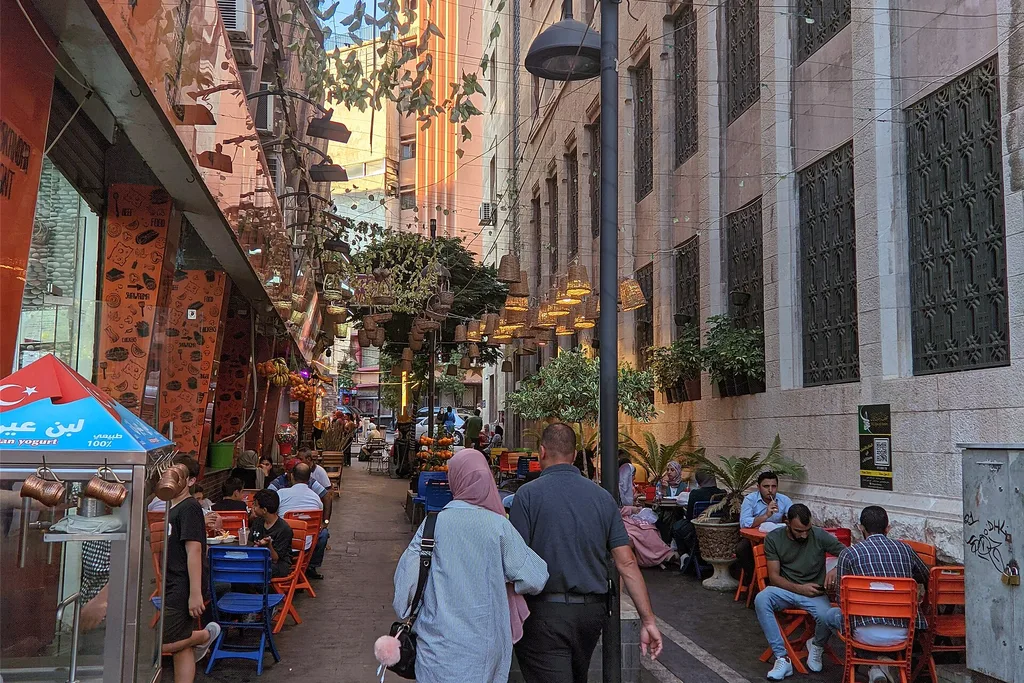
Food is the kindest bucket in a Jordan budget, and it is the one where the backpacker style loses least by being cheap, because Jordan’s cheap food is not a compromise version of its good food. It is its good food. Falafel, hummus, foul, fresh bread, salads and grilled meats are the daily diet of the country, not a tourist menu invented for visitors, and a traveller who eats in downtown Amman’s counters and in Wadi Musa’s local restaurants will eat as well as a traveller who eats in hotel dining rooms, for a fraction of the spend, and will probably eat more interestingly. The mid-range step up is real but modest: a proper sit-down restaurant with a menu, a view and a waiter costs more than a counter, but not multiples more, and the difference buys comfort and variety rather than quality. The comfort step up is where the bucket jumps, because hotel and resort restaurants price for a captive audience, and a week of hotel dinners can cost more than a week of local lunches and dinners combined.
Water deserves its own sentence in any honest Jordan budget, because it is the small purchase that repeats every day in a hot country. Tap water is not the drinking choice most visitors make, bottled water is cheap and everywhere, and the cost is trivial per bottle and noticeable per week if you count it honestly, which is why it belongs in the “everything else” bucket rather than being forgotten. Coffee and sweets are the other small repeat: Jordan’s coffee culture is a social institution, a tiny cup of cardamom coffee offered in a shop is hospitality rather than a sale, and the sweet shops of downtown Amman, with knafeh by the slice, are a small pleasure that costs little and is remembered longer than most restaurant meals. Alcohol is the exception to the cheap-food rule, where it is available at all, because it is taxed and restricted and priced accordingly, and a traveller who drinks with dinner every night will feel it in the food bucket far more than a traveller who does not.
The eating strategy that works at every tier is to let lunch be cheap and dinner be the choice. A falafel lunch eaten standing up, a proper dinner eaten sitting down, is the rhythm of the country itself, and it keeps the food bucket low without ever feeling like a diet. The strategy that fails is the opposite: a hotel breakfast eaten because it was included, a tourist-menu lunch eaten because it was near the site, and a hotel dinner eaten because it was convenient, which is three expensive meals in a day in a country where one good local meal would have done the job. Jordan does not punish the cheap eater. It punishes the eater who never leaves the hotel, and the punishment is charged per meal.
Petra and the Big Entry Days
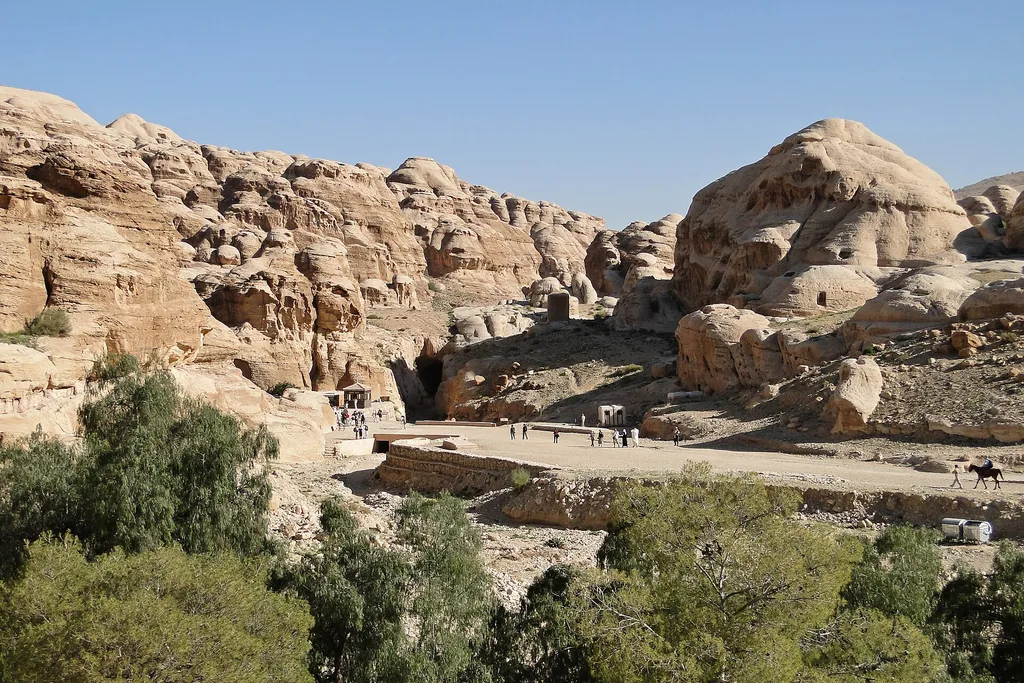
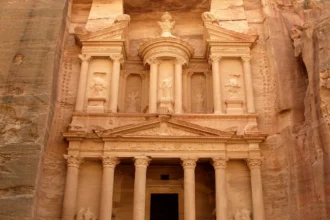
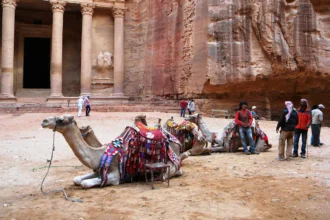
Petra is the day that breaks most Jordan budgets, and it breaks them in a way that is worth understanding before you arrive, because the break is not the entry alone. It is the entry plus the night in Wadi Musa before it, plus the transport to get there, plus the food and water for a long day on foot, plus the second day that every honest guide recommends and that every rushed itinerary tries to cut. A single-day Petra visit looks cheaper on paper because it drops the second night, and it is more expensive in reality because it buys a long transfer, the site’s worst hours and a visit that sees the Treasury and misses the city, which is like paying for a theatre ticket and leaving at the interval. Our petra travel guide walks the full site, and the budget point is the same as the sightseeing point: Petra is a city, not a facade, and it should be budgeted as a city, with a full day and a night beside it.
The same lumpiness applies, at smaller scale, to the other big days. Jerash is a half-day site that pairs with the north, and its cost is mostly the transport to get there rather than the gate. Wadi Rum’s cost is mostly the camp and the jeep, not the entry. The Dead Sea’s cost is mostly the day pass or the resort, not the water, which is free in the way that all seas are free and expensive in the way that all resorts are expensive. Kerak, Madaba, Mount Nebo and the Desert Castles are the cheap days of a Jordan trip, individually, and that is their budget virtue: they fill a week with history for very little gate money, which is why a King’s Highway day that strings three of them together is the best value day in the country. The budget error is to treat all days as equal and then be surprised by the expensive ones. Price the expensive days first, Petra and Rum and the Dead Sea, and let the cheap days be the ballast that makes the week feel generous.
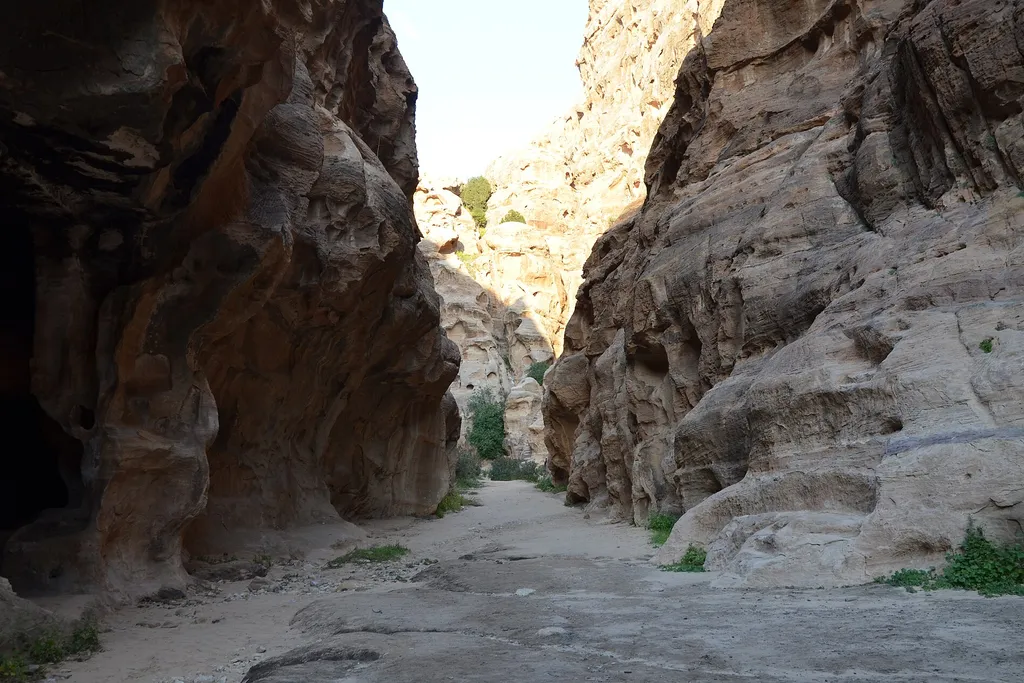
There is also a second Petra cost that no budget page mentions, which is the cost of doing it badly. A day trip from Amman to Petra and back burns the day in transfers, arrives at the site when the day-trip groups arrive, and leaves before the late light that makes the tombs glow, and the traveller who took that trip has paid the full entry for the worst version of the place. A night in Wadi Musa, a start at opening, and a second day for the Monastery trail and Little Petra cost more in sleep and less in regret, and regret is the one Jordan expense that cannot be refunded. If the budget forces a choice, cut a whole stop from the trip rather than cutting Petra to a half-day. The country will still be there for the stop you cut. Petra, done properly, is the reason the trip exists.
A Night in Wadi Rum – What the Camp Price Actually Buys
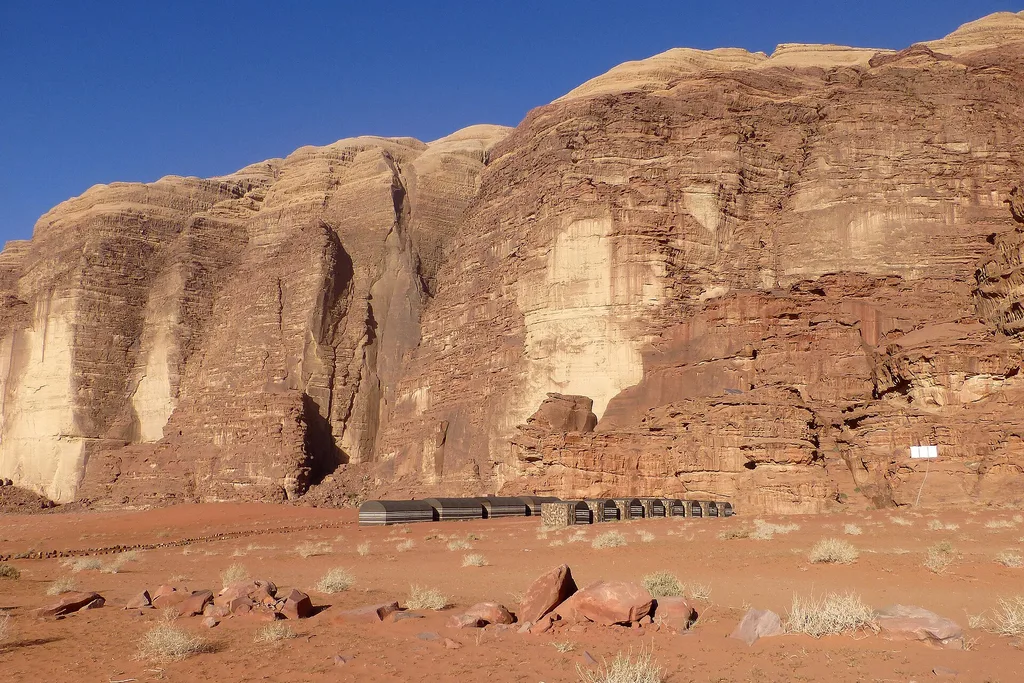
A night in Wadi Rum is the hardest price in Jordan to compare, because it is not a room rate and it should never be treated as one. What a camp sells is a bundle, and the bundle varies so much between camps that two prices for a “night in Rum” can describe entirely different products. At the simple end, the bundle is a tent, a mattress, dinner cooked in a sand oven, breakfast, and the use of the camp’s common areas under a sky with no light pollution in it, with a jeep tour sold separately or included for a set number of hours. At the elaborate end, the bundle is a private dome or a chalet with a bathroom, a full dinner service, a longer jeep tour, a camel ride, and a stargazing session, and the price reflects all of it. The traveller who compares the two bundles by their nightly rate alone is comparing a tent with a small hotel, and will conclude, wrongly, that Rum is either cheap or ruinous depending on which camp they looked at first.
The honest way to judge a Rum camp is to list what is inside the price before you compare it with anything. Dinner and breakfast are the first question, because a camp that includes both has already absorbed two meals from the food bucket, and a camp that does not will charge for them separately or leave you to find them in Rum village, which is not a dining destination. The jeep tour is the second question, because a camp that includes a four-hour tour has absorbed the day’s activity, while a camp that sells the tour separately has a lower headline rate and a higher real one, and the short two-hour tour is the version that mostly shuttles between photo stops. The third question is location, because a camp deep inside the protected area gives you the quiet desert at dawn, while a camp near the village gives you the road and the neighbours, and the difference in experience is worth more than the difference in price. The fourth question is the dome trap: the transparent-domed pods that dominate social media are the least traditional option in Rum, they sit in rows, they glow at night, and they are the camp choice most likely to disappoint a traveller who wanted the desert and got a resort with sand in it.
Budgeted properly, the Rum night is also the best value night in Jordan, because it replaces a hotel night, two meals and a day’s activity in a single purchase, and because the experience it buys — dinner in the sand, a sky full of stars, the massifs at dawn before the day jeeps arrive — has no cheaper substitute anywhere in the country. The traveller who tries to save money by day-tripping Rum from Aqaba, seeing the desert in the afternoon and sleeping back in the city, has saved the camp price and lost the thing the camp price buys, which is the night. Sleep in Rum. It is the one splurge this guide recommends without qualification, at whatever tier you can afford, because it is the night you will describe first when you get home.
The Dead Sea Day – Resort Pass or Public Beach
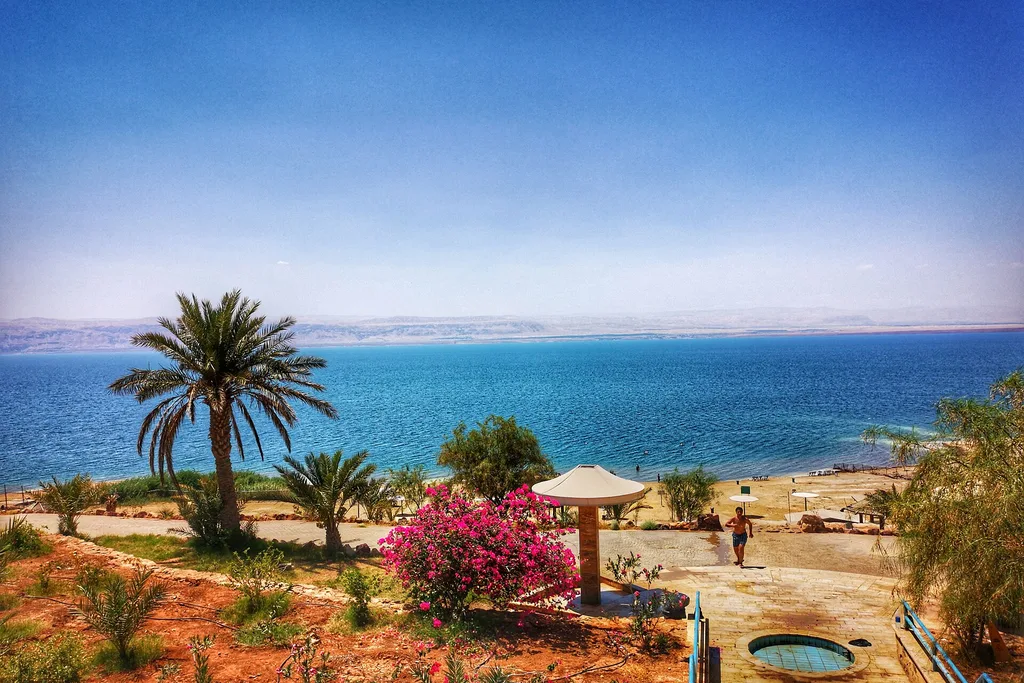
The Dead Sea is the day where Jordan’s budget logic inverts, because the attraction itself costs nothing and the access to it costs everything. The water is there, the salt is there, the lowest shoreline on Earth is there, and nobody charges you to float in it. What costs money is the infrastructure around it: the showers, the changing rooms, the pool, the lunch, the lounger, the towel, and the resort that owns the stretch of shore you are standing on. A resort day pass buys all of that in one purchase, with a pool to retreat to when the float stings and a restaurant to eat in afterwards, and for a comfort traveller it is the obvious choice, because the Dead Sea is a half-day experience and the resort turns it into a full, lazy day. For a backpacker traveller it is the obvious waste, because the same water laps a public beach further south with fewer frills and the same physics, and the money saved pays for a night in Wadi Musa.
The choice between the two is not really about money, it is about what kind of day you want, and that is why this section refuses to recommend one over the other. The resort day is a rest day, and Jordan trips need rest days, especially after Petra’s long walking day and before the drive south. The public beach day is a real day, with the same float, the same mud, the same sunset over the hills across the water, and a fraction of the spend, and it pairs naturally with a night in a simple guesthouse rather than a resort. What both versions share is the small print that no budget page should omit: the water stings cuts and shaved skin, it must never get in your eyes, ten to twenty minutes at a time is enough, and the mud ritual — coat, bake, rinse — is free wherever you do it. The Dead Sea is also shrinking, measurably, year by year, as the Jordan River is diverted upstream, and the sinkholes along the road are part of the place now, which is a reason to see it sooner rather than a reason to pay more for the seeing.
The budget rule for the Dead Sea is therefore a simple one: decide which day you are buying, and pay for that day once. A traveller who buys a resort day pass and then also books a resort night has paid for the resort twice. A traveller who goes to the public beach and then eats in the nearest resort restaurant has paid for the resort once, for lunch, which is the honest price of a shower and a meal. And a traveller who treats the Dead Sea as a free add-on to a driving day, stopping for a float between Madaba and the King’s Highway, has understood the place best of all, because the float is a twenty-minute wonder and the rest of the day is the drive, the hills and the light, which are free in the way that only a road through Jordan can be.
The North and the King’s Highway – Cheap Days That Fill a Week
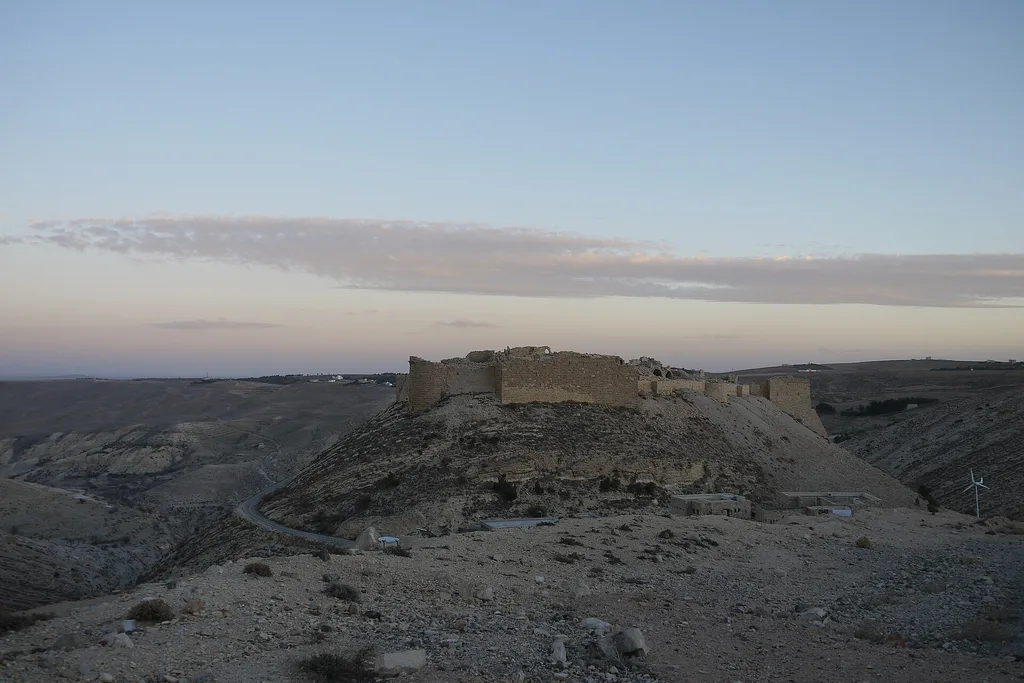
Once Petra and Rum and the Dead Sea are accounted for, the rest of Jordan is remarkably cheap, and that is the fact that makes a week in the country affordable rather than ruinous. The north is the best example: Jerash, the most complete Roman city most travellers will ever walk, is a half-day from Amman that pairs with Ajloun Castle in the green hills and, on a longer day, with Umm Qais above the Jordan Valley, and the cost of that day is mostly the transport to get there and back, because the gates themselves are modest beside Petra’s. The King’s Highway is the second example, and the better one, because it strings cheap days together into a route: Madaba’s mosaic map in the morning, Mount Nebo’s view at midday, Kerak’s Crusader vaults in the afternoon, and Shobak’s cone of rock further south, each one a full section of history for a small entry, and the whole day’s gates together costing less than the single heavy day at Petra.
This cheapness is also the reason the King’s Highway is the best value route in Jordan for a mid-range traveller, and the reason it is the route most rushed itineraries skip. The Desert Highway south is faster, and it is the road the tour buses take, but it bypasses everything the King’s Highway contains, and the traveller who takes it has saved an hour and lost a day of the country. The King’s Highway day, by contrast, is a day where the driving is the sightseeing, where the road itself climbs and drops through the plateau edge, and where the stops are spaced exactly as far apart as a comfortable day allows. Dana Biosphere Reserve, on the same route, is the one stop that breaks the cheap pattern, because it asks for a night rather than a visit, and it repays the night with the best walking in Jordan, which is a different kind of value altogether: not cheap, but worth it in the way that Rum’s night is worth it.
The budget lesson of the north and the King’s Highway is that a Jordan week does not need to be seven expensive days. It needs two or three expensive days, honestly priced, and four or five cheap days that are allowed to be cheap, and the cheap days are not filler. They are Jerash’s colonnaded street, Madaba’s map, Nebo’s view, Kerak’s vaults, Dana’s canyon and Umm Qais’s valley, which is to say they are most of the reason a second trip to Jordan exists. A traveller who spends the whole budget on Petra, Rum and a resort, and then rushes the north and the highway in a single blur, has bought the highlights and missed the country. Spend less on the highlights than the brochures suggest, and spend the saving on the days that cost little and give much.
Season and Timing – When the Same Trip Costs More
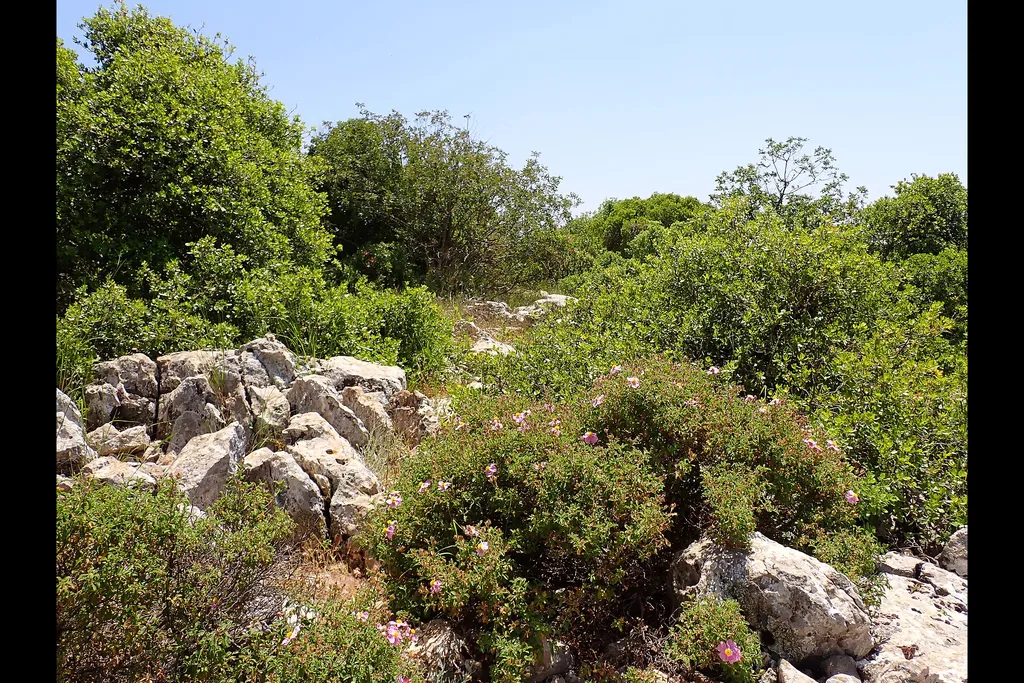
The same Jordan trip costs different amounts in different months, and the difference is not in the entry gates, which change little, but in the beds, which change a great deal. Spring, roughly March to May, is the consensus best season, with mild temperatures, green hills in the north and wildflowers in the reserves, and it is also the season when the best small hotels and the best Rum camps fill first, which means the traveller who books late in spring pays more for the same bed, or takes a worse bed for the same money. Autumn, from late September into November, runs spring close, with warm seas and soft light, and it is the season this guide’s own calendar favours, because the heat has eased at the Dead Sea and in Aqaba while the plateau stays comfortable. Summer is genuinely hot at the Dead Sea, in Aqaba and on Petra’s exposed trails, though the plateau sites stay manageable and Rum’s nights cool down, and summer is when the resort end of the market discounts hardest, which makes it the cheapest season for a comfort traveller who can stand the heat and the most punishing season for a backpacker walking Petra at midday.
Winter is the season most budget pages get wrong, because they describe it as simply cheap and quiet, and it is neither, uniformly. Winter brings cold rain to Amman and the highlands, snow is possible on the plateau, and the Wadi Mujib water trails are closed, full stop, because a desert gorge in flash-flood season is not a place to wade. But Petra in winter, between the weather, is the emptiest you will ever see it, and a winter traveller who dresses for the plateau and plans around the rain can have the country’s greatest site almost to themselves for the same entry as everyone else. The season rule, then, is not to chase the cheapest month but to chase the month that fits the trip you are actually taking: spring for walking and the north, autumn for the full route, summer for the resorts if you can take the heat, winter for Petra alone if you can take the rain.
Timing inside the trip matters as much as timing inside the year, and it matters in a way that costs nothing to get right. Petra’s Treasury catches its famous glow in the morning, which is when the day-trip groups also arrive, so the quietest famous view is early and the quietest site overall is late, and a traveller who sleeps in Wadi Musa gets both, for free. The Dead Sea is best in the late afternoon, when the heat off the water eases and the hills across turn gold, and a traveller who floats at noon has paid the same day pass for the worst version of the place. Jerash is best in the morning, before the stone reflects the heat, and Rum’s jeep tours are best when they are long enough to reach the quieter canyons, which is a matter of hours rather than money. Season and timing are the two budget levers that cost nothing, and they are the two that most budget pages, obsessed with nightly rates, never mention.
Saving Without Spoiling the Trip
There are savings in Jordan that spoil nothing, and savings that spoil everything, and telling them apart is the whole skill of budgeting the country. The savings that spoil nothing are almost all about whole stops rather than shaved hours. Cutting a whole excursion you do not care about — the Desert Castles loop on a short trip, say, or Aqaba on a history-first trip — saves a day of transport and entries and costs no regret, because the trip still has its shape. Cutting hours off every stop instead, arriving later at Petra, leaving earlier from Rum, rushing Jerash to fit Ajloun and Umm Qais into one day, saves nothing, because it buys the same entries for worse versions of the places. The first kind of saving is a decision. The second kind is a tax on the whole trip, paid in tiredness and in photographs of places you did not actually see.
The second saving that spoils nothing is eating where locals eat, which this guide has already praised and which deserves repeating because it is the largest painless saving in the country. A week of local lunches and one proper dinner a day, rather than a week of hotel meals, saves more than most travellers’ entire transport budget, and it does so while improving the food. The third is travelling in a pair or a group for the transport legs, because Jordan’s taxi and driver costs are per car rather than per person, and a shared car halves the transport bucket in a way that no bargaining ever will. The fourth is booking the expensive nights early, because the best Rum camps and the best Wadi Musa guesthouses fill in spring and autumn, and the late booker pays more for worse, which is the only price rise in Jordan that is entirely avoidable.
The savings that spoil everything are the mirror images. Skipping the Jordan Pass to save its price, and then paying at every gate on a classic route, is a saving that costs more than it saves. Day-tripping Petra from Amman to save a night in Wadi Musa is a saving that costs the site itself. Sleeping in Aqaba’s resorts and then complaining that Jordan is expensive is a saving inverted, a choice to pay resort prices and then blame the country for them. And the most common spoiling saving of all is the one this guide opened with: trusting a single daily total from a rival page, building a budget on it, and discovering in Wadi Musa that Petra day was never inside the average. Save by cutting stops, by eating locally, by sharing cars and by booking early. Do not save by cutting Petra, by skipping Rum’s night, or by believing a number that never said what it included.
Building Your Own Budget – a Worked Example Without Invented Totals
Here is the worked example this guide promised, and it contains no totals, because a worked example with invented totals would be the same lie as the rival pages, only longer. Take a seven-day trip in the classic shape: two nights in Amman, two nights in Wadi Musa for Petra, one night in Wadi Rum, one night at the Dead Sea or in Aqaba, and a final night back in Amman. That shape is the trip most first-time visitors actually take, and it is the shape our best places to visit in jordan guide describes in full. Now build the budget the way this guide has argued for, bucket by bucket and place by place, and notice what happens to the numbers you thought you needed.
First, sleep, by place. Amman for three nights in your chosen tier, Wadi Musa for two nights in its tier, Rum for one night as a package that already includes dinner and breakfast, and the Dead Sea or Aqaba for one night in its tier. Write those four lines down, with the real rates you are quoted for your dates, and you have the sleep bucket, and it will be the largest bucket, and it will be accurate, because it is built from quotes rather than averages. Second, the pass decision, done once: list the sites on your route that the pass covers, check the current official terms for your dates, and decide whether the bundle beats the gates, remembering the two-night visa condition and the buy-before-arrival rule. Third, transport, as a single line for the whole route rather than a daily figure: the buses or the car or the driver for the Amman to Petra to Rum to Dead Sea line, plus the last-mile taxis you know you will need, and nothing else.
Fourth, food, as a rhythm rather than a rate: cheap local lunches, one proper dinner a day, water counted honestly, and hotel dining only where you have chosen it deliberately. Fifth, the expensive days, priced separately: Petra’s day with its night, Rum’s day with its camp, the Dead Sea’s day with its pass or its beach, each one a line of its own rather than a fraction of an average. Sixth, the everything-else bucket, with a small allowance for tips, a jeep extension, a souvenir and the bottle of water you will buy twice a day in summer. Add the six buckets, and you have a budget for your trip, built from your choices, and it will disagree with every rival total you have read, because it is yours. That disagreement is not a problem. It is the proof that the method works, because a budget that matches a stranger’s average is a budget built for a stranger’s trip.
Frequently Asked Questions
Is Jordan expensive to visit?
Jordan is a mid-priced destination that feels expensive in lumps and cheap in between, and that lumpiness is the honest answer. The expensive lumps are Petra, the Rum camp package and the resort end of the Dead Sea and Aqaba, and a trip that includes all three will feel dear even to a comfortable budget. The cheap stretches are the food, the north, the King’s Highway and the public beaches, and a trip that leans on those will feel generous even on a backpacker budget. Whether Jordan is expensive for you depends, more than in most countries, on which of those two trips you are taking, and on whether you budgeted the lumps separately or let an average hide them from you until you arrived.
How much should I budget per day in Jordan?
This guide deliberately gives no single figure, because the rival figures for the same label disagree by a factor of two or three, and picking one would be pretending the disagreement does not exist. The disagreement comes from what each figure includes: whether Petra falls inside the average or outside it, whether a Rum camp night counts as sleep or as an activity, whether transport means buses or a private driver, and whether the trip is seven equal days or, as real Jordan weeks are, four ordinary days and three expensive ones. Build the budget by the six buckets in the section above, for your route and your tier, and the daily figure that falls out of it will be yours, and it will be the only one worth trusting.
Is the Jordan Pass worth it?
For most visitors doing the classic route, yes, but the honest version of yes comes with the official conditions attached. Buy it online before you arrive, stay at least the two nights (3 days) the official terms require for the visa-fee exemption, and count your own covered sites against it, Petra first. A classic week that includes Petra, Jerash, Rum and a handful of smaller sites almost always justifies it. A short trip built around two sites may not, a trip that skips Petra has little reason to buy it, and a pass bought after arrival does not give the visa exemption at all, whatever a summary page implies. Check the current terms on jordanpass.jo for your dates, because the terms, not the blogs, are the product.
What is the cheapest way to see Petra?
The cheapest honest way to see Petra is also the best way, which is rare enough to be worth stating plainly. Sleep in Wadi Musa, start at opening, walk the site on foot, and give it a full day rather than a rushed half-day from elsewhere, because the expensive version of Petra is the day trip that pays the full entry for the worst hours and the longest transfers. The Jordan Pass, if your route justifies it, folds Petra’s entry into a bundle with your other sites, and Little Petra, the smaller carved suburb a short drive away, is the quiet extra that costs a drive and an hour rather than a second heavy day. There is no cheap trick for Petra, and any page that offers one is selling a worse visit.
Can you do Jordan on a backpacker budget?
Yes, with two qualifications that matter. The first is that Jordan’s backpacker infrastructure is thin outside Amman: dorms exist in the capital and in a few other towns, but the country does not have the hostel network of Southeast Asia or southern Europe, so a backpacker budget in Jordan means guesthouses and simple rooms as often as dorms, and it means planning the nights rather than improvising them. The second qualification is the lumps: Petra and Rum will still be the expensive days of a backpacker week, and the honest backpacker budget prices them separately and lets the cheap days — local food, buses, the north, the King’s Highway — carry the rest. A backpacker who accepts those two qualifications will find Jordan very doable. A backpacker who expects the whole country to cost dorm prices will not, and will blame the country for a budget that was never built for it.
The short version. Jordan does not have one travel cost, it has three trips at three prices, and the trip you take is decided by sleep, by the Jordan Pass, and by how you move between the sites. Budget sleep by place rather than by night, decide the pass once before you fly against the official terms rather than a blog’s summary, price Petra and Rum and the Dead Sea as separate expensive days rather than hiding them inside an average, eat where locals eat, share the car, and cut whole stops rather than shaving hours off every one. The rival daily totals disagree because they describe different trips and different inclusions, and the only total worth trusting is the one you build from your own route, your own tier and your own quotes, bucket by bucket. Do that, and Jordan stops being a country that surprises you with its price, and becomes what it is: a small, dense, generous country whose great sites cost real money, whose food costs little, and whose best days — the Siq at opening, the desert at night, the King’s Highway in spring — repay every dinar they ask for. The official Jordan Tourism Board site, visitjordan.com, is the place to confirm the practical details for your dates, and the rest, as the sections above argue, is mostly a matter of giving each choice the thought its section asked for.