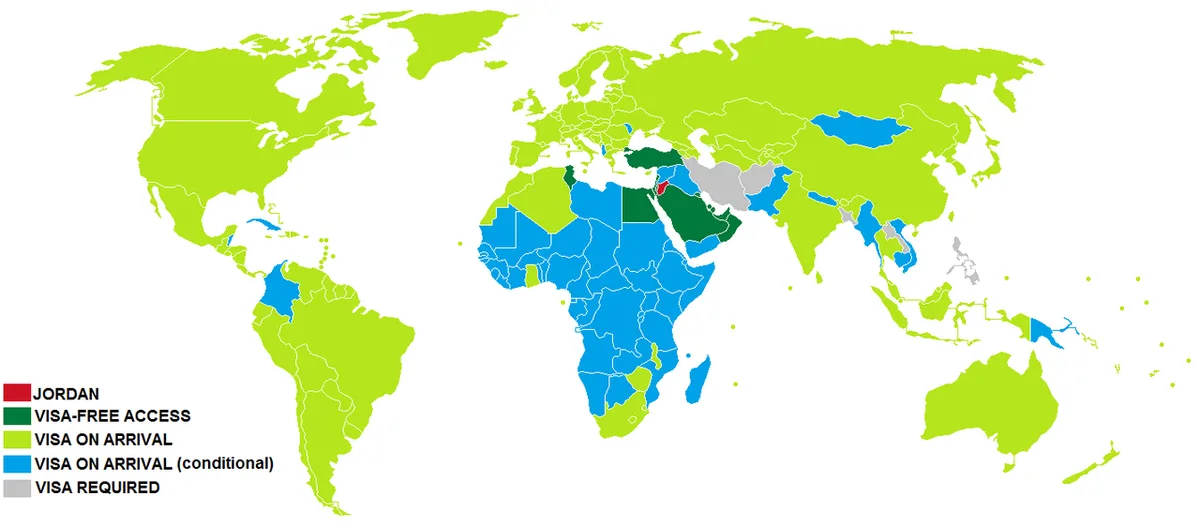
Jordan runs one of the more welcoming visa systems in its region, and one of the more misunderstood. Almost every visitor needs a visa; almost none of them needs to arrange one before leaving home. The country sorts passports into a few broad categories — a small group of nationalities enters freely, the large majority is issued a visa at the border, and a defined minority must have approval arranged in advance — and then, on top of that simple frame, it layers three things that trip people up: an entry point where no visa is issued on arrival at all, a southern city whose special economic zone hands out free entry under its own conditions, and a sightseeing pass that can make the visa fee disappear if, and only if, its small print is met. Which of those layers applies to you is decided by two facts — your nationality and the gate you walk through — and by nothing else.
So this guide explains the system rather than a snapshot of it. It is built from Jordan’s own official pages — the Ministry of Interior, the Jordan Pass’s published terms, the Aqaba authority — checked on the date in the notes at the end, and it deliberately prints no fee amounts anywhere. That is not an omission. Visa fees are the single fastest-rotting fact in travel publishing; the internet’s Jordan pages are a museum of dinar figures from different decades all presenting themselves as current, and the honest place for the number you will actually pay is the official page you check the week you travel. What does not rot is the mechanism: who decides, where it happens, what the conditions are and which document governs. That is what follows — and once your entry is sorted, our round-up of the best places to visit in Jordan is the place to plan what the visa lets you see.
At a Glance – The Entry System on One Screen
Every route into Jordan is one of the rows below. Find your row by passport first and entry point second; the final column is the condition that catches travellers out.
| Route | Who it is for | Where it is settled | The condition that matters |
|---|---|---|---|
| Visa-free entry | Citizens of a small group of states, mostly Jordan’s Arab neighbours | At the border, on your passport alone | Your passport must be on the exempt list, not merely a friendly one |
| Visa on arrival | The large majority of other nationalities (the “non-restricted” list) | Queen Alia Airport, Aqaba and most land crossings | Not issued at the King Hussein (Allenby) Bridge – arrange that entry in advance |
| Ministry of Interior e-services application | Travellers who must or prefer to settle entry before flying, including Allenby Bridge entrants and prior-approval cases | Online, before travel | Applications are accepted only from outside Jordan |
| Jordan Pass fee exemption | Sightseeing trips built around Petra and the major sites | Bought online before arrival, shown at the border | The exemption needs a stay of a minimum of two nights (3 days), and a Pass bought after arrival earns none |
| Aqaba (ASEZA) entry | Arrivals through Aqaba’s airport or port | At Aqaba, under the zone’s own rules | Restricted nationalities still need a visa in advance, and the Wadi Araba crossing is treated separately |
Two habits make the table safe to use. First, never reason from a neighbour’s experience: the categories are drawn by nationality in fine detail, and two passports on the same flight can be in different rows. Second, treat your entry point as part of the visa question, not a travel detail to settle afterwards — the same passport that sails through the airport desk in Amman is turned back at the Allenby Bridge for want of a visa arranged in advance, and the same trip that costs a visa fee at Amman can be free at Aqaba. Nationality first, gate second, shopping for passes third: that order is the whole game.
Visa on Arrival – The Default Route for Most Visitors
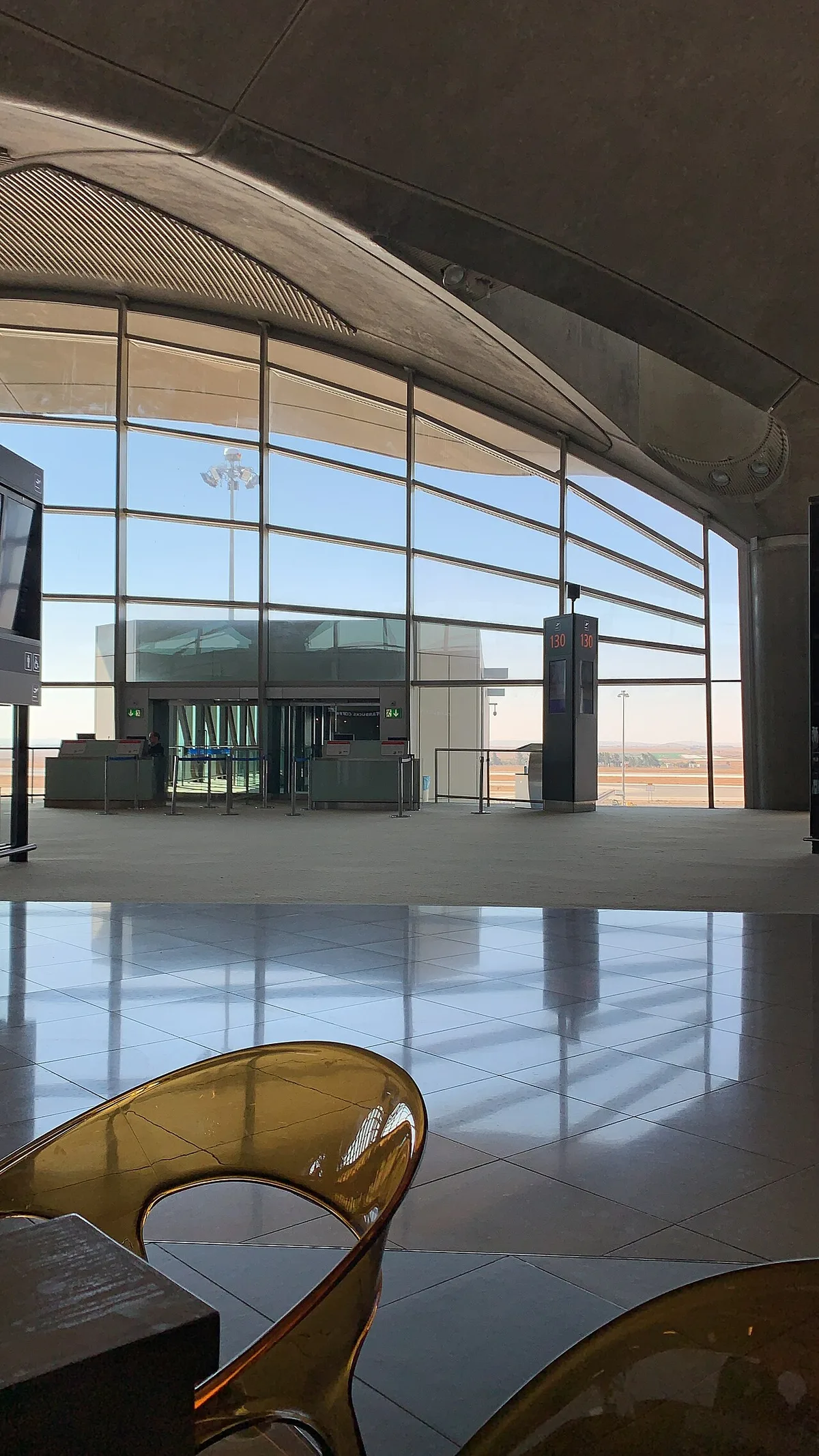
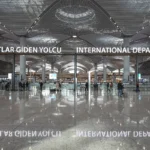
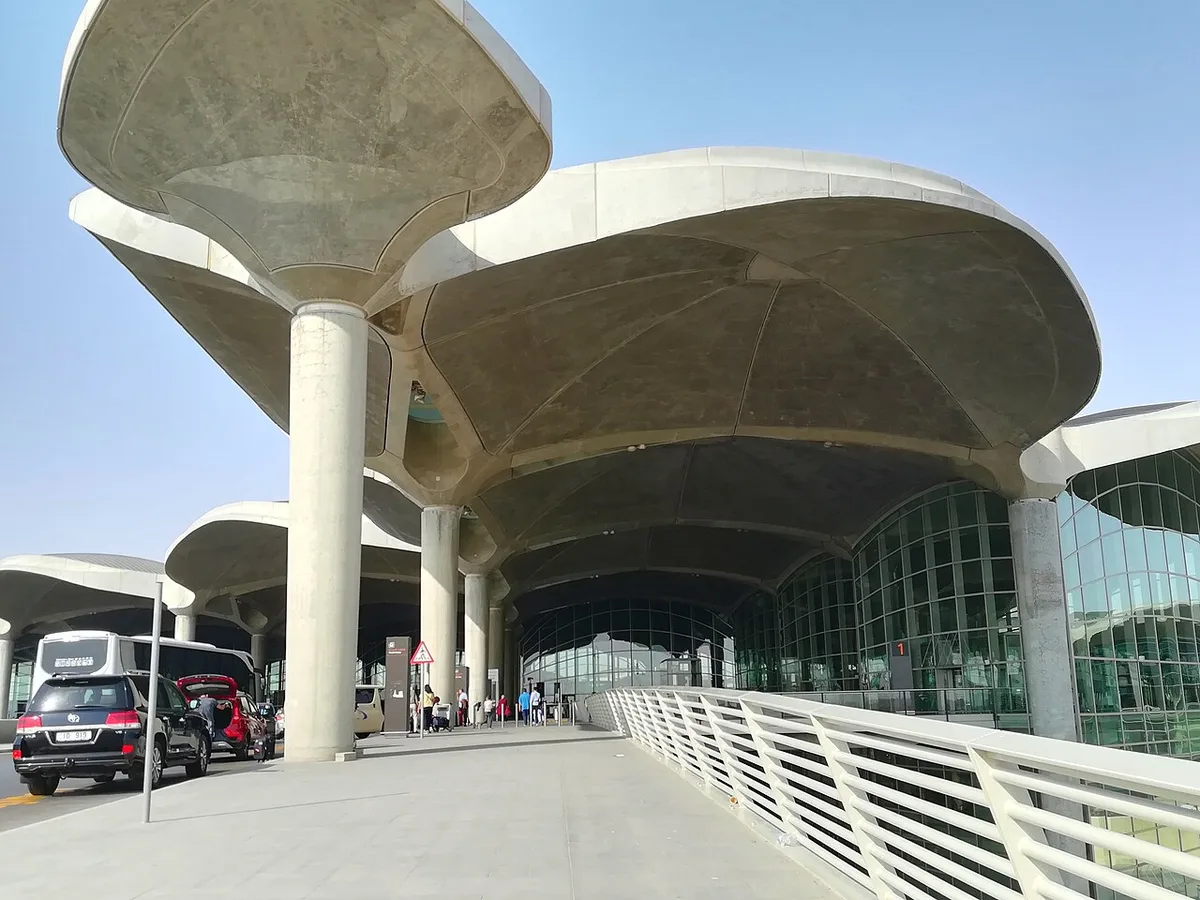
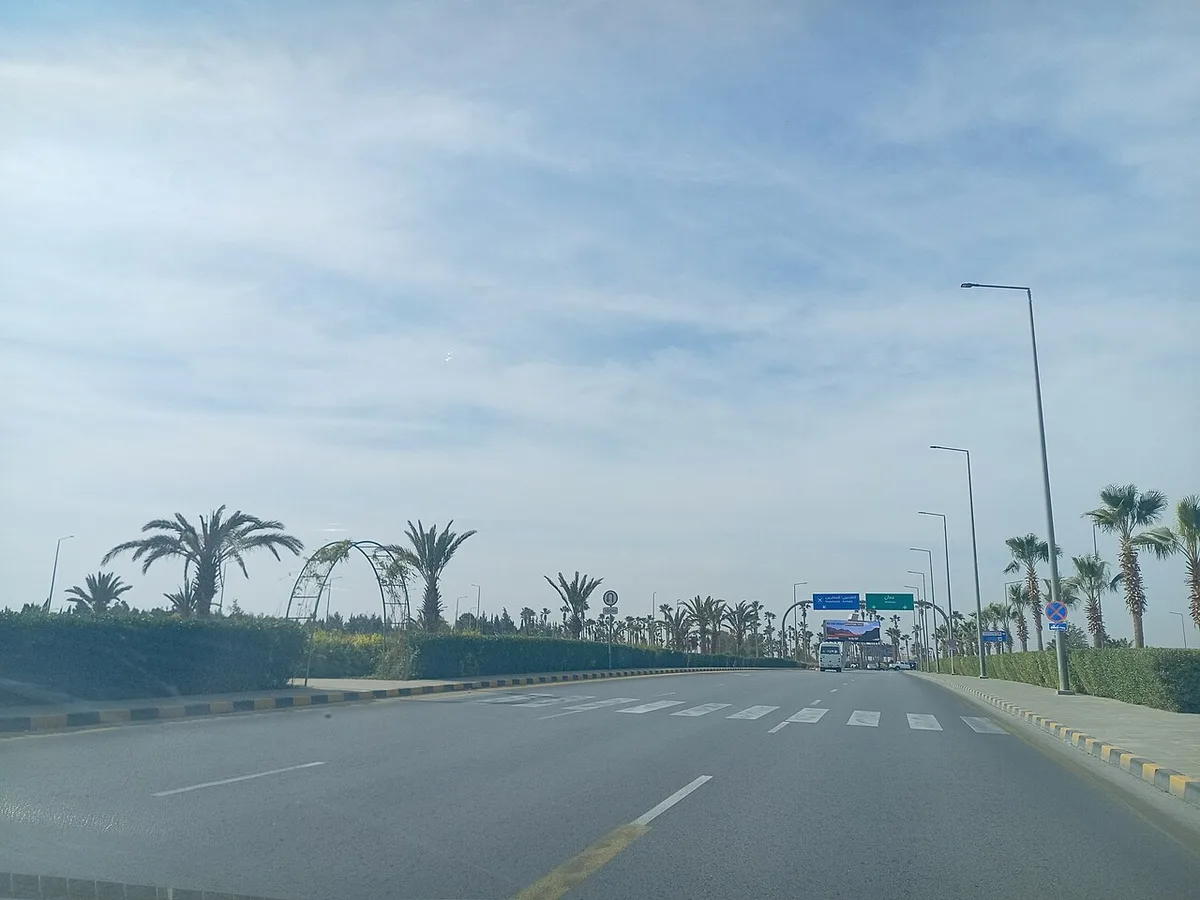
For the majority of passports, entering Jordan is something that happens to you pleasantly at the airport rather than something you arrange. At Queen Alia International Airport, the arrivals flow passes a visa desk before passport control: present your passport, pay the fee charged there, and a single-entry tourist visa is issued on the spot, after which the immigration officer stamps you in. The same on-arrival issue is available at Aqaba’s airport and at most of Jordan’s land crossings, including the Sheikh Hussein (Jordan River) crossing in the north. It is a deliberately low-friction design — Jordan wants the visit to begin at the desk, not at an embassy weeks earlier — and for a straightforward holiday on a non-restricted passport, it is the whole process.
The published entry requirements that stand behind the desk are worth knowing before you fly. Your passport must be valid for at least six months beyond your arrival — a rule stated in the visa-policy record and in government travel advice alike — and the record also asks for blank pages for the stamps and evidence of your onward or return journey, so keep your return booking reachable rather than buried in an email archive. The one thing to read carefully at the desk itself is the entry stamp: the length of stay you are granted is what is stamped into your passport, and that stamp, not any website, is the document your trip legally runs on. Jordan’s published visa policy records a change in January 2026 that extended the standard stay granted on a visa on arrival or eVisa from one month to three; stamps and practice are what count on the day, so note the date you are given and plan inside it, with the extension route in the sections below if your plans outgrow it.
The eVisa – Settling It Before You Fly, Through the Ministry of Interior
Jordan’s electronic route runs through a single official door: the Ministry of Interior’s e-services portal, eservices.moi.gov.jo. That address matters, because the search results for a Jordan eVisa are crowded with agencies and lookalike “official guide” sites that will happily take your money to type your details into the state’s form. The Ministry’s own website names the portal as its services address, and the portal is where the application lives. If the page asking for your card is not on a Jordanian government domain, you are paying a middleman for a formality — close the tab and go to the source.
The flow, as the Ministry itself describes it, is account-based rather than a single form. You register to create an account tied to your email, choose the service you need — a visit visa for a holiday — and submit the application with its supporting details; you can then sign in and follow the application’s progress through your account rather than waiting on an inbox. Payment is electronic, by card, through the portal. Two of the Ministry’s published rules shape how you should use it. Visa applications are accepted only if submitted from outside the Kingdom, which makes the eVisa strictly a before-you-fly instrument — it is not a fix for a problem discovered at the border. And some applicants are required to attend an interview in person, which the Ministry routes through the nearest Jordanian embassy, most of which can access the same electronic system; bring your electronic application number if that happens to you.
Who actually needs this route? Four groups. Travellers entering at the King Hussein (Allenby) Bridge, where nothing is issued on arrival. Travellers who need more than a single entry — a side trip out of Jordan and back in — because multiple-entry visas are not sold at the border desk; they come from the Ministry or from Jordanian embassies. Travellers whose nationality needs prior approval, whose applications run through this same portal, as the next-but-one section explains. And travellers who simply prefer certainty to a queue. One warning against doubling up: the eVisa and the Jordan Pass are alternatives, not layers. If you have bought a Pass that already carries the fee exemption, paying for an eVisa as well buys you nothing the Pass does not, and neither product is refundable because the other existed.
Entering Through Aqaba – The Special Economic Zone Exception
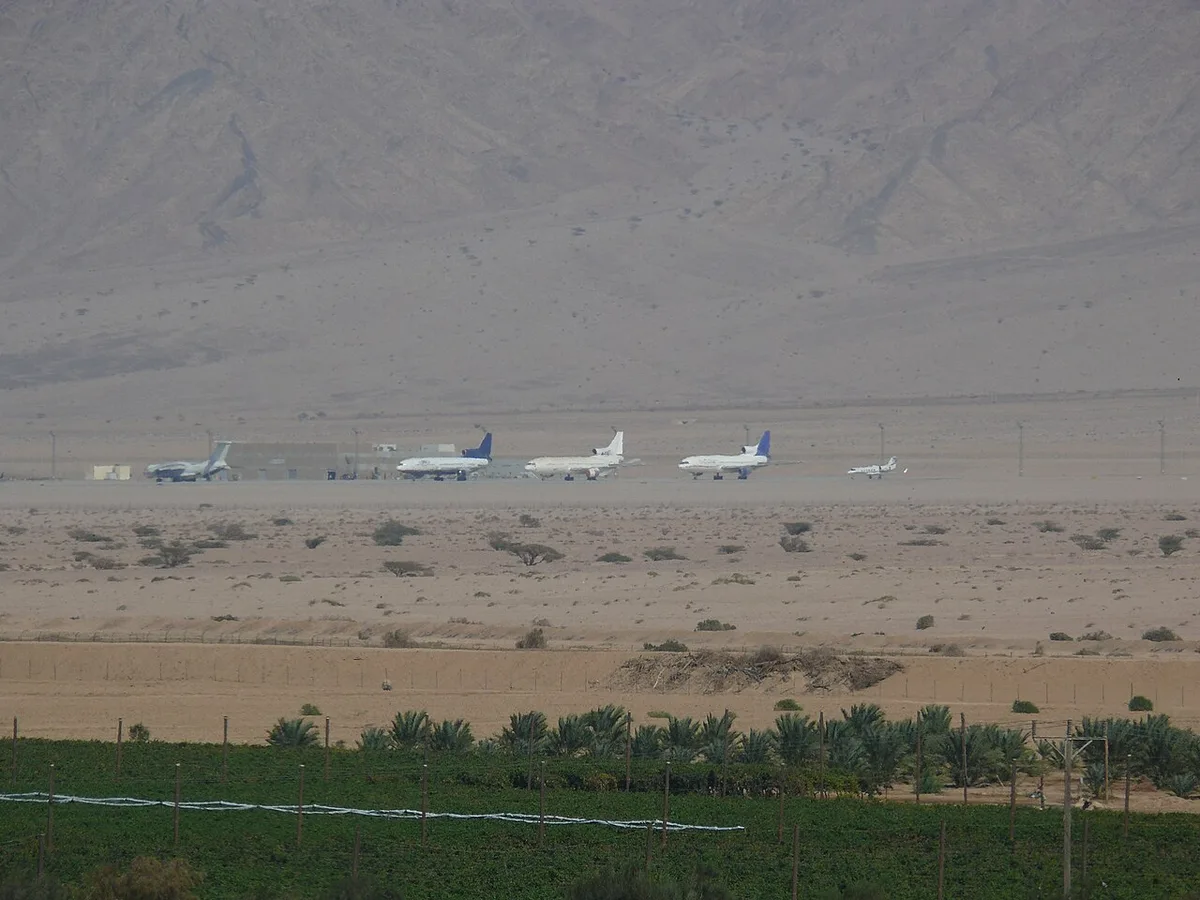
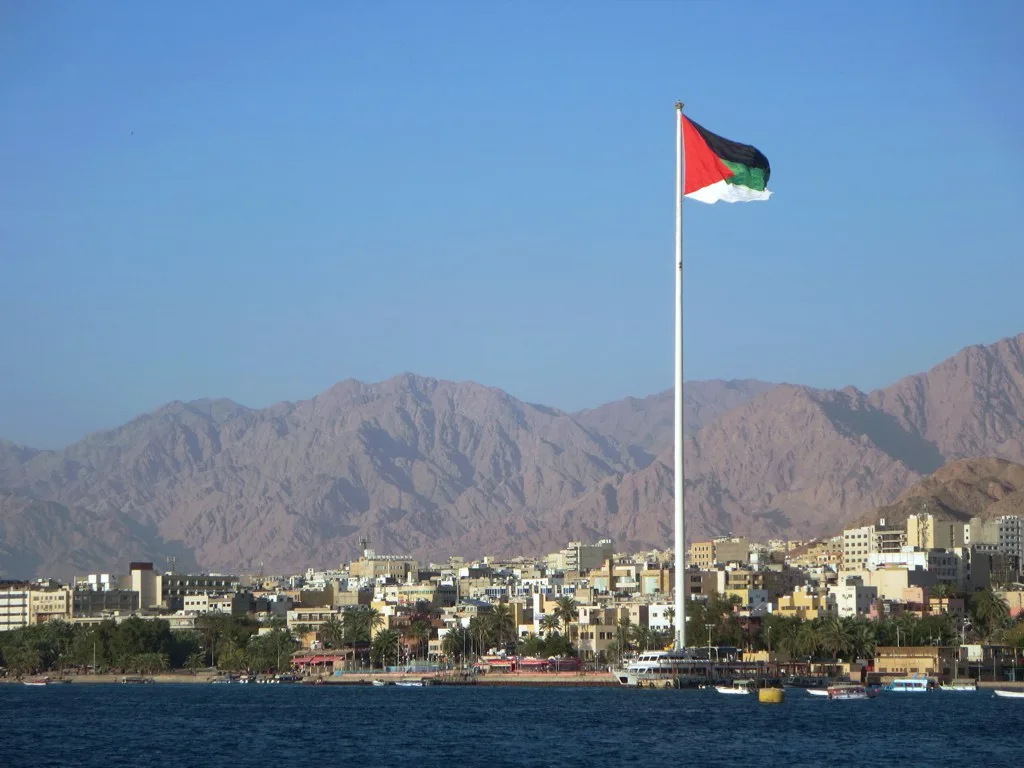
Aqaba is Jordan’s window on the Red Sea and, since 2001, a special economic zone — and the zone runs its own front door. The Aqaba authority’s published visa guidance states the core of the deal plainly: visitors entering Jordan through Aqaba’s port or airport receive a free visa, with no obligations attached as long as they leave within one month of arrival through the same border and do not need to renew the visa. For a fly-in Red Sea holiday that begins and ends at Aqaba, that is the complete entry system — no desk fee, no pass required, the zone absorbing the formality because the zone wants the visit.
The conditions around that core are where the section earns its length, because Aqaba’s regime is routinely flattened into “free visa at Aqaba, full stop” by pages that stop reading early. Three qualifications matter. The free entry is for non-restricted nationalities; if your passport is on the Ministry’s restricted list, you need a visa arranged in advance even at Aqaba, exactly as everywhere else. The southern Wadi Araba land crossing from Eilat is treated separately from the port and airport in the Aqaba authority’s own wording, and the Jordan Pass’s guidance describes that crossing’s arrangements differently again — so if you are crossing on foot from Eilat, verify the current procedure for that specific gate before you rely on it, rather than assuming the airport rule follows you. And the free status is a bargain about how you travel: travellers who enter elsewhere but intend to claim the Aqaba free visa are required to register with the ASEZA visa office in Aqaba within 48 hours of arriving in Jordan, and unregistered days attract a fine — while a visitor who enters free at Aqaba and then simply leaves through Amman at the end of a one-way trip is stepping outside the tidy same-border version of the deal and can find the visa charged at departure.
Extensions follow the zone’s logic too. A normal Jordanian visa is extended through a police station, as the stay section below explains; an ASEZA entry is extended at the ASEZA office in Aqaba itself, not at a police station. Keep the two systems separate in your head — which stamp you hold decides which office owns your problem — and Aqaba remains what it was designed to be: the easiest door into Jordan, provided you use it the way the zone wrote it.
The Jordan Pass Decision – When the Visa Fee Disappears
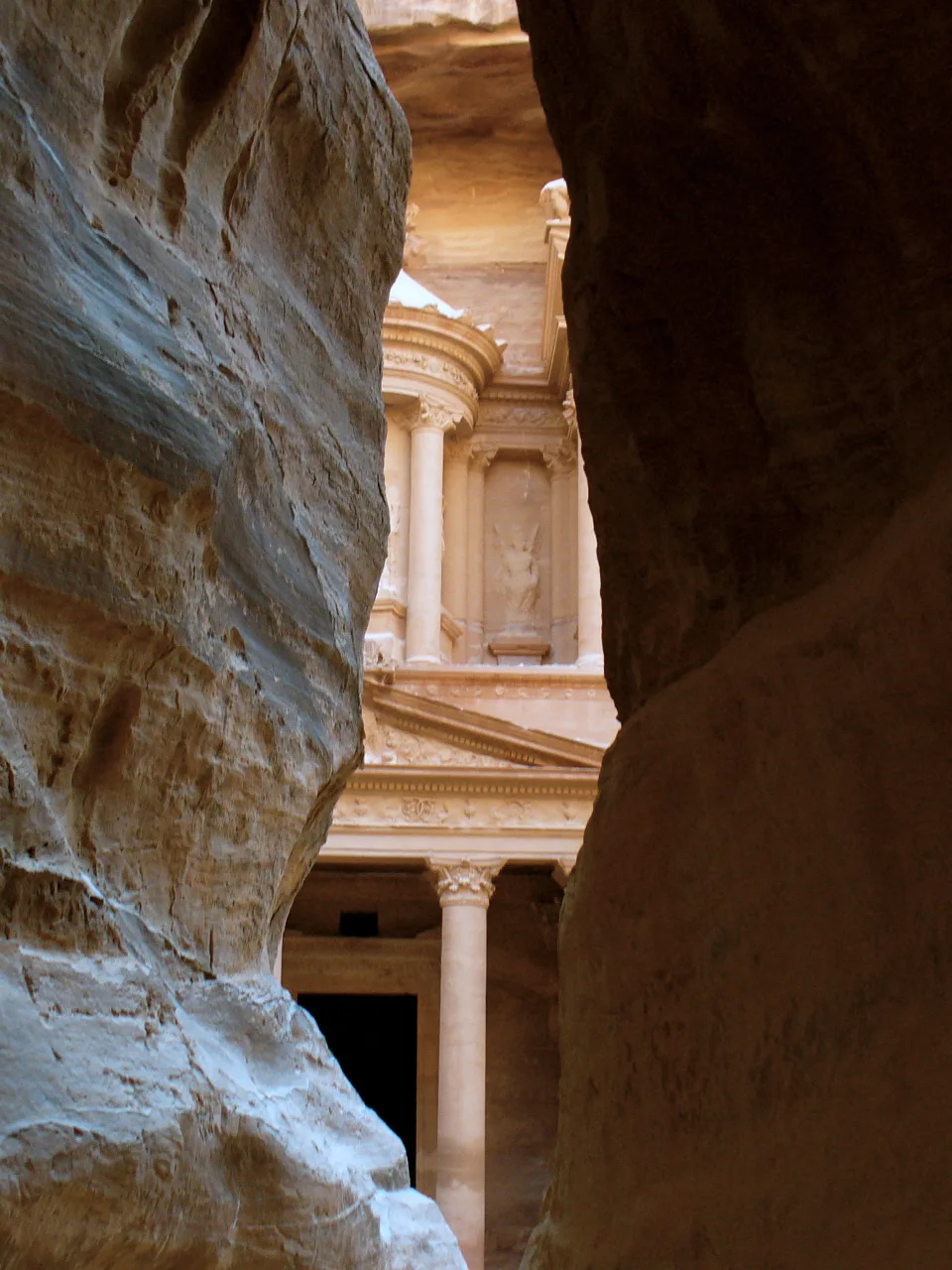
The Jordan Pass is the Ministry of Tourism and Antiquities’ official sightseeing package: bought online before travel from its own site, jordanpass.jo, it prepays entry to more than forty of the country’s sites — Petra, Jerash, Wadi Rum’s protected area and the Amman Citadel among them — in three versions that differ essentially in how many days at Petra they carry. It is not a visa, and it does not get you into Jordan by itself. What it carries, on top of the sightseeing, is an exemption from the tourist entry visa fee — and that exemption is conditional in ways that decide whether the Pass is a bargain or an expensive duplicate.
The conditions are best taken in the official wording, because the internet argues about them. The Pass’s own published Terms and Conditions state: “Tourist entry visa fees exemption is valid only when staying a minimum of two nights (3 days) in Jordan.” The same terms state that buying the Pass after arrival in Jordan does not allow the holder to benefit from the exemption — the purchase must precede the border. Put together: buy before you fly, stay at least the stated minimum, show the Pass at the visa desk, and the fee is waived while the visa itself is issued as usual. It is only fair to disclose that some foreign governments’ travel advice states the minimum stay differently — three nights rather than two — so a trip of exactly two nights sits in a genuine grey zone between Jordan’s own terms and other official wordings; if that is your trip, treat the waiver as a bonus rather than a budget line, and read the terms again before you buy. The Pass’s other clock is also in its terms: it expires three months after the date of entry, and site entry runs for one month from your first site visit.
The decision itself is arithmetic plus honesty about your itinerary. A sightseeing-dense trip — Petra for more than a day, Jerash, the Citadel, a run of castles and museums — recovers the Pass price quickly, with the waived visa fee as part of the recovery; our Petra travel guide is the place to test how many Petra days your route really holds. A beach trip entering free through Aqaba gains only the site entries from a Pass, since its visa cost was already zero. A two-night city break may gain the entries and still miss the exemption entirely. And a restricted-nationality traveller gains nothing at the border from a Pass at all — approval first, package second. Buy it as a sightseeing bundle that sometimes deletes a fee, and it will rarely disappoint; buy it as a “visa”, and its small print will eventually introduce itself.
Land Borders – Three Crossings, Three Different Rules
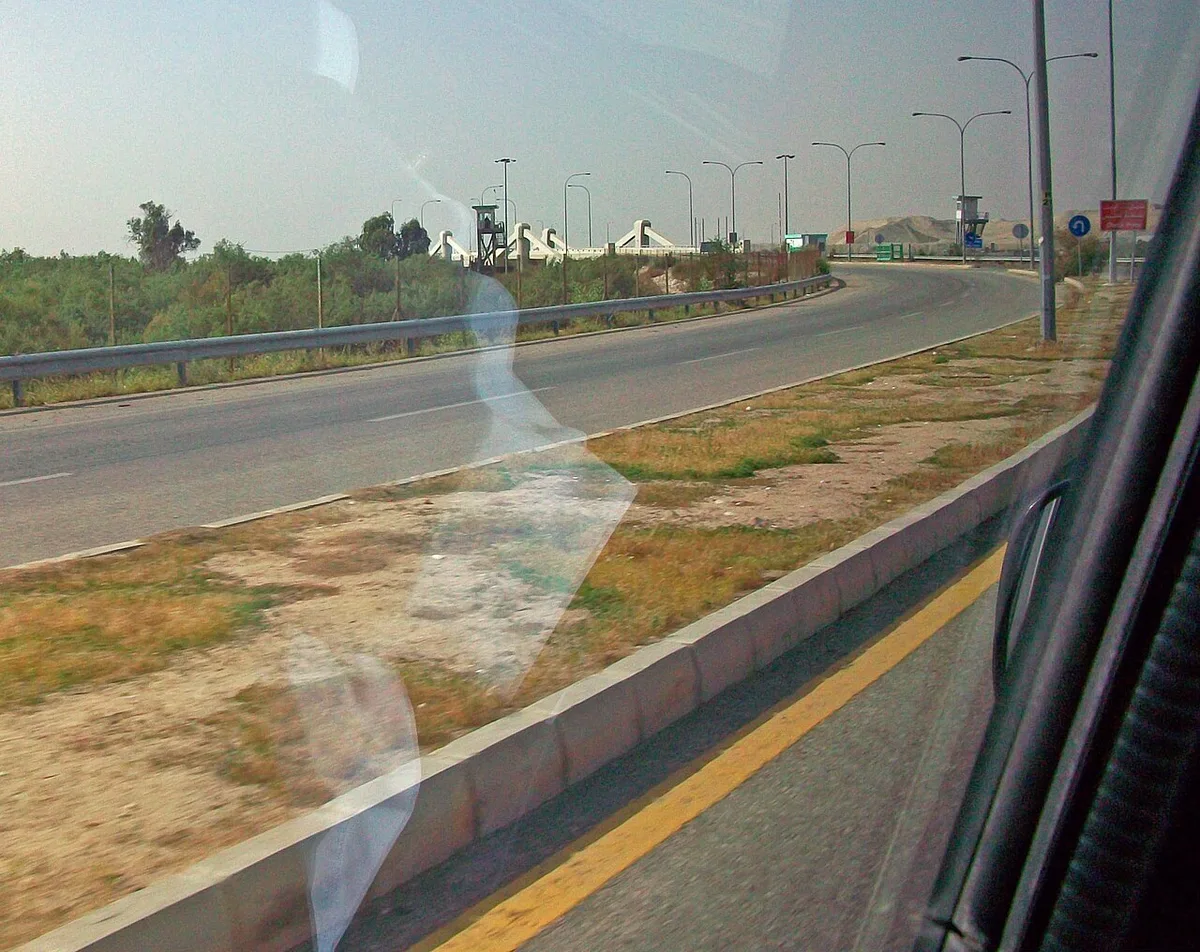
Jordan’s land borders are where the visa system’s one hard exception lives, and it lives at the crossing travellers most often assume is ordinary. The northern Sheikh Hussein (Jordan River) crossing, used for travel between Jordan and northern Israel, issues visas on arrival to non-restricted nationalities in the normal way — it behaves like the airport desk with a bridge attached. The Jaber crossing on the Syrian road and Jordan’s other land gates follow the same general rule for non-restricted passports, but land borders everywhere carry a condition no airport does: they open, close and change their routines with the security situation, sometimes at short notice, so a land crossing is always a verify-before-you-travel item rather than a fact to bank months ahead.
The King Hussein Bridge — the Allenby Bridge on the Israeli and Palestinian side — is the exception, and it is absolute: no visas are issued on arrival at this crossing, to anyone. It is the route between Amman and Jerusalem and the West Bank, and the rule catches travellers every season, because the natural assumption that a major crossing works like the airport is simply wrong. To enter Jordan here you must arrive already holding your entry: a visa issued in advance by a Jordanian embassy or consulate, an approved application through the Ministry of Interior’s e-services portal, or a Jordan Pass bought before travel, which the published entry record lists among the accepted advance arrangements. In practice, travellers who entered Jordan elsewhere and are returning through the bridge on a still-valid entry are a different case from fresh arrivals — but the safe planning rule for a first entry at Allenby is four words long: visa first, bridge second.
Two smaller land-border mechanics complete the picture. Departure by land carries a departure tax that air travellers usually find folded into their ticket, so keep small money and patience in reserve at a land gate even on the way out. And the Wadi Araba crossing between Eilat and Aqaba belongs to the Aqaba story told above — special-zone arrangements, described differently by different official pages, and a crossing to verify specifically rather than assume. Treat every land border as its own little visa regime wearing a shared flag, and none of them will surprise you.
Who Cannot Just Turn Up – Restricted Nationalities and Prior Approval
Jordan’s system describes itself in two words: restricted and non-restricted. The Ministry of Interior publishes the list — it appears on the official Visit Jordan site under the Ministry’s name — and it defines restricted nationalities as those who need prior approval before they travel. The list, as published, runs to dozens of countries: a substantial group across Asia, a longer one across Africa, and two in the Americas. This guide deliberately does not reproduce the roll call. Lists like this are amended by decision, a copied table in a travel article outlives its accuracy by years, and the only version that protects a trip is the current one on the Ministry’s page, read with your own passport in hand. What can be said structurally is that if your country is on it, no desk at any airport or border can help you on the day — the approval has to exist before you arrive.
The approval route runs through the same machinery as the eVisa: an application through the Ministry of Interior’s e-services portal, or an application lodged with a Jordanian diplomatic mission, with the embassy interview step the Ministry describes for cases that need one. Build the trip around that sequence honestly — apply first, wait for the approval to exist, and only then commit money to non-refundable flights and hotels, because an approval timeline is the Ministry’s to set, not a travel agent’s to promise. The published rules also contain conditional side doors: some restricted-list citizens become eligible for a visa on arrival or an eVisa if they hold residence permits or visas for Gulf states, the Schengen area, the United States and certain other countries, under conditions detailed enough — validity periods, return-ticket requirements — that they belong on the portal and the embassy’s desk rather than in a summary. If that might be you, it is the single most valuable question to put to the source.
One documentary edge case from the official list deserves a sentence of its own: holders of travel documents — the “travel pass” documents issued in place of a national passport — are treated as restricted whatever country issued the document, with a single stated exception for the Vatican City State’s. Travellers on refugee or stateless documentation should therefore start from the assumption that prior approval is required and begin the conversation with a Jordanian mission early. The restricted system is not a closed door; it is a door with a queue in front of it, and the whole skill is joining the queue in time.
How Long You Can Stay – The Stamp, Extensions and the Police Station
Your permitted stay in Jordan is not a number on a website; it is the date implied by the stamp placed in your passport when you enter, set against the standard grant for your route. For many years that standard grant for a tourist arriving on a visa on arrival was one month, and much of the internet still says so in the present tense. Jordan’s published visa-policy record shows the standard stay for visa-on-arrival and eVisa visitors extended from thirty days to ninety in January 2026 — a reminder, in one line, of why this guide keeps sending you back to live sources: the rules genuinely move, and they move by announcement, not by season. On the day you travel, the stamp governs. Read it before you leave the desk, count your days against it, and let everything else in this section be the machinery for what happens if your plans outgrow it.
Extending a stay is a local, in-person, before-expiry errand. The long-published rule — repeated in government travel advice — is that a visitor who needs longer than the permitted stay must register at a Jordanian police station before that stay expires; extensions are handled there, at the station serving where you are staying, and the time to go is while your current permission is still alive, not in a panic at the airport. Two variations matter. An ASEZA entry through Aqaba is extended at the ASEZA office in Aqaba instead, as the Aqaba section noted — the zone administers its own stamp. And a traveller who already knows a single entry will not do — the Jordan leg of a longer regional trip with a return built in — should not plan to improvise at the border: double and multiple-entry visas are issued only by the Ministry of Interior and Jordanian embassies, never at the arrival desk, so that conversation belongs to the weeks before departure, through the portal or the mission.
Overstaying – The Fine Print Nobody Reads

Overstaying in Jordan is not treated as a catastrophe, and it is not treated as nothing; it is treated as a bill. The mechanism, consistent across government advice and Jordanian sources, is a fine calculated per day beyond your permitted stay, settled before you are allowed to depart — the departure desk is where an unaddressed overstay stops being theoretical and becomes a negotiation you did not schedule, with a flight boarding in the background. This guide does not print the per-day rate, for the standing reason: rates change, printed figures in other guides span different eras, and the number that matters is the one in force at the police station or border post in front of you. What can be said without a figure is that the system prices overstays by the day, which means the cost of ignoring the problem grows on a schedule you do not control.
The same species of trouble, at smaller scale, is the unregistered stay: the traveller who entered under Aqaba’s arrangement and never made the 48-hour registration, or who drifted past a permission date assuming a tourist stamp renews itself in spirit. Jordan’s entry system is unusually forgiving at the front end — desks, passes, free zones — and correspondingly bureaucratic at the back end, where the remedy for almost everything is a record that you appeared, in person, before a deadline. Keep the cheap habits instead: photograph your entry stamp the day it is made, calendar the last permitted day with a margin, and if a plan changes, extend first and sightsee second. An overstay also follows you forward — approval-based applications and future entries are read against your history — which is the real price, larger than any per-day arithmetic.
Beyond the Tourist Visa – Work, Study and Staying Longer

Everything so far has been about visiting. The moment the purpose changes — a job, a degree course, a placement, a long residence — the tourist machinery stops being the right tool, and Jordan’s system says so in its own structure: the Ministry of Interior’s e-services list is a menu of separate instruments, with visit visas and transit visas sitting alongside study visas, work visas and exit-and-entry visas, and a second family of residence services covering work residence, study residence, family residence and longer-term annual residence. The portal, in other words, is also where longer stories begin — but they begin there as applications with a Jordanian sponsor, employer or institution in the picture, not as permissions a traveller grants themselves at a border desk.
Two of the Ministry’s published rules shape any such plan. Applications for these services are built to be lodged from outside the Kingdom while you wait, and where a case requires an interview, the Ministry routes it through the nearest Jordanian embassy, which works inside the same electronic system — so the embassy is not an alternative to the portal but part of it. And the tourist routes confer no right to work or enrol: a visa on arrival is permission to visit, and treating it as a soft start to a job or a course is the kind of category error that surfaces later, at extension desks and approval checks, wearing your name. Volunteering, internships and medical travel sit in the same caution zone — each has its own treatment inside the rules, and the traveller’s task is to ask the mission which instrument fits before travelling, not to arrive and describe the purpose hopefully. Jordan is genuinely open to long stays; it simply insists, as most states do, that the paperwork name the real purpose.
Documents to Have Ready – Arrival Day, Sorted
The border desk is a short conversation when your side of it is prepared, and a long one when it is not. The passport itself does the heavy lifting: at least six months of validity beyond your arrival, and blank pages available for the entry and exit stamps — both requirements appear in the published entry record, and the six-month rule is the one airlines enforce at check-in before Jordan ever sees you, which makes it the earliest deadline in the whole trip. Keep your return or onward booking retrievable on your phone or in print; the published record expects visitors to hold onward travel, and the desk is entitled to ask.
Beyond the passport, what you carry depends on the route you chose. A Jordan Pass holder needs the Pass itself — its QR code on a phone, with a printed copy as insurance against a dead battery at the worst-lit moment of the trip. An eVisa applicant needs the approval the portal issued, printed or saved where it can be produced offline. A traveller paying at the desk needs the means to pay the fee there — check the current amount and accepted payment methods on the official pages before you fly, since this guide prints neither. And an approval-route traveller needs the approval itself, matched against the passport it names. Keep a photograph or scan of every one of these documents somewhere separate from the originals — a phone that dies at the desk, or a printout left in a hotel room, should be an inconvenience rather than an incident. None of this is exotic; it is simply the whole visa system, folded into a folder. The travellers delayed at arrivals are rarely the ones with the wrong nationality — they are the ones with the right nationality and a document in a checked bag.
Verify Your Own Nationality – The Rule That Protects the Trip
Everything in this guide reduces to a ten-minute drill, run close to your departure date, on official pages. First, find your passport in the system: the Ministry of Interior’s restricted and non-restricted lists, published on the official Visit Jordan visas page, settle which category you are in — not a forum, not a fellow traveller, the list. Second, match the category to your gate: airport, Aqaba, or a land crossing, with the Allenby exception front of mind. Third, choose the instrument — desk, portal or Pass — and if the Pass is part of the plan, read its official Terms and Conditions rather than any summary, including this one. Fourth, where anything is approval-shaped or unusual, go to the Ministry of Interior’s e-services portal itself or to your nearest Jordanian mission, and let your own government’s travel advice — written for your passport specifically — have the last cross-check.
The drill exists because the rules move. In the research for this single article, the official record showed a standard stay extended by announcement, a Pass whose own terms word its key condition differently from several governments’ advice, and an Aqaba regime whose crossings are described inconsistently across official pages. None of that makes the system untrustworthy; it makes it alive, and it is exactly why confident, unsourced certainty — the fee table, the copied nationality list, the “updated” blog post recycling a previous decade — is the most dangerous genre in travel information. Jordan publishes its rules in the open, in English, on its own domains. Ten minutes there is worth more than ten articles anywhere else, this one included.
Frequently Asked Questions
Do I need a visa for Jordan at all?
Almost certainly yes, unless your passport is one of the small visa-exempt group — mostly Jordan’s Arab neighbours — who enter on their passport alone. Most other nationalities need a visa but can be issued it on arrival; a defined minority, the restricted list, need approval arranged before travel. The category question is answered by the Ministry of Interior’s published list, not by analogy with neighbouring countries or travelling companions.
Can I get a visa on arrival at the King Hussein (Allenby) Bridge?
No — this is the system’s one absolute. No visas are issued on arrival at the King Hussein (Allenby) Bridge, whatever your nationality. Enter there only with your entry already arranged: an embassy-issued visa, an approved Ministry of Interior e-services application, or a Jordan Pass bought before travel. If your plans change and you find yourself heading for that bridge without one of those, change the crossing, not the expectation.
Does the Jordan Pass really make the visa free?
It makes the fee exempt, on conditions, and it is not itself a visa — the visa is still issued at the border. The Pass’s official Terms and Conditions make the exemption valid only when you stay a minimum of two nights (3 days) in Jordan, and a Pass bought after arrival earns no exemption at all. Note that some governments’ advice words the minimum as three nights; a two-night trip should treat the waiver as uncertain. Restricted nationalities get no border benefit from a Pass — approval comes first.
How long can I stay in Jordan on a tourist entry?
As long as your entry stamp permits — the stamp is the governing document. The standard grant was one month for many years; Jordan’s published visa-policy record shows it extended to ninety days for visa-on-arrival and eVisa visitors in January 2026. If you need longer than you were given, extend before expiry at a local police station — or at the ASEZA office in Aqaba if you entered under the Aqaba arrangement.
I am entering through Aqaba – is my visa really free?
If you arrive through Aqaba’s airport or port on a non-restricted passport, yes — the Aqaba authority’s guidance grants a free visa, cleanest when you also leave through Aqaba within a month. The Wadi Araba land crossing is treated separately in the official wording, so verify that gate specifically. Restricted nationalities need a visa in advance even at Aqaba, and travellers entering elsewhere who mean to claim the Aqaba arrangement must register with the ASEZA visa office within 48 hours of arrival.
What happens if I overstay?
An overstay is priced by the day and settled before departure — a fine accrues for each day beyond your permitted stay, and the departure process will stop until it is resolved. Rates change and this guide prints none; the operative facts are the mechanism and the remedy. The remedy is always cheaper in advance: extend at a police station while your permission is still valid, and keep a photograph of your entry stamp so the deadline is never a matter of memory.
The Short Version
Jordan’s entry system is generous at the front and precise in its small print, and it rewards the traveller who reads the small print first. Most passports are issued a single-entry visa on arrival at Queen Alia Airport and most crossings; the Ministry of Interior’s e-services portal settles entry in advance for those who need it to — Allenby Bridge crossers, multiple-entry travellers and prior-approval nationalities; Aqaba’s special zone lets its own arrivals in free under its own conditions; and the Jordan Pass, bought before arrival, deletes the visa fee for sightseeing trips that meet its stated minimum stay of two nights (3 days). At every step the documents that govern are Jordan’s own: the Ministry’s list for your category, the Pass’s terms for its waiver, and the stamp in your passport for your days.
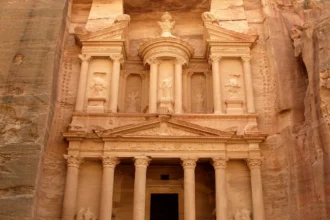
So run the drill before you book anything non-refundable: find your nationality on the official list, match it to your entry point, choose desk, portal or Pass, and re-check the whole thing close to departure, because this system changes by announcement. Then go — the country behind the paperwork is worth every minute of it, from the Petra travel guide‘s rose-red gorge to the full sweep of the best places to visit in Jordan. Ten minutes of verification is the cheapest insurance in the entire trip.