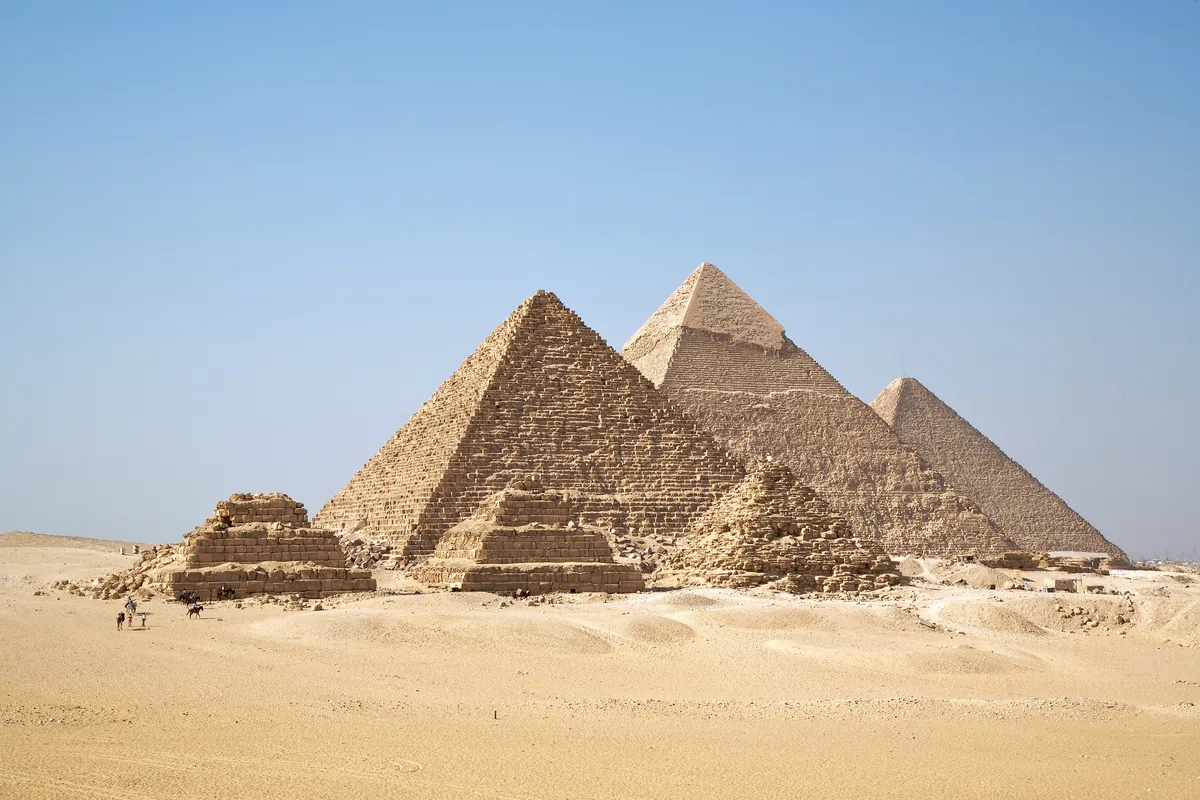
Best Time to Visit Egypt – Month by Month
Ask ten guides when to visit Egypt and nine will give you the same four words: October to April. They are not wrong, exactly. They are just answering a question you did not quite ask, because Egypt does not have one season. It has at least four, running on different calendars in different places, and the month that is perfect for walking the temples of Luxor is not the month you would choose for swimming off Dahab, or for crossing the White Desert, or for sitting on a Corniche cafe in Alexandria while the sea wind does its work.
So this guide to the best time to visit egypt does what the short answers cannot: it runs month by month, then region by region, and it keeps the two questions separate that most guides blur together — when is the weather kindest, and when is the trip actually best. Those are not the same question. The kindest weather in Upper Egypt falls in the busiest weeks of the year. The cheapest, quietest weeks fall in the fiercest heat. The sea is warmest when the temples are hardest. A good month is a negotiation between those facts, not a prize handed to a single winner, and the negotiation changes depending on what your trip is for.
That is also why the structure below is built the way it is. The month-by-month sections tell you what each month feels like across the country, with the regional differences flagged inside each month rather than smoothed over. The regional sections then flip the view: if your trip is really about one place — a Nile cruise, a Red Sea week, a desert crossing, a Mediterranean city break — read that section and let it overrule the general advice. For routes, transport and the full planning picture, this seasonal guide sits inside our Egypt travel guide; here, the focus is timing, and timing alone.
At a Glance
Short on time? Here is the whole year on one screen — the headline window for each kind of trip, and the month to pick if you can only pick one. The sections below supply the reasoning, the regional exceptions and the caveats behind every line of it.
| Trip | Best window | If you pick one month |
|---|---|---|
| First trip, temples and pyramids | October to April | November or March |
| Nile cruise, Luxor to Aswan | October to April | November |
| Red Sea swimming and diving | May to November | September or October |
| Desert and oasis travel | October to April | November or March |
| Alexandria and the Mediterranean coast | May to October | September |
| Cheapest, quietest temples | May to September | June, with early starts |
| Fewest crowds overall | January to February, outside holiday weeks | Late January |
Two patterns in that table are worth noticing before you fix dates. First, the classic trip and the beach trip barely overlap in their ideal windows — October is the one month that genuinely serves both, which is why it carries so much weight in the sections below. Second, the “best” month is almost never the most comfortable month: November and March win because they balance weather against crowds, not because they beat December or February on temperature alone. That balance is the whole subject of this guide.
How Egypt’s Climate Works
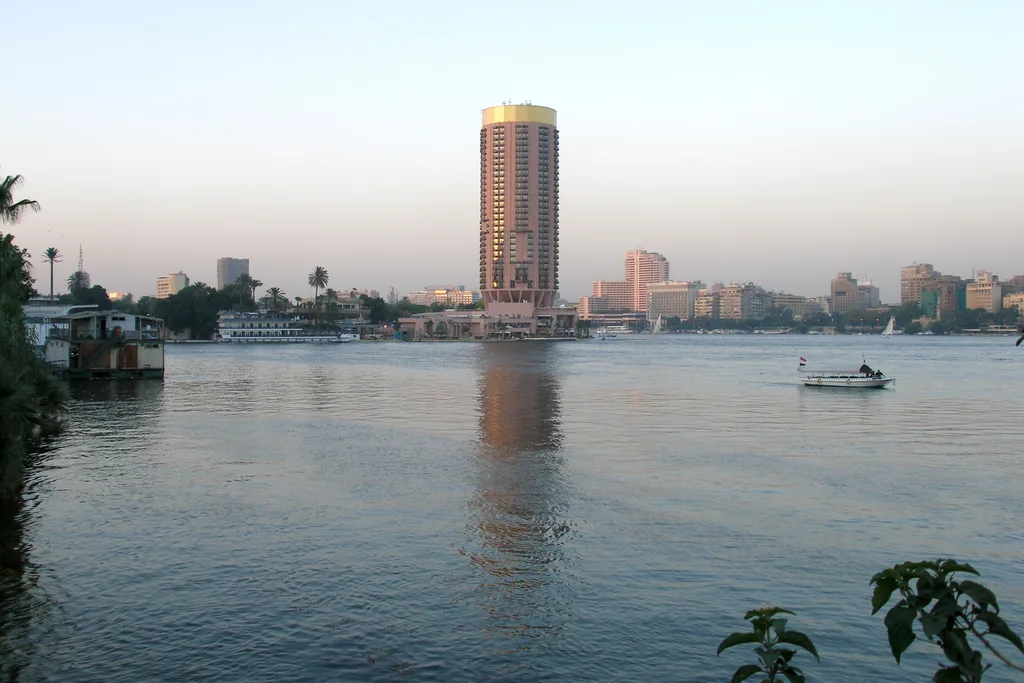
Egypt is overwhelmingly hot and dry, and that single fact explains most of the calendar. Almost the whole country is desert, rain is rare except along the Mediterranean coast in winter, and the difference between a good month and a punishing one is usually a matter of ten or fifteen degrees in the daytime high — the difference between walking temple courtyards in comfort and rationing yourself between patches of shade. The long-term averages make the shape clear. At Cairo airport, the WMO 1991–2020 normals put the mean daily maximum at roughly 19°C in January and roughly 35°C in July and August, with almost no summer rain at all. Those are averages across thirty years, not a forecast for your week, and a spring khamasin wind can push a single day far above its monthly mean — but as a planning shape they are honest: Cairo has a long comfortable season and a hot summer that is manageable, not extreme.
Travel south and the shape sharpens. Luxor and Aswan sit further inland and further south, and their summers run noticeably hotter than Cairo’s, with daytime highs regularly above 40°C from late spring through early autumn and a large gap between day and night temperatures all year. That is why the planning rule used throughout this guide is to judge a classic Cairo to Aswan trip by Upper Egypt, not by Cairo: the capital will feel fine on days when the temple courtyards of the south do not. The Red Sea coast breaks the pattern in the other direction — sea breezes soften the air, the water holds its warmth deep into autumn, and a summer that is unbearable inland is simply hot on the coast, which is why the Red Sea has a summer season at all. Alexandria, meanwhile, is the outlier that makes the whole map interesting: a genuine Mediterranean climate, humid rather than dry, with winter rain and summer sea breezes, and a summer that is the city’s high season rather than its low one.
The other force that shapes the year is not weather at all but the calendar of holidays. Christmas, New Year and the school-holiday weeks around them are the busiest stretch of the year at the major sites, and they sit inside the most comfortable weather window — which is the central tension of Egyptian timing. Ramadan moves through the calendar year by year, roughly eleven days earlier each year, and during it the rhythm of a trip changes: daytime hours run quieter, evenings come alive after sunset, and some sites and services keep shorter daytime hours, so a trip that falls in Ramadan needs its sightseeing planned around the fast rather than against it. The month sections below flag both forces where they bite, and the crowds section gathers them into one picture.
January
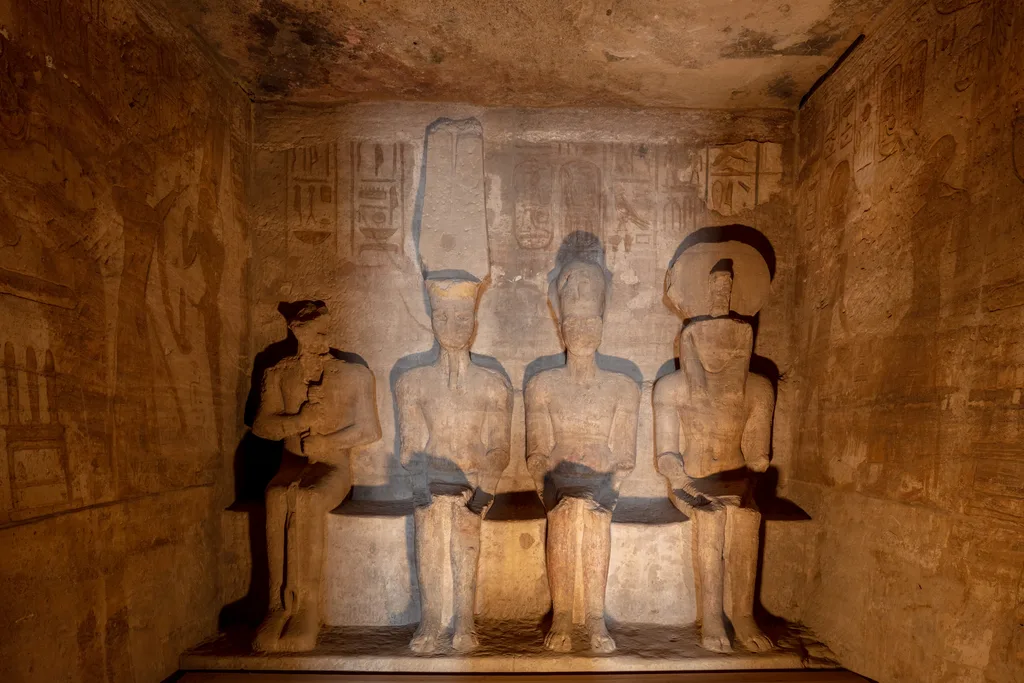
January is the coolest month in Egypt and one of the two great peaks of the year, and those two facts belong together. In Cairo the days are mild and the evenings can feel genuinely cool — a layer is not optional after sunset, and Nile cruise decks in the early morning are cold enough that the warm clothing you packed for the flight home earns its place on day one. In Luxor and Aswan the days are warm rather than hot, which is precisely why the temples are at their most comfortable: long hours outdoors, no need to hide from the midday sun, and photography light that stays kind all day. This is the month when Upper Egypt is at its easiest, and the crowds know it.
The price of that ease is paid at the famous sites and in the holiday weeks. The stretch around Christmas and New Year spills into early January, and the major sights — Giza, the Valley of the Kings, Karnak, Abu Simbel — are at their busiest, with the largest tour groups and the longest waits at the entrances that bottleneck. Outside those weeks, late January is a different proposition: the same mild weather, noticeably thinner crowds, and a calmer version of the peak season. The Red Sea in January is the honest compromise of the month — swimmable, but cooler than the autumn months, and better suited to diving in a wetsuit and to days split between the water and the shore than to the long lazy swims of September. The desert, meanwhile, is at its best: cold nights, clear days, and none of the summer’s punishing heat, though a warm layer for the night is essential rather than advisable.
February
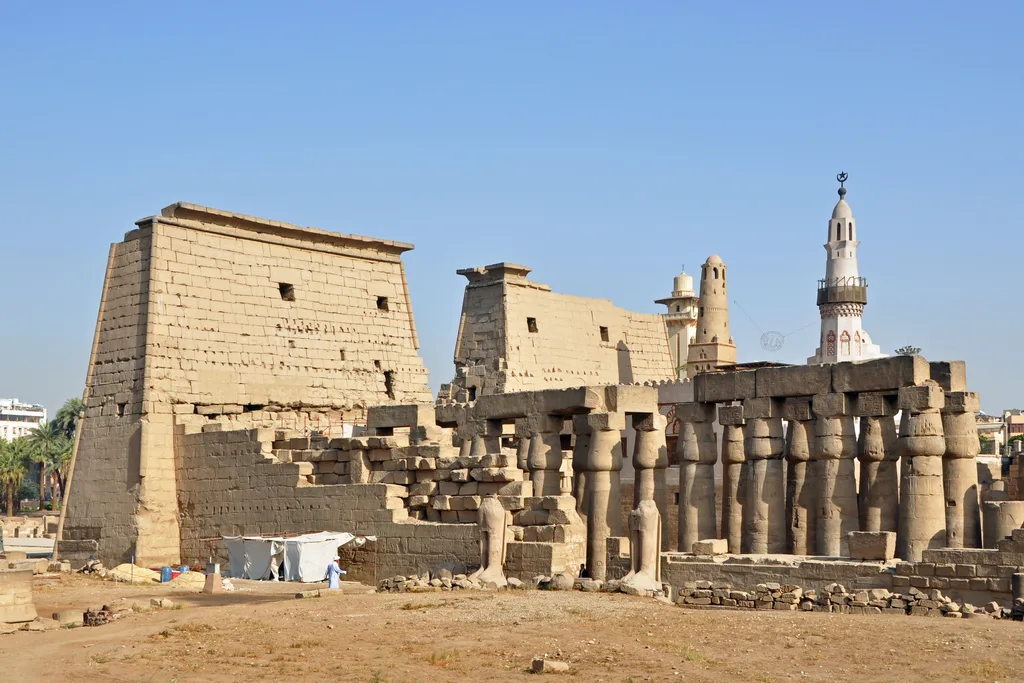
February is January with the edges softened — still cool, still comfortable, slightly warmer, slightly calmer. Cairo days edge upward and the evenings stay cool, Luxor and Aswan stay in their most walkable range, and the holiday crowds of the New Year have thinned to the ordinary peak-season flow. For many travellers this is the most underrated month in the calendar: it keeps almost everything January offers and drops the worst of the congestion, and it is one of the two months this guide would put at the top of a shortlist for a first temple-heavy trip. The light is still low and golden for much of the day, which matters more than most itineraries admit — Egypt is a country you photograph constantly, and February light flatters stone the way summer light does not.
There are two February specifics worth planning around. The first is Abu Simbel’s Sun Festival, which falls twice a year, in February and in October, when the rising sun is said to illuminate the inner sanctuary — it draws a genuine crowd to a remote site, so a February trip built around Abu Simbel should expect company and plan its arrival accordingly rather than discovering the festival on the day. The second is that February is the last fully cool month before the spring transition begins: late February can already carry a hint of the warming to come, and travellers who dislike heat without loving cold should treat February as the final month of the deep comfortable season. The Red Sea is much as in January — cooler water, good diving, shorter swims — and Alexandria in February is at its quietest and wettest, a city for museums and cafes rather than the Corniche.
March
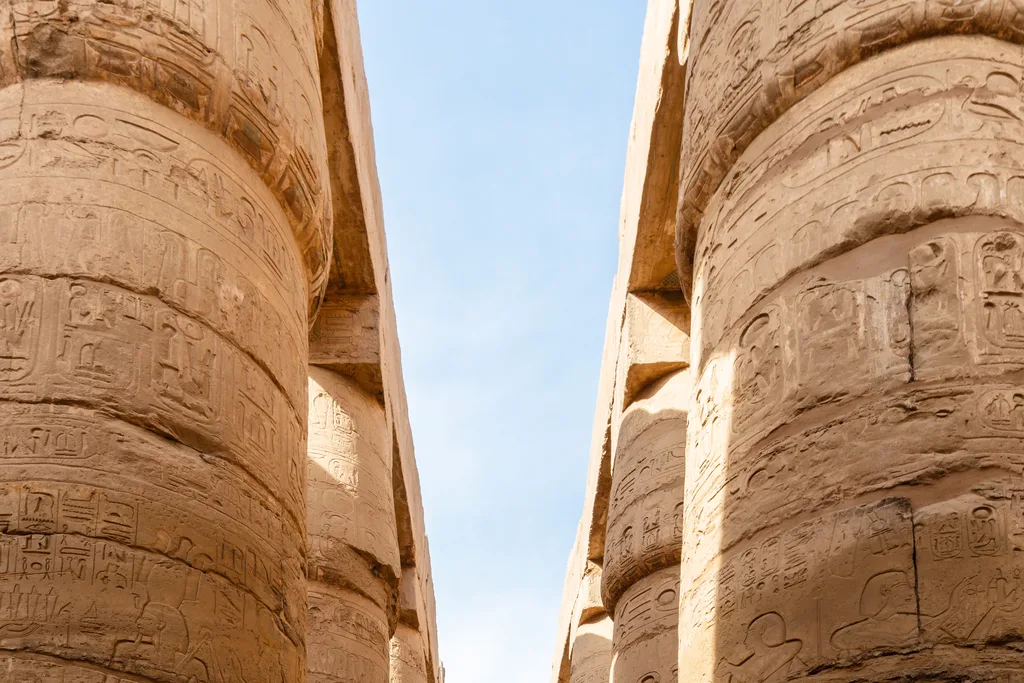
March is the month this guide would choose if it could only choose one for a classic trip, and the reason is balance rather than perfection. The days are warm across the whole country without yet being hot: Cairo is comfortable, Luxor and Aswan are warm in the pleasant sense rather than the punishing one, and the evenings everywhere are mild enough that dinner outdoors needs no debate. The holiday crowds have eased, the light is longer than in midwinter, and the country feels open in a way it does not at the Christmas peak — sites busy but not overwhelmed, guides available, the whole machinery of tourism running smoothly without strain. If November is the autumn version of this argument, March is the spring one, and there is little to choose between them.
The caveat March carries is the khamasin, the hot dry wind that blows out of the desert in spring and can raise dust and push a single day’s temperature far above the monthly average. A khamasin day is not a ruined day — it is a day for indoor museums, for the shade of a temple hypostyle hall, for a slow lunch rather than a long exposed walk — but it is the reason this guide keeps insisting that monthly averages are planning tools, not promises. March is also the month when the Red Sea turns a corner: the water warms, the wind that makes the northern resorts a windsurfing centre is still present but less biting, and the long swimming season that runs through to November properly begins. The desert in March is superb, warm by day and still cool at night, and Alexandria begins to shake off winter, with the first warm days that make the Corniche a pleasure rather than a bracing walk.
April
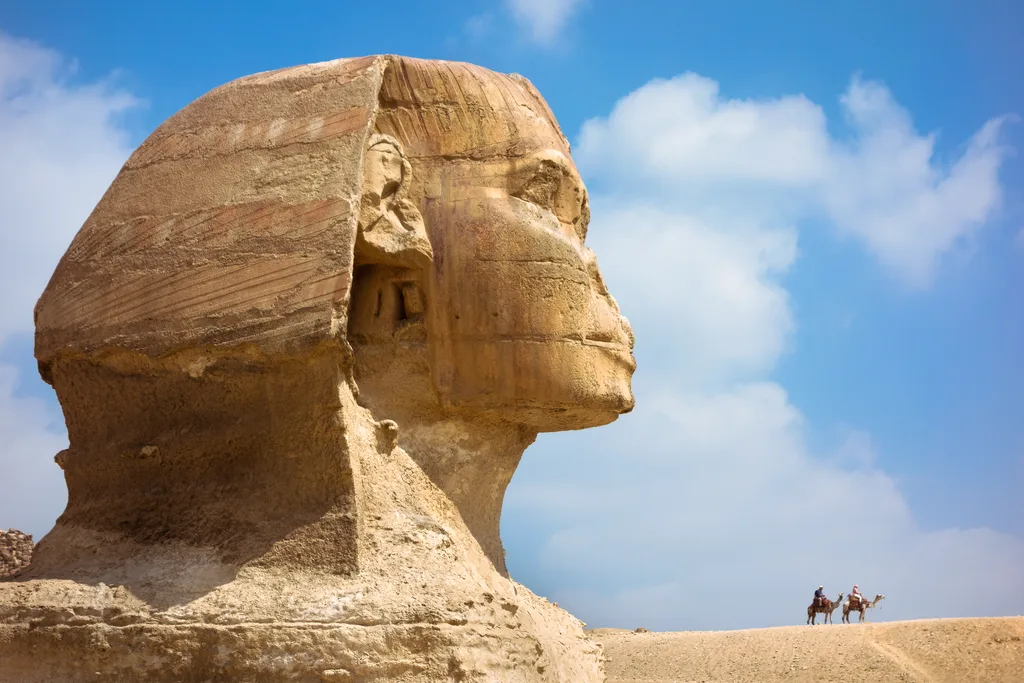
April is the last month of the classic comfortable season, and it feels like it — warmer than March everywhere, with Upper Egypt beginning to show the heat that will define its summer. Cairo and Giza are still very manageable, especially with early starts, and the days are long, which is a genuine asset: a long April day lets a temple visit start at first light and still leaves an unhurried afternoon for a museum or a market. But Luxor and Aswan in late April are no longer the easy walking of February; they are warm in the sense that demands planning — shade, water, a midday break — rather than warm in the sense that can be ignored. April is the month when the advice to judge a trip by Upper Egypt starts to bite.
That said, April remains a strong month for most trips, and for the Red Sea it is an excellent one: warm water, warm air, and the summer crowds not yet arrived. The khamasin can still appear in April, as in March, and the same response applies — move the exposed walking to the morning, keep the afternoon for shade and water. One April-specific note is the Easter holiday period, which varies by year and by church calendar and can bring a short, sharp busy spell at the major sites; a trip that straddles Easter should expect that spell and plan its most famous site for a different day if it can. The desert in April is still good, though the nights are warming and the margin of comfort narrows; by the end of the month the desert season is effectively closing for travellers who dislike real heat. For a first trip that cannot travel in March or November, April is the best of the remaining options — warm, long, and still on the right side of summer.
May

May is the hinge month of the Egyptian year, and hinges are where trips get interesting. The classic temple season is ending: Luxor and Aswan are hot now, not warm, and a temple day in May is a day of early starts, long shade breaks and late-afternoon returns — entirely doable, and notably quieter than the winter peak, but no longer the effortless walking of March. Cairo and Giza are hot too, though the capital’s summer is a gentler thing than the south’s, and a May trip that leans on Cairo, museums and the Red Sea will feel very different from a May trip built around the temples of the south. That split is the whole story of May: the country stops having one season and starts having several.
What May gains is the Red Sea at its opening best. The water is warm, the air is hot but sea-tempered, and the resorts are busy without yet being at their summer peak — for a trip whose centre of gravity is swimming, diving and the shore, May is one of the strongest months of the year. The desert, by contrast, is now a specialist proposition: daytime heat is serious, and desert travel in May belongs to travellers who plan around dawn and dusk and who understand what they are doing, not to a first desert excursion. Alexandria in May is waking up properly, warm and breezy, and the Mediterranean coast begins the season that will carry it through to October. May is also the month when the price and crowd advantages of summer start to appear at the temples — fewer visitors, keener rates — which makes it the first month where the trade of the summer season, heat for quiet, is honestly on offer.
June
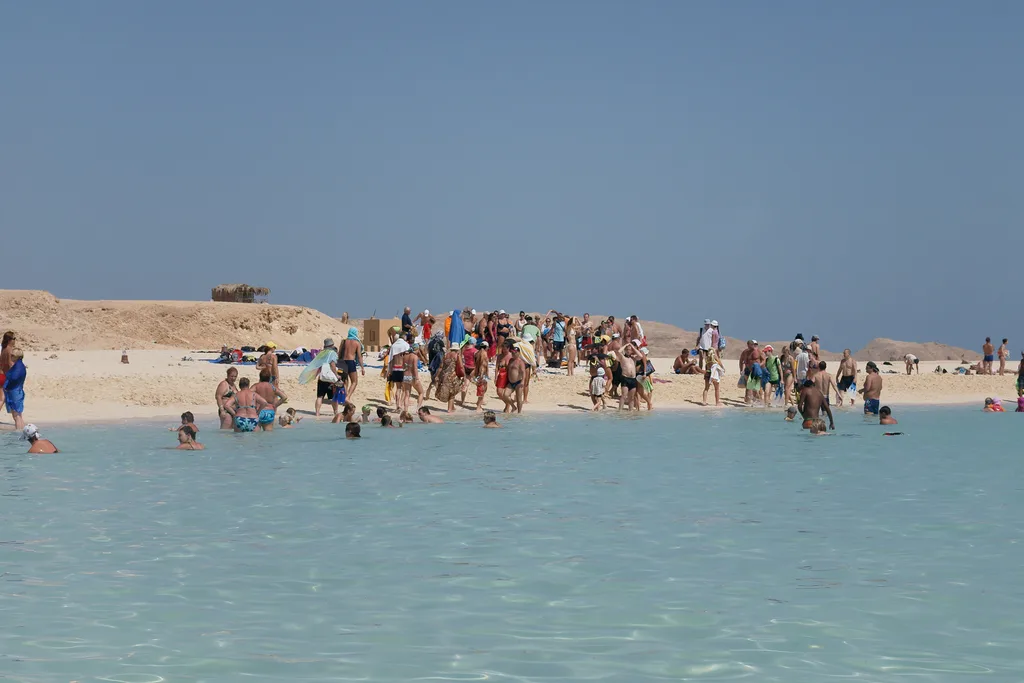
June is the first full month of summer, and in Upper Egypt summer means what it says: daytime highs regularly above 40°C, temple courtyards that radiate heat back at you, and a sightseeing day that must be built around the early morning and the late afternoon with the middle of the day surrendered to shade, water and rest. That is not a reason to rule June out — it is a reason to be honest about what a June temple trip is. Travellers who start at first light, who treat the midday hours as a break rather than a gap to be filled, and who choose their sites by shade as much as by fame, can have a superb June in Luxor and Aswan, and they will have the great sites far quieter than in winter. Travellers who expect to walk all day in the sun will not.
For the Red Sea, June is high season in the best sense: warm sea, hot air softened by the breeze, long days, and the full range of water activities at their easiest. Dahab, Hurghada and the southern resorts are in their element, and a June trip that is mostly coast with a short, early-morning temple element is one of the most enjoyable shapes a summer Egypt trip can take. Cairo in June is hot but workable, with museums and indoor sites carrying the middle of the day. The desert in June is for specialists only — the heat is the story, not the backdrop — and Alexandria in June is at its summer best, warm, breezy and lively, the Mediterranean doing exactly what the Nile Valley cannot. June is also the first month where the summer’s crowd advantage is fully real at the inland sites: the famous places, emptied of their winter tour groups, can feel almost private at first light.
July
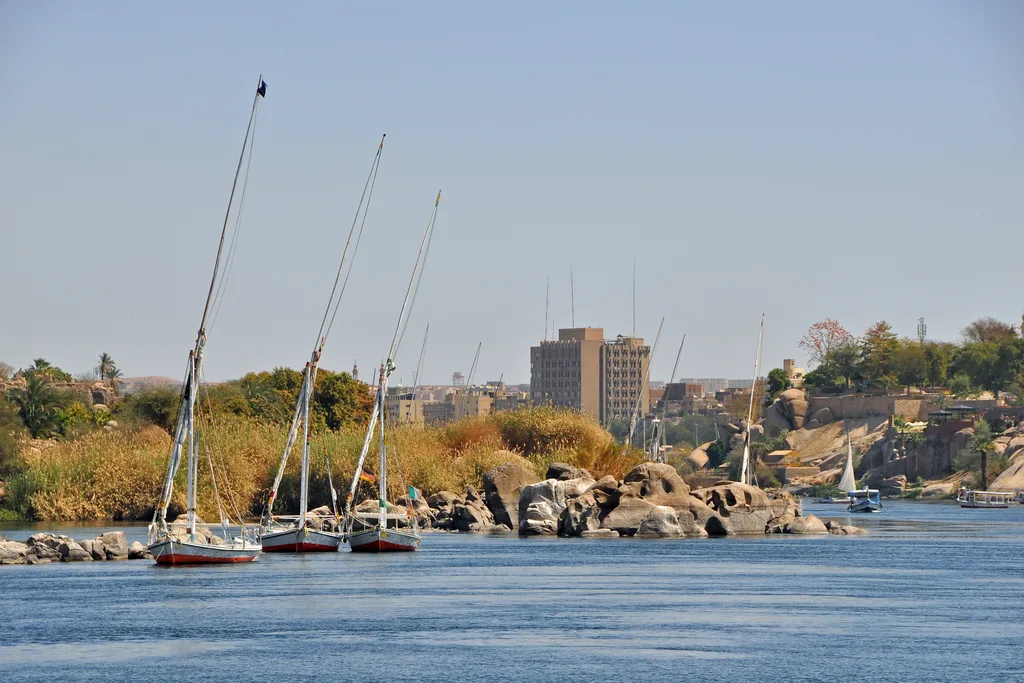
July is the hottest month of the year in most of Egypt, and the advice for it is the June advice with the emphasis doubled. In Luxor and Aswan the heat is not an inconvenience to be managed but the defining condition of the day: temple visits belong to the first hours after sunrise and the last hours before sunset, the middle of the day belongs to shade and water, and any itinerary that ignores that shape will punish the traveller who follows it. A Nile cruise in July is a particular case — life on the water is tempered by the breeze and by the rhythm of the boat, but the temple stops are still exposed walking in extreme heat, and the cruise days should be judged by those stops, not by the comfort of the deck. None of this makes July a bad month; it makes July a month for a particular kind of trip, taken by travellers who know what they are choosing.
What July offers in return is the Red Sea at its warmest and most inviting, with sea temperatures at their peak and the shore at its most purely pleasurable — July is the month when the case for a coast-first trip is strongest, and when the temples are best treated as a short, sharp, early-morning addition rather than the centre of the itinerary. Cairo in July is hot and best explored in the same early-and-late rhythm, with the Egyptian Museum and the indoor collections carrying the middle of the day. Alexandria in July is the great exception to the summer rule: the Mediterranean breeze keeps it notably cooler than the interior, the Corniche is at its liveliest, and a July trip that pairs Alexandria with the Red Sea coast sidesteps the worst of the inland heat entirely. The desert in July is not a sensible first-trip proposition, and the guide says so plainly rather than dressing it up.
August

August continues July’s heat and adds one thing July does not always have: the full weight of the summer holiday season on the coasts. The Red Sea resorts are at their busiest, the Mediterranean coast — Alexandria and the North Coast — is at its absolute peak, with Egyptian families on their own summer holidays filling the beaches that are quiet in winter, and the inland sites remain quiet by comparison. That inversion is worth understanding, because it reverses the usual advice: in August, the famous temples are the quiet places and the beaches are the crowded ones, which is the opposite of the winter pattern and a useful corrective to any guide that calls August simply “low season”.
For the temples, August is July repeated — early starts, shade, water, and no illusions about walking all day. For the coast, August is the warmest water of the year and the liveliest atmosphere, and the trade is crowds for warmth: a Red Sea week in August is a social, busy, warm-water holiday, not a secluded one, and travellers who want the same water with fewer people should look at September or October instead. Cairo in August is hot and best taken in the early-and-late rhythm, with the added note that the city’s own summer life — its cafes, its Nile-side evenings — is very much alive after sunset, when the temperature finally relents. The desert in August remains a specialist proposition, and the month’s one clear planning gift is the quiet of the inland sites: a traveller who loves ancient Egypt more than beaches, who starts early and rests at midday, will find August’s temples among the least crowded of the year.
September
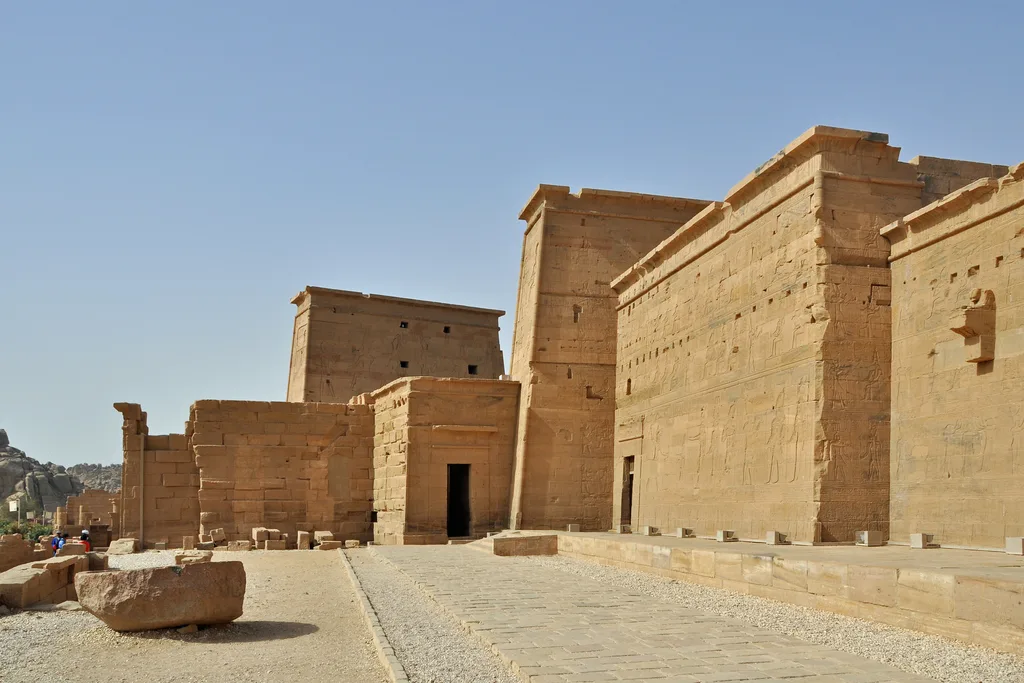
September is the month that reconciles the year’s contradictions, and it is the strongest single answer to the question this guide asks. The heat of summer is easing, but the sea is at its warmest — the Red Sea holds its summer warmth deep into autumn, so September gives you summer water without summer’s fiercest air temperatures. The temples are still hot, but noticeably less punishing than in July and August, and the crowds have not yet returned to winter levels: the summer holiday season is over, the winter peak has not begun, and the famous sites sit in a sweet, uncrowded middle. Cairo is warm but workable, Alexandria is still in its summer season with the edge taken off the crowds, and the desert begins to open again for travellers who plan around the still-warm days.
That combination is why September appears in the “pick one month” column of so many of this guide’s rows, and why the at-a-glance table gives October the shared crown but September the quieter one. A September trip can do what almost no other month can: a temple-heavy itinerary and a Red Sea week in the same fortnight, both in good conditions, without the winter crowds at the temples or the summer crowds on the beaches. The caveat is modest and honest: early September still carries summer heat in Upper Egypt, so the early-start discipline of the summer months should not be abandoned on arrival — it should simply be relaxed, gradually, as the month goes on. By late September the classic trip is back in its comfortable season in all but name, and the month ends as one of the two or three best in the year.
October
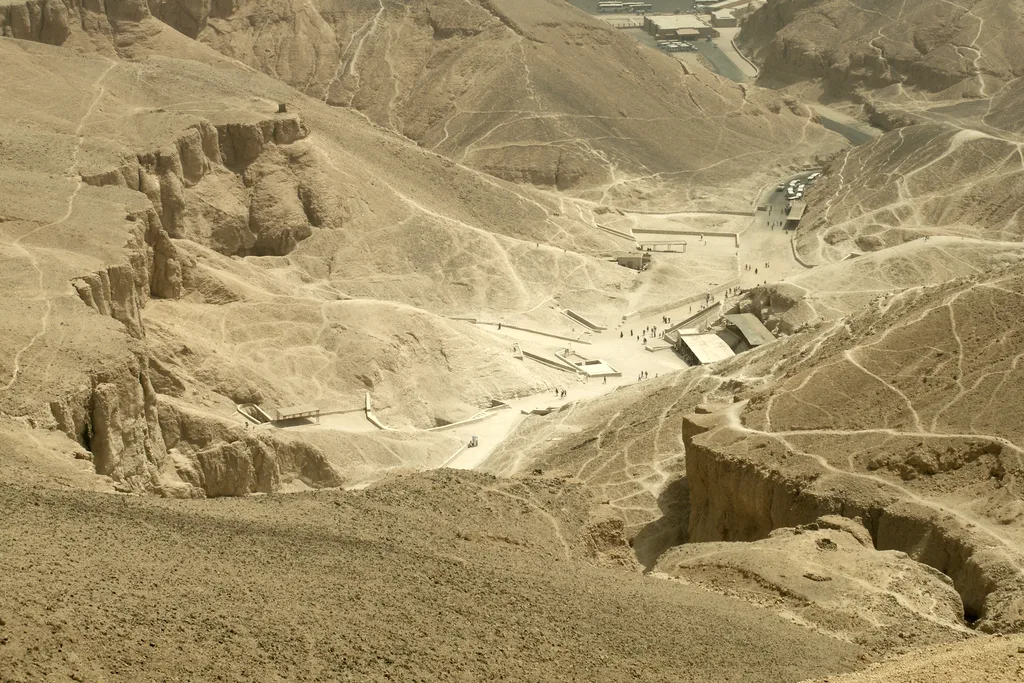
October is the month when Egypt’s two calendars finally agree. The temple season has properly returned — Luxor and Aswan are warm rather than hot, the days are comfortable for long outdoor hours, and the early-start discipline of summer can be relaxed without penalty. The Red Sea is still warm, the water still at its inviting best, and the resorts are past their summer peak without yet being quiet. The desert is open again, Alexandria is still warm, and the whole country is, for a few weeks, in season at once. If a trip must serve two masters — temples and coast, first-timers and return visitors, sightseeing and swimming — October is the month that serves both, and it is the month this guide recommends most often to travellers who ask for one answer.
October also carries one of the year’s set-piece events at Abu Simbel, whose Sun Festival falls in October as well as February, drawing visitors to the far south for the dawn illumination of the inner sanctuary — a February trip and an October trip built around Abu Simbel share the same planning note, which is to expect company at a remote site and to arrange the arrival rather than improvising it. The broader October picture is of a country in transition in the best sense: the summer’s heat is gone, the winter’s crowds have not yet arrived, and the days are still long. Late October in particular is the sweet spot inside the sweet spot — the heat fully eased, the sea still warm, the sites still uncrowded — and a trip that can be placed in the second half of the month should be. If September is the quieter answer, October is the more complete one.
November
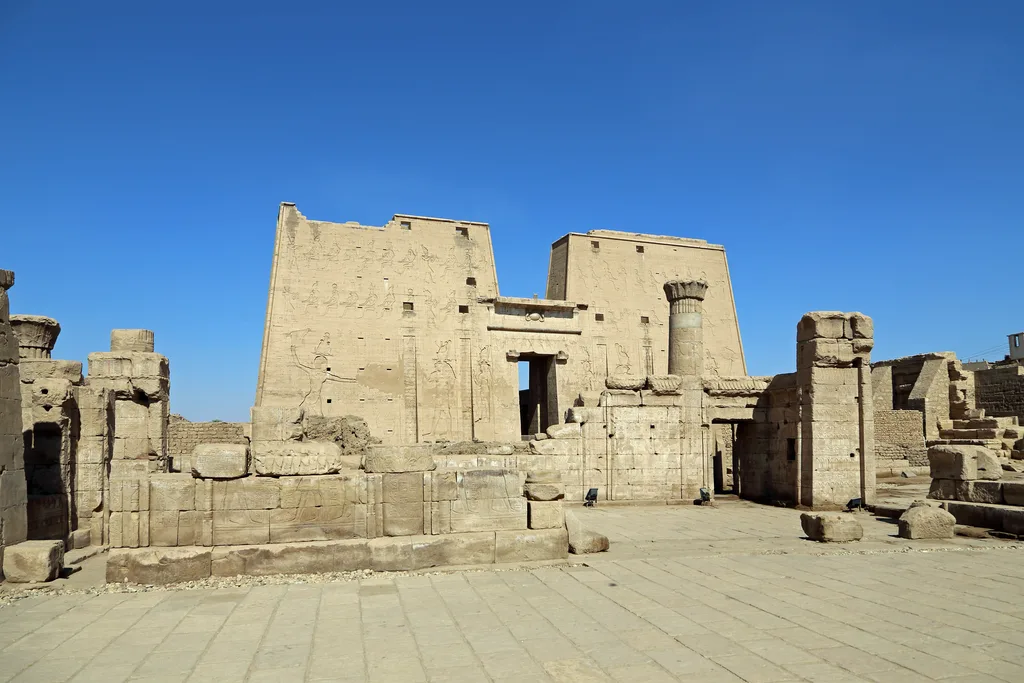
November is the other month this guide would choose for a classic trip, and the case for it is the simplest in the calendar: the weather is comfortable everywhere that matters for a temple itinerary, the sea is still warm enough for the Red Sea to work as a second act, and the winter holiday crowds have not yet arrived. Cairo is mild, Luxor and Aswan are warm in the pleasant sense, the evenings are cool enough to be refreshing without needing a layer indoors, and the days are long enough for unhurried sightseeing. November is the month when the classic trip — Cairo, Luxor, Aswan, the cruise between them — is at its easiest, and the only honest argument against it is that the days are shorter than in March and the sea, while still warm, is cooling from its autumn peak.
That is a small argument, and it is outweighed by the crowd picture: November sits before the Christmas and New Year peak, which makes it the last month of the year when the famous sites can be enjoyed without the largest tour groups, and the first month of the winter season when the weather has fully settled into its comfortable range. The desert in November is superb, warm by day and cool at night, and the month is one of the two best for desert travel alongside March. Alexandria in November is cooling and quieting, the Mediterranean season winding down, but the city itself — its museums, its libraries, its cafes — works in any month, and November’s mild days suit it well. For a first trip that must be one month and one month only, November and March are the pair this guide returns to, and November’s particular gift is that it delivers the winter’s weather without the winter’s crowds.
December
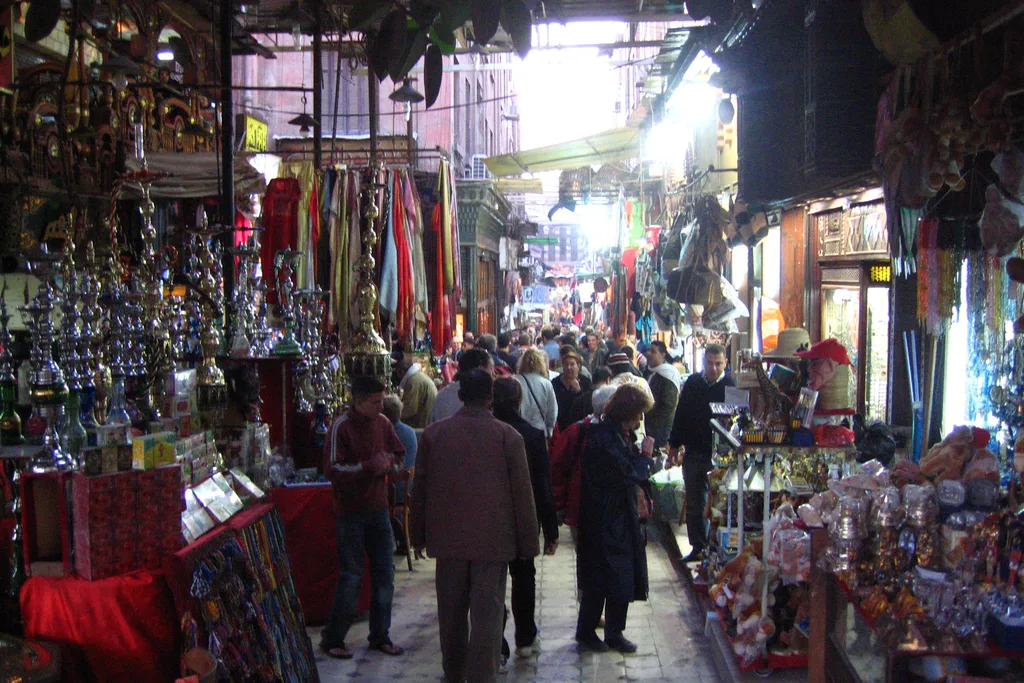
December is the classic peak month, and it earns the title honestly: the weather is at its kindest for sightseeing, the days are warm and the evenings cool, and the whole temple itinerary is at its most comfortable. Cairo, Luxor and Aswan are all in their best range, the Nile cruise season is in full flow, and the desert is at its winter best — cold nights, clear days, and the kind of light that makes the desert’s colours do their best work. For travellers who can only travel in the school holidays, December is the weather’s gift: there is no month in which the sightseeing conditions are more reliably kind across the whole country.
The price, as throughout the winter peak, is paid in crowds and in planning effort. The weeks around Christmas and New Year are the busiest of the year at the major sites, and the famous places — Giza, the Valley of the Kings, Karnak, the temples of the south — should be expected at their fullest, with the largest groups and the longest waits at the bottlenecks. Early December, before the holiday weeks begin, is the smarter play inside the month: the same weather, noticeably fewer people, and a calmer version of the peak. The Red Sea in December is the month’s honest compromise — cooler water than autumn, better for diving in a wetsuit and for days split between water and shore than for long swims — and Alexandria in December is at its quietest and wettest, a city for indoor pleasures. December is the month for travellers who value the kindest weather above all else and are willing to plan around the crowds to get it.
The Nile Valley
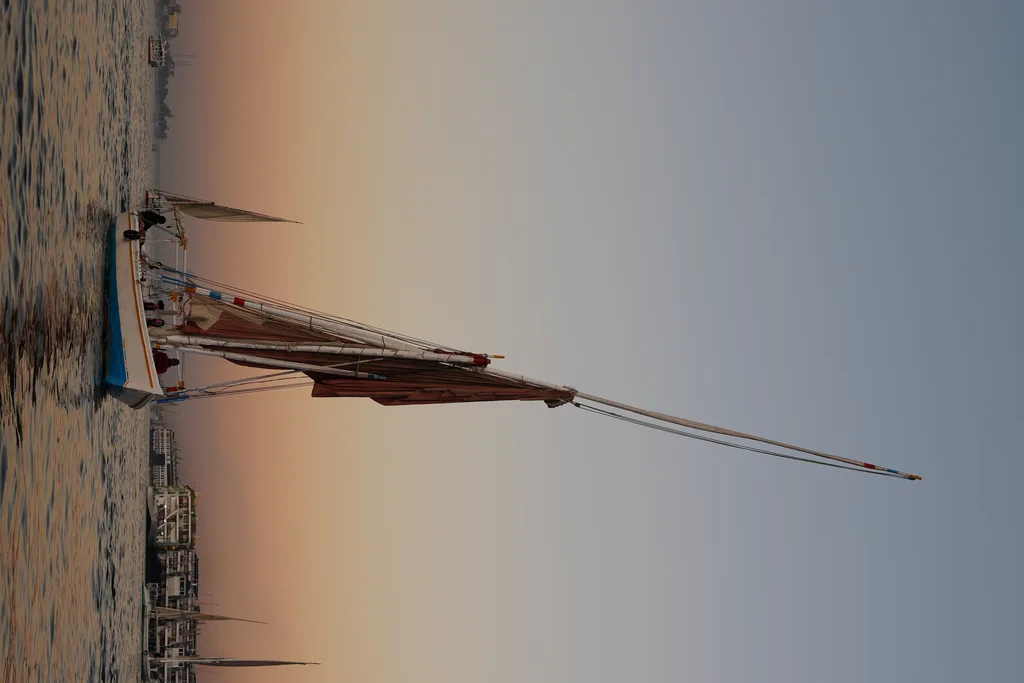
The Nile Valley — Cairo and Giza in the north, Luxor and Aswan in the south, and the cruise that joins them — is the trip most people mean when they say “Egypt”, and its calendar is the one this guide’s general advice is really about. The valley’s comfortable season runs from October to April, and within it the sweet months are November and March, with February close behind: warm days, cool evenings, long comfortable hours outdoors, and none of the summer’s demand that sightseeing be rationed by the sun. The valley’s hot season runs from May to September, and within it the rule is simple and non-negotiable — start at first light, rest through the middle of the day, return in the late afternoon — and the reward for following it is real, because the summer valley is quiet in a way the winter valley never is. Our places to visit in Egypt and our Luxor city guide both sit inside this calendar, and both are best read with it in mind.
Two valley specifics deserve emphasis because they change itineraries. The first is the north-south gradient: Cairo is always milder than Luxor, and Luxor is always milder than Aswan in summer, so a trip that feels fine in the capital can still be punishing in the south, and the planning should always be done from the southernmost point of the itinerary backwards. The second is the cruise rhythm: a Nile cruise tempers the heat with river breeze and with a schedule built around temple stops, but the stops themselves are still exposed walking, and a summer cruise should be judged by the heat of its stops, not by the comfort of its deck. The valley’s shoulder months — October and April — are the months where the gradient matters least and the cruise rhythm matters most, because the weather is forgiving enough that the itinerary, not the temperature, decides the day. And one practical note that belongs to the valley in every month: the great temples are stone courtyards with little shade, so sun protection and water are not accessories to a valley day but part of its equipment, in winter as well as summer.
The Red Sea

The Red Sea coast — Hurghada, Sharm el-Sheikh, Dahab, Marsa Alam and the resorts between them — runs on a different calendar from the valley, and understanding that difference is the single most useful correction this guide can offer to the standard “October to April” answer. The Red Sea’s swimming and diving season runs from May to November, with the water warmest from late spring through early autumn, and its best months for a pure beach and diving trip are September and October, when the water holds its summer warmth and the summer crowds have gone. A Red Sea trip in January is perfectly possible — the diving is good year-round, and the cooler months suit travellers who prefer the water with a wetsuit and the shore without the summer heat — but it is a different holiday from a Red Sea trip in September, and the two should not be sold as the same thing.
The coast’s other advantage is the breeze, which softens the summer air in a way the inland valley never experiences: a July day on the Red Sea is hot, but it is a sea-tempered hot, and the water is the remedy rather than a distant promise. That is why the summer months, so punishing inland, are the coast’s high season, and why a summer trip that is mostly coast with a short, early-morning temple element is one of the most enjoyable shapes an Egypt trip can take. The wind deserves a mention too, because the northern Red Sea is a windsurfing and kitesurfing centre for a reason: the breeze that cools the summer is also a sporting asset, and travellers who want flat calm water for snorkelling should favour the more sheltered bays and the autumn months, when the wind eases. For a coast-first trip, the planning rule is the reverse of the valley’s: judge by the sea, not by the temples, and let the water temperature decide the month. Our places to stay in Dahab is the site’s Red Sea base for that kind of trip, and Dahab’s own calendar — warm water deep into autumn, a quieter shore than the big resorts — is a good model for the coast as a whole.
The Desert
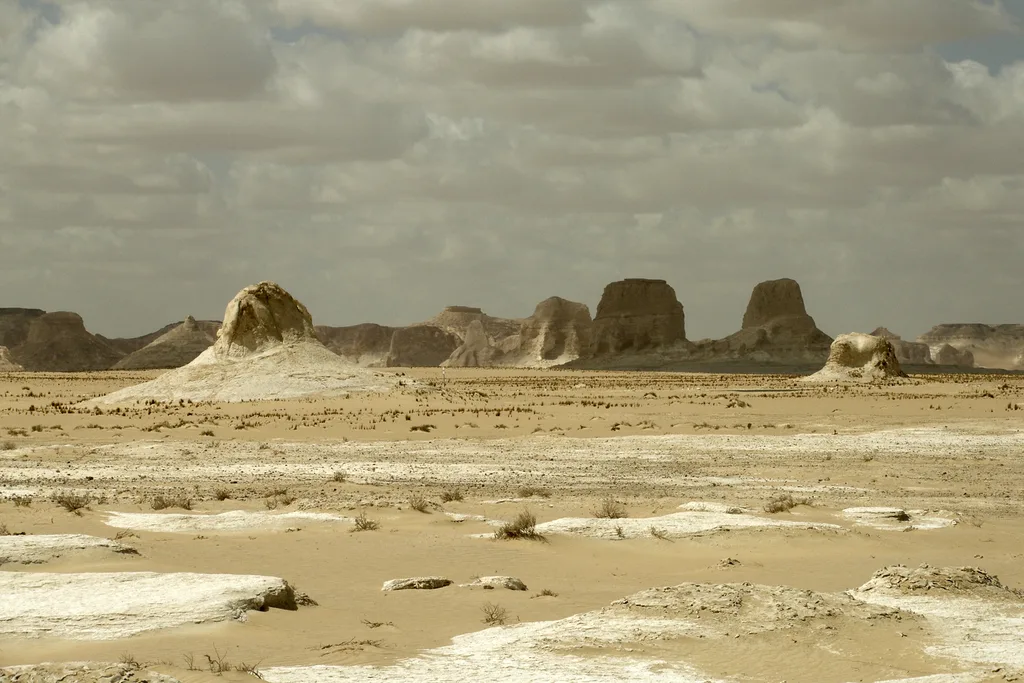
The Egyptian desert — the White Desert, the oases of Siwa and Bahariya, the long empty stretches of the Western Desert — has the sharpest seasonal window in the country, and the least forgiving one. Its season runs from October to April, and its best months are November and March, when the days are warm and the nights are cool rather than cold. In winter the desert’s days are clear and beautiful, but its nights are genuinely cold, and a desert night in January demands warm clothing and proper bedding rather than a light layer — the large gap between day and night temperatures that defines the desert climate is at its widest in the cool months, and travellers who pack only for the daytime will feel it. In summer the desert is not a first-trip proposition at all: the heat is the story, not the backdrop, and desert travel in the summer months belongs to specialists who plan around dawn and dusk and who understand the risks they are managing.
That sharp window is also what makes the desert special, because the desert rewards the traveller who meets it on its own terms. A November or March desert trip — the White Desert’s chalk sculptures under a clear sky, an oasis town at the pace it has kept for centuries, a night under stars that the cities never offer — is one of the great Egyptian experiences, and it is available for roughly half the year. The shoulder months, October and April, are the desert’s edges: October is still warm by day and already comfortable at night, April is warming and narrowing, and both reward travellers who check the forecast for their specific week rather than trusting the monthly average. One desert-specific note that belongs in any honest guide: the desert’s beauty is inseparable from its remoteness, and remoteness means self-sufficiency — water, sun protection, and a guide who knows the ground are not optional extras in the desert in any month, and the season that makes the desert comfortable does not make it tame.
The Alexandria Coast
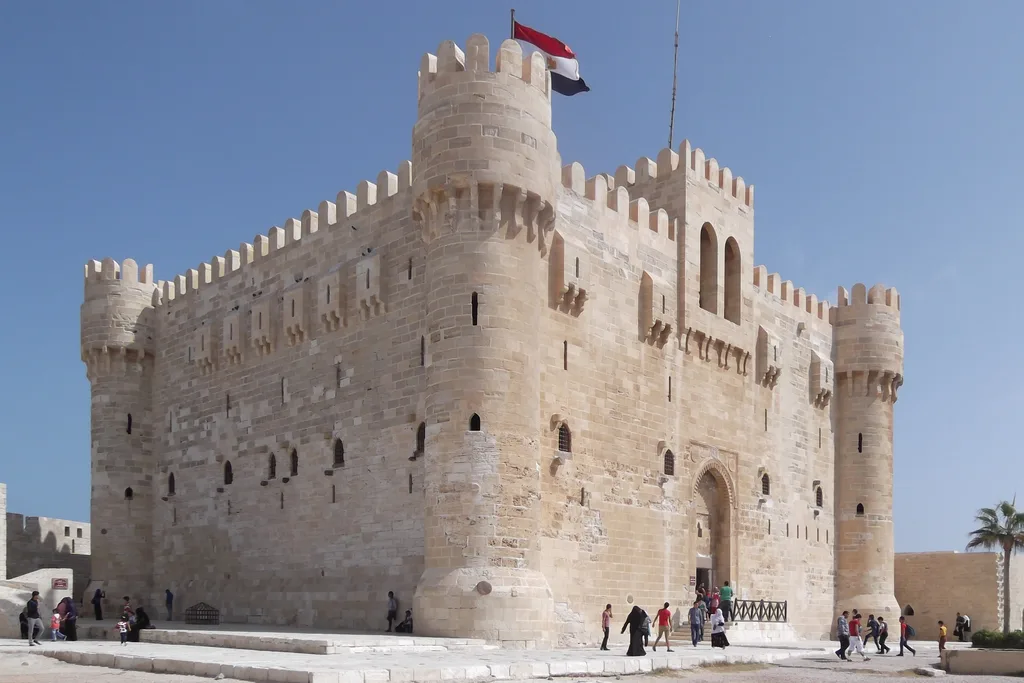
Alexandria and the Mediterranean coast are the exception that proves the rule of Egyptian seasons, because their calendar runs in the opposite direction from the valley’s. Alexandria’s summer is its high season: from May to October the city is warm, breezy and lively, the Corniche is at its best, and the Mediterranean does exactly what the Nile Valley cannot — it keeps a summer day pleasant. September is the month this guide would pick for Alexandria, when the summer crowds have eased but the sea is still warm and the city is still in its summer mood. The winter, by contrast, is Alexandria’s quiet season: cooler, wetter, and at its most atmospheric for travellers who want museums, libraries and cafes rather than beaches — the city’s indoor pleasures are considerable, and a winter Alexandria trip built around them is a fine trip, but it is not a beach trip and should not be sold as one.
The Mediterranean coast beyond Alexandria — the North Coast resorts that fill with Egyptian families in summer — follows the same inverted pattern, and the inversion is the point: a summer trip that pairs Alexandria with the Red Sea coast sidesteps the worst of the inland heat entirely, while a winter trip that pairs Alexandria with the valley gets the valley’s best weather and the coast’s quietest season in the same fortnight. Alexandria’s winter rain is real, though modest by northern European standards, and its winter humidity is the one thing about the city that surprises travellers who expect desert dryness everywhere in Egypt. The city’s own character is the constant across the seasons — a port city with a Greek and Roman past, a literary present, and a seafront that invites walking in any month when the wind is not driving rain off the sea — and the seasonal advice for Alexandria is really advice about which Alexandria you want: the summer city of the Corniche, or the winter city of the museums.
Crowds and Prices Through the Year
Crowds in Egypt follow two calendars at once — the weather calendar and the holiday calendar — and the places where they collide are the places where planning matters most. The busiest stretch of the year is the Christmas and New Year period, when the kindest weather and the school holidays coincide at the major sites, and the famous places are at their fullest. The Easter period brings a shorter, sharper busy spell whose exact dates vary by year. Outside those peaks, the winter months are busy in the ordinary sense — the sites are well visited, but not overwhelmed — and the summer months are quiet inland and busy on the coasts, which is the inversion described in the August section and the single most useful crowd fact in this guide. A traveller who wants the temples quiet should look at the summer and at late January, not at the winter peak; a traveller who wants the beaches quiet should look at the autumn and the winter, not at the summer.
Prices follow crowds in the broad sense — the winter peak is the most expensive time, the summer is the cheapest at the inland sites — but this guide deliberately gives no percentages, because the operator figures quoted across the SERP vary too widely to be trusted as planning numbers. The honest version is qualitative: summer brings keener rates and quieter temples, winter brings the best weather and the highest demand, and the shoulder months — October to November and February to March — are where the balance of weather, crowds and value is kindest. The practical crowd tactics are the same in every season and worth stating plainly: arrive at the famous sites at opening time, when the light is also best; put the most famous site of the itinerary on a weekday rather than a weekend where the choice exists; and treat the midday hours at the major sites as the hours to avoid in summer and the hours to enjoy in winter, because the same sun that punishes a July courtyard is a pleasure in January. For the year’s holiday dates and their effect on planning, our Egypt holiday calendar carries the detail.
Practical Timing Advice
The best month is only half the decision; the other half is how the days inside it are built, and a few timing habits matter more than the choice of month itself. The first is the early start, which is the single most valuable habit in Egyptian travel: in summer it is a necessity, because the temple hours that matter are the first hours after sunrise, and in winter it is a gift, because the early hours bring the best light and the fewest people to the famous sites. The second is the midday rule, which reverses with the season — in summer the middle of the day belongs to shade, water and rest, and in winter it belongs to the sites themselves, because the winter sun is a pleasure rather than a punishment. The third is the weekly rhythm: where an itinerary allows it, put the most famous site on a weekday, and keep the flexibility to move a site by a day when a holiday crowd or a khamasin wind arrives unexpectedly.
The remaining advice is about matching the trip to the month rather than forcing the month to match the trip. If the only available month is a summer one, build the trip around the coast and the early mornings, and treat the temples as a short, sharp, dawn activity rather than the centre of the itinerary. If the only available month is a winter one, accept the crowds at the famous sites as the price of the weather, and buy back quiet by starting early and by adding a second-tier site — the oldest temples and the quieter corners of the Luxor Temple precinct reward the traveller who looks beyond the headline stop — for every headline hour. And in every month, check the forecast for the specific week rather than trusting the monthly average: a khamasin day in March, a cool snap in January, a hot spell in October — all of them happen, all of them are manageable, and none of them is visible in a monthly table. The month chooses the shape of the trip; the week chooses its details.
Frequently Asked Questions
Five questions account for most timing decisions, and the short answers are below. Each is argued in full in the sections above — the regional split, in particular, is the thread that runs through the whole guide.
What is the single best month to visit Egypt?
There isn’t one — it depends on the trip. For a first temple-heavy trip, November or March. For a trip that must serve temples and the Red Sea together, October. For a pure beach and diving trip, September. For the quietest temples, a summer month with early starts. The honest answer is a pair of months — November and March — rather than a single winner, because both balance weather against crowds, and the balance is the decision.
That balance is worth understanding, because it explains why the most comfortable month is rarely the best month. December and January have the kindest sightseeing weather in the valley, but they also have the largest crowds; June and July have the quietest temples, but they also have the fiercest heat. November and March sit where the two curves cross — weather still comfortable, crowds already or not yet at their peak — and that crossing is what makes a month “best” in any sense that survives contact with a real itinerary. A traveller whose priority is purely the weather should choose December; a traveller whose priority is purely quiet should choose the summer; a traveller who wants both, as most do, should choose the shoulders.
Is Egypt too hot in summer?
For the temples, summer is hot enough to change how the day is built, but not so hot that the trip must be abandoned — provided the traveller accepts the early-start discipline. A summer temple day is a dawn-to-late-morning day with a long midday break, not an all-day walk, and travellers who follow that shape report the summer valley as a pleasure, quiet and golden at first light. Travellers who expect to walk all day in the sun will find summer punishing, and no honest guide should pretend otherwise.
For the coast, summer is not a problem at all — it is the season. The Red Sea is at its warmest, the breeze tempers the air, and the water is the remedy for the heat rather than a distant promise. Alexandria in summer is the great exception to the inland rule, kept pleasant by the Mediterranean. The summer question, then, is not “is Egypt too hot” but “which Egypt are you visiting”: the valley in summer demands discipline, the coast in summer demands nothing but a swimsuit, and a summer trip that leans on the coast with a short, early temple element is one of the most enjoyable shapes a holiday in Egypt can take.
When is the cheapest time to visit Egypt?
The summer months, broadly May to September, when demand at the inland sites is lowest and rates are keenest — but this guide gives no percentages, because the figures quoted across the web vary too widely to be trusted as planning numbers. The qualitative picture is reliable: winter peak is the most expensive time, summer is the cheapest at the temples, and the shoulder months offer the best balance of weather, crowds and value. A traveller whose budget is the deciding factor should look at June or September, and should build the trip around early starts in the first case and warm seas in the second.
One caution belongs with the budget answer: the cheapest month for the temples is not the cheapest month for the coast, because the Red Sea’s high season is the summer, when its rates are firmest. A trip that combines both — temples and coast — does not get the cheapest version of either in a single month, and the shoulder months are again the compromise that works: October and November bring the temple season’s return without yet bringing its peak rates, and September brings the coast’s warmest water without its summer crowds. Budget, like weather, is a regional question in Egypt, not a national one.
When should I avoid Egypt?
There is no month in which Egypt should be avoided outright — the country does not have a bad season, it has trade-offs — but there are months to avoid for particular trips. Avoid the inland temples at midday in the summer months unless you accept the early-start discipline; avoid the desert in summer unless you are a specialist traveller; avoid expecting a quiet beach on the Mediterranean coast in August, when Egyptian families are on their own holidays; and avoid building a trip around a single famous site in the Christmas and New Year weeks without a plan for the crowds.
The more useful version of the question is what to avoid expecting. Do not expect the winter’s kind weather and the summer’s quiet temples in the same month — the two do not coincide. Do not expect the Red Sea’s warmest water and the valley’s coolest days in the same week — the sea peaks when the valley is hottest. And do not expect a monthly average to describe your week — a khamasin day in spring, a cool snap in winter, a hot spell in autumn all happen, and the traveller who checks the week’s forecast rather than trusting the month’s table will enjoy Egypt more in every season.
How far ahead should I plan for the peak season?
For the Christmas and New Year weeks, as far ahead as the trip allows — the peak is the one period in the Egyptian year where the famous sites, the Nile cruises and the well-placed hotels genuinely fill, and a trip built around those weeks should be arranged early rather than improvised. For the shoulder months, the pressure is lower but not absent: November and March are popular precisely because they are the best balance, and the most sought-after guides and cruises still reward early arrangement. For the summer months, the inland sites need little advance planning at all — the quiet is the point — while the Red Sea resorts in August, at their busiest, reward the same early booking as the winter peak.
The deeper planning point is about order rather than lead time: fix the month first, then the region, then the day-by-day shape, because each decision constrains the next. A trip that fixes its hotels before its month has chosen its weather; a trip that fixes its temples before its region has chosen its heat. The month sections above are the first decision, the regional sections the second, and the practical section the third — and a trip planned in that order rarely needs to be replanned, whatever the season throws at it.
The Short Version
Pick the trip your priorities honestly allow: November or March for a first temple trip, October for temples and coast together, September for the warmest water with the fewest people, and the summer months for the quietest temples if you accept early starts. The country itself is simple to read once the regional split is understood — the valley runs October to April, the Red Sea runs May to November, the desert runs October to April with cold nights, and Alexandria runs the other way entirely, summer first. Then plan the days inside the month as carefully as the month itself — early starts in summer, opening times everywhere, and the week’s forecast checked rather than the month’s average trusted. The Egypt travel guide has the routes, transport and practical detail in full.
Two decisions matter more than everything else combined. The first is the region: a trip that knows whether it is really about temples, coast, desert or city will choose its month correctly, while a trip that treats Egypt as one climate will choose it wrong. The second is honesty about heat: the summer’s quiet temples are a real gift, but only for travellers who start at dawn and rest at midday, and the winter’s kind weather is a real gift, but only for travellers who plan around its crowds. Everything else — which beach, which temple, what order inside a day — can safely be settled on the day.
Beyond that, the trip is forgiving. Egypt’s seasons are broad and its contrasts are the point: the same country that gives you a cold desert night in January gives you a warm Red Sea swim in September, and a calendar that respects those contrasts will give you a better trip than a calendar that pretends they do not exist. Build the month around the region, the days around the sun, and the country will do the rest.